
Reviewed · COOKING CLASSES
From Forest to Table: A Hansik Cooking Journey in Seoul
A great meal starts before the first bite. This hands-on Seoul cooking class has you learning Hansik in a peaceful Hanok-inspired studio, led by Woody, with step-by-step help and a full spread you build yourself. I love that you get to cook a lot (four sides plus soup plus bibimbap) without feeling rushed, and I also love the home-style touch of samgyeopsal grilled by the host. One drawback: this class isn’t suitable for vegans, vegetarians, or people with food allergies, since the menu includes pork and dairy-style elements.
You’ll spend 210 minutes from first tea to plated dinner, all in a small group capped at 8. Expect a calm kitchen vibe, clear English guidance, and a meal you actually made, not just watched. If you want a “Seoul food” experience that feels like dinner at a Korean home with a patient teacher, this is a strong pick.
In This Review
- Key Highlights I’d Chase
- A Hanok-Style Kitchen Where Seoul Calms Down
- Meeting Woody: Welcome Tea and Korean Food Culture
- How the 210 Minutes Actually Run (Without Feeling Like a Rush)
- Cook a Full Hansik Meal: Sides, Soup or Stew, Main, and Bibimbap
- The Side Dishes (You’ll Learn Why They Matter)
- Soup or Stew (Your Choice)
- Your Main Dish (Another Choice, Another Skill)
- Bibimbap: Plated Like You Mean It
- Samgyeopsal and Ssam: Woody’s Home-Style Grill
- The Meal Together: Slow Down and Actually Taste
- What’s Included (and Why It’s Worth $89)
- Small-Group Comfort: Who This Cooking Class Fits Best
- Practical Tips Before You Go (So You Enjoy the Cooking)
- Should You Book This Hansik Cooking Journey?
- FAQ
- How long is the cooking class?
- What is included in the price?
- Can I choose my own main dish and soup?
- Is the class suitable for vegetarians or vegans?
- What languages is the class taught in?
- Are children allowed?
Key Highlights I’d Chase
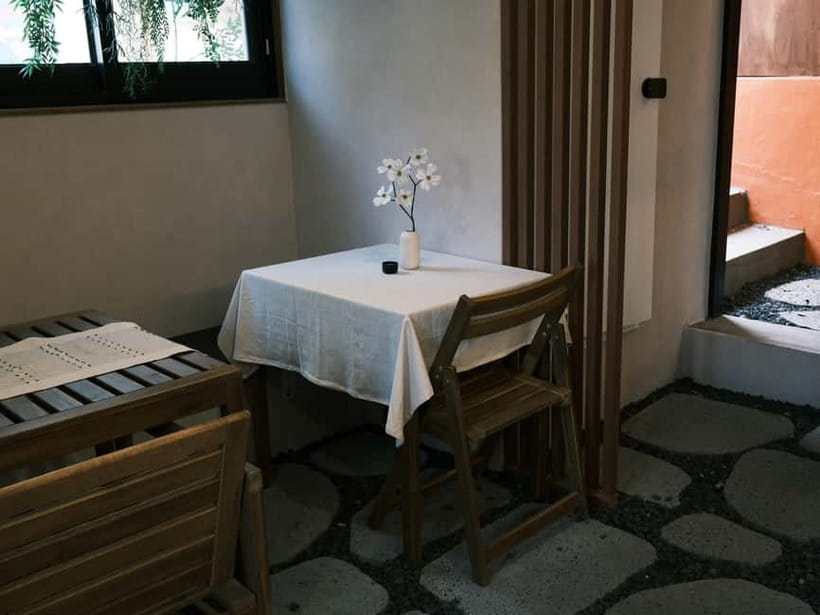
- Hanok-style studio setting at SOOP TABLE – The Hansik Atelier, designed for a relaxed cooking rhythm
- Cook-the-whole-meal format: four side dishes, one soup or stew, a main you choose, plus bibimbap plating
- Personal choice built in: you pick your own main dish and soup from the options offered
- Samgyeopsal with ssam grilled by Woody and served like a real at-home Korean meal
- Beginner-friendly pace with patient, clear instructions for all skill levels
- You leave with tools and recipes via a digital photo recipe and a small souvenir gift
A handful of other Seoul experiences to line up next
- Local Home Korean Cooking Class & Market Adventure in Seoul★ 5.0 · 1,024 reviews
- Master Korean traditional cooking with a Kimchi chef★ 5.0 · 385 reviews
- Seoul: Korean Cooking Class at a Local Home and Market Tour★ 5.0 · 348 reviews
- Seoul: Korean Cooking at Seoul Cooking Club!★ 5.0 · 311 reviews
A Hanok-Style Kitchen Where Seoul Calms Down
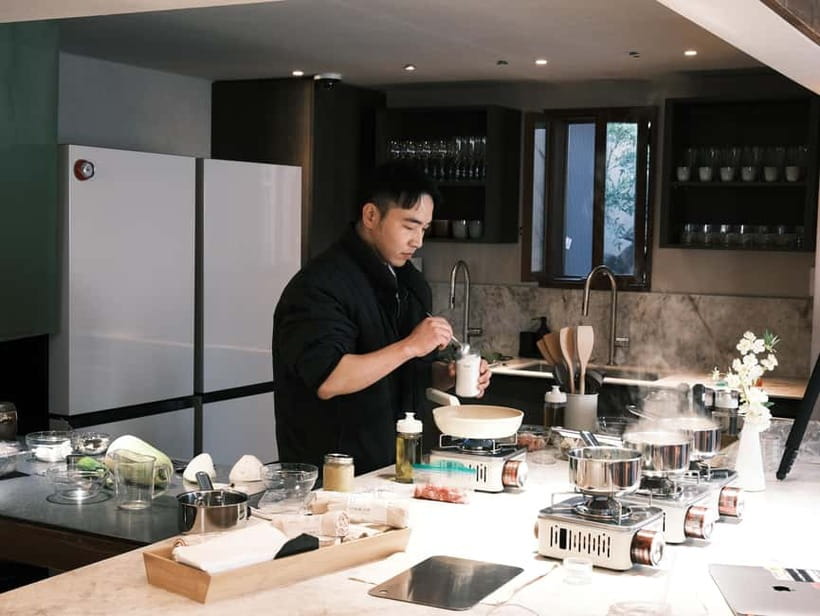
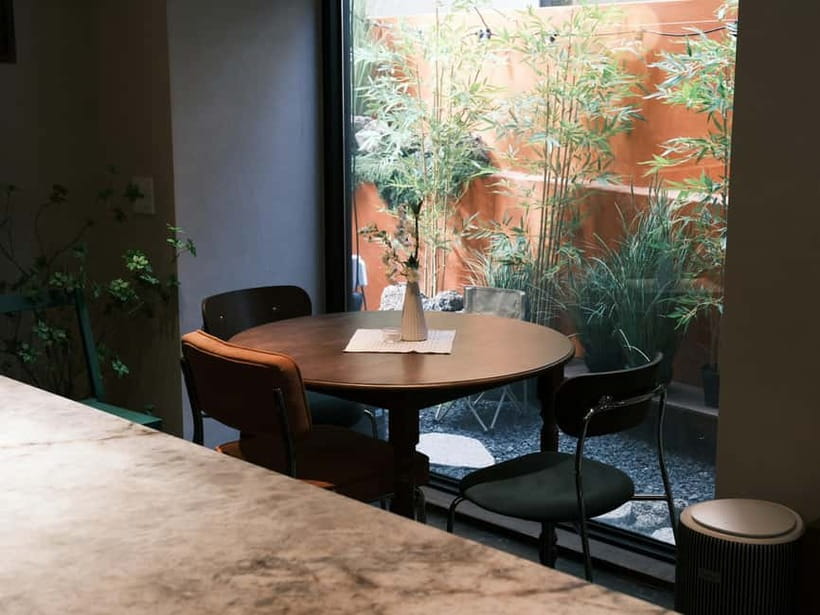
The first thing you’ll notice at SOOP TABLE – The Hansik Atelier is how quickly the noise of Seoul disappears. The space feels thoughtfully designed for eating and cooking, not just lining up photos. That matters because a cooking class can get stressful fast if the room feels cramped or chaotic. Here, you’re set up with a warm, clean kitchen and a calm atmosphere that makes it easier to learn.
You also get that “local home” feeling through the flow of the meal. You start with a welcome drink and a food-culture chat, then move into cooking, then sit down together to eat slowly. That structure is what turns it from a cooking demo into something closer to an actual dinner experience.
Meeting Woody: Welcome Tea and Korean Food Culture
Before the chopping starts, you begin with traditional Korean tea and a short conversation about Korean food culture. It’s a small step, but I like it because it gives you a mental framework for what you’re about to make. Instead of jumping straight into recipes, you learn how Koreans think about balance—bitter, salty, fresh, fermented, and spicy—on the same table.
Your host, Woody, is a big part of why this class works. People rave about him being calm, organized, and patient, especially when the group has mixed cooking skills. One thing you’ll benefit from is the way he explains ingredients you’ll see again and again in Korean cooking. Even if you only remember a few tips, you’ll cook better because you understand what each component is supposed to do.
If you’re visiting around Korean holidays, Woody may bring in seasonal touches—for example, a traditional tea Koreans drink during Chuseok showed up in one session. Even when it’s not a holiday, the tea moment sets a friendly tone.
How the 210 Minutes Actually Run (Without Feeling Like a Rush)
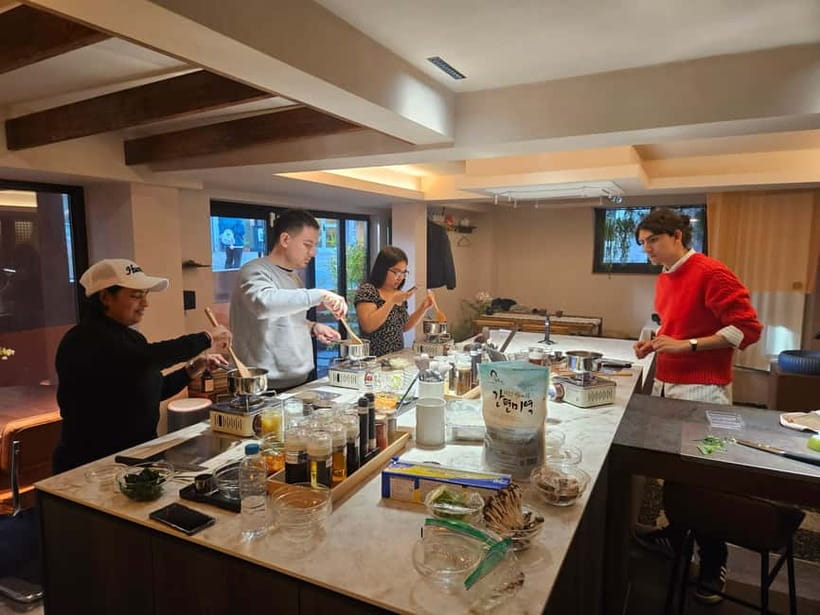
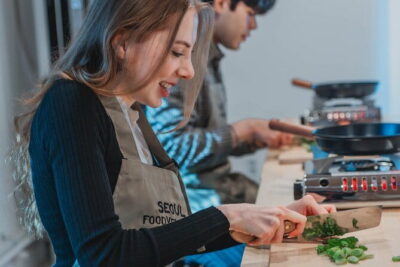
You’re in the kitchen for about 210 minutes, and the schedule is designed so you’re always doing something. That’s the sweet spot. Too short and you just “assist.” Too long and you’re exhausted and bored. Here, you’re active from the start: side dishes first, then soup or stew, then your main choice, and then bibimbap plating.
A helpful detail: the class is led in English (with Korean also used), and the instructions are beginner-friendly. That doesn’t mean the food is basic. It means you get guidance that keeps you from getting lost—when to mix, how to season, and what the texture should look like as you go.
The small group size (limited to 8) also helps. You’re not fighting for counter space or waiting forever for help. If someone falls behind, it doesn’t feel like the instructor is rushing them. People specifically noted not feeling hurried, even when following steps took a little longer.



Cook a Full Hansik Meal: Sides, Soup or Stew, Main, and Bibimbap
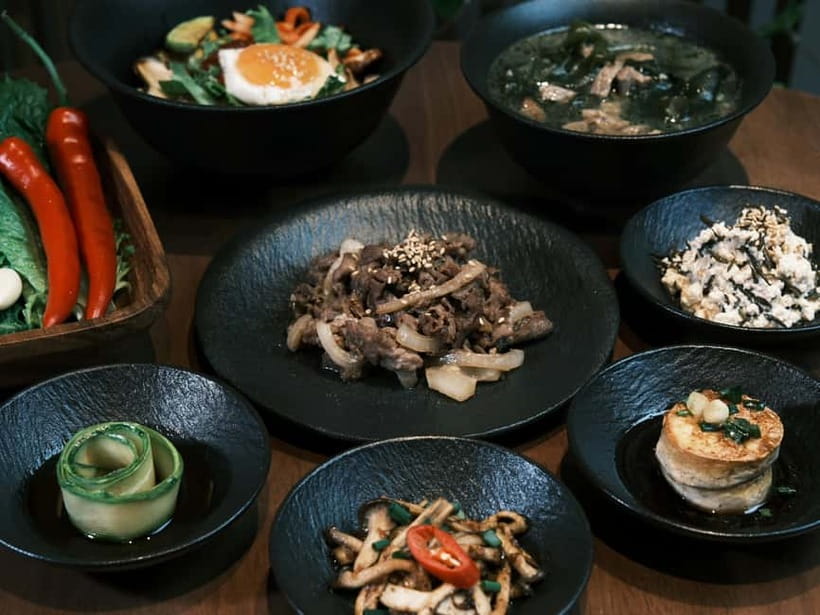
This is the core value. You’re not just making one dish. You’re building a full Korean meal from scratch, and the class covers the pieces that make the meal feel complete.
The Side Dishes (You’ll Learn Why They Matter)
You’ll prepare four side dishes. This is where most cooking classes cheat by keeping sides simple or prepped. Here, you’re doing real work with fresh ingredients and hands-on steps. You’ll get a feel for the logic behind Korean banchan: how different flavors keep the meal interesting even when the main dish is the star.
I love this part because it changes how you eat afterward. Once you’ve made a few sides yourself, you stop seeing them as extras. You start treating them like an essential part of the meal.
Soup or Stew (Your Choice)
After the sides, you’ll make one soup or stew. You can choose what you want, and that choice makes the class feel personal. Some sessions offer multiple options (one review mentioned three options for main and soup), so you might be able to pick based on what you’re curious to learn rather than what you assume you’ll like.
This choice matters for your takeaway. If you pick something that matches your taste, you’re more likely to actually recreate it later.
Your Main Dish (Another Choice, Another Skill)
Then comes your main dish. Again, you choose among the options provided. The payoff is that you’re not just learning general Korean cooking—you’re learning how to execute a specific dish that interests you.
People also pointed out some of the mains (like bulgogi) being excellent in the class. Even if you’re not a “meat person,” you’ll likely enjoy learning how Korean marinades and cooking methods create layered flavor fast.
Bibimbap: Plated Like You Mean It
Finally, you’ll assemble and beautifully plate your own bibimbap. Bibimbap is one of those dishes that looks complicated but is really about correct components: the rice, the toppings, the seasonings, and the way everything comes together when you mix it.
In at least one session, a class also included additional cooking after the main meal (hotteok was mentioned as dessert). Even when extras don’t happen, bibimbap is still built into the experience, so you leave with a signature Seoul dish that feels like a win.
Samgyeopsal and Ssam: Woody’s Home-Style Grill
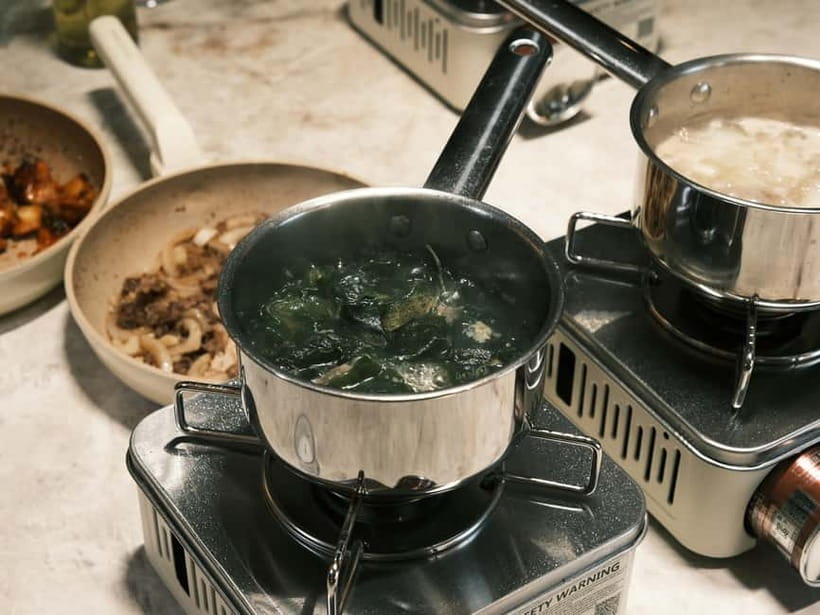
The class includes a special moment where Woody personally grills samgyeopsal (Korean pork belly). That’s not just a nice flourish. It’s a smart teaching tool because samgyeopsal is a Korean home-table staple: the grill, the timing, the scent of the fat rendering, and the way the pork is eaten with ssam.
Then comes the ssam vegetables—lettuce wraps with fresh seasonal vegetables—served like you’d do at home. This turns the meal into a hands-on eating experience. You’re not only tasting; you’re combining flavors the way Koreans do when they want variety in every bite.
And because you cooked most of the meal yourself, the samgyeopsal feels earned, not handed to you. That “I made this dinner” feeling is exactly why cooking classes work when they’re done right.
The Meal Together: Slow Down and Actually Taste
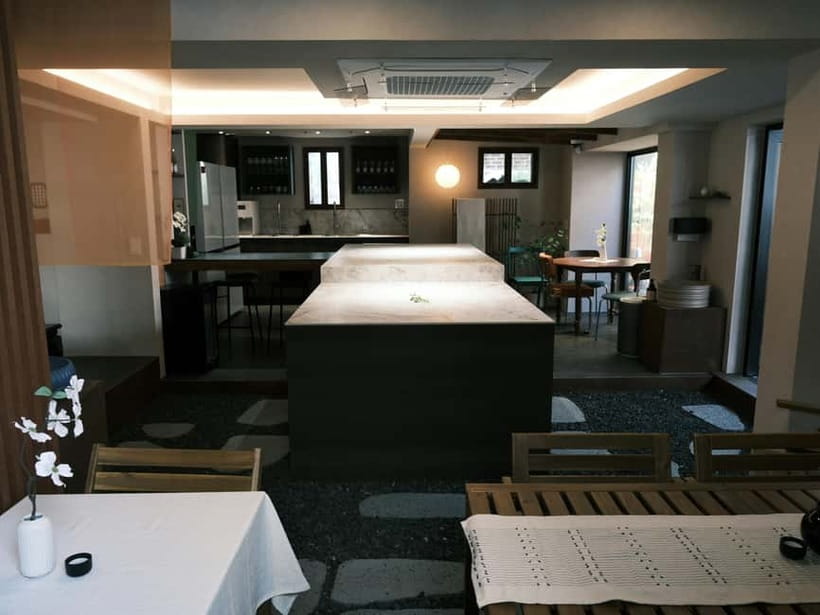
After cooking, you sit down and share the meal you made. This part matters more than people think. In many classes, the “dinner” is basically a grab-and-go photo moment. Here, the structure encourages conversation and a slower pace.
You’ll also get a glass of traditional Korean distilled liquor for adults, plus filtered water during the meal. One practical note: if you don’t drink alcohol, you’ll still have plenty of food without it being the center of the experience. If you do drink, consider it part of the cultural pacing—small and included, not a heavy party vibe.
Dessert is served afterward too. The data calls it a simple Korean dessert, and one participant specifically mentioned hotteok showing up after the meal in their session. Either way, you end with something sweet and straightforward.
What’s Included (and Why It’s Worth $89)
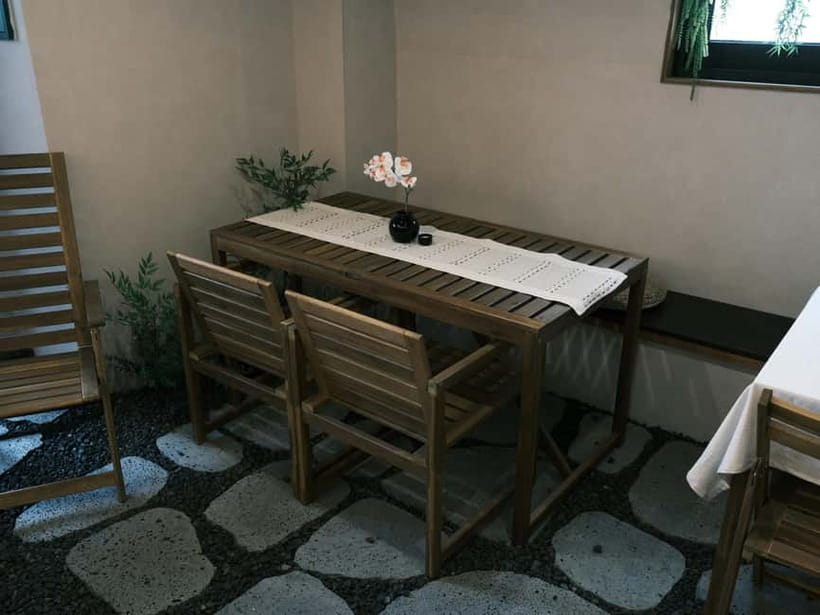
At $89 per person for about 210 minutes, the real question is value: what are you paying for beyond ingredients? In this case, you’re paying for time, guidance, and a real meal outcome.
You get:
- Traditional Korean welcome tea
- Full guided cooking class in English
- Ingredients (fresh and prepared)
- Apron and cooking tools
- The shared meal you make
- Host-grilled samgyeopsal with ssam vegetables
- One included adult glass of Korean distilled liquor
- Simple Korean dessert
- Filtered water
- Digital recipe sent via photo after the class
- A small souvenir gift
- A warm Hanok-inspired studio space
That recipe via photo is a underrated perk. If you’ve ever taken cooking notes and lost them in your hotel, you’ll appreciate having something usable after you get home.
And the digital format helps you repeat the dishes without guessing. You also might find it useful to revisit the steps you struggled with, because you’ll know what the end result should look like.
Transport isn’t included, so plan to get to SOOP TABLE – The Hansik Atelier on your own. But once you’re there, you’re taken care of.
Small-Group Comfort: Who This Cooking Class Fits Best
This class is limited to 8 participants, which keeps the pace comfortable. If you like learning in a friendly setting where questions don’t get ignored, you’ll probably love it.
It also works well for:
- Food lovers who want a hands-on Seoul experience
- People who want to learn Korean cooking basics fast
- Families who cook together (one review mentioned a family of four enjoying the class)
- Teenagers and curious older kids (one review said a 14-year-old loved it)
But it’s not for everyone. It’s not suitable for:
- Children under 10
- Vegans or vegetarians
- People with food allergies
So if you’re traveling with dietary restrictions, double-check your needs before booking. If you’re unsure, consider reaching out directly to the operator—your decision depends on how flexible the menu can be.
Practical Tips Before You Go (So You Enjoy the Cooking)
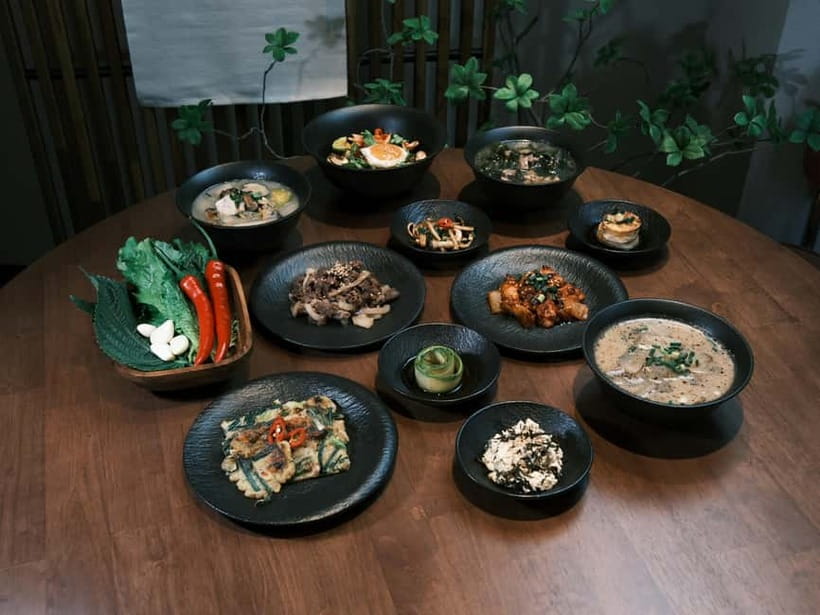
Come in comfortable clothes. You’ll be standing, prepping, and cooking. Also, arrive hungry. Not because you’ll be starving without food, but because the class builds toward a full meal.
If you’re picky about flavors, remember you still get a choice for main and soup. Pick the dishes you actually want to eat. That’s one of the best ways to make the class feel personal instead of generic.
One more practical bonus: some participants said Woody helped them order cooking tools they wanted to take home. If that’s on your wishlist, it can be worth asking during the session rather than leaving the question until after.
Should You Book This Hansik Cooking Journey?
I’d book it if you want a Seoul food experience that feels like real table culture, not just a tour activity. The strongest reasons are simple: you cook a full meal with clear guidance, you get to choose your main and soup, and the samgyeopsal + ssam moment is genuinely memorable because it ties the whole dinner together.
Skip it if your diet doesn’t fit the menu (especially vegan/vegetarian needs) or if you have allergies. Also, if you hate cooking in close quarters with a group, the small size might still feel like pressure. But if you’re there to learn and eat, this class is set up to make that easy.
FAQ
How long is the cooking class?
The experience lasts 210 minutes.
What is included in the price?
You get traditional Korean welcome tea, a full guided cooking class in English, all ingredients and tools, an included adult glass of Korean distilled liquor, a grilled samgyeopsal component served with ssam vegetables, a simple Korean dessert, filtered water, a digital recipe sent via photo after the class, and a small souvenir gift.
Can I choose my own main dish and soup?
Yes. Each guest chooses their own main dish and their own soup (with options provided).
Is the class suitable for vegetarians or vegans?
No. It is not suitable for vegans or vegetarians.
What languages is the class taught in?
The class is taught in English and Korean.
Are children allowed?
Children under 10 are not suitable for this experience.
If you tell me your travel dates and whether your group has any dietary limits, I can help you decide what to pick so the meal matches your tastes.
More Cooking Classes in Seoul
- Local Home Korean Cooking Class & Market Adventure in Seoul★ 5.0 · 1,024 reviews
- Master Korean traditional cooking with a Kimchi chef★ 5.0 · 385 reviews
- Seoul: Korean Cooking Class at a Local Home and Market Tour★ 5.0 · 348 reviews
- Seoul: Korean Cooking at Seoul Cooking Club!★ 5.0 · 311 reviews
- Korean Cooking at Seoul Cooking Club★ 5.0 · 220 reviews
More Tour Reviews in Seoul
- Best DMZ Tour Korea from Seoul (Red Suspension Bridge Optional)★ 5.0 · 41,422 reviews
- DMZ Tour: 3rd Tunnel, Option(Suspension Bridge, Boat) from Seoul★ 5.0 · 21,373 reviews
- DMZ tour south Korea from Seoul (NK experience hall, defector)★ 5.0 · 20,599 reviews
- Seoul: DMZ Tour with Optional Suspension Bridge★ 4.8 · 5,277 reviews
- Seoul: DMZ The 3rd Tunnel and Suspension Bridge Tour★ 5.0 · 4,656 reviews
Just added to Exploring Seoul






Cooking Classes, compared.
 ★ 5.0Local Home Korean Cooking Class & Market Adventure in SeoulFrom $911,024 reviews
 ★ 5.0Master Korean traditional cooking with a Kimchi chefFrom $85385 reviews
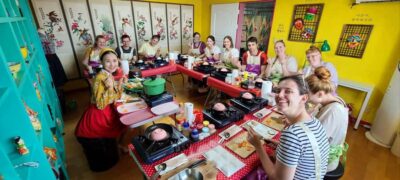 ★ 5.0Korean Cooking Class at a Local Home and Market TourFrom $98348 reviews
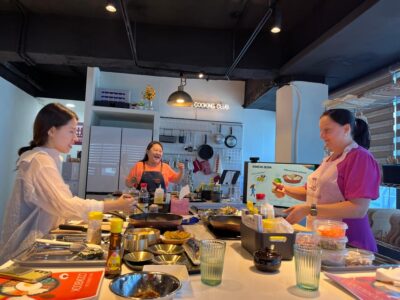 ★ 5.0Korean Cooking at Seoul Cooking Club!From $109311 reviews
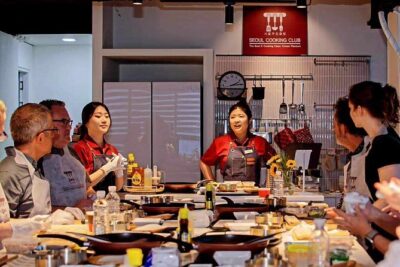 ★ 5.0Korean Cooking at Seoul Cooking ClubFrom $109220 reviews
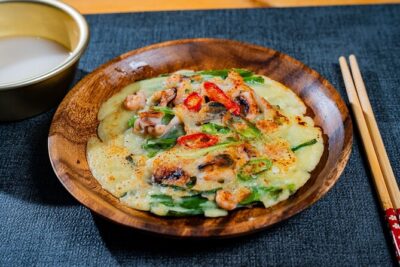 ★ 4.9Taste of Korea, Authentic Home Style Cooking ClassFrom $89166 reviews
Experience Korean Cooking in Modern Hanok KitchenFrom $87118 reviews
★ 4.9Taste of Korea, Authentic Home Style Cooking ClassFrom $89166 reviews
Experience Korean Cooking in Modern Hanok KitchenFrom $87118 reviews
 ★ 5.0Korean Cooking Class with Grocery Shopping at Seoul Local MarketFrom $91107 reviews
Browse the lists this tour appears in