
Reviewed · DMZ DAY TOURS
DMZ tour south Korea from Seoul (NK experience hall, defector)
The DMZ is one of the few places where politics feels physical. This half-day (or full-day upgrade) tour from Seoul City Hall takes you into the Korean DMZ zone with a guide who puts the sights into plain, human context, including an NK-focused experience with a defector chat.
Two things I’d prioritize: the Dora Observatory views over toward North Korea, and the practical, stop-by-stop structure that makes heavy history easier to follow. One consideration: access can be affected by on-the-ground conditions, and you should plan around a day that’s not 100% guaranteed to match every “dream stop.”
In This Review
- Key Highlights at a Glance
- From Seoul City Hall to Imjingak Park: Getting Oriented Fast
- Freedom Bridge and the POW Exchange: History With a Concrete Point
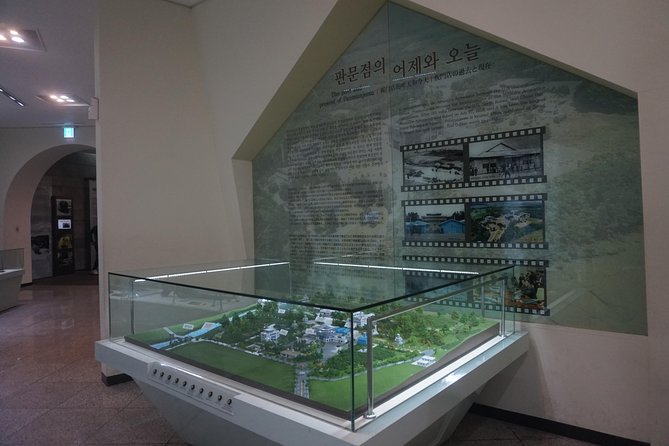
- DMZ Theater & Exhibition Hall: The “Start Here” Stop
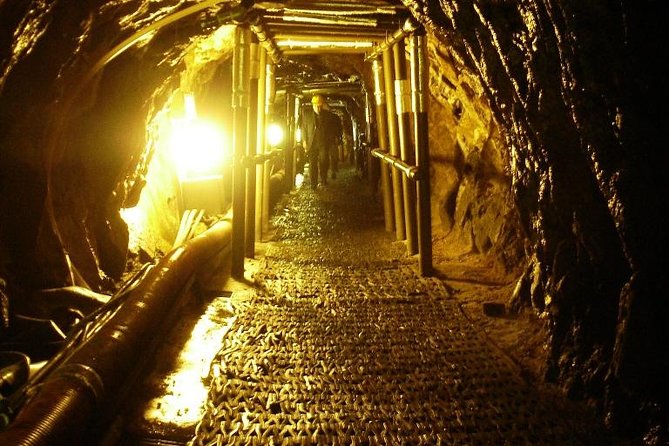
- The 3rd Infiltration Tunnel: What It Feels Like to Walk It
- Dora Observatory and Kijongdong: Binocular Views With Human Meaning
- Tongilchon-gil and Unification Village Pass-Through: The Farm Life Detour
- Dorasan Station: Symbolic Rail, Real Political Weight
- Gamaksan Chulleong Bridge and Majang Lake Suspension Bridge: Full-Day Options
- The NK Experience Hall and Defector Q&A: The Part That Changes the Tone
- Who This DMZ Tour Is Best For (and Who Might Want Another Option)
- Value and Timing: Is It Worth $26.04?
- What to Pack and How to Make the Day Easier
- Should You Book This DMZ Tour?
- FAQ
- What is the meeting point for the DMZ tour?
- How long is the DMZ tour from Seoul?
- What does the price include?
- Is a passport required?
- Will I use binoculars?
- Does the tour include the 3rd Infiltration Tunnel?
- Is there a lot of walking or stairs?
- Is lunch included?
- Is the tour half-day or full-day?
- What if military conditions affect the itinerary?
- What language will the tour be in?
Key Highlights at a Glance
- Dora Observatory binocular viewing of North Korea from the border region
- 3rd Infiltration Tunnel walk with a steep, narrow tunnel experience
- Freedom Bridge and POW exchange history right where it happened
- Imjingak Park artillery and war artifacts along the Imjin River
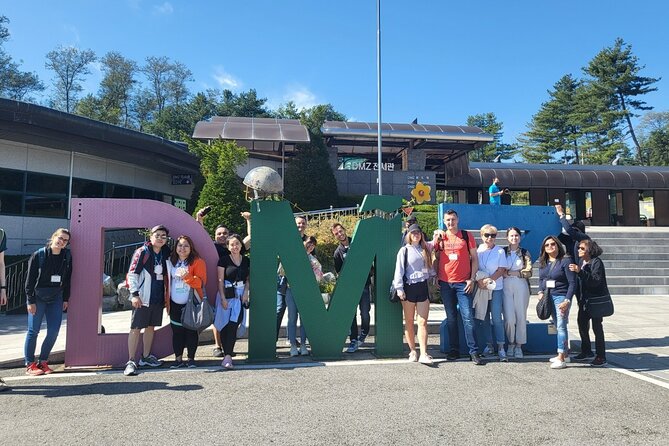
- DMZ Theater & Exhibition Hall for guided orientation before you look outward
- Defector Q&A session that adds real-world perspective beyond exhibits
Other ways to reach the DMZ and the border from Seoul
- DMZ Tour: 3rd Tunnel, Option(Suspension Bridge, Boat) from Seoul★ 5.0 · 21,373 reviews
- DMZ tour south Korea from Seoul (NK experience hall, defector)★ 5.0 · 20,599 reviews
- Seoul: DMZ Tour with Optional Suspension Bridge★ 4.8 · 5,277 reviews
- Seoul: DMZ The 3rd Tunnel and Suspension Bridge Tour★ 5.0 · 4,656 reviews
From Seoul City Hall to Imjingak Park: Getting Oriented Fast
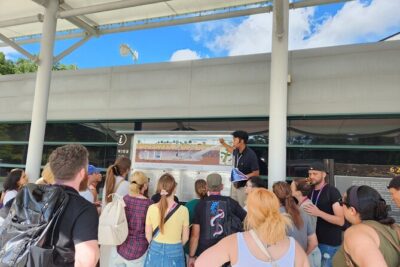
Your day starts at Seoul City Hall, with a guide collecting people and then sending the group north by comfortable air-conditioned coach. You’ll cover about an hour of transit before you hit the first major site, which is a smart setup. It gives you time to get your bearings, and it also means you’re not starting the DMZ part with your brain still stuck in Seoul traffic.
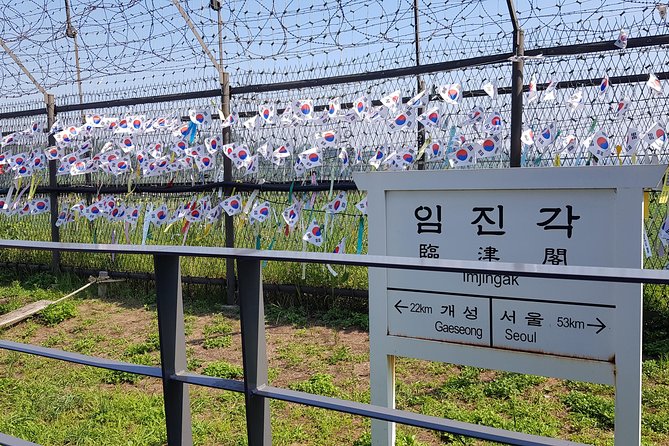
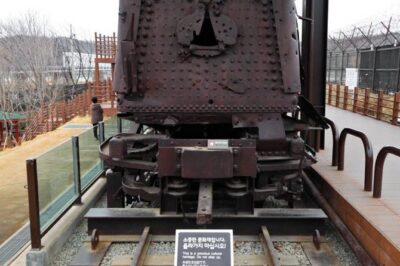
The first stop is Imjingak Park, along the Imjin River. This is where the war stops being an idea and turns into physical objects: artillery and artifacts from the Korean conflict. It’s not trying to be dramatic. It’s more like a briefing room you can walk through, so when the tour moves on to bridges and tunnels, you already understand the stakes.
Practical note: bring comfortable walking shoes. This isn’t a stroll-only day, and even the early parts involve getting in and out of vehicles and walking on uneven ground around memorial areas.
Freedom Bridge and the POW Exchange: History With a Concrete Point
Next comes the Freedom Bridge. This is one of those places where the story is famous for a reason: nearly 13,000 Korean POWs crossed here at the end of the war. A guide usually doesn’t just read dates. They connect the bridge to the human meaning of an exchange—what it meant, what it didn’t fix, and why that line became a symbol for the divided peninsula.
If you’re the kind of traveler who wants to understand a place fast, this stop does the job. It’s a clear, specific event you can hold in your head while everything else gets complicated.
DMZ Theater & Exhibition Hall: The “Start Here” Stop
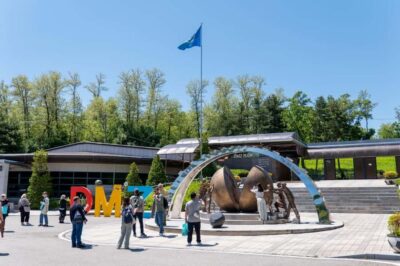
Before you go hunting for details outside, the tour typically takes you into the DMZ Theater & Exhibition Hall (with admission included). This stop functions like a briefing before the big viewpoints. You’ll get photos, exhibits, and explanations that help you read what you’re about to see at the 3rd Infiltration Tunnel and beyond.
I like this structure because it prevents the usual problem: people arrive, look at a tunnel, and leave thinking they saw a weird hole in the ground. With the exhibition context, the tunnel becomes part of a broader military story and a political one.
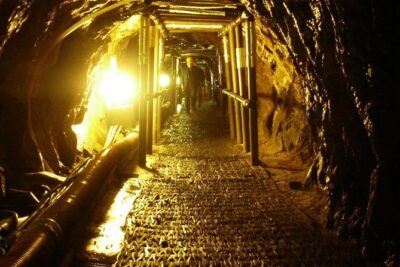
The 3rd Infiltration Tunnel: What It Feels Like to Walk It
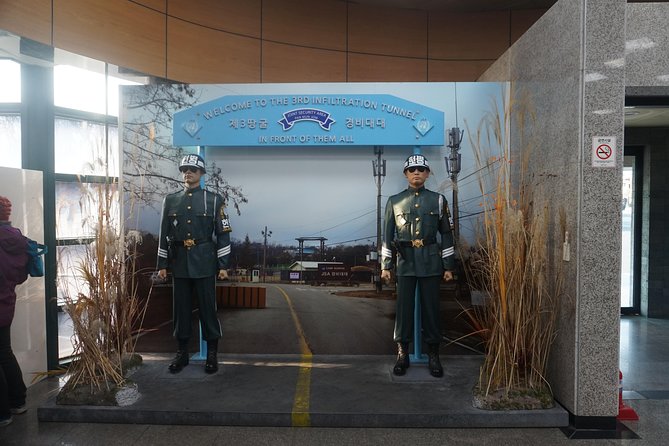
Then you reboard and head to the 3rd Infiltration Tunnel, built under the border area between North and South Korea (North Korea is believed to have constructed it for invasion). It was discovered in 1978, and South Korean forces blocked it at the military demarcation line.
Here’s what matters for your body, not just your brain: the tunnel walk involves a moderate amount of walking through a steep and narrow space. One useful tip I picked up for planning your clothing: leave your coat in the locker before going down, because the return climb gets steep and can feel hot. That small move can make the whole tunnel section more bearable.
Also, bring your patience. You’re walking through a physical reminder of how close the conflict has been for decades. People sometimes come in expecting a “thrill.” Instead, it lands as somber. The best part is that it turns abstract tension into something you can feel in your legs and breathing.
Dora Observatory and Kijongdong: Binocular Views With Human Meaning
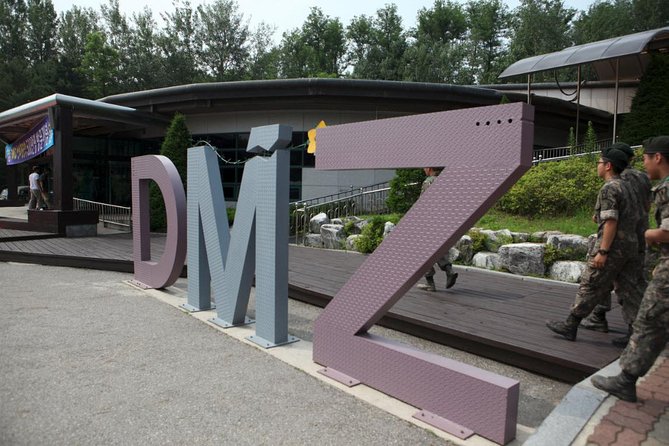
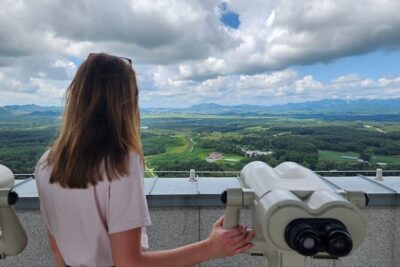
After the tunnel, the tour focuses on one of the most memorable parts: Dora Observatory. This is where you get to use provided binoculars to scope out North Korea across the border region.
The guide usually talks you through what you’re seeing, and you’ll hear about Kijongdong, the North Korean model village your guide uses as a key story element. It’s described as a surreal border-world view—designed to project daily life while the peninsula remains divided.
On a clear day, this stop is visually striking. Even on hazy days, the binoculars and the guide’s explanation help you understand why this viewpoint matters. Dora Observatory isn’t about “seeing everything.” It’s about realizing that the gap between North and South isn’t just a line on a map—it’s a distance you can measure with your own eyes.
Tongilchon-gil and Unification Village Pass-Through: The Farm Life Detour

Next you’ll stop near Tongilchon-gil / Unification Village. This is a small farming community stop that connects the DMZ story to daily life. You may hear about what it produces—soybean milk, traditional soy sauce, and corn goods—and you’ll get a sense of the routine-style imagination the village represents.
This section is short, but it helps break the day out of “war mode.” For me, it also reframes the DMZ: it’s not only fortifications and tunnels. It’s also agriculture, families, and propaganda—competing versions of normal.
Dorasan Station: Symbolic Rail, Real Political Weight
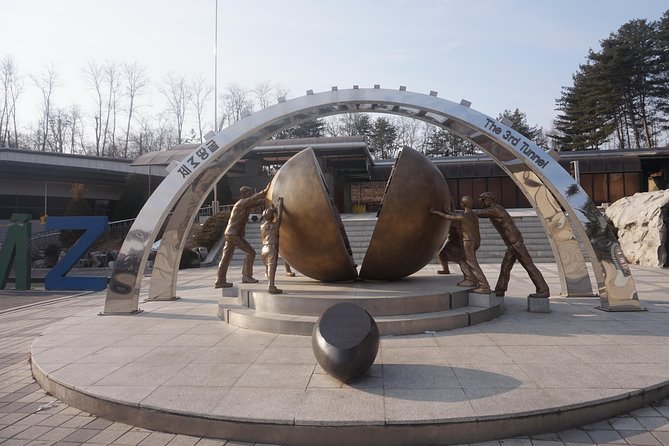
On the DMZ route, you also pass by Dorasan Station. It once symbolized rail connection between North and South Korea. Today, it carries symbolic weight, and your guide typically explains why that matters.
Even if you don’t linger long, Dorasan Station works as a mental punctuation mark. The day moves from war artifacts to hidden invasion routes to border viewpoints. Then you arrive at an old connection point that never fully connected again.
Gamaksan Chulleong Bridge and Majang Lake Suspension Bridge: Full-Day Options
If you book the full-day upgrade, you add suspension bridge stops. Two options appear in the route:
- Gamaksan Chulleong Bridge (also described as a DMZ + Red Suspension Bridge option)
- Majang Lake suspension bridge (described as the Majang Late Suspension Bridge option)
These aren’t the core “must-see” for everyone. The main draws are Dora Observatory and the tunnel. But the bridge stops are a nice bonus if you want more viewpoints and a bit more variety after the dense, intense sections of the tour.
If you’re short on time, the half-day version keeps the DMZ essentials and gets you back toward Seoul City Hall with less moving around.
The NK Experience Hall and Defector Q&A: The Part That Changes the Tone
One of the strongest features of this tour is the inclusion of an NK-focused experience and a session tied to a North Korean defector.
In practice, this usually shows up as a question-and-answer moment where a defector shares lived experience, not just museum captions. Multiple guides on this route are praised specifically for making that portion meaningful, and the defector segment is often described as the highlight because it helps you understand what the system feels like from the inside.
This is also where the tour’s tone matters. It can’t become casual. The best-guided versions keep it respectful while making space for questions, so you leave with clearer context rather than just emotion.
If you’re the kind of person who wants the DMZ to explain more than geopolitics, this part is why it’s worth going.
Who This DMZ Tour Is Best For (and Who Might Want Another Option)
This tour is a great fit if you:
- Want a guided, structured DMZ day without piecing together transport yourself
- Like learning through stops with clear themes: war artifacts, POW history, tunnel, observatory
- Appreciate a human perspective, not only exhibits
- Prefer a group size that stays manageable (this tour lists a maximum of 40 travelers)
It’s less ideal if you:
- Hate physically cramped spaces. The tunnel is steep and narrow, and it’s not optional.
- Need a day with maximum flexibility. If military conditions or local circumstances impact the itinerary, the plan can change, and refunds aren’t guaranteed for those cancellations.
Value and Timing: Is It Worth $26.04?
At $26.04 per person, this is one of those “reasonable price, real access” deals—especially because it includes:
- A guide
- Transport by air-conditioned coach
- Admission fees
You’ll still need to budget for breakfast and lunch (not included). And you’ll be spending most of the day moving between border-area sites, not sightseeing in Seoul.
For many visitors, the value comes from coverage: you get multiple landmark stops, plus the orientation pieces, plus the observatory viewpoint, all in one package. The price feels especially strong compared with the cost and hassle of trying to arrange similar coverage on your own.
What to Pack and How to Make the Day Easier
A few practical tips make the DMZ day smoother:
- Wear comfortable shoes. The day includes walking, and the tunnel section is physically demanding.
- Bring layers. Even if it’s warm outside, the tunnel experience includes heat and steep climbing on the way back.
- If you’re going through the 3rd Tunnel, consider leaving a coat in the locker as advised by experienced visitors, because the uphill return can get hot.
- Bring your passport. A current valid passport is required on the day of travel.
That’s it. No special gear needed. Just plan like it’s a real walking day, not a “sit on the bus and look out the window” day.
Should You Book This DMZ Tour?
I’d book it if you want an organized DMZ overview that balances big landmarks with context, and you especially care about the defector Q&A for real-world perspective. The mix of Imjingak Park, Freedom Bridge, the 3rd Tunnel, Dora Observatory, and the village-life story beats is a smart way to understand why the DMZ still shapes daily life and national identity.
I’d hesitate if you’re sensitive to cramped spaces, or if you’re hoping for guaranteed access to every possible border-area point on the day. This region can be unpredictable, and the tour itself is designed to work within those realities.
FAQ
What is the meeting point for the DMZ tour?
The tour starts at Seoul City Hall and ends at City Hall Station.
How long is the DMZ tour from Seoul?
It runs about 7 hours (approx.).
What does the price include?
Your ticket includes a knowledgeable guide (tour guide), comfortable air-conditioned coach transport, and admission fees.
Is a passport required?
Yes. A current valid passport is required on the day of travel.
Will I use binoculars?
At Dora Observatory, the tour provides binoculars so you can scope out North Korea.
Does the tour include the 3rd Infiltration Tunnel?
Yes. The route includes the 3rd Infiltration Tunnel and admission is included.
Is there a lot of walking or stairs?
There is moderate walking and the tunnel is described as steep and narrow, so comfortable clothes and shoes help.
Is lunch included?
No. Breakfast and lunch are not included.
Is the tour half-day or full-day?
You can choose a half-day tour from Seoul, and there’s an optional full-day upgrade that adds suspension bridge stops such as Majang Lake.
What if military conditions affect the itinerary?
If part of the itinerary is cancelled due to unexpected military conditions or local circumstances, there is no refund. The operator may provide an alternative course related with DMZ if the tour is cancelled due to a military issue or unexpected issue.
What language will the tour be in?
The tour is in English if there aren’t enough participants. For Chinese/Japanese tours, the minimum is 3 people; if that minimum isn’t met, the tour will be in English.
If you want, tell me whether you’re aiming for the half-day or full-day version, and what month you’re going. I can help you pick the calmer option based on daylight for the Dora Observatory views.
More Tours in Seoul
- Best DMZ Tour Korea from Seoul (Red Suspension Bridge Optional)★ 5.0 · 41,422 reviews
- DMZ Tour: 3rd Tunnel, Option(Suspension Bridge, Boat) from Seoul★ 5.0 · 21,373 reviews
- Seoul: DMZ Tour with Optional Suspension Bridge★ 4.8 · 5,277 reviews
- Seoul: DMZ The 3rd Tunnel and Suspension Bridge Tour★ 5.0 · 4,656 reviews
- Signature DMZ Tour: Exclusive Defector Talk & Suspension Bridge★ 5.0 · 4,459 reviews
More Tour Reviews in Seoul
- Best DMZ Tour Korea from Seoul (Red Suspension Bridge Optional)★ 5.0 · 41,422 reviews
- DMZ Tour: 3rd Tunnel, Option(Suspension Bridge, Boat) from Seoul★ 5.0 · 21,373 reviews
- Seoul: DMZ Tour with Optional Suspension Bridge★ 4.8 · 5,277 reviews
- Seoul: DMZ The 3rd Tunnel and Suspension Bridge Tour★ 5.0 · 4,656 reviews
- Signature DMZ Tour: Exclusive Defector Talk & Suspension Bridge★ 5.0 · 4,459 reviews
The DMZ & the Border, More Routes
- Best DMZ Tour Korea from Seoul (Red Suspension Bridge Optional)★ 5.0 · 41,422 reviews
- DMZ Tour: 3rd Tunnel, Option(Suspension Bridge, Boat) from Seoul★ 5.0 · 21,373 reviews
- Seoul: DMZ Tour with Optional Suspension Bridge★ 4.8 · 5,277 reviews
- Seoul: DMZ The 3rd Tunnel and Suspension Bridge Tour★ 5.0 · 4,656 reviews
- Signature DMZ Tour: Exclusive Defector Talk & Suspension Bridge★ 5.0 · 4,459 reviews
Just added to Exploring Seoul


DMZ Day Tours, compared.
 ★ 5.0DMZ Tour: 3rd Tunnel, Option(Suspension Bridge, Boat) from SeoulFrom $3521,373 reviews
 ★ 4.8DMZ Tour with Optional Suspension BridgeFrom $455,277 reviews
 ★ 5.0DMZ The 3rd Tunnel and Suspension Bridge TourFrom $654,656 reviews
 ★ 5.0Signature DMZ Tour: Exclusive Defector Talk & Suspension BridgeFrom $274,459 reviews
 ★ 5.0Thrilling Korean DMZ 3rd Tunnel Tour from Seoul + Red Bridge RushFrom $353,097 reviews
 ★ 4.9DMZ Tour & Suspension Bridge (Option English/Spanish)From $352,628 reviews
 ★ 5.0DMZ Past and Present: Korean Demilitarized Zone Tour from SeoulFrom $372,481 reviews
 ★ 5.0Ultimate Korea DMZ Tour from Seoul (Gondola & Suspension Bridge)From $352,396 reviews
Browse the lists this tour appears in