
Reviewed · KOREAN COOKING & KIMCHI CLASSES
Korean Cooking at Seoul Cooking Club
Your stomach becomes your study guide. In Seoul, Korean Cooking at Seoul Cooking Club turns classic dishes into a learn-by-doing class, built around a small-group format and tasting what you make. I like that you cook together in a 3-course flow and leave feeling full, not just fed information. One thing to note: some cooking steps may feel more like assembling than starting from scratch, since a few ingredients can be prepped or partially cooked.
Another big win is the way the class handles real-life diets. You can choose options including vegan, vegetarian, pescatarian, gluten-free, and halal, and instructors have also accommodated requests like no beef/pork and peanut allergies. The main drawback for advanced home cooks: if you’re chasing lots of knife work and total from-scratch cooking, you may want to manage expectations.
Plan on 2 hours 30 minutes, start at 71-6 Jongno 2(i)-ga in Jongno, and then head back there at the end. It runs with a mobile ticket, near public transportation, and a max group size of 12, which helps the instructor actually circle your station instead of shouting from the front.
In This Review
- Key points I’d bookmark
- Where Korean Cooking Club feels local: Jongno, small rooms, big attention
- The menu reality: three courses, about ten flavors, and classic Seoul comfort food
- How the cooking lessons actually teach flavor (not just steps)
- Dietary needs: vegan, halal, gluten-free, and allergy-friendly options
- What you eat, when you eat it, and why you should come hungry
- How hands-on is it really? The assembling vs cooking question
- Price and value: $109 for a meal lesson that feeds you
- Who should book this Seoul Cooking Club class
- Practical tips before you head to 71-6 Jongno 2(i)-ga
- Should you book Korean Cooking at Seoul Cooking Club
- FAQ
- How long is the Korean Cooking at Seoul Cooking Club class?
- What will I be cooking and eating during the session?
- What is the maximum group size?
- Is the class suitable for vegan or halal diets?
- Do they offer gluten-free or vegetarian choices?
- Can they accommodate allergies or restrictions?
- Will I get to taste everything I cook?
- What souvenirs do I receive?
- Where is the meeting point, and does it end there?
- What is the cancellation policy for a full refund?
Key points I’d bookmark
- Small group of 12 so you get real attention while cooking
- 10 Korean flavors across a three-course meal (appetizers, mains, dessert)
- Dietary options built in for vegan, halal, gluten-free, and more
- Taste what you make so you can compare your version to the real thing
- Cookbook and tote bag plus often plenty to take home
Roll up your sleeves in another Korean kitchen
- Local Home Korean Cooking Class & Market Adventure in Seoul★ 5.0 · 1,024 reviews
- Master Korean traditional cooking with a Kimchi chef★ 5.0 · 385 reviews
- Seoul: Korean Cooking Class at a Local Home and Market Tour★ 5.0 · 348 reviews
- Seoul: Korean Cooking at Seoul Cooking Club!★ 5.0 · 311 reviews
Where Korean Cooking Club feels local: Jongno, small rooms, big attention
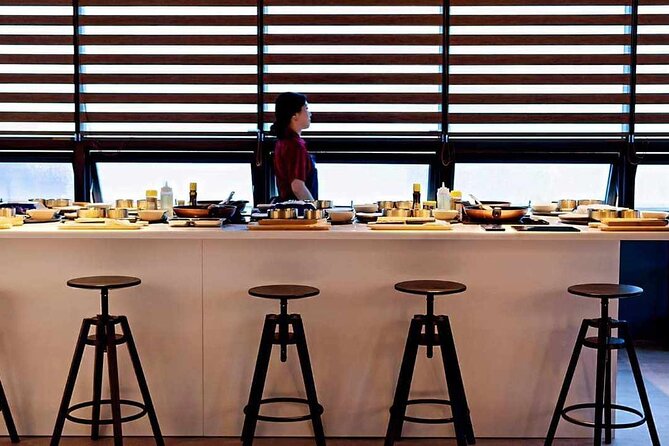
Korean Cooking at Seoul Cooking Club is in Jongno District, at 71-6 Jongno 2(i)-ga. That area is one reason I like booking classes here: Jongno is easy to reach, and after 2.5 hours you’re still close enough to keep exploring Seoul without needing an extra commute.
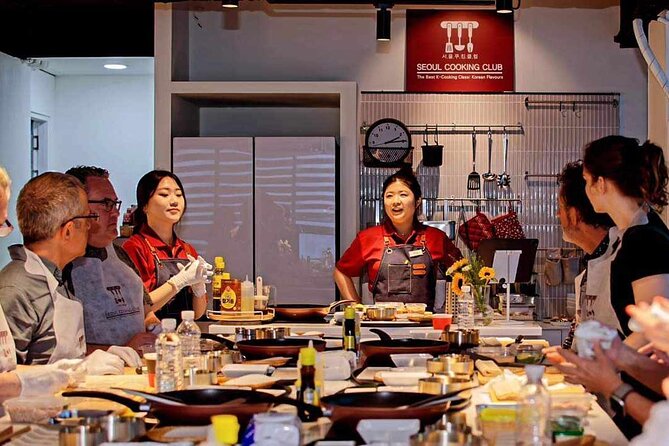
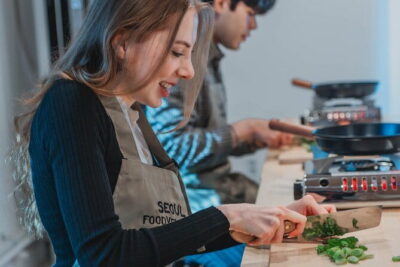
The other reason is the room scale. With a maximum of 12 people, the class doesn’t turn into a cooking show where you stand back and hope your timing is right. In the sessions described by past participants, instructors walk everyone through steps and then check in so you can adjust as you go. You’ll hear the same practical theme over and over: taste, adjust, and don’t panic when the first try isn’t identical to what you’re used to.
If you’re the type who wants to meet people, this group size is also the sweet spot. It’s big enough to feel social, but small enough that you’re not just passing strangers on the way to a workstation.
The menu reality: three courses, about ten flavors, and classic Seoul comfort food
The class is built as a three-course Korean meal (the structure is appetizers, main dishes, and dessert), and you also get to sample 10 Korean flavors during the session. In plain terms, this means you’re not just making one dish well. You’re building a mini tasting tour of Korean home-style and popular restaurant dishes.
From the dish names people highlight, you’ll likely see a mix of staples such as:
- Bulgogi (sweet-savory grilled-style flavors)
- Bibimbap (the mix-and-balance concept)
- Gimbap (Korean convenience-food energy)
- Japchae (glass noodles and seasoning balance)
- Multiple jeon-style pancakes (including variations like kimchi pancakes)
Dessert is part of the experience, not an afterthought. Past sessions also included Korean drinks during the class, including sujeonggwa (a traditional cinnamon-citrus drink) plus water and tea.
What I like about this setup for your trip is how it teaches you what to look for once you’re eating out. After cooking bibimbap and building the logic of how ingredients get balanced, you tend to notice things like sauce style, seasoning intensity, and how textures work together. That makes menus less like a wall of mystery symbols.
How the cooking lessons actually teach flavor (not just steps)
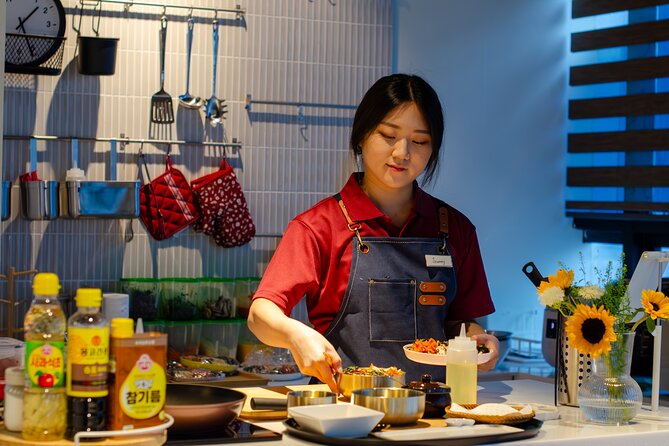
Most cooking classes teach recipes. This one leans more toward teaching you the thinking behind the recipe. Instructors named in participant feedback include Olivia, Elly, Sally, Ally, and Grace, and the common thread is that they guide you step-by-step and then encourage you to taste and adjust.
Here’s what that means in practice during your session:
- You learn to treat Korean dishes as balance problems, not just “add more sauce” problems.
- You get technique cues for things like mixing fillings, seasoning to taste, and getting the right texture when cooking pancakes and other quick-cook items.
- You also learn what makes each dish distinct. For example, a jeon/pancake variation isn’t just “another pancake.” The batter texture, seasoning, and inclusion of ingredients like kimchi shift the whole flavor profile.
One review pointed out that the class helped them navigate Korean menus better afterward. That’s exactly the value you’re buying here. Even if you don’t become the next Korean cooking influencer at home, you’ll likely walk out with a mental shortcut: which flavors are sweet, which are tangy, how spice is typically applied, and what pairings make sense.
A handful of other Seoul experiences to line up next
Dietary needs: vegan, halal, gluten-free, and allergy-friendly options
This class is set up for real dietary diversity. The experience notes specific options including vegan, vegetarian, pescatarian, gluten-free, and halal. That matters because it changes what you do in the kitchen: instead of watching others eat, you’re building your meal alongside the group.
Past participant comments also highlight adjustments for allergies and restrictions, including peanut allergy accommodation and requests like no beef/pork. So if your dietary needs are part of your travel decision-making, this is the kind of class that respects that.
My practical advice: when booking, state your needs clearly. If you’re halal, gluten-free, vegan, or avoiding certain proteins, put it in writing through the booking system so the kitchen can plan.
What you eat, when you eat it, and why you should come hungry
A big selling point here is simple: you taste what you prepare, and the portion sizes are described as generous enough that many people package leftovers to take for later. Multiple comments mention leaving full and satisfied, with enough food for another meal.
You’ll typically experience a rhythm like:
- Start with prep and cooking stations set up for your group
- Work through your dishes across appetizers and mains
- Take a break to taste along the way
- Finish with dessert and settle into eating your results
Drinks during the session help keep energy up without turning it into a party. Water, tea, and sujeonggwa show up in participant accounts, and the sweetness of these drinks pairs well with the savory elements you’re making.
Also, don’t eat a huge meal right before you go. One of the most repeated pieces of advice is basically: come hungry, because you’ll get a lot of food for 2.5 hours.
How hands-on is it really? The assembling vs cooking question
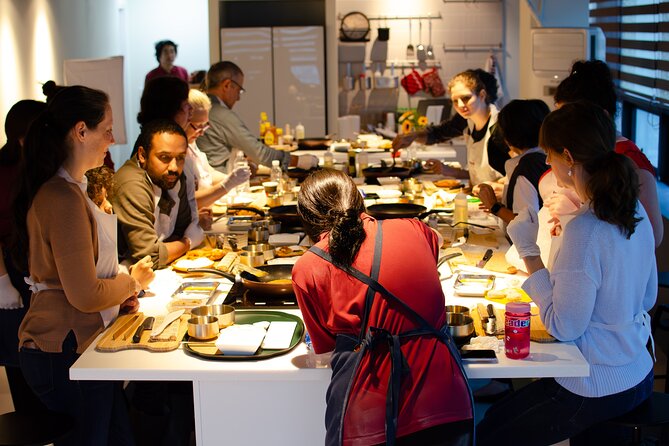
There’s one balanced note worth addressing early: one participant felt the class leaned more toward assembling because some ingredients were already prepped or precooked. That same comment is a useful warning for two types of people.
If you’re a complete beginner, you’ll probably love this approach. Prepping gets you to the satisfying part faster, and step-by-step instruction helps you avoid the common frustration of failed sauces, raw middles, or bland seasoning.
If you’re an experienced home cook who wants total control and scratch-cooking, you may feel slightly boxed in. You might not be handling every raw ingredient from start to finish. The good news is that the class still teaches you the flavor decisions and final cooking steps that let you reproduce the dishes later.
In other words: it’s hands-on where it counts, but not a “train for a production kitchen” course. If you’re booking for confidence and take-home technique, it’s a strong fit. If you’re booking for hardcore culinary autonomy, adjust expectations.
Price and value: $109 for a meal lesson that feeds you
At $109 per person, this isn’t the cheapest activity in Seoul. But in my book, it compares well because you’re paying for:
- A small-group class (max 12)
- A structured three-course cooking experience
- 10 Korean flavors to taste and learn
- A cookbook and tote bag as souvenirs
- Enough food that many people take leftovers home
Think about what a Korean meal can cost when you go out and order multiple dishes plus drinks. Then add the fact that you’re leaving with recipes you can actually cook again. A lot of classes give you a story. This one gives you a menu you can reproduce.
Also, the inclusivity matters in the value equation. If you’ve struggled to find food experiences that match your diet while traveling, this class can be worth more than the base price tag suggests.
Who should book this Seoul Cooking Club class
This is a solid choice if you’re any of the following:
- A couple or solo traveler who wants a social activity that doesn’t feel awkward
- A beginner cook who wants clear guidance and a low-stress way to learn
- Anyone who wants to eat familiar Korean staples and learn what makes them taste right
- Families, since one group of five described the afternoon as fun and filling, with plenty to bring home
It’s especially helpful early in your trip. Several people used it as a first-week Seoul activity to get their bearings with Korean cuisine. After that, menus in restaurants feel easier, and you’re more confident ordering.
Practical tips before you head to 71-6 Jongno 2(i)-ga
A few things to make your experience smoother:
- Bring your appetite. Portions are described as large.
- Plan to take your time during the tastings. You’ll learn more when you slow down and compare flavors.
- Expect to be near public transportation. If you’re hopping between neighborhoods, Jongno is convenient.
- Use your mobile ticket and keep confirmation details handy.
- If you have allergies or dietary restrictions, double-check them at booking so the kitchen can plan appropriately.
One small but important detail: the class ends back at the meeting point, so you can easily roll right into sightseeing without a complicated transfer.
Should you book Korean Cooking at Seoul Cooking Club
If you want a high-value, taste-forward Korean cooking class in Seoul, I’d book it. The combination of small-group attention, dietary options, and the promise that you’ll eat what you cook makes it one of the more practical cultural experiences you can pick.
Book it if you care about learning enough technique to order and understand Korean food right away. Skip it if you’re chasing a hardcore, from-scratch culinary boot camp and you’re likely to get frustrated if some ingredients are already partially handled.
One last nudge: because there’s free cancellation up to 24 hours before the experience start time, you can book with less stress and adjust if your Seoul schedule shifts.
If you’re in Seoul for a short window and want a meal-based lesson that actually sticks, this one is easy to recommend.
FAQ
How long is the Korean Cooking at Seoul Cooking Club class?
It runs for about 2 hours 30 minutes.
What will I be cooking and eating during the session?
You make a three-course Korean meal and taste around ten Korean flavors, including appetizers, main courses, and dessert.
What is the maximum group size?
The class has a maximum of 12 travelers.
Is the class suitable for vegan or halal diets?
Yes. The experience offers vegan and halal options, along with other dietary options.
Do they offer gluten-free or vegetarian choices?
Yes. The class lists gluten-free and vegetarian options.
Can they accommodate allergies or restrictions?
The experience includes accommodations for dietary restrictions, and participant feedback includes examples like peanut allergy accommodation and no beef/pork requests.
Will I get to taste everything I cook?
Yes. The experience is designed so you can taste the dishes you prepare.
What souvenirs do I receive?
A cookbook is provided as a souvenir, and a tote bag is also mentioned in participant feedback.
Where is the meeting point, and does it end there?
You start at 71-6 Jongno 2(i)-ga, Jongno District, Seoul, South Korea, and the activity ends back at the meeting point.
What is the cancellation policy for a full refund?
You can cancel up to 24 hours in advance for a full refund. If you cancel less than 24 hours before the start time, the amount paid is not refunded.
More Cooking Classes in Seoul
- Local Home Korean Cooking Class & Market Adventure in Seoul★ 5.0 · 1,024 reviews
- Master Korean traditional cooking with a Kimchi chef★ 5.0 · 385 reviews
- Seoul: Korean Cooking Class at a Local Home and Market Tour★ 5.0 · 348 reviews
- Seoul: Korean Cooking at Seoul Cooking Club!★ 5.0 · 311 reviews
- Seoul: Taste of Korea, Authentic Home Style Cooking Class★ 4.9 · 166 reviews
More Tour Reviews in Seoul
- Best DMZ Tour Korea from Seoul (Red Suspension Bridge Optional)★ 5.0 · 41,422 reviews
- DMZ Tour: 3rd Tunnel, Option(Suspension Bridge, Boat) from Seoul★ 5.0 · 21,373 reviews
- DMZ tour south Korea from Seoul (NK experience hall, defector)★ 5.0 · 20,599 reviews
- Seoul: DMZ Tour with Optional Suspension Bridge★ 4.8 · 5,277 reviews
- Seoul: DMZ The 3rd Tunnel and Suspension Bridge Tour★ 5.0 · 4,656 reviews
Back in the Korean Kitchen
- Local Home Korean Cooking Class & Market Adventure in Seoul★ 5.0 · 1,024 reviews
- Master Korean traditional cooking with a Kimchi chef★ 5.0 · 385 reviews
- Seoul: Korean Cooking Class at a Local Home and Market Tour★ 5.0 · 348 reviews
- Seoul: Korean Cooking at Seoul Cooking Club!★ 5.0 · 311 reviews
- Cook 3 Authentic Korean Dishes with Local Market Tour★ 5.0 · 231 reviews
Just added to Exploring Seoul





Korean Cooking & Kimchi Classes, compared.
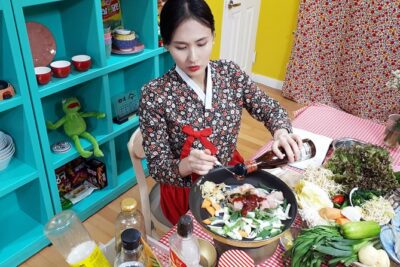 ★ 5.0Local Home Korean Cooking Class & Market Adventure in SeoulFrom $911,024 reviews
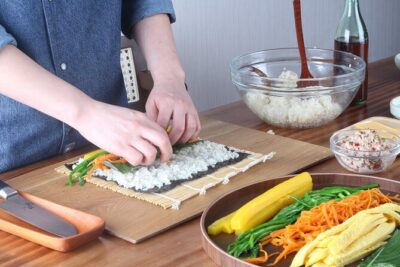 ★ 5.0Master Korean traditional cooking with a Kimchi chefFrom $85385 reviews
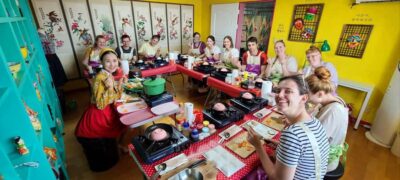 ★ 5.0Korean Cooking Class at a Local Home and Market TourFrom $98348 reviews
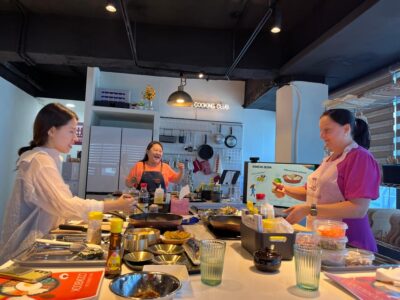 ★ 5.0Korean Cooking at Seoul Cooking Club!From $109311 reviews
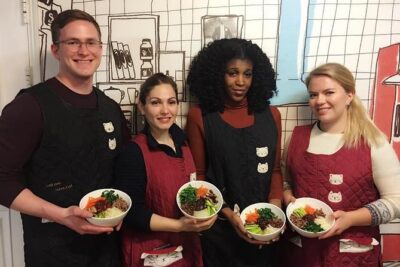 ★ 5.0Cook 3 Authentic Korean Dishes with Local Market TourFrom $79231 reviews
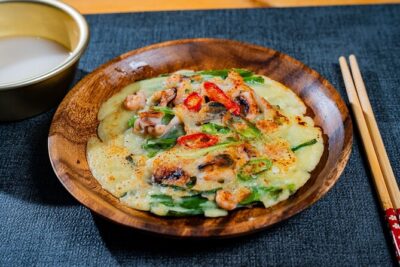 ★ 4.9Taste of Korea, Authentic Home Style Cooking ClassFrom $89166 reviews
Experience Korean Cooking in Modern Hanok KitchenFrom $87118 reviews
★ 4.9Taste of Korea, Authentic Home Style Cooking ClassFrom $89166 reviews
Experience Korean Cooking in Modern Hanok KitchenFrom $87118 reviews
 ★ 5.0Korean Cooking Class with Grocery Shopping at Seoul Local MarketFrom $91107 reviews
Browse the lists this tour appears in