
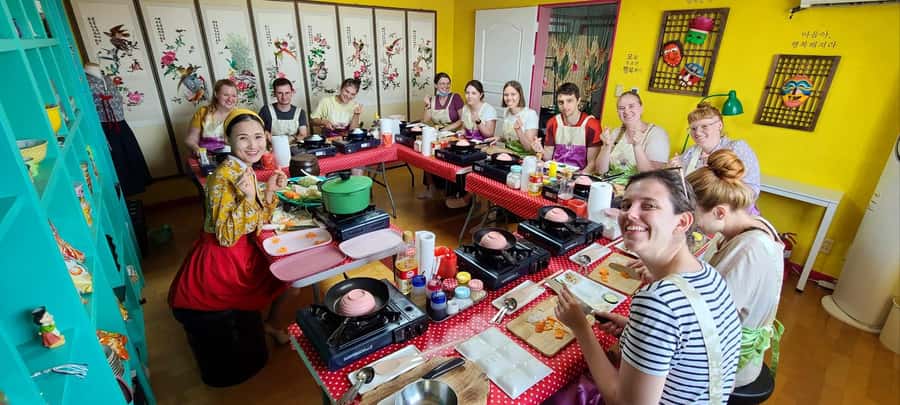
Reviewed · KOREAN FOOD & MARKET TOURS
Seoul: Korean Cooking Class at a Local Home and Market Tour
Cooking Korean food starts with the market. This 3.5-hour Seoul class takes you to the Mangwon market to hunt ingredients and taste street food, then into a home kitchen where you cook 4 signature dishes with a real chef-guide. I like the hands-on pace, and you walk away with recipes you can actually repeat at home.
One heads-up: there’s no elevator to reach the home venue. If stairs are a problem for you, plan for a slower, careful arrival.
In This Review
- Key highlights that make this class worth your time
- From Mangwon Market to a Real Home Kitchen
- The Mangwon market stop: where you learn to shop Korean-style
- Cooking time: four dishes that cover the Korean range
- Bibimbap: mix, balance, and taste as you go
- Dakgalbi: stir-fry flavor built on heat and seasoning
- Haemul-Pajeon: a pancake that teaches savory texture
- Doenjang-jjigae: fermented soybean paste stew comfort
- Hanjeongsik meal: more than eating what you cooked
- Chef-guides and the human touch: why the class feels easy to join
- Tal mask and Korean festival culture: a quick, memorable detour
- Price and value: what $98 buys you (and what to compare)
- Practical tips so you enjoy it from minute one
- Who should book this Seoul cooking class
- Should you book it? My straight answer
- FAQ
- Where do I meet the guide?
- How long is the cooking class?
- What dishes will we cook?
- What is included in the meal after cooking?
- Is this a small group?
- Is there an English-speaking instructor?
- Can the host accommodate allergies or dietary restrictions?
- Do they provide hotel pickup or drop-off?
Key highlights that make this class worth your time
- Mangwon market + street-food samples: you taste what locals reach for while your guide explains ingredients.
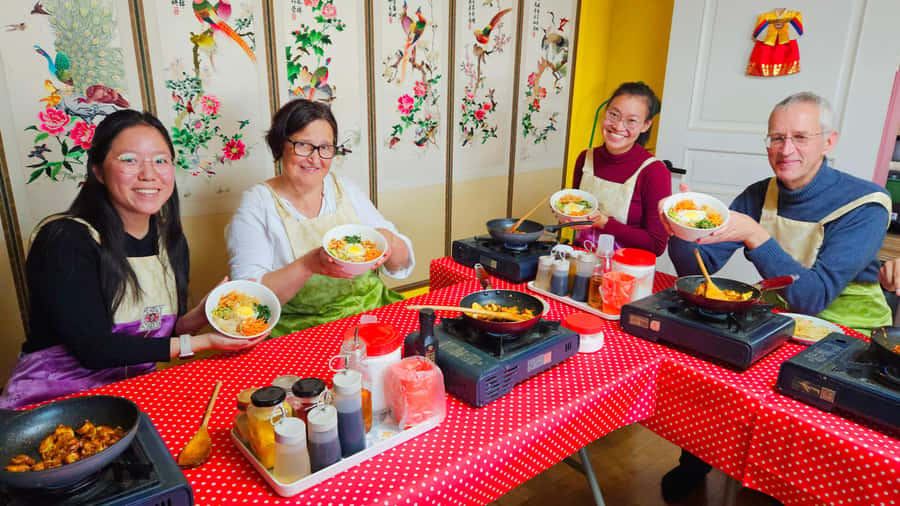
- Chef-led stations for 4 dishes: Bibimbap, Dakgalbi, Haemul-Pajeon, and Doenjang-Jjigae are hands-on, not just watch-and-learn.
- Small group size (max 10): easier questions, more attention, and more time cooking.
- Hanjeongsik meal format: more than 10 side dishes, plus seasonal fruit and rice wine.
- Culture add-ons beyond the stove: learning a few Korean phrases and trying a Tal mask tied to heritage festivals.
- Photo/video service and recipes included: you leave with more than just memories.
Still hungry? More Seoul market and street-food crawls
- Seoul: Gyeongbok Palace, Bukchon Village, and Gwangjang Tour★ 4.9 · 2,321 reviews
- Seoul Street Food Market Tour★ 5.0 · 1,226 reviews
- Seoul: Gyeongbok Palace, Bukchon Village, and Gwangjang Tour★ 5.0 · 1,044 reviews
- Local Home Korean Cooking Class & Market Adventure in Seoul★ 5.0 · 1,024 reviews
From Mangwon Market to a Real Home Kitchen
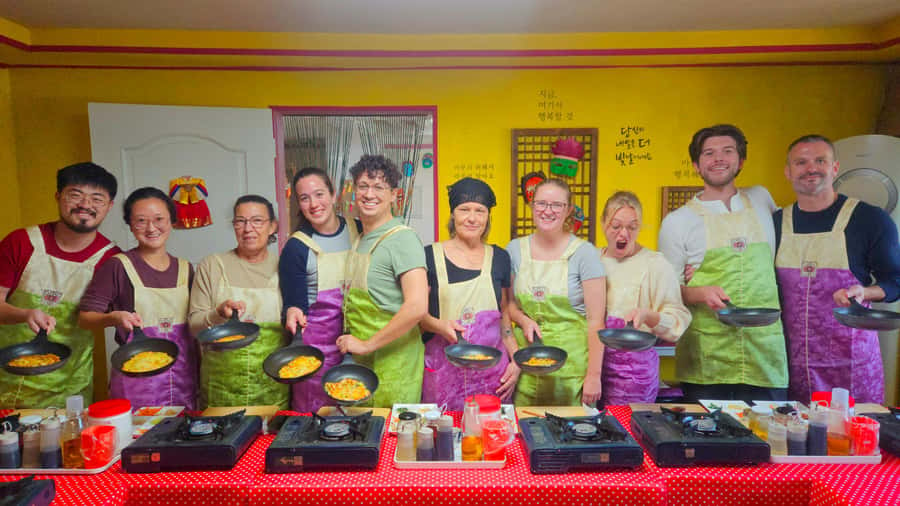
This is a market-to-home Korean cooking class in Seoul that feels less like a scripted show and more like learning how people actually eat and shop. The plan is built around one smart idea: you start with the ingredients you’ll cook, then you cook them.
You meet your guide at Mangwon Station, exit 2 (outside), and the activity ends back at the meeting point. The tour runs about 3.5 hours, with small groups limited to 10, which helps the cooking stay practical instead of rushed.
The Mangwon market stop: where you learn to shop Korean-style
The class begins with a traditional market walk. You’re not just wandering, either. Your chef-guide helps you spot ingredients, understand what they do in Korean cooking, and taste street food samples along the way.
I especially like this portion because markets are where Korean food makes sense. You see how people choose produce, sauces, and seasonings, and you learn the practical “what goes with what” logic that most cookbook instructions skip.
Also, the market stop is deliberately described as popular yet less touristy. That matters, because you’re more likely to notice the everyday rhythm of shopping rather than only the most photographed corners.
One more small cultural bonus: you get a bit of language practice. You’ll learn a few Korean phrases before cooking starts, which helps you feel less like a visitor and more like a student.
Cooking time: four dishes that cover the Korean range
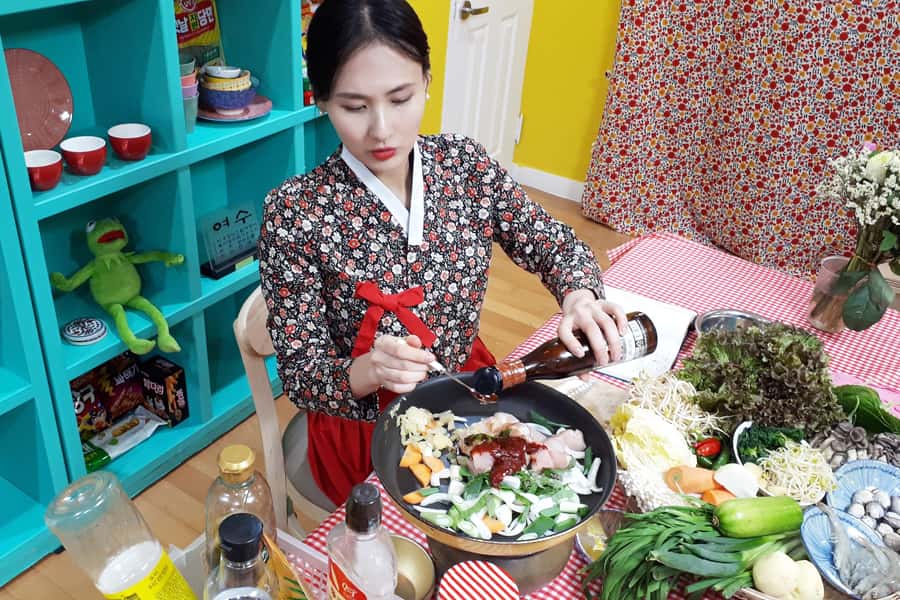
Back at the class venue, you get a warm-up drink (welcome tea), then it’s hands-on cooking. The chef-guide leads you through the steps, and the structure is designed so you can cook instead of hovering.
This class focuses on four main dishes, which is a great way to learn big flavors without losing time:
Roll up your sleeves in another Korean kitchen
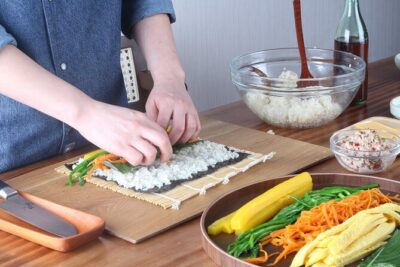
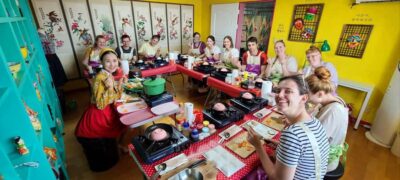
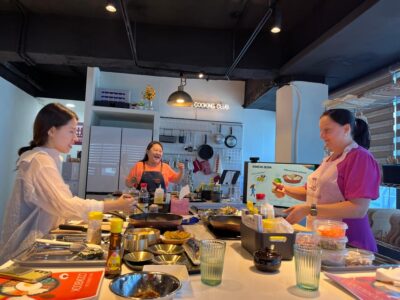
Bibimbap: mix, balance, and taste as you go
Bibimbap is all about balance. You’ll be working with mixed rice with meat and vegetables, which is a Korean staple because it’s flexible and built for leftovers. The learning goal here is technique and seasoning logic: how components stay distinct but work together.
Dakgalbi: stir-fry flavor built on heat and seasoning
Dakgalbi brings a different skill set than bibimbap. You’ll learn stir-fried chicken, which is about managing heat, timing, and sauce consistency. It’s also a dish that makes sense to cook at home because the method translates well to a normal kitchen.
Haemul-Pajeon: a pancake that teaches savory texture
Haemul-Pajeon is Korea’s seafood and green onion pancake. It’s a useful lesson dish because you can see how batter thickness, pan heat, and ingredient distribution affect texture. If you’ve ever struggled with pancakes elsewhere, this one teaches you what to watch for.
Doenjang-jjigae: fermented soybean paste stew comfort
Doenjang-jjigae covers the stew side of Korean cooking. You’ll make fermented soybean paste stew, which is powerful even with a simple ingredient list. The lesson is about depth: how fermented flavor changes the whole meal and how stew basics build comfort fast.
Across all four, the class includes ingredients, equipment, and guidance from your English/Korean instructor. In practical terms, it means you’re not left guessing on tools, cut sizes, or steps.
Hanjeongsik meal: more than eating what you cooked
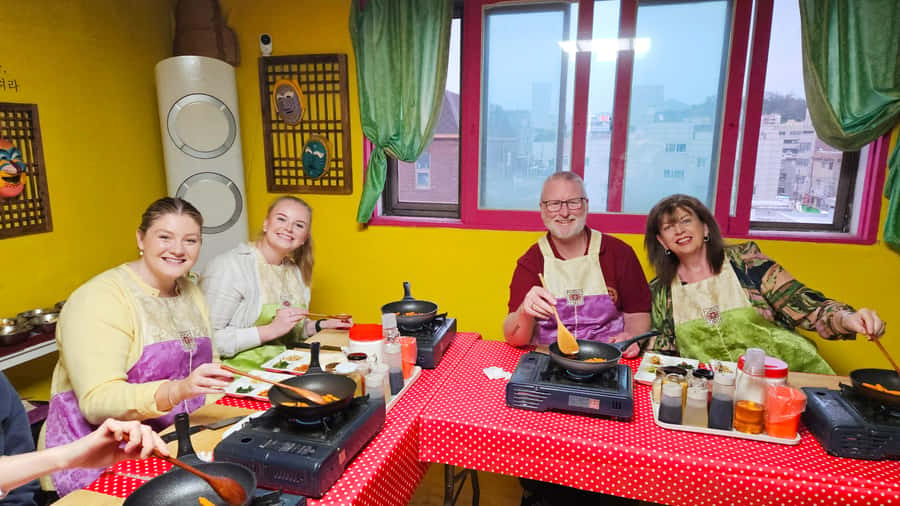
After the cooking, you sit down for a Hanjeongsik meal, which is a traditional Korean course format. Here’s what makes it special: you’re served more than 10 side dishes, plus seasonal fruit and rice wine.
This part matters because it shows Korean meals as a system, not just a main dish and a side. You learn how different flavors work together across courses, and you get a clearer sense of what a Korean table looks like outside of street food.
Your meal is included as part of the class, and it comes with the side dishes you’d normally never gather at home in one sitting. That’s value you can’t get from a simple cooking workshop that only covers the recipes.
Chef-guides and the human touch: why the class feels easy to join
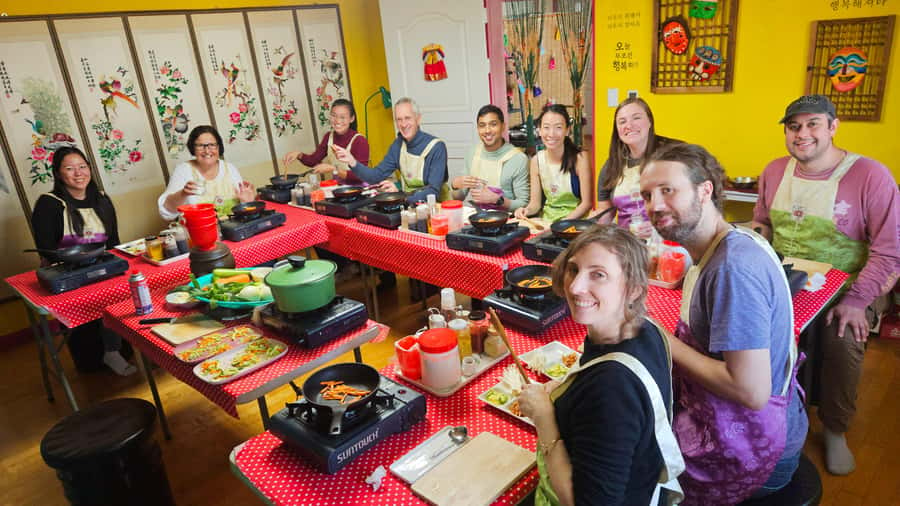
The best cooking classes reduce stress. This one tends to do that through the energy and organization of the host-chef team.
You might be guided by hosts including Sarah or Junghee, both of whom show up in the feedback as welcoming and funny without turning chaotic. The common thread is clarity: instructions are described as easy to follow, and the vibe stays friendly even for beginners.
One review theme you can trust from this setup: everyone gets included. With a group capped at 10, it’s easier for the guide to check if you’re on track, especially when you’re cooking items with different methods like stir-frying and pan-cooking.
You also get photo and video service. That’s a nice detail because it helps you remember plating and steps, especially when you’re still learning what things should look like at each stage.
Tal mask and Korean festival culture: a quick, memorable detour
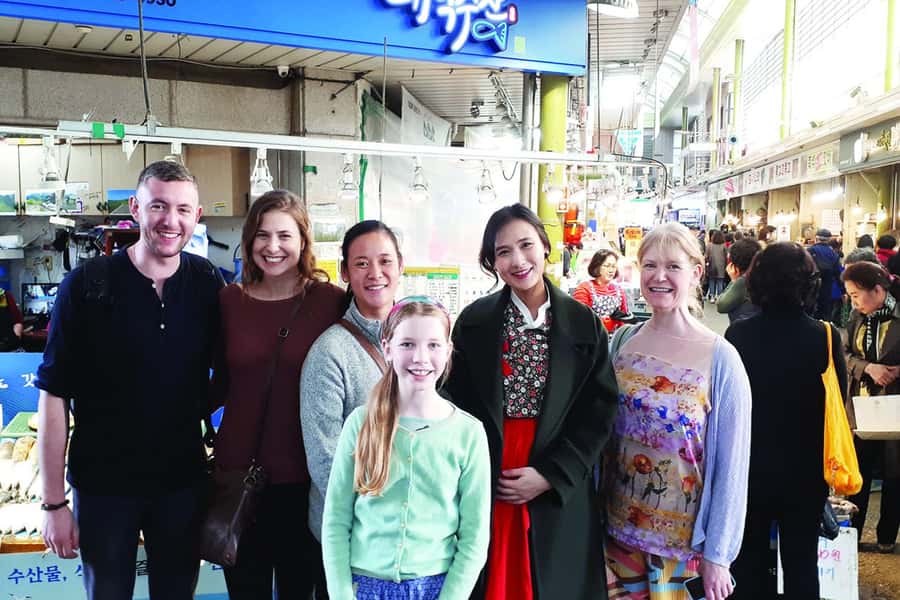
This class includes a cultural moment that goes beyond food: trying on a Tal mask. Tal masks connect to heritage festivals, where characters and masks show up with meaning and regional style.
It’s short, but it’s the kind of add-on that makes a cooking class feel like more than a meal prep session. You get a small story tied to Korean festivals, and you end with a fun photo moment you can share.
Price and value: what $98 buys you (and what to compare)
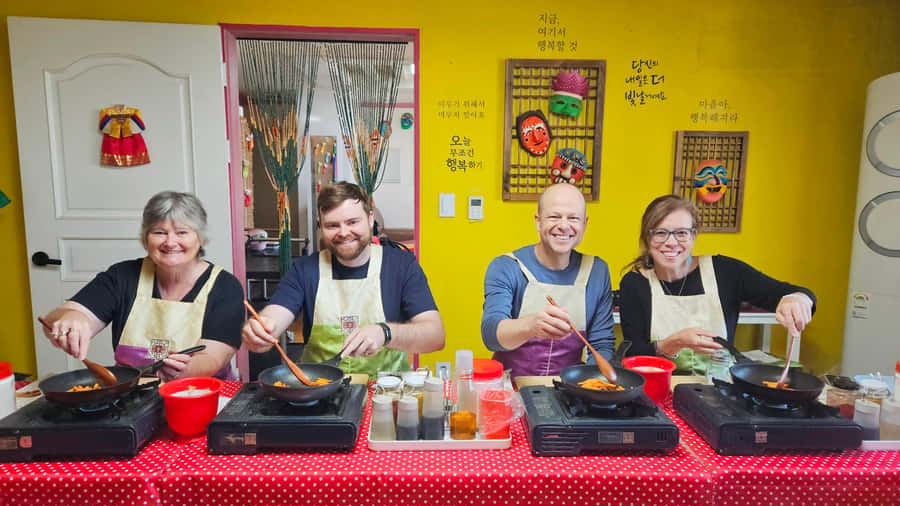
At $98 per person, you’re paying for a full experience: market tour, cooking with a chef-guide, multiple dishes, a hanjeongsik meal, and included extras like rice wine, street-food samples, welcome tea, water, plus recipes and photo/video.
So how do you judge value? Compare to:
- A plain cooking class that only makes one or two dishes.
- A market tour that doesn’t take you into a home kitchen.
- A meal that you just eat without learning ingredients and technique.
Here, the value comes from the total package. You get both the front half (shopping and tasting) and the back half (a real course-style Korean meal). If you’re the kind of traveler who wants to learn how the food works, not only how it tastes, this price starts to look fair quickly.
One practical note: you’ll be responsible for your own transit to and from the meeting point. There’s no hotel pickup/drop-off, so add a little buffer for getting to Mangwon Station on time.
Practical tips so you enjoy it from minute one
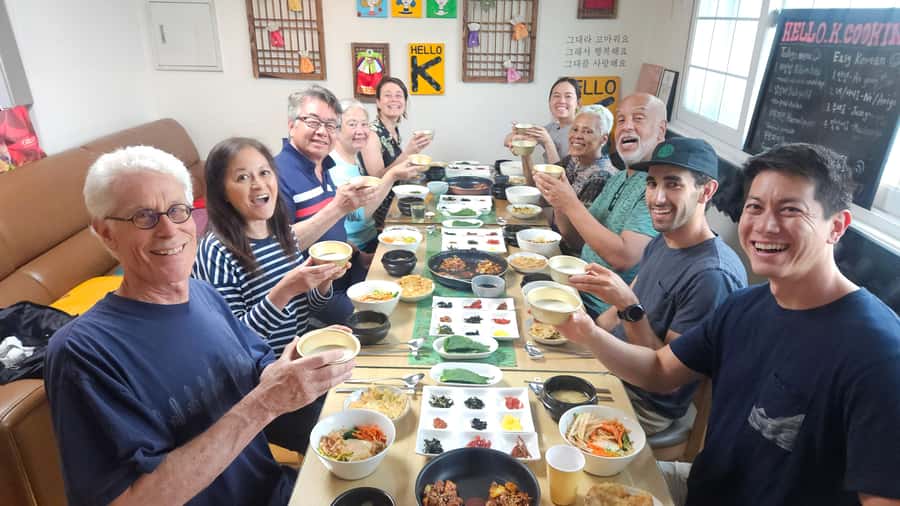
A good class day is equal parts technique and comfort. Here are the most useful things to plan:
- Wear shoes you don’t mind walking in. You’ll spend time on foot during the market portion.
- Expect a home venue with stairs. There’s no elevator up to the local home.
- If you have allergies or dietary restrictions, contact the host ahead of time. The class specifically asks you to reach out for dietary needs rather than relying on guesswork.
- Bring curiosity and a flexible appetite. Korean cooking involves multiple flavors and textures, and the class includes both street food samples and your sit-down meal.
If you’re nervous about cooking, don’t be. The class is designed with clear steps and active participation. The whole structure is built so novices can keep up while still learning.
Who should book this Seoul cooking class
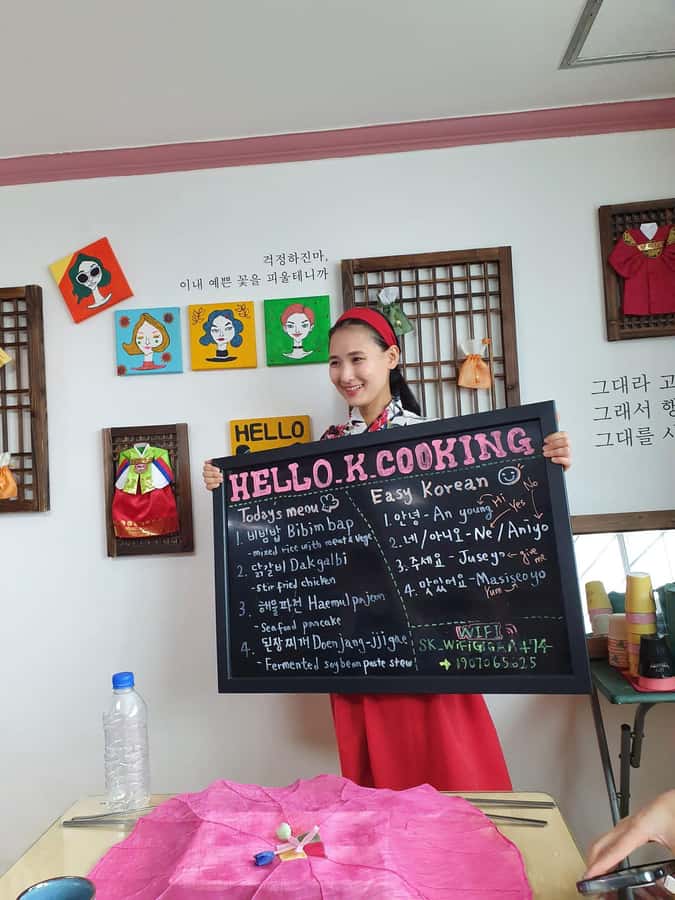
This is a great fit if you:
- Want a market-to-home experience instead of a kitchen-only workshop.
- Cook at home and want repeatable dishes: bibimbap, dakgalbi, haemul-pajeon, and doenjang-jjigae.
- Like cultural add-ons (language basics, Tal mask) that don’t feel like filler.
- Prefer small group attention over big-tour churn.
It may be less ideal if:
- You avoid stair-heavy venues.
- You need hotel pickup for convenience.
- You only want one dish and no cultural meal component.
Should you book it? My straight answer
Book this cooking class if you want your Seoul trip to leave you with real skills and real context. The market start makes the ingredients click, the four-dish format keeps you learning, and the Hanjeongsik meal shows how Korean tables work as a whole.
Skip it only if the lack of elevator access is a dealbreaker or if you’re not interested in hands-on cooking. Otherwise, this is the kind of afternoon that ends with you full, informed, and ready to cook again without guessing.
FAQ
Where do I meet the guide?
You meet at Mangwon Station, exit 2 (outside). The activity ends back at the same meeting point.
How long is the cooking class?
The total duration is about 3.5 hours.
What dishes will we cook?
You’ll cook Bibimbap, Dakgalbi, Haemul-Pajeon, and Doenjang-Jjigae.
What is included in the meal after cooking?
After cooking, you’ll enjoy a Hanjeongsik meal with more than 10 side dishes, plus seasonal fruits and rice wine.
Is this a small group?
Yes. The group is limited to 10 participants.
Is there an English-speaking instructor?
Yes. The instructor is listed as speaking English and Korean.
Can the host accommodate allergies or dietary restrictions?
You should contact the local host for any dietary restrictions and allergies.
Do they provide hotel pickup or drop-off?
No. There is no hotel pickup and drop-off, so you’ll need to make your own way to the meeting point.
More Tour Reviews in Seoul
- Best DMZ Tour Korea from Seoul (Red Suspension Bridge Optional)★ 5.0 · 41,422 reviews
- DMZ Tour: 3rd Tunnel, Option(Suspension Bridge, Boat) from Seoul★ 5.0 · 21,373 reviews
- DMZ tour south Korea from Seoul (NK experience hall, defector)★ 5.0 · 20,599 reviews
- Seoul: DMZ Tour with Optional Suspension Bridge★ 4.8 · 5,277 reviews
- Seoul: DMZ The 3rd Tunnel and Suspension Bridge Tour★ 5.0 · 4,656 reviews
Back in the Korean Kitchen
- Local Home Korean Cooking Class & Market Adventure in Seoul★ 5.0 · 1,024 reviews
- Master Korean traditional cooking with a Kimchi chef★ 5.0 · 385 reviews
- Seoul: Korean Cooking at Seoul Cooking Club!★ 5.0 · 311 reviews
- Cook 3 Authentic Korean Dishes with Local Market Tour★ 5.0 · 231 reviews
- Korean Cooking at Seoul Cooking Club★ 5.0 · 220 reviews
Eat Your Way Further Through Seoul
- Seoul: Gyeongbok Palace, Bukchon Village, and Gwangjang Tour★ 4.9 · 2,321 reviews
- Seoul Street Food Market Tour★ 5.0 · 1,226 reviews
- Seoul: Gyeongbok Palace, Bukchon Village, and Gwangjang Tour★ 5.0 · 1,044 reviews
- Local Home Korean Cooking Class & Market Adventure in Seoul★ 5.0 · 1,024 reviews
- Seoul: Night Market Food Tour with Local Guide★ 4.9 · 943 reviews
Just added to Exploring Seoul



Korean Food & Market Tours, compared.
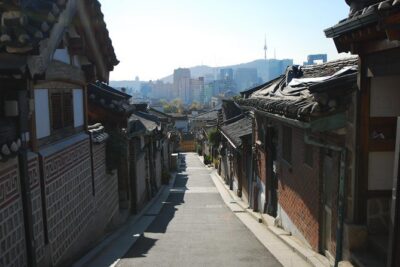 ★ 4.9Gyeongbok Palace, Bukchon Village, and Gwangjang TourFrom $322,321 reviews
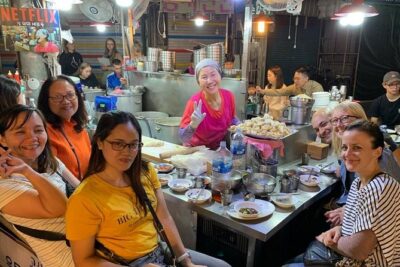 ★ 5.0Seoul Street Food Market TourFrom $731,226 reviews
★ 5.0Gyeongbok Palace, Bukchon Village, and Gwangjang TourFrom $321,044 reviews
★ 5.0Seoul Street Food Market TourFrom $731,226 reviews
★ 5.0Gyeongbok Palace, Bukchon Village, and Gwangjang TourFrom $321,044 reviews
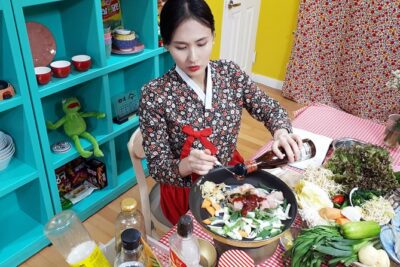 ★ 5.0Local Home Korean Cooking Class & Market Adventure in SeoulFrom $911,024 reviews
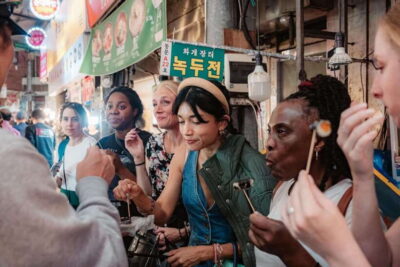 ★ 4.9Night Market Food Tour with Local GuideFrom $73943 reviews
 ★ 4.9Palace, Temple and Market Guided Foodie Tour at NightFrom $60750 reviews
 ★ 5.0Downtown Seoul Guided Food & Market Tour with 8+ Local TastingsFrom $98580 reviews
 ★ 5.0Drinking and Eating through the Alleys of SeoulFrom $85364 reviews
Browse the lists this tour appears in