
Reviewed · KOREAN COOKING & KIMCHI CLASSES
Korean Cooking Class with Grocery Shopping at Seoul Local Market
Forget the guidebook tour; eat with locals. This class pairs grocery shopping at Mangwon Market with hands-on cooking, guided by a friendly Korean home cook, so you walk away with food skills and how daily Korean life feels.
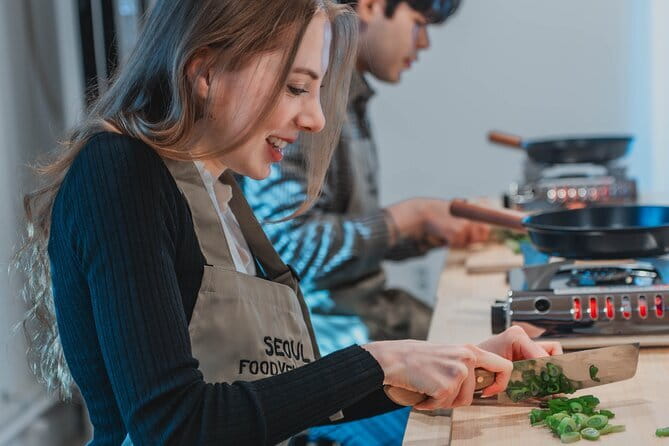
I like two things a lot: the way the market shopping teaches you what to buy and why, and the teaching style of Phoebe (Sunghyun), who stays patient while you cook in a small, calm studio setting.
One thing to plan for: the schedule is tight. If you’re more than 10 minutes late, you might miss the market tour, which is a big part of the experience.
In This Review
- Key highlights at a glance
- Entering Mangwon Market: the local groceries part
- Grocery shopping with a Korean home cook mindset
- The three dishes: what you’ll actually be able to cook later
- Bulgogi: marinated flavor you can control
- Gyeran-jjim: the Korean comfort-egg skill
- Kimbap: assemble like a home cook
- The cozy studio near Mangwon station: where the class comes alive
- Timing, group size, and how to not feel rushed
- Price and value: what $91.91 buys you
- Who should book this cooking class?
- Should you book Seoul Foodventure’s Mangwon class?
- FAQ
- Where does the cooking class start?
- What time does it start, and how long does it last?
- What dishes will I cook?
- Is it suitable for beginners?
- How many people are in the group?
- What if I’m running late?
- Are service animals allowed?
- How do dietary restrictions work?
- Is there free cancellation?
Key highlights at a glance
- Mangwon Market shopping at local go-to spots, not tourist aisles
- Three dishes, three skills: bulgogi, gyeran-jjim, and kimbap
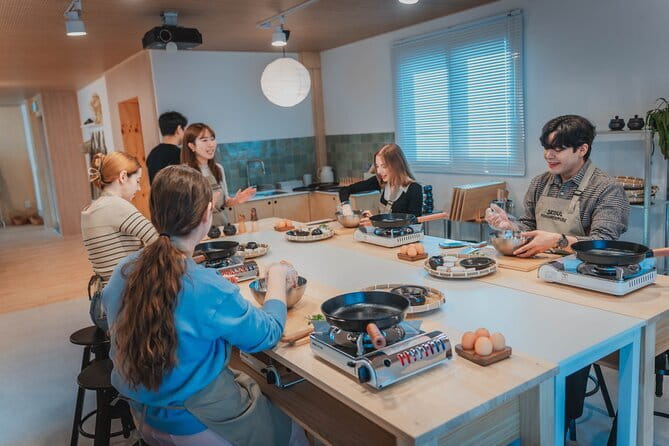
- Small group (max 8), so you get real help while cooking
- Cozy studio near Mangwon station for prep and cooking
- Han River picnic option if you take leftover kimbap
Roll up your sleeves in another Korean kitchen
- Local Home Korean Cooking Class & Market Adventure in Seoul★ 5.0 · 1,024 reviews
- Master Korean traditional cooking with a Kimchi chef★ 5.0 · 385 reviews
- Seoul: Korean Cooking Class at a Local Home and Market Tour★ 5.0 · 348 reviews
- Seoul: Korean Cooking at Seoul Cooking Club!★ 5.0 · 311 reviews
Entering Mangwon Market: the local groceries part
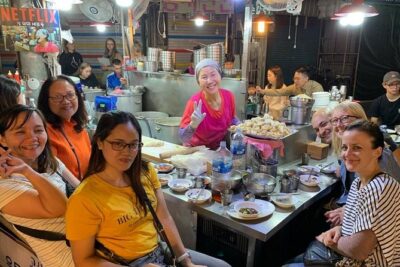
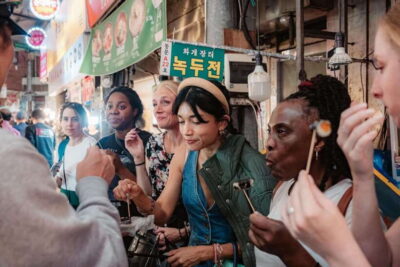
This experience starts in Seoul with a real market rhythm: you’re not just buying ingredients, you’re practicing how locals shop. Mangwon Market has been around for over 40 years, and that matters. The stalls feel built for everyday life—quick purchases, familiar items, and the kind of food shopping that doesn’t need a performance.
I like that the class doesn’t treat the market as a backdrop. You’re there with a purpose: pick out the freshest ingredients for what you’ll cook later. That’s a simple idea, but it changes everything. When you get to the kitchen, you already know what you selected and how it should behave—like how certain produce looks and feels, or how meat should be prepped once you bring it back.
The group meets at Seoul Foodventure (Mapo-gu, Mangwon-dong, Mangwon Market area), and the start time is 10:30 am. You’ll want to arrive early enough to settle in and get moving, because the market part drives the whole flow.
Practical tip: bring a bag you can comfortably carry during shopping. You’ll leave the market with ingredients you’ll cook soon after, so plan for the weight.
Grocery shopping with a Korean home cook mindset
The host is Phoebe (Sunghyun), and the vibe is very much like cooking with someone who shops every day. You’ll visit her favorite stalls and stores inside Mangwon Market, then come back to prep together.
What I like about this approach is that it answers an invisible question: how do I pick good Korean ingredients without guessing? Even if you’re a confident cook, markets can be intimidating in a new country. Here, you’re guided through the choices while learning how ingredients connect to the dishes.
You’ll also get casual conversation as you shop—about Korean food and culture. The cooking part alone would be fun, but the talk makes it stick. It’s the difference between copying recipes and understanding habits: what Koreans look for, what they prioritize in taste and texture, and how “home food” fits into everyday life.
Group size stays small (maximum 8 travelers), which helps. You’re not shouting over background noise, and you can ask questions without feeling rushed.
If you have dietary restrictions, tell the provider in advance. The class is designed for everyone from complete beginners to people who cook often, but ingredients still need to be planned.
The three dishes: what you’ll actually be able to cook later
This is a “learn by doing” format. You’ll prepare three iconic Korean dishes:
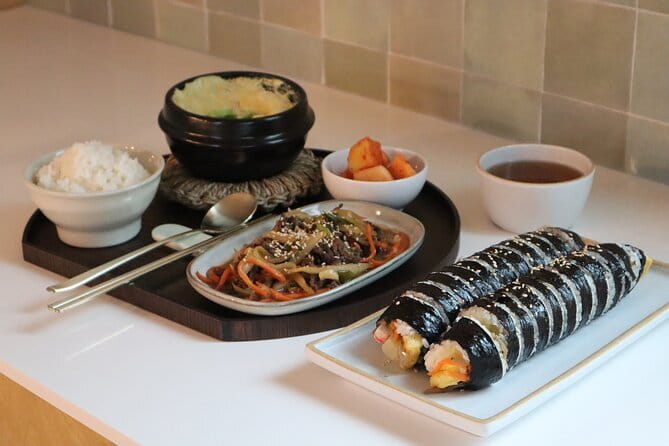
- Bulgogi (marinated beef)
- Gyeran-jjim (steamed egg)
- Kimbap
Even though the course runs about 3 hours, it’s not a slow, meandering demo. You get a full arc: buy ingredients, prep, then cook and assemble. That’s the point—by the end, you’re not just familiar with Korean food, you can reproduce it.
A handful of other Seoul experiences to line up next

Bulgogi: marinated flavor you can control
Bulgogi is a great dish to learn first because it teaches a core Korean cooking idea: balance and marination. When you’re building the marinade and handling the meat with guidance, you pick up how to adjust flavor for your own taste later.
What you’ll take home is not just an outcome, but a process—how meat behaves once it’s seasoned, and how to cook it so it stays tender instead of turning chewy.
Gyeran-jjim: the Korean comfort-egg skill
Gyeran-jjim is steamed egg, usually soft, savory, and soothing. It’s also the kind of dish that reveals whether you can manage heat and timing without panicking. If you’ve never done steamed egg before, this is a smart choice because it teaches technique with a forgiving payoff.
The key value here: you learn how Korean home cooking can be gentle and precise. It’s not complicated in ingredients, but it has a specific texture target. Once you’ve made it once, you’ll understand what “right” feels like.
Kimbap: assemble like a home cook
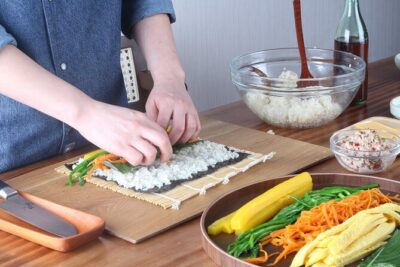
Kimbap ties the whole class together because it’s hands-on and satisfying. You’ll assemble rolls, not just cook a dish. That’s where people often realize they can do more than they thought.
And there’s a fun extra: you’re encouraged to take any leftover kimbap to the nearby Han River for a casual picnic—spread out a mat and enjoy it like locals do. Even if you don’t make it a “grand outing,” it’s a great way to extend the meal into a Seoul afternoon.
Practical tip: if you want to do the Han River picnic, plan to bring a small bag for leftovers and something comfortable to sit on.
The cozy studio near Mangwon station: where the class comes alive
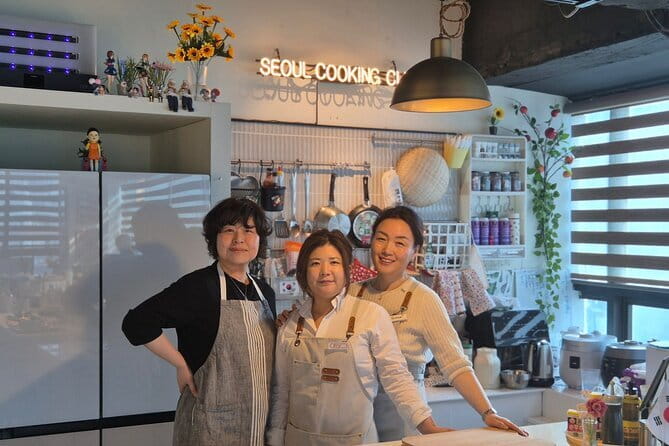
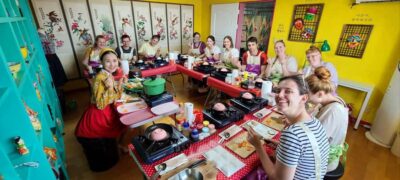
After the market, you move to a studio kitchen that feels intentionally small and welcoming. Reviews consistently highlight that it’s cozy and pleasant, which makes sense: when your group is small and the space is set up for cooking, you get less waiting and more doing.
Location matters here too. The studio is near Mangwon station, so you don’t end up fighting complex transfers just to get to the cooking lesson. That’s a real quality-of-life factor in Seoul, where one wrong train turn can eat your time.
What you’ll likely notice in the studio is how the teaching style supports beginners. Phoebe is described as very patient and explains step-by-step, down to the menu items. That detail matters because Korean cooking often feels intimidating at first—there are names you don’t know and textures you can’t guess—so clear explanations help you succeed.
The best part is that you’re not waiting around while someone else cooks. You’re cooking alongside the host and learning in real time.
Timing, group size, and how to not feel rushed
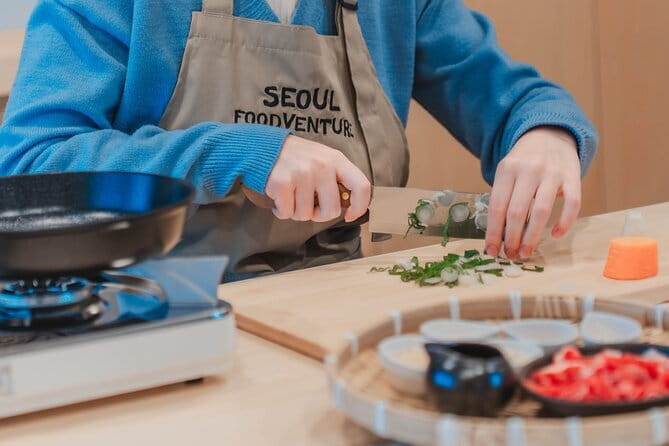
This tour lasts about 3 hours and starts at 10:30 am, ending back at the meeting point. That timing is a good sign if you want a compact, high-return activity. It also means you should come hungry and ready.
A few practical notes that will make your experience smoother:
- Arrive on time. If you’re more than 10 minutes late, you might miss the market tour.
- Since the class is built around shopping first, don’t treat the studio portion as the main event. The market is where you learn your “why.”
- With a max group size of 8, you’ll still be able to talk and ask questions, but you should avoid expecting a slow pace. This is action-based cooking.
I also think the 3-hour format is ideal for visitors who want something more local than a restaurant meal but don’t have a full afternoon to spare.
Price and value: what $91.91 buys you
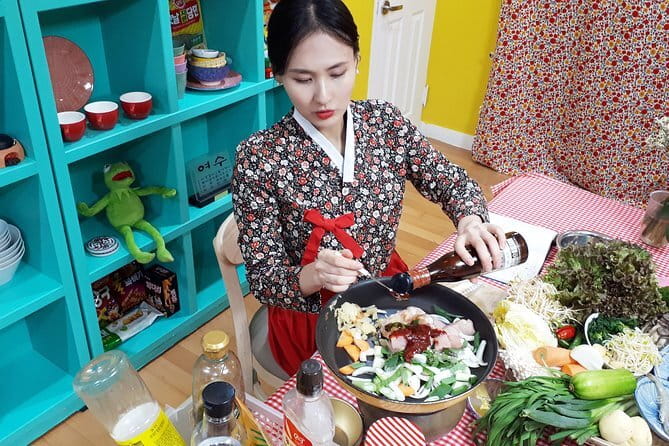
At $91.91 per person for roughly 3 hours, you’re paying for more than a cookbook-style lesson. You’re paying for:
- Market guidance (fresh ingredient choices)
- Instruction while you prep and cook three dishes
- A small-group kitchen setup near Mangwon station
- A host who explains food and culture in everyday terms
Could you recreate Korean food cheaper on your own? Sure—you can always buy ingredients and watch videos. But that’s not the same experience. Here, you’re buying local context plus real coaching. If you’ve ever stood in a Seoul market staring at unfamiliar ingredients, you already know what that kind of help is worth.
From a value angle, I’d call this fair for people who want hands-on learning and a more local pace than typical tourist food stops.
Who should book this cooking class?
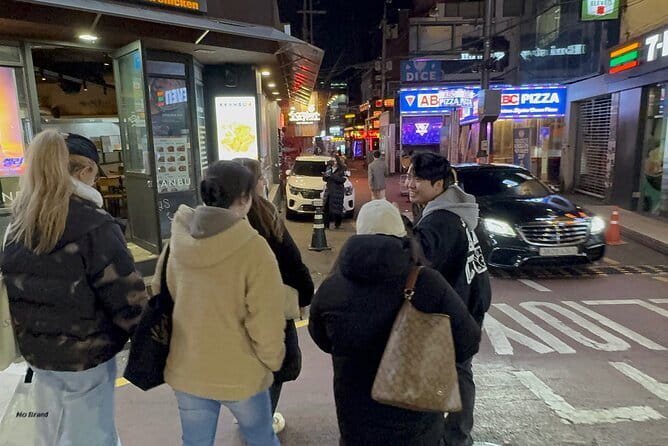
I’d recommend it if you want any of these:
- You’re a beginner who wants a structured path (and patience in the kitchen)
- You cook at home and want Korean staples you can actually repeat
- You like the idea of learning through daily life, not just recipes
- You want a small-group experience with conversation and culture
It’s also a good fit if you enjoy markets and want your trip to feel less scripted. The market portion isn’t about checking a box—it’s about learning how people actually shop for what’s for dinner.
If you’re looking for a private, customized cooking session or a long, leisurely class, this might feel a bit short and structured for your style. The upside is that you leave with clear dishes and confidence instead of spending hours without an outcome.
Should you book Seoul Foodventure’s Mangwon class?
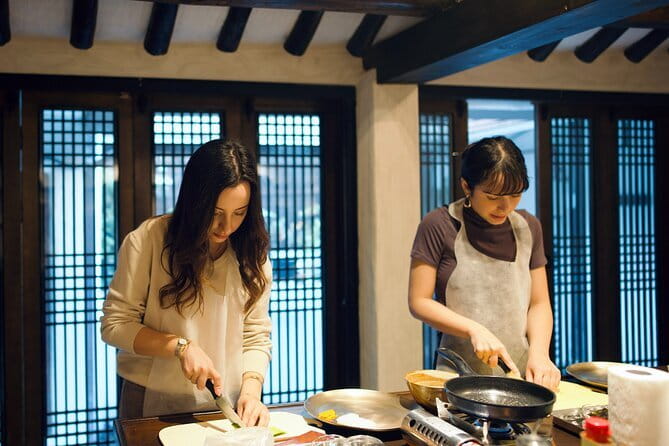
If you’re deciding between a standard Seoul “food tour” and something more hands-on, this is the kind of activity that tilts toward learning. The standout strengths are the market-first approach and the teaching energy from Phoebe (Sunghyun), paired with a cozy studio kitchen that keeps things friendly and manageable.
I’d say book it when:
- You want to cook three specific Korean dishes (not just snack your way through)
- You like the idea of a market shopping lesson at Mangwon Market
- You’re happy with a small group and a firm schedule
Skip it if:
- You know you can’t reliably arrive on time
- You need a fully flexible pace
- Your diet needs very specific accommodations that you haven’t discussed in advance
Overall, it’s a smart, practical way to learn Korean cooking with real ingredients and real guidance—and then turn leftover kimbap into an easy Han River moment.
FAQ
Where does the cooking class start?
The class starts at Seoul Foodventure in Seoul, Mapo-gu, Mangwon-dong (Mangwon Market area), at 377-4 on the 4th floor. The activity ends back at the same meeting point.
What time does it start, and how long does it last?
It starts at 10:30 am and lasts about 3 hours (approx.).
What dishes will I cook?
You’ll prepare bulgogi, gyeran-jjim (steamed egg), and kimbap.
Is it suitable for beginners?
Yes. The class is described as welcoming for everyone, from seasoned cooks to complete beginners.
How many people are in the group?
The maximum group size is 8 travelers.
What if I’m running late?
Please arrive on time. If you’re more than 10 minutes late, you might miss the market tour.
Are service animals allowed?
Yes, service animals are allowed.
How do dietary restrictions work?
If you have dietary restrictions, you need to let the provider know in advance so they can plan accordingly.
Is there free cancellation?
Yes. You can cancel for a full refund up to 24 hours before the start time. If you cancel less than 24 hours before, the amount paid is not refunded.
More Shopping Tours in Seoul
- Seoul Street Food Market Tour★ 5.0 · 1,226 reviews
- Local Home Korean Cooking Class & Market Adventure in Seoul★ 5.0 · 1,024 reviews
- Seoul: Night Market Food Tour with Local Guide★ 4.9 · 943 reviews
- Seoul: Palace, Temple and Market Guided Foodie Tour at Night★ 4.9 · 750 reviews
- Private DMZ Tour (No Shopping): 3rd Tunnel & Suspension Bridge★ 5.0 · 607 reviews
More Tour Reviews in Seoul
- Best DMZ Tour Korea from Seoul (Red Suspension Bridge Optional)★ 5.0 · 41,422 reviews
- DMZ Tour: 3rd Tunnel, Option(Suspension Bridge, Boat) from Seoul★ 5.0 · 21,373 reviews
- DMZ tour south Korea from Seoul (NK experience hall, defector)★ 5.0 · 20,599 reviews
- Seoul: DMZ Tour with Optional Suspension Bridge★ 4.8 · 5,277 reviews
- Seoul: DMZ The 3rd Tunnel and Suspension Bridge Tour★ 5.0 · 4,656 reviews
Back in the Korean Kitchen
- Local Home Korean Cooking Class & Market Adventure in Seoul★ 5.0 · 1,024 reviews
- Master Korean traditional cooking with a Kimchi chef★ 5.0 · 385 reviews
- Seoul: Korean Cooking Class at a Local Home and Market Tour★ 5.0 · 348 reviews
- Seoul: Korean Cooking at Seoul Cooking Club!★ 5.0 · 311 reviews
- Cook 3 Authentic Korean Dishes with Local Market Tour★ 5.0 · 231 reviews
Just added to Exploring Seoul



Korean Cooking & Kimchi Classes, compared.
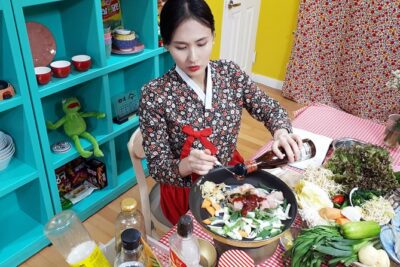 ★ 5.0Local Home Korean Cooking Class & Market Adventure in SeoulFrom $911,024 reviews
 ★ 5.0Master Korean traditional cooking with a Kimchi chefFrom $85385 reviews
 ★ 5.0Korean Cooking Class at a Local Home and Market TourFrom $98348 reviews
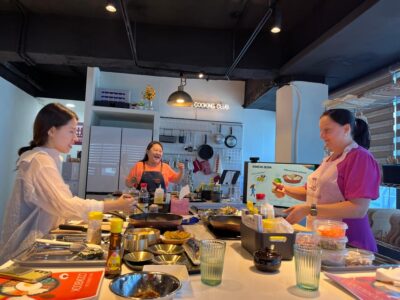 ★ 5.0Korean Cooking at Seoul Cooking Club!From $109311 reviews
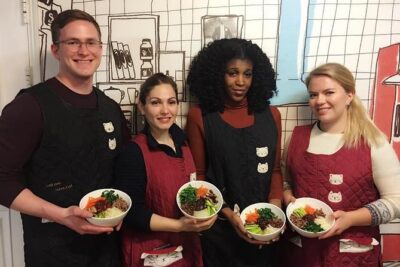 ★ 5.0Cook 3 Authentic Korean Dishes with Local Market TourFrom $79231 reviews
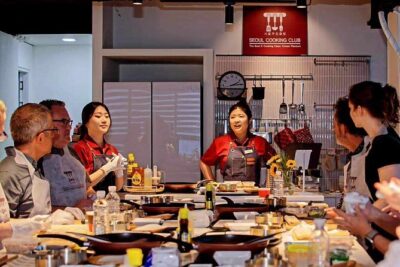 ★ 5.0Korean Cooking at Seoul Cooking ClubFrom $109220 reviews
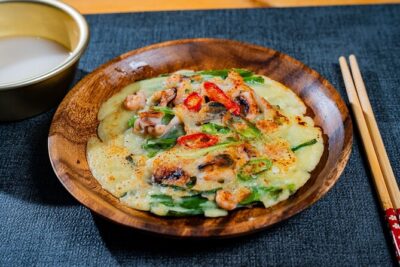 ★ 4.9Taste of Korea, Authentic Home Style Cooking ClassFrom $89166 reviews
Experience Korean Cooking in Modern Hanok KitchenFrom $87118 reviews
★ 4.9Taste of Korea, Authentic Home Style Cooking ClassFrom $89166 reviews
Experience Korean Cooking in Modern Hanok KitchenFrom $87118 reviews
Browse the lists this tour appears in