
Reviewed · DMZ DAY TOURS
Seoul: DMZ Tour with Optional Suspension Bridge
A divided world, made visible in one long day. This DMZ tour takes you from the emotional sights at Imjingak Park and Freedom Bridge to the real-world border perspective from Dora Observatory, plus a descent into the 3rd Infiltration Tunnel. I especially liked how guides such as Winnie and Kenny made the history feel human, with clear English and on-the-ground context as you move through each site.
Two things I really like: you get multiple “DMZ lenses” in one trip—war history, then the tunnel, then a wide-angle view from Mount Dora—so you don’t just tick boxes. And the optional Gamaksan Suspension Bridge adds a scenic, photo-friendly payoff for anyone who wants a little extra walking beyond the main route.
One drawback to consider: the day has real physical demands. The tunnel has a steep slope and takes about 30–40 minutes round trip on foot, and the Gamaksan suspension bridge option involves a hike, so you’ll want sturdy shoes and patience, especially if you’re traveling with kids or anyone who tires easily.
In This Review
- Key highlights worth planning for
- The real point of the DMZ day trip: seeing a border you can’t ignore
- From Seoul to Imjingak: the emotional start most people remember
- DMZ Theater and Exhibition Hall: short format, strong context
- The 3rd Infiltration Tunnel: the part that turns history into a physical experience
- Dora Observatory on Mount Dora: your best chance to understand the DMZ’s scale
- Unification Village: when the mood shifts from war to daily life
- Optional Gamaksan Suspension Bridge: worth it if you’re okay with extra walking
- The small stop that helps you breathe: Ungye Falls photo time
- Transport and pacing: how the day feels in real life
- Price and value: why this often feels like more than $45 worth of access
- Who this DMZ tour fits best (and who should think twice)
- Practical tips that make a real difference
- Should you book the DMZ tour with optional Gamaksan Suspension Bridge?
- FAQ
- Do I need a passport for this DMZ tour?
- Is JSA (Joint Security Area/Panmunjom) included?
- How long is the tour?
- What days does the DMZ portion run?
- What should I wear for the tunnel and optional suspension bridge?
- Is this tour suitable for wheelchair users or people with heart problems?
Key highlights worth planning for
- Freedom Bridge at Imjingak Park connects the DMZ to family separation and the hope for reunification
- 3rd Infiltration Tunnel gives a close-up, physical sense of how the border conflict worked
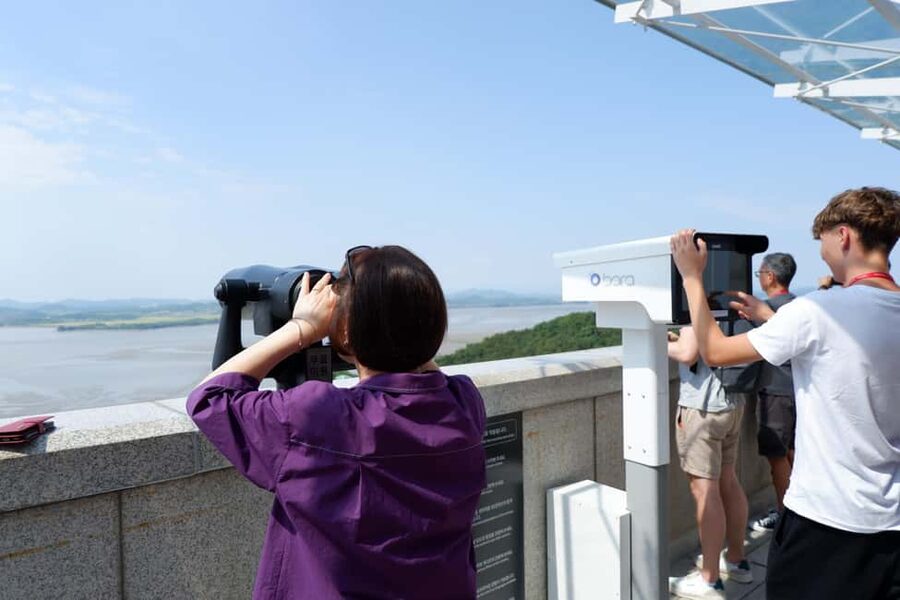
- Dora Observatory views help you understand the DMZ’s buffer zone and see the North Korean side from far enough away to be safe
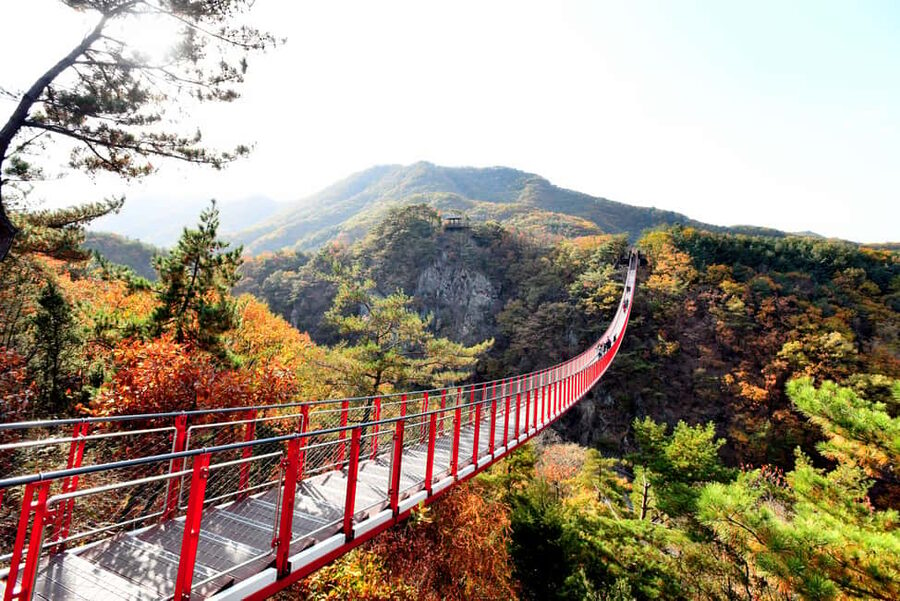
- Optional Gamaksan Suspension Bridge brings dramatic viewpoints and good photo opportunities
- Unification Village stop shifts the mood toward everyday life and peace-minded souvenirs
- English-speaking guides (often with standout communication and humor) make the day easier to follow
Other ways to reach the DMZ and the border from Seoul
- DMZ Tour: 3rd Tunnel, Option(Suspension Bridge, Boat) from Seoul★ 5.0 · 21,373 reviews
- DMZ tour south Korea from Seoul (NK experience hall, defector)★ 5.0 · 20,599 reviews
- Seoul: DMZ Tour with Optional Suspension Bridge★ 4.8 · 5,277 reviews
- Seoul: DMZ The 3rd Tunnel and Suspension Bridge Tour★ 5.0 · 4,656 reviews
The real point of the DMZ day trip: seeing a border you can’t ignore
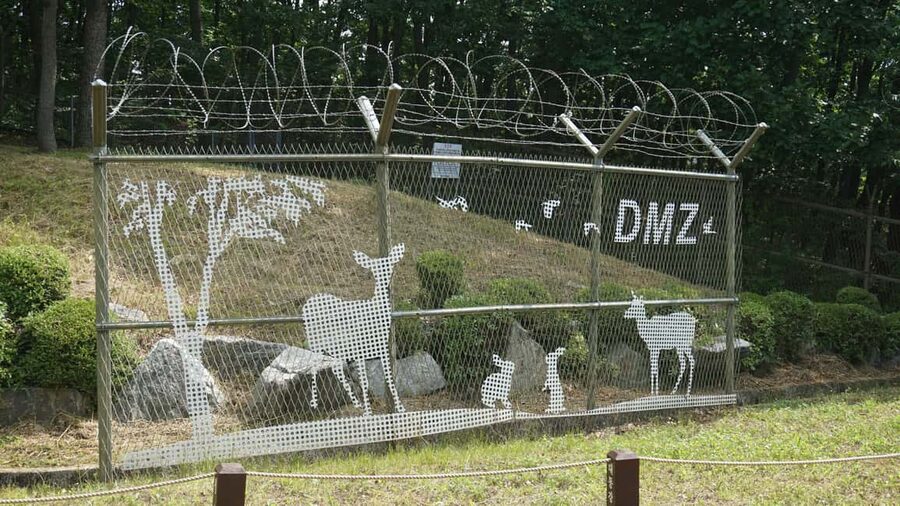
The DMZ is not just a line on a map. It’s a living reminder that the Korean War armistice never turned into full peace, and that separation became part of daily life for generations. What makes this tour valuable is that it doesn’t rely on a single viewpoint; it gives you several, each one teaching you something different.
I like that the day is organized around meaning. You start with places that symbolize separation and reunion hopes, then you move into the conflict itself through the tunnel, and finally you step back at Dora Observatory to see how that conflict shaped the physical geography of the peninsula. That rhythm helps your brain connect history to space.
From Seoul to Imjingak: the emotional start most people remember
Your day begins with pickup from centrally located Seoul areas if you choose that option (Gangnam, Myeongdong, Gwanghwamun, Itaewon, Dongdaemun are listed examples). Even when you’re joining from a nearby subway stop, you’re still set up for a smooth departure because the tour uses air-conditioned transportation and keeps the group moving on schedule.
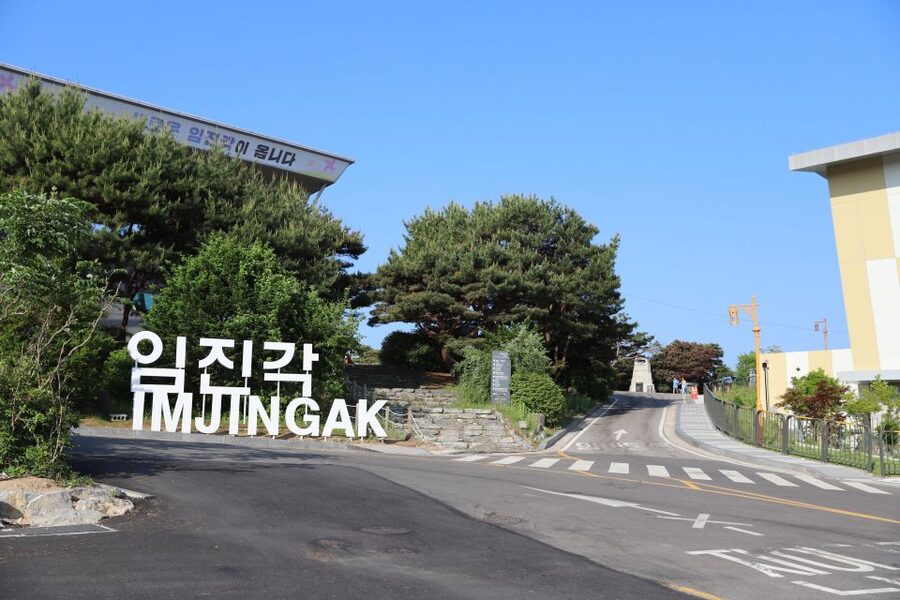
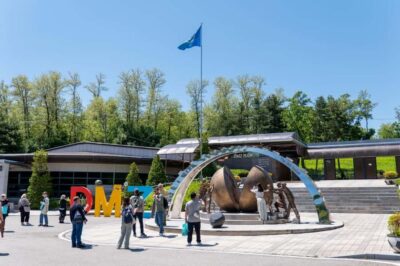
The first big stop is Imjingak Park, where you’ll visit the Bridge of Freedom area. This is one of those places where the details matter: it’s tied to separated families and the wish for reunification. If you’re the type who likes to understand what you’re looking at, the guide’s running commentary helps you connect the symbolism to the broader story.
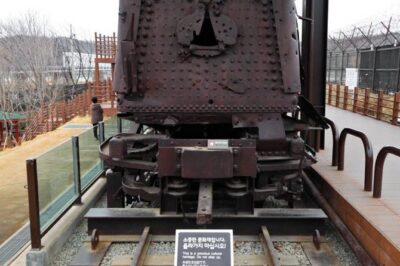
There’s also a Freedom Bridge guided visit that keeps the emotional tone consistent before the tour shifts into more technical history. This section is often what sets the mood for the rest of the day, because it frames the DMZ as a human problem, not only a military one.
DMZ Theater and Exhibition Hall: short format, strong context
Before you go deeper into border structures, you’ll spend time at the DMZ Theater and DMZ Exhibition Hall. Expect brief but useful information that sets up what you’ll see next—why the tunnel exists, what Dora Observatory is used for, and how the buffer zone works in practice.
In plain terms, this part saves you from confusion later. When you reach the tunnel and the observatory, you’ll recognize names and concepts without feeling like you walked in midway through a documentary.
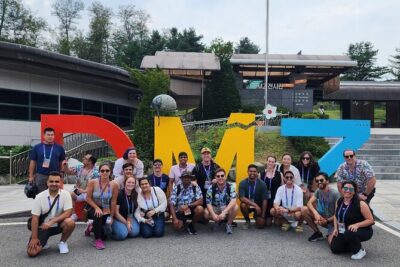
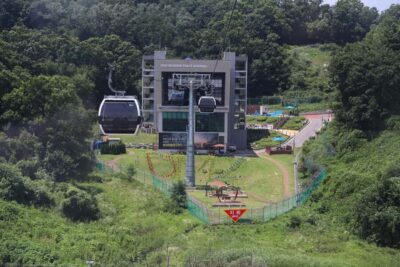
The 3rd Infiltration Tunnel: the part that turns history into a physical experience
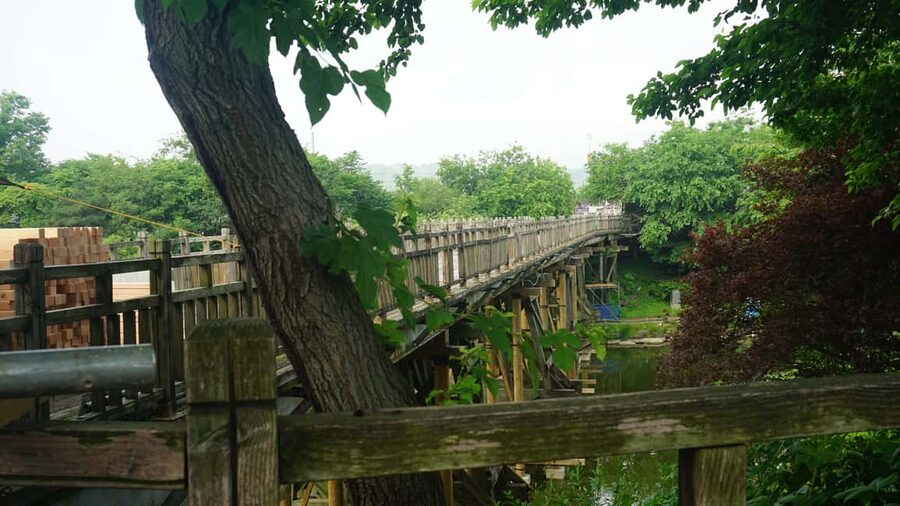
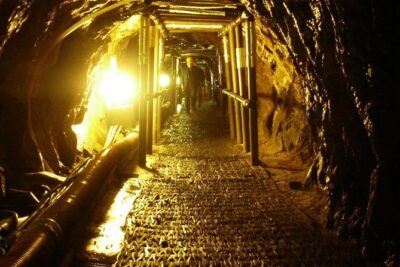
Then comes the star stop for many people: the 3rd Infiltration Tunnel (sometimes described as the Third Tunnel of Aggression). This is a descent into a covert underground passage dug by North Korea, now open for public viewing.
Two things to know before you go:
- It’s not a quick photo stop. The walk is steep and takes about 30–40 minutes round trip on foot.
- If you’re traveling with kids, seniors, or anyone who struggles with slopes, plan for a slower pace and be ready for possible waiting in front of the tunnel.
That physical effort is exactly why this stop lands. Instead of hearing about the border conflict in abstract terms, you experience how movement and concealment were built into the conflict. It makes the tour feel real.
Dora Observatory on Mount Dora: your best chance to understand the DMZ’s scale
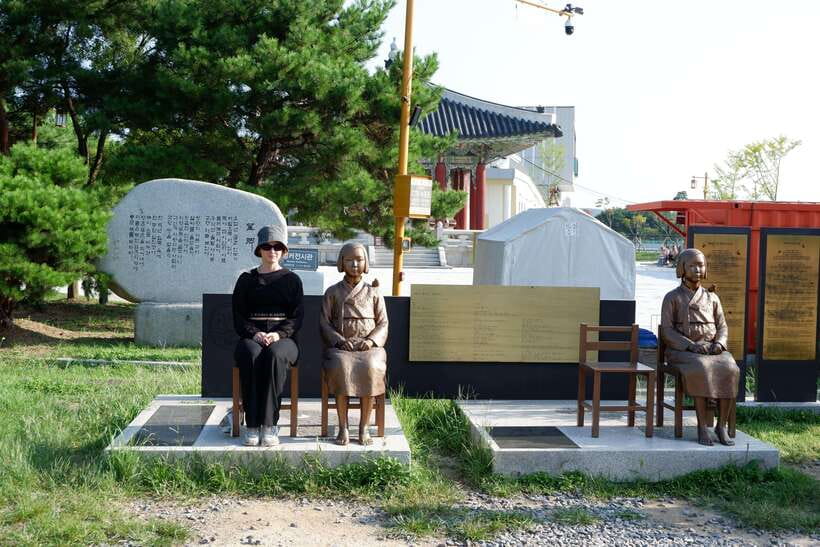
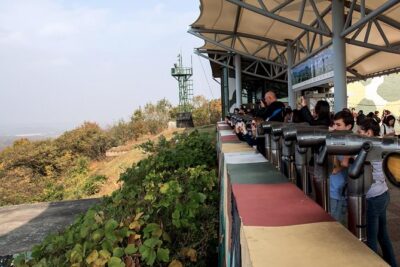
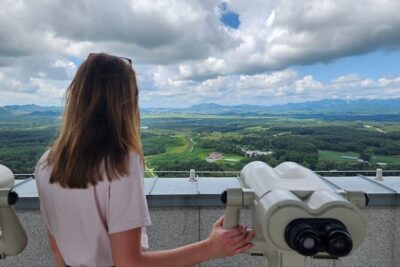
After resurfacing, the tour heads to Mount Dora for the Dora Observatory. Here, you take in sweeping views across the Demilitarized Zone, with the chance to observe the buffer area and see North Korean territory from a safe distance.
This is where the tour helps you “get the size” of what you’re seeing. The DMZ’s buffer zone is about 4 kilometers wide, and that detail matters when you’re looking at the geography from a height. A good guide will connect what you’re seeing to why the area stays controlled the way it does.
One practical note: visibility can be affected by weather. I’d treat Dora Observatory views as a best-effort moment, not a guarantee of perfect sightlines.
Unification Village: when the mood shifts from war to daily life
Next you’ll visit Unification Village, a nearby farming community near the border. This stop changes the tone. Instead of focusing only on conflict, you get a glimpse of peace-minded daily life and shop for locally made products and symbolic souvenirs.
You might also find items that represent reconciliation themes, and the area sometimes offers North Korea-related goods. Even if you’re not there to shop, it’s a useful counterpoint that keeps the day from becoming all heavy all the time.
Optional Gamaksan Suspension Bridge: worth it if you’re okay with extra walking
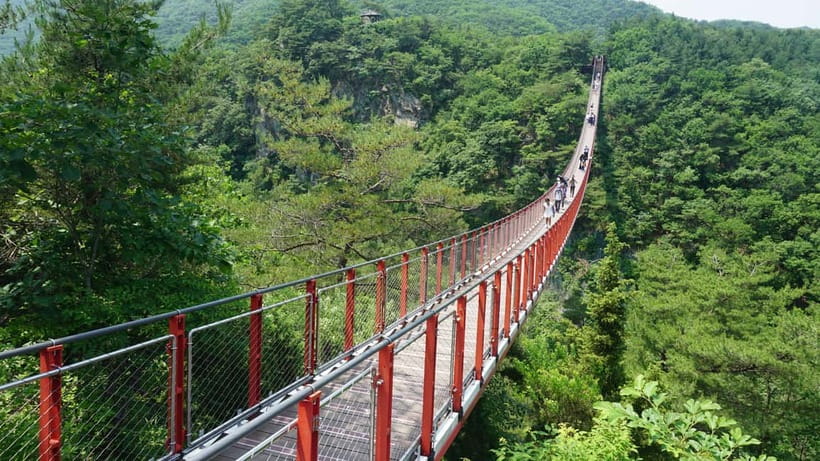
If you choose the suspension bridge option, you’ll add a stop at the Gamaksan Suspension Bridge. This is described as a historic site connected to a Korean War battle involving British troops, and it also delivers big views.
Here’s the logistics that matter: it’s a hike—about 40 minutes—so you’ll want comfortable, supportive shoes. The tour strongly advises against flip-flops, slippers, and high heels, and that advice is smart even if you’re only thinking about safety and not the photos.
The upside of this add-on is variety. It turns the day from mostly educational stops into a scenic finish where you can slow down, look around, and take pictures with less pressure than at tightly managed sites.
The small stop that helps you breathe: Ungye Falls photo time
You’ll also have a short Ungye Falls photo stop. It’s brief, but it gives you a moment to step out, stretch your legs, and reset before the return drive to Seoul.
It’s the kind of stop that works well if you have a group mix—some people want more history, others want a quick natural break.
Transport and pacing: how the day feels in real life
This is a long day—listed as 7 to 9 hours—so pacing matters. The tour uses air-conditioned transportation and guided time at each stop, with a bus or coach ride (about an hour) in the middle of the day’s rhythm.
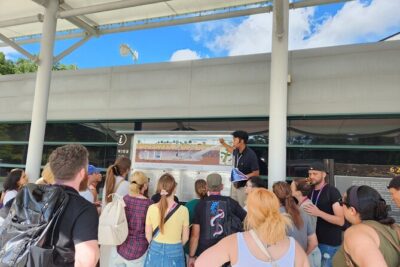
What I found most helpful about the strong English-guided format is how it prevents the “waiting and guessing” feeling. In the group, guides like Winnie and Kenny were praised for clear meeting instructions and for keeping the itinerary running smoothly across checkpoints. Some guides also used screens on the bus to show pictures or videos, which helps you connect the story even while you’re seated.
You should still plan for walking. Between Imjingak, the tunnel, the observatory area, and optional Gamaksan, your legs will work. If you want a day trip that’s easy on the body, this might not be your best match.
Price and value: why this often feels like more than $45 worth of access
At about $45 per person, this tour can feel like strong value because it packages several costly-to-plan elements into one day: guided access to major DMZ sites, licensed interpretation in English, and roundtrip shared transfer from Seoul. Entrance fees are included, which helps you avoid surprise costs at multiple stops.
You’re also paying for coordination at a place where rules and timing can shift. The DMZ is operated by the military, and the trip may be canceled without prior notice. When cancellations happen, the day isn’t simply wiped out—your guide will take you to alternative sites listed by the operator such as Art Space BEAT 131, Odusan Unification Observatory, and the War Memorial of Korea (refunds won’t be offered in that situation).
So when you judge value, judge it like this: you’re buying access plus guidance plus a plan that tries to keep you moving even if conditions change.
Who this DMZ tour fits best (and who should think twice)
This tour is a good fit if you want a full DMZ education day without having to piece together transport, tickets, and explanations on your own. It’s also described as family-friendly, but that doesn’t mean it’s effortless.
It’s not suitable for wheelchair users and isn’t recommended for people with heart problems. The tunnel slope and overall walking intensity can be too much for some visitors, even with a good group pace.
If you’re traveling with kids, go in knowing the tunnel walk is steep and time-consuming. If you’re traveling with older relatives, bring extra patience and plan for more breaks than you would on a regular sightseeing day.
Practical tips that make a real difference
A few small choices will make the day easier.
- Bring your passport. It’s required.
- Wear shoes that can handle slopes and uneven ground. Skip flip-flops, slippers, and heels.
- Consider taking your time at the tunnel. The slope means you can’t rush your way through.
- If you want Gamaksan Suspension Bridge photos, treat it like a hike day. Comfortable clothing matters.
- You’ll also need to follow on-site rules: no alcohol and no smoking in the vehicle, and intoxication isn’t allowed.
And yes, you’ll likely feel the emotional weight of what you’re seeing. For a lot of people, that’s the point.
Should you book the DMZ tour with optional Gamaksan Suspension Bridge?
Book it if you want one well-structured day that explains the DMZ through multiple perspectives: symbolic separation at Imjingak, conflict mechanics via the 3rd Tunnel, and big-picture understanding from Dora Observatory. The optional Gamaksan bridge is a smart upgrade if you like scenic viewpoints and you don’t mind extra walking.
Skip it if you need a low-walking day or you have mobility or heart-related limits. Also be realistic about weather: Dora Observatory views depend on conditions, so consider it a chance, not a perfect view guarantee.
If you can handle a long day and some uphill moments, this is the kind of tour that stays with you after you leave Korea.
FAQ
Do I need a passport for this DMZ tour?
Yes. A passport is required.
Is JSA (Joint Security Area/Panmunjom) included?
No. JSA is not included in this tour.
How long is the tour?
The duration is listed as 7 to 9 hours.
What days does the DMZ portion run?
The DMZ tour runs Tuesday to Sunday.
What should I wear for the tunnel and optional suspension bridge?
Wear comfortable shoes. Avoid flip-flops, slippers, and heels because the tunnel has a steep slope and Gamaksan involves a hike.
Is this tour suitable for wheelchair users or people with heart problems?
No. It is not suitable for wheelchair users, and it is not suitable for people with heart problems.
More Tours in Seoul
- Best DMZ Tour Korea from Seoul (Red Suspension Bridge Optional)★ 5.0 · 41,422 reviews
- DMZ Tour: 3rd Tunnel, Option(Suspension Bridge, Boat) from Seoul★ 5.0 · 21,373 reviews
- DMZ tour south Korea from Seoul (NK experience hall, defector)★ 5.0 · 20,599 reviews
- Seoul: DMZ The 3rd Tunnel and Suspension Bridge Tour★ 5.0 · 4,656 reviews
- Signature DMZ Tour: Exclusive Defector Talk & Suspension Bridge★ 5.0 · 4,459 reviews
More Tour Reviews in Seoul
- Best DMZ Tour Korea from Seoul (Red Suspension Bridge Optional)★ 5.0 · 41,422 reviews
- DMZ Tour: 3rd Tunnel, Option(Suspension Bridge, Boat) from Seoul★ 5.0 · 21,373 reviews
- DMZ tour south Korea from Seoul (NK experience hall, defector)★ 5.0 · 20,599 reviews
- Seoul: DMZ The 3rd Tunnel and Suspension Bridge Tour★ 5.0 · 4,656 reviews
- Signature DMZ Tour: Exclusive Defector Talk & Suspension Bridge★ 5.0 · 4,459 reviews
The DMZ & the Border, More Routes
- Best DMZ Tour Korea from Seoul (Red Suspension Bridge Optional)★ 5.0 · 41,422 reviews
- DMZ Tour: 3rd Tunnel, Option(Suspension Bridge, Boat) from Seoul★ 5.0 · 21,373 reviews
- DMZ tour south Korea from Seoul (NK experience hall, defector)★ 5.0 · 20,599 reviews
- Seoul: DMZ The 3rd Tunnel and Suspension Bridge Tour★ 5.0 · 4,656 reviews
- Signature DMZ Tour: Exclusive Defector Talk & Suspension Bridge★ 5.0 · 4,459 reviews
Just added to Exploring Seoul


DMZ Day Tours, compared.
 ★ 5.0DMZ Tour: 3rd Tunnel, Option(Suspension Bridge, Boat) from SeoulFrom $3521,373 reviews
 ★ 5.0DMZ tour south Korea from Seoul (NK experience hall, defector)From $2620,599 reviews
 ★ 5.0DMZ The 3rd Tunnel and Suspension Bridge TourFrom $654,656 reviews
 ★ 5.0Signature DMZ Tour: Exclusive Defector Talk & Suspension BridgeFrom $274,459 reviews
 ★ 5.0Thrilling Korean DMZ 3rd Tunnel Tour from Seoul + Red Bridge RushFrom $353,097 reviews
 ★ 4.9DMZ Tour & Suspension Bridge (Option English/Spanish)From $352,628 reviews
 ★ 5.0DMZ Past and Present: Korean Demilitarized Zone Tour from SeoulFrom $372,481 reviews
 ★ 5.0Ultimate Korea DMZ Tour from Seoul (Gondola & Suspension Bridge)From $352,396 reviews
Browse the lists this tour appears in