
Reviewed · KOREAN COOKING & KIMCHI CLASSES
Seoul: Taste of Korea, Authentic Home Style Cooking Class
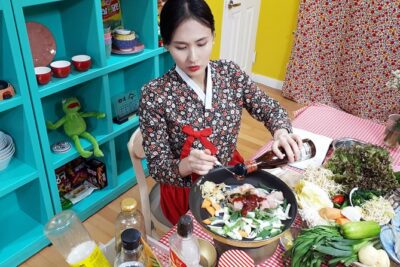
A hot pot lesson beats another museum day. In Seoul, this small-group class turns Hansik home cooking into something you can actually repeat at home. You’ll cook iconic favorites like budae jjigae and haemul pajeon, then eat what you make with Korean sides and drinks.
I love how friendly and structured the instruction feels, especially for beginners. I also like the hands-on pacing: you cook at your own station, get step-by-step guidance, and leave with recipes sent by email.
One thing to consider: budae jjigae and many classic Korean dishes lean salty and savory, so if you have strong preferences (or certain dietary restrictions), you’ll want to mention them up front so the menu can adjust.
In This Review
- Key things that make this class worth your time
- Seoul Hansik cooking class: what you’re really signing up for
- Price and value for a 3-hour kitchen experience
- Finding the studio near Gyeongbokgung in about five minutes
- How the class runs: the flow of cooking, eating, and learning
- The menu you’ll make in your 3-hour Hansik workshop
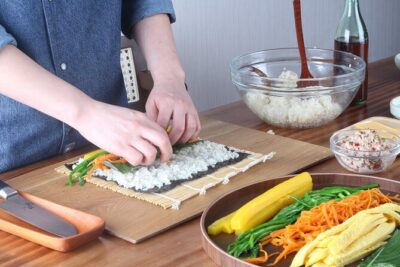
- Gimbap: building a tidy, sliceable rice roll
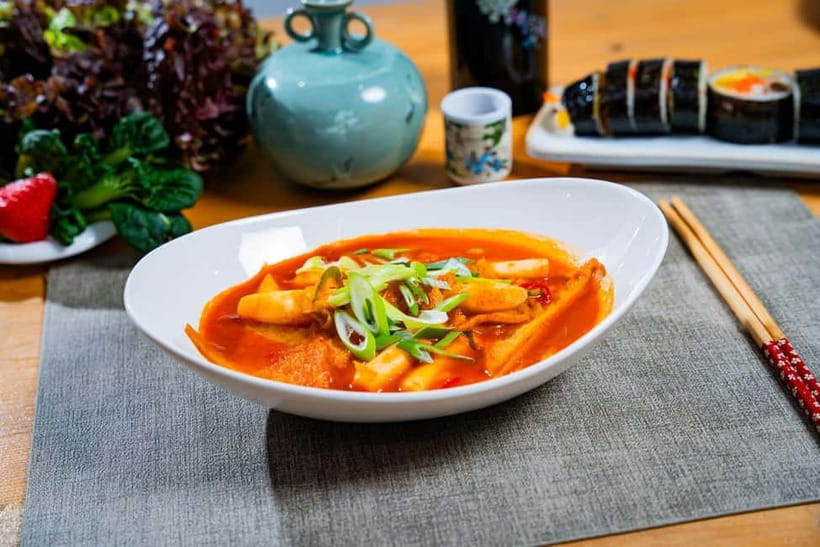
- Tteokbokki: gochujang heat, sweetness, and texture
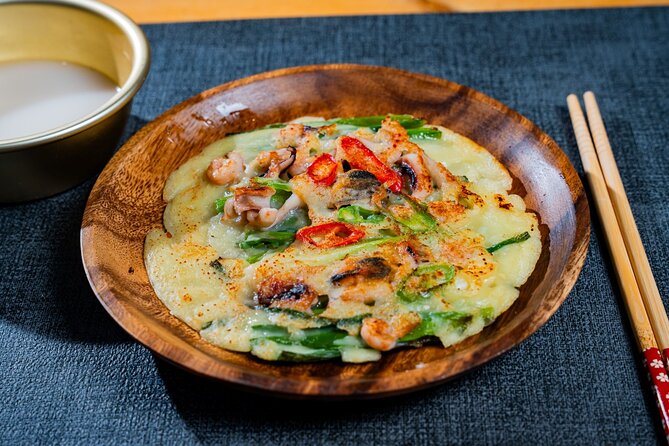
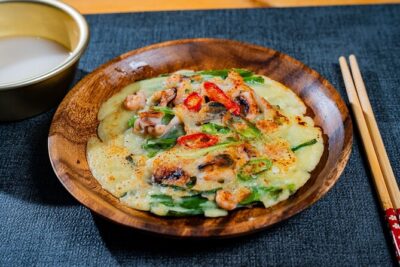
- Haemul pajeon: pancake technique with savory crunch
- Budae jjigae: comfort stew with big flavor and big personality
- Drinks, snacks, banchan, and desserts: you eat like it’s part of the lesson
- Chef Jennifer’s teaching style: how you go from confused to confident
- Dietary needs, take-home food, and practical comfort items
- When this fits best in your Seoul itinerary
- Should you book Seoul Taste of Korea: who it’s for and who should pass
- FAQ
- How long is the Seoul Taste of Korea cooking class?
- Where is the meeting point?
- Is the class taught in English?
- What dishes will I learn to make?
- What drinks and food are included?
- What’s included in the class besides cooking?
- How big is the group?
- Can I bring home food I can’t finish?
- What if I have a dietary requirement?
- Is there a cancellation option or flexible booking?
Key things that make this class worth your time
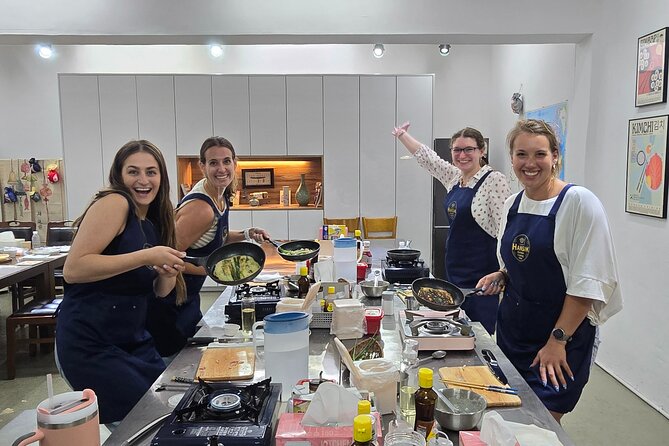
Small-group kitchen (max 10) with individual cooking stations
Chef Jennifer leads the class in English, with clear, patient guidance
You make a standout set of dishes: gimbap, tteokbokki, haemul pajeon, and budae jjigae
Welcome drinks and snacks, plus tea/coffee, banchan, and Korean desserts
Pre-portioned ingredients and helpful tips make it realistic for non-experts
You get recipes by email and can take home what you can’t finish
Roll up your sleeves in another Korean kitchen
- Local Home Korean Cooking Class & Market Adventure in Seoul★ 5.0 · 1,024 reviews
- Master Korean traditional cooking with a Kimchi chef★ 5.0 · 385 reviews
- Seoul: Korean Cooking Class at a Local Home and Market Tour★ 5.0 · 348 reviews
- Seoul: Korean Cooking at Seoul Cooking Club!★ 5.0 · 311 reviews
Seoul Hansik cooking class: what you’re really signing up for
This isn’t a quick demo where you watch and hope. It’s a 3-hour, hands-on Korean home-style cooking class focused on letting you build skills, not just taste food.
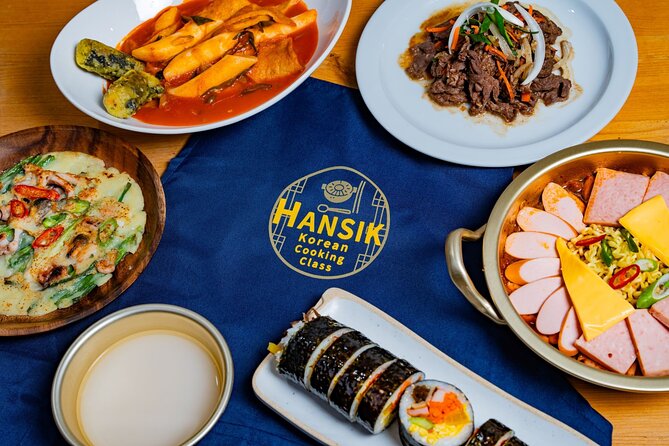
The theme is Hansik, the everyday concept of Korean cuisine. That matters because it steers the class toward techniques and flavors you’ll recognize in real Korean meals: balanced seasoning, smart heat control, and sides that aren’t an afterthought. You’re also not stuck with only one dish. The menu gives you a mix: a savory stew, a pancake-style favorite, a rice roll, and a gochujang-spiked rice cake.
If you want a Seoul experience that’s social, tasty, and practical (something you’ll still remember after your last kimbap), this is a strong pick.
Price and value for a 3-hour kitchen experience
At $89 per person for 3 hours, the price feels fair when you look at what’s included: ingredients, equipment, multiple dishes you actually cook, and a full sit-down-style meal with banchan, drinks, and desserts.
Here’s the value math that matters in real life:
- You’re paying for instruction and time with a real chef, not just food tasting.
- You’re getting several recipes you can repeat at home.
- You’re also eating the results. This is not a light snack class.
Compared with paying for multiple restaurant meals in Seoul, you’ll often spend close to similar totals anyway. The difference is that this gives you skills and leftovers (when you’re offered a take-home option).
Finding the studio near Gyeongbokgung in about five minutes
Your meeting point is Gyeongbokgung Subway Station (Orange Line 3), Exit 2, then a straight walk of about 5 minutes to Woori Bank. The studio is in a small alley, between the bank and just right before the K-Pop Store.
This location is handy if you’re already planning time around Gyeongbokgung or the central tourist zone. It also means you’re not making a long transit day just to take a cooking class.
Practical tip: arrive a little early. Alley entrances can look similar from the street, and the class flow matters once everyone’s set up.
A handful of other Seoul experiences to line up next
How the class runs: the flow of cooking, eating, and learning
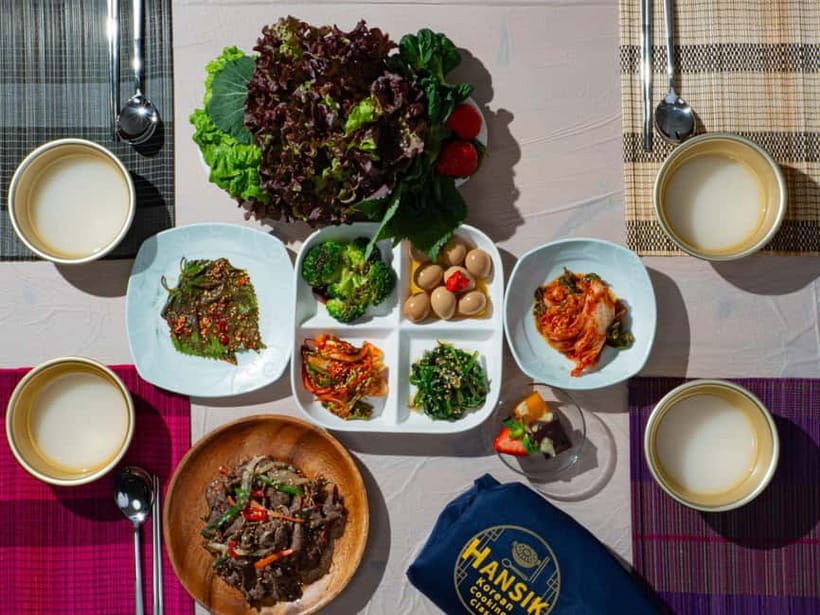
The class is designed to feel comfortable, not rushed. You’ll start with welcome drinks and snacks, and you’ll have tea and coffee available during the session.
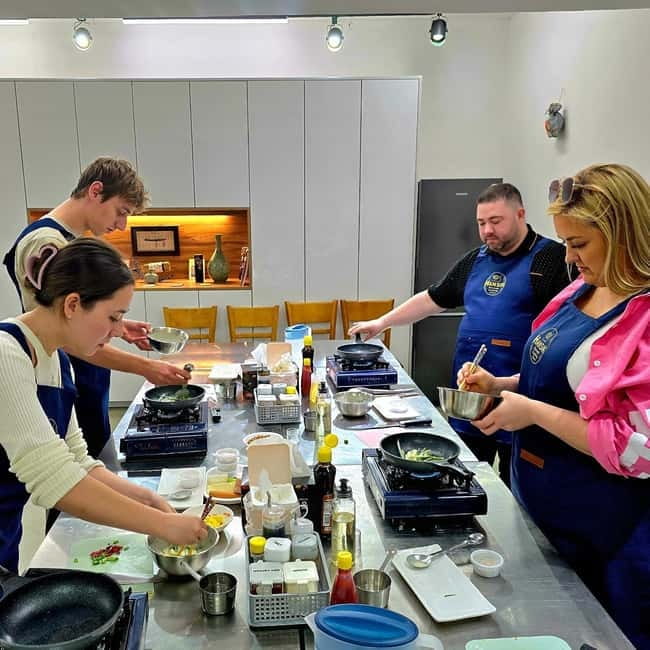
Then comes the work: you cook in the kitchen with your own station. Many ingredients are pre-portioned, which makes the class beginner-friendly and helps you focus on technique instead of measuring.
Expect the instructor to guide you step by step and also explain what you’re making and why it tastes the way it does. In multiple sessions, Chef Jennifer is also noted for:
- being very patient with the group
- helping you adjust portions using correct ratios
- taking pictures during the class to share afterward
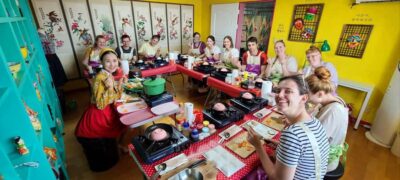
Because it’s a small group (limited to 10 participants), you’re more likely to get real-time help. For me, that’s the difference between a fun experience and one that feels chaotic.
The menu you’ll make in your 3-hour Hansik workshop
You’ll cook through a set of classic Korean dishes that teach different skills. The core lineup is:
- gimbap (rice roll)
- tteokbokki (rice cake with gochujang)
- haemul pajeon (seafood green onion pancake)
- budae jjigae (Korean military stew)
Gimbap: building a tidy, sliceable rice roll
Gimbap is the kind of food that looks simple but has lots of small rules. In class, it’s a good starter because you practice how to handle seasoned rice and fill it without turning the roll into a mess.
What you’ll take home from this dish:
- how to assemble for consistent slices
- how to balance flavors so the roll tastes good from bite one
It’s also the easiest dish to recreate later because you can control the fillings.
Tteokbokki: gochujang heat, sweetness, and texture
Tteokbokki is where you learn how Korean sauces behave. The rice cakes need time, and the sauce needs the right thickness so it clings instead of pooling.
You’ll practice:
- cooking the rice cakes until they’re tender
- getting the gochujang base to taste balanced (not just spicy)
This dish is ideal if you’re into bold Korean flavors but you want a repeatable method rather than guessing at seasoning.
Haemul pajeon: pancake technique with savory crunch
Pajeon rewards attention. You’re working with batter and pan heat, and you want the right texture: crisp edges and a pancake that actually holds together.
Class focus points usually include:
- prepping and placing the seafood/green onion mix
- managing cooking time so it browns properly
- pairing the pancake with the way Koreans typically eat it (not as a standalone snack)
If you’ve ever tried a Korean pancake and thought it was either too soft or too oily, this is the dish that teaches you what to aim for.
Budae jjigae: comfort stew with big flavor and big personality
Budae jjigae is famous for a reason. It’s a hearty stew built for maximum comfort flavor. It can be a wildcard if you’re expecting purely delicate flavors, because it’s typically savory and rich.
What makes it a great class choice:
- it teaches how stew flavor develops
- it shows Korean comfort food style in one bowl
- it’s great for feeding a group at home
One consideration: if your dietary choices exclude items commonly used in this stew, talk to the instructor before class so they can guide you toward an appropriate approach.
Drinks, snacks, banchan, and desserts: you eat like it’s part of the lesson
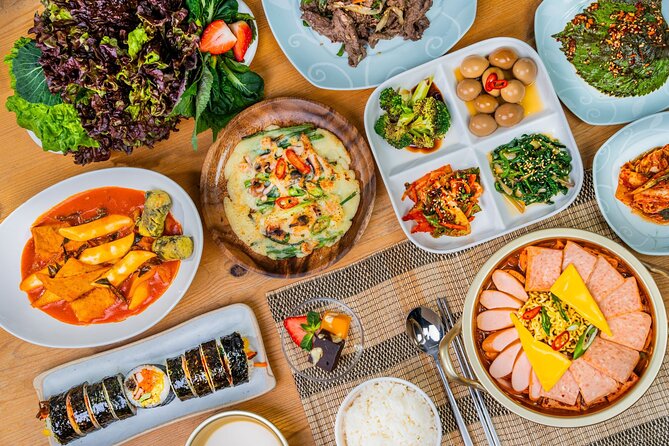
One of the best parts of this class is that you’re not only cooking. You’re drinking and eating through the session.
Included items are:
- Sikhye (Korean punch)
- Makgeolli (Korean rice wine)
- tea and coffee
- Korean traditional snacks and seasonal banchan
- Korean desserts
That matters because Korean meals are about the full spread. By serving side dishes and dessert alongside what you cook, the class helps you understand how Koreans balance flavors across a meal: savory + sour + sweet, and textures from crunchy to comforting.
Food pacing tip: come hungry. The class is structured so you cook, then you sample everything, and the meal can be truly filling.
Chef Jennifer’s teaching style: how you go from confused to confident
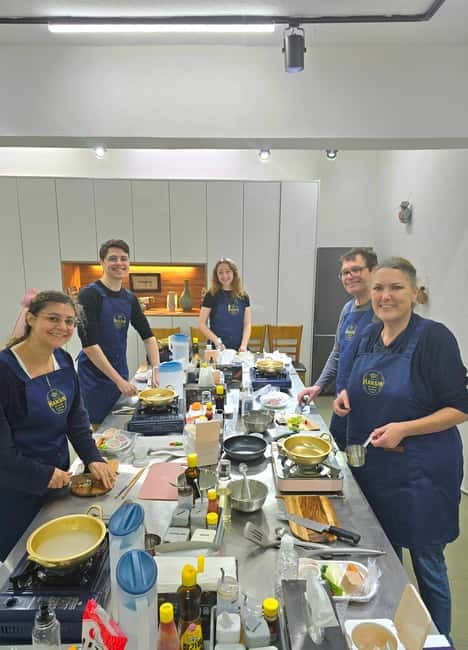
Chef Jennifer is repeatedly described as patient and encouraging. The class style aims for clarity:
- step-by-step instructions
- explanation of dish context and how to enjoy it
- guidance at your station so you’re not stuck waiting
A big practical bonus is prep support. In many cooking classes, beginners waste time on ingredient prep. Here, ingredients are typically pre-portioned, which makes the class feel manageable and keeps the focus on cooking technique.
You also get cooking tips for scaling portions, plus the option to ask questions while you’re working. That’s the difference between leaving with a photo and leaving with something you can actually cook again.
Dietary needs, take-home food, and practical comfort items
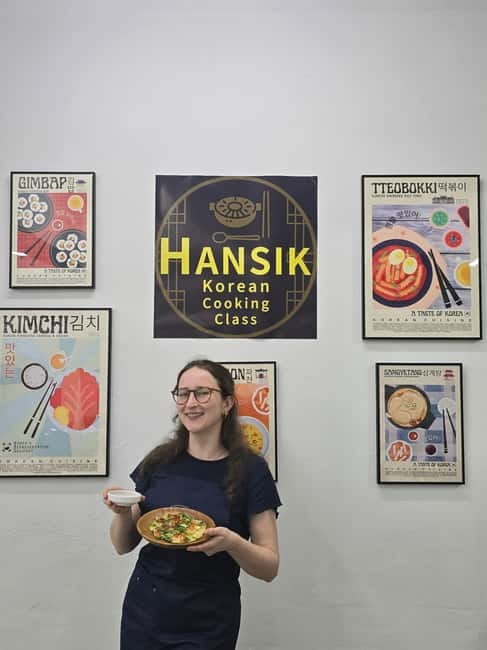
This class is set up for real people with real requirements. There are examples of vegetarian substitutes and accommodations for dietary preferences, so if you have a need, tell the organizers ahead of time.
For leftovers, you may be given bags to take home food. That’s great if you’re staying in Seoul a few nights and want a quick meal later. One practical note: soup take-home can be awkward without the right container, so plan for how you’ll store it once you’re back in your apartment or hotel.
Also, because it’s a cooking class in a real kitchen, wear comfortable clothes you don’t mind getting a little splattered. This is cooking, not a formal dinner.
When this fits best in your Seoul itinerary
This is an ideal activity if:
- you want something hands-on on a day you don’t want to crisscross for museum tickets
- you like cooking-focused tours more than photo-focused tours
- you want a memorable souvenir that’s edible and skill-based
It also works well for solo travelers because the group size is small and the class is interactive. Families can work too; there’s at least one example of kids participating successfully (ages around 11 and 13), though you’ll still want a calm, hands-on setting for younger cooks.
If your schedule is tight near Gyeongbokgung, the meeting point makes it easy to combine with nearby areas before or after class.
Should you book Seoul Taste of Korea: who it’s for and who should pass
Book it if you want:
- authentic home-style cooking you can reproduce
- a real chef-led session in a clean, spacious kitchen
- multiple dishes in one go, including haemul pajeon and budae jjigae
- drinks, banchan, and desserts included, so the value goes beyond the cooking
Consider passing if:
- you only want a very gentle, light meal and prefer not to handle rich stews or savory-heavy flavors
- you’re extremely sensitive to certain ingredients and haven’t clarified dietary needs in advance
- you want a purely sightseeing tour with minimal time in the kitchen
If you’re on the fence, here’s my simple decision rule: if you’d rather learn how to cook Korean comfort food than just buy it ready-made, this class is a very solid use of a half-day in Seoul.
FAQ
How long is the Seoul Taste of Korea cooking class?
The class runs for 3 hours.
Where is the meeting point?
You meet at Gyeongbokgung Subway Station, Orange Line 3 exit 2, then walk about 5 minutes to Woori Bank. The location is in a small alley between the bank and the K-Pop Store.
Is the class taught in English?
Yes, the instructor speaks English.
What dishes will I learn to make?
The experience focuses on Korean dishes including gimbap, tteokbokki, haemul pajeon, and budae jjigae.
What drinks and food are included?
You’ll have welcome drinks and snacks, plus Sikhye (Korean punch), Makgeolli (Korean rice wine), tea and coffee, banchan (seasonal side dishes), Korean desserts, and a full-course meal.
What’s included in the class besides cooking?
All ingredients and equipment are provided, and you receive recipes via email.
How big is the group?
It’s a small group limited to 10 participants.
Can I bring home food I can’t finish?
You can take away leftovers in bags.
What if I have a dietary requirement?
Dietary needs can be accommodated, including vegetarian substitutions in at least some cases.
Is there a cancellation option or flexible booking?
There is free cancellation up to 24 hours in advance for a full refund, and you may be able to reserve and pay later.
More Cooking Classes in Seoul
- Local Home Korean Cooking Class & Market Adventure in Seoul★ 5.0 · 1,024 reviews
- Master Korean traditional cooking with a Kimchi chef★ 5.0 · 385 reviews
- Seoul: Korean Cooking Class at a Local Home and Market Tour★ 5.0 · 348 reviews
- Seoul: Korean Cooking at Seoul Cooking Club!★ 5.0 · 311 reviews
- Korean Cooking at Seoul Cooking Club★ 5.0 · 220 reviews
More Tour Reviews in Seoul
- Best DMZ Tour Korea from Seoul (Red Suspension Bridge Optional)★ 5.0 · 41,422 reviews
- DMZ Tour: 3rd Tunnel, Option(Suspension Bridge, Boat) from Seoul★ 5.0 · 21,373 reviews
- DMZ tour south Korea from Seoul (NK experience hall, defector)★ 5.0 · 20,599 reviews
- Seoul: DMZ Tour with Optional Suspension Bridge★ 4.8 · 5,277 reviews
- Seoul: DMZ The 3rd Tunnel and Suspension Bridge Tour★ 5.0 · 4,656 reviews
Back in the Korean Kitchen
- Local Home Korean Cooking Class & Market Adventure in Seoul★ 5.0 · 1,024 reviews
- Master Korean traditional cooking with a Kimchi chef★ 5.0 · 385 reviews
- Seoul: Korean Cooking Class at a Local Home and Market Tour★ 5.0 · 348 reviews
- Seoul: Korean Cooking at Seoul Cooking Club!★ 5.0 · 311 reviews
- Cook 3 Authentic Korean Dishes with Local Market Tour★ 5.0 · 231 reviews
Just added to Exploring Seoul




Korean Cooking & Kimchi Classes, compared.
 ★ 5.0Local Home Korean Cooking Class & Market Adventure in SeoulFrom $911,024 reviews
 ★ 5.0Master Korean traditional cooking with a Kimchi chefFrom $85385 reviews
 ★ 5.0Korean Cooking Class at a Local Home and Market TourFrom $98348 reviews
 ★ 5.0Korean Cooking at Seoul Cooking Club!From $109311 reviews
 ★ 5.0Cook 3 Authentic Korean Dishes with Local Market TourFrom $79231 reviews
 ★ 5.0Korean Cooking at Seoul Cooking ClubFrom $109220 reviews
Experience Korean Cooking in Modern Hanok KitchenFrom $87118 reviews
★ 5.0Korean Cooking at Seoul Cooking ClubFrom $109220 reviews
Experience Korean Cooking in Modern Hanok KitchenFrom $87118 reviews
 ★ 5.0Korean Cooking Class with Grocery Shopping at Seoul Local MarketFrom $91107 reviews
Browse the lists this tour appears in