
Korean cooking turns into a real lunch lesson. In Seoul’s Bukchon area, you cook in a modern school kitchen with pro chefs trained in Korea and abroad, then eat what you made with a drink. It’s a beginner-friendly way to learn Korean food without guessing your way through a grocery store.
I especially like the step-by-step coaching and the fact that everything is set up for you. You get a clean, air-conditioned workspace, professional English-speaking instructors, and the ingredients and equipment are included. Plus, the class is small enough that you can actually do the prep yourself, not just watch.
One thing to plan for: the studio is on a third floor with no elevator, so bring water and take it slow if stairs are a challenge. Also, the class meets at O’ngo Food Communications, which can be tricky to find at first if your phone GPS struggles.
In This Review
- Key highlights before you go
- A modern hanok-style cooking class in Bukchon
- What you’ll cook: beginner-friendly Korean classics
- How the lesson works: hands-on prep, not a cooking show
- The meal you eat: lunch you helped build
- Market time and ingredient tips: why arriving early helps
- Price and value in Seoul: is $87 worth it?
- Logistics that matter: where to go, when to arrive, what to bring
- Who this class suits best (and who should think twice)
- Should you book this Korean cooking class?
- FAQ
- What dishes will I learn to make?
- How long is the cooking class?
- What’s included in the price?
- What should I do about getting to the meeting point?
- Is there an age requirement?
- How big is the group?
- Is lunch provided, or do I need to eat before?
Key highlights before you go
- Modern, air-conditioned kitchen designed for real cooking, not a demonstration
- English-speaking chefs who explain ingredients and techniques clearly
- Beginner-focused menu choices with simple, repeatable recipes
- You eat the lunch you make, usually with rice plus one beverage
- Small-group feel (max 22), with personal help when you need it
- Market-style ingredient time and tips if you arrive early
Roll up your sleeves in another Korean kitchen
- Local Home Korean Cooking Class & Market Adventure in Seoul★ 5.0 · 1,024 reviews
- Master Korean traditional cooking with a Kimchi chef★ 5.0 · 385 reviews
- Seoul: Korean Cooking Class at a Local Home and Market Tour★ 5.0 · 348 reviews
- Seoul: Korean Cooking at Seoul Cooking Club!★ 5.0 · 311 reviews
A modern hanok-style cooking class in Bukchon
This class is set up in the Bukchon area, close to the historic Bukchon Hanok village. The setting matters. Bukchon can feel like a movie set from the outside, but inside you’re learning in a real teaching kitchen with modern tools. That mix is a big part of why this experience works: you get Seoul flavor in an efficient format.
The meeting point is O’ngo Food Communications at 137-11 Bukchon-ro in Jongno District. The address is clear, but finding the building can still take a moment, so I’d give yourself time to arrive early and settle in. One review even noted that a taxi driver needed GPS to get it right, which tells you this is one of those places where being early beats being stressed.
You also get a mobile ticket, and there’s no hotel pickup. That’s normal for this kind of class, but it does mean you should build in buffer time to reach Bukchon by public transportation. The venue is near transit, so you’re not stuck with a long scramble.
What you’ll cook: beginner-friendly Korean classics
The class is designed for beginners, and the menu is built around popular Korean dishes. You don’t have to know Korean cooking basics to join. In past sessions, the recipes have included favorites like japchae, bibimbap, kimchi, bulgogi, and even dishes like chicken stew and a soup course.
The best part is that you don’t just learn names of dishes. You learn how the flavors come together. Chefs explain choices like ingredient selection and how certain components are used in Korean cooking. If you’ve ever tried to recreate a Korean dish at home and it tasted almost right, this class helps you close the gap—because you understand the logic behind the steps.
A few useful details from what you cook:
- You typically make two step-by-step recipes during the session (the exact combo varies).
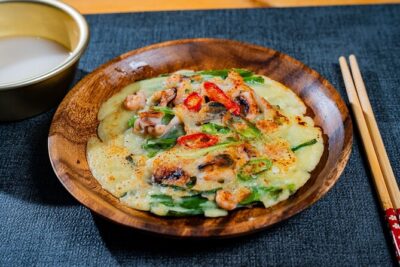
- You may also have a chef-prepared item added to the meal, like a kimchi pancake mentioned in one class experience.
- You’ll sit down to a lunch that features your dishes, usually with rice and one beverage.
If you’re hoping for one specific dish, I’d still book it for the overall beginner format first, then check what’s listed for your date. The class description says you’ll choose from a diverse menu, so your exact recipes can vary.
How the lesson works: hands-on prep, not a cooking show
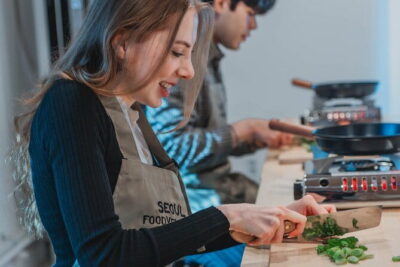
This is a cooking class where you do the cooking. The kitchen is clean and fully air-conditioned, and you get your own station so you can slice, dice, mix, and cook during the lesson. You’ll receive a few safety instructions first, then the chefs guide you through the process.
What I like about the teaching style is the balance: chefs handle the steps that matter most, then they put you in charge of the parts that build confidence. One helpful theme in the reviews is that the instructors watch your progress and correct small mistakes before they snowball—so even if you don’t have cooking experience, you’re not left to figure it out.
You’ll also hear explanations tied to Korean food culture. Some sessions include context for why certain ingredients show up, not just how to add them. In one class described, the instructor walked through an ingredient’s historical purpose. Whether or not you need that level of detail, it makes the food taste more intentional when you recreate it later.
And the chef support is real. In one example, an instructor named Ran was described as fun and patient, taking time to explain each step while moving around to help. Another instructor named Yibben was praised for teaching a lot about Korean cooking, with clear instruction. Those names matter because they signal that you’re working with people who actually teach, not just people who cook.
A handful of other Seoul experiences to line up next
The meal you eat: lunch you helped build
At the end, you eat what you made. This is where the class turns from a skill lesson into a full stomach-and-smile payoff.
Your lunch includes what you prepared plus rice and one beverage. That beverage is part of the value—this is not a token tasting. You leave fed, and you also get a chance to compare your version to how you thought it would taste. If you want to make adjustments next time, the class gives you clues while you’re still in the learning mood.
A detail I appreciate: you can adjust spices. One review specifically mentioned being able to adjust flavors during cooking and then taste the results at the end. That’s a big deal for beginners, because Korean dishes often have flavors that can feel intense until you understand what you’re tasting and why.
Also, many classes leave you with a few “starter wins” you can repeat at home—things that are approachable, not just complicated restaurant dishes.
Market time and ingredient tips: why arriving early helps
Even though the cooking portion is the main event, the experience is built around Korean ingredient know-how. You’ll learn tips on choosing good ingredients, and there’s often a market-style stop or walkthrough that helps you see what’s actually used and how shoppers think.
The practical tip here is timing. One strongly worded suggestion is to arrive about 30 minutes early if you want the extra market time and a smoother start. Officially, you should arrive about 10 minutes before class start, but if you can handle the extra time, arriving earlier makes the whole experience feel less rushed.
This is a smart add-on in Seoul. Korean markets can look overwhelming if you only speak English and you’ve never cooked Korean food before. A short, guided look helps you connect the ingredients you’ll handle later to what you see around you. It also gives you language and visual cues for the next time you shop on your own.
Price and value in Seoul: is $87 worth it?
At $87 per person for about two hours, this class sits in the “worth it if you value hands-on learning” category.
Here’s what you’re paying for, beyond the cooking:
- Professional instruction in English
- A real teaching setup with modern kitchen tools
- All ingredients and equipment included
- Lunch (your dishes, rice, and one beverage)
For many visitors, the value comes from learning how to recreate flavors at home. The class doesn’t just feed you; it gives you a method. And because you’re doing the prep yourself—chopping, mixing, cooking—you’re far more likely to remember what you did and why.
If you’re someone who prefers to snack and wander rather than cook, you might feel it’s more structured than you expected. But if you want an organized, teach-me-now experience, this price makes sense.
One more value note: the class cap is up to 22 travelers, and multiple reviews describe small-group attention. Small groups often mean better help at your station, and that turns the lesson into a more personal experience.
Logistics that matter: where to go, when to arrive, what to bring
Let’s keep this practical.
Meet-up: O’ngo Food Communications, 137-11 Bukchon-ro, Jongno District, Seoul.
Start time: 10:30 am.
Length: about 2 hours.
Transit: near public transportation.
No pickup: you go on your own.
Stairs: the venue is on the third floor and there’s no elevator. Bring water, especially if it’s warm out. Even if you’re fit, stairs after travel can be annoying.
Punctuality: you should arrive about 10 minutes early. If you show up late, you might miss part of the program. The easiest way to avoid that is to treat Seoul transit like it runs on vibes and build a buffer.
Age: the minimum age required for participation is 11. Children younger than 11 are welcome, but they may not participate in the class. If you’re traveling with family, this matters for planning.
Group size changes: Saturdays have a stated minimum number requirement (not for every day), and there’s a possibility of cancellation if minimums aren’t met. The good news is that the program can offer an alternative date or a full refund if that happens.
Who this class suits best (and who should think twice)
This cooking class is a great fit if you:
- Want beginner-level Korean cooking with guidance and a clear pace
- Like to learn by doing, not by watching
- Want a meal that feels earned, because you make it and eat it
- Prefer English-speaking instruction
It’s also a nice choice if you’re pairing Seoul sightseeing with a single “main” food experience. Bukchon is close enough to make it a natural stop on your day, but you don’t have to plan a full foodie crawl.
Consider thinking twice if you:
- Hate stairs or have mobility issues, because the studio is on the third floor with no elevator
- Prefer flexible food experiences where you can stop and start freely (this is scheduled and instruction-led)
- Expect a full-day market tour. There’s ingredient guidance and often a market-style component, but this is still primarily a cooking lesson in about two hours.
If you have allergies, tell the organizers. One chef was described as helping alter food due to an allergy, and the kitchen was praised for cleanliness and attention to avoiding cross contamination. I can’t promise what every situation can be accommodated, but the approach described is encouraging.
Should you book this Korean cooking class?
Book it if you want an efficient, confidence-building Korean food lesson in Seoul. Beginner-friendly, English-speaking, ingredients included, and you eat a real lunch you made yourself. That combination is hard to beat, especially when time in Seoul feels limited.
Skip or reconsider if stairs are a dealbreaker for you, or if you mainly want roaming freedom rather than instruction. Also, if your goal is one single dish only, check what menu options are available for your specific date.
My take: this is one of those experiences where you leave with both a full meal and a method. And once you’ve cooked Korean classics with real guidance, future grocery-store visits feel way less mysterious.
FAQ
What dishes will I learn to make?
Your class is for beginners and you’ll cook a small set of Korean dishes chosen from a diverse menu. Past sessions described include options like japchae, bulgogi, bibimbap, kimchi, and chicken stew, but the exact menu can vary by class.
How long is the cooking class?
The class runs for about 2 hours.
What’s included in the price?
The price includes the beginner cooking class, all ingredients and equipment, lunch, a fully air-conditioned modern kitchen, and professional English-speaking chefs, plus 1 beverage.
What should I do about getting to the meeting point?
There’s no hotel pickup or drop-off. You’ll need to make your own way to the meeting point at O’ngo Food Communications at 137-11 Bukchon-ro, Jongno District.
Is there an age requirement?
Yes. The minimum age required to participate is 11. Children under 11 are welcome, but they may not be able to participate in the class.
How big is the group?
The experience has a maximum of 22 travelers. You may find the class can feel small and personal depending on how many people book for that session.
Is lunch provided, or do I need to eat before?
Lunch is included, and it includes the dishes you prepare along with rice and one beverage. You’ll come hungry and leave satisfied.
More Cooking Classes in Seoul
- Local Home Korean Cooking Class & Market Adventure in Seoul★ 5.0 · 1,024 reviews
- Master Korean traditional cooking with a Kimchi chef★ 5.0 · 385 reviews
- Seoul: Korean Cooking Class at a Local Home and Market Tour★ 5.0 · 348 reviews
- Seoul: Korean Cooking at Seoul Cooking Club!★ 5.0 · 311 reviews
- Korean Cooking at Seoul Cooking Club★ 5.0 · 220 reviews
More Tour Reviews in Seoul
- Best DMZ Tour Korea from Seoul (Red Suspension Bridge Optional)★ 5.0 · 41,422 reviews
- DMZ Tour: 3rd Tunnel, Option(Suspension Bridge, Boat) from Seoul★ 5.0 · 21,373 reviews
- DMZ tour south Korea from Seoul (NK experience hall, defector)★ 5.0 · 20,599 reviews
- Seoul: DMZ Tour with Optional Suspension Bridge★ 4.8 · 5,277 reviews
- Seoul: DMZ The 3rd Tunnel and Suspension Bridge Tour★ 5.0 · 4,656 reviews
Back in the Korean Kitchen
- Local Home Korean Cooking Class & Market Adventure in Seoul★ 5.0 · 1,024 reviews
- Master Korean traditional cooking with a Kimchi chef★ 5.0 · 385 reviews
- Seoul: Korean Cooking Class at a Local Home and Market Tour★ 5.0 · 348 reviews
- Seoul: Korean Cooking at Seoul Cooking Club!★ 5.0 · 311 reviews
- Cook 3 Authentic Korean Dishes with Local Market Tour★ 5.0 · 231 reviews
Just added to Exploring Seoul




Korean Cooking & Kimchi Classes, compared.
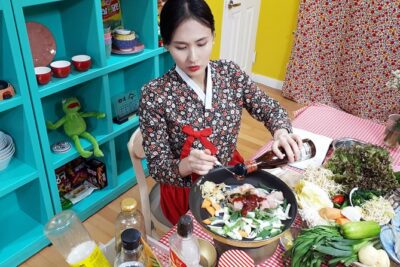 ★ 5.0Local Home Korean Cooking Class & Market Adventure in SeoulFrom $911,024 reviews
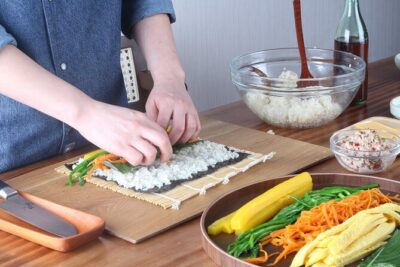 ★ 5.0Master Korean traditional cooking with a Kimchi chefFrom $85385 reviews
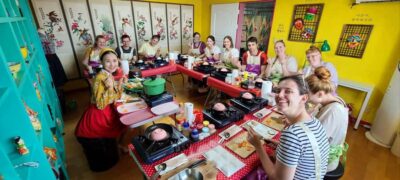 ★ 5.0Korean Cooking Class at a Local Home and Market TourFrom $98348 reviews
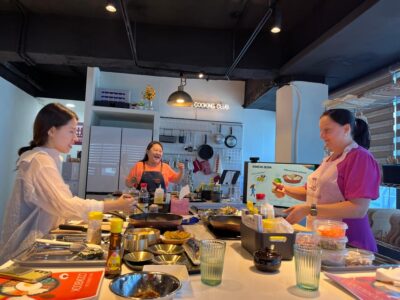 ★ 5.0Korean Cooking at Seoul Cooking Club!From $109311 reviews
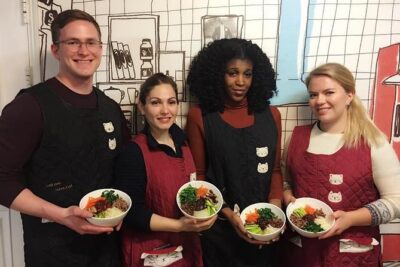 ★ 5.0Cook 3 Authentic Korean Dishes with Local Market TourFrom $79231 reviews
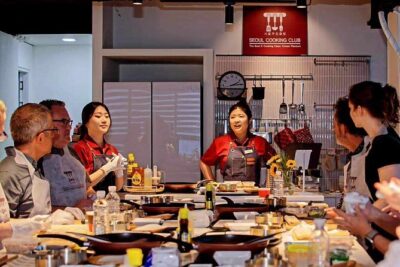 ★ 5.0Korean Cooking at Seoul Cooking ClubFrom $109220 reviews
 ★ 4.9Taste of Korea, Authentic Home Style Cooking ClassFrom $89166 reviews
 ★ 5.0Korean Cooking Class with Grocery Shopping at Seoul Local MarketFrom $91107 reviews
Browse the lists this tour appears in