
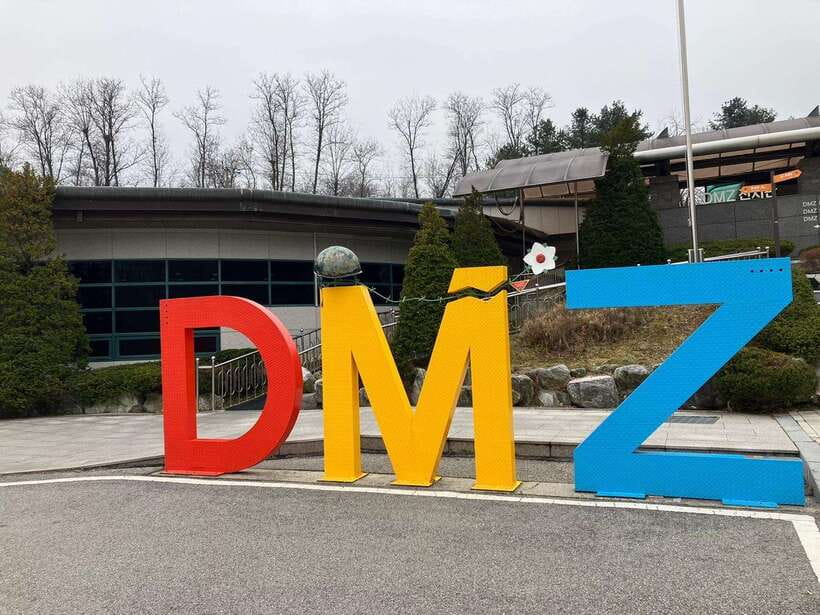
Reviewed · DMZ DAY TOURS
Seoul: DMZ The 3rd Tunnel and Suspension Bridge Tour
A walk inside the DMZ changes your perspective fast. This Seoul day trip blends Korean War context with the 3rd Infiltration Tunnel and the Dora Observatory’s panoramic view over North Korea. I also love the stop at Gamaksan’s suspension bridge, tied to the Battle of Solma-ri, because it mixes stunning views with real battlefield stakes. The one drawback: the day includes uphill walking and tight spaces, so plan for physical comfort.
Guides like Winnie or Kenny tend to make the route feel clear and human, with English explanations that keep the facts understandable and the mood thoughtful.
In This Review
- Key things you’ll notice on this DMZ day trip
- Leaving Seoul for the DMZ: the drive sets the tone
- Imjingak Park: bridges, altars, and why the past feels close
- Gamaksan’s Red Suspension Bridge: photos with battlefield gravity
- The 3rd Infiltration Tunnel: narrow, steep, and hard to forget
- Dora Observatory: the rare view into North Korea’s distance
- The guide and group mood: the human factor is huge
- Value and price: does $65 make sense for what you get
- Practical tips so the day feels manageable
- Should you book the Seoul DMZ: 3rd Tunnel and Suspension Bridge tour?
- FAQ
- Do I need a passport for this tour
- How long is the DMZ tour
- Is the JSA (Panmunjom) visit included
- What can I see at Dora Observatory
- Is there hiking involved
- Is the tour wheelchair-friendly
Key things you’ll notice on this DMZ day trip
- Imjingak Park’s war memory sites: Mangbaedan Altar, Bridge of Freedom, and the story around Dokgae Bridge.
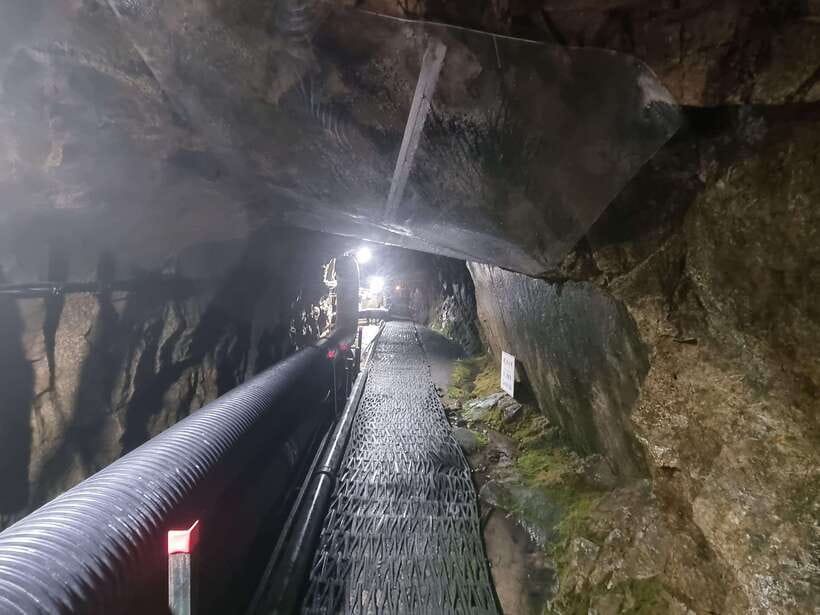
- The 3rd Infiltration Tunnel’s scale shock: 1,635 meters long, with a narrow 2-by-2-meter passage and a steep approach.
- Dora Observatory viewpoints: wide panoramas toward key North Korea areas, with a chance of seeing everyday movement on clear days.
- Gamak Mountain’s Red Suspension Bridge: a 40-minute hike up for big photo angles and battlefield-linked meaning.
- English-led, tightly guided pacing: time for context on the bus and enough stop time for questions and photos.
- The guide makes the difference: I see repeat praise for guides who mix clarity, humor, and even personal family stories (Winnie, Sophie, Grace, Lucky, Kenny, Andy, Ki, and Jay come up often).
Other ways to reach the DMZ and the border from Seoul
- DMZ Tour: 3rd Tunnel, Option(Suspension Bridge, Boat) from Seoul★ 5.0 · 21,373 reviews
- DMZ tour south Korea from Seoul (NK experience hall, defector)★ 5.0 · 20,599 reviews
- Seoul: DMZ Tour with Optional Suspension Bridge★ 4.8 · 5,277 reviews
- Seoul: DMZ The 3rd Tunnel and Suspension Bridge Tour★ 5.0 · 4,656 reviews
Leaving Seoul for the DMZ: the drive sets the tone
The first thing I like is that you don’t just get dropped at checkpoints and told to look around. You start with a guide who talks through the Korean War while you’re traveling. It matters, because the DMZ can feel like a museum from the outside. With the right context, it turns into a living line on the map with consequences you can actually understand.
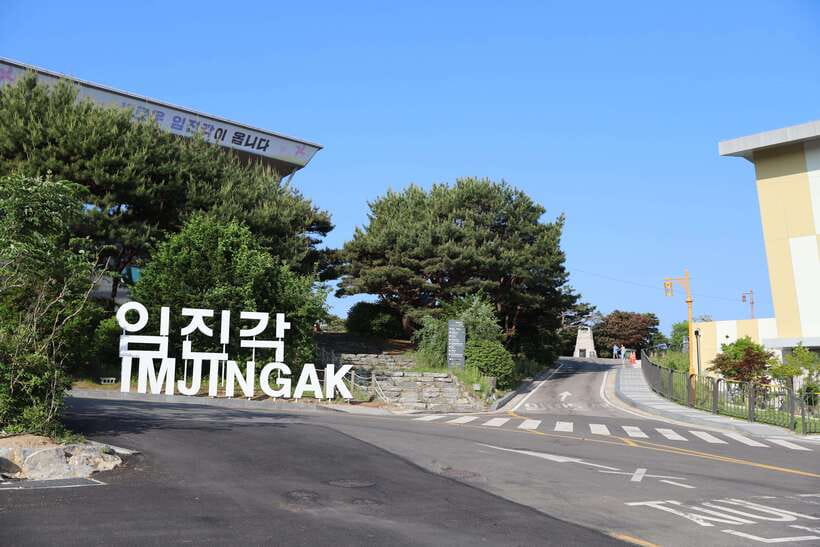
You’ll head to Imjingak Park first, which sits about 7 kilometers from the military demarcation line. Even before you’re anywhere near the viewing decks, the day starts teaching you how people in South Korea remember the war: names, places, and the emotional meaning attached to bridges and altars.
On top of that, the tour is run with a “keep the day moving, but don’t rush the meaning” rhythm. You get scheduled guided time at each stop, plus breaks so you’re not stuck in a constant hurry. That pacing shows up in the way guides handle questions too. If you have a lot of curiosity (and you should), you’ll get chances to ask without feeling like you’re delaying the group.
Imjingak Park: bridges, altars, and why the past feels close
Imjingak Park is one of those stops where the details change how you read the whole area. The site is connected to the Korean War and related divisions, and your guide points out what to look for and why it was built.
You’ll spend time at key landmarks like the Mangbaedan Altar and the Bridge of Freedom. The names alone sound simple, but your guide ties them back to the emotions and political realities of the era. It’s not just signage. It’s a reminder that separation isn’t abstract here. It has built memorials.
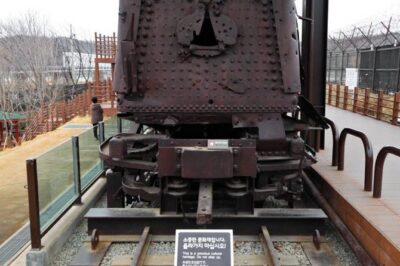
Another strong stop in this park is the story around Dokgae Bridge. It was destroyed during the Korean War and later reconstructed. That detail can sound like trivia until you realize what reconstruction means in a place like this: the refusal to let a break become permanent, at least in memory and symbolism.
One small practical note: Imjingak is also where you get a break before you go deeper into the DMZ route. I like having that buffer, because the day gets more physically intense later (tunnel steps and the suspension bridge hike).
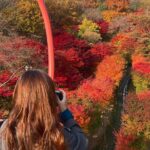
Gamaksan’s Red Suspension Bridge: photos with battlefield gravity
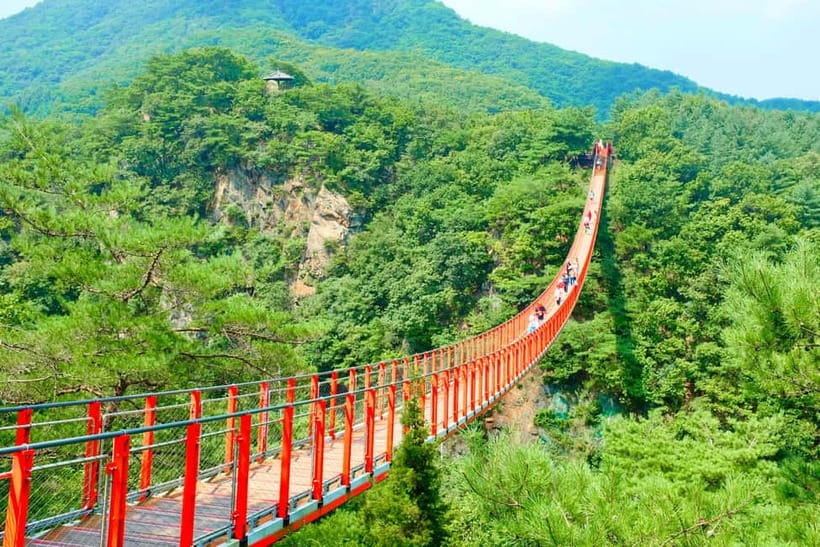
After Imjingak, you’ll move toward Gamaksan Mountain for the Red Suspension Bridge area. This is where the tour gets both scenic and serious. The bridge is linked to the Battle of Solma-ri, fought by British troops during the Korean War. That connection matters because the views are gorgeous, but the story behind the views changes the tone.
You should expect more than a flat stroll. The suspension bridge portion includes a hike that can take around 40 minutes, so comfortable shoes are not optional. This is exactly the kind of day where flip-flops and heels go wrong fast. You’ll want grip and stability, especially if the ground is slick or you’re visiting in colder months.
Why this stop is a highlight for many people is simple: you get dramatic angles for photos, and you get them at a place that carries meaning. It’s not a “pretty view for the camera” stop only. Your guide will connect what you’re seeing to events and positions from the war, which makes your pictures feel like more than souvenirs.
A balanced caution: if you’re expecting an easy walk with big viewpoints only, this part may feel more like effort than reward. But if you’re up for a hike and you like your sightseeing with context, this is one of the most memorable moments of the day.
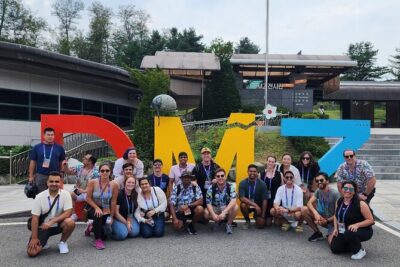
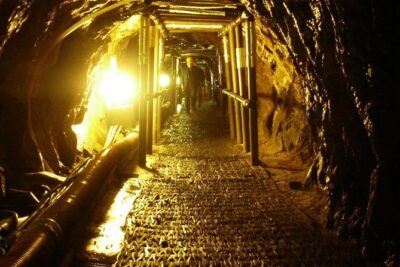
The 3rd Infiltration Tunnel: narrow, steep, and hard to forget
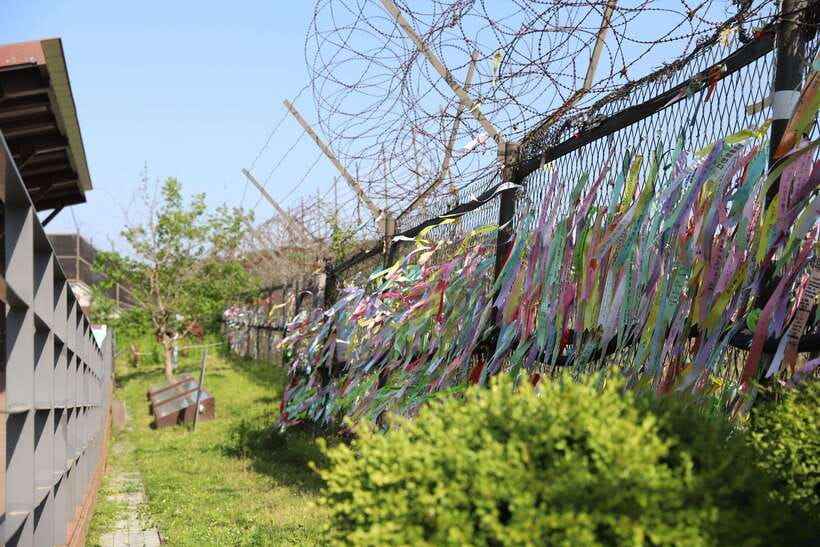
The 3rd Infiltration Tunnel is the stop that tends to stick in your mind. It’s about access and scale: you’re walking a man-made passage meant for infiltration, not for comfort.
Key facts to picture before you go in:
- The tunnel is 1,635 meters long.
- The passage is roughly 2 meters wide and 2 meters high.
- It’s about 52 kilometers from Seoul.
Even if you know the numbers, your body learns the truth fast. The space is tight. Your shoulders and head feel closer than you expect. That physical closeness is exactly why the tunnel hits so hard: it turns strategy into something you can feel in your own movement.
There’s also a steep slope. Expect a round trip walk that can take around 30–40 minutes on foot. If you’re traveling with children, seniors, or anyone who has trouble with stairs or steep grades, plan ahead. The tour notes that it can be challenging, and there may be an option to wait in front of the tunnel rather than walking through.
If you’re sensitive to enclosed spaces, consider that before booking. The tunnel isn’t just a “see it and move on” stop. It’s a deliberate, slow confrontation with how small this world becomes underground.
And credit where it’s due: guides usually do a great job setting you up before you enter so you understand what you’re seeing. People also highlight how guides handle the sensitive tone here—making it solemn without turning it into something heavy-handed.
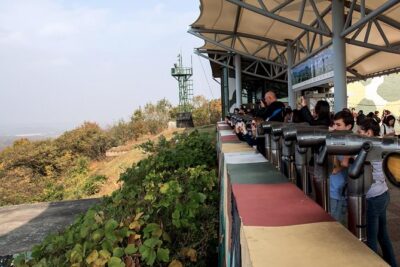
Dora Observatory: the rare view into North Korea’s distance
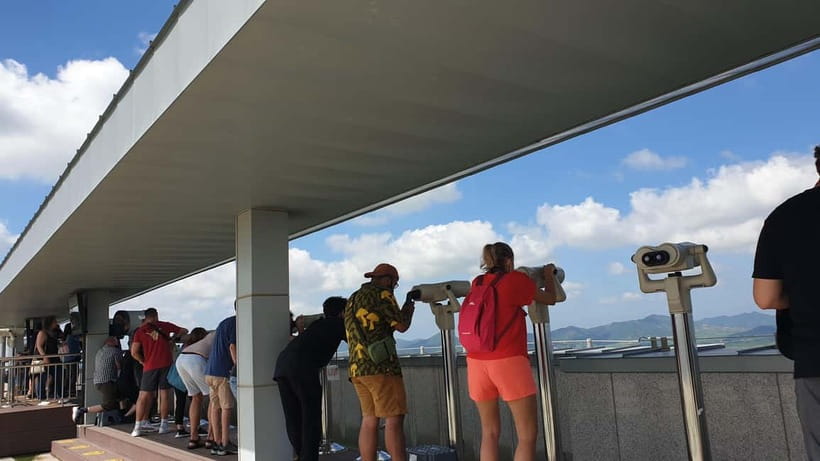
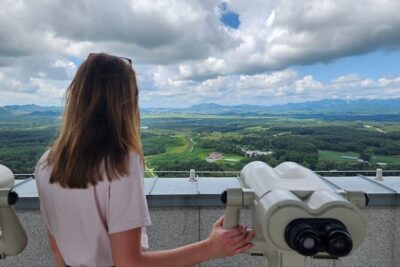
Next comes Dora Observatory, one of the most talked-about stops for a reason: it gives you what the DMZ is most famous for, a way to see North Korea from the South.
Your time includes guided explanation and panoramic views. Your guide will point out key areas and help you understand why certain viewpoints matter for both observation and strategy.
On clear days, the tour says you may even catch glimpses of North Korea residents going about daily life. Even if that doesn’t happen, the value remains. Standing at a formal viewing spot and learning what you’re looking at turns geography into perspective.
This is also a good place to slow down. The day can feel like it moves from one “big moment” to the next, but Dora is more like a thinking pause. You can look out, let the explanations settle, and ask questions that connect what you saw at the tunnel and bridges back to the politics of the border.
The other reason Dora works for many visitors is timing and weather flexibility. When conditions are less than ideal, guides often adjust their explanation so you still leave with understanding, not just views.
The guide and group mood: the human factor is huge
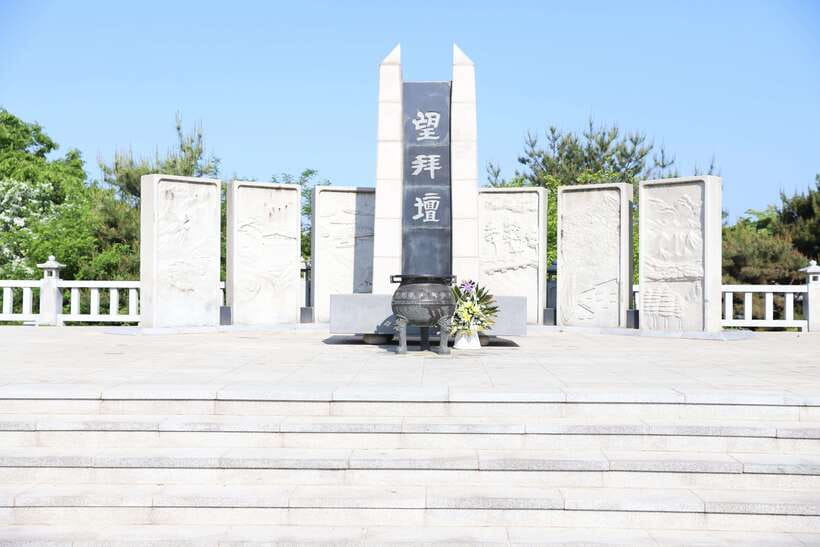
I’ve noticed one pattern across DMZ experiences: the site is fixed, but the day you feel is flexible. Here, the guide’s skill is the difference between a checklist and an experience that actually makes sense.
In the positive comments, guides such as Winnie, Kenny, Sophie, Grace, Lucky, and Andy are praised for strong English delivery, good humor, and clear explanations. A few guides also share personal or family stories, which can make the political topics feel more grounded and less abstract. That’s also why the tone can feel safe and respectful rather than awkward.
Another thing I appreciate is how guides handle real-world changes. One example described a schedule adjustment for pickup due to cold weather, communicated in advance, while still keeping the day organized and on track. That’s exactly how you want it handled: practical, communicative, and calm.
If you’re choosing between DMZ tours, don’t underestimate this. You’re paying for access, yes. But you’re also paying for interpretation—someone who can connect the dots between Imjingak, the tunnel, the observatory, and the suspension bridge meaning.
Value and price: does $65 make sense for what you get
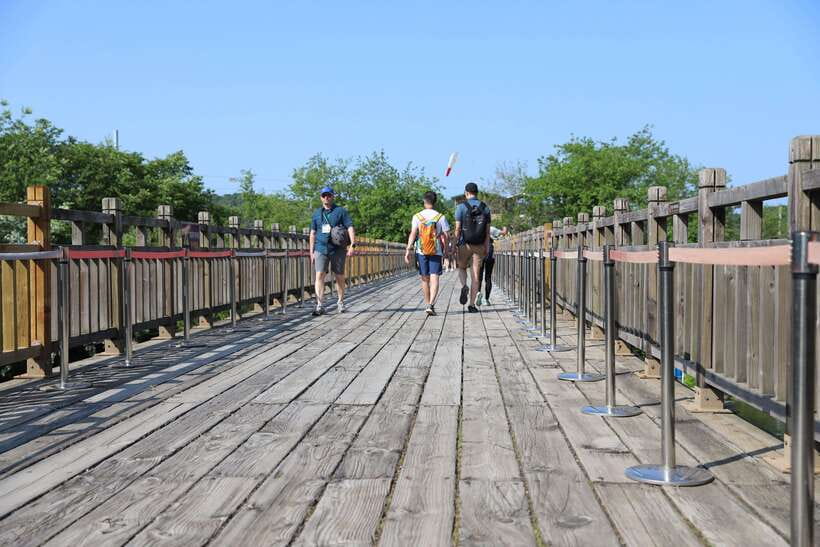
At $65 per person for a roughly 9-hour tour, this isn’t just a short sightseeing ticket. You’re paying for a long day that includes guided time at multiple high-security, high-meaning locations, plus transportation and entrance fees.
What’s typically covered:
- Entrance fees
- Roundtrip shared transfer
- A licensed professional DMZ guide (English)
- Transportation by air-conditioned bus or minivan
- Hotel pickup for groups of 10+ with 24-hour advance booking
What’s not included:
- Food and drinks
- Visit to JSA/Panmunjom (it’s not part of this tour)
- Travel insurance
- Hotel drop-off (you’ll be dropped in either Myeongdong or near City Hall Station based on preference)
To judge value, I’d weigh the whole package: you’re spending most of the day in guided learning, not self-navigating; you’re getting transfers and entrances; and you’re seeing several distinct DMZ-related sites in one outing.
The “watch out” value note is simple: the DMZ is military-operated. The tour can be canceled without prior notice, and the schedule can change due to military, weather, or government regulations. If that happens, the day may swap in other locations like Art Space BEAT 131, Odusan Unification Observatory, or the War Memorial of Korea instead. That isn’t guaranteed, but it’s worth knowing so you don’t plan a perfectly fixed day.
Practical tips so the day feels manageable
This tour has a few rules and comfort factors that can make or break the experience.
Bring:
- Passport (required)
Footwear:
- Skip flip-flops, slippers, and high heels. You’ll be hiking on Gamaksan and walking through steep or uneven areas around the tunnel access.
Health and mobility:
- The tour is not suitable for wheelchair users and people with heart problems.
- The 3rd tunnel includes steep slopes and tight space, so pace yourself.
Behavior rules:
- No intoxication, and no smoking or alcohol in the vehicle.
- Unaccompanied minors are not allowed.
Practical planning for timing:
- Pickup time is confirmed by email, and it may change depending on conditions. Check the day before.
Small logistics detail that can matter:
- When the government requires it, you’ll transfer to the DMZ shuttle bus if there are fewer than 30 people in the vehicle.
Finally, pack for weather. Even if the day feels mostly outdoors (suspension bridge and tunnel approach), the DMZ area can be cold and windy. Layers help.
Should you book the Seoul DMZ: 3rd Tunnel and Suspension Bridge tour?
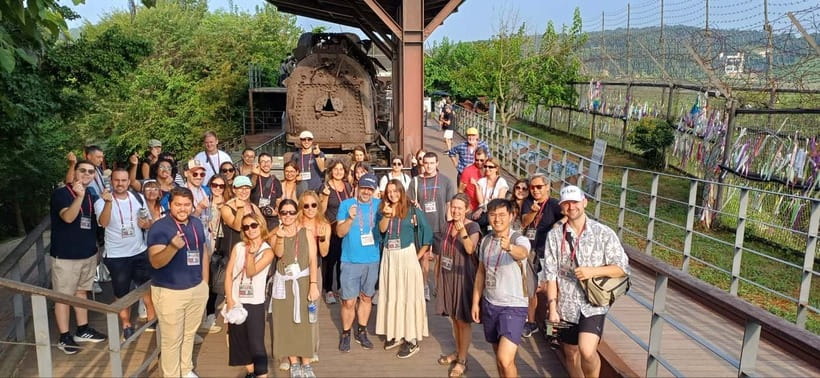
Book it if you want a DMZ day trip that does more than take photos. You’ll get multiple stops with real context, a chance at sweeping views from Dora Observatory, and the physically striking experience of the 3rd Infiltration Tunnel. The English guidance is repeatedly called out for being clear, organized, and engaging, with a human tone that helps sensitive topics land with care.
Skip it or consider another option if:
- You can’t handle steep walking or tight enclosed spaces.
- You need wheelchair-friendly access.
- You’re looking for an easy, short outing rather than a full-day visit with hikes and a tunnel walk.
- You’re specifically hoping for JSA/Panmunjom, because this tour does not include it.
If you’re physically up for it and you want the DMZ explained in a way that sticks, this is a strong value way to spend a day in Seoul.
FAQ
Do I need a passport for this tour
Yes. You must bring your passport.
How long is the DMZ tour
The duration is 9 hours.
Is the JSA (Panmunjom) visit included
No. JSA/Panmunjom is not included.
What can I see at Dora Observatory
You’ll get panoramic views of North Korea and key locations. On clear days, you may be able to glimpse North Korean residents going about daily life.
Is there hiking involved
Yes. The Gamaksan suspension bridge area involves a hike (around 40 minutes), and the 3rd tunnel walk includes a steep slope with an estimated 30–40 minute round trip on foot. Comfortable shoes are strongly recommended.
Is the tour wheelchair-friendly
No. It is not suitable for wheelchair users. It’s also not recommended for people with heart problems.
More Tours in Seoul
- Best DMZ Tour Korea from Seoul (Red Suspension Bridge Optional)★ 5.0 · 41,422 reviews
- DMZ Tour: 3rd Tunnel, Option(Suspension Bridge, Boat) from Seoul★ 5.0 · 21,373 reviews
- DMZ tour south Korea from Seoul (NK experience hall, defector)★ 5.0 · 20,599 reviews
- Seoul: DMZ Tour with Optional Suspension Bridge★ 4.8 · 5,277 reviews
- Signature DMZ Tour: Exclusive Defector Talk & Suspension Bridge★ 5.0 · 4,459 reviews
More Tour Reviews in Seoul
- Best DMZ Tour Korea from Seoul (Red Suspension Bridge Optional)★ 5.0 · 41,422 reviews
- DMZ Tour: 3rd Tunnel, Option(Suspension Bridge, Boat) from Seoul★ 5.0 · 21,373 reviews
- DMZ tour south Korea from Seoul (NK experience hall, defector)★ 5.0 · 20,599 reviews
- Seoul: DMZ Tour with Optional Suspension Bridge★ 4.8 · 5,277 reviews
- Signature DMZ Tour: Exclusive Defector Talk & Suspension Bridge★ 5.0 · 4,459 reviews
The DMZ & the Border, More Routes
- Best DMZ Tour Korea from Seoul (Red Suspension Bridge Optional)★ 5.0 · 41,422 reviews
- DMZ Tour: 3rd Tunnel, Option(Suspension Bridge, Boat) from Seoul★ 5.0 · 21,373 reviews
- DMZ tour south Korea from Seoul (NK experience hall, defector)★ 5.0 · 20,599 reviews
- Seoul: DMZ Tour with Optional Suspension Bridge★ 4.8 · 5,277 reviews
- Signature DMZ Tour: Exclusive Defector Talk & Suspension Bridge★ 5.0 · 4,459 reviews
Just added to Exploring Seoul


DMZ Day Tours, compared.
 ★ 5.0DMZ Tour: 3rd Tunnel, Option(Suspension Bridge, Boat) from SeoulFrom $3521,373 reviews
 ★ 5.0DMZ tour south Korea from Seoul (NK experience hall, defector)From $2620,599 reviews
 ★ 4.8DMZ Tour with Optional Suspension BridgeFrom $455,277 reviews
 ★ 5.0Signature DMZ Tour: Exclusive Defector Talk & Suspension BridgeFrom $274,459 reviews
 ★ 5.0Thrilling Korean DMZ 3rd Tunnel Tour from Seoul + Red Bridge RushFrom $353,097 reviews
 ★ 4.9DMZ Tour & Suspension Bridge (Option English/Spanish)From $352,628 reviews
 ★ 5.0DMZ Past and Present: Korean Demilitarized Zone Tour from SeoulFrom $372,481 reviews
 ★ 5.0Ultimate Korea DMZ Tour from Seoul (Gondola & Suspension Bridge)From $352,396 reviews
Browse the lists this tour appears in