
Reviewed · KOREAN COOKING & KIMCHI CLASSES
You’re Invited to Our Home in Seoul: The Only Cooking Class!
A Seoul cooking class in a real home feels different fast. You’ll learn Jeon (Korean pancakes) and Korean home-style dishes while enjoying a Han River view from inside. It’s hands-on, small-group, and built around how Koreans actually cook and share meals.
I love the warm, personal vibe: you’re not stuck in a big studio kitchen, and you get real help from your host (David and Hanna are mentioned often). I also love that the menu isn’t just a single dish—you’ll make an assortment of Jeon plus a full meal with banchan, traditional tea, and desserts.
One consideration: it’s not wheelchair-friendly, and because this is inside a private home, the experience depends on you being comfortable moving around in a domestic space for the full 2 hours.
In This Review
- Quick hits
- Seoul from a kitchen window: what the real-home setting changes
- The menu you’ll make: Jeon, doenjang-jjigae, sik-hye, and hotteok
- How the class runs: hands-on Jeon and stew with real coaching
- The banchan, tea, and desserts: how the meal feels like home
- Dietary changes that actually matter (including spice control)
- Han River walk and neighborhood time: optional, but worth it
- Price and value: what you’re really paying for at $110
- What to bring (and what to remember about a home kitchen)
- Should you book this Seoul cooking class?
- FAQ
- How long is the cooking class in Seoul?
- How many people are in the group?
- What dishes are included in the menu?
- Can the menu be adjusted for dietary needs or spice levels?
- Is the experience held in a real Korean home?
- Is there an optional walk after the meal?
- Are recipes and photos included?
- What should I bring, and what’s not allowed?
- Is transportation included, and is it wheelchair accessible?
Quick hits
- Small group of 4 means more hands-on coaching and easier conversation.
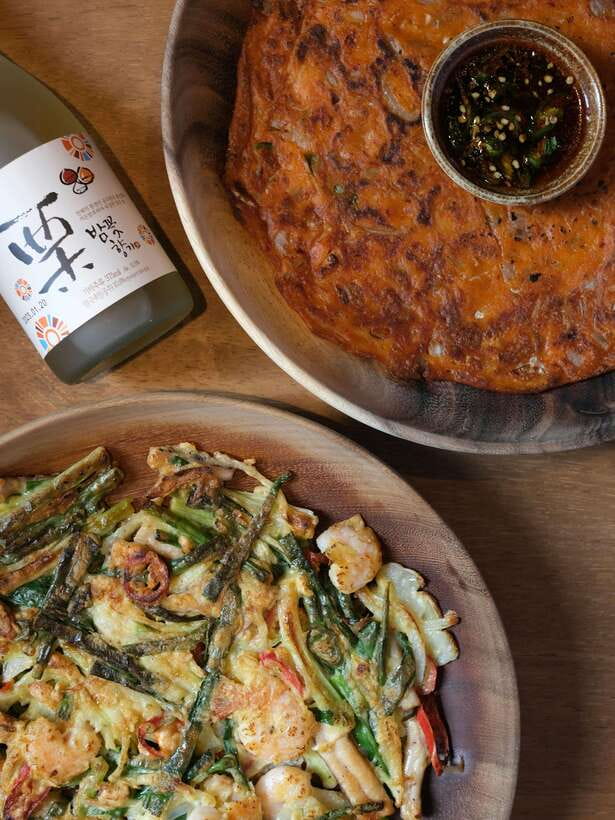
- Jeon workshop: you’ll learn multiple pancake styles (like meatball pancake and scallion pancake).
- Real-home setting with views of the Han River and Seoul skyline.
- Full meal + banchan + tea (not just a snack and a demo).
- Recipes and DSLR photos included, so you can recreate it later.
Roll up your sleeves in another Korean kitchen
- Local Home Korean Cooking Class & Market Adventure in Seoul★ 5.0 · 1,024 reviews
- Master Korean traditional cooking with a Kimchi chef★ 5.0 · 385 reviews
- Seoul: Korean Cooking Class at a Local Home and Market Tour★ 5.0 · 348 reviews
- Seoul: Korean Cooking at Seoul Cooking Club!★ 5.0 · 311 reviews
Seoul from a kitchen window: what the real-home setting changes
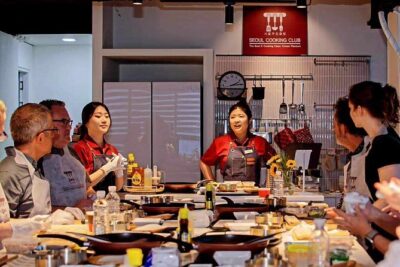
This class is set up like you’re being welcomed into someone’s everyday life, not visiting a themed show. The meal happens in a real Korean home, and that matters. You’ll see the pace of a household kitchen: how the host explains flavors, how ingredients are handled, and how everyone settles into the meal together.
The view is a big part of the experience. You’re cooking and eating while taking in the Han River and downtown Seoul skyline from inside—so the setting does more than look pretty. It changes the mood: you’re not just learning recipes, you’re getting a snapshot of how people live.
Group size is limited to 4 participants. That’s ideal for learning pancake technique because you can actually get guidance while you’re cooking, instead of waiting your turn. English and Korean support is available from the host/greeter, and the class is guided with personalized cooking tips.
The menu you’ll make: Jeon, doenjang-jjigae, sik-hye, and hotteok
If you’re coming to Seoul looking for food that feels distinctly Korean, this menu hits the right buttons. The centerpiece is Assorted Jeon, a set of Korean savory pancakes that are closely tied to family traditions and special gatherings.
Here’s what you can expect to cook and eat:
- Sikhye (sweet rice punch)
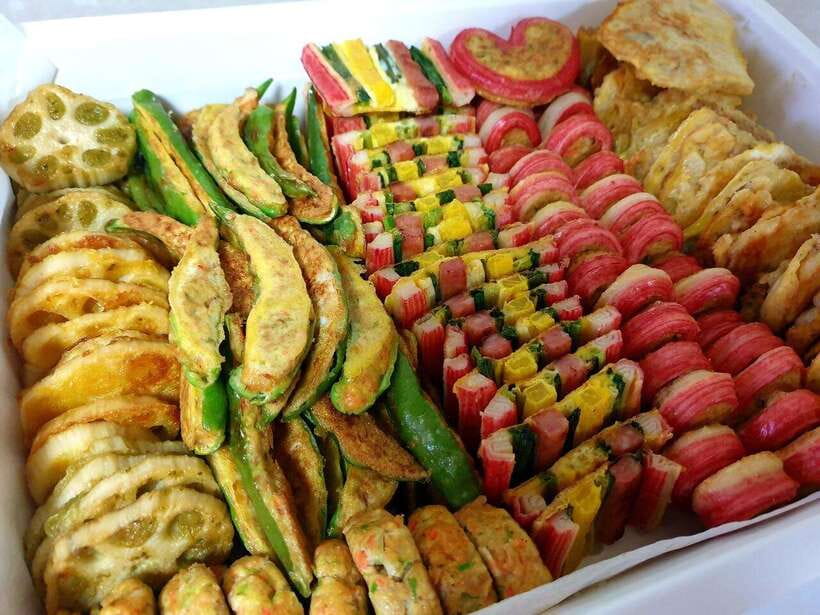
- Assorted Jeon (selection may vary based on what ingredients are available that day), including:
- Donggeurangttaeng (meatball pancake)
- Pajeon (scallion pancake)
- Hobakjeon (zucchini pancake)
- Beoseotjeon (mushroom pancake)
- Dubujeon (tofu pancake)
- Yukjeon (beef pancake)
- Kkochi-jeon (skewered pancake)
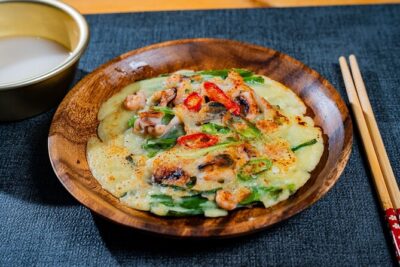
- Haemuljeon (seafood pancake)
- Doenjang-jjigae (soybean paste stew)
- Traditional Korean tea
- Hotteok (sweet Korean pancakes)
Because the Jeon selection can shift, you’re not guaranteed the exact same mix every day. For most people, that’s a plus. Ingredients get chosen based on availability, and it keeps the class feeling practical instead of scripted.
Jeon is also a smart choice for a cooking class. It’s hands-on and visual. You learn by doing—mixing, shaping, pan-frying, and timing—then tasting what changes when the batter thickness, heat level, and fill-ins vary.
How the class runs: hands-on Jeon and stew with real coaching
This is not a quick “watch and eat” session. You’ll cook, and you’ll cook in a guided way.
You can expect:
- Expert guidance from your host on technique and flavor choices
- A walkthrough of the dishes before you get cooking
- Time to actively make multiple pancakes and portions of the stew
- Traditional tea included as part of the rhythm of the meal
The key skill you’ll take home is pancake technique. Jeon can go wrong if the pan is too hot or if the batter is handled too roughly. The host’s coaching helps you avoid that. You’ll learn the kind of patient, careful approach that Korean home cooking uses—small adjustments add up to better texture.
The stew adds a different skill set: instead of pan-frying, you’re learning how soybean paste stew fits into the meal. It’s savory, comforting, and practical for feeding a table, especially alongside banchan.
You also get to taste multiple handmade Jeon styles during the class. That tasting isn’t an afterthought; it’s how you connect what you did to what you’re eating.
A handful of other Seoul experiences to line up next
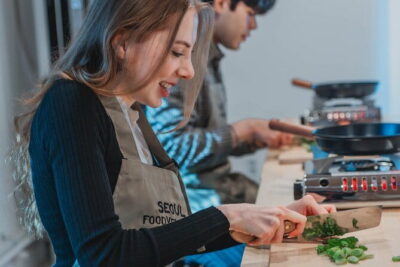
The banchan, tea, and desserts: how the meal feels like home
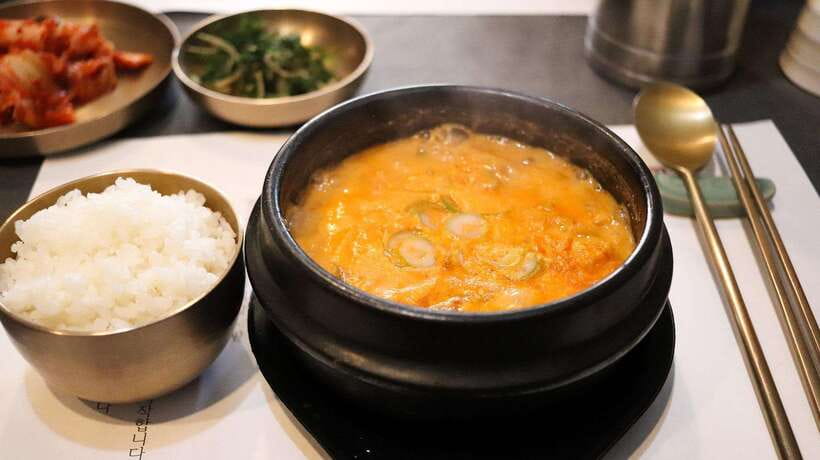
The meal is a full-course experience, not just “main dish plus dessert.” You’ll enjoy seasonal banchan with your main dishes, plus Korean desserts: sik-hye and hotteok.
Banchan is one of the best ways to understand Korean table culture. Each side dish plays a role—balancing salty, savory, and fresh flavors—so you don’t eat everything the same way. You’ll taste how Jeon pairs with the rest of the meal, and how the stew anchors the flavors.
The class also includes traditional tea and you’ll have complimentary tea and snacks available throughout the session. In practice, that gives you little pauses to regroup—especially helpful if you’re still learning the flow of the cooking steps.
Then the desserts close the loop:
- Sikhye adds a gentle sweetness and a drinkable finish.
- Hotteok finishes the experience with a warm, comforting pancake style that feels like a Korean comfort snack.
Dietary changes that actually matter (including spice control)

Good classes don’t treat dietary restrictions as a footnote. This one is built for adjustments. The menu can be tailored for vegan/vegetarian needs and specific dietary requirements, as long as you inform the host in advance. Spice level can also be modified if you can’t handle heat.
One helpful detail: the pancake selection may change depending on ingredient availability. That means the host can often swap in alternatives that still teach you the core Jeon skills.
If you’ve got allergies, send clear details ahead of time. You’ll be doing cooking in a home environment, so communication matters. The experience is designed to handle dietary needs, but you still want to be explicit about what to avoid.
Han River walk and neighborhood time: optional, but worth it

After the meal, there’s an optional free walk by the Han River. It’s listed as a 1-hour walk, and you can choose freely whether you want to do it.
This part is valuable because it turns your cooking knowledge into a bigger city context. You’ve just learned about everyday Korean food habits; a riverside walk helps you connect that with where life happens in Seoul—especially since the home setting already frames the river and skyline.
It’s also a practical way to get local guidance. You may get tips about the area and how to plan the next leg of your day. Even if you only spend an hour, it can help you get your bearings fast.
Price and value: what you’re really paying for at $110
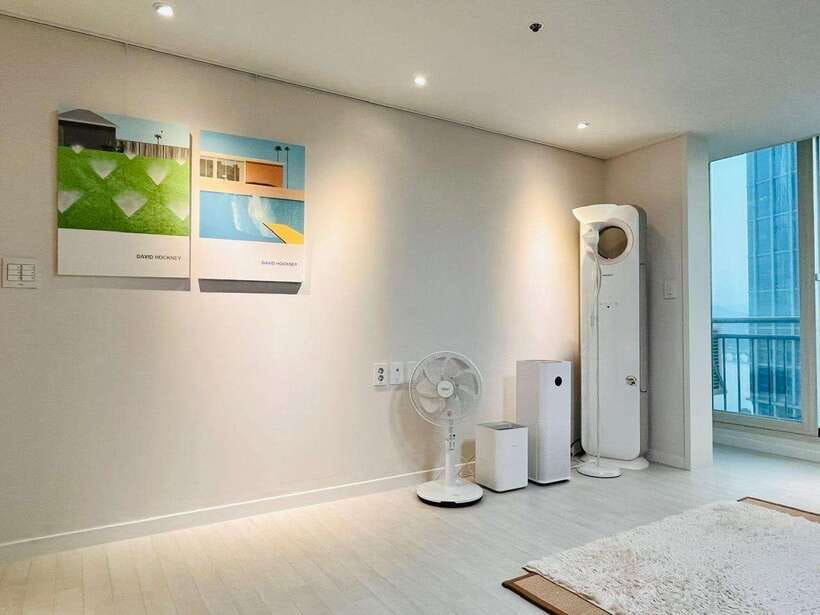
At $110 per person for a 2-hour class, you’re paying for more than cooking instruction. You’re paying for:
- A private home experience (limited to 4 people)
- A full meal with banchan and desserts
- Hands-on teaching and personalized tips
- Ingredient and equipment setup
- Take-home recipes
- Complimentary tea/snacks throughout
- A DSLR photography session with photos provided afterward
In Seoul, cooking classes can range from “demo + light tasting” to “hands-on meal.” This one leans hard toward the meal-and-craft side. You’re making an assortment of Jeon, learning soybean paste stew, and also getting dessert. You’re leaving with recipes you can use again, not just a memory.
Transportation isn’t included, so you’ll want to factor in getting there and back. Still, the value equation is strong if you want a real household meal, not a restaurant-style tasting.
What to bring (and what to remember about a home kitchen)
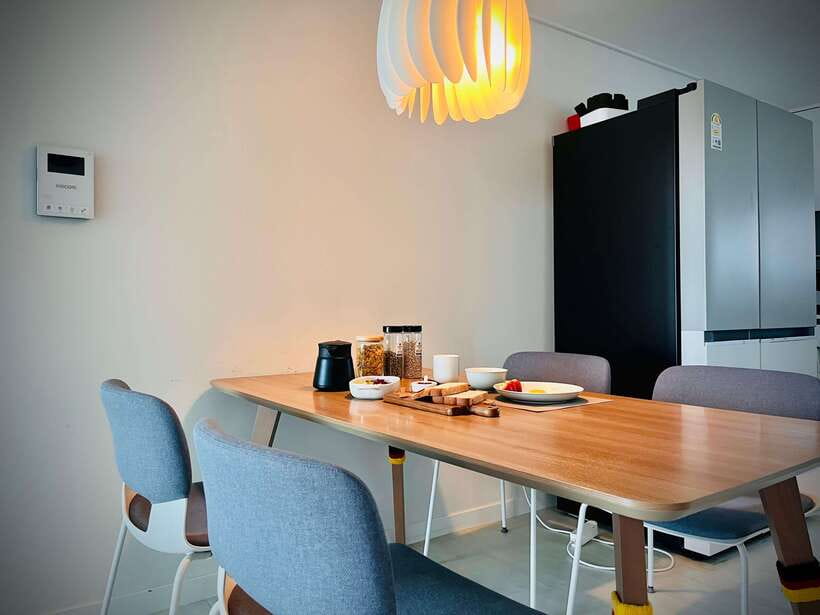
You’ll want to show up ready to move a bit and cook.
Bring:
- Comfortable shoes
- A camera (and note you’ll also get a DSLR photo session)
- Snacks and water (water is included, but having your own is never a bad idea)
Not allowed:
- Pets
- Smoking
Also, remember: this is a real Korean home. That’s part of the appeal, and it also means you should plan for a domestic environment—where you’ll likely have some expectations of quiet focus and mindful movement while others are cooking and tasting.
Should you book this Seoul cooking class?
Book it if you want a Korean meal that feels like you’re invited into someone’s day, not just buying an activity. The combination of hands-on Jeon cooking, full banchan-style dining, and the Han River view makes it memorable in a way that’s hard to recreate elsewhere.
Skip it (or think twice) if you need wheelchair accessibility, since it’s not suitable for wheelchair users. Also consider whether you’re comfortable cooking in a private home setting where the flow is more intimate and personal than in a public venue.
If your goal is Seoul food with real context—flavors, household pacing, and the small details that make Korean cooking feel practical—this class is a strong choice.
FAQ
How long is the cooking class in Seoul?
The class lasts 2 hours.
How many people are in the group?
It’s a small group with a maximum of 4 participants.
What dishes are included in the menu?
You’ll make and eat Sikhye (sweet rice punch), assorted Jeon (Korean pancakes), Doenjang-jjigae (soybean paste stew), and hotteok (sweet Korean pancakes). You’ll also have Korean seasonal banchan, traditional tea, and desserts.
Can the menu be adjusted for dietary needs or spice levels?
Yes. You can request vegan or vegetarian options and specific dietary needs, and the spice level can be adjusted. You’ll need to inform the host in advance.
Is the experience held in a real Korean home?
Yes. The cooking and meal take place in a real Korean home, not a commercial setting.
Is there an optional walk after the meal?
Yes. After the meal, there’s an optional free 1-hour walk by the Han River, and a local area and Han River tour is offered as optional.
Are recipes and photos included?
Recipes are included to take home. A DSLR photography session is included, with photos provided afterward.
What should I bring, and what’s not allowed?
Bring comfortable shoes and a camera. The activity also suggests bringing snacks and water. Pets and smoking are not allowed.
Is transportation included, and is it wheelchair accessible?
Transportation to and from the class location is not included. It is not suitable for wheelchair users.
If you tell me your travel dates and any dietary restrictions, I can help you sanity-check whether this menu and schedule fit your plan.
More Cooking Classes in Seoul
- Local Home Korean Cooking Class & Market Adventure in Seoul★ 5.0 · 1,024 reviews
- Master Korean traditional cooking with a Kimchi chef★ 5.0 · 385 reviews
- Seoul: Korean Cooking Class at a Local Home and Market Tour★ 5.0 · 348 reviews
- Seoul: Korean Cooking at Seoul Cooking Club!★ 5.0 · 311 reviews
- Korean Cooking at Seoul Cooking Club★ 5.0 · 220 reviews
More Tour Reviews in Seoul
- Best DMZ Tour Korea from Seoul (Red Suspension Bridge Optional)★ 5.0 · 41,422 reviews
- DMZ Tour: 3rd Tunnel, Option(Suspension Bridge, Boat) from Seoul★ 5.0 · 21,373 reviews
- DMZ tour south Korea from Seoul (NK experience hall, defector)★ 5.0 · 20,599 reviews
- Seoul: DMZ Tour with Optional Suspension Bridge★ 4.8 · 5,277 reviews
- Seoul: DMZ The 3rd Tunnel and Suspension Bridge Tour★ 5.0 · 4,656 reviews
Back in the Korean Kitchen
- Local Home Korean Cooking Class & Market Adventure in Seoul★ 5.0 · 1,024 reviews
- Master Korean traditional cooking with a Kimchi chef★ 5.0 · 385 reviews
- Seoul: Korean Cooking Class at a Local Home and Market Tour★ 5.0 · 348 reviews
- Seoul: Korean Cooking at Seoul Cooking Club!★ 5.0 · 311 reviews
- Cook 3 Authentic Korean Dishes with Local Market Tour★ 5.0 · 231 reviews
Just added to Exploring Seoul



Korean Cooking & Kimchi Classes, compared.
 ★ 5.0Local Home Korean Cooking Class & Market Adventure in SeoulFrom $911,024 reviews
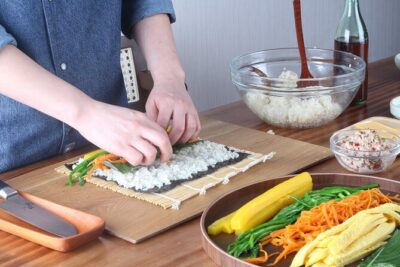 ★ 5.0Master Korean traditional cooking with a Kimchi chefFrom $85385 reviews
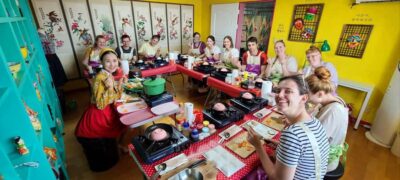 ★ 5.0Korean Cooking Class at a Local Home and Market TourFrom $98348 reviews
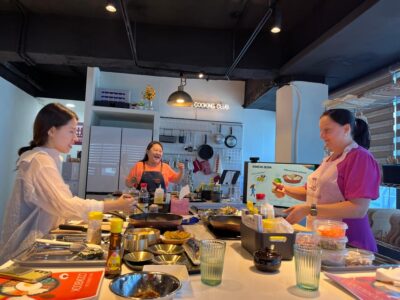 ★ 5.0Korean Cooking at Seoul Cooking Club!From $109311 reviews
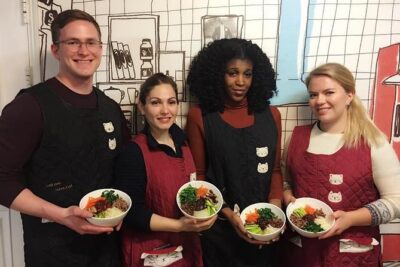 ★ 5.0Cook 3 Authentic Korean Dishes with Local Market TourFrom $79231 reviews
 ★ 5.0Korean Cooking at Seoul Cooking ClubFrom $109220 reviews
 ★ 4.9Taste of Korea, Authentic Home Style Cooking ClassFrom $89166 reviews
Experience Korean Cooking in Modern Hanok KitchenFrom $87118 reviews
★ 4.9Taste of Korea, Authentic Home Style Cooking ClassFrom $89166 reviews
Experience Korean Cooking in Modern Hanok KitchenFrom $87118 reviews
Browse the lists this tour appears in