
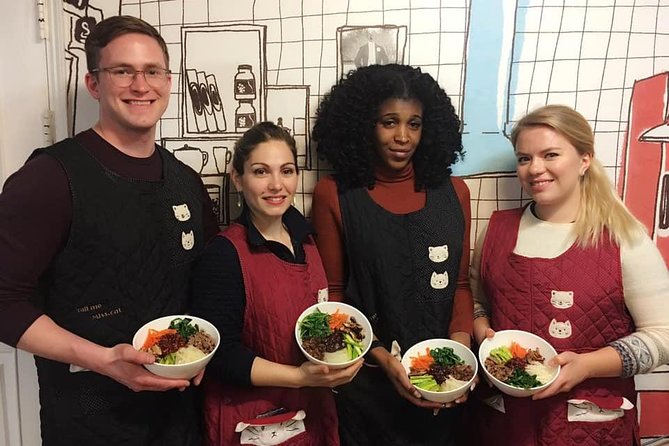
Reviewed · KOREAN FOOD & MARKET TOURS
Cook 3 Authentic Korean Dishes with Local Market Tour
Korean cooking starts with groceries. In this Seoul class, you meet Jomin at Mangwon Station, then shop Mangwon Market and cook three beloved dishes with a max four-person setup. You get the food story too, not just the food.
I especially like the “real class” feel: this is hands-on, with your own cooking table and step-by-step help while you make the menu. You also leave with a professionally designed cookbook, plus your own leftovers to take home—so the meal lasts longer than the lesson.
One thing to consider: the class can be rescheduled or canceled if the minimum number of guests (4) isn’t met. If your schedule is tight, plan a little flexibility.
In This Review
- Key things I’d prioritize before you go
- Market First: Why Mangwon Market makes the cooking click
- Meet Jomin at Mangwon Station: the small-group energy you’re paying for
- Hands-on Cooking in a Studio: Your own burner, table, and guidance
- The Three-Dish Menu: What you might cook and why it’s a smart mix
- Korean food culture in practice: banchan, kimchi, and the why behind the flavors
- Cookbook + leftovers: how you keep eating the class after it ends
- Price and value: Is $79 a fair deal in Seoul?
- Should you book this Korean cooking class or skip it?
- FAQ
- Where do I meet for the class?
- How long is the experience?
- Is it a small group or large class?
- What dishes will we cook?
- Do they offer vegetarian or vegan options?
- Is this hands-on cooking or a presentation?
- What do I take home?
- What happens if the minimum number of guests is not met?
- What is the cancellation policy?
Key things I’d prioritize before you go
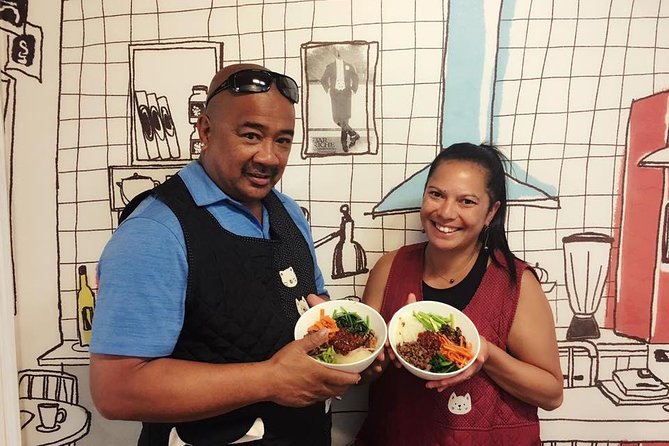
- Mangwon Market ingredient walk first, so cooking makes immediate sense
- Small group (up to four) with personal coaching as you cook
- Your own station in a clean studio, not a crowded demo setup
- Three dishes in one session, so you taste a cross-section of Korean flavor
- Cookbook + take-home leftovers, for meals after the class
Still hungry? More Seoul market and street-food crawls
- Seoul: Gyeongbok Palace, Bukchon Village, and Gwangjang Tour★ 4.9 · 2,321 reviews
- Seoul Street Food Market Tour★ 5.0 · 1,226 reviews
- Seoul: Gyeongbok Palace, Bukchon Village, and Gwangjang Tour★ 5.0 · 1,044 reviews
- Local Home Korean Cooking Class & Market Adventure in Seoul★ 5.0 · 1,024 reviews
Market First: Why Mangwon Market makes the cooking click
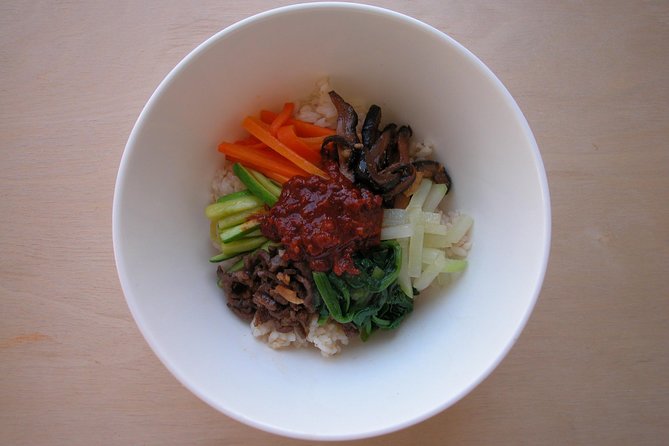
The best Korean classes don’t start in a kitchen. They start with ingredients, and this one does exactly that at Mangwon Market, near Mangwon Station.
You’ll meet Jomin at Mangwon Station (Line 6), entrance 2, then head toward the market. Along the way and at the stalls, you’ll learn what ingredients matter for the dishes you’re going to cook. In practice, that means you’re not just copying steps—you’re understanding why Korean food tastes the way it does.
The market part also gives you a chance to sample street food. Some dishes in this class can include seafood elements (for example, a stew may use clams), and seeing the ingredients up close helps you notice textures and smells you’d normally miss in a supermarket aisle. It’s also a smart way to get your bearings in Seoul without a big, formal tour—just you, your instructor, and local food culture in action.
Meet Jomin at Mangwon Station: the small-group energy you’re paying for
This tour runs with a small class size—maximum four people—even though the activity overall lists a maximum of 11 travelers. What that means for you is that your cooking time doesn’t feel like you’re trapped watching someone else work.
Jomin’s role is clear from the start. You’re not dropped into a kitchen and left alone with a chopping board. She explains ingredients during the market walk, then sets expectations when you reach the studio. Many classes in Seoul promise authenticity. This one ties it to instruction: each dish is taught with a practical focus on how to do it at your own pace.
A number of reviews highlight her teaching style as both strict and patient. That combination matters. It’s the difference between learning a dish as a guess-and-check experiment versus learning technique with corrections. If you’re a beginner, that structure helps fast. If you already cook, you’ll still appreciate the way she breaks down steps like marinades and seasoning balance.
Hands-on Cooking in a Studio: Your own burner, table, and guidance
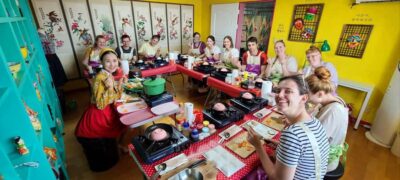
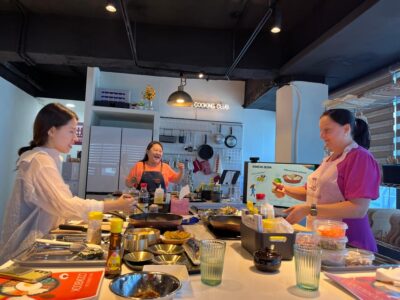
Once you’re in the studio, the vibe changes from market roaming to focused cooking. The studio is described as clean and organized, and the setup is designed for learning rather than chaos.
You’ll get placed at a personal cooking station with the equipment you need. Reviews mention each person having a private area and individual burners, which is a huge quality-of-time upgrade. If you’ve ever taken a class where one stove is shared by the whole group, you know the frustration: waiting is how fun dies. Here, you cook as you go.
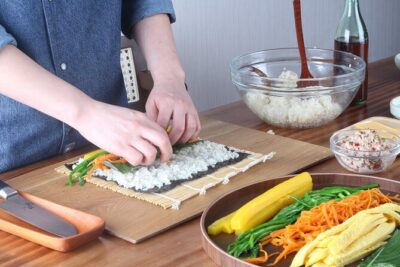
The class is also explicitly not a demo. You’ll prepare food yourself, and Jomin walks you through key steps—things like chopping for bibimbap, mixing components, and managing heat while sauces reduce or stew simmers. You also get the chance to eat what you make right there, so you can judge texture and flavor while it’s still warm.
One more practical win: you’re set up with ingredients for your dishes. That lowers the mental load and keeps you in the moment. You can ask questions without feeling like you’re missing half the pantry.
Roll up your sleeves in another Korean kitchen
The Three-Dish Menu: What you might cook and why it’s a smart mix
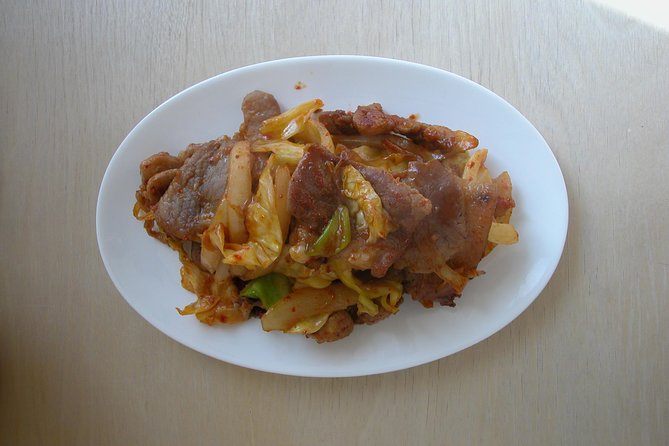
The class is structured around three authentic Korean dishes. The exact menu can vary, but the common lineup includes dishes like:
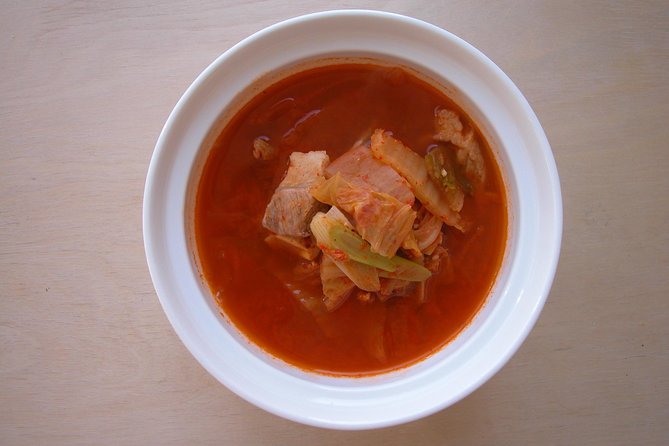
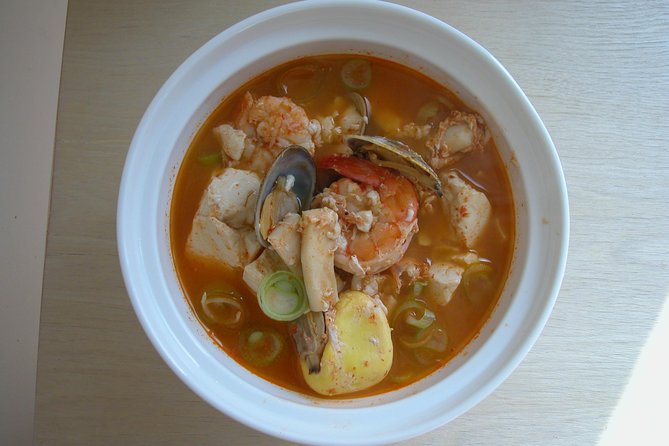
- Soft tofu stew (Sundubu Jjigae)
- Bibimbap
- Bulgogi
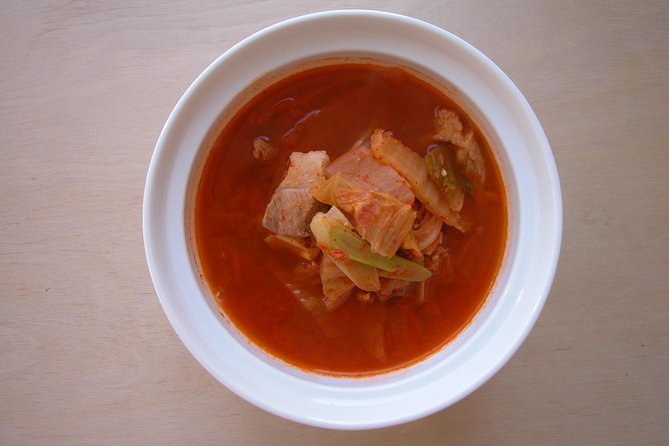
- Kimchi stew
- Japchae
- Stir-fried pork
I like this mix because it covers different Korean cooking styles. Stew teaches you simmering and seasoning. Bulgogi teaches you marinating and caramelization. Bibimbap teaches you assembly—how to balance toppings, sauces, and heat.
In at least some sessions, the process can get hands-on with broth ingredients. One review mentions making stock from scratch and also tasting rice wine, plus seafood ingredients like prawns and anchovies. Another review describes buying clams and soft tofu for the stew. You should expect that details may shift with the market and the class’s specific chosen menu—but the teaching focus stays the same: you learn technique, not just ingredients.
A note on kimchi and banchan: multiple reviews mention explanations about kimchi and banchan. That matters because Korean side dishes are part of the meal’s structure. When you understand that role, you cook more confidently at home.
Korean food culture in practice: banchan, kimchi, and the why behind the flavors
Cooking classes can be purely mechanical. This one aims to give you context for how Korean food works as a system: soup, main dish, and sides that play off each other.
During the market walk, Jomin points out ingredients tied directly to the dishes you’ll cook. That builds intuition for Korean flavors like fermented tang (often linked to kimchi), the deep savoriness of broths, and the sweetness-salt balance that shows up in marinades.
In the studio, you see those ideas become real food. Bibimbap is a good example: it’s not only rice and vegetables. It’s how everything gets coordinated—how you season, how sauces coat, and how the final combination tastes when hot and fresh.
If you’re the type who wants to cook Korean food again at home, pay attention to what she highlights: her step-by-step guidance and answers to questions are designed to help you understand the dish. Reviews mention explanations of the cooking process and ingredient roles, even for people who are new to cooking.
Also, the market portion gives you cultural context that you won’t get from a recipe card. You learn what people actually buy and eat, and you taste street foods along the way. That makes the dishes feel less like imported trends and more like everyday Seoul food.
Cookbook + leftovers: how you keep eating the class after it ends
The final meal is great, but the best classes help you keep going after. Here, you take home two big pieces of value.
First, there’s a professionally designed cookbook. Reviews mention it includes the dishes you cooked and also other favorites Jomin recommends. That’s useful because it prevents the “one-and-done” problem. You get a roadmap for what to cook next, not just a report of what you did today.
Second, you can take home leftovers. Reviews mention take-home bowls, and the class sets up leftovers so you can continue the meal later. That matters more than it sounds. Three dishes can easily become your whole dinner plan, and leftovers turn that into two or three dinners without extra work.
If you’re traveling, this also helps you avoid repeating restaurant meals at higher prices. If you’re cooking at home later, the cookbook plus your memory of what the food should taste like is a big advantage.
Price and value: Is $79 a fair deal in Seoul?
At $79 per person for about 3 hours 30 minutes, this class stacks a lot into one experience: market time, ingredient guidance, a small-group cooking session, the food itself, a designed cookbook, and take-home leftovers.
You’re not just paying for someone to show you steps. You’re paying for:
- Instructor time in a small group (max four)
- A studio setup with individual stations and burners
- Ingredient learning at Mangwon Market
- Written recipes you can use again
- A complete meal plus leftovers
For me, the value comes from the combination. Many cooking classes only do the cooking part. This one gives you both the market “why” and the studio “how.” That turns the day into something more practical than a one-time memory.
Price also matters for risk. If you’re unsure you’ll enjoy cooking, a smaller group helps. You get help when you need it, and you don’t waste the session waiting for turns.
Should you book this Korean cooking class or skip it?
I’d book it if you want a hands-on Seoul food experience that teaches technique, not just tasting. It’s especially strong for first-timers who want to learn Korean flavors step-by-step and leave with a cookbook that’s actually designed for home use.
Skip it only if you dislike cooking with structure or you need a super-fixed schedule with no flexibility. The class can be rescheduled or canceled if the minimum number of guests (4) isn’t met, so build in a backup plan. Also, menus can vary, so if you only care about one specific dish, check what’s offered for your date.
If you’re curious about Korean food culture and want to go beyond ordering in restaurants, this is a smart use of time. You walk out with recipes, flavors you understand, and a meal you already know how to reproduce.
FAQ
Where do I meet for the class?
You meet at Mangwon Station in Seoul, South Korea, specifically at Line 6 entrance 2.
How long is the experience?
It runs for about 3 hours 30 minutes.
Is it a small group or large class?
It’s designed for small groups, with a maximum of four people. The overall activity lists a maximum of 11 travelers.
What dishes will we cook?
The menu is a three-course set and may include dishes like soft tofu stew, bibimbap, bulgogi, kimchi stew, japchae, or stir-fried pork.
Do they offer vegetarian or vegan options?
Yes. Vegetarian and vegan options are available.
Is this hands-on cooking or a presentation?
It’s hands-on, not a demo. You’ll cook at your own station and eat the food you make.
What do I take home?
You take home a professionally designed cookbook, plus yummy leftovers (take-home bowls are mentioned in reviews).
What happens if the minimum number of guests is not met?
If the minimum guest requirement isn’t met, the class can be rescheduled or canceled, with either an alternative date/experience or a full refund.
What is the cancellation policy?
You can cancel free of charge up to 24 hours in advance for a full refund. Canceling less than 24 hours before the experience start time does not receive a refund.
More Tour Reviews in Seoul
- Best DMZ Tour Korea from Seoul (Red Suspension Bridge Optional)★ 5.0 · 41,422 reviews
- DMZ Tour: 3rd Tunnel, Option(Suspension Bridge, Boat) from Seoul★ 5.0 · 21,373 reviews
- DMZ tour south Korea from Seoul (NK experience hall, defector)★ 5.0 · 20,599 reviews
- Seoul: DMZ Tour with Optional Suspension Bridge★ 4.8 · 5,277 reviews
- Seoul: DMZ The 3rd Tunnel and Suspension Bridge Tour★ 5.0 · 4,656 reviews
Back in the Korean Kitchen
- Local Home Korean Cooking Class & Market Adventure in Seoul★ 5.0 · 1,024 reviews
- Master Korean traditional cooking with a Kimchi chef★ 5.0 · 385 reviews
- Seoul: Korean Cooking Class at a Local Home and Market Tour★ 5.0 · 348 reviews
- Seoul: Korean Cooking at Seoul Cooking Club!★ 5.0 · 311 reviews
- Korean Cooking at Seoul Cooking Club★ 5.0 · 220 reviews
Eat Your Way Further Through Seoul
- Seoul: Gyeongbok Palace, Bukchon Village, and Gwangjang Tour★ 4.9 · 2,321 reviews
- Seoul Street Food Market Tour★ 5.0 · 1,226 reviews
- Seoul: Gyeongbok Palace, Bukchon Village, and Gwangjang Tour★ 5.0 · 1,044 reviews
- Local Home Korean Cooking Class & Market Adventure in Seoul★ 5.0 · 1,024 reviews
- Seoul: Night Market Food Tour with Local Guide★ 4.9 · 943 reviews
Just added to Exploring Seoul





Korean Food & Market Tours, compared.
 ★ 4.9Gyeongbok Palace, Bukchon Village, and Gwangjang TourFrom $322,321 reviews
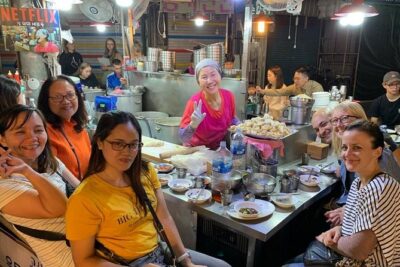 ★ 5.0Seoul Street Food Market TourFrom $731,226 reviews
★ 5.0Gyeongbok Palace, Bukchon Village, and Gwangjang TourFrom $321,044 reviews
★ 5.0Seoul Street Food Market TourFrom $731,226 reviews
★ 5.0Gyeongbok Palace, Bukchon Village, and Gwangjang TourFrom $321,044 reviews
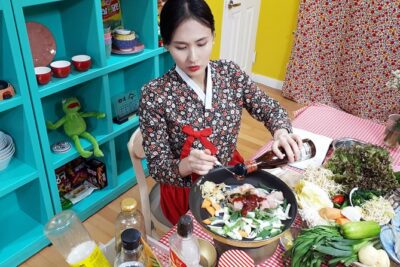 ★ 5.0Local Home Korean Cooking Class & Market Adventure in SeoulFrom $911,024 reviews
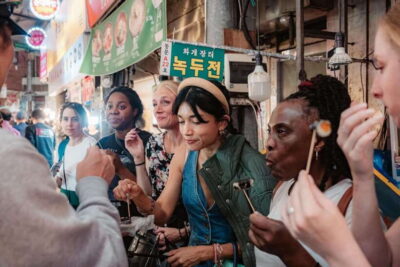 ★ 4.9Night Market Food Tour with Local GuideFrom $73943 reviews
 ★ 4.9Palace, Temple and Market Guided Foodie Tour at NightFrom $60750 reviews
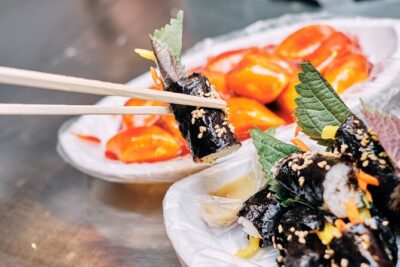 ★ 5.0Downtown Seoul Guided Food & Market Tour with 8+ Local TastingsFrom $98580 reviews
 ★ 5.0Drinking and Eating through the Alleys of SeoulFrom $85364 reviews
Browse the lists this tour appears in