
Reviewed · KOREAN COOKING & KIMCHI CLASSES
Seoul : Taste of Korea, Authentic Home-Style Cooking Class
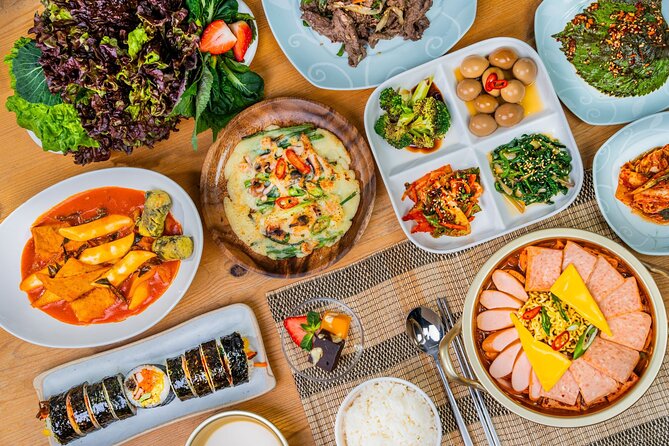
Korean cooking is the fastest shortcut to taste. This Seoul home-style cooking class centers on Hansik, with you cooking classic dishes step by step, then eating a full meal that follows the same comfort-food logic Koreans grow up with.
I love how hands-on it is. You’re not just watching; you’re making gimbap, tteokbokki, haemulpajeon, and budaejjigae with guidance, plus you get digital recipes to take home.
One thing to keep in mind: come hungry. The portions are generous, and you’ll leave full, with leftovers mentioned again and again.
In This Review
- Quick hits before you book
- A Seoul cooking class that feels like the host made room for you
- What you cook: 4 Hansik dishes in real home-style style
- Gimbap (Korean rice rolls)
- Tteokbokki (spicy rice cakes with gochujang)
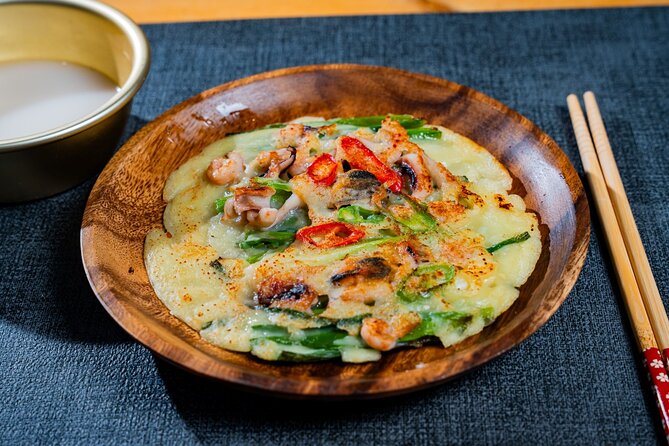
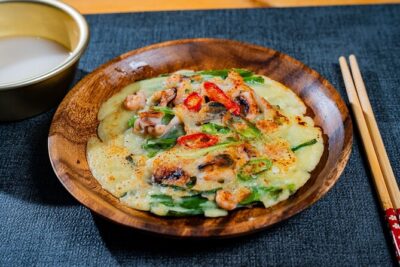
- Haemulpajeon (seafood green onion pancake)
- Budaejjigae (Korean army stew)
- How the 3-hour class actually flows
- Teaching style: why Jennifer’s approach gets such strong marks
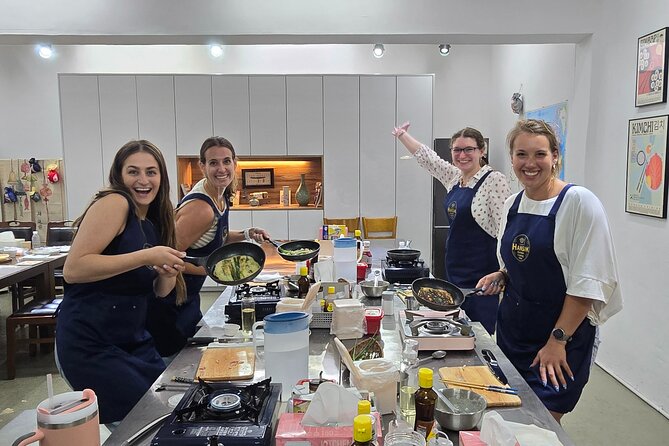
- The kitchen setup: clean stations and hands-on stations that make sense
- After you cook: tea, snacks, Sikhye, Makgeolli, and dessert
- Location: Jongno District meeting point near public transit
- Price and value: $89 for hands-on cooking plus a full meal
- Who this is best for (and who might want another option)
- Tips to get better results during your class
- Practical FAQ for planning your Hansik class
- FAQ
- How long is the Seoul Taste of Korea cooking class?
- What dishes will I cook during the class?
- Is there more than one session time?
- What’s the group size?
- Are there dietary accommodations?
- What drinks are included, and is alcohol served?
- Where do I meet the group?
- How do I receive the ticket?
- When will I get confirmation after booking?
- What if the weather is bad or I need to cancel?
- Should you book this Hansik home-style cooking class?
Quick hits before you book
- Small group, max 10 people keeps the teaching personal
- Jennifer leads the class with patient, step-by-step help
- You cook 4 dishes from scratch at clean dedicated stations
- Full-course meal plus Korean tea, Sikhye, and Makgeolli (21+)
- Dietary adjustments are supported with alternative recipes
- Digital recipes help you repeat the food back home
Roll up your sleeves in another Korean kitchen
- Local Home Korean Cooking Class & Market Adventure in Seoul★ 5.0 · 1,024 reviews
- Master Korean traditional cooking with a Kimchi chef★ 5.0 · 385 reviews
- Seoul: Korean Cooking Class at a Local Home and Market Tour★ 5.0 · 348 reviews
- Seoul: Korean Cooking at Seoul Cooking Club!★ 5.0 · 311 reviews
A Seoul cooking class that feels like the host made room for you
There’s a big difference between a Korean cooking show and Korean home-style cooking. Here, the focus is on how people actually eat: comfort dishes, familiar ingredients, and technique you can reproduce.
The class runs about 3 hours and is capped at 10 travelers, which matters more than it sounds. In a small group, you can ask questions and get real feedback on your knife work, seasoning, and heat control.
The instructor, Jennifer, and her team set a friendly tone. Reviews call her chatty, funny, and supportive, and that kind of relaxed energy turns cooking into something you remember, not something you rush through.
What you cook: 4 Hansik dishes in real home-style style
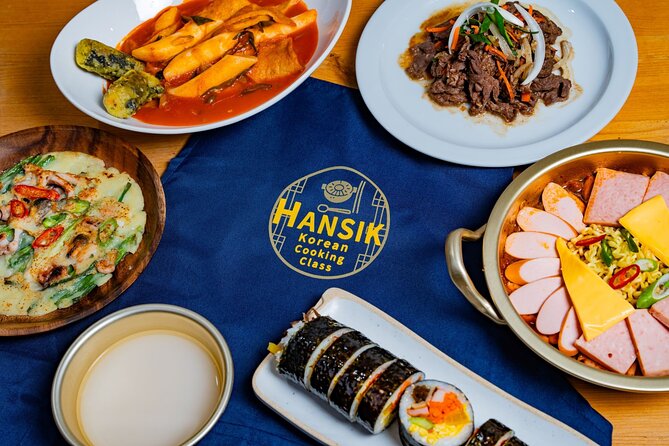
This class is built around four classics. You’ll practice core Korean flavors and techniques through foods that are easy to recognize and satisfying to make.
Gimbap (Korean rice rolls)
Gimbap is a Korean “everyday special.” It’s the kind of food you bring on outings and share without fuss. You’ll learn how to assemble the roll and work with fillings, so it’s not just rolling practice—it’s building a structure you can repeat at home.
The best part for first-timers: gimbap teaches you discipline. Rice handling and filling balance matter, and the class format helps you get there without guessing.
A handful of other Seoul experiences to line up next
Tteokbokki (spicy rice cakes with gochujang)
Tteokbokki is where Korean home cooking shows its personality: sweet, spicy, and thickened into a glossy sauce. You’ll make it with rice cakes and gochujang-style heat, learning how the sauce changes as it cooks.
A practical reason this dish is included: it’s one of the most “you can make it again later” recipes. Once you understand the sauce thickness and seasoning balance, you can tweak it for your own spice tolerance.
Haemulpajeon (seafood green onion pancake)
Pancakes might sound simple, but haemulpajeon is technique-heavy in a good way. You learn how batter and toppings behave—how it fries and sets, and how you avoid a limp result.
This is also a crowd-pleaser dish to learn because it’s flexible. If your preferences change, you can adjust the seafood or add-ins while keeping the pancake method.
Budaejjigae (Korean army stew)
Budaejjigae is hearty and forgiving: a bubbling stew built for satisfaction. It’s also a great “cooking class finale” dish because it rewards attention and timing, not perfection.
If you like meals that feel like a reset button after a long day in the city, this is that. You’ll get hands-on practice with stew-building fundamentals—how flavors come together and how the pot becomes the center of the table.
How the 3-hour class actually flows
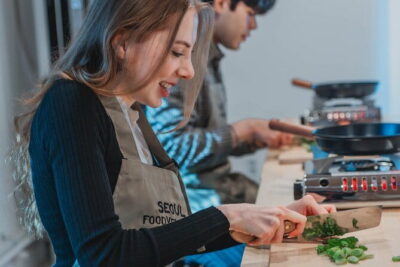
There’s no need to be an experienced cook. The structure is designed for learning, with you working at the stations as the instructor explains each stage.
You can expect a rhythm like this:
- You’ll start with ingredients and guidance
- You’ll cook each dish through key steps, with support when you get stuck
- You’ll finish by eating the course-style meal that matches what you made
From the reviews, the pace is described as well managed, and teachers are patient when you hit a snag. That matters for dishes like pancakes and stews, where tiny timing differences can make a big result.
Teaching style: why Jennifer’s approach gets such strong marks
What stood out most is the combination of instruction and letting you do the work. Jennifer is repeatedly praised for being patient and supportive while still giving you room to succeed on your own.
You’ll also see small teaching touches beyond recipes. Reviews mention learning history and language points connected to the dishes. That turns a cooking class into cultural context you can actually use.
For example, when someone explains what makes a dish a classic home food, it helps you understand why flavors taste balanced. It’s not just, add this and stir; it’s, this is the point of the flavor.
The kitchen setup: clean stations and hands-on stations that make sense
The class takes place in a fresh, hygienic workshop-style kitchen with dedicated cooking stations. That’s important for two reasons.
First, you can focus on technique without feeling like you’re cooking in someone’s crowded space. Second, stations support learning because multiple people are working at once and the instructor can circulate.
The small group size also keeps the kitchen experience calm. You’re not waiting for equipment or fighting for counter space.
After you cook: tea, snacks, Sikhye, Makgeolli, and dessert
Cooking makes the meal taste better. That’s the simple truth.
Once dishes are done, you’ll be served a full-course home meal with Korean tea and snacks. You’ll also get Sikhye (a Korean rice punch) and Makgeolli (Korean rice wine), plus dessert.
Two practical notes:
- Alcohol is only served to travelers 21+. If you’re under 21, you’ll be served non-alcoholic drinks.
- Portions are big. Reviews specifically mention leaving very full and even taking food home.
If you’ve ever taken a cooking class and then felt snack-only afterward, this one doesn’t do that. The meal is part of the value.
Location: Jongno District meeting point near public transit
The meeting point is at 31-5 Jahamun-ro, Jongno District, Seoul. The good news is that it’s described as near public transportation, so you’re not guessing your way through the city on foot with sticky hands from cooking.
It’s also described as easy to find with clear directions. That’s more important than it sounds when you’re trying to start on time and not stress about where to put your jacket and bag.
Price and value: $89 for hands-on cooking plus a full meal
At $89 per person for about 3 hours, this class is priced for what you actually get: instruction, ingredients, and a meal that isn’t an afterthought.
Here’s how I’d judge the value:
- You cook four dishes yourself, not just one
- You receive digital recipes, which adds longer-term value
- You eat a full-course home meal plus drinks like tea, Sikhye, and Makgeolli, and dessert
- The group size stays small (max 10), which makes the experience feel less like a factory class
If you like Korean food and want a skill you can repeat, that price starts to look fair fast. If you’re only looking for photos or a quick taste without learning technique, you might find it more than you need.
Who this is best for (and who might want another option)
This is a great fit if:
- You love Hansik and want to understand the flavors, not just order dishes
- You’re the type who cooks at home and wants recipes you can follow later
- You want a social activity that still feels like real work (in a good way)
It’s also a nice option for families, since reviews mention kids enjoying the hands-on parts and the teacher accommodating different skill levels.
You might consider another activity if:
- You want a sightseeing-first day and don’t want to spend your time in a kitchen
- You’re not interested in cooking enough to make the effort worthwhile
- You have a strong aversion to foods like gochujang-spiced dishes or seafood pancakes
Tips to get better results during your class
You’ll enjoy this more if you go in with a simple plan.
First, arrive ready to cook. The class is designed so you leave with full belly and sometimes leftovers, but it’s still easier when you don’t fight hunger or energy crashes.
Second, pay attention to sauce and heat. Dishes like tteokbokki and budaejjigae can change quickly as they thicken or simmer. Ask questions if you see the texture moving away from what the instructor is describing.
Third, take the digital recipes seriously. Don’t treat them like a souvenir. If you read them the night of your class, you’ll remember what your hands learned and you’ll cook closer to the class version.
Practical FAQ for planning your Hansik class
FAQ
How long is the Seoul Taste of Korea cooking class?
It runs for about 3 hours.
What dishes will I cook during the class?
You’ll make Korean home-style dishes including gimbap, tteokbokki, haemulpajeon, and budaejjigae.
Is there more than one session time?
Yes. The class offers convenient morning or evening sessions, so you can choose the time that fits your day.
What’s the group size?
The class has a maximum of 10 travelers.
Are there dietary accommodations?
Yes. If you have dietary restrictions or preferences, alternative recipes can be offered.
What drinks are included, and is alcohol served?
You’ll get Korean tea, Sikhye, and dessert, and Makgeolli is included. Alcohol is only served to travelers 21 years old and above; under 21, you’ll be served non-alcoholic drinks.
Where do I meet the group?
The meeting point is 31-5 Jahamun-ro, Jongno District, Seoul, South Korea, and the activity ends back at the meeting point.
How do I receive the ticket?
You’ll receive a mobile ticket.
When will I get confirmation after booking?
You’ll receive confirmation at the time of booking.
What if the weather is bad or I need to cancel?
You can cancel for a full refund up to 24 hours in advance. The experience requires good weather; if it’s canceled due to poor weather, you’ll be offered a different date or a full refund.
Should you book this Hansik home-style cooking class?
If your goal is real Korean cooking skills—hands-on, repeatable, and served with a satisfying home meal—this is an easy yes.
The standout strengths are the small group size, the strong teaching support from Jennifer and her team, and the fact you actually cook four dishes and then eat a full course meal with Korean drinks. If you’re hungry for Hansik and you want to bring something back you can make at home, book it.
If you’re mainly after a quick food hit, you might feel the value is better for people who truly want to learn technique. But if you’re game to roll gimbap, manage sauce in tteokbokki, and fry a proper pancake, you’ll leave with both memories and recipes.
More Cooking Classes in Seoul
- Local Home Korean Cooking Class & Market Adventure in Seoul★ 5.0 · 1,024 reviews
- Master Korean traditional cooking with a Kimchi chef★ 5.0 · 385 reviews
- Seoul: Korean Cooking Class at a Local Home and Market Tour★ 5.0 · 348 reviews
- Seoul: Korean Cooking at Seoul Cooking Club!★ 5.0 · 311 reviews
- Korean Cooking at Seoul Cooking Club★ 5.0 · 220 reviews
More Tour Reviews in Seoul
- Best DMZ Tour Korea from Seoul (Red Suspension Bridge Optional)★ 5.0 · 41,422 reviews
- DMZ Tour: 3rd Tunnel, Option(Suspension Bridge, Boat) from Seoul★ 5.0 · 21,373 reviews
- DMZ tour south Korea from Seoul (NK experience hall, defector)★ 5.0 · 20,599 reviews
- Seoul: DMZ Tour with Optional Suspension Bridge★ 4.8 · 5,277 reviews
- Seoul: DMZ The 3rd Tunnel and Suspension Bridge Tour★ 5.0 · 4,656 reviews
Back in the Korean Kitchen
- Local Home Korean Cooking Class & Market Adventure in Seoul★ 5.0 · 1,024 reviews
- Master Korean traditional cooking with a Kimchi chef★ 5.0 · 385 reviews
- Seoul: Korean Cooking Class at a Local Home and Market Tour★ 5.0 · 348 reviews
- Seoul: Korean Cooking at Seoul Cooking Club!★ 5.0 · 311 reviews
- Cook 3 Authentic Korean Dishes with Local Market Tour★ 5.0 · 231 reviews
Just added to Exploring Seoul





Korean Cooking & Kimchi Classes, compared.
 ★ 5.0Local Home Korean Cooking Class & Market Adventure in SeoulFrom $911,024 reviews
 ★ 5.0Master Korean traditional cooking with a Kimchi chefFrom $85385 reviews
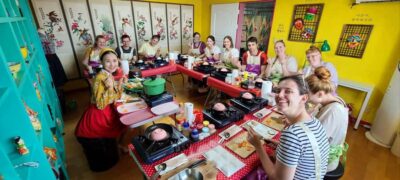 ★ 5.0Korean Cooking Class at a Local Home and Market TourFrom $98348 reviews
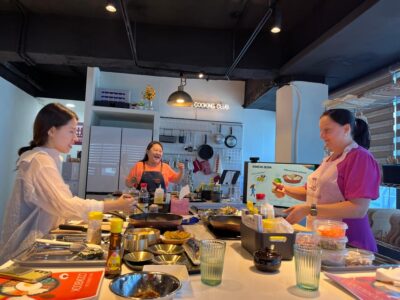 ★ 5.0Korean Cooking at Seoul Cooking Club!From $109311 reviews
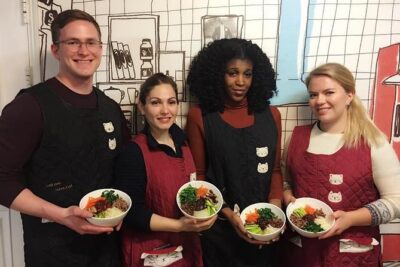 ★ 5.0Cook 3 Authentic Korean Dishes with Local Market TourFrom $79231 reviews
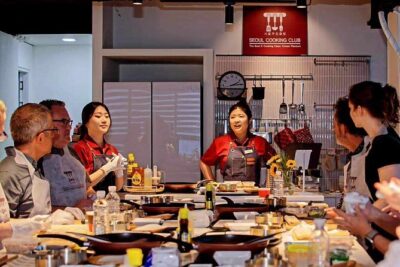 ★ 5.0Korean Cooking at Seoul Cooking ClubFrom $109220 reviews
 ★ 4.9Taste of Korea, Authentic Home Style Cooking ClassFrom $89166 reviews
Experience Korean Cooking in Modern Hanok KitchenFrom $87118 reviews
★ 4.9Taste of Korea, Authentic Home Style Cooking ClassFrom $89166 reviews
Experience Korean Cooking in Modern Hanok KitchenFrom $87118 reviews
Browse the lists this tour appears in