
Reviewed · KOREAN COOKING & KIMCHI CLASSES
(Seoul) Korean Cooking Class with a Professional Chef
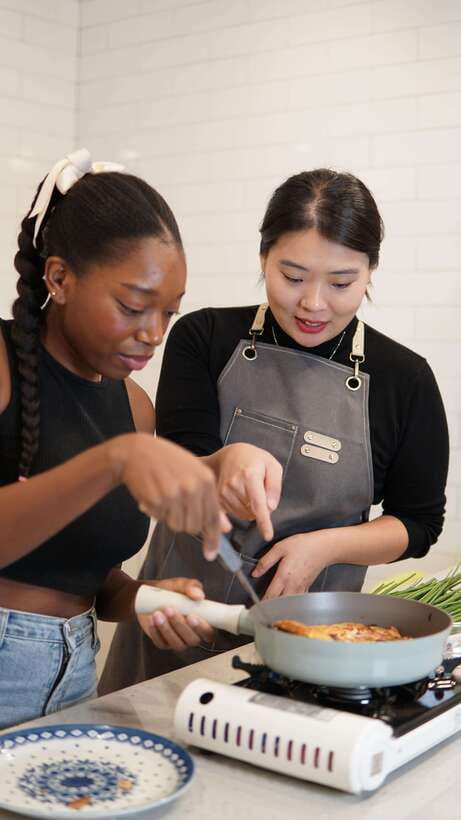
A tiny kitchen beats big tours. This Korean Cooking Class with a professional chef puts you at your own station in a small Gyeonggi Province studio, where you cook at home pace instead of watching from the back.
I especially like the max-3 small group setup. You get real guidance while you cook, and you finish with a meal you can actually recreate later thanks to the recipe cards, plus photos and videos after class.
One caution: there’s no spectator setup, since only paid guests actively taking part can stay inside during the lesson. If you’re traveling with friends or family, plan on them eating nearby instead of waiting in the studio.
In This Review
- Key highlights you’ll care about
- Meet Da-ye and the cooking-class vibe in her studio
- Pick your day: which Korean dishes you’ll cook
- Welcome drink and the real flow of a 2.5-hour class
- Why max-3 matters more than you think
- What you get after class: recipes, photos, and confidence
- Price and value: is $105 really fair?
- Logistics to plan for (without the headache)
- Who should book this cooking class?
- Should you book it? My straight answer
- FAQ
- How long is the cooking class?
- How big is the group?
- What language is the instructor?
- What dishes can I expect to cook?
- Does the class include food and drinks?
- Is there a vegan option?
- Is the class suitable for children?
- What is the cancellation policy?
Key highlights you’ll care about
- Max 3 participants means less waiting and more hands-on time
- English instruction so you can follow along without guessing
- Da-ye, the chef-owner, teaches Korean home methods and classroom-friendly tricks
- You eat what you cook, with complimentary rice and kimchi
- Day-by-day menu options, including a dedicated vegan class on Fridays
- Recipe cards plus photos and videos to help you repeat the dishes at home
Roll up your sleeves in another Korean kitchen
- Local Home Korean Cooking Class & Market Adventure in Seoul★ 5.0 · 1,024 reviews
- Master Korean traditional cooking with a Kimchi chef★ 5.0 · 385 reviews
- Seoul: Korean Cooking Class at a Local Home and Market Tour★ 5.0 · 348 reviews
- Seoul: Korean Cooking at Seoul Cooking Club!★ 5.0 · 311 reviews
Meet Da-ye and the cooking-class vibe in her studio
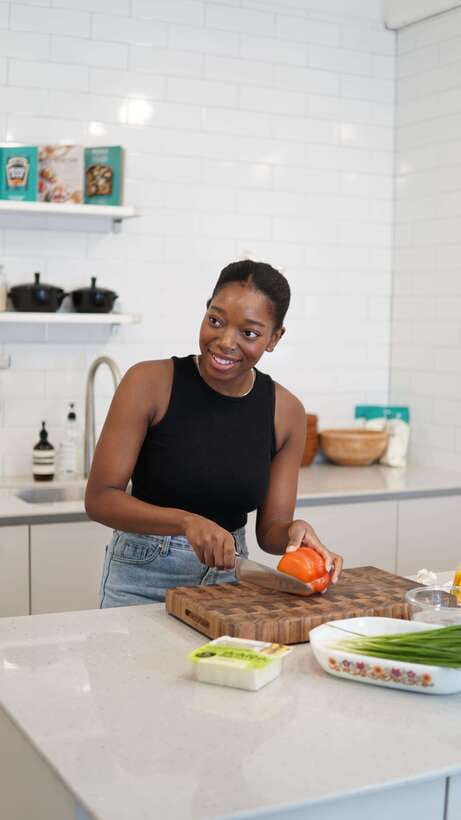
This class is led by Da-ye, who runs Ricely Cooking Studio and also owns the British brunch cafe Nosh in Seoul. She’s not just teaching recipes from a sheet. She brings a background in hotel culinary arts and a long teaching track, including experience working with dietary needs and tastes across different cultures.
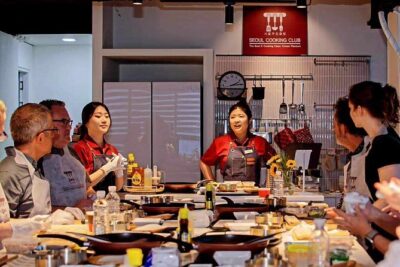
The best part for me is the atmosphere: relaxed, practical, and unhurried. You’re not being rushed through steps so the class can move on. Instead, you cook at your own station, learn the why behind common Korean home techniques, then sit down and eat what you made while the lesson timing still feels reasonable.
And yes, she teaches in English. That matters here because small details in cooking technique are where everything gets better—knife work, heat control, timing for sauces, and how you build flavor without turning the kitchen into a science lab.
Pick your day: which Korean dishes you’ll cook
One smart feature is that the class menu shifts by weekday. So before you book, look at the day that matches what you’re craving most. You’re not stuck with a random dish list.
Mon & Tue: Korean home-cooked meal with three mains
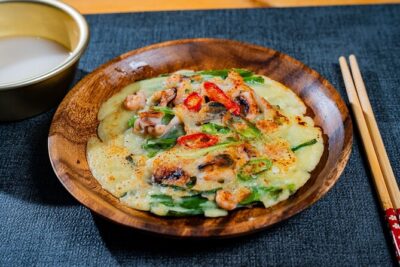
You’ll cook a beef bulgogi plate paired with seafood pa-jeon (seafood spring onion pancake), plus pork kimchi jjigae. This is the classic combo that gives you sweet-savory beef, a crisp savory pancake element, and a warm, tangy stew.
Wed: Korean street food style (bunsik)
Expect tteok-bokki, Korean fried chicken (dakgangjeong), and mini kimbap. This is the day for comfort-food energy, with chewy rice cakes, sticky fried chicken, and kimbap that works like a handheld break in the meal.
Thur: Another home-cooked set with bold fermented flavors
The set includes dakgalbi, kimchi jeon, and doenjang jjigae (soy bean paste stew). If you like bold fermented depth, this is a great match. Doenjang jjigae especially teaches the kind of slow-building flavor Korean cooks rely on.
Fri: Vegan Korean home-cooked meal
Friday shifts gears with bibimbap, japchae, and doenjang jjigae in a vegan-friendly format. This is valuable if you want Korean flavor without animal products, and it also helps you understand which ingredients and textures matter most when you’re building a Korean meal.
Welcome drink and the real flow of a 2.5-hour class
The total class time is 2.5 hours, and that includes both cooking and eating. That’s important because you get time to sit down and taste your work, not just shove it down while the group moves on.
Here’s the rhythm you can expect:
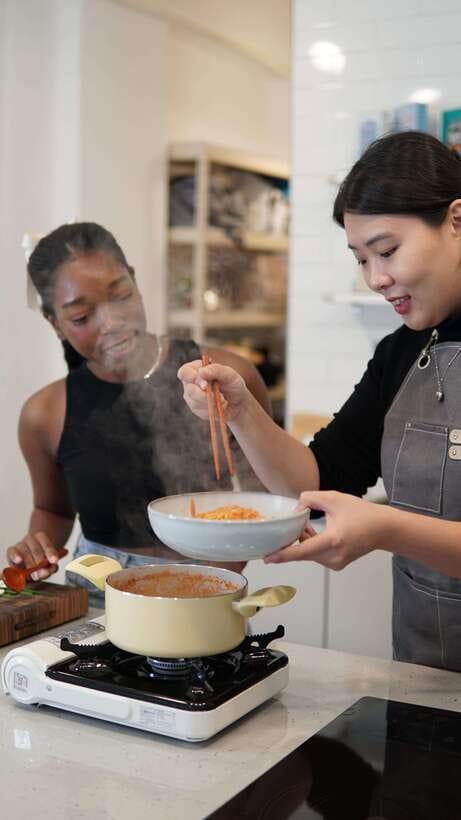
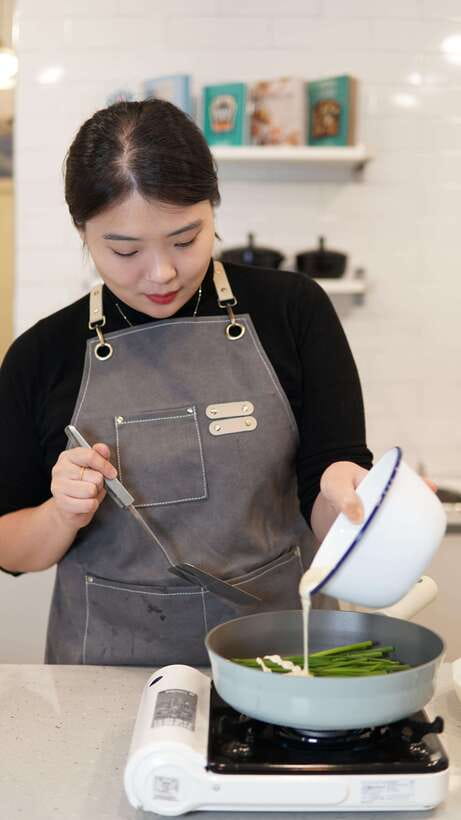
You start with a welcome coffee or drink. It’s a small touch, but it sets the tone. Then you’ll cook from start to finish at your own station, with Da-ye guiding you in English and offering the sort of small, practical tips Koreans use at home.
As you cook, you’ll learn how to prepare your chosen dishes, not just assemble them. The goal is skill-building: you should leave knowing what to do first, what can wait, what you should not overcook, and how to adjust flavor as you go.
Finally, you eat. The meal includes what you made, plus complimentary rice and kimchi, along with drinks during the meal. This is one of those underrated parts of cooking classes: rice and kimchi are how you experience the meal as Koreans do, not just as a plated cooking project.
A handful of other Seoul experiences to line up next
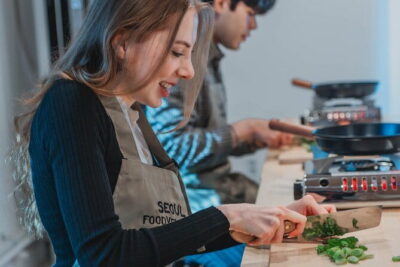
Why max-3 matters more than you think
A lot of cooking classes advertise small groups, but this one is truly limited—up to three people at a time. In a kitchen, that’s the difference between standing still and actually practicing.
With only a few participants, Da-ye can correct technique quickly. That can mean changing how you hold your knife, how you manage heat, how you mix a sauce, or when to stop cooking so food stays tender instead of turning rubbery.
You also get time to ask real questions. When the class is packed, questions become stressful. Here, the pace stays conversational, and the intimate setup makes the lesson feel more like a guided meal you can learn from than a performance you watch.
One more practical benefit: you’re less likely to end up hungry at the end. One of the common compliments from past lessons is that you leave with a full belly and enough food to take home. Even if you don’t rely on leftovers, it’s nice knowing your effort won’t vanish into a sink after service.
What you get after class: recipes, photos, and confidence

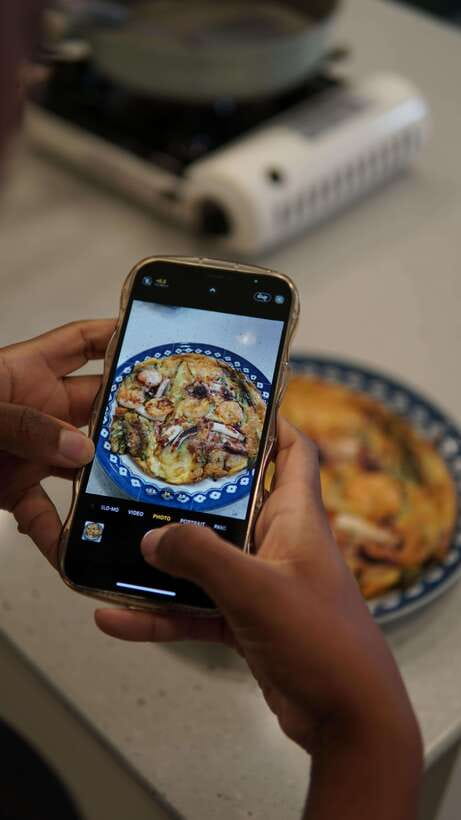
I love when cooking classes teach you how to cook, not just how to follow steps once. This class gives you recipe cards after the lesson, and they also provide photos and videos. That combination helps you remember texture and timing, not just ingredients.
A recipe card helps you grocery-shop and replicate. Photos show what finished food should look like. Videos and pictures are especially helpful when the key skill is visual—like the color you’re aiming for in a sauce, or the doneness you can see before things overcook.
It also helps that the teaching focuses on tips and tricks used by Koreans when cooking at home. That can be the small things you’d otherwise miss, like how flavors balance in stew, or how you build the final taste before serving.
Price and value: is $105 really fair?
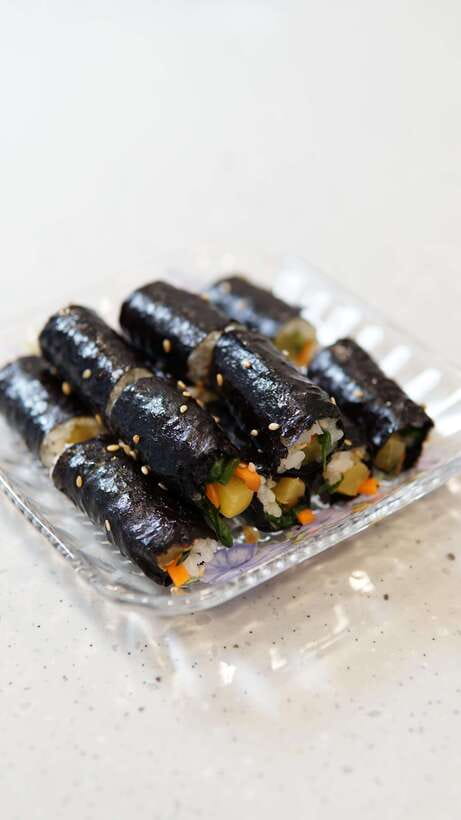
At $105 per person for a 2.5-hour, pro-led class, you’re paying for three things: the chef’s time, the small-group kitchen setup, and the meal experience.
In plain terms, you’re not just buying ingredients. You’re buying:
- One-on-one or close guidance in a kitchen (small group size)
- Cook-and-eat time (not just a demo)
- Materials you take home (recipe cards, plus photos and videos)
If you tried to recreate this at home from scratch, you’d spend money on ingredients anyway—and you’d still be guessing on technique. The value is strongest if you’re the type of traveler who wants usable skills, not just a photo of finished food.
If you’re only interested in tasting Korean dishes, you might find cheaper options. But if you want to learn how Koreans cook at home, the price starts to make sense fast.
Logistics to plan for (without the headache)
A few practical notes can save you frustration:
- The class is in Gyeonggi Province, not in central Seoul. Plan transit time so you arrive calm, not late.
- You get a separate entrance that helps you skip the line. That’s handy in busy areas.
- Only paid guests actively taking part are allowed inside during class. No spectators, no waiting area for friends or family members.
Also, the class is not suitable for children under 18. It’s designed for an adult cooking experience.
If you like flexible planning, the booking option includes reserve now & pay later and free cancellation up to 24 hours in advance. That helps if your travel schedule is still shifting.
Who should book this cooking class?
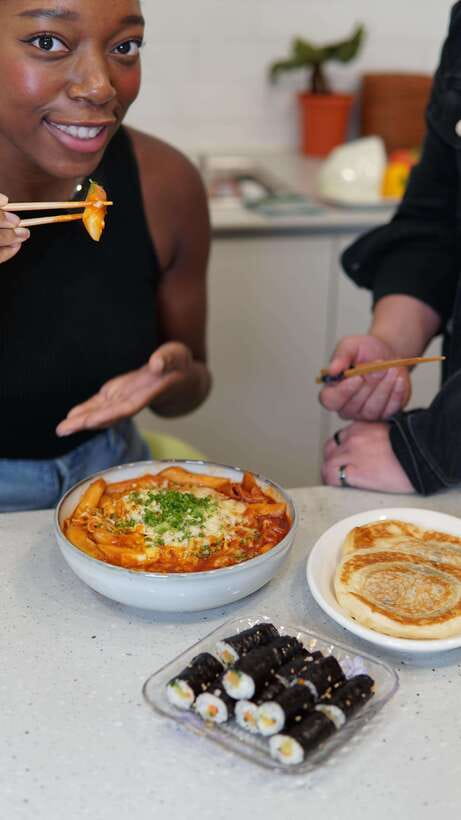
This is a great fit if:
- You want hands-on learning with serious guidance and not a crowded kitchen.
- You care about Korean flavor in the home style—bulgogi, jjigae, pancakes, fried chicken, rice, and kimchi.
- You want a class format that makes it easy to repeat dishes later with recipe cards and visuals.
- You’re traveling with food preferences. Friday’s option is clearly vegan, and the class is taught by someone experienced with different dietary needs.
It may not be ideal if:
- You want to come just to watch someone cook.
- You’re short on time and can’t spare the full 2.5 hours including eating.
Should you book it? My straight answer

If you’re excited by Korean comfort food and you want the kind of lesson that helps you cook again after your trip, I’d book this. The small group size and the mix of home-cooked sets, street food style, and a vegan day make it feel tailored instead of generic. Add the fact that you get recipe cards plus photos and videos, and this turns into a skill souvenir, not just a one-time meal.
If you’re traveling with people who just want to hang out and watch, plan ahead since the studio isn’t set up for spectators. And since it’s in Gyeonggi Province, build in transit time.
FAQ
How long is the cooking class?
The class lasts 2.5 hours, and that time includes both the cooking lesson and the time to enjoy the meal you make.
How big is the group?
It’s a small group limited to a maximum of 3 participants at a time.
What language is the instructor?
The instructor speaks English.
What dishes can I expect to cook?
The dishes vary by day. Examples include beef bulgogi with seafood pa-jeon and pork kimchi jjigae on Mon and Tue, tteok-bokki with dakgangjeong and mini kimbap on Wed, dakgalbi with kimchi jeon and doenjang jjigae on Thur, and vegan bibimbap with japchae and doenjang jjigae on Fri.
Does the class include food and drinks?
Yes. You’ll get a welcome coffee or drink, and during the meal you’ll have complimentary drinks, rice, and kimchi alongside what you cook.
Is there a vegan option?
Yes. Friday offers a vegan Korean home-cooked meal with bibimbap, japchae, and doenjang jjigae.
Is the class suitable for children?
No. It is not suitable for children under 18.
What is the cancellation policy?
You can cancel up to 24 hours in advance for a full refund.
More Cooking Classes in Seoul
- Local Home Korean Cooking Class & Market Adventure in Seoul★ 5.0 · 1,024 reviews
- Master Korean traditional cooking with a Kimchi chef★ 5.0 · 385 reviews
- Seoul: Korean Cooking Class at a Local Home and Market Tour★ 5.0 · 348 reviews
- Seoul: Korean Cooking at Seoul Cooking Club!★ 5.0 · 311 reviews
- Korean Cooking at Seoul Cooking Club★ 5.0 · 220 reviews
More Tour Reviews in Seoul
- Best DMZ Tour Korea from Seoul (Red Suspension Bridge Optional)★ 5.0 · 41,422 reviews
- DMZ Tour: 3rd Tunnel, Option(Suspension Bridge, Boat) from Seoul★ 5.0 · 21,373 reviews
- DMZ tour south Korea from Seoul (NK experience hall, defector)★ 5.0 · 20,599 reviews
- Seoul: DMZ Tour with Optional Suspension Bridge★ 4.8 · 5,277 reviews
- Seoul: DMZ The 3rd Tunnel and Suspension Bridge Tour★ 5.0 · 4,656 reviews
Back in the Korean Kitchen
- Local Home Korean Cooking Class & Market Adventure in Seoul★ 5.0 · 1,024 reviews
- Master Korean traditional cooking with a Kimchi chef★ 5.0 · 385 reviews
- Seoul: Korean Cooking Class at a Local Home and Market Tour★ 5.0 · 348 reviews
- Seoul: Korean Cooking at Seoul Cooking Club!★ 5.0 · 311 reviews
- Cook 3 Authentic Korean Dishes with Local Market Tour★ 5.0 · 231 reviews
Just added to Exploring Seoul



Korean Cooking & Kimchi Classes, compared.
 ★ 5.0Local Home Korean Cooking Class & Market Adventure in SeoulFrom $911,024 reviews
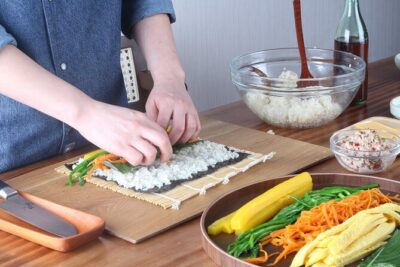 ★ 5.0Master Korean traditional cooking with a Kimchi chefFrom $85385 reviews
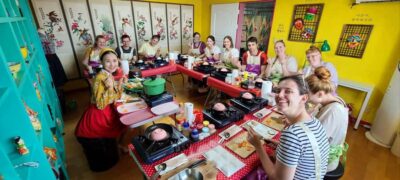 ★ 5.0Korean Cooking Class at a Local Home and Market TourFrom $98348 reviews
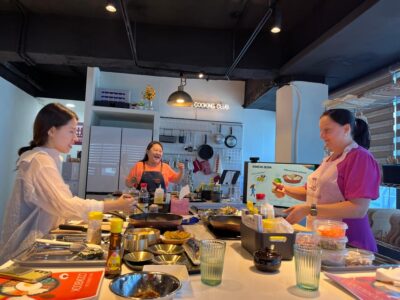 ★ 5.0Korean Cooking at Seoul Cooking Club!From $109311 reviews
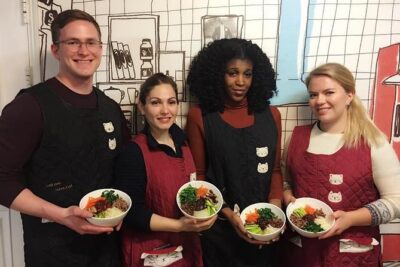 ★ 5.0Cook 3 Authentic Korean Dishes with Local Market TourFrom $79231 reviews
 ★ 5.0Korean Cooking at Seoul Cooking ClubFrom $109220 reviews
 ★ 4.9Taste of Korea, Authentic Home Style Cooking ClassFrom $89166 reviews
Experience Korean Cooking in Modern Hanok KitchenFrom $87118 reviews
★ 4.9Taste of Korea, Authentic Home Style Cooking ClassFrom $89166 reviews
Experience Korean Cooking in Modern Hanok KitchenFrom $87118 reviews
Browse the lists this tour appears in