
Reviewed · KOREAN COOKING & KIMCHI CLASSES
Seoul: Kimchi Dishes Cooking Class with Wine Pairing
Kimchi and wine in just two hours. This Seoul cooking class pairs kimchi tasting with wine pairing taught by Suyeon, a former wine bar owner and sommelier. You start by tasting different kimchi, then you cook a kimchi-based dish and sit down to share everything with your group.
I love that the class begins with a guided tasting of four kimchi types, so you understand what you’re making before you start cooking. I also love that you get both the hands-on dishes and Suyeon’s specialty course: aged kimchi with braised pork belly, finished with matching wine.
The main thing to consider: it’s a fast, active 2-hour session. You’re choosing one recipe from three options, so if you want a longer, slower meal or to cook everything, this setup might feel a bit tight.
In This Review
- Key things you’ll notice in this class
- Kimchi and wine near Gyeongbokgung: the setting that makes it easy
- Start with tasting: learning kimchi by flavor, not lectures
- Cooking time: choose one dish and learn the method behind it
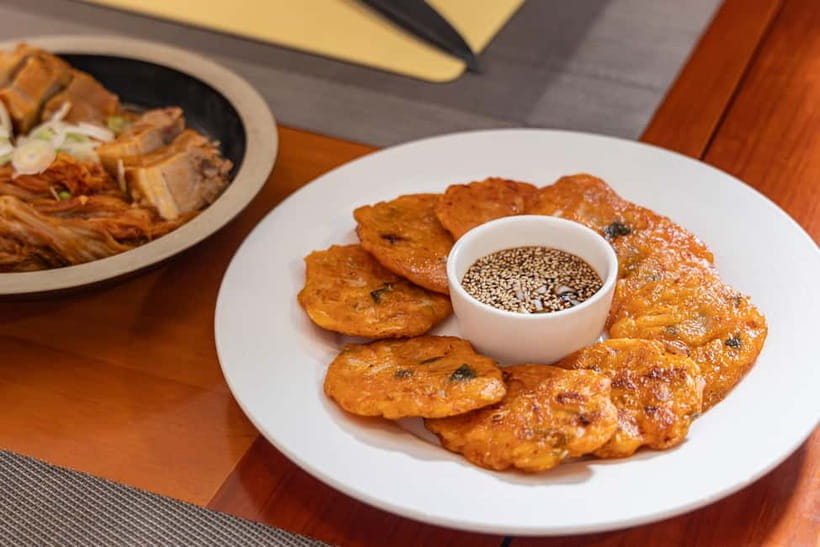
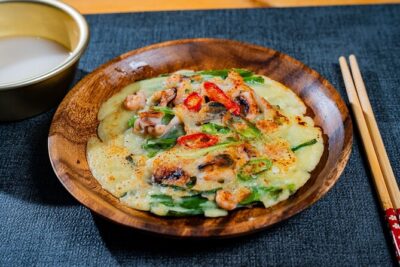
- Kimchi pancake: crisp edges and quick satisfaction
- White kimchi noodles: lighter flavor with comfort-food energy
- Radish-bacon stir-fried rice: salty, savory, and very doable
- The host’s specialty course: aged kimchi with braised pork belly
- Wine pairing: how Suyeon matches fermented flavor to glass
- Small-group format: you’ll cook more than you think
- Price and value: why $58 can make sense in Seoul
- Who should book this kimchi and wine class
- How to plan your day around the 2-hour class
- My take: what you’ll remember after you leave
- Should you book this Seoul kimchi cooking class?
- FAQ
- How long is the kimchi dishes cooking class with wine pairing?
- Is it a small group?
- What kinds of kimchi will I taste?
- What will I cook during the class?
- What’s included in the price?
- Is this class suitable for children?
Key things you’ll notice in this class
- Four kimchi types before you cook: cabbage, white kimchi, radish, and aged kimchi.
- A real decision moment: you pick one hands-on recipe among kimchi pancake, white kimchi noodles, or radish-bacon stir-fried rice.
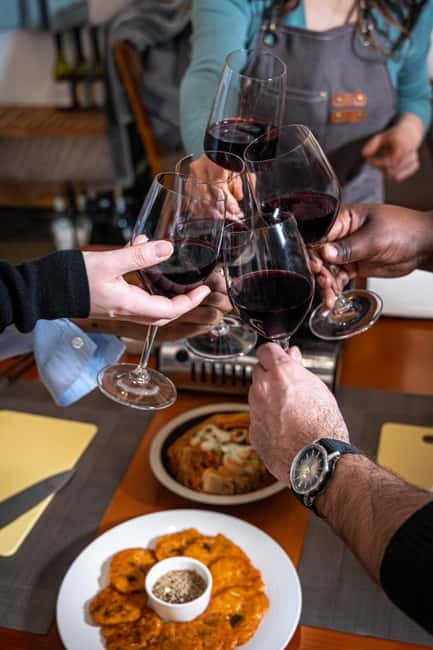
- A sommelier-led pairing: wine matches chosen personally by Suyeon.
- Beginner-friendly pace: the core dishes are designed for first-time cooks, with extra help when needed.
- A specialty dish that saves you time: aged kimchi with braised pork belly is pre-made by the host.
- Small group energy: limited to 6 participants, so you’re not just watching and waiting.
Roll up your sleeves in another Korean kitchen
- Local Home Korean Cooking Class & Market Adventure in Seoul★ 5.0 · 1,024 reviews
- Master Korean traditional cooking with a Kimchi chef★ 5.0 · 385 reviews
- Seoul: Korean Cooking Class at a Local Home and Market Tour★ 5.0 · 348 reviews
- Seoul: Korean Cooking at Seoul Cooking Club!★ 5.0 · 311 reviews
Kimchi and wine near Gyeongbokgung: the setting that makes it easy
This is one of those Seoul experiences that fits neatly into a normal sightseeing day. The studio is only about a 5-minute ride from Gyeongbokgung Palace, which makes it a practical plan after you’ve walked the palace grounds and museums. You can keep the rest of your evening simple, because the class includes food and pairing with the meal.
The location is also easy to reach if you’re already using public transit. Meet at the kimchi & wine cooking studio. From Gyeongbokgung Station Exit 2, walk straight about 200m until you see Woori Bank, then turn left. Pass the bar Cham, and look for your destination on the 3rd floor of the building that has Cuisine La Cle on the 1st floor.
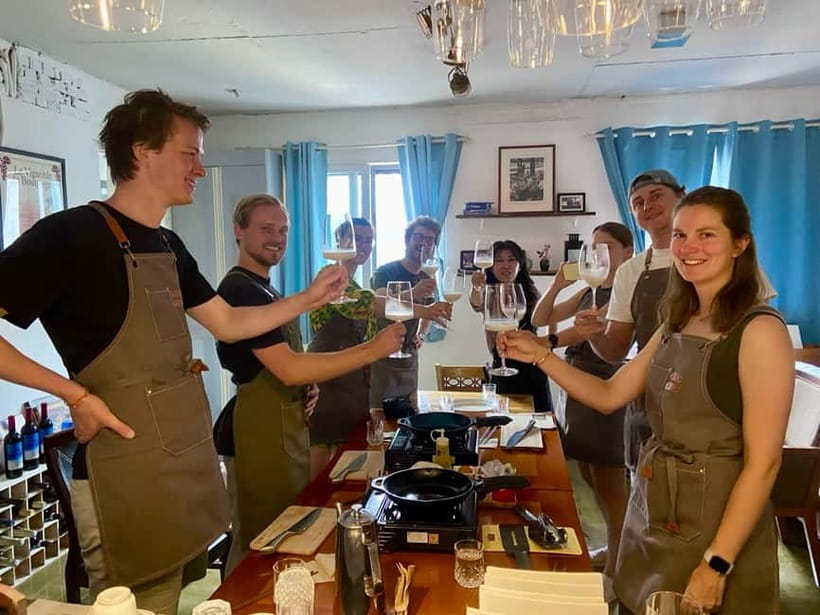
Inside, the vibe is intimate. With a small group capped at 6 participants, you can actually talk with Suyeon and ask questions while you cook. It’s not the kind of class where you’re stuck in a corner taking photos and hoping the instructor notices you.
Start with tasting: learning kimchi by flavor, not lectures
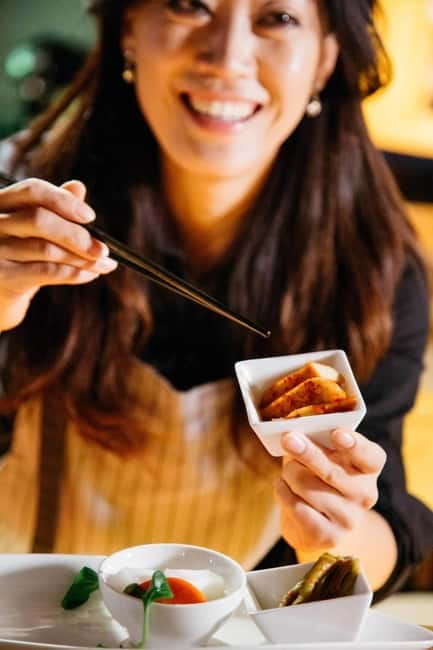
The class begins with tasting, and that’s a big reason it works. Kimchi can sound simple from the outside, but the differences are real. Suyeon walks you through four kinds: cabbage kimchi, white kimchi, radish kimchi, and aged kimchi.
Here’s what I like about this structure for your learning: tasting first teaches your palate how fermentation changes things. Fresh kimchi tends to taste sharper and brighter. White kimchi (a lighter, often less fiery style) helps you understand that “kimchi” isn’t always the same heat level. Radish kimchi gives you that crunch and different veggie sweetness. Then aged kimchi brings in deeper, more intense fermentation character.
You’re not just tasting bites and moving on. You learn about processes and what’s happening to the flavors over time. Based on what Suyeon emphasizes in her teaching style, you’ll get plenty of patience and back-and-forth. People also mention her history and culture explanations, so expect talk that connects food to how people live, not just facts about ingredients.
This tasting step also sets you up for the cooking part. When it’s time to choose your recipe, you’ll already understand which kimchi style you personally enjoy most, and why. That makes the hands-on time feel more like cooking your own meal and less like following steps blindly.
Cooking time: choose one dish and learn the method behind it
After tasting, the next decision is yours. You’ll pick one dish from three options (dishes can vary slightly based on the number of participants). Your choices are:
- Kimchi pancake
- White kimchi noodles
- Radish-bacon stir-fried rice
All three are built around kimchi flavor, but each one teaches a different skill set.
A handful of other Seoul experiences to line up next
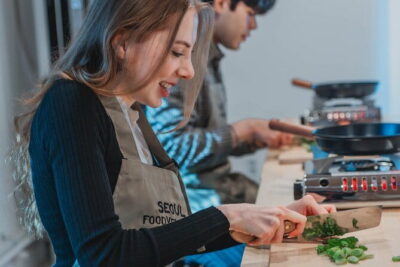
Kimchi pancake: crisp edges and quick satisfaction
If you choose the kimchi pancake, you’re learning how kimchi behaves when it meets heat. The goal is that you don’t just get a hot plate of “stuff with kimchi.” You learn how the mix thickens, how the batter-style approach holds flavor, and how to aim for texture.
It’s also a great beginner option because you can focus on method without needing complicated knife work or long cooking times. If you like the idea of something you can reproduce at home with friends, this is usually the most straightforward pick.
White kimchi noodles: lighter flavor with comfort-food energy
If you pick white kimchi noodles, you’re working with a milder kimchi style. That’s useful if you’re not chasing burn-it-off spice right away. You learn how flavor and tang carry through a noodle dish, so the kimchi doesn’t vanish once the rest of the ingredients are added.
This option also tends to feel like a “kitchen win” dish. You’ll come away with a recipe that feels a bit more special than a basic weekday stir-fry, even though the process is still doable.
Radish-bacon stir-fried rice: salty, savory, and very doable
If you choose radish-bacon stir-fried rice, you’re leaning into the sweet-savory combo that Korean fried rice-style dishes are known for. You also get a practical lesson in balancing salty elements (like bacon) with fermented tang.
For home cooks, this one can be the most immediately transferable. Fried rice is flexible, and once you understand how kimchi impacts seasoning, you can adapt the dish with what you have in the fridge.
The host’s specialty course: aged kimchi with braised pork belly
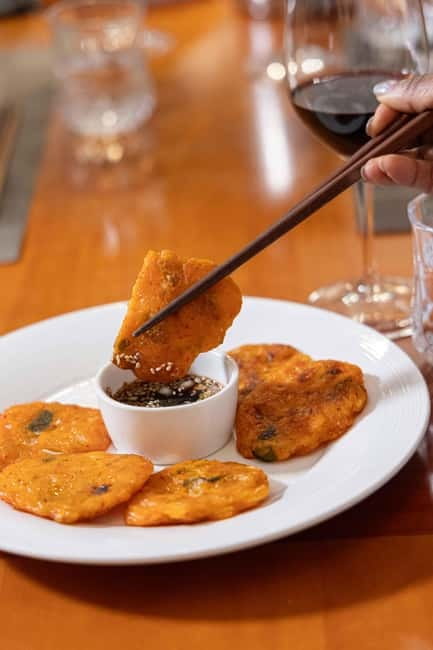
One of the smartest choices in this class is the way Suyeon handles the specialty dish. You’ll get aged kimchi with braised pork belly, but it’s pre-made by the host. That matters because aged kimchi and braising are not “quick tonight” tasks, especially if you’re new to Korean cooking.
So you still get the payoff: the deeper fermentation flavor of aged kimchi plus the rich, slow-cooked pork belly that rounds it all out. It’s the kind of meal that helps you understand why fermentation is more than just a spicy side dish. When it pairs with fatty, braised meat, the tang turns comforting instead of sharp.
For your learning, think of this as the class teacher showing you the destination. You taste the result and then compare it to the kimchi-based dishes you made yourself. That contrast helps you remember what each technique does.
Wine pairing: how Suyeon matches fermented flavor to glass
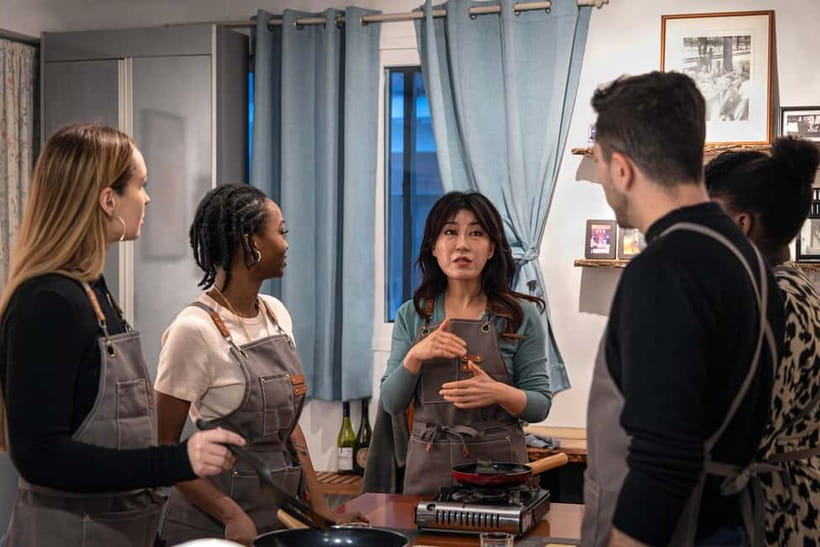
This class isn’t only about food. It’s also about pairing, taught by a sommelier who runs the show. Suyeon selects wine pairings personally for your meal. The goal is simple: match fermented, tangy, sometimes spicy flavors with wines that don’t just overpower everything.
From the way people describe the pairings, the matches feel intentional. One example mentioned an Italian white wine from Veneto, and the pairing was described as complementing the meal. In another case, people talk about Korean fruit makgeolli like yuja makgeolli in the mix. Since your experience is described as wine pairing with a sommelier, plan primarily on wine, and treat any extra drink notes you’ve heard as bonus context rather than something you should expect to be identical every time.
Here’s the value for you: once you taste how different wines behave with different kimchi styles, you’ll know what to look for when you shop later. Fermentation often calls for wines with enough acidity to handle tang, and enough balance so the kimchi heat doesn’t make the drink feel harsh. You won’t just leave with a recipe card. You’ll leave with palate memory.
Small-group format: you’ll cook more than you think
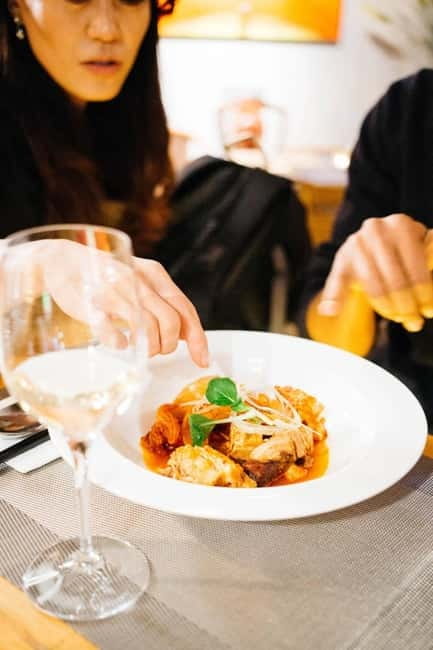
With a group limited to 6 participants, you get that rare balance of guided instruction plus actual cooking time. You’re not competing for counter space. You’re not waiting your turn for basic tasks.
The class also includes group sharing at the end. You share the dishes you made, and everyone eats together, including the host’s aged kimchi with pork belly. This part is more than a social nicety. It gives you a natural way to compare outcomes. If your neighbor chose different kimchi or picked a different dish option, you’ll taste their version and learn what to try next time.
Time-wise, the entire experience is 2 hours. That’s short enough to keep it fun and energetic, but long enough that you can finish a dish and eat it while it’s still at its best. If you’re the kind of traveler who likes activities that don’t eat up half a day, this hits that sweet spot.
Price and value: why $58 can make sense in Seoul

At $58 per person for a 2-hour class, the price isn’t just “paying for food.” You’re paying for three things that are hard to replicate on your own:
- Guided tasting of four kimchi types (with explanation of differences)
- Hands-on cooking instruction for a kimchi-based recipe
- Wine pairing with a sommelier and a shared meal including the specialty course
In Seoul, you can find plenty of eating experiences, but they often stop at taste. This experience connects taste to technique and then connects technique to wine pairing. That “three-part” structure is where the value sits.
Also, since it’s small-group (up to 6), you’re paying for higher attention per person than you get in big group classes. When instructors are patient and the instructions are beginner-friendly, that attention is part of what you’re buying.
Who should book this kimchi and wine class
This is a strong fit if you:
- Want a hands-on Korean food experience with real instruction
- Like learning through tasting first, then cooking
- Care about wine pairings and want practical matching guidance
- Are doing a palace day and want a plan that’s close by and satisfying
It’s also a good choice even if you’re a beginner. Multiple comments highlight that the class is manageable for first-timers and that the instructions are easy enough to try again later at home.
The one group that should reconsider is families with kids, because it’s not suitable for children under 18. If that doesn’t apply to you, you’ll probably enjoy the adult-focused food and drink conversation.
How to plan your day around the 2-hour class
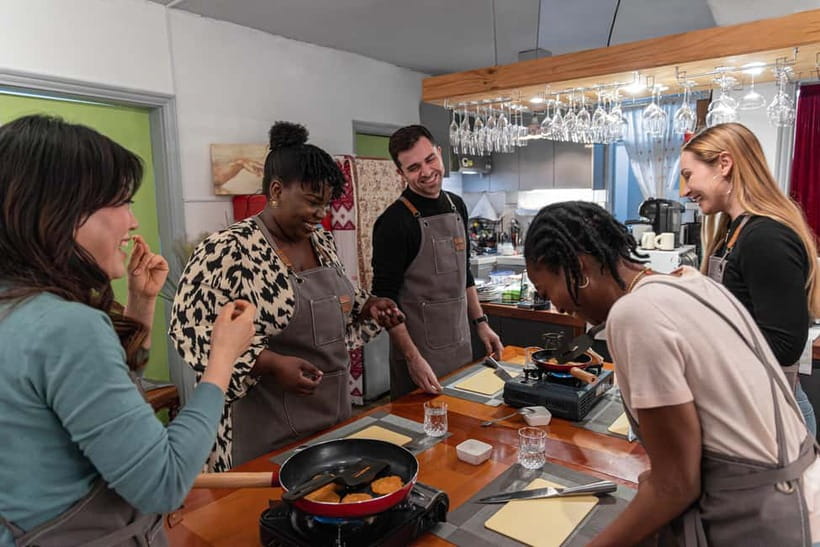
If you’re starting at Gyeongbokgung, schedule the class after your palace time. The studio’s proximity makes it feel like a natural next stop, not a detour. Plan to arrive a few minutes early so you can settle in before tasting begins.
After the class, you can keep it simple. Since you’ll already eat as part of the experience, you won’t need a full dinner right afterward. If you still want to continue the outing, stick to nearby walking options around the palace area.
One more practical tip: go in hungry but not starving. You’ll taste first, then cook, then eat. If you arrive too empty, tasting might feel overwhelming. If you arrive overly full, you might miss the point of the flavor comparison.
My take: what you’ll remember after you leave
The best part of this experience is the combo of education and enjoyment. You learn the differences among cabbage, white, radish, and aged kimchi in a way that sticks, because you taste each one and then cook with that understanding.
Then you get the “why it works” element with the sommelier-led wine pairing. That pairing piece turns the class from a food lesson into a pairing and flavor lesson you can use again.
And the format is simply fun. Small group, real cooking, food you helped make, and a specialty dish finished for you so you’re not forced into long braising work on day one.
Should you book this Seoul kimchi cooking class?
Yes, if you want a compact, high-value food-and-drink experience near Gyeongbokgung. The price makes sense because you’re not only eating; you’re tasting, cooking, and pairing with a sommelier in a small group format.
Book it especially if you like to learn by doing and you want to leave with both recipes and a clearer sense of how different kimchi styles taste and work with wine.
If you only want to watch, or you want to cook multiple dishes end-to-end without any tasting-first structure, you might prefer a different type of class. But for most people, this is a smart Seoul afternoon choice.
FAQ
How long is the kimchi dishes cooking class with wine pairing?
The class lasts 2 hours.
Is it a small group?
Yes. It’s limited to 6 participants, so it stays intimate.
What kinds of kimchi will I taste?
You’ll taste four kinds of kimchi: cabbage, white kimchi, radish, and aged kimchi.
What will I cook during the class?
You’ll cook one kimchi-based dish you choose from three options: kimchi pancake, white kimchi noodles, or radish-bacon stir-fried rice.
What’s included in the price?
The experience includes kimchi tasting, hands-on cooking, the host’s specialty dish (aged kimchi with braised pork belly), sharing and eating the dishes, and a wine pairing selected by the sommelier.
Is this class suitable for children?
No. It’s not suitable for children under 18.
More Cooking Classes in Seoul
- Local Home Korean Cooking Class & Market Adventure in Seoul★ 5.0 · 1,024 reviews
- Master Korean traditional cooking with a Kimchi chef★ 5.0 · 385 reviews
- Seoul: Korean Cooking Class at a Local Home and Market Tour★ 5.0 · 348 reviews
- Seoul: Korean Cooking at Seoul Cooking Club!★ 5.0 · 311 reviews
- Korean Cooking at Seoul Cooking Club★ 5.0 · 220 reviews
More Tour Reviews in Seoul
- Best DMZ Tour Korea from Seoul (Red Suspension Bridge Optional)★ 5.0 · 41,422 reviews
- DMZ Tour: 3rd Tunnel, Option(Suspension Bridge, Boat) from Seoul★ 5.0 · 21,373 reviews
- DMZ tour south Korea from Seoul (NK experience hall, defector)★ 5.0 · 20,599 reviews
- Seoul: DMZ Tour with Optional Suspension Bridge★ 4.8 · 5,277 reviews
- Seoul: DMZ The 3rd Tunnel and Suspension Bridge Tour★ 5.0 · 4,656 reviews
Back in the Korean Kitchen
- Local Home Korean Cooking Class & Market Adventure in Seoul★ 5.0 · 1,024 reviews
- Master Korean traditional cooking with a Kimchi chef★ 5.0 · 385 reviews
- Seoul: Korean Cooking Class at a Local Home and Market Tour★ 5.0 · 348 reviews
- Seoul: Korean Cooking at Seoul Cooking Club!★ 5.0 · 311 reviews
- Cook 3 Authentic Korean Dishes with Local Market Tour★ 5.0 · 231 reviews
Just added to Exploring Seoul





Korean Cooking & Kimchi Classes, compared.
 ★ 5.0Local Home Korean Cooking Class & Market Adventure in SeoulFrom $911,024 reviews
 ★ 5.0Master Korean traditional cooking with a Kimchi chefFrom $85385 reviews
 ★ 5.0Korean Cooking Class at a Local Home and Market TourFrom $98348 reviews
 ★ 5.0Korean Cooking at Seoul Cooking Club!From $109311 reviews
 ★ 5.0Cook 3 Authentic Korean Dishes with Local Market TourFrom $79231 reviews
 ★ 5.0Korean Cooking at Seoul Cooking ClubFrom $109220 reviews
 ★ 4.9Taste of Korea, Authentic Home Style Cooking ClassFrom $89166 reviews
Experience Korean Cooking in Modern Hanok KitchenFrom $87118 reviews
★ 4.9Taste of Korea, Authentic Home Style Cooking ClassFrom $89166 reviews
Experience Korean Cooking in Modern Hanok KitchenFrom $87118 reviews
Browse the lists this tour appears in