
Reviewed · KOREAN COOKING & KIMCHI CLASSES
Seoul: Experience Korean Cooking in Modern Hanok Kitchen
A hanok kitchen makes Korean food feel real. In a recently renovated modern hanok studio, I love that you learn by doing, not just watching. Two things stand out: the bibimbap technique is taught clearly, and the chef story-time adds real context to the meal. One thing to think about is the pacing: since you’re actively cooking at your own station for the full 2 hours, it’s best to arrive ready to work.
You’ll be based in Bukchon, the old Seoul neighborhood of hanoks, but the space is built for modern classes. I like that the setup is practical for all skill levels, and you get a professional chef guiding each step while you cook your own dishes.
If you have allergies or follow a specific diet, this can be a great fit. Just be sure to flag your restrictions ahead of time so they can adjust ingredients and still let you make the same two dishes everyone else cooks.
In This Review
- Key highlights worth getting excited about
- Why a modern hanok studio in Bukchon changes the cooking class
- The core dish: building your bibimbap bowl the right way
- Your second dish: bulgogi, jeyuk-bokkeum, or japchae depending on your choice
- Bulgogi: national-dish comfort with a simple marinade logic
- Jeyuk-bokkeum: spicy pork barbecue with gochujang character
- Japchae: glass noodles and vegetable variety, not spicy
- If you need non-meat options, ask for the swap early
- How the class runs: demo first, then you cook at your own station
- What you actually learn that transfers to your kitchen
- 1) Sauce behavior
- 2) Vegetable cooking timing
- 3) Assembly rhythm
- 4) Korean home-meal mindset
- Meeting point and getting there: Bukchon without the stress
- Price and value: $84 for two dishes and real cooking instruction
- Who this class suits best (and who might skip it)
- Book it or pass: my decision checklist
- FAQ
- How long is the cooking class in Seoul?
- Where do I meet for the class?
- What language is the class taught in?
- What dishes will I cook?
- Can the class accommodate dietary restrictions or allergies?
- Is there free cancellation?
- Can I reserve now and pay later?
Key highlights worth getting excited about
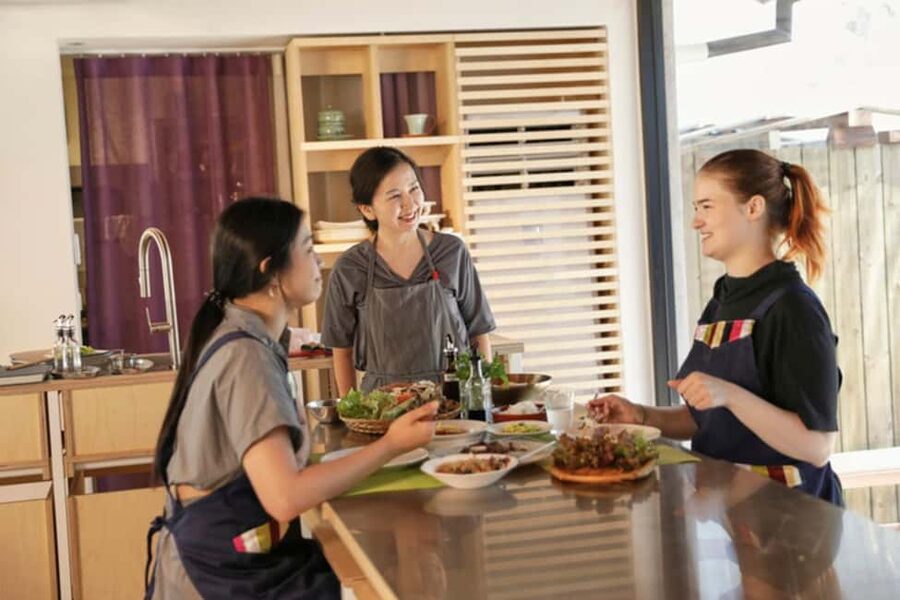
- A modern renovated hanok kitchen in Bukchon that feels traditional, but teaches like a studio class
- Chef-led first, then hands-on cooking at your own station, so you actually learn the process
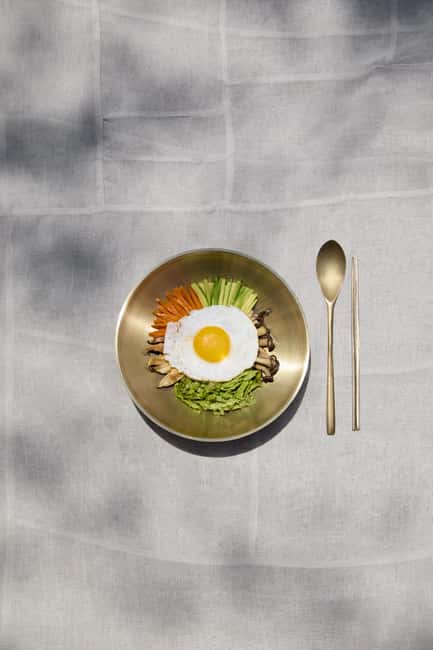
- Bibimbap made from scratch, with seasonal vegetables and a sunny-side-up egg
- Your second dish is flexible, with favorites like bulgogi, japchae, and jeyuk-bokkeum on the menu
- Diet-friendly swaps are supported, including non-meat options when needed
- English live guide to keep techniques and food culture easy to follow
Roll up your sleeves in another Korean kitchen
- Local Home Korean Cooking Class & Market Adventure in Seoul★ 5.0 · 1,024 reviews
- Master Korean traditional cooking with a Kimchi chef★ 5.0 · 385 reviews
- Seoul: Korean Cooking Class at a Local Home and Market Tour★ 5.0 · 348 reviews
- Seoul: Korean Cooking at Seoul Cooking Club!★ 5.0 · 311 reviews
Why a modern hanok studio in Bukchon changes the cooking class
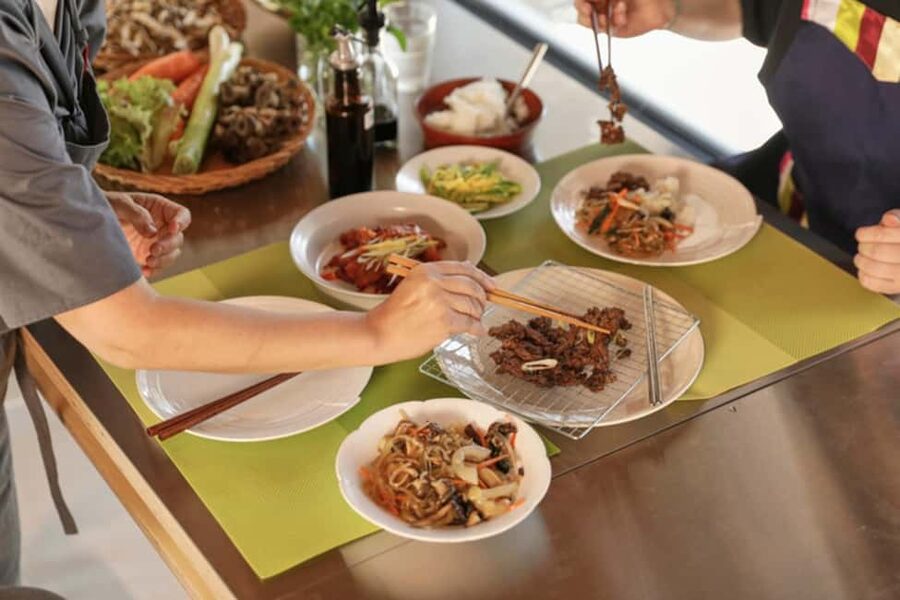
Bukchon is the kind of place where you can walk outside and feel the old Seoul layers. Then inside, this class gives you something better than photos: a kitchen you can understand. It’s a recently renovated modern hanok studio, so the atmosphere is traditional, but the workflow is classroom-smart.
That matters because Korean cooking is built on timing. Vegetables need quick cooking, sauces need the right balance, and rice bowls are best when everything hits together. When the teaching space is set up for steady prep and clear steps, you don’t waste time guessing. You learn patterns you can repeat later.
I also like the social side. You aren’t just eating; you’re coordinating with your station setup and your two assigned dishes. The result feels like cooking at home, just with a chef who can correct your hand with a calm, practical nudge.
The core dish: building your bibimbap bowl the right way
Bibimbap is one of Korea’s most famous meals for a reason. It’s also one of the best training dishes because it teaches the building blocks: rice base, cooked toppings, sauce, and an egg finishing touch.
In this class, you’ll learn to master a healthy, nutrient-packed bibimbap. The method usually goes like this: you cook seasonal vegetables so they’re flavorful, not watery. You assemble them over rice. Then comes the visual payoff—typically a sunny-side-up fried egg on top. The whole idea is that you can mix and eat right away, so the textures stay distinct.
What’s valuable here isn’t just the dish. It’s learning how Korean home cooking thinks:
- Cook the ingredients so each topping has its own bite.
- Keep sauces targeted so the bowl is bold without turning soggy.
- Make the final step feel natural, not rushed.
If you love food that’s pretty but also deeply functional, bibimbap is a win. If you’re the type who worries you’ll overcook vegetables or drown the bowl in sauce, this kind of guided prep helps you get control.
Also, bibimbap is a great base even for diet changes. You can keep the toppings vegetable-forward, and you’ll still get that full Korean comfort-food feel.
Your second dish: bulgogi, jeyuk-bokkeum, or japchae depending on your choice
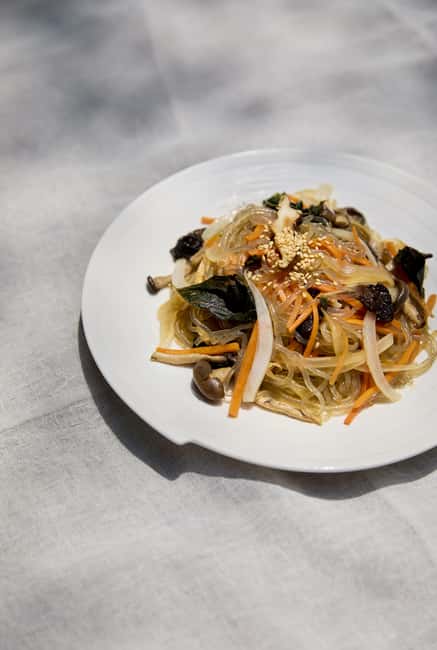
The class doesn’t stop at bibimbap. You’ll create and taste two Korean dishes total. One of your favorites might be bulgogi, another could be jeyuk-bokkeum, or you might pick japchae for something lighter and non-spicy.
Here’s what those dishes teach you, and why they’re worth learning:
A handful of other Seoul experiences to line up next
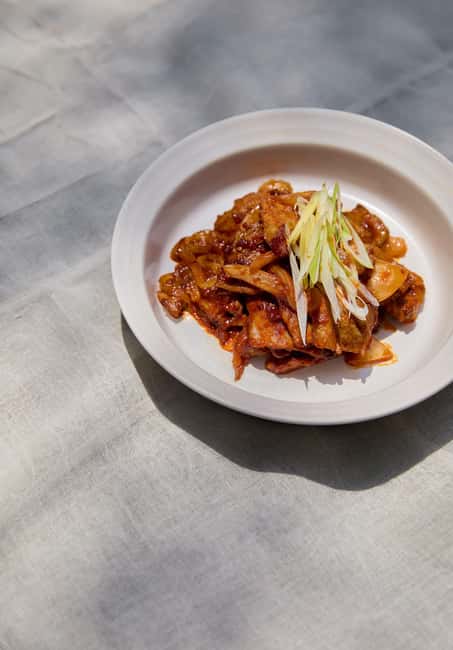
Bulgogi: national-dish comfort with a simple marinade logic
Bulgogi is made with thinly sliced prime beef marinated in a blend of soy sauce, sesame, and garlic. In class, you get the idea that the marinade isn’t magic—it’s balance. Saltiness from soy, nutty depth from sesame, and sharp aromatics from garlic. Then it cooks quickly, which helps you learn how to keep meat tender instead of dry.
If you’re new to Korean cooking, bulgogi is a great confidence builder. It’s savory, familiar, and forgiving if your timing isn’t perfect.
Jeyuk-bokkeum: spicy pork barbecue with gochujang character
Jeyuk-bokkeum is one of the most requested dishes, and it’s easy to see why. It’s a marinated pork barbecue flavored with a special gochujang sauce. This is where you learn how Korean heat works differently from many Western spicy dishes. Gochujang brings sweet, tangy, and fermented depth, not just heat.
The takeaway you’ll want at home: you can adjust the heat level, but don’t lose the sauce base. If you make it heavy-handed with gochujang only, it can taste harsh. If you get the balance right, it tastes round and addictive.
Japchae: glass noodles and vegetable variety, not spicy
Japchae is often picked when people want something non-spicy and vegetable-rich. It’s made with glass noodles cooked and mixed with a variety of vegetables, then served like a colorful salad. The technique matters: noodles need correct cooking so they’re springy, and vegetables need to be cooked so they still look good and taste distinct.
Japchae teaches you a different Korean cooking skill set. Instead of building a single bowl of toppings, you learn to combine textures into one cohesive dish.
If you need non-meat options, ask for the swap early
One big plus of this class is that diet restrictions are handled thoughtfully. If you forget to mention it at the start, you might still be able to fix things during the lesson, including swapping a meat dish to tofu-style options. But don’t count on last-minute changes. Tell the team your diet and allergies beforehand so your ingredients and plan are ready.
How the class runs: demo first, then you cook at your own station
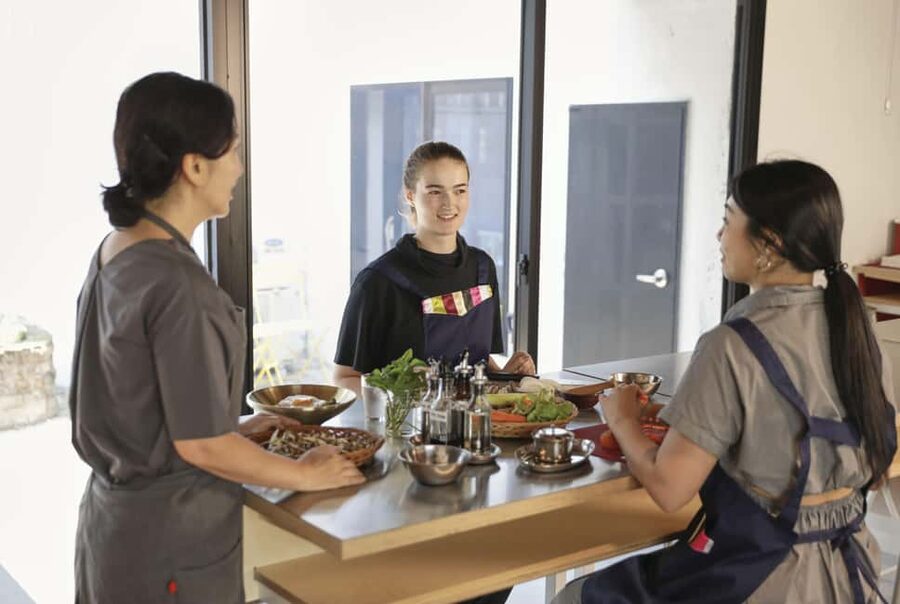
The format is structured enough to reduce stress, but hands-on enough to make it feel like real progress.
You’ll start with a chef-led explanation and a demonstration of ingredient prep and cooking process. That demo matters because it shows you the sequence. Korean cooking isn’t one big recipe you dump together. It’s a choreography of heat, timing, and finishing.
Then it’s your turn. Each participant cooks their own dishes at their station. That gives you control, but it also means you’ll get help when you need it, especially if you’re unsure about chop size, sauce consistency, or how long to cook vegetables.
What I like most is that it stays low-pressure. You’re not waiting around. You’re not getting a vague overview. You’re actively producing something you can taste and take home as a technique.
What you actually learn that transfers to your kitchen
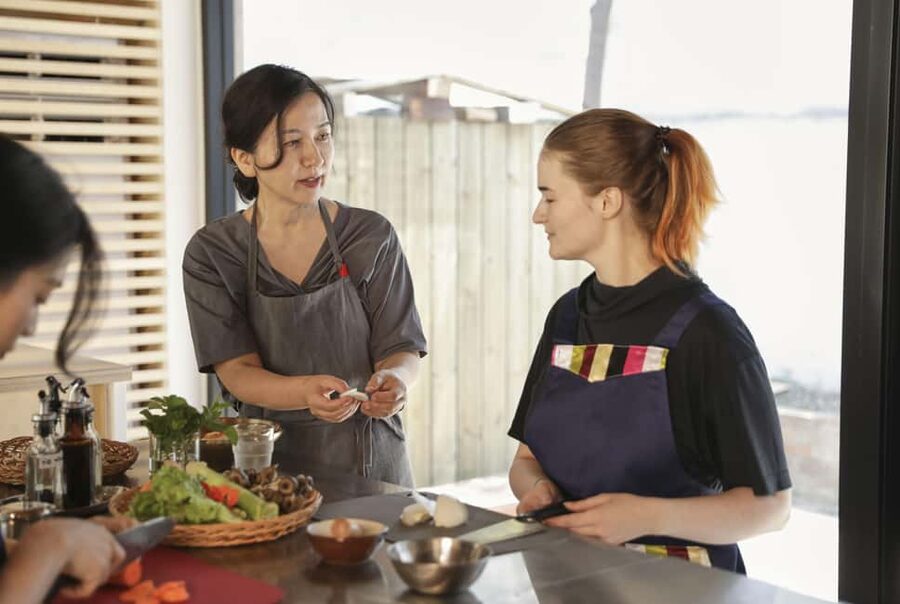
This is the part that makes the class worth it after the meal is gone. Sure, you’ll taste two dishes during the session. But the real value is in the repeatable method.
1) Sauce behavior
Korean sauces often thicken and cling as they cook. That changes how you add ingredients and how you judge taste. In a guided class, you learn what the sauce should look like before it’s done, not just what it’s called.
2) Vegetable cooking timing
Vegetables in bibimbap and japchae aren’t cooked for softness. They’re cooked for flavor and texture. You’ll learn how to keep bite while avoiding blandness.
3) Assembly rhythm
Bibimbap looks best when everything lands at the right moment. Even if you don’t make it the same day you learn it, you’ll remember the rhythm: toppings first, egg finish, then mixing at eating time.
4) Korean home-meal mindset
A chef will also cover food culture and how meals are prepared at home. You’ll get more than recipe steps—you’ll understand why people eat like this, and why the balance matters.
Meeting point and getting there: Bukchon without the stress
The meeting point is O’ngo Food Communications, 137-11 Bukchon-ro, Jongno-gu, Seoul. Plan to arrive a bit early. If you’re late, you can miss participation, so don’t treat it like a casual meet-up.
Bukchon can be busy around sightseeing time. Give yourself a little buffer for walking and locating the studio entrance. Once you’re inside, you can shift gears from Seoul wandering to stovetop focus.
Price and value: $84 for two dishes and real cooking instruction
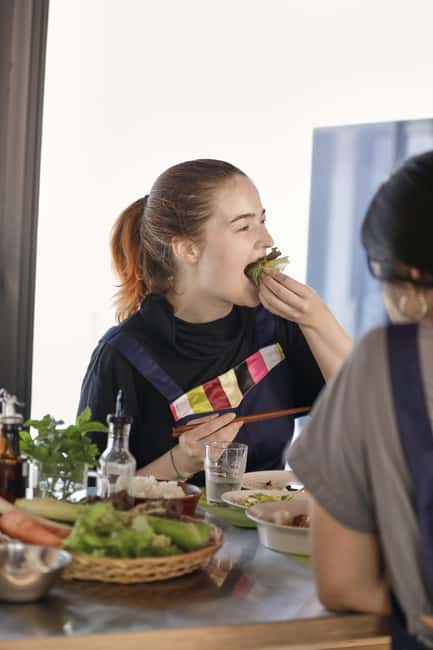
At $84 per person for a 2-hour class, the math works best if you want more than a tasting. You’re not just sampling Korean food. You’re learning how to make two complete dishes with ingredients provided and guided chef instruction in English.
In practical terms, you’re paying for:
- Chef demo time and on-the-fly help
- Individual cooking space with your own station
- Two dishes worth of ingredient prep and cooking guidance
- Diet-friendly customization support when you communicate needs
If you’re the kind of traveler who likes hands-on skills—something you can use again later—this price feels fair. If you only want a quick snack and don’t care about the cooking process, you might prefer a simpler food tour. But if your goal is to learn technique, you’re paying for that learning.
Who this class suits best (and who might skip it)
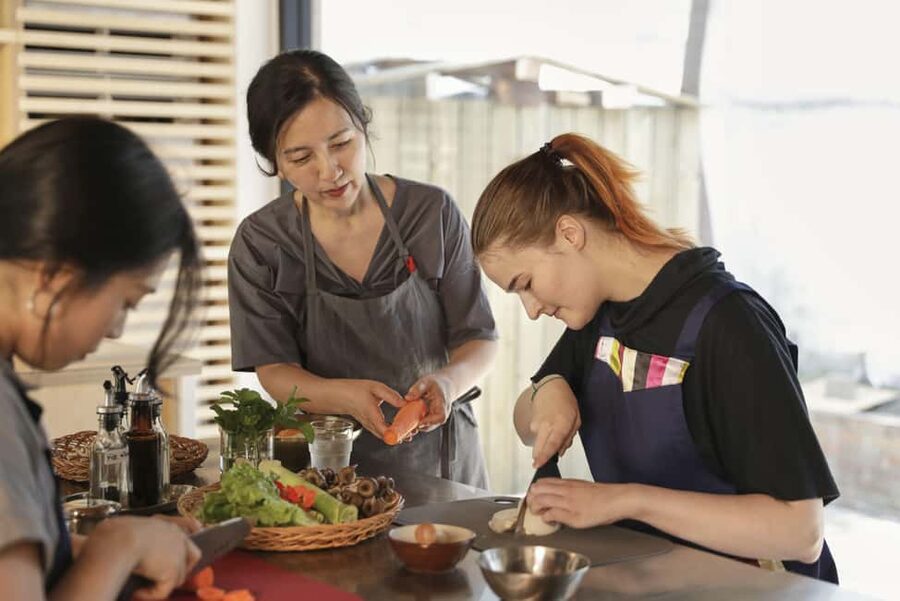
This is a strong match for you if:
- You want a hands-on Korean cooking experience in a modern hanok setting
- You’re excited to make bibimbap from scratch
- You like recipes you can recreate at home, not just eat once
- You want an English-led class with culture context
You might choose something else if:
- You’re not comfortable cooking or standing at a station for the full session
- You’re looking for a purely sightseeing-focused activity
- You have very specific allergy needs and haven’t communicated them in advance
Book it or pass: my decision checklist
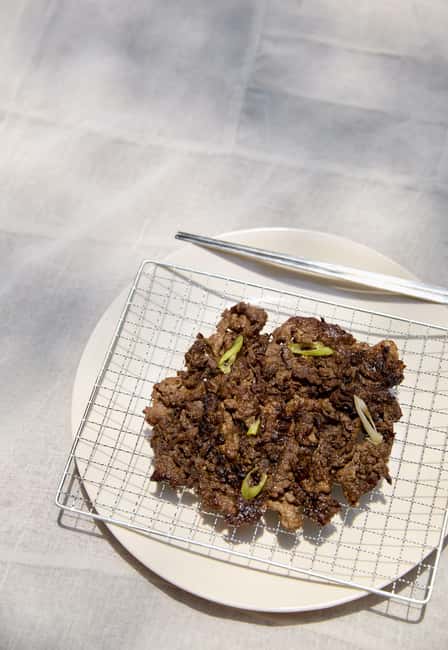
I’d book this class if you want an authentic Korean meal experience with actual technique. The chef-led demo + hands-on cooking structure makes it beginner-friendly without being watered down. And the fact that the kitchen is in Bukchon adds atmosphere without turning the class into a sightseeing detour.
Don’t book it if you’re only looking for a quick bite or you hate cooking in a structured format. But if you want to walk away able to cook bibimbap and one other classic Korean dish, customized for your diet, this is a smart use of time in Seoul.
FAQ
How long is the cooking class in Seoul?
The class lasts 2 hours.
Where do I meet for the class?
You’ll meet at O’ngo Food Communications, 137-11 Bukchon-ro, Jongno-gu Seoul.
What language is the class taught in?
The class includes a live English guide, and English is the listed language.
What dishes will I cook?
You will create and taste 2 Korean dishes. Bibimbap is one of the dishes taught, and other possible dishes include jeyuk-bokkeum, japchae, and bulgogi.
Can the class accommodate dietary restrictions or allergies?
Yes. Please let them know about dietary restrictions or allergies. Private and customized classes are also available by request.
Is there free cancellation?
Yes. You can cancel up to 24 hours in advance for a full refund.
Can I reserve now and pay later?
Yes. The activity offers reserve now & pay later, so you can book your spot without paying immediately.
More Cooking Classes in Seoul
- Local Home Korean Cooking Class & Market Adventure in Seoul★ 5.0 · 1,024 reviews
- Master Korean traditional cooking with a Kimchi chef★ 5.0 · 385 reviews
- Seoul: Korean Cooking Class at a Local Home and Market Tour★ 5.0 · 348 reviews
- Seoul: Korean Cooking at Seoul Cooking Club!★ 5.0 · 311 reviews
- Korean Cooking at Seoul Cooking Club★ 5.0 · 220 reviews
More Tour Reviews in Seoul
- Best DMZ Tour Korea from Seoul (Red Suspension Bridge Optional)★ 5.0 · 41,422 reviews
- DMZ Tour: 3rd Tunnel, Option(Suspension Bridge, Boat) from Seoul★ 5.0 · 21,373 reviews
- DMZ tour south Korea from Seoul (NK experience hall, defector)★ 5.0 · 20,599 reviews
- Seoul: DMZ Tour with Optional Suspension Bridge★ 4.8 · 5,277 reviews
- Seoul: DMZ The 3rd Tunnel and Suspension Bridge Tour★ 5.0 · 4,656 reviews
Back in the Korean Kitchen
- Local Home Korean Cooking Class & Market Adventure in Seoul★ 5.0 · 1,024 reviews
- Master Korean traditional cooking with a Kimchi chef★ 5.0 · 385 reviews
- Seoul: Korean Cooking Class at a Local Home and Market Tour★ 5.0 · 348 reviews
- Seoul: Korean Cooking at Seoul Cooking Club!★ 5.0 · 311 reviews
- Cook 3 Authentic Korean Dishes with Local Market Tour★ 5.0 · 231 reviews
Just added to Exploring Seoul





Korean Cooking & Kimchi Classes, compared.
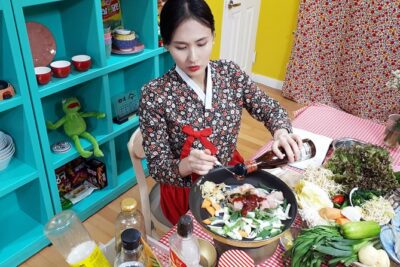 ★ 5.0Local Home Korean Cooking Class & Market Adventure in SeoulFrom $911,024 reviews
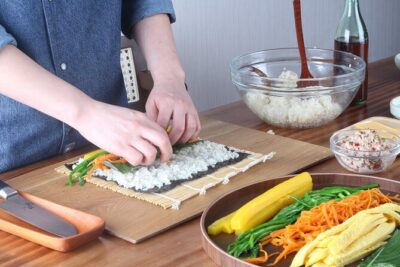 ★ 5.0Master Korean traditional cooking with a Kimchi chefFrom $85385 reviews
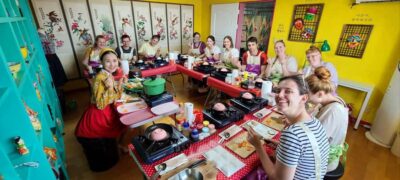 ★ 5.0Korean Cooking Class at a Local Home and Market TourFrom $98348 reviews
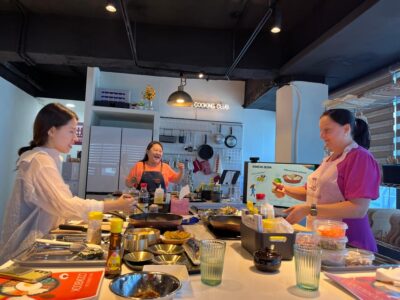 ★ 5.0Korean Cooking at Seoul Cooking Club!From $109311 reviews
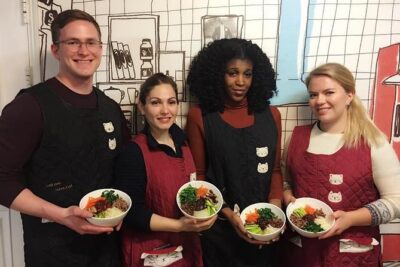 ★ 5.0Cook 3 Authentic Korean Dishes with Local Market TourFrom $79231 reviews
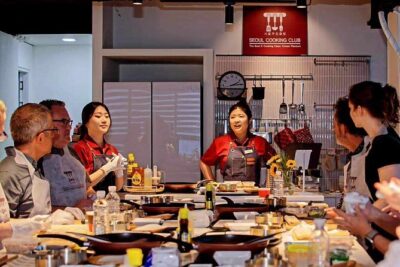 ★ 5.0Korean Cooking at Seoul Cooking ClubFrom $109220 reviews
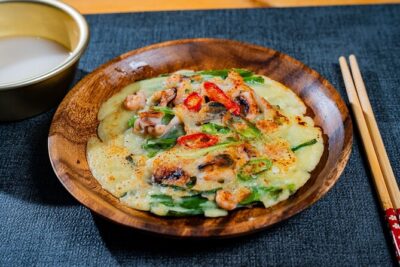 ★ 4.9Taste of Korea, Authentic Home Style Cooking ClassFrom $89166 reviews
Experience Korean Cooking in Modern Hanok KitchenFrom $87118 reviews
★ 4.9Taste of Korea, Authentic Home Style Cooking ClassFrom $89166 reviews
Experience Korean Cooking in Modern Hanok KitchenFrom $87118 reviews
Browse the lists this tour appears in