
Reviewed · KOREAN COOKING & KIMCHI CLASSES
Korean Grandma Cooking Class l Gimbap & Kimchi Pancake l Seoul
Food lessons in a real Seoul home. This Korean Grandma cooking class is interesting because you’re not learning from a demo kitchen or a stage setup; you’re learning inside Grandma’s world, with family-style stories tied to the food. I especially like the hands-on focus—you make gimbap and a kimchi pancake yourself—and the home visit that turns the class into a peek at everyday Seoul living. One consideration: it runs about 2.5 hours, so it’s best if you want to slow down and cook rather than quickly snack-and-skim.
The welcome moment matters, too. You start with welcome tea, then Grandma walks you through her home before you pick up your tools—an easy way to get context for what you’re eating and why it tastes the way it does. I also appreciate that it’s a private experience with only your group, which tends to make Q&A and pacing feel relaxed. A possible drawback for some people: it’s scheduled at 11:00 am, so you’ll want to build the rest of your day around this fixed start time.
In This Review
- Key takeaways
- Why Grandma’s Home Cooking Feels More Real Than a Studio Class
- Meeting at 메리츠화재연수원92 Ui-dong and Getting Oriented
- Welcome Tea, Then a Tour of Grandma’s Kitchen Life
- Making Gimbap: Rolling Your Own Like a Local Family
- Kimchi Pancake: Taste Grandma’s Kimchi, Then Cook It Into Pancake
- Sharing Stories and Eating Together at the Table
- Price and Value: What $52 Buys You in Seoul Home Cooking
- Who This Tour Fits Best (and When to Skip It)
- Should You Book This Korean Grandma Cooking Class?
- FAQ
- What time does the Korean Grandma Cooking Class start?
- Where is the meeting point in Seoul?
- How long does the class last?
- What dishes will I make during the class?
- Is this tour private?
- Do I receive a mobile ticket?
- Is the meeting point near public transportation?
- What is the cancellation policy?
Key takeaways
- Private, group-only format: you won’t be squeezed into a big mixed crowd.
- A home tour before cooking: you see the kitchen setup and daily life context first.
- Two core lessons: gimbap and kimchi pancake, both hands-on.
- Taste included before you cook: you get to taste Grandma’s kimchi as part of the flow.
- Story + photo time: you share stories at the table and take a picture with Grandma Sharon.
Roll up your sleeves in another Korean kitchen
- Local Home Korean Cooking Class & Market Adventure in Seoul★ 5.0 · 1,024 reviews
- Master Korean traditional cooking with a Kimchi chef★ 5.0 · 385 reviews
- Seoul: Korean Cooking Class at a Local Home and Market Tour★ 5.0 · 348 reviews
- Seoul: Korean Cooking at Seoul Cooking Club!★ 5.0 · 311 reviews
Why Grandma’s Home Cooking Feels More Real Than a Studio Class
This isn’t just about learning recipes. What makes it memorable is the way the class is framed around a person’s life and household routine. You’ll start with a visit to Grandma’s house, and it’s designed so you can feel how Seoul people actually live, not just how chefs present food.
I like that the teacher isn’t hidden behind a lecture format. Grandma shares stories and family knowledge alongside the cooking. In one review, the highlight was how patient and skilled Grandma Sharon was, and how her English was good, which made the experience easy even for kids. That combination matters. When you understand the instructions, you cook with confidence, and the food turns out better.
One more practical point: because this happens in a real home setting, you’ll get a better sense of Korean “comfort food logic.” For example, gimbap isn’t just a roll; it’s portable, practical, and built for everyday eating. Kimchi pancake carries the same spirit—something made with what you have and what you love.
Meeting at 메리츠화재연수원92 Ui-dong and Getting Oriented
The tour starts at 메리츠화재연수원92 Ui-dong, Gangbuk-gu, Seoul, South Korea, at 11:00 am. From there, the activity ends back at the meeting point. That back-and-forth matters because it removes one stress: you’re not left figuring out transit after you’re hungry and slightly sticky from cooking.
It’s also listed as being near public transportation, so you have options beyond taxi or rideshare. If you’re planning your day, I recommend treating this like an appointment rather than a flexible stop. The start time is set, and the total duration is about 2 hours 30 minutes.
Last practical note: you’ll get a mobile ticket, which is usually the simplest way to handle check-in in Seoul. Bring your phone fully charged, and keep the ticket handy so you’re not rummaging mid-wait.
Welcome Tea, Then a Tour of Grandma’s Kitchen Life
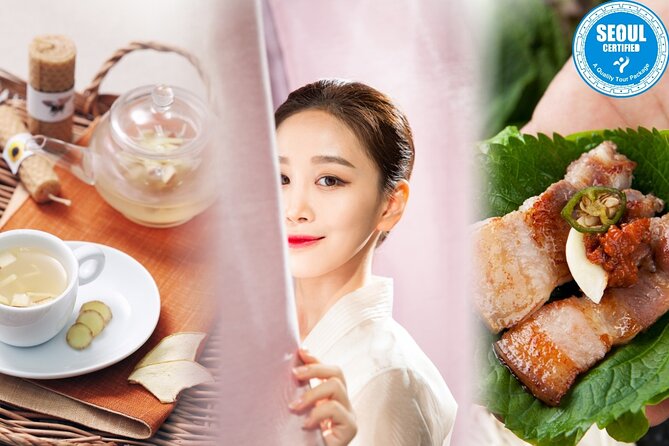
Right when you arrive, you settle in with a cup of welcome tea. This isn’t a throwaway detail. It’s your buffer moment—time to meet your group, get comfortable, and start conversations before the cooking gets hands-on.
Then Grandma takes you through her home. You’ll get a look at Korean living spaces and how the kitchen is set up in a family environment. Even if you’ve cooked at home before, this kind of tour helps you adjust your expectations. You’re not just learning a recipe—you’re learning how home cooks think: what’s within reach, what’s prepared ahead, and how the kitchen flow works.
The best part is that this home tour sets you up to understand the food you’re about to make. If you’ve ever wondered why Korean dishes taste a certain way, part of the answer is in routine and technique. That’s what a quick tour can communicate fast.
A handful of other Seoul experiences to line up next
Making Gimbap: Rolling Your Own Like a Local Family
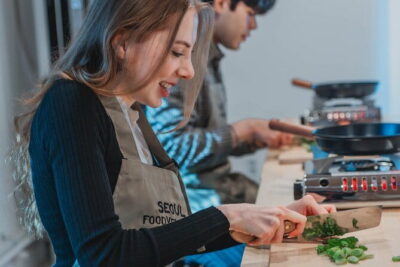
Once you’re ready, you get into the core lesson: gimbap. You’ll make your own gimbap, with Grandma teaching the method in a way that aims for the real Korean way, not a simplified tourist version.
For you, the value here is control. Instead of watching from the edge, you’re actively building the roll. That means you get feedback in real time—about how to handle ingredients, how to assemble, and how to keep the shape consistent.
Gimbap is also a dish where small choices add up. The balance of fillings, the texture of the ingredients, and the way you roll all affect the final bite. A home class usually has the advantage of pacing. Grandma can slow down when someone needs help, and one-on-one moments are easier in a private group.
If you’re cooking with kids, this is a good pick. One review specifically said the children (ages 9 and 11) called it their favorite experience. That tracks with the nature of gimbap: it’s hands-on, visual, and satisfying when you see your roll taking shape.
Kimchi Pancake: Taste Grandma’s Kimchi, Then Cook It Into Pancake
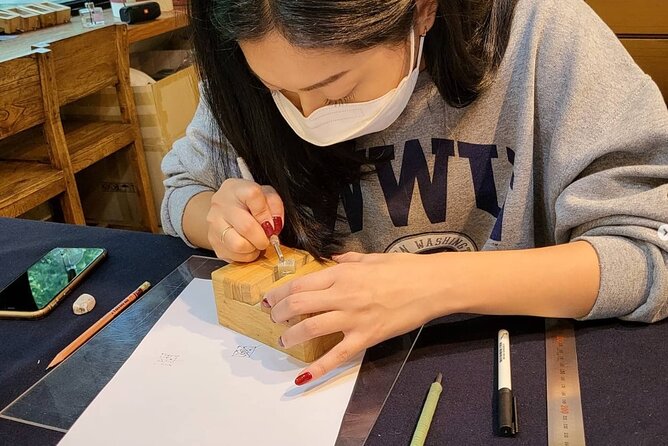
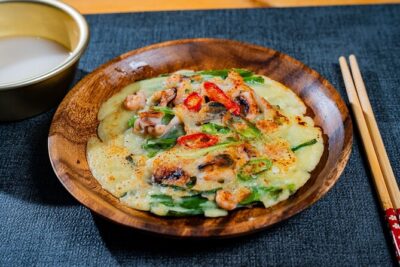
The second hands-on lesson is a kimchi pancake. You start by tasting Korean Grandma’s kimchi, then you make the pancake using it. That sequence is smart. Tasting first helps you connect what you’re doing in the kitchen to what you’re aiming to create on the plate.
Kimchi pancake is also a forgiving class dish in a good way. It’s not just about memorizing steps; you’re learning how kimchi characteristics show up when cooked. The fermentation tang, the intensity, and the texture can change with heat. When you taste before mixing and cooking, you’re training your palate as you go.
This is also where a home class shines again. In a studio, you might get instructions and move along. Here, Grandma can guide you through the cooking logic in the moment—how to handle batter, how to manage heat, and how to know when it’s done.
If you like learning through doing, this is the sweet spot. You walk out not only with a recipe idea, but with muscle memory for how the dish behaves.
Sharing Stories and Eating Together at the Table
After cooking, you gather around the table to share what you made. This part can feel almost as important as the food, because it turns the class into a social experience instead of a one-way lesson.
You can take a picture with Grandma, and you’ll have time to share stories with the group you came with. In practice, this is what makes the evening-friendship feeling happen. Food is the excuse; conversation is the connection.
I also like the pacing here. You don’t rush out right after you cook. You eat, talk, and settle the experience in your body as well as your mind. It’s the kind of meal that makes you remember the techniques longer, because you associated them with taste and comfort.
Price and Value: What $52 Buys You in Seoul Home Cooking
At $52 per person, the price is worth thinking about in terms of what you actually get. You’re paying for a private, home-based experience with hands-on instruction for two dishes—gimbap and kimchi pancake—plus welcome tea and a shared meal.
A lot of cooking classes charge similarly, but they often fall into the “watch and sample” category. Here, you’re cooking the dishes yourself, and the class starts with context via Grandma’s home tour. That’s real value, because it changes how you cook afterward.
Also, it’s private: only your group participates. That tends to improve the learning experience. In a mixed class, questions get rushed. In a group-only setup, Grandma can handle different pace levels more comfortably, which is especially helpful if you’re traveling with kids.
One more value angle: you’re supporting a local, personal approach to tourism. The point isn’t just that you’re eating Korean food. You’re learning in a way that stays tied to a real household, not just a storefront version of culture.
Who This Tour Fits Best (and When to Skip It)
This class fits best if you want a short, meaningful cultural activity that’s not complicated to book and not heavy on walking. The lesson format is structured, and the location is within Seoul with a start time you can plan around.
It’s also a great choice for families. The earlier mentioned review praising kids’ enjoyment is a clue. Two dishes, hands-on steps, and friendly instruction usually work better for younger travelers than long museum days.
You might want to skip it if you hate being in a group setting for 2.5 hours. Even though it’s private to your group, the activity is still a “sit, cook, eat, talk” format with a fixed schedule.
Finally, if you’re looking for a class that turns into an all-day food crawl or adds extra menu items beyond the two dishes, this isn’t positioned that way. It’s focused. That focus is a feature.
Should You Book This Korean Grandma Cooking Class?
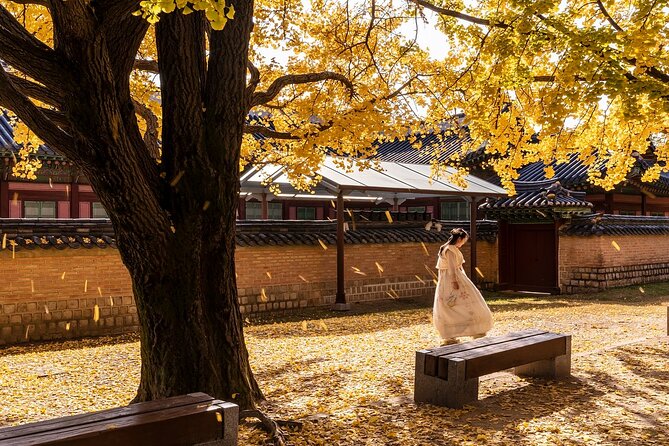
Yes, if you want an authentic, home-style cooking experience with real instruction and a friendly, personal vibe. The big strengths—hands-on gimbap, kimchi pancake made from Grandma’s kimchi, and the warm home experience with welcome tea—make it a strong choice for both first-timers and food lovers.
Book it especially if:
- you’re traveling as a group and want private attention
- you like learning by doing, not just watching
- you want a cultural memory built around food and conversation
Hold off if:
- you need maximum flexibility in scheduling
- you prefer self-guided activities over a structured 2.5-hour format
If that sounds like you, this class is an easy yes.
FAQ
What time does the Korean Grandma Cooking Class start?
It starts at 11:00 am.
Where is the meeting point in Seoul?
The meeting point is 메리츠화재연수원92 Ui-dong, Gangbuk-gu, Seoul, South Korea.
How long does the class last?
It lasts about 2 hours 30 minutes.
What dishes will I make during the class?
You’ll make gimbap and a kimchi pancake.
Is this tour private?
Yes. It’s listed as a private tour/activity, so only your group participates.
Do I receive a mobile ticket?
Yes, it includes a mobile ticket.
Is the meeting point near public transportation?
Yes. It’s stated to be near public transportation.
What is the cancellation policy?
Free cancellation is available. You can cancel up to 24 hours in advance for a full refund; cancellations made less than 24 hours before the start time aren’t refunded.
More Cooking Classes in Seoul
- Local Home Korean Cooking Class & Market Adventure in Seoul★ 5.0 · 1,024 reviews
- Master Korean traditional cooking with a Kimchi chef★ 5.0 · 385 reviews
- Seoul: Korean Cooking Class at a Local Home and Market Tour★ 5.0 · 348 reviews
- Seoul: Korean Cooking at Seoul Cooking Club!★ 5.0 · 311 reviews
- Korean Cooking at Seoul Cooking Club★ 5.0 · 220 reviews
More Tour Reviews in Seoul
- Best DMZ Tour Korea from Seoul (Red Suspension Bridge Optional)★ 5.0 · 41,422 reviews
- DMZ Tour: 3rd Tunnel, Option(Suspension Bridge, Boat) from Seoul★ 5.0 · 21,373 reviews
- DMZ tour south Korea from Seoul (NK experience hall, defector)★ 5.0 · 20,599 reviews
- Seoul: DMZ Tour with Optional Suspension Bridge★ 4.8 · 5,277 reviews
- Seoul: DMZ The 3rd Tunnel and Suspension Bridge Tour★ 5.0 · 4,656 reviews
Back in the Korean Kitchen
- Local Home Korean Cooking Class & Market Adventure in Seoul★ 5.0 · 1,024 reviews
- Master Korean traditional cooking with a Kimchi chef★ 5.0 · 385 reviews
- Seoul: Korean Cooking Class at a Local Home and Market Tour★ 5.0 · 348 reviews
- Seoul: Korean Cooking at Seoul Cooking Club!★ 5.0 · 311 reviews
- Cook 3 Authentic Korean Dishes with Local Market Tour★ 5.0 · 231 reviews
Just added to Exploring Seoul





Korean Cooking & Kimchi Classes, compared.
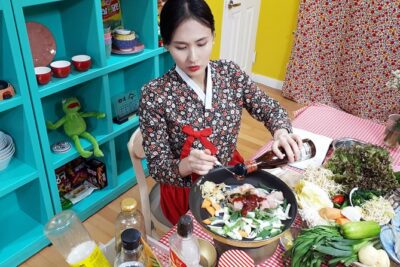 ★ 5.0Local Home Korean Cooking Class & Market Adventure in SeoulFrom $911,024 reviews
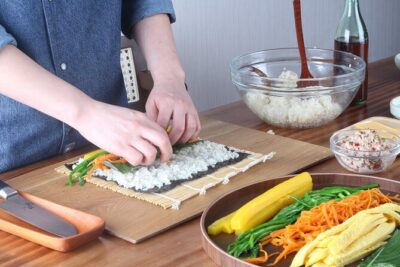 ★ 5.0Master Korean traditional cooking with a Kimchi chefFrom $85385 reviews
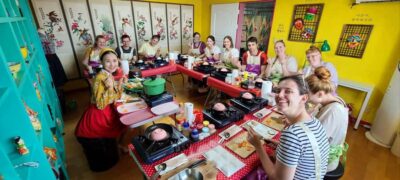 ★ 5.0Korean Cooking Class at a Local Home and Market TourFrom $98348 reviews
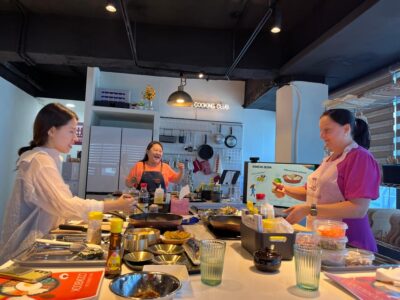 ★ 5.0Korean Cooking at Seoul Cooking Club!From $109311 reviews
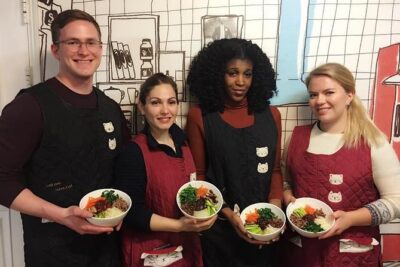 ★ 5.0Cook 3 Authentic Korean Dishes with Local Market TourFrom $79231 reviews
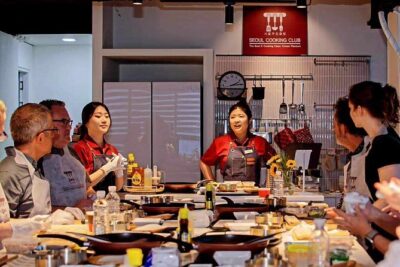 ★ 5.0Korean Cooking at Seoul Cooking ClubFrom $109220 reviews
 ★ 4.9Taste of Korea, Authentic Home Style Cooking ClassFrom $89166 reviews
Experience Korean Cooking in Modern Hanok KitchenFrom $87118 reviews
★ 4.9Taste of Korea, Authentic Home Style Cooking ClassFrom $89166 reviews
Experience Korean Cooking in Modern Hanok KitchenFrom $87118 reviews
Browse the lists this tour appears in