
Reviewed · KOREAN COOKING & KIMCHI CLASSES
Korean Cooking Class Full Meal with BBQ on an All in One Table
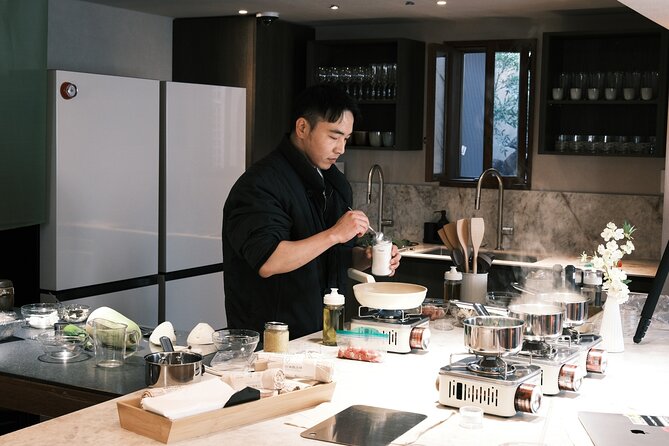
A Korean meal is more fun when you build it yourself. In this Seoul cooking class, you get a Hanok-inspired studio kitchen and you make the whole meal, not just one dish. I especially like that you learn the role of fermented flavors like doenjang and gochujang while cooking what you’ll actually eat.
You’ll love the pacing, too: everything is designed to feel like a Korean meal where dishes land together, then you sit down and enjoy. One thing to consider: this is not a sightseeing or food market tour, so if you’re hoping to spend your time walking outside, this setup may feel too hands-on and too studio-based.
In This Review
- Key Things I’d Mark on Your Seoul List
- A Hanok-Inspired Studio Kitchen for Real Korean Home Cooking
- Start With Seasonal Welcome Tea and a Calm, Local Pace
- Banchan: Four Side Dishes Where Vegetables and Fermented Flavor Matter
- Choosing Your Main Dish and Soup/Stew Like a Korean Meal
- Bibimbap Plating: Your Bowl, Your Style
- Grilled Pork Belly BBQ and a Taste of Traditional Liquor
- Dessert Together: Ending With a Sweet Korean Finish
- Location in Mapo-gu: Starting Easy in Seoul
- Price and Value: Is $89 a Good Deal?
- Communication With Woody: Simple, Helpful Coordination
- Who Should Book This Korean Cooking Class in Seoul?
- Quick Tips to Get the Most Out of the 3-Hour Class
- Should You Book Soop Table’s Korean Cooking Class?
- FAQ
- How long is the Korean cooking class?
- What’s included in the full meal?
- Is this a food tour or a market visit?
- What’s the group size?
- Where do I meet for the class?
- Does the class run in any weather?
- What is the cancellation policy?
Key Things I’d Mark on Your Seoul List
- Hanok-inspired kitchen comfort: calm, well-equipped, and built for real cooking time
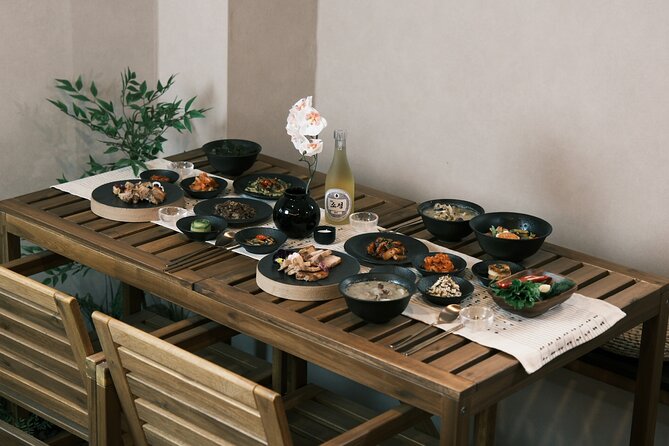
- A full Korean table you cook yourself: banchan, soup/stew, and main dish, plus beautifully plated bibimbap
- Sauces with stories: you work with key Korean staples like doenjang and gochujang
- Chef-handled BBQ and liquor taste: grilled pork belly comes out while you focus on your table
- Small group energy (max 8): easier questions, better guidance as you plate and cook
Roll up your sleeves in another Korean kitchen
- Local Home Korean Cooking Class & Market Adventure in Seoul★ 5.0 · 1,024 reviews
- Master Korean traditional cooking with a Kimchi chef★ 5.0 · 385 reviews
- Seoul: Korean Cooking Class at a Local Home and Market Tour★ 5.0 · 348 reviews
- Seoul: Korean Cooking at Seoul Cooking Club!★ 5.0 · 311 reviews
A Hanok-Inspired Studio Kitchen for Real Korean Home Cooking
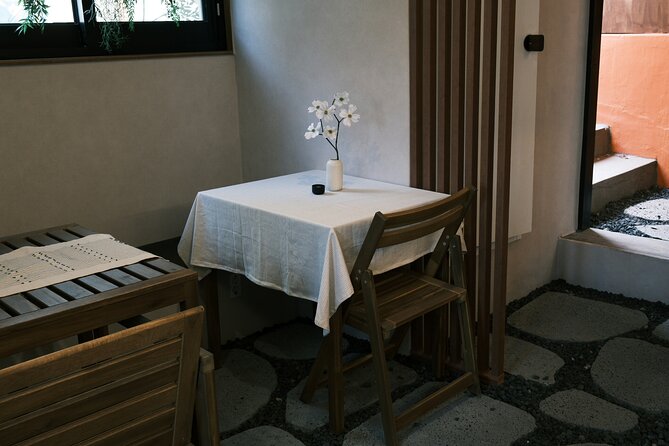
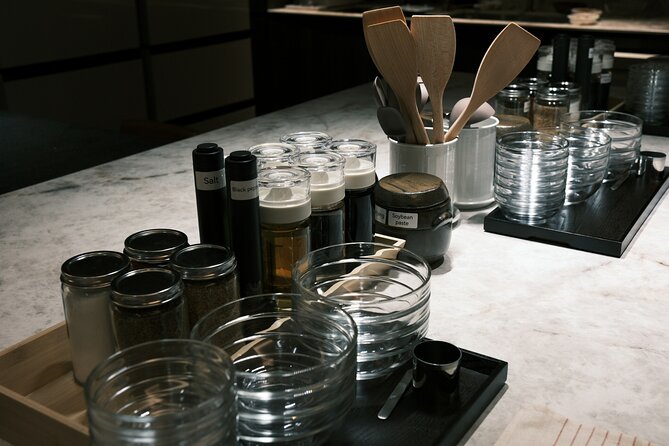
If you’ve ever taken one of those cooking classes where you chop one thing and then watch someone else do the rest, you’ll feel the difference fast here. The vibe is closer to a Korean home meal day: calm room, good tools, and a layout that helps you cook with attention instead of rushing for photos. The kitchen is inspired by traditional Hanok architecture, so even when you’re elbow-deep in vegetables, the space feels thoughtful and grounded.
What I like most is that this class is built around a full-table mindset. Korean meals aren’t just one highlight dish. They’re balance: sides, soup, main, rice, and sauces all playing off each other. This is the kind of structure that helps you understand why certain flavors show up again and again in Korean cooking.
The class also emphasizes “handmade” time. You’re doing the prep and cooking for the dishes that matter. The BBQ is the one exception: the chef handles the grilled pork belly, which lets you still enjoy that smoky, hot-off-the-grill moment without burning your dinner—or your eyebrows—during plating.
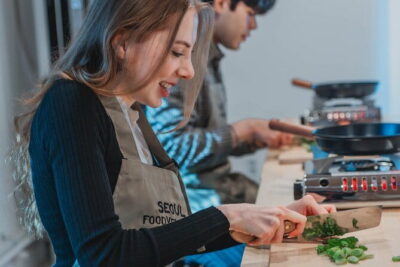
You’ll likely notice that the instruction style fits the goal. Instead of a “recipe demo” feel, it’s more like guided cooking where you’re expected to participate. That’s where the best value shows up. If you go in curious and a little hungry, you leave with both food and confidence.
Start With Seasonal Welcome Tea and a Calm, Local Pace
Before you start cooking, the experience opens with a seasonal Korean welcome tea. It’s a small step, but it does something important: it slows you down. After travel time and Seoul streets, that first sip helps you shift into the right rhythm for cooking.
From there, the class sets expectations clearly: you’ll cook side dishes, choose your main, build your bibimbap, and enjoy a complete meal. That means you won’t spend the time doing filler activity. No “get oriented” detours. No long lecture. Just a steady flow that keeps you moving at a comfortable pace.
Also worth noting: the class is designed for 3 hours (approx.), which is a sweet spot. Long enough to cook multiple items and plate something well, short enough that you’re not stuck in the kitchen until late evening. If you’re coming for a lunchtime or early dinner plan, this timing is practical.
Banchan: Four Side Dishes Where Vegetables and Fermented Flavor Matter
One of the most useful skills you’ll pick up is how Korean banchan works as a system, not as random small plates. You make four kinds of Korean side dishes using fresh vegetables. Even if you’ve eaten Korean food before, banchan is often the part you taste but don’t fully understand. In a hands-on class, you learn how the ingredients behave: what turns crisp, what softens, what takes on sauce.
The class also highlights fermented pastes like doenjang and gochujang. That matters because these flavors aren’t just “seasoning.” They’re depth. Doenjang brings a savory, earthy fermentation note. Gochujang adds sweet-spice and a kind of sticky warmth. Working with these directly gives you a better sense of how Koreans build flavor beyond salt and heat.
Another smart detail: some of these pastes are brought directly from the chef’s hometown. You might not need to think about geography to enjoy the taste, but it does add meaning. It turns the sauces into something more than packets from a store shelf.
A practical tip for you: when side dishes come in multiple textures, your table needs variety. If you’re the type who usually mixes everything together, try tasting the sides separately first. You’ll notice how each one has a different job—crunch, tang, sweetness, or savory depth. That understanding makes your bibimbap much better when you start mixing.
A handful of other Seoul experiences to line up next
Choosing Your Main Dish and Soup/Stew Like a Korean Meal
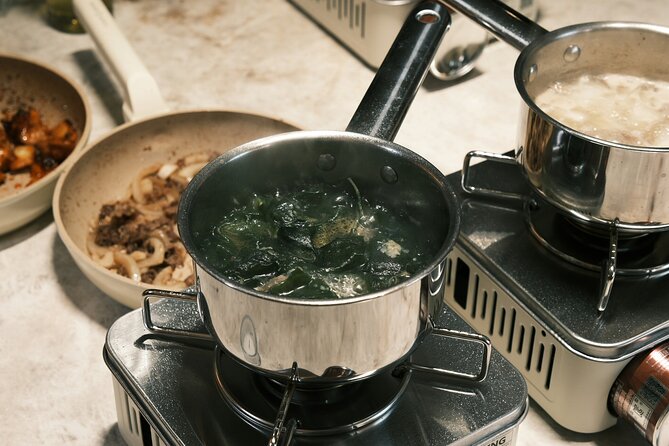
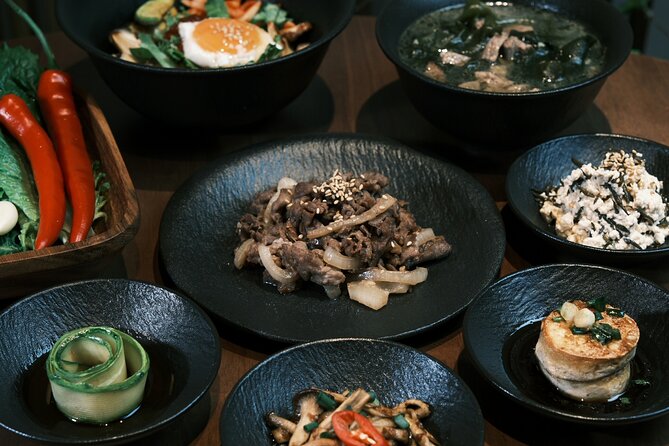
Instead of being forced into one menu item, you get to choose one main dish and one soup or stew based on your taste. That small choice is bigger than it sounds. It helps you steer the meal toward what you genuinely want to eat, which makes the class feel less like following instructions and more like cooking your own dinner.
Korean dining has a signature structure where soup or stew acts as balance. It changes the texture of the table and gives your palate a reset point between bites of rice, sauces, and banchan. If you go heavy on spicy or savory flavors, the soup/stew choice can cool things down. If you want a richer feel, your main selection likely brings it.
The class also frames the meals in the way Koreans typically eat them: dishes are served all at once, not one course at a time like many Western restaurants. That design isn’t just a scheduling detail. It changes how you experience flavors. You can’t “save room” for later. Instead, you taste everything at the same sitting, then learn how the combinations work.
Bibimbap Plating: Your Bowl, Your Style
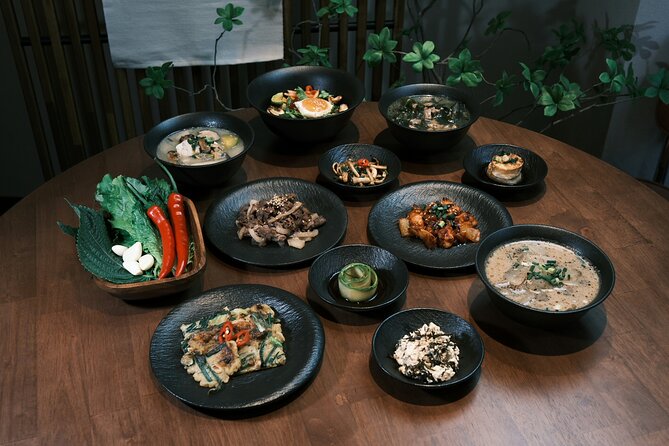
Bibimbap often gets treated like a simple stir-fry with toppings. But when you plate it yourself, you quickly see it’s more about order and balance than it is about speed.
In this class, you plate your own bibimbap in a way that’s described as your dish, your style. That means you’re not just cooking; you’re also arranging. You’ll build the visual part of Korean dining—the part that signals “this is ready to share.” It also trains you to think about portioning. If one topping overwhelms the bowl, the whole flavor balance shifts.
A fun part is that you’ll likely want to adjust as you go. You start with an idea, then taste a side dish, then return to your bowl with a better sense of what’s missing. That’s the real learning curve: not memorizing recipes, but learning how to read flavor.
For you, the practical win is this: once you know how to assemble a balanced bibimbap at home, Korean food stops being a mystery restaurant order. It becomes something you can recreate.
Grilled Pork Belly BBQ and a Taste of Traditional Liquor
After you’ve cooked and plated, the class brings out grilled pork belly BBQ, handled by the chef. This is a good move. Pork belly needs attention and heat control. By letting the chef manage the grilling, you get that satisfying, smoky result while you stay focused on eating with your group and enjoying the table you made.
During the BBQ moment, there’s also a taste of traditional liquor. The point here isn’t pressure to drink a lot. It’s more like a small cultural extra that rounds out the Korean dining feel. If you’re not into alcohol, you’ll still get the experience of trying a little and understanding the role it can play with food.
If you like your meals to have both comfort and celebration energy, this is that part. The kitchen work is hands-on and quieter; the BBQ phase feels warmer and more communal.
Dessert Together: Ending With a Sweet Korean Finish
After the meal, the class shifts to dessert, where you enjoy making a popular Korean dessert together. The type of dessert isn’t specified here, so you should expect it as a shared hands-on finale rather than a surprise-avoidance ingredient hunt.
Dessert is also a smart way to close out a cooking class. By the time you reach it, you’re already relaxed and full. That means you’ll actually enjoy the last steps, rather than feeling like you’re still “working” your way to the finish line.
Location in Mapo-gu: Starting Easy in Seoul
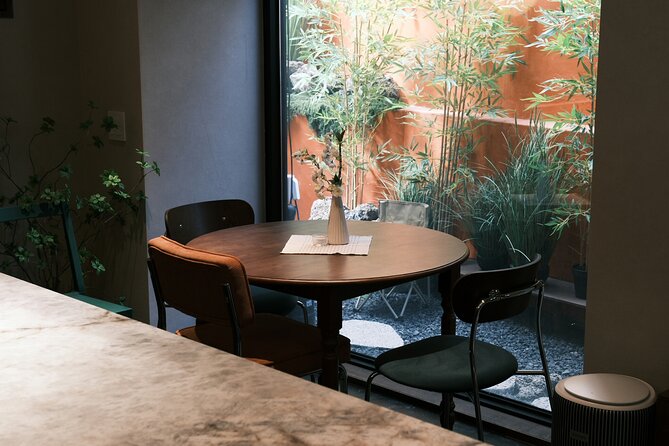
The meeting point is Soop Table: Korean Cooking Class at Mapo-gu, Donggyo-ro 46-gil, 34, on the 1st floor. It’s near public transportation, which matters in Seoul where walking can be a mix of pleasant and tiring depending on the day.
The good part: the experience ends back at the meeting point. That saves you from figuring out what to do next right after eating. You can plan the rest of your day around the class, not around travel uncertainty.
Price and Value: Is $89 a Good Deal?
At $89.00 per person for about 3 hours, this class lands in the mid-range for Seoul food experiences, but the value comes from what you actually do.
You’re cooking a full meal: multiple banchan dishes, a chosen main, a chosen soup or stew, plus bibimbap plating. Then you also get chef-served grilled pork belly BBQ, a taste of traditional liquor, and a shared dessert-making moment. When you compare that to classes that only let you make a single dish or that feel more like a short tasting than a true cooking session, the math works better here.
The small group size (max 8) also pushes value upward. More hands-on guidance tends to mean fewer “wait, what do I do now?” moments. It helps you move through the steps with less frustration and better results.
One more detail that boosts the experience quality: the class is designed around a culture-of-sharing table. That means it’s not only about eating well. It’s also about the social rhythm—cook, plate, serve together, enjoy everything at once.
Communication With Woody: Simple, Helpful Coordination
One thing I appreciate from the way this is run is the practical communication. The host, Woody, reaches out to confirm dinner choices and timing. That’s a small detail, but it helps you arrive without guessing what you’ll need to decide.
When a cooking class requires you to choose a main dish and soup or stew, early confirmation reduces stress. You don’t want to be making menu decisions on a crowded sidewalk while your cooking start time is ticking.
Who Should Book This Korean Cooking Class in Seoul?
This class is a great fit if you want Korean food in a way that feels personal and instructive. You’ll be especially happy if you:
- Want hands-on cooking, not just tasting
- Like understanding flavors (not only copying recipes)
- Enjoy plating and presentation, even in a casual studio setting
- Want a complete meal experience in a short window
It’s probably not the best fit if your top priority is walking around Seoul, browsing markets, or building your day around sightseeing. The experience is intentionally studio-based. There’s a note that if you’re curious, the host may share a few trusted local markets for a more authentic experience, but this is still not a commercial market tour. The focus stays on cooking and dining together.
Quick Tips to Get the Most Out of the 3-Hour Class
- Bring a curious mindset. You’ll learn more by asking why ingredients behave a certain way.
- Don’t rush the tasting. Korean meals are designed to be enjoyed together, so let the flavors “stack” on your palate.
- If spicy heat isn’t your thing, plan your main and sauce choices around your comfort level when you confirm.
- Take your time with bibimbap plating. Even small arrangement choices change how the bowl tastes.
Should You Book Soop Table’s Korean Cooking Class?
If you want an experience that’s more than eating and more than watching, book it. The combination of a Hanok-inspired studio, hands-on banchan cooking, bibimbap plating, and a full shared meal format is exactly what makes this kind of class memorable. You leave with both recipes you can repeat and a better sense of how Koreans build a table.
I’d skip it only if you’re mainly looking for outdoor exploring, or if you strongly prefer one-dish classes where you do minimal prep. Otherwise, this is a solid Seoul value: $89 for a full-table cooking experience, small group attention, and the kind of meal you’ll remember long after the last bite.
FAQ
How long is the Korean cooking class?
The class lasts about 3 hours.
What’s included in the full meal?
You’ll make four side dishes, cook a chosen main dish and a chosen soup or stew, plate bibimbap, and eat the meal family-style. The chef also serves grilled pork belly BBQ, offers a taste of traditional liquor, and you make a popular Korean dessert together.
Is this a food tour or a market visit?
It’s not a commercial food tour or market tour. The focus is on cooking and enjoying a Korean meal together. If you’re curious, the host can share a few trusted local markets, but that isn’t the main activity.
What’s the group size?
The class has a maximum of 8 travelers.
Where do I meet for the class?
You meet at Soop Table: Korean Cooking Class, Mapo-gu, Donggyo-ro 46-gil, 34 1층, Seoul. The activity ends back at the meeting point.
Does the class run in any weather?
The experience requires good weather. If it’s canceled due to poor weather, you’ll be offered a different date or a full refund.
What is the cancellation policy?
You can cancel for free up to 24 hours in advance for a full refund. If you cancel less than 24 hours before the start time, the amount paid isn’t refunded.
More Cooking Classes in Seoul
- Local Home Korean Cooking Class & Market Adventure in Seoul★ 5.0 · 1,024 reviews
- Master Korean traditional cooking with a Kimchi chef★ 5.0 · 385 reviews
- Seoul: Korean Cooking Class at a Local Home and Market Tour★ 5.0 · 348 reviews
- Seoul: Korean Cooking at Seoul Cooking Club!★ 5.0 · 311 reviews
- Korean Cooking at Seoul Cooking Club★ 5.0 · 220 reviews
More Tour Reviews in Seoul
- Best DMZ Tour Korea from Seoul (Red Suspension Bridge Optional)★ 5.0 · 41,422 reviews
- DMZ Tour: 3rd Tunnel, Option(Suspension Bridge, Boat) from Seoul★ 5.0 · 21,373 reviews
- DMZ tour south Korea from Seoul (NK experience hall, defector)★ 5.0 · 20,599 reviews
- Seoul: DMZ Tour with Optional Suspension Bridge★ 4.8 · 5,277 reviews
- Seoul: DMZ The 3rd Tunnel and Suspension Bridge Tour★ 5.0 · 4,656 reviews
Back in the Korean Kitchen
- Local Home Korean Cooking Class & Market Adventure in Seoul★ 5.0 · 1,024 reviews
- Master Korean traditional cooking with a Kimchi chef★ 5.0 · 385 reviews
- Seoul: Korean Cooking Class at a Local Home and Market Tour★ 5.0 · 348 reviews
- Seoul: Korean Cooking at Seoul Cooking Club!★ 5.0 · 311 reviews
- Cook 3 Authentic Korean Dishes with Local Market Tour★ 5.0 · 231 reviews
Just added to Exploring Seoul



Korean Cooking & Kimchi Classes, compared.
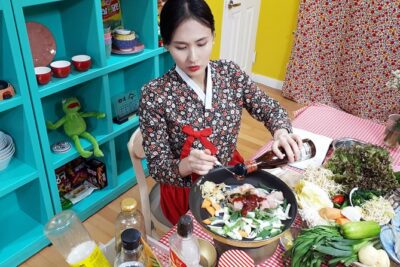 ★ 5.0Local Home Korean Cooking Class & Market Adventure in SeoulFrom $911,024 reviews
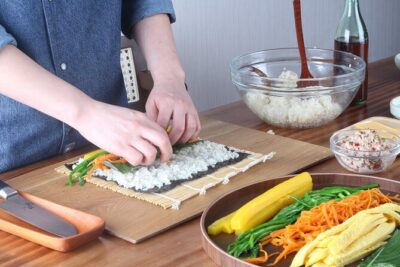 ★ 5.0Master Korean traditional cooking with a Kimchi chefFrom $85385 reviews
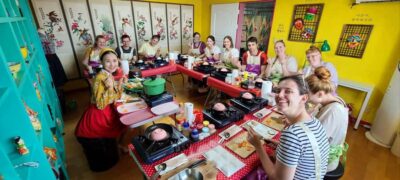 ★ 5.0Korean Cooking Class at a Local Home and Market TourFrom $98348 reviews
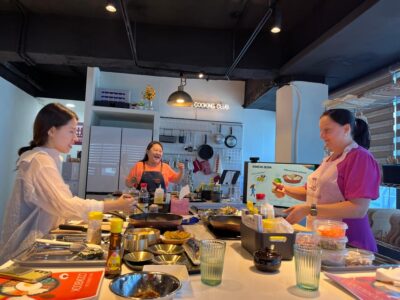 ★ 5.0Korean Cooking at Seoul Cooking Club!From $109311 reviews
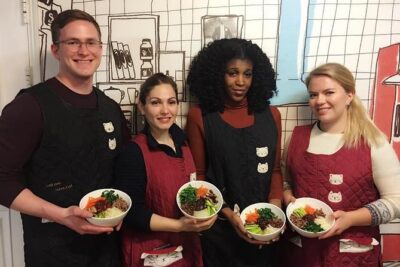 ★ 5.0Cook 3 Authentic Korean Dishes with Local Market TourFrom $79231 reviews
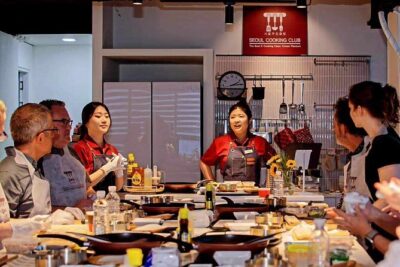 ★ 5.0Korean Cooking at Seoul Cooking ClubFrom $109220 reviews
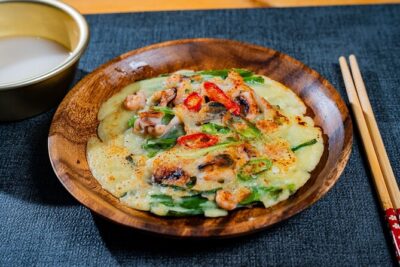 ★ 4.9Taste of Korea, Authentic Home Style Cooking ClassFrom $89166 reviews
Experience Korean Cooking in Modern Hanok KitchenFrom $87118 reviews
★ 4.9Taste of Korea, Authentic Home Style Cooking ClassFrom $89166 reviews
Experience Korean Cooking in Modern Hanok KitchenFrom $87118 reviews
Browse the lists this tour appears in