

Reviewed · KOREAN COOKING & KIMCHI CLASSES
Vegan Korean Food Cooking Class: Gimbap, Sundubu Jjigae, and more
Korean comfort food, made plant-based and hands-on. This workshop is a full, small-group Korean meal where you cook major dishes yourself, from Sundubu-jjigae to gimbap, plus two lesser-known (but very Korean) classics. I like that it focuses on practical tofu skills and shows you how Korean flavors work without meat. One possible drawback: it is on a third floor with no elevator, so plan stairs if that is a concern.
In This Review
- Itaewon’s World Food Street, with clear instructions
- You leave with cooking technique and a Korean dinner plan
- Quick hits worth knowing
- Where you start: Itaewon-dong and World Food Street
- The class format: 2.5 hours of hands-on cooking with a max of 4
- Your tofu toolkit: what this workshop teaches you that restaurants won’t
- Sundubu-jjigae from scratch: tofu comfort you can taste immediately
- Gimbap rolling practice: technique, not just assembly
- Biji-jeon: soy pulp pancakes that expand your tofu expectations
- Hwa-jeon with edible flowers: the final dish that feels special
- The instructor experience: Soomin’s step-by-step teaching style
- Price and value: why $75 makes sense for a full meal class
- Practical tips so you enjoy the class more
- Who this workshop is best for (and who might want something else)
- Should you book this vegan Korean cooking class?
- FAQ
- What dishes do I make in this vegan Korean cooking class?
- Is the class fully vegan?
- How long is the cooking class?
- Where do I meet for the class?
- What time does the class start?
- How big is the group?
- Is there gluten-free food available?
- Is the activity accessible by public transportation?
- Is there an elevator at the meeting location?
- When will I receive confirmation after booking?
- How does the ticket work?
Itaewon’s World Food Street, with clear instructions
You meet in Itaewon-dong in Yongsan District, right in the area described as World Food Street. The class runs about 2 hours 30 minutes starting at 11:00 am, and the group is capped at 4 people, which keeps the pace friendly and questions easy. The instructor, Soomin, is repeatedly praised for step-by-step guidance and for explaining ingredients and traditions, not just telling you what to do.
Roll up your sleeves in another Korean kitchen
- Local Home Korean Cooking Class & Market Adventure in Seoul★ 5.0 · 1,024 reviews
- Master Korean traditional cooking with a Kimchi chef★ 5.0 · 385 reviews
- Seoul: Korean Cooking Class at a Local Home and Market Tour★ 5.0 · 348 reviews
- Seoul: Korean Cooking at Seoul Cooking Club!★ 5.0 · 311 reviews
You leave with cooking technique and a Korean dinner plan

The big win here is eating a complete vegan Korean spread that you assembled and cooked, not just watched. You’ll roll gimbap, cook sundubu-jjigae from scratch, cook soy pulp pancakes (biji-jeon), and finish with hwa-jeon—glutinous rice dough shaped and cooked with seasonal edible flowers. The other consideration is that you’ll want to eat what you make right away, so consider skipping breakfast or bringing a container if you think you’ll have leftovers.
Quick hits worth knowing
- Small group (max 4 people) so you can actually practice rolling, mixing, and cooking
- A full Korean vegan meal: gimbap, sundubu-jjigae, biji-jeon, and hwa-jeon
- Tofu-forward cooking plus soy pulp pancakes, so you learn more than one tofu trick
- Soomin’s clear step-by-step teaching with ingredient and tradition context
- Edible flowers for hwa-jeon for an impressive, photo-friendly final dish
- Gluten-free on request if you coordinate ahead of time
Where you start: Itaewon-dong and World Food Street
This class is based around World Food Street in Itaewon, Seoul, with the meeting point at Itaewon-dong in Yongsan District. If you’re already exploring Itaewon, it’s a practical add-on: you’re not commuting across the city for a two-and-a-half-hour activity.
I like the timing too. Starting at 11:00 am means it fits between a late breakfast and an early dinner, so the meal you cook can genuinely become your day’s centerpiece. It also helps if you hate rushed tours where you’re hungry before the activity even starts.
And since the workshop ends back at the meeting point, you don’t have to plan a second commute at the end of class. That small convenience matters when you’re already tired from walking.
A handful of other Seoul experiences to line up next
The class format: 2.5 hours of hands-on cooking with a max of 4
You’re not in a huge group where half the class is watching. The activity caps at 4 travelers, and the setup is built for hands-on practice. That affects everything: you get more time at the station, you’re more likely to understand why a step matters, and you can ask questions without waiting.
The ticket is a mobile ticket, and confirmation is sent within 48 hours of booking, subject to availability. That’s useful if you’re planning day-by-day and want a solid sense of whether you’re locked in.
Logistics that can matter in real life:
- It’s on the 3rd floor with no elevator. If stairs are tough for you, factor that in before you book.
- It’s near public transportation, so you should be able to reach it without a complicated route.
- Service animals are allowed.
- It’s vegan, and it’s labeled as Muslim-friendly; gluten-free is available on request.
Your tofu toolkit: what this workshop teaches you that restaurants won’t

This class is built around the idea that tofu is versatile, not just a meat substitute. You’ll use tofu directly in dishes like sundubu-jjigae, and you’ll also learn how Korean food uses other soy-based ingredients in dishes like biji-jeon.
That’s a big deal when you’re traveling. Once you understand how soy-based ingredients behave in Korean cooking—how they bind, how they soften, and how they take on savory broth or seasoning—you can spot similar ideas on menus or recreate them at home later.
Also, the workshop uses seasonal edible flowers for hwa-jeon. That’s not just for looks. It reinforces a Korean approach where presentation and ingredient timing are part of the meal, not an afterthought.
Sundubu-jjigae from scratch: tofu comfort you can taste immediately
Sundubu-jjigae is Korean comfort food in a bowl: soft tofu, savory broth, and the kind of heat level that makes you want another spoonful. In this class, you cook it from scratch, which is where most cooking classes win or lose. You’re not just assembling a pre-made item—you’re involved in the core cooking steps.
What makes this dish valuable for you:
- You learn how sundubu’s texture works. Soft tofu is different from firmer tofu, and the timing matters.
- You get a clear feel for how the broth flavors come together as it cooks, not just what the final dish tastes like.
If you’re new to Korean cooking, sundubu-jjigae is a great anchor dish because it connects to lots of Korean menus. Even if you don’t cook at home often, having cooked sundubu once makes restaurant ordering easier later.
Gimbap rolling practice: technique, not just assembly
Gimbap looks simple until you try rolling it. In this class, you assemble and roll gimbap yourself, so you get practice with structure: keeping fillings distributed, controlling thickness, and making the roll feel tight without crushing everything inside.
I like that gimbap is practical. It’s the kind of dish you can eat for lunch, pack for a day out, or recreate at home. And because it uses seaweed and fillings, it’s also a gateway to understanding Korean flavor balancing: salty, savory, a little tang, plus vegetables and tofu-based elements.
One more reason to pick this workshop: rolling teaches patience. You’ll see why the tiny details matter—like how you place fillings and how you handle the sheets—because your hands will feel the difference.
Biji-jeon: soy pulp pancakes that expand your tofu expectations
Biji-jeon is a Korean dish made with soy pulp, and it’s a fantastic way to broaden your understanding of soy in Korean cooking. Here, you prepare and cook the soy pulp pancakes, so you experience the whole process rather than just tasting.
This dish stands out because it’s not the usual Western idea of tofu. Instead of cubes in soup, you get a batter-style approach that cooks into pancakes. That’s useful knowledge if you ever want vegan Korean comfort that’s less broth-focused than sundubu.
The cooking process also builds your confidence. Once you’ve handled biji-jeon, you’ll likely feel more comfortable trying other Korean savory pancake styles later, even at home.
Hwa-jeon with edible flowers: the final dish that feels special
Hwa-jeon is glutinous rice dough shaped and cooked, and it’s finished with seasonal edible flowers. That combination makes the last part of the class feel like an event, not just another recipe.
Practically, it’s also a good capstone for learning:
- You work with a different dough texture than the soup and pancake items.
- You practice shaping and cooking timing so the final result sets properly.
- You learn how ingredient presentation can be part of the tradition, not only plating.
If you love food that looks as good as it tastes, this is the dish you’ll remember.
The instructor experience: Soomin’s step-by-step teaching style
A lot of cooking classes sound great on paper. This one is repeatedly praised for how it’s taught. Soomin comes up again and again as a friendly host who explains clearly, with step-by-step instructions and a focus on ingredients and traditions.
That matters because Korean cooking can look intimidating when you’re reading recipes later. You need to know not just the order of steps, but what the ingredients are doing. The way Soomin teaches seems designed to answer questions as you cook, and the extra ingredient context helps you understand why something changes.
Another practical bonus from the class atmosphere: you can ask about vegan food in Seoul. One of the consistent themes is that the conversation goes beyond the recipes, giving you useful tips for where to eat and how to think about ordering.
Price and value: why $75 makes sense for a full meal class
At $75 per person for about 2 hours 30 minutes, you’re paying for more than instruction. You’re paying for:
- Multiple recipes (not just one dish)
- Hands-on practice with rolling, cooking, and shaping
- Ingredients used to create a full vegan meal you can eat afterward
- A small-group setup where you’re not lost in a crowd
If you only cook one dish at home, this might feel steep. But the whole point here is that you leave with a set of techniques and flavors that make up an actual Korean meal: soup, roll, pancake, and a flower-topped dessert-like dish.
Also, with a maximum of 4 travelers, your per-person instruction time is likely higher than in bigger workshops. That’s the kind of value you feel while cooking, not just after.
Practical tips so you enjoy the class more
These are small choices that can improve your day:
- Bring a box for leftovers. If you end up with extra, having a container is handy.
- Or skip breakfast and go hungry. The class is built around cooking and eating what you make.
- Wear comfortable clothes and plan for stairs. It’s on the third floor with no elevator.
- Ask about gluten-free on request if you need it, and coordinate ahead so the kitchen can plan accordingly.
- Bring your questions. Ingredient substitutions and vegan ordering ideas for Seoul are the type of things you’ll likely talk about.
Who this workshop is best for (and who might want something else)
This class fits best if you:
- want an authentic vegan Korean meal experience in Seoul
- like hands-on cooking where you actually roll and cook
- want to learn tofu-based cooking beyond bland substitutes
- care about clear teaching and ingredient context
It also works if you’re not strictly vegan but want a strong introduction to Korean cooking through plant-based dishes. That combination can be reassuring if you’re traveling with friends who eat differently.
You might choose a different kind of class if:
- you can’t do stairs (no elevator, third floor)
- you prefer a very short tasting-only experience rather than hands-on cooking
Should you book this vegan Korean cooking class?
If you want a hands-on way to understand Korean food, this is an easy yes. You get a complete vegan Korean meal you cook yourself, taught in a small group with a clear instructor style. The set of dishes makes sense together: sundubu-jjigae gives you the soup base, gimbap gives you rolling practice, biji-jeon expands your soy knowledge, and hwa-jeon gives you a memorable ending with edible flowers.
Book it if you’re in Seoul and you’d like a memorable food day that’s more than just eating. Consider your stairs and your dietary needs, and you should be set.
FAQ
What dishes do I make in this vegan Korean cooking class?
You make several dishes, including gimbap, sundubu-jjigae cooked from scratch, biji-jeon (soy pulp pancakes), and hwa-jeon made with glutinous rice dough and seasonal edible flowers.
Is the class fully vegan?
Yes. The workshop is described as vegan, with a focus on tofu and plant-based cooking.
How long is the cooking class?
The duration is about 2 hours 30 minutes.
Where do I meet for the class?
You start at Itaewon-dong, Yongsan District, Seoul, South Korea, and it ends back at the meeting point.
What time does the class start?
The start time is 11:00 am.
How big is the group?
The class has a maximum of 4 travelers.
Is there gluten-free food available?
Gluten-free is available on request.
Is the activity accessible by public transportation?
Yes, it is near public transportation.
Is there an elevator at the meeting location?
No elevator is available, and the activity is on the 3rd floor.
When will I receive confirmation after booking?
Confirmation is sent within 48 hours of booking, subject to availability.
How does the ticket work?
You receive a mobile ticket for the activity.
More Food & Drink in Seoul
- Seoul Street Food Market Tour★ 5.0 · 1,226 reviews
- Seoul: Night Market Food Tour with Local Guide★ 4.9 · 943 reviews
- Downtown Seoul Guided Food & Market Tour with 8+ Local Tastings★ 5.0 · 580 reviews
- Seoul: Guided Food & Market Tour with 8+ Tastings★ 4.9 · 342 reviews
- Small-Group Night Food Tour in Seoul with Korean BBQ★ 5.0 · 304 reviews
More Tour Reviews in Seoul
- Best DMZ Tour Korea from Seoul (Red Suspension Bridge Optional)★ 5.0 · 41,422 reviews
- DMZ Tour: 3rd Tunnel, Option(Suspension Bridge, Boat) from Seoul★ 5.0 · 21,373 reviews
- DMZ tour south Korea from Seoul (NK experience hall, defector)★ 5.0 · 20,599 reviews
- Seoul: DMZ Tour with Optional Suspension Bridge★ 4.8 · 5,277 reviews
- Seoul: DMZ The 3rd Tunnel and Suspension Bridge Tour★ 5.0 · 4,656 reviews
Back in the Korean Kitchen
- Local Home Korean Cooking Class & Market Adventure in Seoul★ 5.0 · 1,024 reviews
- Master Korean traditional cooking with a Kimchi chef★ 5.0 · 385 reviews
- Seoul: Korean Cooking Class at a Local Home and Market Tour★ 5.0 · 348 reviews
- Seoul: Korean Cooking at Seoul Cooking Club!★ 5.0 · 311 reviews
- Cook 3 Authentic Korean Dishes with Local Market Tour★ 5.0 · 231 reviews
Just added to Exploring Seoul


Korean Cooking & Kimchi Classes, compared.
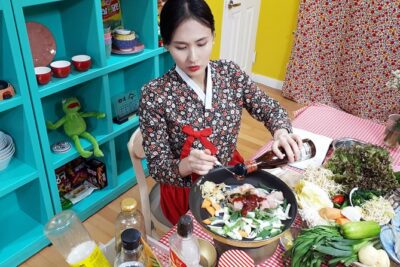 ★ 5.0Local Home Korean Cooking Class & Market Adventure in SeoulFrom $911,024 reviews
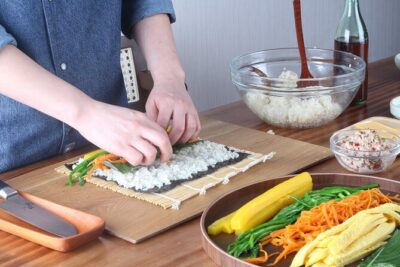 ★ 5.0Master Korean traditional cooking with a Kimchi chefFrom $85385 reviews
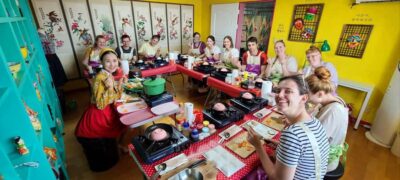 ★ 5.0Korean Cooking Class at a Local Home and Market TourFrom $98348 reviews
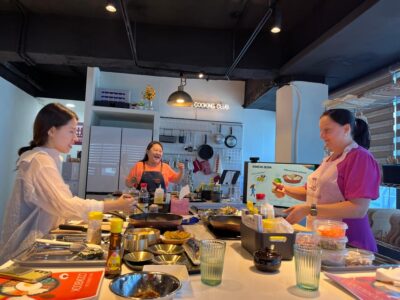 ★ 5.0Korean Cooking at Seoul Cooking Club!From $109311 reviews
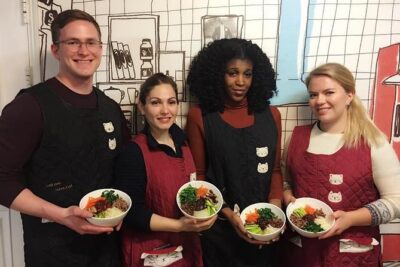 ★ 5.0Cook 3 Authentic Korean Dishes with Local Market TourFrom $79231 reviews
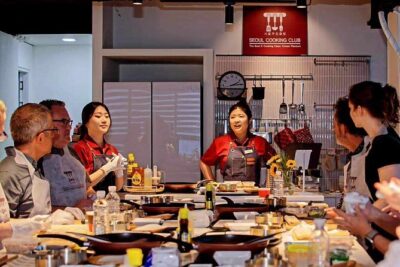 ★ 5.0Korean Cooking at Seoul Cooking ClubFrom $109220 reviews
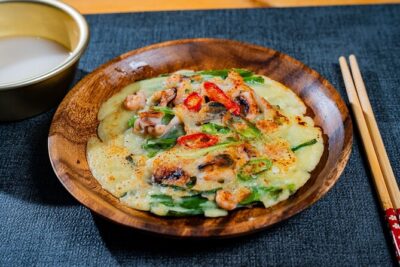 ★ 4.9Taste of Korea, Authentic Home Style Cooking ClassFrom $89166 reviews
Experience Korean Cooking in Modern Hanok KitchenFrom $87118 reviews
★ 4.9Taste of Korea, Authentic Home Style Cooking ClassFrom $89166 reviews
Experience Korean Cooking in Modern Hanok KitchenFrom $87118 reviews
Browse the lists this tour appears in