Reviewed · KOREAN COOKING & KIMCHI CLASSES
Seoul: Temple Vegan Cooking Class & Oriental Medicine Tour
A day with plant-based temple food and Korean medicine in one loop is a surprisingly fun mix. I like how the tour threads wellness through real, everyday places: a monk-led cooking session, herbal markets, a traditional medicine museum experience, and street-food stops. One thing to consider up front: you’re mostly on public transit and walking, so come ready for city crowds and a bit of navigation.
Two parts I especially liked are the hands-on temple cooking (plant-based, monk guided) and the way you get to taste and handle ingredients at Korean markets—seasonal produce plus medicinal herbs like ginseng. In the feedback I saw names like Jade associated with patient, calm guidance, which matters because this tour moves between different types of experiences. If you’re expecting a long, slow wellness retreat, the pace can feel busy since it packs multiple stops into about four hours.
In This Review
- Key highlights to know before you go
- A Monk-Led Vegan Cooking Class at the Korean Temple Food Center
- Herbal Medicine Stops: Yangnyeongsi Market and the K-Medi Experience
- Starbucks Gyeongdong 1960 and Gold Star Radio LG: Old Seoul Meets New Seoul
- Gyeongdong Market Underground City and Street-Food Tasting
- Cheongnyangni Fruit and Vegetable Market: Seasonal Produce You Can Taste
- Price, Group Size, and What the 4 Hours Feels Like
- Who this tour is best for (and who should skip it)
- Should you book the Seoul Temple Vegan Cooking Class & Oriental Medicine Tour?
- FAQ
- How long is the tour?
- What does the tour cost?
- Is this tour limited to a small group?
- Is there an English guide?
- Does the tour include admission to the Oriental Medicine Museum?
- Are temple food cooking and market foods included?
- Where do I meet and where does the tour end?
- What if the weather is bad?
Key highlights to know before you go
- Monk-led temple cooking with plant-based dishes and English guidance
- Yangnyeongsi herb market for a close-up look at traditional medicine ingredients
- K-Medi Center experiences: museum, traditional massage practice, and a Korean medicine café drink
- Gyeongdong Market 1980s vibe inside the underground city
- Street-food tasting with simple market bites and drinks like omija
- Cheongnyangni produce market with seasonal fruit and vegetable sampling
Roll up your sleeves in another Korean kitchen
- Local Home Korean Cooking Class & Market Adventure in Seoul★ 5.0 · 1,024 reviews
- Master Korean traditional cooking with a Kimchi chef★ 5.0 · 385 reviews
- Seoul: Korean Cooking Class at a Local Home and Market Tour★ 5.0 · 348 reviews
- Seoul: Korean Cooking at Seoul Cooking Club!★ 5.0 · 311 reviews
A Monk-Led Vegan Cooking Class at the Korean Temple Food Center
Your day starts at the Korean Temple Food Center, where the focus is Buddhist-inspired food—plant-based cooking taught by a real monk (if you choose the class option). You’re not just watching. You’re learning technique and then making dishes connected to the philosophy behind temple cuisine: simple ingredients, thoughtful preparation, and flavors that don’t rely on heavy meat-based foundations.
What I like about this start is that it gives you a framework before you hit markets. When you later see herbal ingredients and seasonal produce, it’s easier to understand why they show up in traditional healing and cooking. It also helps that this is scheduled for about two hours, which gives you time to slow down and actually participate rather than “try one thing and run.”
Practical note: temple cooking can be hands-on and a little active. If you have trouble standing for stretches, wear supportive shoes and consider going with the option that feels comfortable for you. And since an English interpreter guides the session, it’s meant to be understandable even if Korean food terminology is new to you.
Herbal Medicine Stops: Yangnyeongsi Market and the K-Medi Experience
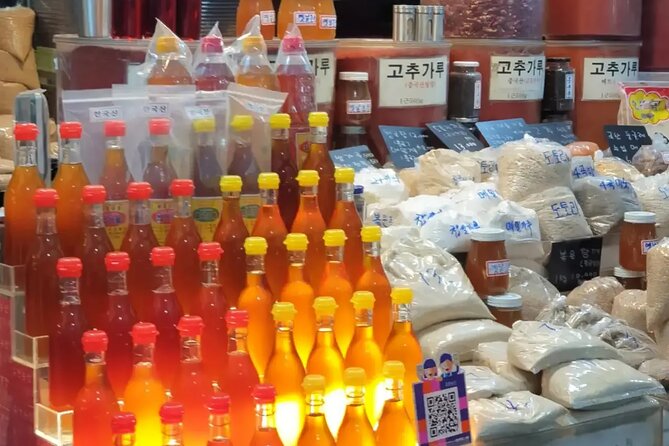
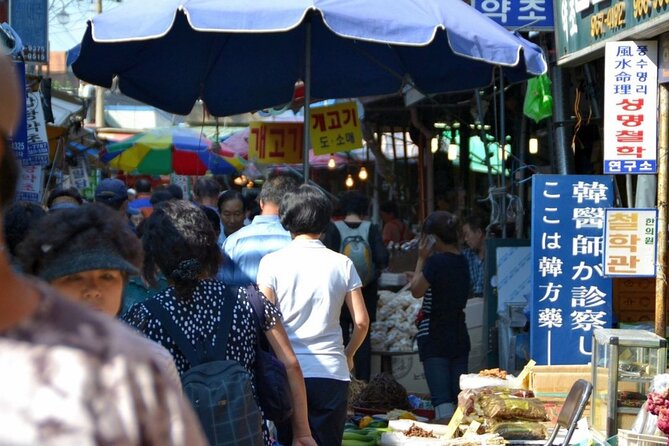
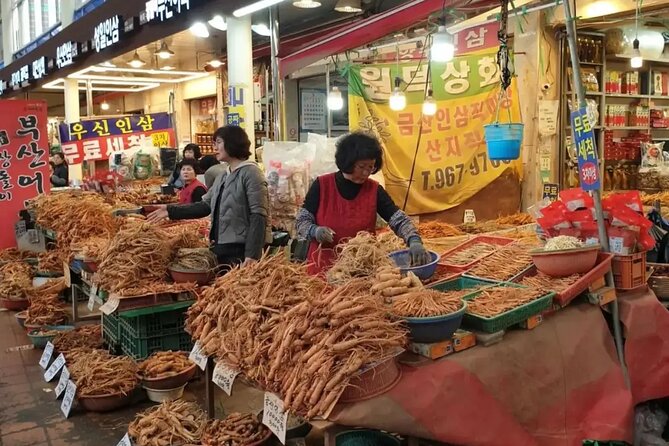
After the cooking, you shift from eating to understanding. First up is Seoul Yangnyeongsi Market, described as one of the oldest and most famous medicinal herb markets. The time here is short (about 15 minutes), but the payoff is sensory: you’ll see the herbs and ingredients that play a role in Korean traditional medicine. It’s the kind of place where you’ll notice labels, dried roots, and herbal items that look far removed from a typical supermarket shelf.
Even with only a brief stop, this is useful because it connects “wellness” to real ingredients you can recognize later. If you’ve ever wondered why ginseng shows up so often in Korean health products, this is where the context starts.
Next you head to the Seoul K-Medi Center, where you’ll do three experience-style activities in roughly 40 minutes:
- A museum visit on the history of Korean medicine
- A traditional massage therapy session (massaging areas like waist, eyes, hands, and feet)
- A break with tea or a drink at an Oriental Medicine café
One detail I’m glad is included here is the drink. In a lot of medicine-focused experiences, you only learn theory. This one gives you a taste moment—one drink is included—so you leave with something you can link to what you saw and practiced.
A quick reality check: at least one person noted the massage was done with a mechanical-style setup rather than a fully manual hands-on approach. That doesn’t make it bad; it just means your expectations should be “guided practice with a device,” not a luxury full-body treatment. If you’re someone who wants very slow, hands-on therapy, you might still enjoy the experience but won’t leave thinking you got spa-level bodywork.
Starbucks Gyeongdong 1960 and Gold Star Radio LG: Old Seoul Meets New Seoul
The tour then changes gears in a smart way. Instead of staying strictly in medicine and food, you get a cultural tech-and-design contrast—through two places connected to Seoul’s modern identity.
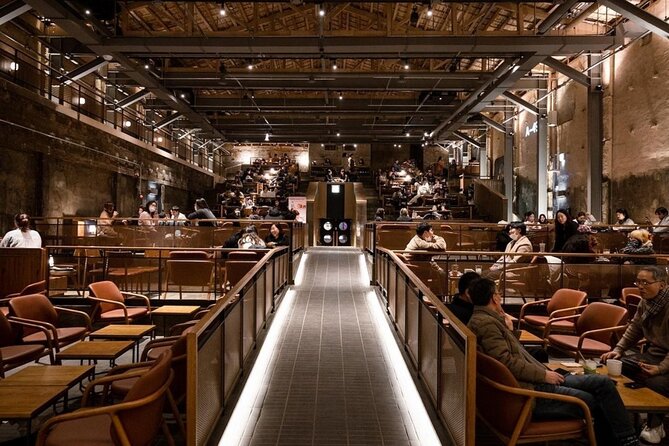
Starbucks Gyeongdong 1960 is a café reconstructed from an old theater. The point isn’t coffee branding. It’s the building story: you can see how Seoul keeps older structures in use, while still packing in modern urban life. It’s a good mental palate cleanser after market herbs and museum exhibits.
Then comes Gold Star Radio LG, where you’ll encounter vintage LG home appliances. This stop is only about 10 minutes, but it’s conceptually valuable because it shows how Korea’s development includes everyday technology—not just monuments. You get a sense of the country’s growth path through objects many people would recognize at home, but here they’re presented as history.
If you’re the type who likes connecting themes—food with philosophy, herbs with healing, then tech with identity—these two stops work. If you only want strict food and wellness content, treat these as a short cultural detour rather than the main course.
Quieter hours at more of Seoul's temples
Gyeongdong Market Underground City and Street-Food Tasting
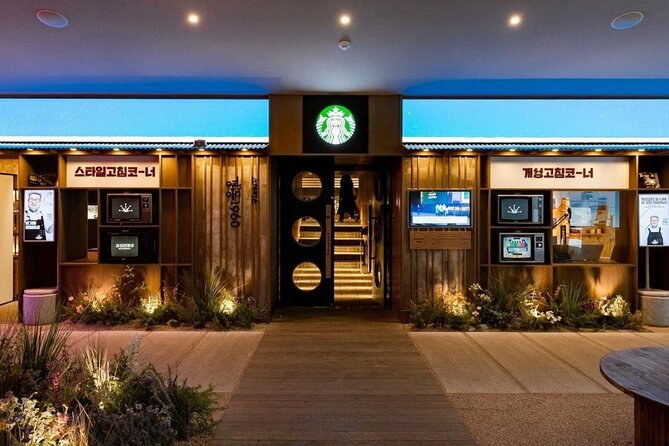
One of my favorite parts of the itinerary style here is the mixture of “indoor pockets” and food moments. You’ll spend time at the Gyeongdong Market Underground City, about 10 minutes. The description emphasizes an older, preserved market ambiance—linked to the 1980s feel—so it’s a way to experience Seoul’s commercial history without having to learn everything from a guidebook.
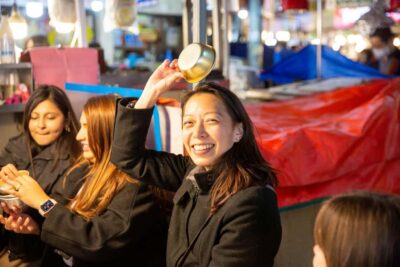
Then you get your street-food break. The tour includes a short tasting window (about 15 minutes) with market-style bites plus simple fruits and vegetables and healthy drinks. One example given is omija, a traditional Korean fruit drink known for its tangy flavor. You may also see other simple market foods included as part of the snack plan.
Here’s the practical value: this isn’t a food crawl with constant stops every five minutes. You get a sample set, so you can actually compare flavors while you’re still focused from the morning. And since the guide is licensed and English-speaking, you can ask quick questions like what something is made from or when people usually eat it.
If you’re sensitive to crowds, plan mentally for busy conditions in central Seoul markets. One piece of feedback noted weekend congestion and confusing directions on the subway system. That’s not unique to this tour, but it means it pays to arrive a bit early to meet points and listen carefully to where you’re being directed.
Cheongnyangni Fruit and Vegetable Market: Seasonal Produce You Can Taste
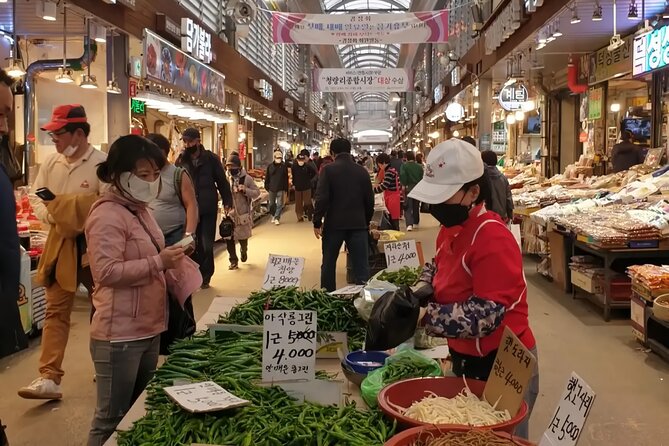
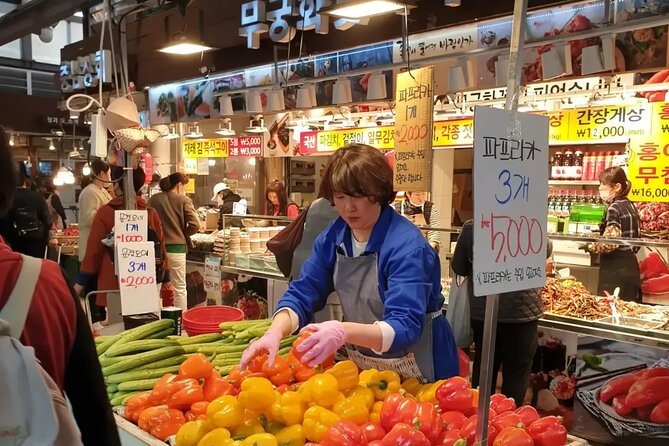
The day closes with Cheongnyangni Traditional Fruit and Vegetable Market, about 20 minutes. This is one of the most immediately satisfying parts because produce feels tangible right away. You’ll see seasonal fruits and vegetables, and the emphasis is on the local variety that’s a little different from what you might find at home.
What makes this stop useful is the theme continuity. Early on you learned plant-based temple cooking. Then you visited medicinal herb areas and a Korean medicine museum experience. Now you end with food as nutrition and ingredient—produce you can visually identify and, in many cases, sample.
If you enjoy markets, you’ll probably like this because it’s not just browsing; it’s sensory learning. Even a short time here can help you understand what “seasonal” means in Seoul and what products are considered special locally.
Price, Group Size, and What the 4 Hours Feels Like
At $77 per person for about 4 hours, this tour is aiming at value by stacking admissions and experiences into one ticket. You get a professional licensed English guide, transportation is included, temple food cooking experience is included (if you choose the class option), admission for the Oriental Medicine Museum is included, and you’ll have at least one drink at an Oriental Medicine café. Snacks, fruits, and healthy beverages are also part of the plan.
To judge whether it’s a good deal for you, think about what you’d pay separately:
- a temple food class
- museum admission
- one or two guided market segments
- city transit time saved by having a planned route
For many visitors, the biggest “value” is not the dollar amount—it’s the time. You’re saving the effort of figuring out which markets pair well with which museums and how to do it in one coherent half-day.
Group size matters too. With a maximum of 20 travelers, you can usually expect a manageable pace where the guide can keep people together. It’s not a private tour, but it’s also not so large that you’re totally lost in a crowd.
Two logistics notes that matter for your planning:
- There’s no hotel pickup/drop-off, so you’ll start at Artist Bakery in Anguk-dong (Jongno District) and finish near Jegi-dong in Dongdaemun.
- It uses a mobile ticket, and you’ll get detailed information one day before via WhatsApp or email.
Who this tour is best for (and who should skip it)
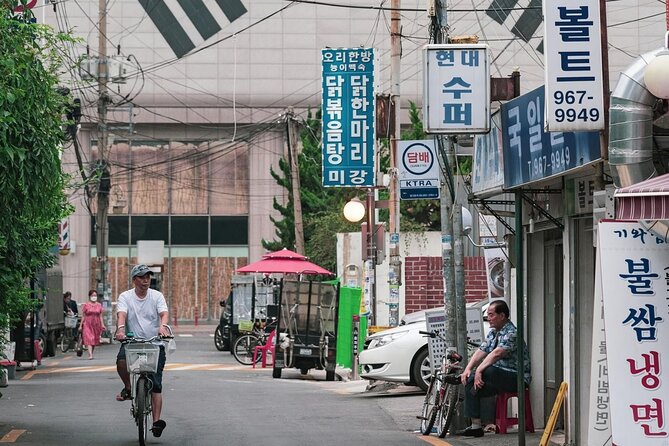
This is a strong fit if you want a morning-to-afternoon Seoul experience that mixes food, wellness, and culture without needing advanced Korean skills. It’s especially good for:
- food-minded travelers who like plant-based cooking
- people curious about Korean traditional medicine but don’t want a full-day classroom
- visitors who enjoy markets and quick tasting moments
- anyone who appreciates theme-based city walking (old meets new, and food connects to healing)
You might want to pass or adjust your expectations if you:
- dislike walking and public transit (you’re near public transportation, but there’s no hotel pickup)
- expect a long spa-style massage session (the massage practice is time-limited and may be mechanical-style)
- need a super slow pace with fewer stops
Also, weather is a factor since it’s an outdoor-and-market-heavy day. If conditions are poor, the experience may be rescheduled or refunded.
Should you book the Seoul Temple Vegan Cooking Class & Oriental Medicine Tour?
Yes—if you like the idea of linking what you eat to why it’s eaten. The combination of a monk-led plant-based cooking class, a herb market stop, and a Korean medicine museum/café + massage practice is a rare mix that feels practical, not performative.
I’d especially book if you value structure. This tour gives you a route that connects food and healing ingredients, plus a couple of cultural “Seoul identity” stops like Starbucks Gyeongdong 1960 (in an old theater) and Gold Star Radio LG (vintage appliances). You’ll leave with food memories, ingredient curiosity, and a clearer picture of how traditional medicine fits into everyday life.
One reason to think twice: the pacing is dense for a half-day, and the city transit can get complicated on busy weekends. If you hate crowds or struggle with navigation, you’ll need extra patience.
FAQ
How long is the tour?
The tour lasts about 4 hours.
What does the tour cost?
It costs $77.00 per person.
Is this tour limited to a small group?
Yes. The tour has a maximum of 20 travelers.
Is there an English guide?
Yes. You’ll have a professional licensed English guide (and an English interpreter during the temple food cooking experience).
Does the tour include admission to the Oriental Medicine Museum?
Yes. Admission fee for the Oriental Medicine Museum is included.
Are temple food cooking and market foods included?
The temple food cooking experience is included (if you choose that class option), and snacks, fruits, and simple market foods are included along with healthy beverages.
Where do I meet and where does the tour end?
Meet at Artist Bakery, 167 Anguk-dong, Jongno District, Seoul. The tour ends in Jegi-dong, Dongdaemun District, Seoul.
What if the weather is bad?
The experience requires good weather. If it’s canceled due to poor weather, you’ll be offered a different date or a full refund.
More Tour Reviews in Seoul
- Best DMZ Tour Korea from Seoul (Red Suspension Bridge Optional)★ 5.0 · 41,422 reviews
- DMZ Tour: 3rd Tunnel, Option(Suspension Bridge, Boat) from Seoul★ 5.0 · 21,373 reviews
- DMZ tour south Korea from Seoul (NK experience hall, defector)★ 5.0 · 20,599 reviews
- Seoul: DMZ Tour with Optional Suspension Bridge★ 4.8 · 5,277 reviews
- Seoul: DMZ The 3rd Tunnel and Suspension Bridge Tour★ 5.0 · 4,656 reviews
More Temple Hours Near Seoul
- Seoul: Palace, Temple and Market Guided Foodie Tour at Night★ 4.9 · 750 reviews
- Seoul: Mt Seorak + Naksansa Temple or Nami Island Group Tour★ 4.7 · 422 reviews
- Best Things to Do – Half Day Seoul Trip (Seoul Palace & Temple)★ 5.0 · 190 reviews
- Mount Seorak and Naksansa Temple One Day Tour from Seoul★ 4.5 · 167 reviews
- Day Tour of Suwon Hwaseong Fortress Starfield Waujeongsa Temple★ 5.0 · 61 reviews
Back in the Korean Kitchen
- Local Home Korean Cooking Class & Market Adventure in Seoul★ 5.0 · 1,024 reviews
- Master Korean traditional cooking with a Kimchi chef★ 5.0 · 385 reviews
- Seoul: Korean Cooking Class at a Local Home and Market Tour★ 5.0 · 348 reviews
- Seoul: Korean Cooking at Seoul Cooking Club!★ 5.0 · 311 reviews
- Cook 3 Authentic Korean Dishes with Local Market Tour★ 5.0 · 231 reviews
Just added to Exploring Seoul

Korean Cooking & Kimchi Classes, compared.
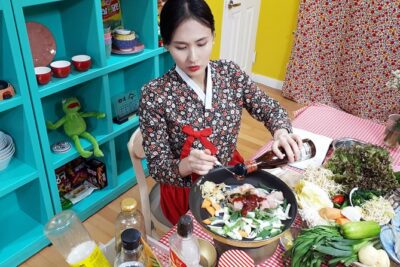 ★ 5.0Local Home Korean Cooking Class & Market Adventure in SeoulFrom $911,024 reviews
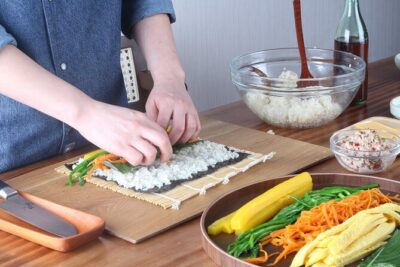 ★ 5.0Master Korean traditional cooking with a Kimchi chefFrom $85385 reviews
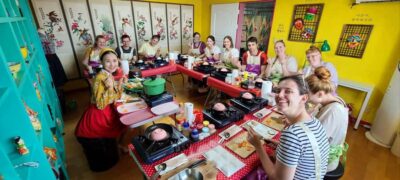 ★ 5.0Korean Cooking Class at a Local Home and Market TourFrom $98348 reviews
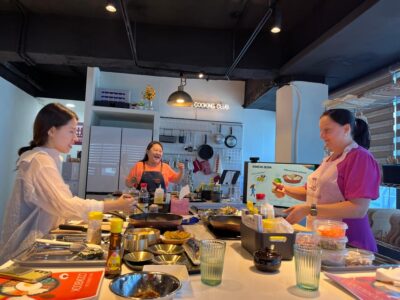 ★ 5.0Korean Cooking at Seoul Cooking Club!From $109311 reviews
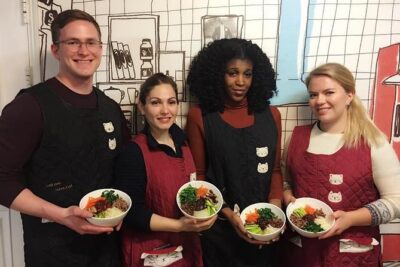 ★ 5.0Cook 3 Authentic Korean Dishes with Local Market TourFrom $79231 reviews
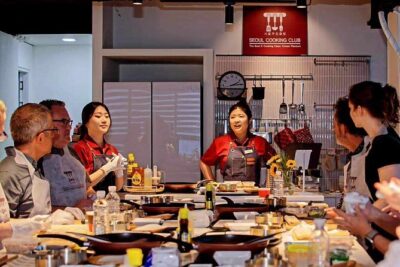 ★ 5.0Korean Cooking at Seoul Cooking ClubFrom $109220 reviews
 ★ 4.9Taste of Korea, Authentic Home Style Cooking ClassFrom $89166 reviews
Experience Korean Cooking in Modern Hanok KitchenFrom $87118 reviews
★ 4.9Taste of Korea, Authentic Home Style Cooking ClassFrom $89166 reviews
Experience Korean Cooking in Modern Hanok KitchenFrom $87118 reviews
Browse the lists this tour appears in