
Reviewed · MUSEUMS
Seoul: National Museum of Korea Guided Tour
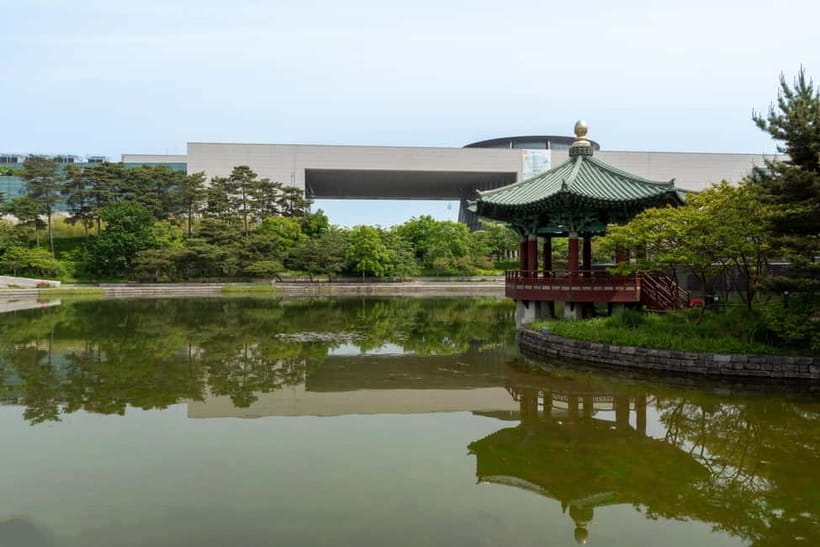
Korean history starts with surprisingly specific objects. This 2-hour National Museum of Korea guided tour is built to take you past the obvious and into Korea’s bigger stories through Buddhism and ceramics, with stops that many first-timers miss. I like that it doesn’t treat the museum like a checklist—it treats it like a set of clues.
I also like the teaching style. Guides such as Sue, Sally, Minju, and MJ are repeatedly praised for explaining clearly and keeping questions moving, so the artifacts come with context you can actually use later in your Seoul trip.
One consideration: the time is short, so you won’t see every gallery. This tour is thematic (Buddhism and ceramics), which is great for focus, but you’ll need extra museum time if you’re the type who likes to linger everywhere.
In This Review
- Key points to know before you go
- Why this National Museum tour feels like a story walk
- Getting your bearings at the Great Hall meeting point
- The unexpected anchors: hand axe and comb-pattern pottery
- Buddhism in Korea: belief expressed through artifacts and ideas
- Ceramics you can read: craft, patterns, and Korean taste
- How small-group guiding improves the museum experience
- English guide quality: what to expect from the explanations
- Price and value for a 2-hour Seoul museum stop
- Who should book this National Museum of Korea guided tour
- Should you book it?
- FAQ
- Where does the tour meet?
- How long is the tour?
- Is the tour guided in English?
- What is included in the price?
- How much does the tour cost?
- Can I cancel for a refund?
- What if the group is too small?
- Are reservations guaranteed on weekends and holidays?
- Is there a refund if I don’t show up?
Key points to know before you go
- You’ll go past the entrance hall, where most people stop and forget to look deeper.
- The tour spotlights standout early artifacts, including a hand axe and comb-pattern pottery that many visitors remember.
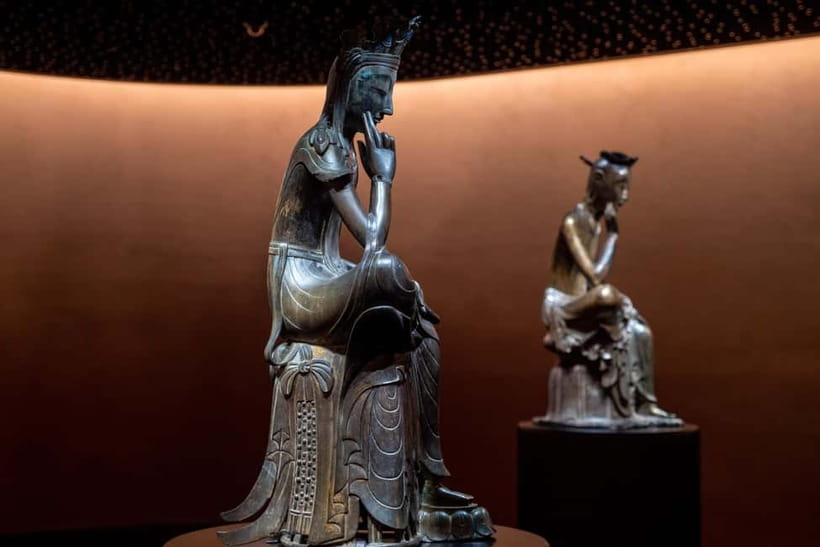
- Buddhism shows up as a life-shaping force, not just a religion topic you pass through.
- Ceramics are explained as culture, including how patterns and craft reflect everyday Korean taste.
- Small group size (up to 10) means you get real conversation, not just a headset lecture.
A handful of other Seoul experiences to line up next
- Seoul: Night Market Food Tour with Local Guide★ 4.9 · 943 reviews
- DMZ Guided Tour with Suspension Bridge / Gondola from Seoul★ 5.0 · 876 reviews
- Seoul: Palace, Temple and Market Guided Foodie Tour at Night★ 4.9 · 750 reviews
- Downtown Seoul Guided Food & Market Tour with 8+ Local Tastings★ 5.0 · 580 reviews
Why this National Museum tour feels like a story walk
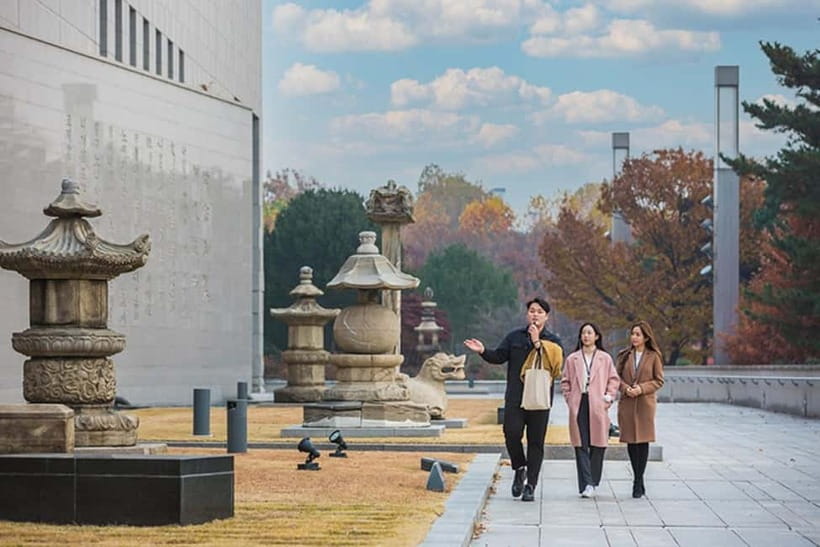
The National Museum of Korea is huge, and the danger is obvious: you can spend a lot of time walking and still come away with only a few vague impressions. This guided format keeps you moving with a purpose, so objects connect to ideas as you go.
I like that the tour is built around everyday influence, not distant facts. Korea’s cultural heritage is presented through how people lived, believed, and made things—so you end up understanding why certain art styles exist, and why they mattered.
You’re also paying for something practical: admission plus an English guide for two hours. At this price point, the guide matters more than trying to “figure it out” alone while jet-lagged and surrounded by crowds.
Getting your bearings at the Great Hall meeting point
You meet at The Great Hall, 1st Floor Lobby of the Exhibition Hall at the National Museum of Korea. That matters more than it sounds because museum floors can feel confusing when you’re trying to locate your start point under time pressure.
From the start, you’ll get the kind of orientation that helps you read the museum. Even if you’ve visited major museums before, this kind of quick setup prevents the common problem: you spend your best energy wandering the wrong direction and then rush the rest.
If you’re going with friends or family, coordinate who knows the meeting point. The tour experience depends on arriving on time so the guide can keep the flow.
The unexpected anchors: hand axe and comb-pattern pottery
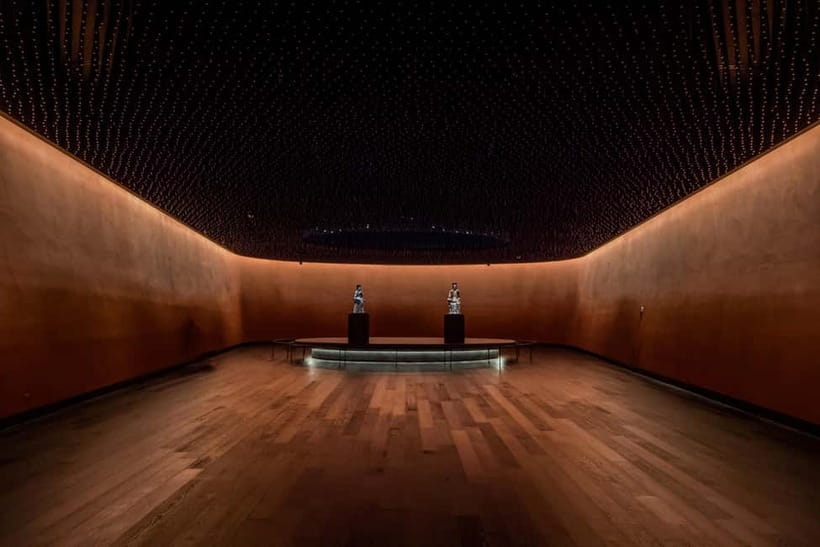
A key idea behind the tour is that visitors often remember a couple of memorable items but miss what connects them. The museum has even surveyed what people find unforgettable, and two items come up often: the hand axe and comb-pattern pottery.
This tour uses those anchors to build momentum. You start with objects that are tangible and easy to picture, then the guide links them to how early people shaped technology and daily life through material culture.
What I find useful here is the shift from “object spotting” to “pattern noticing.” Even when you’re not a museum expert, you can start asking smarter questions—like what a pottery design might say about technique, function, or shared traditions.
If you’re someone who enjoys early history and everyday making, this part tends to be the most energizing because it turns the museum from abstract to human.
A handful of other Seoul experiences to line up next
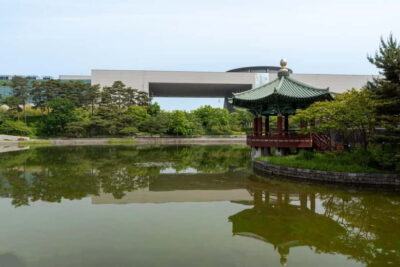
Buddhism in Korea: belief expressed through artifacts and ideas
The tour’s Buddhism focus isn’t presented like a textbook chapter. It’s framed as something that affected society, art, and what people valued over time—so you can connect religious influence to broader Korean culture.
You’ll spend time with exhibits connected to Buddhism, and the guide ties the stories together. That includes explaining how religious traditions can shape themes in artwork, the way communities build meaning, and how objects carry ideas across generations.
I like this approach because it helps you avoid a common Seoul-museum trap: thinking you’re only looking at “pretty things.” Instead, you’re learning why certain styles and materials show up again and again.
This section is especially worth it if you plan to visit other cultural sites in Seoul. Once you’ve learned how Buddhism influenced cultural expression in the museum, you’ll recognize more patterns when you see temples, heritage spaces, and traditional arts later.
Ceramics you can read: craft, patterns, and Korean taste
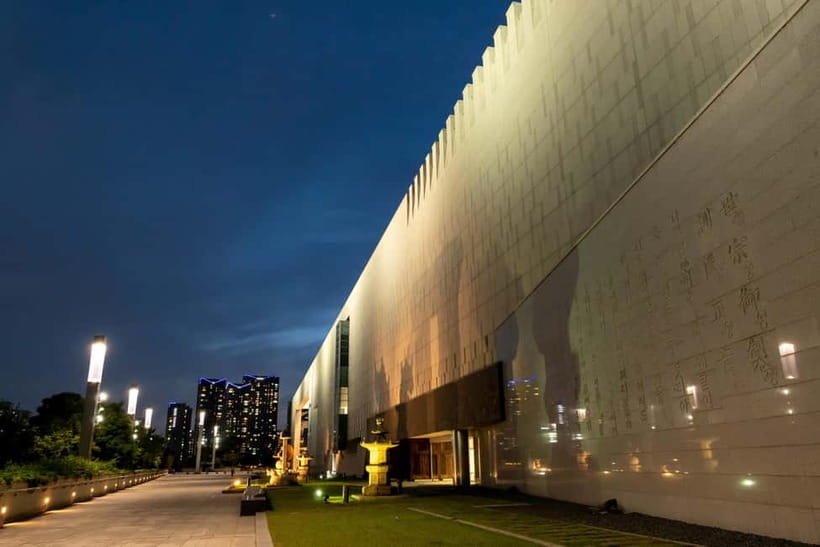
Ceramics are the other major thread of the tour, and they’re a smart choice. Pottery and ceramics are one of the most visible ways culture shows up in daily life—through technique, materials, and design choices.
The tour highlights how ceramics influenced Korean history and everyday culture. You’re not just learning that ceramics exist; you’re learning what ceramics do in a society, from practical objects to artistic expression.
The comb-pattern pottery mention isn’t random. It’s a reminder that details matter, and the guide uses those details as teaching points. When you learn how to look for pattern and method, the museum starts feeling more like visual language than random display cases.
If you enjoy design, textures, and how craft evolves, this is where the tour often clicks. Even if you don’t know pottery terminology, a good guide can help you see what a pattern might imply about process, function, or cultural preference.
How small-group guiding improves the museum experience
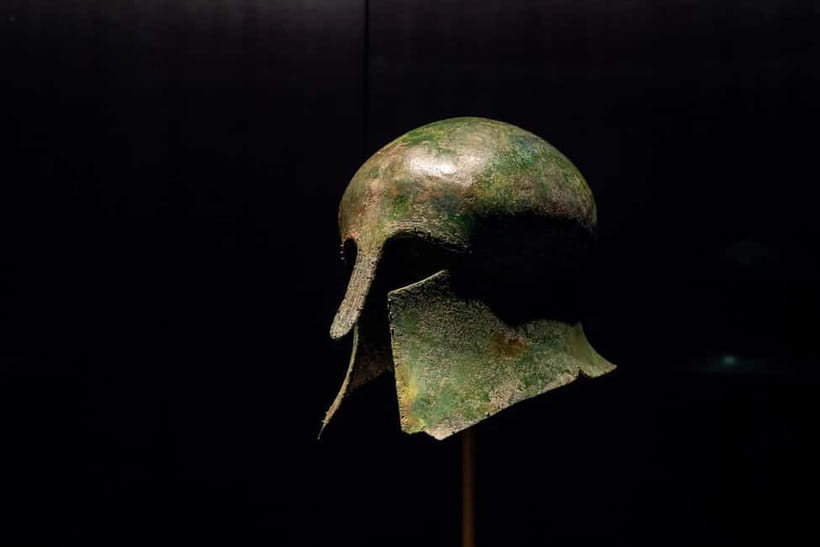
This is a small group tour limited to 10 participants, and that size changes everything. You get closer to the guide’s explanations, and questions don’t get pushed aside like they do on large group bus tours.
Guides like Sue, Sally, Minju, and MJ are highlighted for clear explanations and patience when answering questions. That’s exactly what you want in a museum setting—because the best learning happens when you can ask follow-up questions.
You’ll also likely move at a pace that makes sense for first-time museum visitors. Two hours is long enough to make connections, but short enough that you don’t lose the thread.
Practical tip: wear comfortable shoes. Even though the tour is “guided,” you still walk through exhibition spaces where standing and moving are part of the deal.
English guide quality: what to expect from the explanations
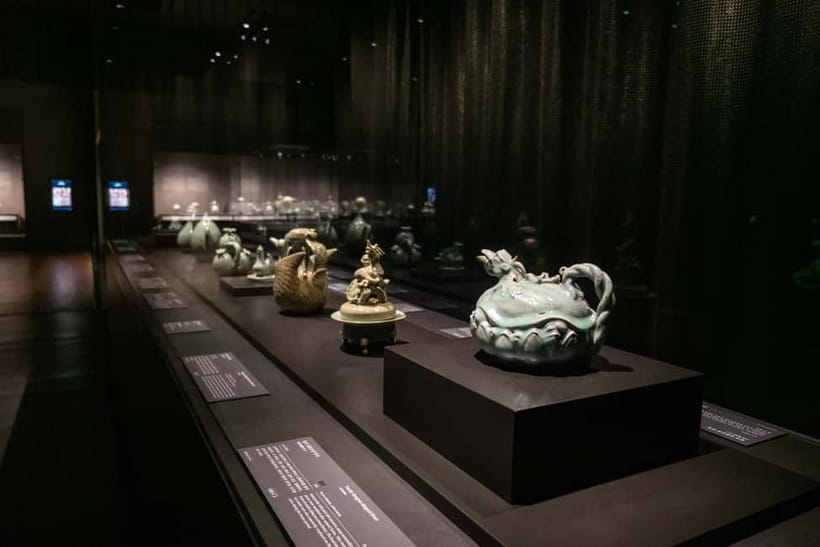
The tour runs with an English-speaking live guide. The experience is designed around explaining objects and stories clearly, which is ideal if you want context rather than just labels.
From the way the tour is described and the guide feedback you’ll see in the guide names associated with this tour, the format tends to focus on meaning: what the artifact is, what it represents, and how it fits into Korean cultural development.
If you enjoy museums but hate the feeling of being lost, this is the kind of tour where the guide helps you keep your bearings fast. You walk out understanding the why, not just the what.
If you’re traveling with Korean friends or a Korean-speaking partner, you can still benefit. A guide in English helps you connect the museum’s stories to your own vocabulary, which makes the whole trip easier to remember later.
Price and value for a 2-hour Seoul museum stop
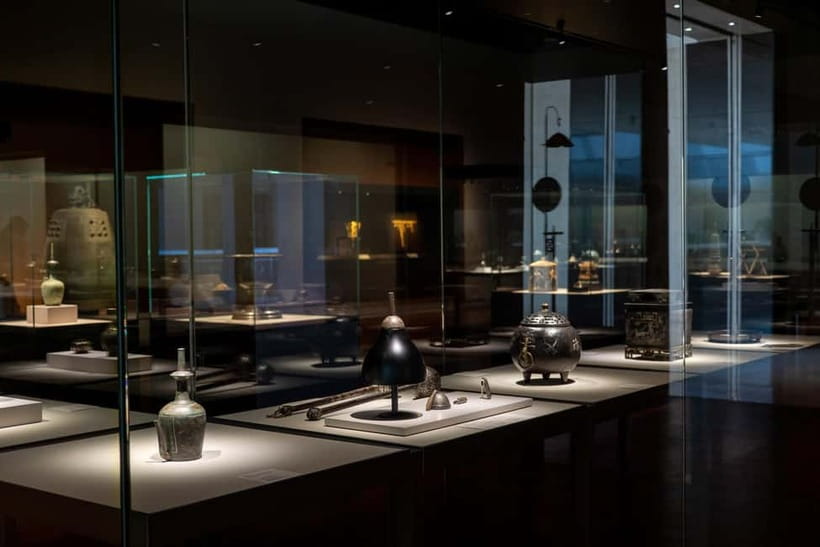
At $38 per person for a 2-hour guided museum visit, you’re paying for two things: admission and a live English guide. For Seoul, that’s the key value equation—your cost is mostly about guided interpretation, not just entry.
The value is stronger because the tour stays focused. Instead of asking you to tackle the entire museum alone, it narrows to Buddhism and ceramics and uses specific standout objects as anchors. That makes the time feel productive rather than scattered.
Small-group size is also part of the value. Limited to 10 participants, the guide can respond to your questions and keep the flow coherent.
In short: if you want a guided “best use of time” museum experience, the price is reasonable. If you’re the type who loves slow wandering and doesn’t mind reading labels, you might not need a guide—but you’ll probably miss the connections the guide builds.
Who should book this National Museum of Korea guided tour
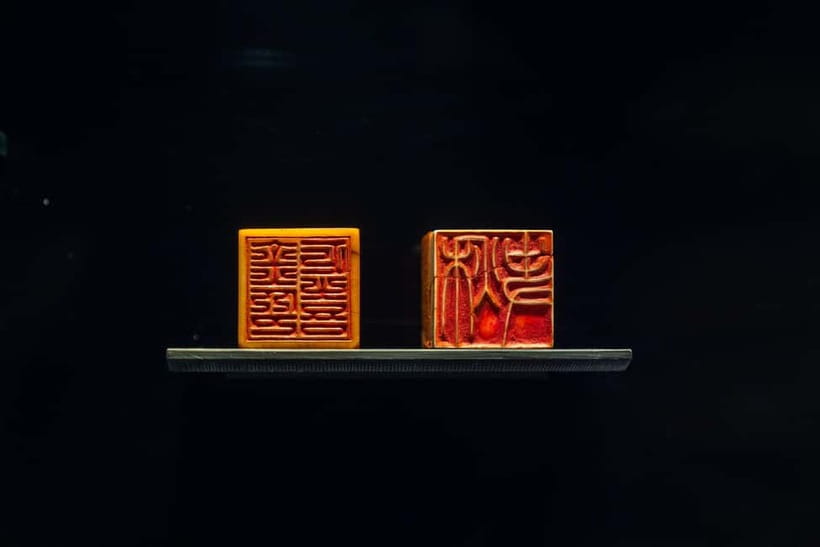
This tour fits best if you want cultural context without turning your day into homework. I’d especially recommend it if you enjoy:
- museums where stories connect across time
- Korean culture topics like Buddhism and traditional arts
- seeing how craft influences everyday life
- a smaller group experience where questions are welcome
It’s also a smart starting point for your Seoul trip. The museum provides a foundation for understanding Korean cultural themes that you’ll encounter in other places around the city.
If you’re traveling with kids or teens, the short duration can be a plus, as long as they’re engaged by stories and objects. If your group wants broad coverage of the entire museum, you may want more time on your own after the tour.
Should you book it?
I think you should book this guided tour if you want your National Museum visit to feel guided, focused, and meaningful. The tour structure is built around specific memorable artifacts (like the hand axe and comb-pattern pottery) and two big cultural drivers (Buddhism and ceramics), which makes your visit easier to remember.
Skip it only if you already plan to spend several hours in the museum exploring everything, or if your interests are far from Buddhism and ceramics. In that case, you might prefer a self-guided visit so you can follow your own pace.
If you’re trying to make one museum day count in Seoul, this is a strong choice for value and clarity.
FAQ
Where does the tour meet?
You meet at The Great Hall, 1st Floor Lobby of the Exhibition Hall, National Museum of Korea.
How long is the tour?
The duration is 2 hours.
Is the tour guided in English?
Yes, the live tour guide speaks English.
What is included in the price?
Admission to the National Museum of Korea and a local tour guide are included.
How much does the tour cost?
The price is $38 per person.
Can I cancel for a refund?
Yes. You can cancel up to 24 hours in advance for a full refund.
What if the group is too small?
If the number of participants is under 4, the tour will be canceled, and you’ll be notified by WhatsApp.
Are reservations guaranteed on weekends and holidays?
Reservations cannot be confirmed on weekends and holidays.
Is there a refund if I don’t show up?
No refund is issued in case of a no-show or cancellation on the day of the tour.
More Guided in Seoul
- Seoul: Night Market Food Tour with Local Guide★ 4.9 · 943 reviews
- DMZ Guided Tour with Suspension Bridge / Gondola from Seoul★ 5.0 · 876 reviews
- Seoul: Palace, Temple and Market Guided Foodie Tour at Night★ 4.9 · 750 reviews
- Downtown Seoul Guided Food & Market Tour with 8+ Local Tastings★ 5.0 · 580 reviews
- Seoul: DMZ Guided Tour with Suspension Bridge and Gondola★ 4.9 · 553 reviews
More Tours in Seoul
- Best DMZ Tour Korea from Seoul (Red Suspension Bridge Optional)★ 5.0 · 41,422 reviews
- DMZ Tour: 3rd Tunnel, Option(Suspension Bridge, Boat) from Seoul★ 5.0 · 21,373 reviews
- DMZ tour south Korea from Seoul (NK experience hall, defector)★ 5.0 · 20,599 reviews
- Seoul: DMZ Tour with Optional Suspension Bridge★ 4.8 · 5,277 reviews
- Seoul: DMZ The 3rd Tunnel and Suspension Bridge Tour★ 5.0 · 4,656 reviews
More Tour Reviews in Seoul
- Best DMZ Tour Korea from Seoul (Red Suspension Bridge Optional)★ 5.0 · 41,422 reviews
- DMZ Tour: 3rd Tunnel, Option(Suspension Bridge, Boat) from Seoul★ 5.0 · 21,373 reviews
- DMZ tour south Korea from Seoul (NK experience hall, defector)★ 5.0 · 20,599 reviews
- Seoul: DMZ Tour with Optional Suspension Bridge★ 4.8 · 5,277 reviews
- Seoul: DMZ The 3rd Tunnel and Suspension Bridge Tour★ 5.0 · 4,656 reviews
Just added to Exploring Seoul



Museums, compared.
 ★ 4.9War Memorial of Korea Private Guided Museum TourFrom $10029 reviews
 ★ 5.0DMZ Tour + The War Memorial of Korea MuseumFrom $6528 reviews
 ★ 4.0Color Pool MuseumFrom $1322 reviews
 ★ 4.7SEOUL: Gugak – Korean Traditional Music Museum&Concert TourFrom $4917 reviews
 ★ 4.5Gyeongju UNESCO Sites Tour by KTX train; The Museum Without wallsFrom $47011 reviews
 ★ 5.0Time Travel in Seoul: Gyeongbokgung, Folk Museum & BukchonFrom $5410 reviews
 ★ 4.8Layover tour to Gyeongbokgung-Folk Museum-Bukchon-InsadongFrom $2546 reviews
 ★ 5.0Time Travel in Seoul: Gyeongbokgung Palace, Folk Museum & BukchonFrom $576 reviews
Browse the lists this tour appears in