
Reviewed · DMZ DAY TOURS
Seoul: DMZ Guided Tour with Suspension Bridge and Gondola
DMZ days feel heavy in the best way. This guided trip takes you through some of the most intense sights on the Korean Peninsula, from Dora Observatory to the 3rd Tunnel. I love that the day moves quickly between viewpoints and real, physical history, and I love the way guides keep the mood thoughtful without turning it into a lecture. One drawback: it’s a long, active day, and the tunnel walk can be tough if you have low fitness or claustrophobia.
What makes it worth your time is how practical it feels once you’re there. A guide like Roy or Patrick (yes, those names show up a lot) runs the schedule so you get photos, bathroom breaks, and clear instructions at controlled DMZ stops. If you’re going on a Monday, expect changes since both the gondola and defector session are unavailable.
In This Review
- Key Highlights You’ll Actually Feel
- The DMZ Feels Like History You Can Touch
- Getting Out of Seoul: You Have to Be Early
- Gamaksan Suspension Bridge: Scenic Air Before the Tension
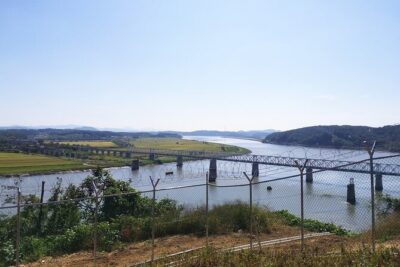
- Imjingak and the Gondola: A Closer Look at North Korea
- The Visitor Center and Dora Observatory: Clear-Day Payoff
- Third Tunnel of Aggression: Where the Scale Hit Me
- Unification Village and Dorasan Station: Last-Stop Symbolism
- What Changes on Mondays: 2nd Tunnel, Peace Observatory, Train Station
- Guides Matter: Roy, Patrick, Sean Kim, Ki, and April’s Impact
- Value for $48: What You’re Paying For (and What You’re Not)
- Should You Book This DMZ Tour?
- FAQ
- Do I need a passport for the DMZ tour?
- How long is the DMZ tour?
- Is the gondola available on Mondays?
- Can I do both the gondola and the defector session?
- What should I wear and bring?
- Is food included?
- Where does pickup and drop-off happen?
Key Highlights You’ll Actually Feel
- Dora Observatory views into North Korea with time built in for binocular-style looking on clear days
- The 3rd Tunnel of Aggression with exact scale details and a real sense of how it was meant to work
- Imjingak + gondola over the Imjingang River for a closer, river-level feel (not on Mondays)
- Optional suspension bridge scenery around Gamaksan for a breather before you head back into border history
- Dorasan Station + Unification Village to wrap the day with last-stop symbolism and shopping stops
Other ways to reach the DMZ and the border from Seoul
- DMZ Tour: 3rd Tunnel, Option(Suspension Bridge, Boat) from Seoul★ 5.0 · 21,373 reviews
- DMZ tour south Korea from Seoul (NK experience hall, defector)★ 5.0 · 20,599 reviews
- Seoul: DMZ Tour with Optional Suspension Bridge★ 4.8 · 5,277 reviews
- Seoul: DMZ The 3rd Tunnel and Suspension Bridge Tour★ 5.0 · 4,656 reviews
The DMZ Feels Like History You Can Touch
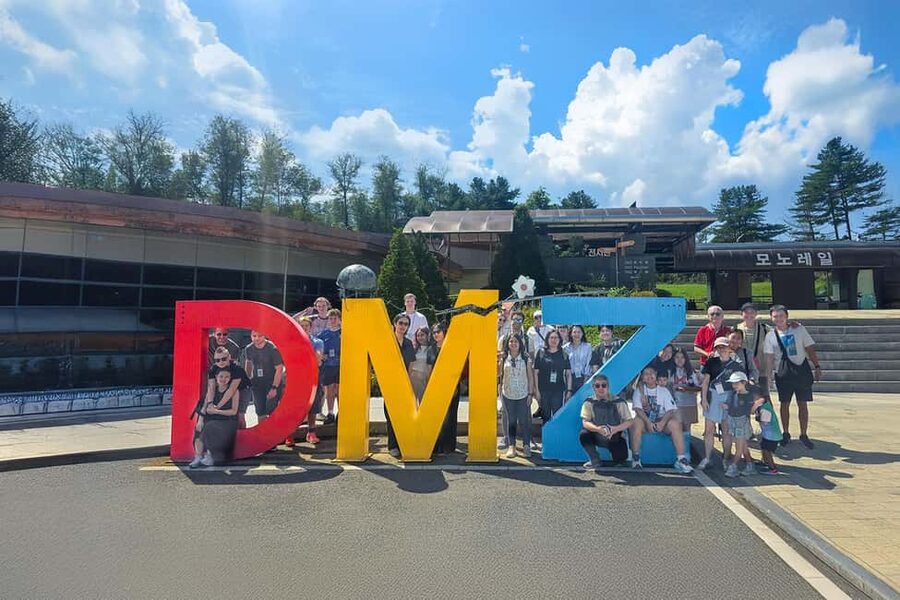
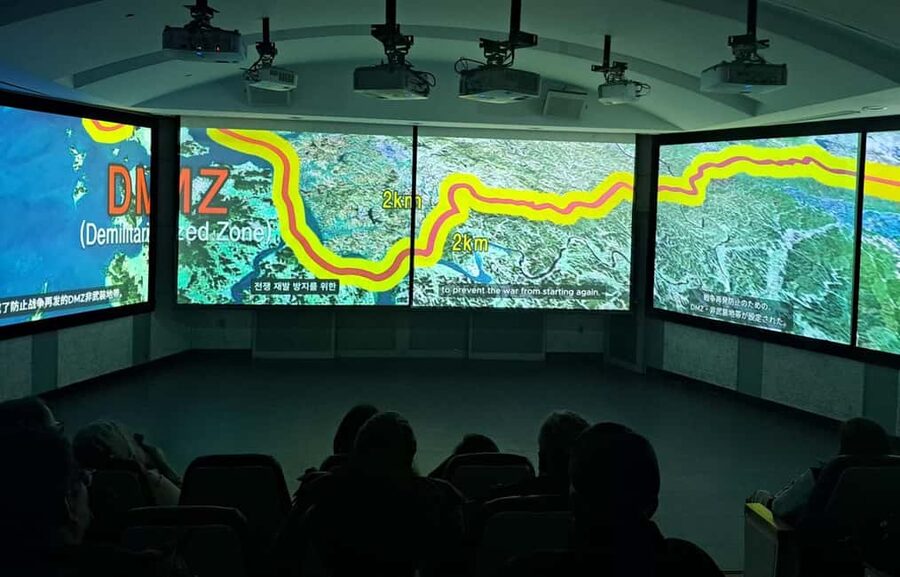
The DMZ is not just a line on a map. It’s a wide buffer zone where military presence, borders, and negotiations still shape daily reality. Standing at DMZ landmarks, you feel why people describe tension and hope in the same breath.
What I like most about this kind of structured tour is that it gives you a chain of stops that make sense. You see the border from a distance, then you step closer into spaces built for war planning, then you end the day at a place tied to reunification ideas. You’re not just collecting photos; you’re building a mental timeline.
The tour also keeps it grounded. The focus stays on what you can observe on-site, and the guide explains the meaning behind each location in plain terms, including what to expect if you choose the tunnel. That matters because some parts are physically demanding.
Getting Out of Seoul: You Have to Be Early
This is a 7–9 hour day trip, and the day runs on tight timing once you leave Seoul. Pickup options often center around Myeongdong or Hongdae, with van time of about an hour built in early on. The biggest practical tip: show up early and be ready to move.
If you’re using hotel pickup, you’ll wait in the lobby about 10 minutes before pickup. The driver waits no longer than 5 minutes after the scheduled time, and latecomers or no-shows can’t be refunded. That policy is strict, but it’s also why the schedule stays workable for DMZ entrances and timed checkpoints.
By the end of the day, drop-offs are spread across central Seoul areas, including spots around Hongdae and Myeongdong (like the 明동역 7번출구 area). Translation: you won’t be stuck far from where you started.
Gamaksan Suspension Bridge: Scenic Air Before the Tension
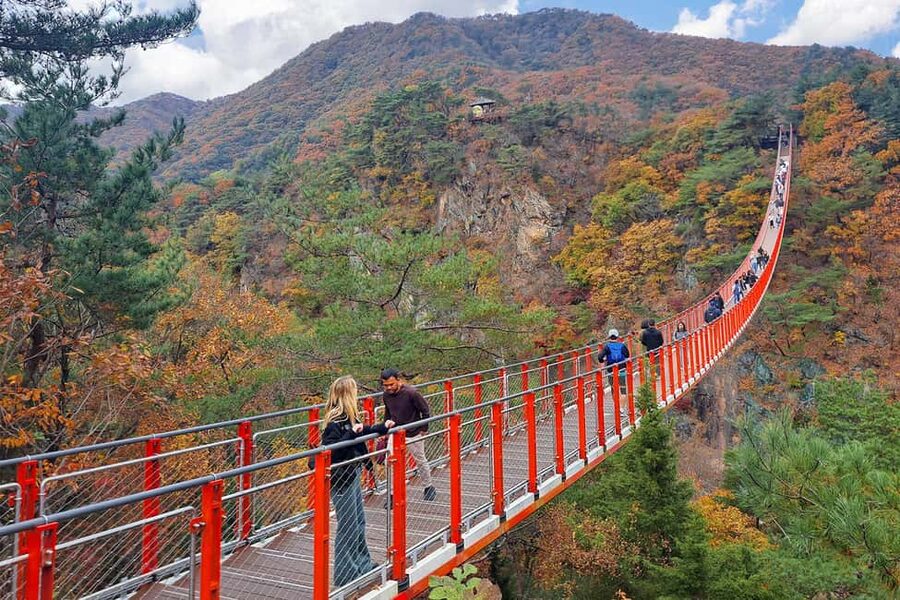
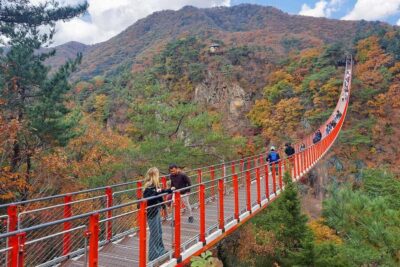
If you pick the suspension bridge option, you’ll stop at Gamaksan Suspension Bridge for about 30 minutes. It’s a 150m swinging suspension bridge, which gives you views plus a little movement to reset your brain before the border sites.
This is the part of the day that feels like a breather. You get fresh air, mountain scenery in multiple seasons, and a simple goal: cross, take photos, then head back into history.
Two things to consider. First, it’s still outdoors, so weather matters. Second, even if you’re not doing the tunnel, the day still includes walking and inclines, so comfortable shoes are not optional.
A handful of other Seoul experiences to line up next


Imjingak and the Gondola: A Closer Look at North Korea
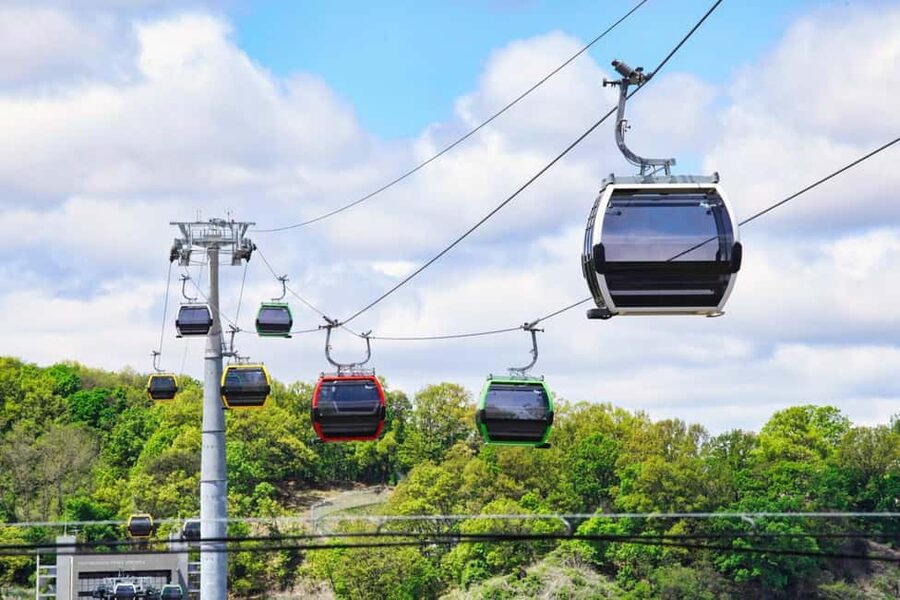
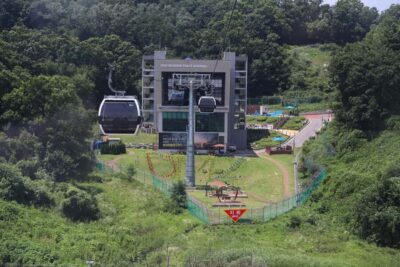
Next up is Imjingak, where you spend about an hour. This stop is important because it sets the emotional tone of the DMZ without sending you underground right away. You’re also positioned for the optional Peace Gondola over the Imjingang River.
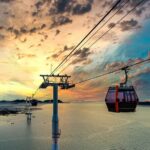
The gondola is a big reason to choose this tour if you want a more direct visual angle across the border region. You ride above the river for about an hour on a self-guided basis, which means you can take your time looking around rather than rushing through a photo stop.
Important limitations:
- Gondola is unavailable on Mondays.
- Between the gondola option and the defector session option, you can only do one.
That one choice affects the whole feel of your day. If you want views and motion over water, pick the gondola. If you want a human story component, you’d choose the defector session instead (also unavailable on Mondays).
The Visitor Center and Dora Observatory: Clear-Day Payoff
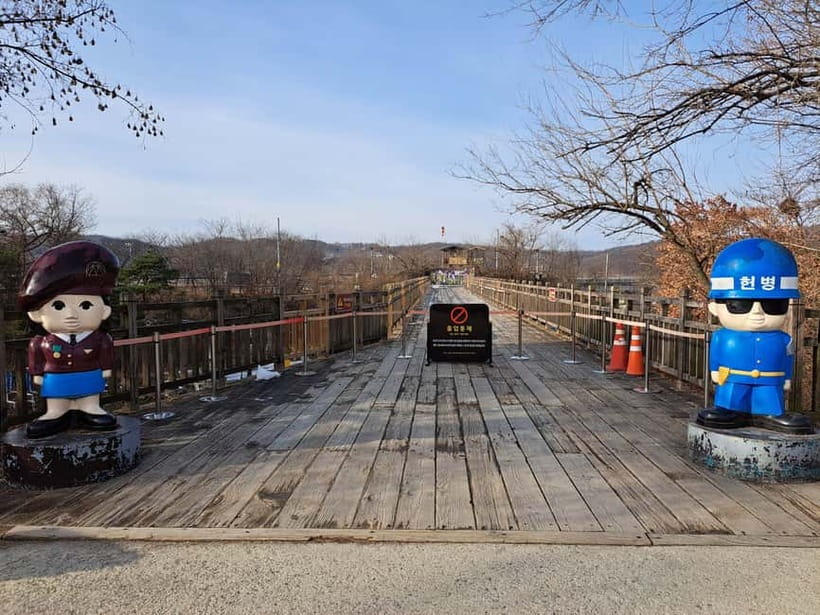
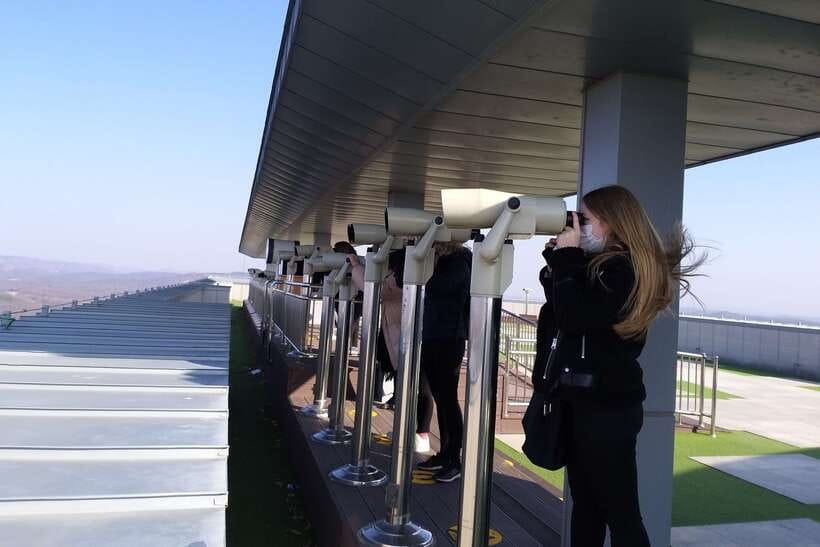
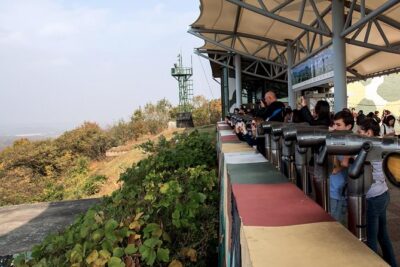
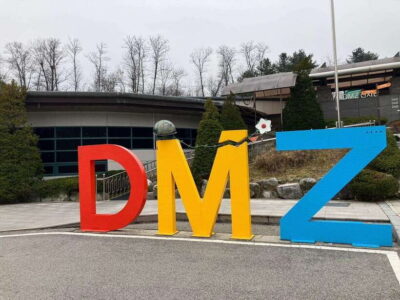
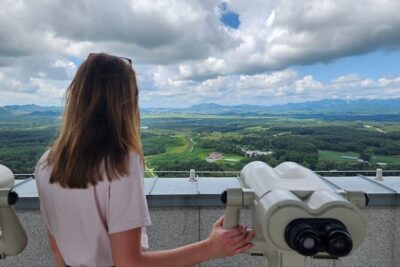
After Imjingak, the tour heads to a visitor center stop for about 30 minutes, then on to Dora Observatory for around 50 minutes with a guided explanation. Dora is the place people talk about because it’s one of the few spots where you can actually gaze toward North Korea from a designated vantage point.
On a clear day, your line of sight across the border improves a lot. Guides help with practical viewing, and some guides even bring tools like binoculars so you can look more carefully from where you’re allowed to stand.
The Dora portion is a good reality check. From here, North Korea isn’t just an idea; it feels like a nearby direction shaped by distance, restrictions, and politics. The guide’s job is to translate that into something you can understand without turning it into gloom.
Photo tip that actually helps: use the time to take wide shots and close-looking shots if allowed. Wide frames show where you are in the larger DMZ geography, and close frames help you later when you’re trying to connect the explanation to what you saw.
Third Tunnel of Aggression: Where the Scale Hit Me
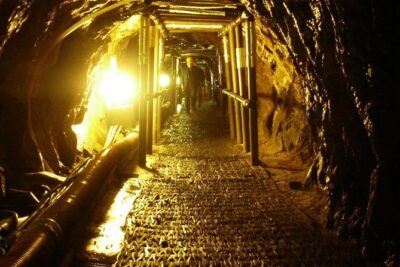
The Third Tunnel of Aggression is the hardest stop on this tour in a physical sense, even though it’s also one of the most dramatic. It’s about a 1-hour guided experience, but the time depends on how the group handles the tunnel route.
Here’s what makes it unforgettable in numbers:
- Length: 1,635m
- Tunnel opening size: about 2m wide and 2m high
- Intended capacity: 30,000 soldiers per hour
So when you walk in, you’re not just looking at a bunker. You’re stepping into a designed threat corridor. The guide’s explanation typically centers on what that design meant, and why it became part of how the DMZ era was built.
Safety and comfort matter here. The tunnel requires an intermediate level of hiking and includes steep parts, plus tight space. If you have claustrophobia or heart problems, this is not the right stop for you. You can stay outside if you don’t feel you can manage it.
If you’re on the fence, be honest with yourself early. Wear proper footwear and plan for the fact that the tunnel route can be uncomfortable.
Unification Village and Dorasan Station: Last-Stop Symbolism
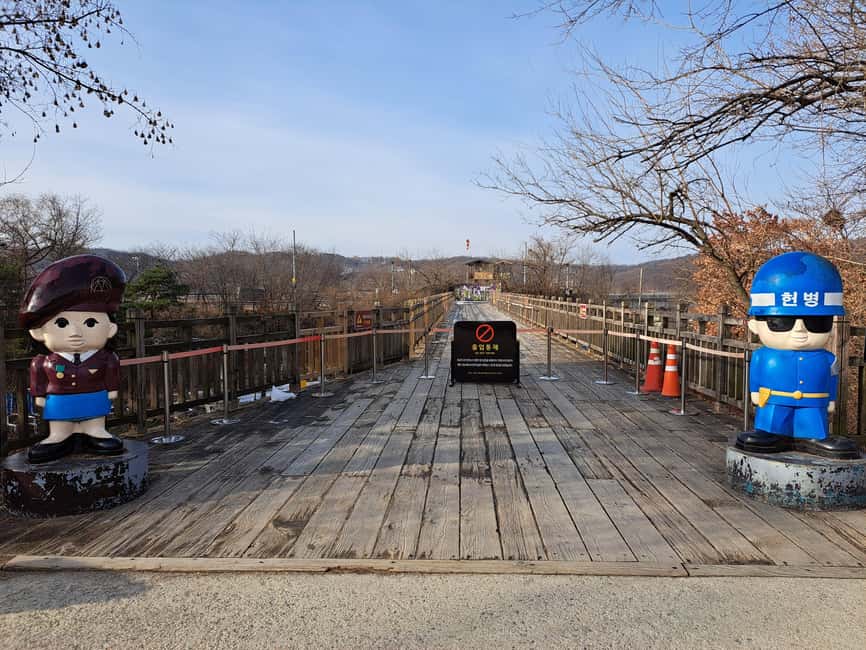
The day wraps with Unification Village, where you’ll have about 40 minutes of shopping. This isn’t about buying souvenirs for the sake of it. It’s a chance to see how reunification messaging gets translated into everyday retail, signs, and small items you can take home.
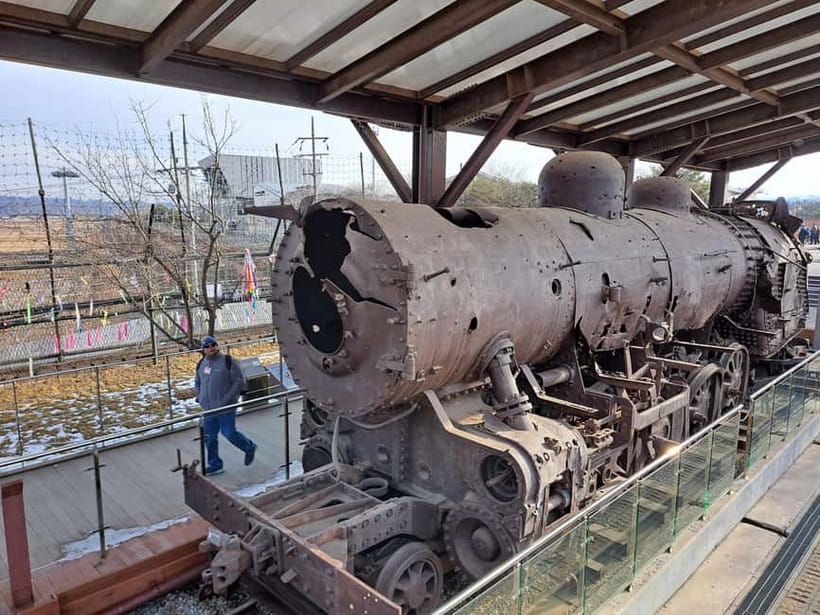
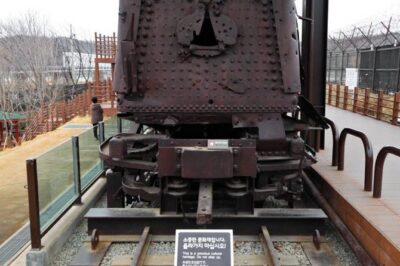
You’ll also hear about Dorasan Station, described as the last stop in South Korea. Dorasan Station is currently closed, which adds a strange, reflective feeling to the visit: the idea of movement exists, but the trains don’t. It’s also noted as about 205km away from Pyongyang Station, which is another way the DMZ tells you distance is part of the story.
The shopping portion gives you something practical to do at the end of a long day. It also helps you cool down emotionally after the more intense stops.
What Changes on Mondays: 2nd Tunnel, Peace Observatory, Train Station
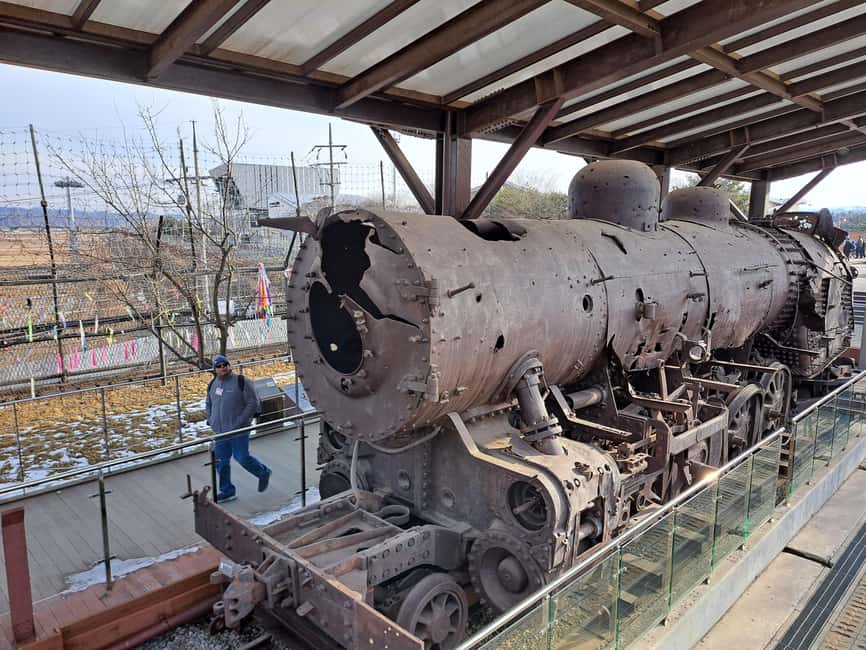
If your dates fall on a Monday, the DMZ loop changes. Both the gondola and the defector session are unavailable on Mondays, and the tour visits different sights.
On Mondays, the tour includes the 2nd tunnel, the Peace Observatory, and the northern most train station in the DMZ. That means your experience won’t be identical to other days, and the tunnel highlight you get may be different in feel and physical demands.
So when you’re choosing dates, think about what you want more:
- If you want gondola views, avoid Mondays.
- If you’re okay with alternate sights on Monday, it can still be an intense day.
Guides Matter: Roy, Patrick, Sean Kim, Ki, and April’s Impact
This is one of those tours where the guide changes the whole experience. Across the day, you’re moving between sites that have rules and timing, and you can’t afford confusion. Guides like Roy and Patrick are often praised for keeping things efficient without rushing people out of key moments.
I also like that guides don’t just recite dates. They help you understand what to look for. Some guides are also known for humor and for a storytelling rhythm that makes the subject easier to process when you’re standing in front of something physically real.
Other names you might get include Sean Kim, Ki, and April. Their styles show up in the same pattern: clear instructions, attention to timing, and extra help when the group needs it (like helping people take photos or giving advice about what to do at each stop).
The tour can be jam-packed, but good guiding is what keeps it from feeling chaotic. If your guide is on top of route timing and checkpoint rules, your day feels smooth even when the DMZ itself feels tense.
Value for $48: What You’re Paying For (and What You’re Not)
At around $48 per person, you’re not just paying for bus seats. You’re paying for DMZ access with an English guide and transfers from Seoul, plus entry tickets for DMZ sites. That adds real value because DMZ logistics are not something you want to DIY.
You’re also getting optional add-ons that can shape what you see:
- Suspension Bridge option (for the Gamaksan crossing)
- Gondola option (Peace Gondola over the Imjingang River)
- North Korean Defector session if you choose that option (with Monday restrictions)
Two value notes that help you decide:
- Food and drinks are not included, so budget time and money for meals on your own.
- The day is tightly structured, so you’re trading free time for a well-paced run of the biggest DMZ stops.
For many people, this is a “buy one organized day or waste two planning attempts” situation. If you want the DMZ sights in one shot, a guided format is usually the best value.
Should You Book This DMZ Tour?
Book it if you want a strong, guided overview that hits the places tied to the border story: Dora Observatory, the tunnel experience, and either gondola views or an alternate Monday set of sights. Also book it if you like having a guide manage the rules and timing so you can focus on what you’re seeing.
Skip or reconsider if you’re sensitive to tight spaces, have claustrophobia, or have heart problems. The Third Tunnel stop is not a casual activity, and the tour explicitly notes that some people should stay outside if they can’t handle it.
If you can handle a full day of walking and you want the DMZ to make sense as a connected sequence of places, this is a solid pick.
FAQ
Do I need a passport for the DMZ tour?
Yes. You’ll need a passport, and it must be valid for at least 6 months. This applies to everyone on the booking, including infants.
How long is the DMZ tour?
It runs about 7 to 9 hours, depending on the schedule and availability for your chosen departure time.
Is the gondola available on Mondays?
No. The gondola and the North Korean defector session are both unavailable on Mondays.
Can I do both the gondola and the defector session?
No. Between the gondola and meeting a defector, you can only do one.
What should I wear and bring?
Bring your passport and comfortable shoes. The Third Tunnel requires intermediate-level hiking, so footwear and comfort matter.
Is food included?
No. Food and drinks are not included in the tour price.
Where does pickup and drop-off happen?
Pickup and meeting points vary by the option you book. Drop-off includes multiple areas around Seoul, including stops near Hongdae and Myeongdong (for example, 명동역 7번출구 is listed among drop-off locations).
More Tours in Seoul
- Best DMZ Tour Korea from Seoul (Red Suspension Bridge Optional)★ 5.0 · 41,422 reviews
- DMZ Tour: 3rd Tunnel, Option(Suspension Bridge, Boat) from Seoul★ 5.0 · 21,373 reviews
- DMZ tour south Korea from Seoul (NK experience hall, defector)★ 5.0 · 20,599 reviews
- Seoul: DMZ Tour with Optional Suspension Bridge★ 4.8 · 5,277 reviews
- Seoul: DMZ The 3rd Tunnel and Suspension Bridge Tour★ 5.0 · 4,656 reviews
More Tour Reviews in Seoul
- Best DMZ Tour Korea from Seoul (Red Suspension Bridge Optional)★ 5.0 · 41,422 reviews
- DMZ Tour: 3rd Tunnel, Option(Suspension Bridge, Boat) from Seoul★ 5.0 · 21,373 reviews
- DMZ tour south Korea from Seoul (NK experience hall, defector)★ 5.0 · 20,599 reviews
- Seoul: DMZ Tour with Optional Suspension Bridge★ 4.8 · 5,277 reviews
- Seoul: DMZ The 3rd Tunnel and Suspension Bridge Tour★ 5.0 · 4,656 reviews
The DMZ & the Border, More Routes
- Best DMZ Tour Korea from Seoul (Red Suspension Bridge Optional)★ 5.0 · 41,422 reviews
- DMZ Tour: 3rd Tunnel, Option(Suspension Bridge, Boat) from Seoul★ 5.0 · 21,373 reviews
- DMZ tour south Korea from Seoul (NK experience hall, defector)★ 5.0 · 20,599 reviews
- Seoul: DMZ Tour with Optional Suspension Bridge★ 4.8 · 5,277 reviews
- Seoul: DMZ The 3rd Tunnel and Suspension Bridge Tour★ 5.0 · 4,656 reviews
Just added to Exploring Seoul

DMZ Day Tours, compared.
 ★ 5.0DMZ Tour: 3rd Tunnel, Option(Suspension Bridge, Boat) from SeoulFrom $3521,373 reviews
 ★ 5.0DMZ tour south Korea from Seoul (NK experience hall, defector)From $2620,599 reviews
 ★ 4.8DMZ Tour with Optional Suspension BridgeFrom $455,277 reviews
 ★ 5.0DMZ The 3rd Tunnel and Suspension Bridge TourFrom $654,656 reviews
 ★ 5.0Signature DMZ Tour: Exclusive Defector Talk & Suspension BridgeFrom $274,459 reviews
 ★ 5.0Thrilling Korean DMZ 3rd Tunnel Tour from Seoul + Red Bridge RushFrom $353,097 reviews
 ★ 4.9DMZ Tour & Suspension Bridge (Option English/Spanish)From $352,628 reviews
 ★ 5.0DMZ Past and Present: Korean Demilitarized Zone Tour from SeoulFrom $372,481 reviews
Browse the lists this tour appears in