
Reviewed · MUSEUMS
SEOUL: Gugak – Korean Traditional Music Museum&Concert Tour
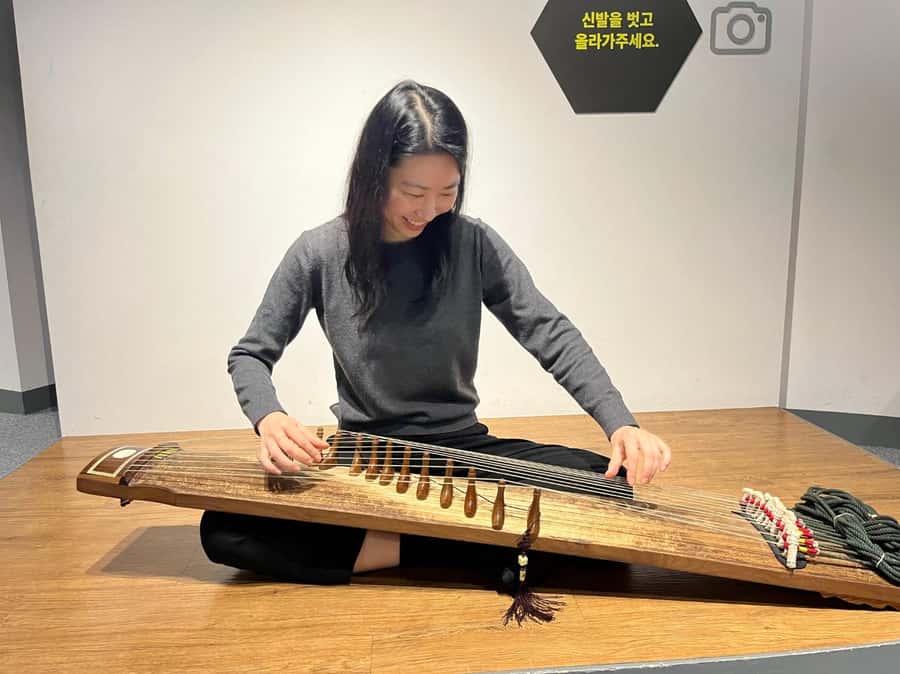
Gugak feels like a cultural reset. This small-group tour pairs a Korean Traditional Music Museum guided visit with a live Gugak concert, so the lesson isn’t just in your head. I love how the English guide explains what you’re seeing, and I love that you immediately hear instruments like the gayageum right after the museum context clicks.
The one drawback is logistics: it runs about 140 minutes in Gyeonggi Province, and transportation is not included, so you’ll want a simple plan to get there. The payoff is a small group capped at 10, which keeps questions flowing and helps the music feel personal rather than like background noise.
In This Review
- Key highlights to look forward to
- Gugak up close: why this museum-plus-concert format works
- Entering the Korean Traditional Music Museum (40 minutes)
- The National Gugak Center concert in the rehearsal hall (80 minutes)
- Group size, timing, and where you meet in Seoul area (Gyeonggi Province)
- Price and value: is $49 worth it?
- Who this Gugak tour is best for (and who might skip)
- Practical tips to get more from the museum and concert
- Should you book this Gugak Museum and Concert tour?
- FAQ
- How long is the Gugak Museum and Concert tour?
- What does the itinerary include?
- Is there an English-speaking guide?
- How long is the museum portion and how long is the concert portion?
- How many people are in the group?
- What’s included in the price, and what isn’t?
- When and where does the tour end?
Key highlights to look forward to
- English-guided museum tour focused on Gugak history and instruments
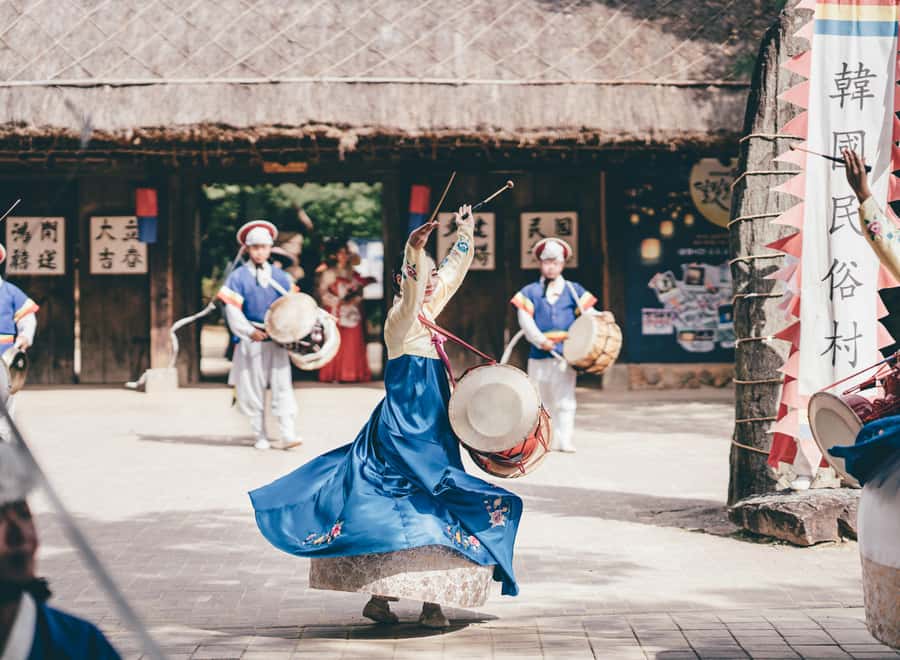
- A live performance right after the museum, so you connect names to sounds
- Concert at the National Gugak Center performance rehearsal hall, up close with the musicians
- Gayageum moments and ensemble pieces, so you hear both solo tones and group interplay
- Limited to 10 participants, with room to actually ask questions
- Guide-led explanations from start to concert, with English support
A handful of other Seoul experiences to line up next
- Seoul: War Memorial of Korea Private Guided Museum Tour★ 4.9 · 29 reviews
- DMZ Tour + The War Memorial of Korea Museum★ 5.0 · 28 reviews
- SEOUL: Gugak – Korean Traditional Music Museum&Concert Tour★ 4.7 · 17 reviews
- Seoul: National Museum of Korea Guided Tour★ 5.0 · 13 reviews
Gugak up close: why this museum-plus-concert format works
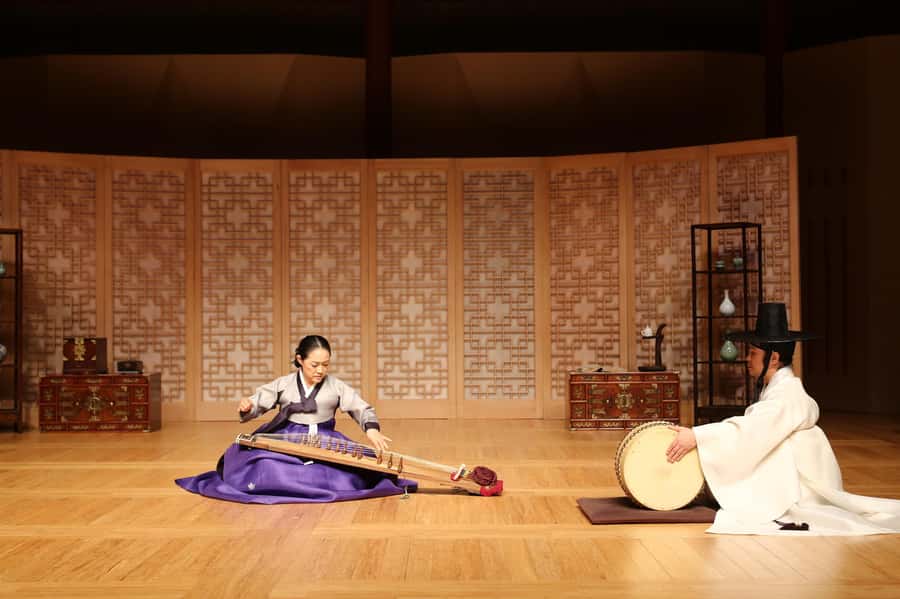
If you’ve ever heard Korean traditional music and wondered what you’re actually listening to, this is the kind of experience that untangles the mystery fast. The setup is smart: you learn the basics first, then you attend a live concert while the “what is that instrument?” questions are still fresh.
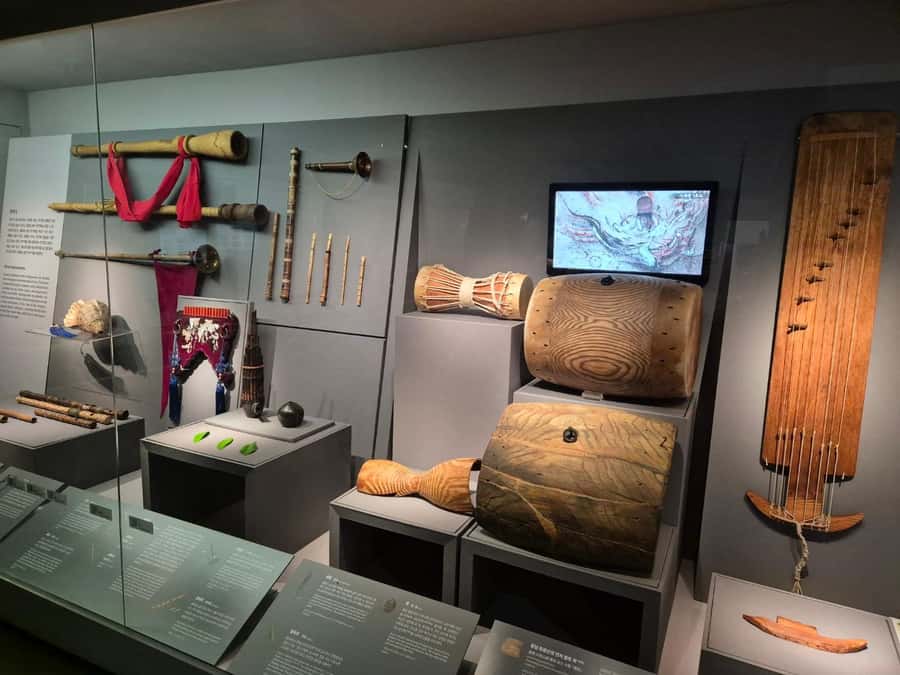
At the Korean Traditional Music Museum, you’re not just walking through displays. You’re guided through the history of Gugak and how the instruments fit into the story of Korean culture. That matters, because Gugak isn’t one single style. It’s a whole world of regional sounds, instruments, and performance traditions. When you understand the framework, even short musical phrases start to make sense.
Then comes the payoff. After the museum, the tour heads to a concert at the National Gugak Center’s performance rehearsal hall. Hearing pieces live is where many people suddenly feel the music in their body: the soft plucking details you might miss on recordings, the rhythmic push in ensemble passages, and how musicians interact with each other in real time. The whole arc is about turning information into sound.
I also like the tone of the tour. It isn’t overly formal. In the feedback I’ve seen, the guide experience stands out for clarity and friendliness—especially the named guide Elisa, described as sweet and easy to follow. That kind of guidance is the difference between a museum that’s “interesting” and one that leaves you understanding what you just heard.
Entering the Korean Traditional Music Museum (40 minutes)
The museum stop is a guided walkthrough lasting about 40 minutes. It’s the right length: long enough to absorb a few big ideas, short enough that you don’t feel like you’re stuck reading labels for an hour.
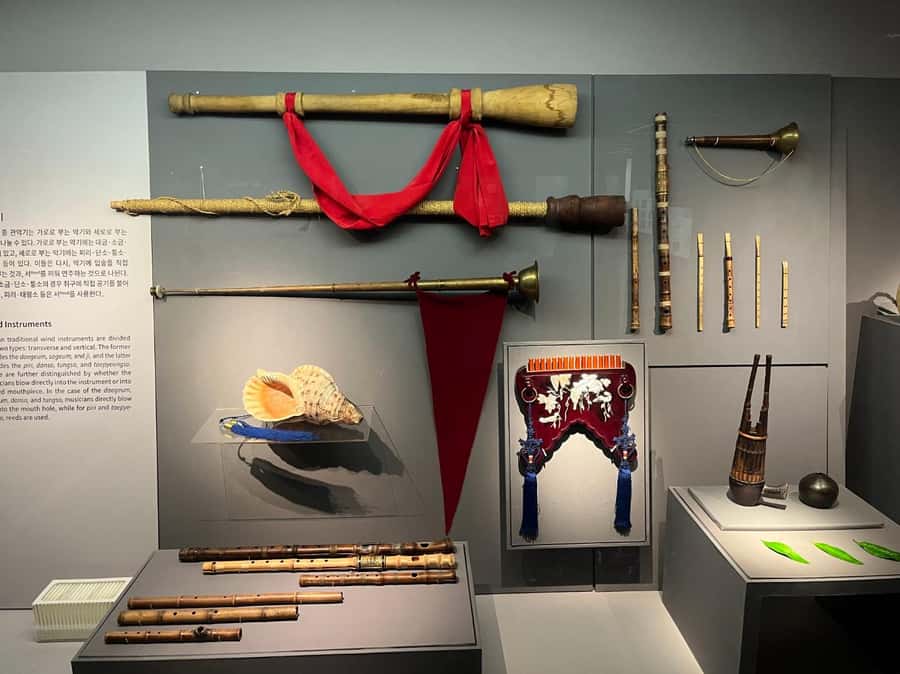
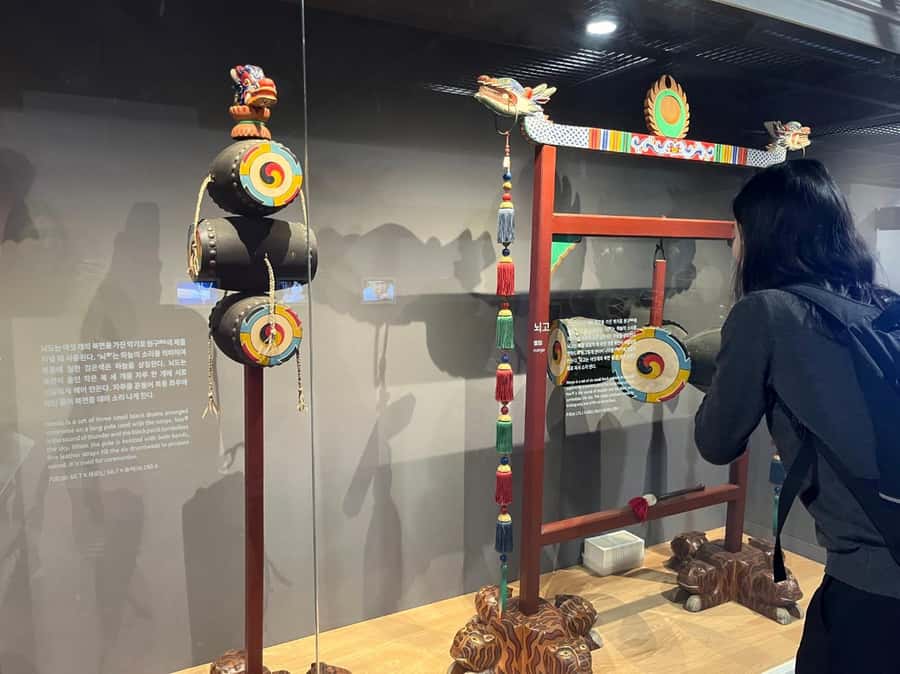
Here’s what you can expect the guide to focus on: Gugak history and the instruments that define traditional performances. The museum is designed with displays that help you visualize how music traditions developed and how different instruments are used. As you move through the exhibits with an English-speaking guide, you’ll get a clearer sense of what makes Gugak distinct—both in sound and in performance approach.
A practical note: museums can be slow if you’re trying to translate everything in your head. With an English guide, you can relax. Instead of “How do I interpret this label?”, you’re listening for the meaning behind the objects. That’s especially helpful if you don’t already know instrument names or basic concepts like how different instruments contribute to melody versus rhythm.
If you’re the type of visitor who enjoys structured learning, this part is ideal. If you’re more of a “show me the music first” person, you might find the 40-minute museum a little academic. The good news is the concert happens soon after, so you get a quick way to convert the museum information into real listening.
The National Gugak Center concert in the rehearsal hall (80 minutes)
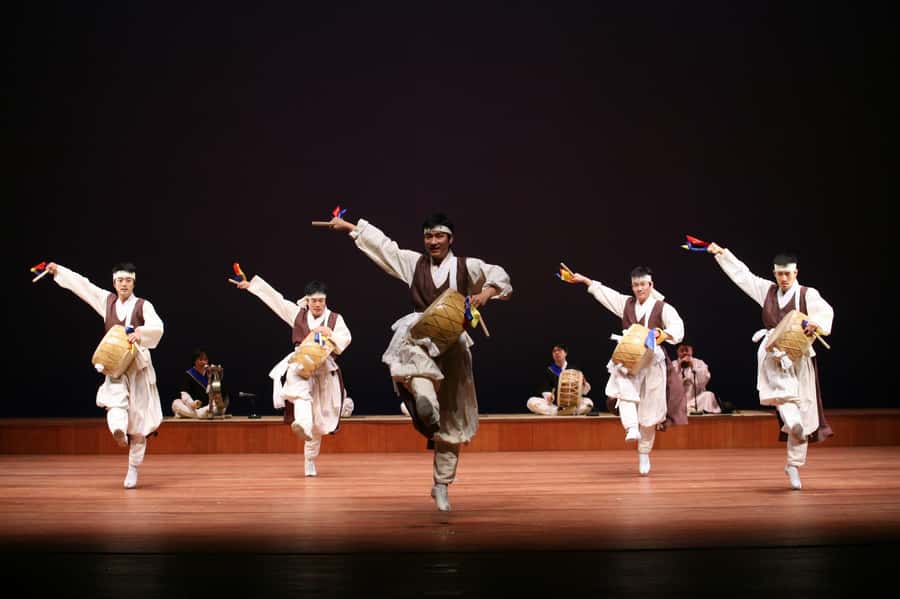
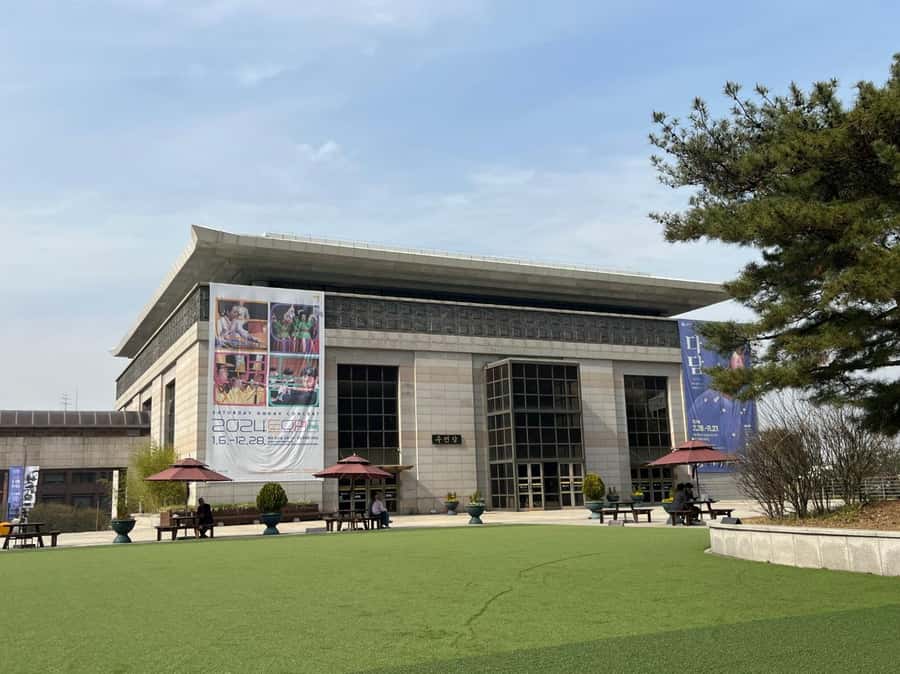
After the museum, the tour shifts gears. You head to the National Gugak Center (performance rehearsal hall) for an 80-minute Gugak concert.
This timing is deliberate. By the time you sit down, you’ve already heard about the instruments and why they matter. That sets you up to notice specific musical details. In the tour description, the sound highlights include the soft plucking of the gayageum and the dynamic feel of ensemble pieces. Even if you don’t catch every technical term, you’ll likely recognize the contrast: delicate, precise tones versus fuller group interplay.
A rehearsal hall concert can feel different from a big concert venue. It often means a closer, more direct experience with the performers. You’re not just listening from far away—you’re watching and absorbing how musicians coordinate. That visual component matters in traditional music, where timing, attention, and group cues are part of the performance language.
One of the best ways to enjoy an 80-minute concert is to give yourself permission to listen in layers:
- Start by hearing the overall mood.
- Then focus on one instrument family at a time.
- Finally, notice how the ensemble builds and releases energy.
If you’re coming with curiosity rather than expectations, this concert can be a memorable introduction to Gugak’s “feel,” not just its facts.

Group size, timing, and where you meet in Seoul area (Gyeonggi Province)
This tour runs about 140 minutes total (starting times vary by availability). It’s limited to a small group of up to 10 participants, and the guide is English-speaking.
The location is listed in Gyeonggi Province, which is part of the broader Seoul region. That’s great if you’re staying in the city and want a cultural activity without a multi-day commitment. Still, the province location also means you should plan transport. The tour does not include transportation to and from the sites, so you’ll need to reach the starting point and then return.
Your starting details are sent to you in advance. The starting location is listed as 2364, but the exact meeting point info should be provided before the tour, along with what to do on arrival. The tour ends back at the meeting point, so you’re not stuck trying to figure out your way out afterward.
If you want a simple day flow, treat this like a standalone cultural block. I’d avoid stacking it immediately next to something that requires lots of travel time. Instead, plan a calm buffer before and after. That helps you enjoy the museum and concert without rushing.
Price and value: is $49 worth it?
At $49 per person for about 140 minutes, the value depends on what you want out of the experience.
You’re paying for three main things:
- A guided museum visit (around 40 minutes) focused on Gugak history and instruments
- A live concert experience (around 80 minutes)
- A small group format with an English guide, so your questions don’t get lost
What makes the price feel more reasonable is the tight connection between the two parts. Many cultural tickets are “one-and-done.” Here, the museum context improves your concert listening. That reduces the chance of spending money on a show where you still feel lost halfway through.
Also, the small group cap at 10 can justify the cost for people who hate big tours. You get more direct attention from the guide and a better chance of hearing instructions clearly.
The one value-risk: if you already know a lot about Gugak and you’re looking for a deep, scholarly master class, a 40-minute museum may feel brief. But for most visitors, it hits a sweet spot—enough explanation to make the concert click.
Who this Gugak tour is best for (and who might skip)
This is a strong fit if you want:
- An easy, structured introduction to Korean traditional music
- English guidance that helps you understand what you’re seeing and hearing
- A small group experience instead of a large bus tour
- A live performance that’s tied directly to museum learning
It also works well for first-timers in Seoul/Gyeonggi who want something cultural and authentic without needing to read a manual to enjoy it.
I’d think twice if:
- Traditional music doesn’t hold your attention in general
- You dislike concerts or prefer visual sightseeing over audio experiences
- You want transportation handled for you, since you’ll need to manage getting to the meeting point and sites yourself
If you’re unsure, this is still a low-commitment way to test your interest. The concert duration (80 minutes) is long enough to feel substantial, but the overall tour time stays reasonable at 140 minutes.
Practical tips to get more from the museum and concert
These small choices can make the difference between a forgettable outing and a real memory.
- Arrive early enough to settle in. In any concert setting, being rushed makes listening harder.
- In the museum, don’t try to memorize every instrument name. Instead, pick 2–3 instruments you hear about and then try to spot them during the concert.
- During the concert, focus on contrast. Pay attention to how the music shifts between soft detail (like the gayageum plucking) and higher-energy ensemble sections.
- Bring patience for repetition. Traditional performance often builds through structure, not through constant novelty.
- Keep your phone away during the main performance if rules are posted. If you’re unsure, follow the guide’s lead.
One more helpful detail: the guide experience matters here. Elisa is specifically mentioned as sweet and clear, which suggests the explanations are meant to be understandable on the spot. Ask questions during the museum segment while they’re relevant.
Should you book this Gugak Museum and Concert tour?
If you want a well-paced cultural experience with an easy-to-follow English guide, I think it’s an excellent booking choice. The biggest reason is the match between learning and listening: the museum helps you hear the concert with better context, and the small group format keeps you connected to the guide and the moment.
Book it if:
- You like guided context as part of your travel
- You want a live taste of Korean traditional music without prior knowledge
- You prefer smaller groups and clear explanations
Skip it if:
- You need transportation included
- You strongly dislike concerts or traditional performance
- You’re looking for a long, deep training session rather than a compact intro
For many first-time visitors to the Seoul area, this is one of those “do it once, then you’ll get why people love it” experiences. You’ll leave with more than a ticket. You’ll leave with a better ear.
FAQ
How long is the Gugak Museum and Concert tour?
The total duration is about 140 minutes.
What does the itinerary include?
It includes a guided visit to the Museum of Korean Traditional Music and a live Gugak concert at the National Gugak Center (performance rehearsal hall).
Is there an English-speaking guide?
Yes. The tour provides a live tour guide in English.
How long is the museum portion and how long is the concert portion?
The museum guided tour is about 40 minutes, and the concert is about 80 minutes.
How many people are in the group?
It’s a small group limited to 10 participants.
What’s included in the price, and what isn’t?
Included: museum visit, live Gugak concert, and a friendly/knowledgeable guide. Not included: meals and drinks, and transportation to and from the museum.
When and where does the tour end?
The tour ends back at the meeting point. Starting details are sent before the tour, and the tour begins at the listed starting location with exact info provided.
More Museums in Seoul
- Seoul: War Memorial of Korea Private Guided Museum Tour★ 4.9 · 29 reviews
- DMZ Tour + The War Memorial of Korea Museum★ 5.0 · 28 reviews
- Color Pool Museum★ 4.0 · 22 reviews
- Seoul: National Museum of Korea Guided Tour★ 5.0 · 13 reviews
- Gyeongju UNESCO Sites Tour by KTX train; The Museum Without walls★ 4.5 · 11 reviews
More Tours in Seoul
- Best DMZ Tour Korea from Seoul (Red Suspension Bridge Optional)★ 5.0 · 41,422 reviews
- DMZ Tour: 3rd Tunnel, Option(Suspension Bridge, Boat) from Seoul★ 5.0 · 21,373 reviews
- DMZ tour south Korea from Seoul (NK experience hall, defector)★ 5.0 · 20,599 reviews
- Seoul: DMZ Tour with Optional Suspension Bridge★ 4.8 · 5,277 reviews
- Seoul: DMZ The 3rd Tunnel and Suspension Bridge Tour★ 5.0 · 4,656 reviews
More Tour Reviews in Seoul
- Best DMZ Tour Korea from Seoul (Red Suspension Bridge Optional)★ 5.0 · 41,422 reviews
- DMZ Tour: 3rd Tunnel, Option(Suspension Bridge, Boat) from Seoul★ 5.0 · 21,373 reviews
- DMZ tour south Korea from Seoul (NK experience hall, defector)★ 5.0 · 20,599 reviews
- Seoul: DMZ Tour with Optional Suspension Bridge★ 4.8 · 5,277 reviews
- Seoul: DMZ The 3rd Tunnel and Suspension Bridge Tour★ 5.0 · 4,656 reviews
Just added to Exploring Seoul





Museums, compared.
 ★ 4.9War Memorial of Korea Private Guided Museum TourFrom $10029 reviews
 ★ 5.0DMZ Tour + The War Memorial of Korea MuseumFrom $6528 reviews
 ★ 4.0Color Pool MuseumFrom $1322 reviews
 ★ 5.0National Museum of Korea Guided TourFrom $3813 reviews
 ★ 4.5Gyeongju UNESCO Sites Tour by KTX train; The Museum Without wallsFrom $47011 reviews
 ★ 5.0Time Travel in Seoul: Gyeongbokgung, Folk Museum & BukchonFrom $5410 reviews
 ★ 4.8Layover tour to Gyeongbokgung-Folk Museum-Bukchon-InsadongFrom $2546 reviews
 ★ 5.0Time Travel in Seoul: Gyeongbokgung Palace, Folk Museum & BukchonFrom $576 reviews
Browse the lists this tour appears in