
Reviewed · DMZ DAY TOURS
DMZ Guided Tour with Suspension Bridge / Gondola from Seoul
A border tour with real stakes. This DMZ day trip from Seoul is one of the easiest ways to understand the Korean War and today’s tense divide, with an air-conditioned vehicle doing the heavy lifting. You also get a real chance at seeing North Korea when visibility is good, especially from stops built for that exact moment.
I like how the itinerary builds to the most striking viewpoints: Dora Observatory, Dorasan Station, and the tunnel visits that show how this border became literal infrastructure. The main drawback is the physical side of it: the 3rd Tunnel in particular involves intermediate hiking and tight timing, so you need to be ready to walk—and fog can also dull the North Korea view.
In This Review
- Key highlights worth planning around
- Seoul DMZ in One Day: What You’re Really Getting
- Price and Value: Why This Tour Feels Like a Deal
- Day Schedule and Which Tunnel You Visit
- Stop-by-Stop: DMZ Zone, Dora Observatory, and the Moments You’ll Remember
- The DMZ itself
- Dora Observatory (and Dorasan Station area)
- Unification Village area (timing depends on your day)
- The Tunnels: What Walking In Really Means (3rd vs 2nd)
- The 3rd Tunnel experience (usually Tue-Sun)
- The 2nd Tunnel experience (Mondays)
- Dora’s View Depends on Weather: How to Keep Expectations Real
- Suspension Bridge vs Gondola: Choosing Your DMZ Photo Angle
- How the Day Feels: Timing, Tickets, and the Pace of a Strict Border Tour
- Who This DMZ Tour Is Best For (and Who Should Rethink the Tunnel)
- Guide Style Matters: Names You Might Hear on the Bus
- Weather, Politics, and Unplanned Changes: What You Should Know
- What to Bring for a Smooth DMZ Day
- Should You Book This DMZ Guided Tour With Gondola or Suspension Bridge?
- FAQ
- What is the approximate duration of the DMZ guided tour from Seoul?
- How much does the tour cost?
- Which tunnel do I visit, and does it depend on the day?
- Do I get admission to the attractions?
- Are the gondola and suspension bridge included?
- Can I see North Korea during the tour?
- Is the 3rd Tunnel accessible for everyone?
- Are meals provided?
- What happens if the tour is canceled due to weather or political situation?
- Is monorail available on this tour?
Key highlights worth planning around
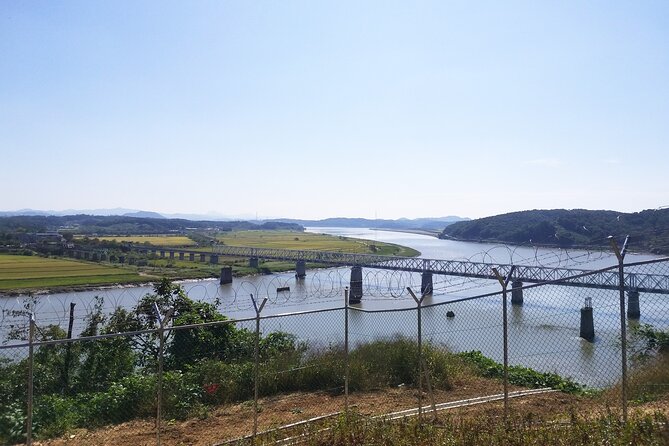
- Dora Observatory views: clear-weather shot at seeing North Korea from the southern side
- Tunnel access: the 3rd Tunnel (on most days) plus the 2nd Tunnel on Mondays
- Optional gondola vs suspension bridge: pick the photo angle you prefer near the DMZ area
- English-speaking guide/driver: fast explanations that keep the pace moving
- Strict ticket timing: you must show up on time for entries with set time slots
- Weather and politics can shift plans: the tour may reschedule or refund if conditions aren’t right
Other ways to reach the DMZ and the border from Seoul
- DMZ Tour: 3rd Tunnel, Option(Suspension Bridge, Boat) from Seoul★ 5.0 · 21,373 reviews
- DMZ tour south Korea from Seoul (NK experience hall, defector)★ 5.0 · 20,599 reviews
- Seoul: DMZ Tour with Optional Suspension Bridge★ 4.8 · 5,277 reviews
- Seoul: DMZ The 3rd Tunnel and Suspension Bridge Tour★ 5.0 · 4,656 reviews
Seoul DMZ in One Day: What You’re Really Getting
If you only have a day (or a long day) in Seoul and you want more than museum photos, this DMZ tour gives you the direct, human-scale version of the story. You leave the city, ride in an air-conditioned vehicle, and spend the day at multiple official sites tied to the Korean War and the modern border standoff.
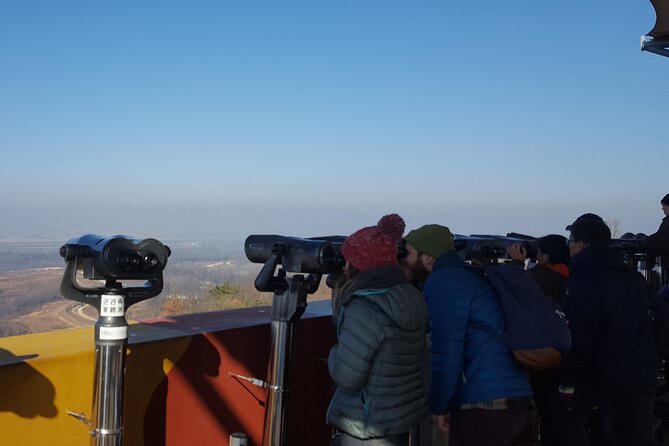
Two things make it especially practical. First, you avoid the mental load of transportation planning—round-trip transfers are included, and an English-speaking guide/driver handles the flow. Second, the tour is built around places where you can actually look toward North Korea, not just read about it. On clear days, the view from the Dora Observatory area is the moment most people remember.
The day runs long enough to feel full, usually about 7 to 11 hours. And because the DMZ has security rules and strict entry schedules, you should expect a structured pace with little slack time.
Price and Value: Why This Tour Feels Like a Deal
At $35 per person, you’re paying for transport, an English-speaking guide/driver, admission tickets to the main sites, and (depending on your choice) the cable car ride and/or suspension bridge time near the DMZ area. In Korea, tours can vary a lot by what they include, but this one stacks the key “DMZ checklist” items into a single day.
That price matters because the DMZ isn’t a casual “walk around and browse” area. Access is controlled, entries have time slots, and you’re taking a long trip out of Seoul. Getting the admissions and guided timing bundled together is where the value is. You’re not trying to build a DIY route that can easily turn into missed ticket windows.
One more value point: there can be an optional meeting with a North Korean defector. That isn’t guaranteed as a core stop, but the fact that it’s offered as an option gives the tour a stronger real-world connection than a purely sightseeing day.
Day Schedule and Which Tunnel You Visit
The itinerary changes by day, and this affects the feel of the day.
- Mondays: you visit the 2nd Tunnel and also the Peace Observatory and Woljeongri station, plus suspension bridge time.
- Tuesday to Sunday: you typically visit the 3rd Tunnel and Dora Observatory, and then you may also have time connected to Unification Village, with your gondola or suspension bridge option based on what you selected.
Either way, you’ll also spend time at the broader DMZ zone. The tour’s schedule has set-entry steps, so the order and exact timing can shift a bit depending on traffic and on-site procedures. Plan to show up early for pickup and be ready for a strict rhythm once you arrive.
A handful of other Seoul experiences to line up next
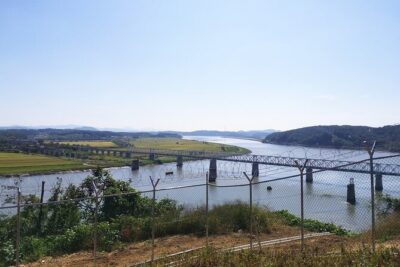


Stop-by-Stop: DMZ Zone, Dora Observatory, and the Moments You’ll Remember
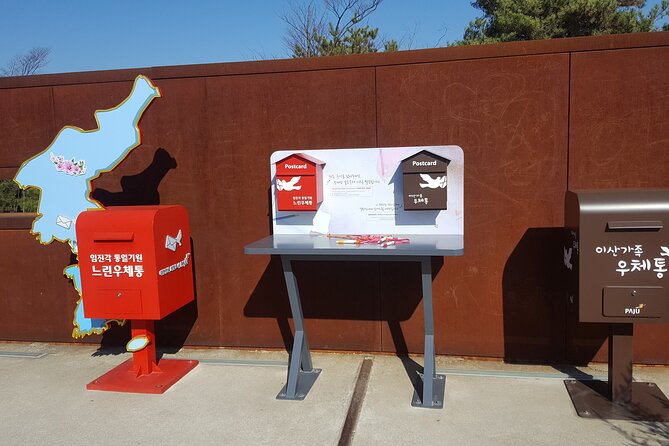
Here’s how the day tends to unfold at the big-picture level, and what each place really adds.
The DMZ itself
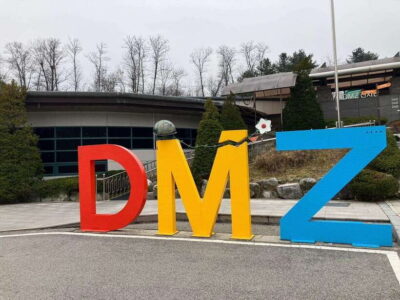
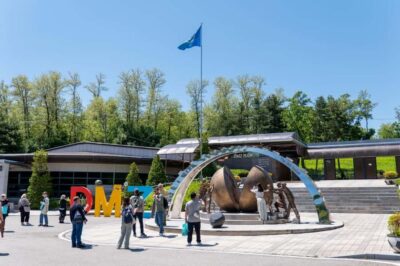
You start with time at the DMZ area, which is the buffer zone between North and South Korea. This part is less about one single photo and more about context: it’s where the “border” concept becomes physical space with rules, restrictions, and controlled access. You’ll get guided explanations while you’re there, so it doesn’t feel like you’re just standing at fences.
Because this stop runs about 2 hours, it gives you time to adjust from city mode into border-mode. You’ll likely feel the shift quickly, since the environment is stark and the pacing becomes formal.
Dora Observatory (and Dorasan Station area)
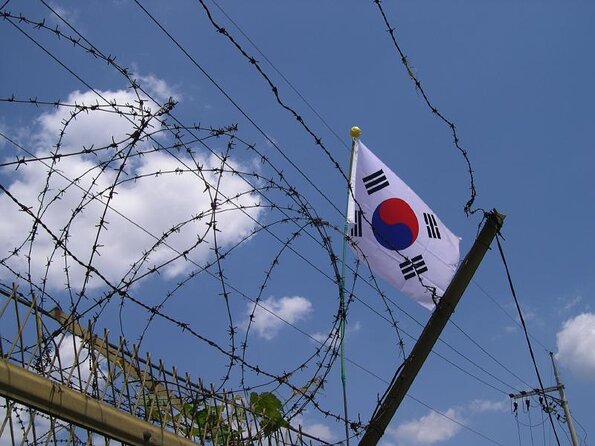
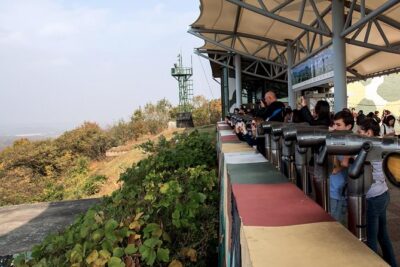
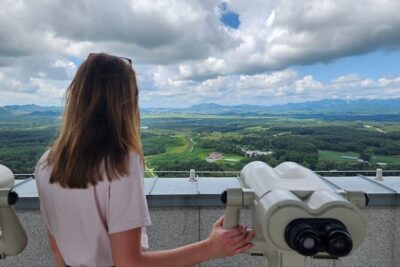
Dora Observatory is the headliner for many people. On clear days, you may be able to see North Korea, and the tour includes time designed for that. You also get the Dorasan Station area, noted as the last station in South Korea, and guided context about what it means that rail lines and daily movement are split so completely.
If you’re chasing one “wow” moment, this is it. But be honest with yourself: the view depends heavily on weather and visibility. Fog can turn the experience from dramatic to muted, even when you’ve done everything right.
Unification Village area (timing depends on your day)
When the tour runs the Tuesday-to-Sunday pattern, the day includes time connected to Unification Village. This is one of those places that feels symbolic, and it often functions like a reality check: people talk about unity and reunification, but here you see how the border has shaped daily life, movement, and what’s accessible.
The Tunnels: What Walking In Really Means (3rd vs 2nd)
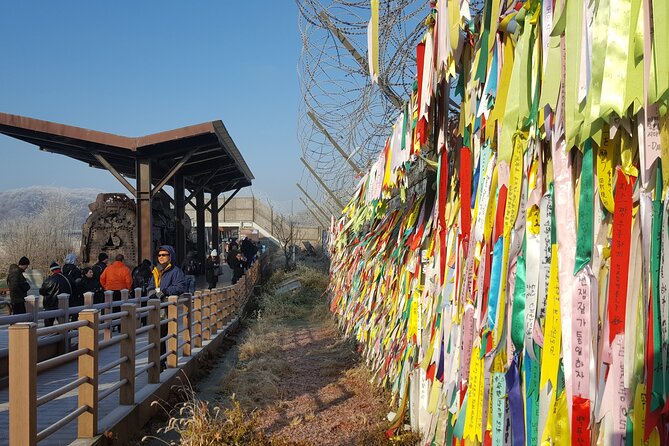
The tunnels are the emotional center of this tour. They aren’t just “another attraction.” They show how close the conflict came to being an engineered pathway rather than only a political standoff.
The 3rd Tunnel experience (usually Tue-Sun)
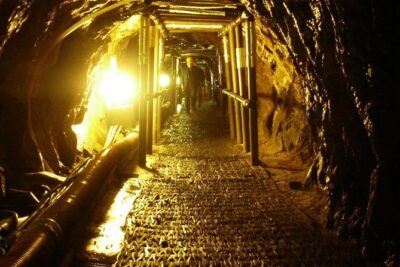
The 3rd Tunnel was discovered in 1978 and is long, narrow, and designed for movement. The practical detail that matters for you: going in isn’t a casual stroll. Entry comes with restrictions—if you have heart disease, back/leg problems, or respiratory issues, you cannot enter the tunnel area. Even for people who are cleared to go, you should expect an intermediate hiking component.
One review-based reality check: there can be steep sections down and back up, with around 350 meters of incline walking in each direction mentioned by past guests, and the ground can feel slightly wet or slippery. You don’t have to be a marathon runner, but you do need balance and comfort with climbing.
The 2nd Tunnel experience (Mondays)
On Mondays, you typically switch to the 2nd Tunnel instead of the 3rd Tunnel. That means your “tunnel time” becomes a longer segment, roughly 3 hours total on that Monday pattern, with additional stops like Peace Observatory and Woljeongri station built around the tunnel visit.
If your schedule lines up with Monday, don’t treat it as a downgrade. The tunnel theme is still the core of the day; the shape of the day just changes.
Dora’s View Depends on Weather: How to Keep Expectations Real
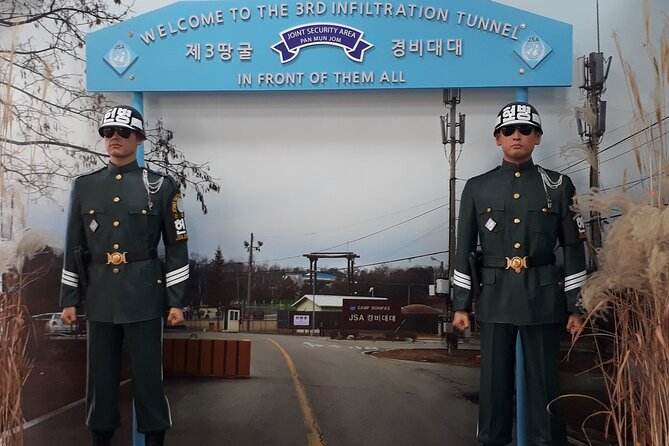
This tour is strongly weather-dependent. It’s not just about rain ruining comfort. The North Korea visibility piece hinges on clarity. If the day is foggy, you may still get the guided history and the major sites, but the “look across” payoff can be weaker.
So my advice is simple: if you have flexibility in your dates, pick a day with the best forecast for clear visibility. And if your day turns out hazy, don’t mentally check out. The tunnels and the DMZ context still deliver, because the story is about more than one scenic viewpoint.
Also note that the tour can be canceled due to weather or political situation, and in that case you’ll either be rescheduled or receive a full refund. That’s reassuring, but it’s still smart to avoid booking a tour on your only possible travel day out of Seoul.
Suspension Bridge vs Gondola: Choosing Your DMZ Photo Angle
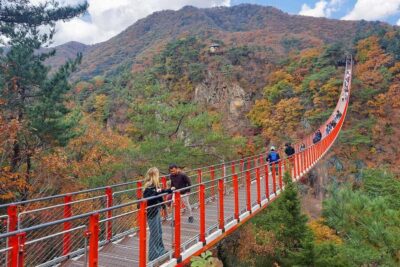
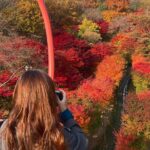
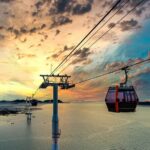
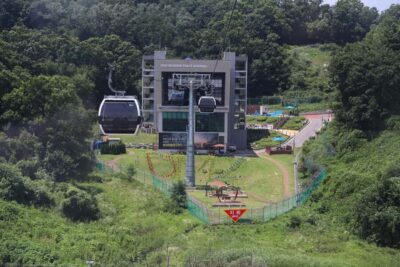
This tour includes a cable car (gondola) and/or suspension bridge time depending on what you choose when booking. If you select the suspension bridge option, you’ll visit Gamaksan Chulleong Bridge near the DMZ area. The bridge area is described as a valley-to-mountain connection where black and blue lighting can be visible at night, which tells you it’s often chosen for dramatic atmosphere and photos.
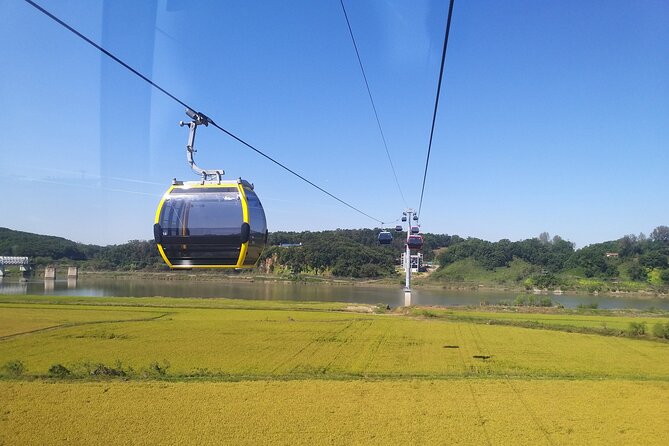
If you pick gondola time instead, you’re getting a different kind of DMZ-region experience—more “ride and view,” less “walk on a high frame.”
Practical takeaway: choose based on what you want your body to tolerate that day. The DMZ already involves walking and timed entries, so if you’re trying to reduce strain, gondola may feel easier. If you’re chasing that dramatic bridge moment, suspension bridge is your move.
Either option is optional in the sense that you can select it (or not). But if you want the most complete day and stronger photo variety, adding one of them is usually worth it.
How the Day Feels: Timing, Tickets, and the Pace of a Strict Border Tour
This is where you should set your expectations. The DMZ has time slots, and the tour follows a strict schedule so everyone hits entry windows.
From experience with similar timed-site tours, the pattern is usually the same: you’ll do brief transfers, arrive, enter on schedule, and then move quickly to the next point. If you’re late, you can lose your place in ticket timing. Even short delays can ripple through the whole day.
Also, the day is full enough that you might feel the pace as “efficient” rather than relaxed. One older-style complaint that shows up in real feedback is that timing can feel rushed, and explanations may feel more like short bursts than slow storytelling if the group is moving fast. That doesn’t mean the tour is chaotic—just that you should come prepared to listen actively while moving.
My practical advice:
- Arrive early for pickup and be ready when your guide calls names.
- Bring what you need for a long day, since meals aren’t included.
- Wear shoes that handle uneven, possibly slick areas.
Who This DMZ Tour Is Best For (and Who Should Rethink the Tunnel)
This tour is a strong fit for people who want structured, guided context and a must-see set of DMZ sites in one day. If you like learning as you go, and you’re okay with walking, it’s a good match.
It’s also a good fit for families with older teens who can handle a serious topic and do short-to-medium walking segments. You’ll see why when your guide keeps the story moving between sites.
But you should rethink the tunnel portion if you fall into any of these groups:
- People with heart disease
- People with back/leg/respiratory conditions that could be affected by the tunnel hike
- Anyone who isn’t comfortable with steep incline and potentially slippery ground
The tour also has general participation limits: most travelers can join, but the 3rd Tunnel entry has specific restrictions, and even if you’re cleared, the hiking effort can be real.
If mobility is limited, you might still enjoy the DMZ zone and Dora Observatory, but you may miss the tunnel experience depending on safety requirements on the day.
Guide Style Matters: Names You Might Hear on the Bus
One of the biggest drivers of a great DMZ day is the guide’s ability to balance serious content with pace and clarity. Past tours have featured guides such as Patrick, Roy, Ki, Andrew, April, and Mac, and the common thread in the feedback is that the guide keeps people engaged while explaining what you’re seeing.
If you’re the kind of traveler who hates “lectures,” look for guides who can make the topic easier to follow in small, well-timed segments. If you prefer humor, the better days tend to be the ones where the guide uses lightness without turning the subject into a joke.
No guide can change fog or tunnel restrictions, but they can change how meaningful the day feels.
Weather, Politics, and Unplanned Changes: What You Should Know
This tour can be canceled due to weather or political situation. When that happens, you’ll either get a different date or a full refund. That’s important because this isn’t one of those tours that keeps operating no matter what.
You should also expect that drop-off time and location can change based on traffic. The itinerary notes that time between destinations isn’t included in the stop durations, which is a fancy way of saying the day can run long even when each stop doesn’t feel that long.
Finally, if the 3rd Tunnel is unavailable, it can be swapped for another destination. That’s a useful backup plan, especially if you arrive expecting the tunnel to be the one highlight.
What to Bring for a Smooth DMZ Day
This isn’t a “pack like a beach day” situation. You’re in and out of vehicles, you’ll walk, and conditions can be uneven.
Bring:
- Comfortable walking shoes with grip
- A layer for cool or foggy weather near the DMZ
- Small snacks or water planning for a long day, since meals and beverages aren’t included
- Your patience for a strict schedule and occasional waiting
One more tip: if you’re bringing luggage, discuss its size and number in advance, since the tour has notes about luggage handling.
Should You Book This DMZ Guided Tour With Gondola or Suspension Bridge?
Yes—if you want a guided, structured DMZ day that hits the core sites without you having to plan transport, manage tickets, and stitch together multiple stops. At $35, the value is strong for a trip that includes admissions, round-trip transfers, and the main DMZ experiences.
Book it if:
- You care about Korean War history and today’s border reality
- You’re comfortable walking and handling timed entry points
- You’ll pick the gondola or suspension bridge option that matches your comfort level
Think twice or choose a different plan if:
- You have health conditions that could affect tunnel entry
- You dislike tight timetables and want a slow sightseeing pace
- You’re only chasing the North Korea view and your dates are likely to be foggy
If you do book, go in with the right mindset. The best part isn’t one single photo. It’s the way the day connects history, engineering, and geography into something you can actually stand inside and feel.
FAQ
What is the approximate duration of the DMZ guided tour from Seoul?
The tour typically runs about 7 to 11 hours.
How much does the tour cost?
The price is listed as $35.00 per person.
Which tunnel do I visit, and does it depend on the day?
Yes. The 2nd Tunnel is visited on Mondays. The 3rd Tunnel is visited on Tuesday through Sunday.
Do I get admission to the attractions?
Yes. Admission to the listed attractions is included.
Are the gondola and suspension bridge included?
You can select options when booking. The gondola (cable car) and/or suspension bridge are optional, depending on what you choose.
Can I see North Korea during the tour?
There’s a chance to see North Korea from Dora Observatory if visibility is clear and weather conditions are good.
Is the 3rd Tunnel accessible for everyone?
No. If you have certain health conditions like heart disease or issues with back/leg/respiratory health, you cannot enter the 3rd Tunnel. It also involves intermediate hiking.
Are meals provided?
No. Meals and beverages are not included.
What happens if the tour is canceled due to weather or political situation?
If canceled for weather or political reasons, you’ll be offered a different date or a full refund.
Is monorail available on this tour?
No. The monorail is not available.
More Tours in Seoul
- Best DMZ Tour Korea from Seoul (Red Suspension Bridge Optional)★ 5.0 · 41,422 reviews
- DMZ Tour: 3rd Tunnel, Option(Suspension Bridge, Boat) from Seoul★ 5.0 · 21,373 reviews
- DMZ tour south Korea from Seoul (NK experience hall, defector)★ 5.0 · 20,599 reviews
- Seoul: DMZ Tour with Optional Suspension Bridge★ 4.8 · 5,277 reviews
- Seoul: DMZ The 3rd Tunnel and Suspension Bridge Tour★ 5.0 · 4,656 reviews
More Tour Reviews in Seoul
- Best DMZ Tour Korea from Seoul (Red Suspension Bridge Optional)★ 5.0 · 41,422 reviews
- DMZ Tour: 3rd Tunnel, Option(Suspension Bridge, Boat) from Seoul★ 5.0 · 21,373 reviews
- DMZ tour south Korea from Seoul (NK experience hall, defector)★ 5.0 · 20,599 reviews
- Seoul: DMZ Tour with Optional Suspension Bridge★ 4.8 · 5,277 reviews
- Seoul: DMZ The 3rd Tunnel and Suspension Bridge Tour★ 5.0 · 4,656 reviews
The DMZ & the Border, More Routes
- Best DMZ Tour Korea from Seoul (Red Suspension Bridge Optional)★ 5.0 · 41,422 reviews
- DMZ Tour: 3rd Tunnel, Option(Suspension Bridge, Boat) from Seoul★ 5.0 · 21,373 reviews
- DMZ tour south Korea from Seoul (NK experience hall, defector)★ 5.0 · 20,599 reviews
- Seoul: DMZ Tour with Optional Suspension Bridge★ 4.8 · 5,277 reviews
- Seoul: DMZ The 3rd Tunnel and Suspension Bridge Tour★ 5.0 · 4,656 reviews
Just added to Exploring Seoul

DMZ Day Tours, compared.
 ★ 5.0DMZ Tour: 3rd Tunnel, Option(Suspension Bridge, Boat) from SeoulFrom $3521,373 reviews
 ★ 5.0DMZ tour south Korea from Seoul (NK experience hall, defector)From $2620,599 reviews
 ★ 4.8DMZ Tour with Optional Suspension BridgeFrom $455,277 reviews
 ★ 5.0DMZ The 3rd Tunnel and Suspension Bridge TourFrom $654,656 reviews
 ★ 5.0Signature DMZ Tour: Exclusive Defector Talk & Suspension BridgeFrom $274,459 reviews
 ★ 5.0Thrilling Korean DMZ 3rd Tunnel Tour from Seoul + Red Bridge RushFrom $353,097 reviews
 ★ 4.9DMZ Tour & Suspension Bridge (Option English/Spanish)From $352,628 reviews
 ★ 5.0DMZ Past and Present: Korean Demilitarized Zone Tour from SeoulFrom $372,481 reviews
Browse the lists this tour appears in