
Reviewed · KOREAN COOKING & KIMCHI CLASSES
Seoul: Korean Kimchi Cooking Class in the Heart of the City
Kimchi class beats restaurant dinner every time. This hands-on Seoul cooking lesson teaches kimchi-buchimgae plus two other kimchi dishes, and you get to taste the food like a full Korean meal. I also love the relaxed pace for mixed cooking levels, and the built-in surprise of a Secret Dish. One thing to plan around: there’s no pickup, and you’ll need to find the third-floor meeting spot on foot.
You’re in Jongno District, close to Gyeongbokgung Palace, but the kitchen feels tucked away from the big tourist flow. The class lasts 2 hours, caps at 8 people, and is led in English so you’re not stuck guessing what step comes next. Expect a quick, practical payoff: you’ll learn techniques and flavor logic you can repeat, even if you’re not a serious home cook.
In This Review
- Key Points to Know Before You Cook Kimchi in Seoul
- Why This Kimchi Class Feels Practical (Not Just Fun)
- Finding the Third-Floor Kitchen Near Gyeongbokgung
- The 2-Hour Flow: From Hands-On Prep to Dinner Table
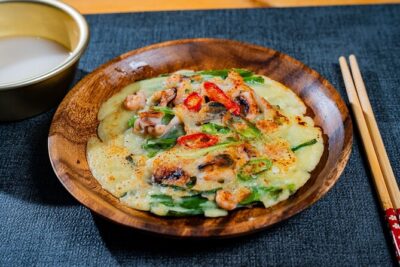
- Cabbage Kimchi Pancake: Kimchi-buchimgae Gets Serious About Texture
- Radish Kimchi (Kkakdugi): Crunchy Fermentation With a Stir-Fry Finish
- White Kimchi (Baek-kimchi): Non-Spicy, Noodle-Friendly Comfort
- Fermentation Tips You Can Actually Use Back Home
- Sampling the Meal: Makgeolli, Cheeses, Eggplant, and Cookies
- Price and Value: Is $86 Worth Two Hours of Seoul Cooking?
- Who This Kimchi Class Fits Best
- Should You Book This Kimchi Cooking Class in Seoul?
- FAQ
- What dishes will I make in the class?
- Is the cooking class taught in English?
- What drinks are included?
- Is there an age requirement for alcohol?
- Where do I meet, and how do I get there from Gyeongbokgung Station?
- Can you accommodate dietary requirements?
- Is it wheelchair accessible?
Key Points to Know Before You Cook Kimchi in Seoul
- 3 kimchi-based dishes in 2 hours: cabbage kimchi pancake, kkakdugi-style radish kimchi, and white kimchi with noodles
- Fermentation and flavor balancing taught in plain steps, not just theory
- Small group (up to 8), so you can ask questions without waiting in line
- A Secret Dish plus extra tastings like cheeses, eggplant parmigiana, and lemon amaretti cookies
- Makgeolli included, with an alcohol-free option mentioned for those who want it
- You’re near Gyeongbokgung Palace, which makes pairing this with a palace walk easy
Roll up your sleeves in another Korean kitchen
- Local Home Korean Cooking Class & Market Adventure in Seoul★ 5.0 · 1,024 reviews
- Master Korean traditional cooking with a Kimchi chef★ 5.0 · 385 reviews
- Seoul: Korean Cooking Class at a Local Home and Market Tour★ 5.0 · 348 reviews
- Seoul: Korean Cooking at Seoul Cooking Club!★ 5.0 · 311 reviews
Why This Kimchi Class Feels Practical (Not Just Fun)
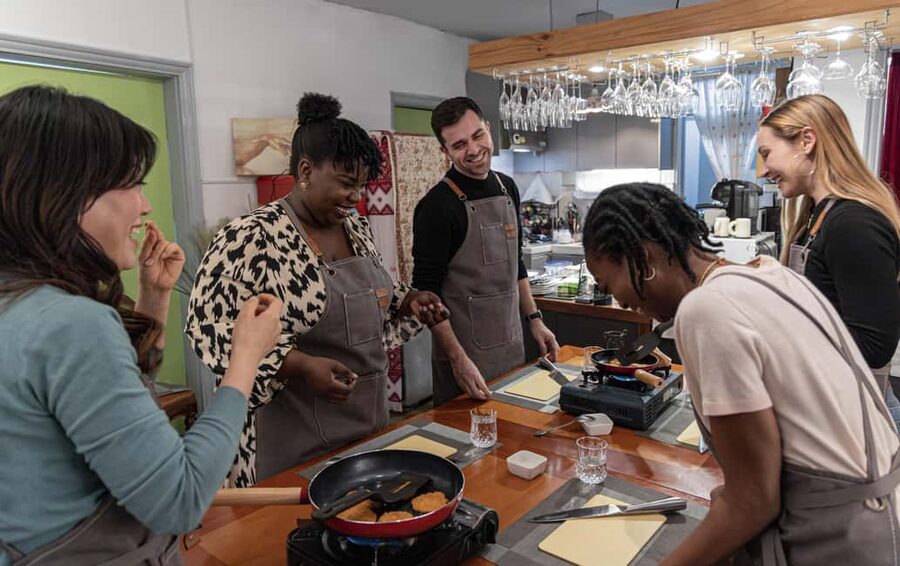
If you want Korean food that you can recreate, this is the kind of class that actually teaches you how to think. You don’t just follow a recipe—you learn what fermented flavors do, how to balance bold and subtle notes, and how kimchi works alongside other ingredients.
I like that the class keeps things manageable for beginners. The cooking is hands-on, but the tone is relaxed, so you can focus on understanding the steps rather than performing perfectly.
The other big plus is the way the meal is built. You’re not eating random bites at the end. You’re making a set of dishes that show different faces of kimchi, then turning it into a classic Korean dinner flow.
Finding the Third-Floor Kitchen Near Gyeongbokgung
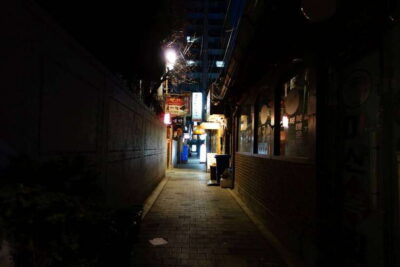
You meet at the Third floor, 36 Jahamun-ro 7-gil, Jongno District, Seoul. It’s a real “look for the building, then go up” situation, which is great once you get the hang of it, and a little annoying if you’re expecting a street-level storefront.
From Exit 2 of Gyeongbokgung Station, walk straight about 200m until you see Woori Bank, then turn left. Pass by the bar Cham, and look for the destination on the 3rd floor of the building with Cuisine La Cle on the 1st floor. If you’re arriving right before the start time, I’d give yourself a few extra minutes. It’s easy to miss the staircase if you’re rushing.
The listing calls it a secret meeting spot, which is more about the location being low-key than about mystery. Once you’re there, the structure is straightforward: wash hands, get your gear, and start building your dishes.
The 2-Hour Flow: From Hands-On Prep to Dinner Table
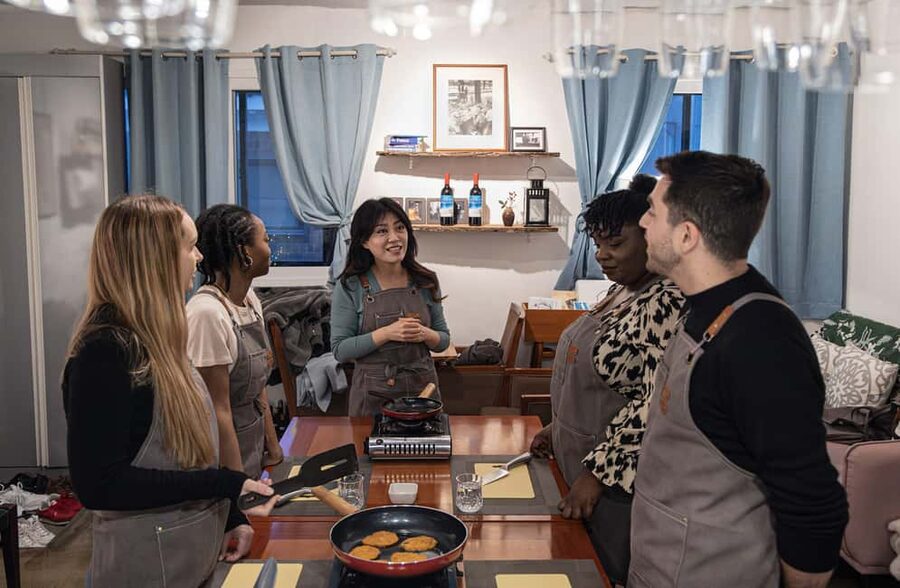
This class is set up like a tight, friendly cooking session rather than a slow cooking show. You’ll move through ingredient prep, cooking steps, and plating, all while the chef explains what you’re doing and why it works.
A helpful detail is that you’ll learn about local ingredients—how to find them in Seoul and also how to seek similar items back home. That matters because kimchi isn’t just one flavor. It’s fermentation, cabbage or radish texture, seasoning choices, and timing.
In the end, you’re set up to eat what you made, not just watch someone else plate it.
A handful of other Seoul experiences to line up next

Cabbage Kimchi Pancake: Kimchi-buchimgae Gets Serious About Texture
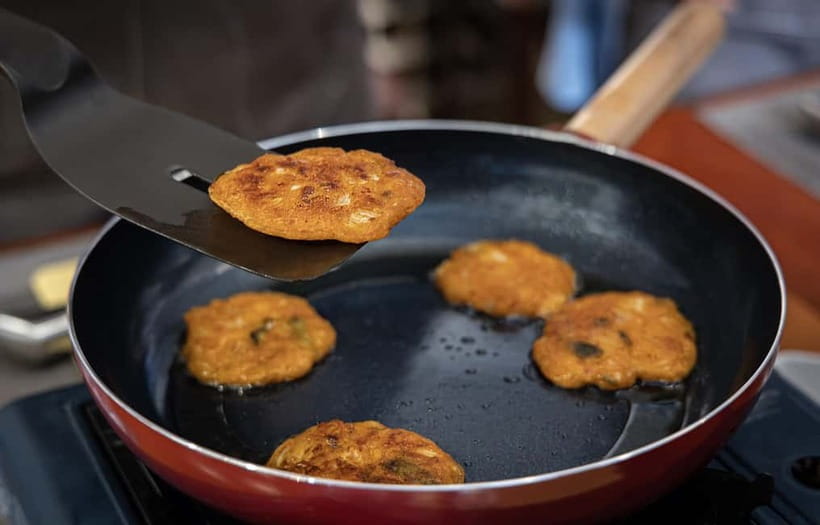
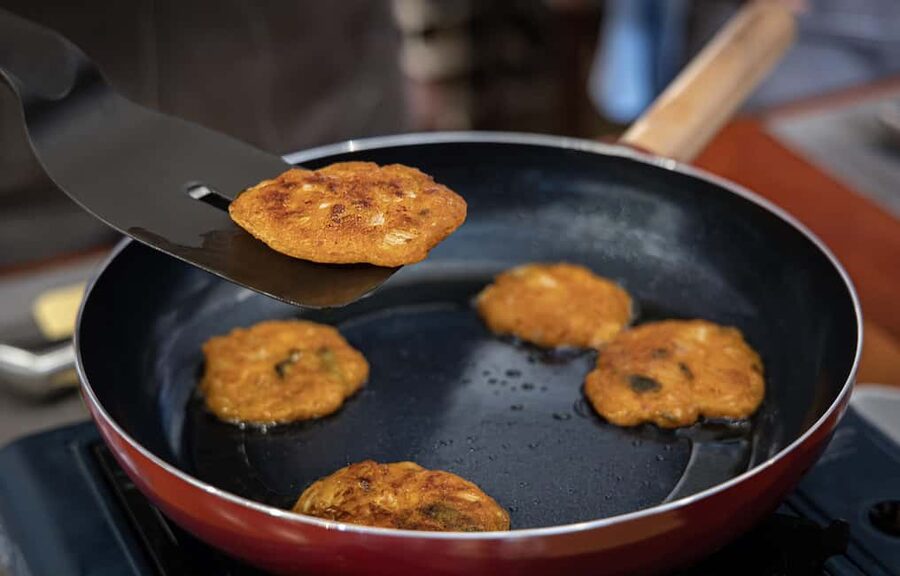
The first dish is cabbage kimchi pancake, kimchi-buchimgae. The goal isn’t just “make it taste good.” You’re aiming for that crispy, savory outside with umami coming from fermented cabbage kimchi inside.
What you learn here is partly batter technique and partly kimchi behavior. Fermented ingredients can be juicy and tangy, so you’ll see how that affects cooking and how balance changes the final bite. For a lot of people, this is the dish that turns kimchi from a side condiment into a centerpiece.
If you like pan-fried foods, you’ll probably enjoy this part the most. It’s hands-on fast, and you can taste-test your way toward the right result.
Radish Kimchi (Kkakdugi): Crunchy Fermentation With a Stir-Fry Finish
Next up is radish kimchi, kkakdugi. This one is known for its crunch, and the class uses it as a springboard into a hearty stir-fried rice dish.
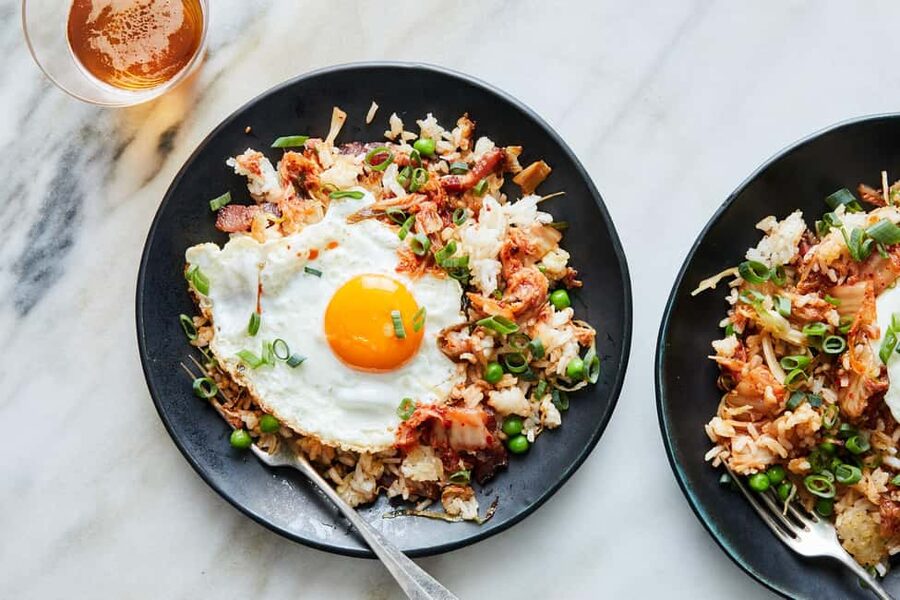
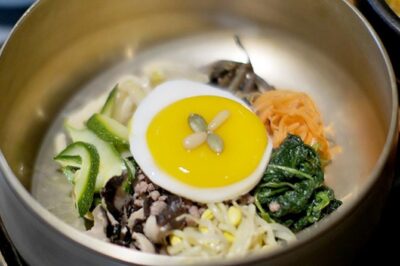
In your session, you master the vibrant, crunchy style of radish kimchi, then use it in a stir-fried rice with bacon and top it with a golden egg. That pairing is smart because it shows how kimchi can cut through richness. The fermentation gives bite and tang, while bacon and egg add comfort.
This is also the part where you’ll get a useful lesson about using leftovers and building meals. When you understand how kimchi changes the flavor of fried rice, you can start improvising after the class without losing the Korean-food feel.
White Kimchi (Baek-kimchi): Non-Spicy, Noodle-Friendly Comfort
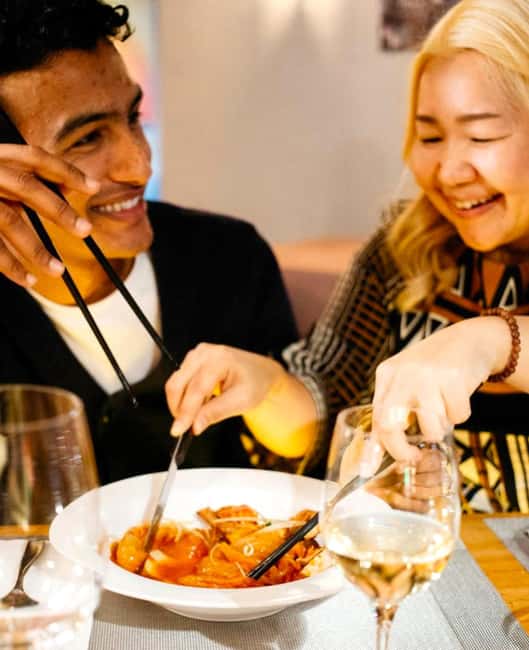
The third dish is white kimchi, baek-kimchi. Unlike many kimchi styles, this variation is refreshing and not spicy, and it’s served with a delicate broth and noodles.
This part is great if you’ve only ever tasted fiery kimchi. You’ll learn that kimchi can be gentle, soothing, and still deeply flavorful because fermentation brings complexity even without the heat.
The broth-and-noodle format also helps you understand kimchi as a living ingredient. It doesn’t just sit there. It changes the liquid around it, which affects how you experience it with each spoonful.
Fermentation Tips You Can Actually Use Back Home
The class doesn’t treat fermentation like a black box. The chef explains the secrets of fermentation and how to balance bold and subtle flavors so your kimchi-inspired dishes taste layered rather than just sour or salty.
I especially like how they connect technique to outcomes. Instead of memorizing steps, you learn what to watch for: flavor balance, how ingredients behave while cooking, and how to pair kimchi with other foods so it doesn’t overwhelm everything.
You also get practical guidance on local ingredients. The class description emphasizes learning how to find them in your city too. That’s a big deal for value. Many cooking classes teach a recipe, then leave you stuck when you can’t find the exact ingredient later.
Sampling the Meal: Makgeolli, Cheeses, Eggplant, and Cookies
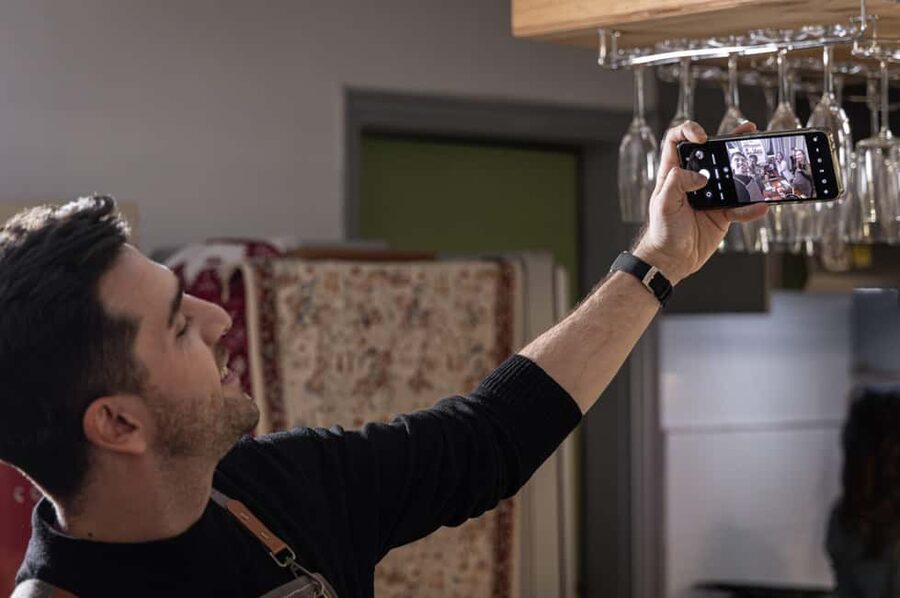
Even though this is a cooking class, it’s also a tasting experience. Your included meal includes makgeolli, plus water.
Makgeolli is included as part of the dinner setup, and the notes say there’s a legal minimum age of 18 years old for drinking alcohol. The class also mentions a non-alcohol drink option, so you’re not forced into alcohol to participate.
Beyond what you cook, the highlights mention samples like cheeses, eggplant parmigiana, and lemon amaretti cookies. That kind of mix makes the meal feel like a bigger Korean dining night, not just a demonstration.
And then there’s the part everyone watches for: the Secret Dish. The class states that every experience includes a Secret Dish, but the exact item isn’t listed here. That’s part of the fun, and honestly, it keeps the pacing from feeling overly scripted.
Price and Value: Is $86 Worth Two Hours of Seoul Cooking?
At $86 per person for 2 hours, this class isn’t a cheap snack. But it does a lot for the money.
You’re paying for:
- A small group format (limited to 8)
- English instruction and live chef guidance
- Hands-on cooking with three kimchi-based dishes
- Included makgeolli (or non-alcohol option), plus water
- Extra tastings plus a Secret Dish
For comparison, if you try to build this yourself with ingredients and trial-and-error, the learning curve costs time and food waste. In this format, you’re compressing technique, explanation, and taste feedback into one guided session.
If you love kimchi already, you’ll likely feel the value quickly because you learn how to use it in multiple ways. If you’re new to kimchi, the structure helps you avoid the common problem of tasting one style and deciding that’s all kimchi is.
Who This Kimchi Class Fits Best
This is a great choice if you:
- Want to cook in Seoul without complicated prep
- Like hands-on lessons more than lecture-style experiences
- Want a meal that teaches variety, not one single dish
- Prefer a small, comfortable group setting
It’s also a good fit for solo travelers and couples because the group size stays small and the class is structured enough that you won’t feel lost.
One caution: the activity data says it’s not suitable for people with mobility impairments or wheelchair users, even though it also lists wheelchair accessible. If mobility is a concern, I’d treat the “not suitable” note as the key one and plan accordingly.
Should You Book This Kimchi Cooking Class in Seoul?
I’d book it if you want a practical food lesson that leaves you with repeatable skills. The mix of kimchi pancake, radish kimchi with stir-fried rice, and non-spicy white kimchi with noodles gives you a broad view of Korean flavor without feeling rushed.
Skip it only if you strongly need pickup or if you already know you can’t use a third-floor indoor meeting spot comfortably. Otherwise, this is a solid, friendly way to spend a couple of hours eating what you make and learning what makes kimchi work across dishes.
FAQ
What dishes will I make in the class?
You’ll prepare three kimchi-based dishes: cabbage kimchi pancake (kimchi-buchimgae), radish kimchi (kkakdugi) used for a stir-fried rice dish with bacon topped with an egg, and white kimchi (baek-kimchi) served with a delicate broth and noodles.
Is the cooking class taught in English?
Yes. The instructor is listed as English.
What drinks are included?
Makgeolli is included, along with water. The class also mentions an alcohol-free drink option.
Is there an age requirement for alcohol?
Yes. The legal minimum age for drinking alcohol is 18 years old.
Where do I meet, and how do I get there from Gyeongbokgung Station?
Meet at the Third floor, 36 Jahamun-ro 7-gil, Jongno District, Seoul. From Exit 2 of Gyeongbokgung Station, walk straight about 200m to Woori Bank, turn left, pass the bar Cham, and find the destination on the 3rd floor of the building with Cuisine La Cle on the 1st floor.
Can you accommodate dietary requirements?
You’re asked to contact the experience in advance for any dietary requirement so they can cater for you best.
Is it wheelchair accessible?
The information provided includes conflicting notes. It lists the activity as wheelchair accessible, but it also says they are unable to accommodate guests with wheelchairs or impairments requiring special assistance, and it lists wheelchair users as not suitable.
More City Tours in Seoul
- Best Seoul City Tour (Gyeongbokgung Palace,Insadong,Namsan Tower)★ 5.0 · 1,647 reviews
- Small-Group Royal Palace and Seoul City Tour (hotel pick-up)★ 5.0 · 1,474 reviews
- Seoul City Sightseeing Tour Including Gyeongbokgung Palace, N Seoul Tower, and Namsangol Hanok Village★ 5.0 · 1,423 reviews
- Seoul Half-Day City Highlight, Palace Tour with Hanbok★ 4.9 · 764 reviews
- Seoul: Dark Side of the City and Ghost Stories Walking Tour★ 4.8 · 484 reviews
More Tour Reviews in Seoul
- Best DMZ Tour Korea from Seoul (Red Suspension Bridge Optional)★ 5.0 · 41,422 reviews
- DMZ Tour: 3rd Tunnel, Option(Suspension Bridge, Boat) from Seoul★ 5.0 · 21,373 reviews
- DMZ tour south Korea from Seoul (NK experience hall, defector)★ 5.0 · 20,599 reviews
- Seoul: DMZ Tour with Optional Suspension Bridge★ 4.8 · 5,277 reviews
- Seoul: DMZ The 3rd Tunnel and Suspension Bridge Tour★ 5.0 · 4,656 reviews
Back in the Korean Kitchen
- Local Home Korean Cooking Class & Market Adventure in Seoul★ 5.0 · 1,024 reviews
- Master Korean traditional cooking with a Kimchi chef★ 5.0 · 385 reviews
- Seoul: Korean Cooking Class at a Local Home and Market Tour★ 5.0 · 348 reviews
- Seoul: Korean Cooking at Seoul Cooking Club!★ 5.0 · 311 reviews
- Cook 3 Authentic Korean Dishes with Local Market Tour★ 5.0 · 231 reviews
Just added to Exploring Seoul



Korean Cooking & Kimchi Classes, compared.
 ★ 5.0Local Home Korean Cooking Class & Market Adventure in SeoulFrom $911,024 reviews
 ★ 5.0Master Korean traditional cooking with a Kimchi chefFrom $85385 reviews
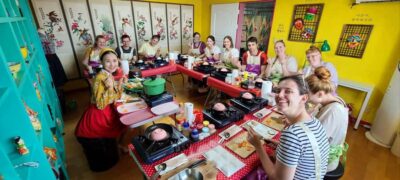 ★ 5.0Korean Cooking Class at a Local Home and Market TourFrom $98348 reviews
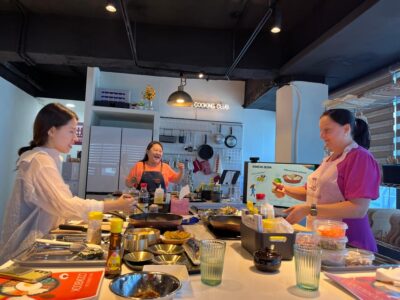 ★ 5.0Korean Cooking at Seoul Cooking Club!From $109311 reviews
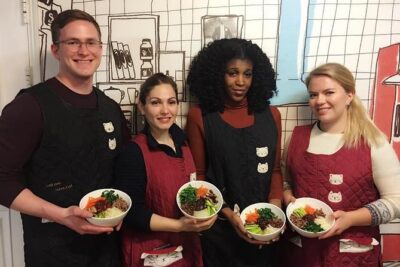 ★ 5.0Cook 3 Authentic Korean Dishes with Local Market TourFrom $79231 reviews
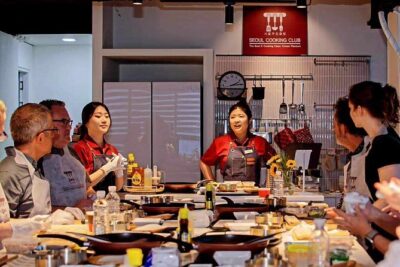 ★ 5.0Korean Cooking at Seoul Cooking ClubFrom $109220 reviews
 ★ 4.9Taste of Korea, Authentic Home Style Cooking ClassFrom $89166 reviews
Experience Korean Cooking in Modern Hanok KitchenFrom $87118 reviews
★ 4.9Taste of Korea, Authentic Home Style Cooking ClassFrom $89166 reviews
Experience Korean Cooking in Modern Hanok KitchenFrom $87118 reviews
Browse the lists this tour appears in