
Reviewed · COOKING CLASSES
K-food cooking Japchae Mandu Tteokbokki & Fishcake
Four Korean classics, one calm evening. What makes this Seoul cooking class worth your time is that you tackle japchae and tteokbokki along with mandu and fishcake all in one 2-hour session, then actually eat what you made. I also like the way the class is set up: tools and ingredients are ready, the teacher keeps things relaxed, and you get time to plate neatly for photos.
My main caution is schedule-related. The indoor market tour across the street is not held on the 2nd and 4th Sundays each month, and this is an evening activity that fits best if you’re comfortable cooking in a small group (max 6). Also, alcohol is not included, so don’t plan on pairing your meal with drinks unless you buy separately.
In This Review
- Key points at a glance
- Why cook four K-foods at once in Seoul’s Mapo-gu
- Your hands-on menu: japchae, tteokbokki, mandu, and fishcake
- The meal isn’t over when you finish cooking
- Market tour across the street: shop like a local, not like a tourist
- Tax refund timing: useful if you plan to spend
- The “take it home” part: plating, photos, and packaging
- Price and value: what $81 buys you (and what it doesn’t)
- Timing and logistics that matter for a smooth evening
- Who should book this class, and who might skip it
- Should you book the K-food cooking class in Seoul?
- FAQ
- What K-food dishes are included in the class?
- How long is the experience in Seoul?
- What time does it start?
- Is the market tour included, and how long is it?
- On which days is the market tour not held?
- Are alcoholic beverages included?
- What ages can participate?
- Can I get a tax refund through the market tour?
Key points at a glance
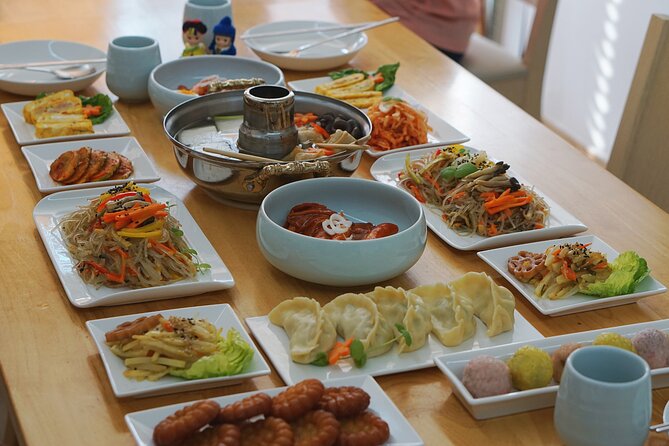
- Four K-foods in one session: japchae, tteokbokki, mandu, and fishcake, cooked together and eaten right away
- Dessert included: seasonal Korean sweets such as yakgwa, wind rice cake, and sesame rice cake
- Photo time is part of it: you’ll set up your Korean table and take careful shots for social media
- A real ingredient-shopping add-on: a 30-minute indoor market walk right across the street
- Kimchi fridge viewing: see the large kimchi refrigerators Koreans use in everyday shopping
- Tax refund help with passport: you can get an immediate refund for eligible purchases after seeing the process
A handful of other Seoul experiences to line up next
- Seoul Street Food Market Tour★ 5.0 · 1,226 reviews
- Seoul: Night Market Food Tour with Local Guide★ 4.9 · 943 reviews
- Downtown Seoul Guided Food & Market Tour with 8+ Local Tastings★ 5.0 · 580 reviews
- Seoul: Guided Food & Market Tour with 8+ Tastings★ 4.9 · 342 reviews
Why cook four K-foods at once in Seoul’s Mapo-gu
This class is built for people who want big flavor results without a huge time commitment. For $81 per person, you get around two hours in a focused cooking session, plus eating time and a short indoor market tour afterward. It’s a smart format if you’re the type of traveler who wants one reliable “skill” to take home—something you can recreate in your kitchen instead of only tasting once.
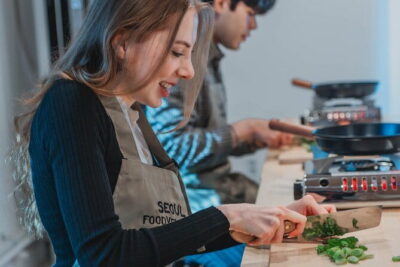
You’ll start with a cooking setup that’s designed to feel manageable. The materials, tools, and even packaging are included, so you’re not hunting around for gear or worrying about how to transport food. And the vibe is notably calm. In one class described in the info you provided, the instructor was Jenny, and the pace stayed organized and easy to follow—exactly what you want when you’re cooking unfamiliar Korean dishes for the first time.
There’s also a social-media angle, but it’s practical. You’ll arrange your table and have time to film and take photos carefully. That’s useful even if you’re not posting online—neat plating helps you understand what you’re making and how it should look on the plate.
Your hands-on menu: japchae, tteokbokki, mandu, and fishcake
The experience centers on four representative K-foods, cooked at once in the same lesson. The menu is:
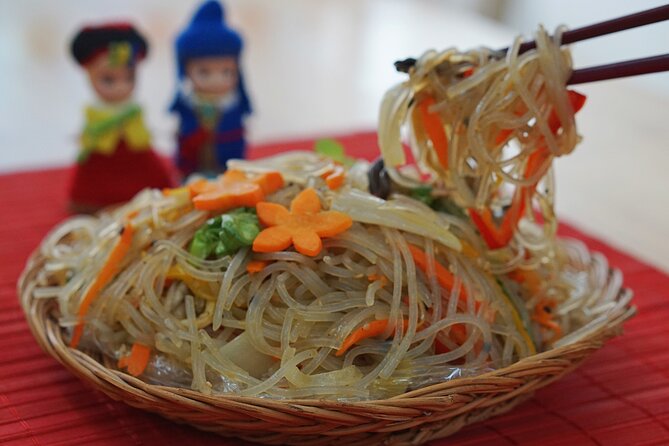
- Japchae (often the dish people compare to comfort-food noodles)
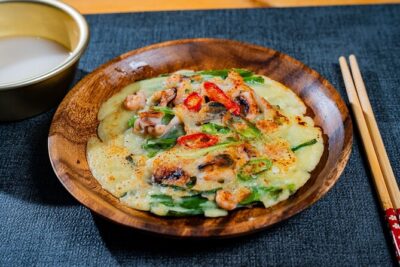
- Tteokbokki (spicy-sweet rice cakes)
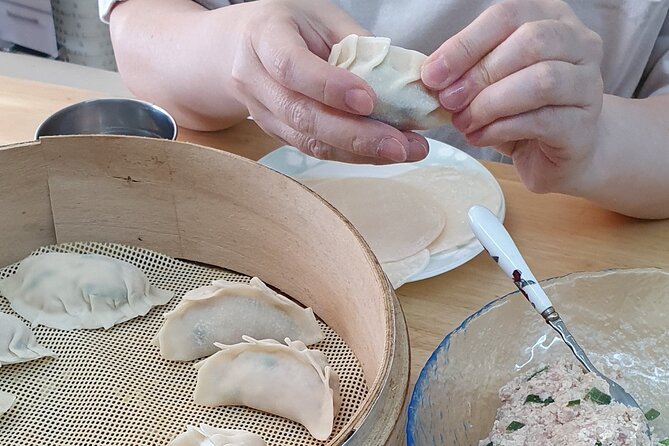
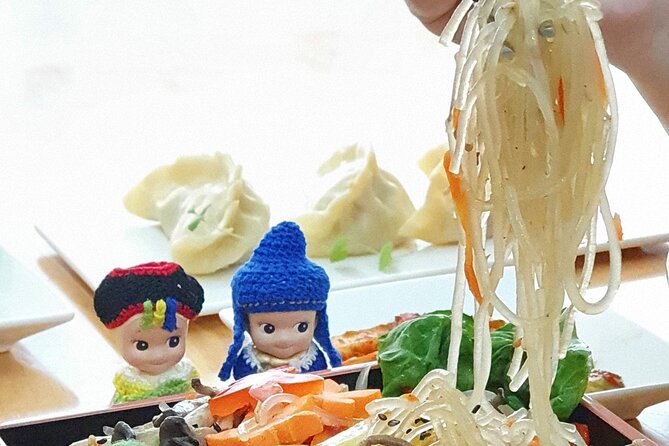
- Mandu (Korean dumplings)
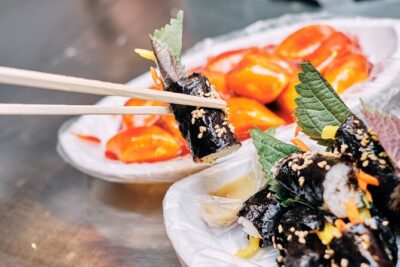
- Fishcake (served as a key part of tteokbokki-style eating)
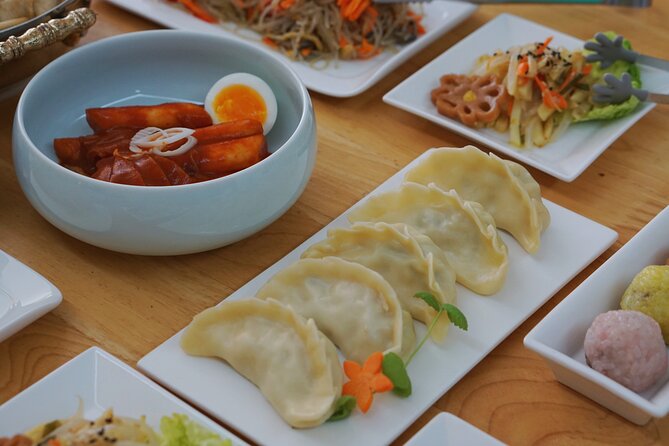
What I like about doing all four together is that it gives you a full snapshot of Korean home-table cooking. You’re not just learning one technique. You’ll see how different textures work: chewy noodles, soft rice cakes, crisp-edged dumplings, and the springy bite of fishcake. That mix makes it easier to remember what “done” looks like, because each dish has a different visual and texture cue.
Another plus: you don’t just cook and eat in silence. You’ll taste during the process and get explanations about each item’s history. Even if you’re short on Korean culture background, those quick context pieces help you connect the flavors to something real, instead of following instructions like a robot.
One practical consideration: this is designed for kids 10+ (with younger allowed only when accompanied by a guardian). That age range usually means the class structure is clear and step-by-step, with a good chance it won’t feel chaotic for adults either.
The meal isn’t over when you finish cooking
After you cook, you eat together—then the class adds dessert. This matters more than it sounds. Korean cooking classes can sometimes end right when you think you’re done. Here, dessert is part of the experience flow, so you get a complete sequence: cook, taste, learn, and then finish sweet.
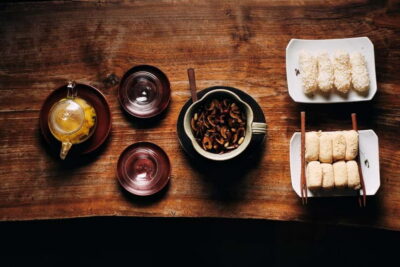
Dessert examples include yakgwa, wind rice cake, and sesame rice cake. The exact selection can vary by season, so you’re not guaranteed the same sweets every year. But you are guaranteed you’ll get seasonal Korean desserts included, and you’ll be served them after the meal.
I find this stage helpful for two reasons. First, it gives you a palate reset after spice and starch. Second, it’s another set of flavors you can later look up when you’re trying to recreate a Korean dessert at home. If you’ve ever bought dessert ingredients later and felt lost, this type of sampling makes it much easier to know what to search for.
A handful of other Seoul experiences to line up next
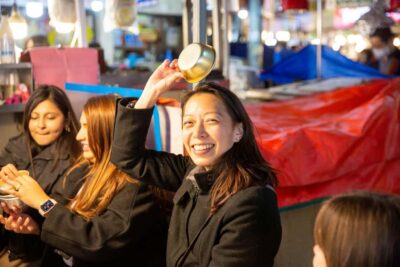
Market tour across the street: shop like a local, not like a tourist
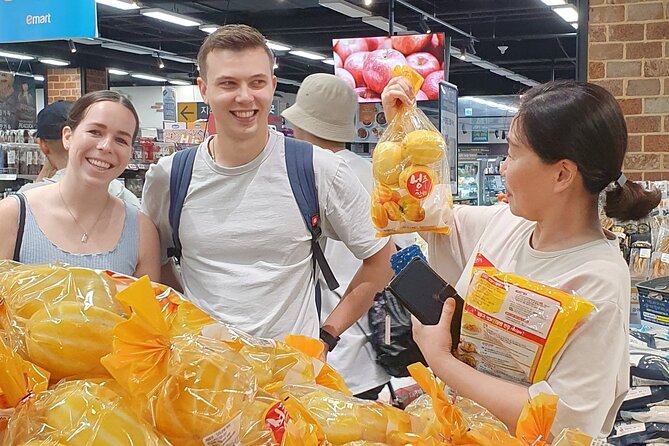
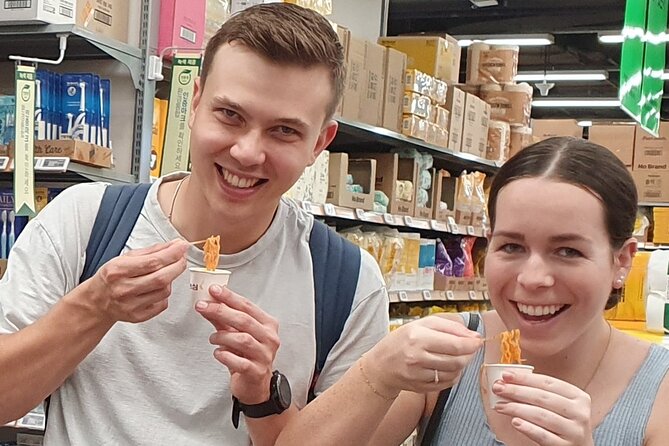
Here’s where the class turns from cooking-only into a bigger Seoul experience. Right after the meal, you get a 30-minute indoor supermarket tour across the street from the studio building.
You’ll see:
- a wide mix of groceries and snacks
- large kimchi refrigerators used by Koreans
That kimchi fridge detail isn’t just a cute photo op. It’s a window into how serious Koreans are about fermentation and storage. When you understand that this is an everyday food system—not just a restaurant item—you shop differently. You’ll notice more products that look similar at first glance, and you can start thinking about what each one might taste like.
You’ll also get help deciding what to buy. The info says you can get guidance choosing K-snacks and a large variety of seasonings. That’s a big deal because the hardest part of bringing Korean food home is not cooking. It’s buying the right ingredients without guessing.
Tax refund timing: useful if you plan to spend
The market tour also includes an immediate tax refund option. If your eligible purchases total over 30,000 won (including VAT), and you bring your passport, you can get the refund right away after seeing the purchase process. You’ll want to treat this as a “maybe” that becomes a “yes” once you’ve found ingredients you really want. If you’re only thinking about one small snack, it may not be worth the effort.
The “take it home” part: plating, photos, and packaging
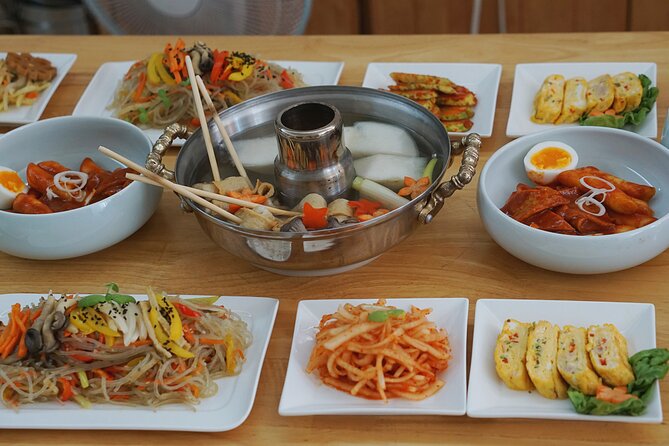
This class encourages you to set up your Korean table nicely and take time to film and take photos. It’s part of the experience design, not an afterthought. Even if you don’t care about posting, it’s still a good method for learning.
When you plate carefully, you’re forced to think about proportions and balance. When you film, you slow down and notice details like how sauce coats noodles, how rice cakes cling, and how dumplings sit in the finished meal. That helps you remember later.
Packaging is included too. That’s not glamorous, but it’s practical. If you want to bring anything back, you’re not scrambling for containers at the end of class.
Price and value: what $81 buys you (and what it doesn’t)
Let’s talk value in plain terms. You pay $81 per person for:
- all materials, tools, and packaging
- cooking instructions plus tastings
- seasonal Korean dessert
- a short indoor market tour
- help around purchases and the tax refund process (with passport)
What’s not included: alcoholic beverages.
For a Seoul activity, $81 for two hours plus dessert and a market add-on is often a fair deal—especially because the class handles the mess and logistics. You’re not paying extra for ingredients you’d otherwise need to buy, then figure out how to store or transport.
If you’re traveling with only carry-on luggage and you want to buy a few real pantry items, this also has a practical advantage. You’ll be shopping with your cooking lesson knowledge in your head, which reduces the chance you end up buying random items you can’t use.
Timing and logistics that matter for a smooth evening
This starts at 5:30 pm and runs about 2 hours. Because it’s early evening, it fits nicely if you’re doing sightseeing earlier in the day and you want a structured dinner plan without hunting for a place that has exactly the dishes you want.
You’ll meet at 199 Baekbeom-ro, Mapo-gu, Seoul and the experience ends back at the meeting point. The location is described as near public transportation, which is helpful in Seoul where hopping between neighborhoods can be easier by subway than by car.
Group size is capped at 6 travelers, which is another value piece. Small groups usually mean fewer delays and more hands-on attention during cooking. If you’re the kind of traveler who gets nervous in group cooking settings, smaller is better.
Also note the schedule quirk: the market tour isn’t held on the 2nd and 4th Sundays of every month. If you’re booking for a specific weekend, confirm the date before you lock in plans.
Who should book this class, and who might skip it
This works best for:
- first-timers to Korean cooking who want four dishes in one go
- people who like learning through food, not just watching
- travelers who want to buy ingredients after cooking, with guidance
- families with kids 10 years old and above (and younger kids only with a guardian)
You might reconsider if:
- you only want to taste and would rather eat out without cooking
- you’re very sensitive to spice and want a fully mild menu (the class focuses on these representative dishes, including tteokbokki)
- your schedule lands on the 2nd or 4th Sunday, since the market portion may not run
Should you book the K-food cooking class in Seoul?
I think it’s a strong choice if you want a practical Seoul souvenir: real skills plus ingredients you can use. The biggest reasons to book are the combination of four dishes, included dessert, and that nearby indoor market tour with shopping help.
If you’re aiming to maximize one evening in Seoul, this checks a lot of boxes without requiring extra planning. Just make sure you pick a date when the market tour is operating, bring your passport if you plan to shop enough for the tax refund threshold, and keep your expectations realistic: this is a cooking class built for learning and eating, not a long sit-down restaurant dinner.
FAQ
What K-food dishes are included in the class?
The class includes four K-foods: japchae, tteokbokki, mandu, and fishcake.
How long is the experience in Seoul?
The duration is about 2 hours.
What time does it start?
The start time is 5:30 pm.
Is the market tour included, and how long is it?
Yes. After cooking and dining, you’ll do an indoor supermarket tour for about 30 minutes across the street from the studio.
On which days is the market tour not held?
The 2nd and 4th Sundays of each month are supermarket holidays, so the market tour is not held.
Are alcoholic beverages included?
No. Alcoholic beverages are not included.
What ages can participate?
The experience is for children 10 years old and above. Children under 10 are allowed only when accompanied by a guardian.
Can I get a tax refund through the market tour?
Yes. For eligible purchases over 30,000 won (including VAT), you can get a tax refund immediately as long as you bring your passport.
More Food in Seoul
- Seoul Street Food Market Tour★ 5.0 · 1,226 reviews
- Seoul: Night Market Food Tour with Local Guide★ 4.9 · 943 reviews
- Seoul: Palace, Temple and Market Guided Foodie Tour at Night★ 4.9 · 750 reviews
- Downtown Seoul Guided Food & Market Tour with 8+ Local Tastings★ 5.0 · 580 reviews
- Seoul: Guided Food & Market Tour with 8+ Tastings★ 4.9 · 342 reviews
More Food & Drink in Seoul
- Seoul Street Food Market Tour★ 5.0 · 1,226 reviews
- Seoul: Night Market Food Tour with Local Guide★ 4.9 · 943 reviews
- Downtown Seoul Guided Food & Market Tour with 8+ Local Tastings★ 5.0 · 580 reviews
- Seoul: Guided Food & Market Tour with 8+ Tastings★ 4.9 · 342 reviews
- Small-Group Night Food Tour in Seoul with Korean BBQ★ 5.0 · 304 reviews
More Tour Reviews in Seoul
- Best DMZ Tour Korea from Seoul (Red Suspension Bridge Optional)★ 5.0 · 41,422 reviews
- DMZ Tour: 3rd Tunnel, Option(Suspension Bridge, Boat) from Seoul★ 5.0 · 21,373 reviews
- DMZ tour south Korea from Seoul (NK experience hall, defector)★ 5.0 · 20,599 reviews
- Seoul: DMZ Tour with Optional Suspension Bridge★ 4.8 · 5,277 reviews
- Seoul: DMZ The 3rd Tunnel and Suspension Bridge Tour★ 5.0 · 4,656 reviews
Just added to Exploring Seoul



Cooking Classes, compared.
 ★ 5.0Local Home Korean Cooking Class & Market Adventure in SeoulFrom $911,024 reviews
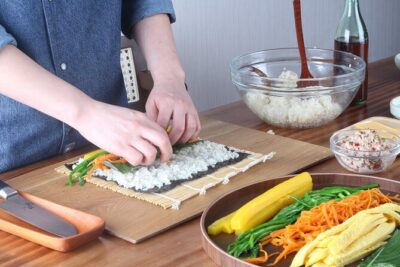 ★ 5.0Master Korean traditional cooking with a Kimchi chefFrom $85385 reviews
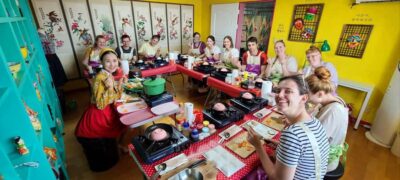 ★ 5.0Korean Cooking Class at a Local Home and Market TourFrom $98348 reviews
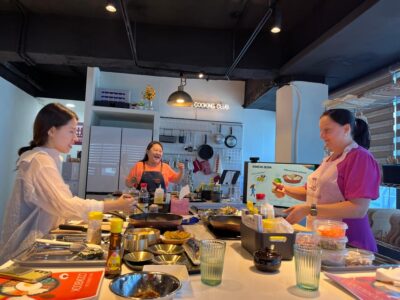 ★ 5.0Korean Cooking at Seoul Cooking Club!From $109311 reviews
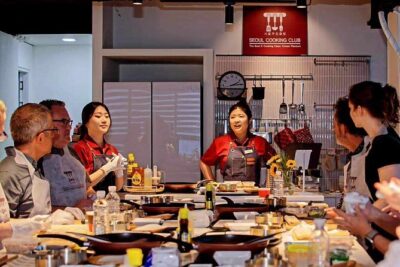 ★ 5.0Korean Cooking at Seoul Cooking ClubFrom $109220 reviews
 ★ 4.9Taste of Korea, Authentic Home Style Cooking ClassFrom $89166 reviews
Experience Korean Cooking in Modern Hanok KitchenFrom $87118 reviews
★ 4.9Taste of Korea, Authentic Home Style Cooking ClassFrom $89166 reviews
Experience Korean Cooking in Modern Hanok KitchenFrom $87118 reviews
 ★ 5.0Korean Cooking Class with Grocery Shopping at Seoul Local MarketFrom $91107 reviews
Browse the lists this tour appears in