
Reviewed · TOURS
From Seoul: 5-Day Tour of Korea with UNESCO Sites
A day trip this size is usually too rushed. This one tries to work. You get a guided route connecting UNESCO stops in Gongju, Jeonju, and Gyeongju, plus Joseon-era culture at AndongHahoe Village and nature at Mt. Seorak.
I like that it groups sights by region, so you spend more time walking and less time stuck in transit, with air-conditioned transport along the way. I also like the built-in local anchors: Jagalchi Fish Market for real food energy, and the coastal views at Haeundae Beach and Dongbaek Park.
One consideration: this is a packed schedule, and October can affect the Mt. Seorak portion (bus restrictions and a possible skip). You’ll want comfortable shoes and realistic expectations for time at each stop.
In This Review
- Key things to know before you go
- Why this 5-day Korea route feels different
- Morning start in Seoul: Gwanghwamun meeting point
- Day 1: Gongju’s UNESCO weight + fortress views, then Jeonju Hanok area
- Day 2: Gwangju’s modern memory, then Suncheon Bay Garden and Yeosu’s historic walk
- Day 3: Jinjuseong Fortress, then Busan’s sea-food energy and coastal icons
- Day 4: Seokguram + Bulguksa UNESCO, then Joseon-era heritage at AndongHahoe
- Day 5: Mt. Seorak National Park UNESCO biosphere, plus optional cable car
- Hotels, group pacing, and the “is it worth it” math
- Logistics that can trip you up (and how to avoid it)
- Who this tour suits best
- Should you book it?
- FAQ
- Where is the meeting point in Seoul?
- Is hotel pickup and drop-off included from Seoul?
- What’s included in the price?
- What is not included?
- What languages do the guides speak?
- What should I bring?
- Is the Mt. Seorak visit guaranteed?
- Is the cable car included on the last day?
Key things to know before you go
- UNESCO in two tempos: UNESCO heavy days (Gongju/Gyeongju + Seokguram/Bulguksa) plus culture and food days to keep it from feeling like a checklist
- Real street life stops: Jagalchi Fish Market and the coastal walk areas are included, not optional add-ons
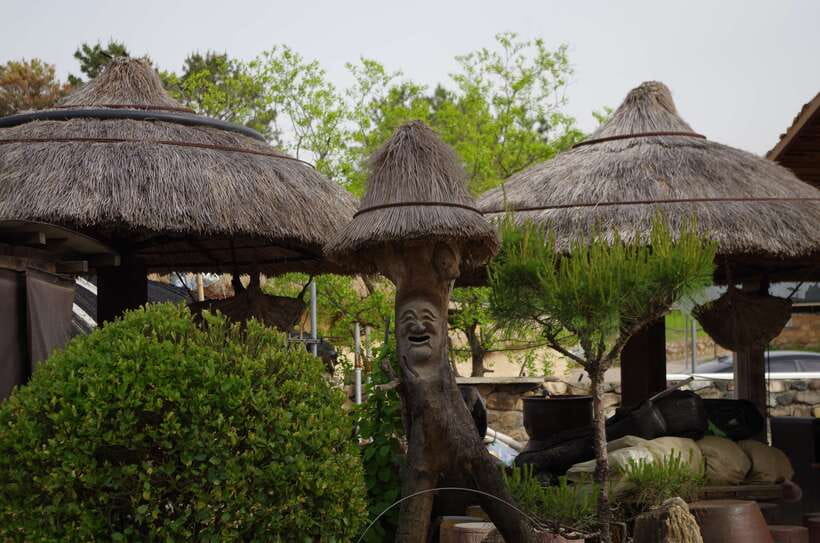
- Joseon Dynasty living heritage: AndongHahoe Folk Village is treated as a true cultural visit, not just a photo stop
- Mt. Seorak can change in October: bus limits may require a 3.6 km walk, and the park visit could be restricted
- Hotels are solid but room category can vary: ask yourself if you’ll notice the difference between a good and not-great room placement
- Your guide matters here: English-speaking guidance, and from recent groups, Justin and Mr. Kim have been singled out for keeping things moving
A handful of other Seoul experiences to line up next
- 5-Day Korea Golden route by K-shuttle Tour from Seoul Including Busan, Yeosu★ 4.5 · 37 reviews
- 5D4N Korea Cultural Heritage immersion Private Tour★ 5.0 · 3 reviews
Why this 5-day Korea route feels different
Most multi-day tours in Korea try to hit everything. This one focuses on a clear story: Korea’s past (UNESCO sites and Joseon culture), Korea’s public memory (Gwangju’s democratic movement sites), and Korea’s “outside” time (coastal strolls and Mt. Seorak).
That matters because the day-to-day pacing doesn’t just jump around randomly. You start around Seoul and then move you through southern and eastern regions in a way that makes geographic sense. The practical win is simple: you’ll lose less time to backtracking, and you’ll arrive at places with enough daylight left to actually enjoy them.
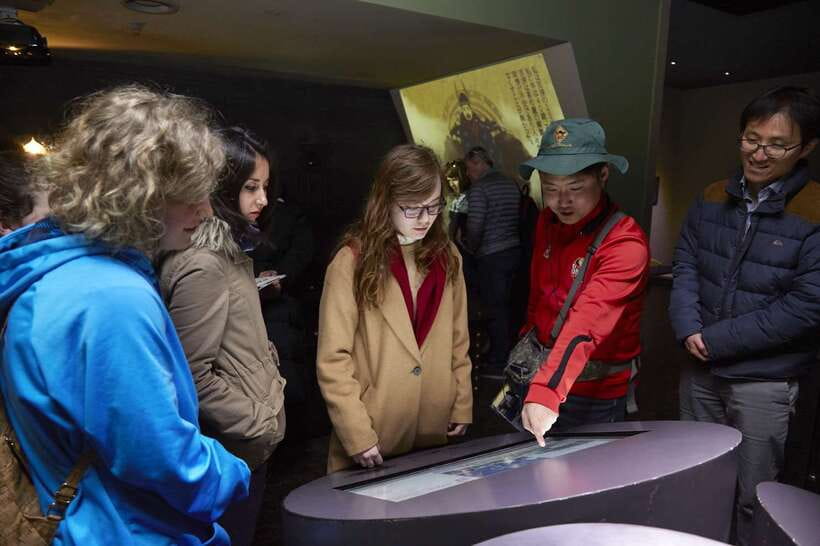
And since the tour is guided in English and Korean, you’re not left guessing what you’re looking at. Even with historical sites, good interpretation can turn a stone structure into a place with a purpose.
Morning start in Seoul: Gwanghwamun meeting point
You meet at the Donghwa Duty Free Shop Building at the Gwanghwamun Intersection. Your guide will be holding a K-shuttle sign board, and you’ll exit Metro Gwanghwamun Station Exit 6.
This is one of those details that can make your first hour feel smooth—or not. Give yourself time to reach the meeting spot and confirm which group you’re joining. It’s also helpful to show up with your first-day plan in mind: you’ll be heading out to Gongju the same day, so don’t schedule anything close by on the morning of departure.
Day 1: Gongju’s UNESCO weight + fortress views, then Jeonju Hanok area
Your first day sets the tone with two UNESCO sites in Gongju: the Tomb of King Muryeong and Gongsanseong Fortress.
The Tomb of King Muryeong gives you a direct window into royal-era Korea. You’re not just seeing a monument; you’re stepping into a bigger story about how power, burial tradition, and architecture were expressed. For many people, this is the day where the tour stops feeling like a bus ride and starts feeling like a guided history lesson with walking time.
Then you shift to Gongsanseong Fortress. Fortresses are often about views and strategy, and this one helps you read the landscape around the site in a way museums can’t. Expect walking and some outdoor time. Comfortable shoes are non-negotiable.
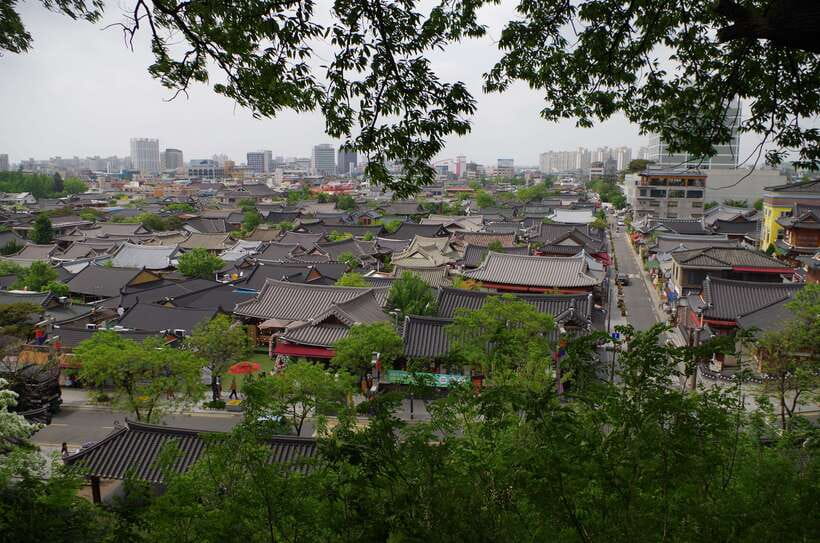
After that, you travel to Jeonju and check in near the Jeonju Hanok Village area (your hotel is Jeonju Ramada Hotel or similar). Even if you don’t get long wandering time built in, being close to the Hanok district makes your evening easier to enjoy on your own pace.
Practical tip: since lunch and dinner aren’t included, plan to eat something close to your hotel or near the Hanok area rather than waiting until you’re “back on the route.”
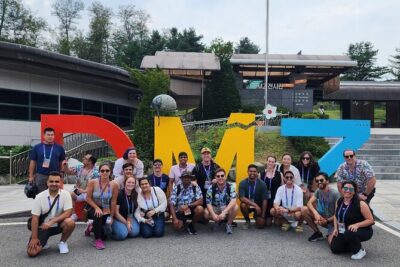
Day 2: Gwangju’s modern memory, then Suncheon Bay Garden and Yeosu’s historic walk
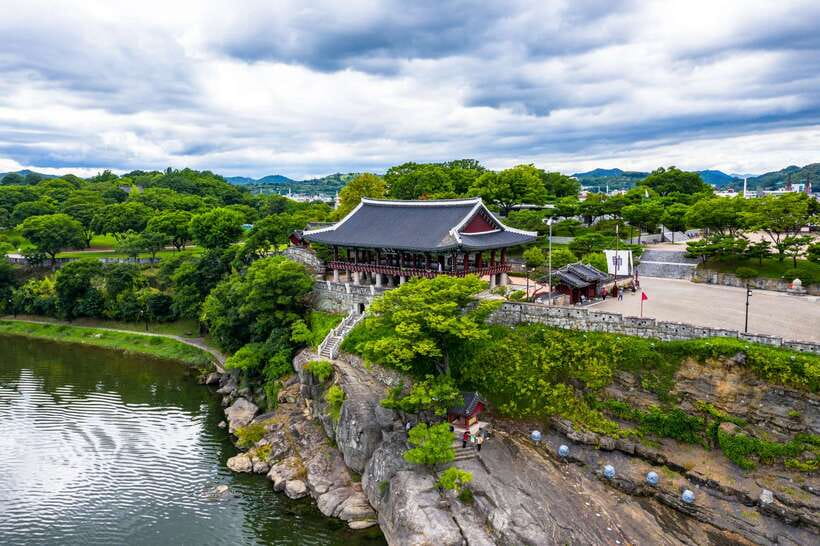
Day 2 starts with a transfer to Gwangju, described as the birthplace of Korea’s modern democratic movement. You visit the May 18th National Cemetery first.
This stop changes the emotional color of the tour. It’s not about royal tombs or temples. It’s about remembrance and public history. Since the tour includes an English-speaking guide, you’ll get the context that makes a cemetery meaningful beyond its quiet setting.
Next comes Suncheon Bay Garden. This is where the tour starts breathing a little—more walking space and a calmer pace after the heavier morning. One caution: garden access can be impacted by seasonal schedules or closures. If Suncheon gardens are a must for you, consider treating it as a bonus day rather than the single peak moment of the trip.
Then you finish in Yeosu, walking the historic path associated with Admiral Yi Sun-sin. This part is ideal if you like history that connects to place. Yeosu is a port city, so the atmosphere tends to feel grounded in everyday travel routes and coastal life.
Your hotel is Ramada Plaza by Wyndham Yeosu or similar.
Day 3: Jinjuseong Fortress, then Busan’s sea-food energy and coastal icons
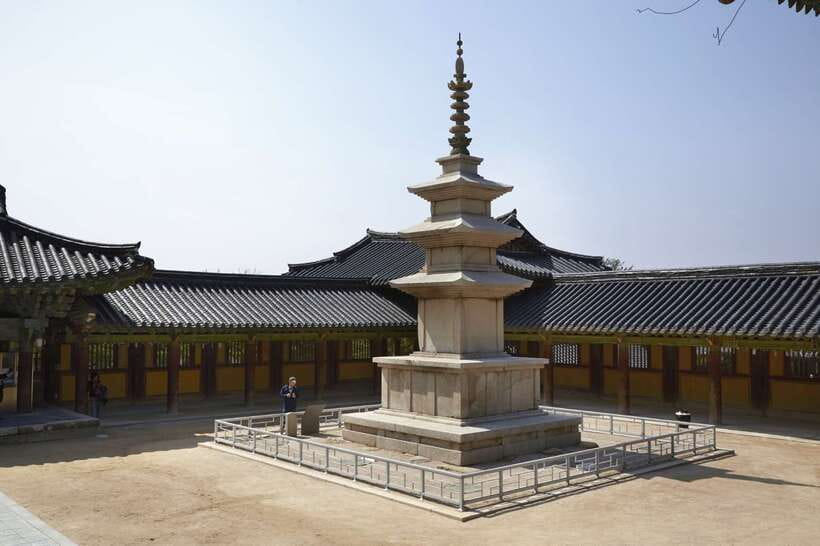
You start the third day with Jinjuseong Fortress, including mention of the Chokseoknu edifice. This site is tied to the conflicts of 1592, so it’s history with stakes. Fortress stops tend to be strongest when you take a slow look—at defensive lines, vantage points, and how the structure relates to the terrain.
After that, you move to Busan, where the tour turns toward food and coastline.
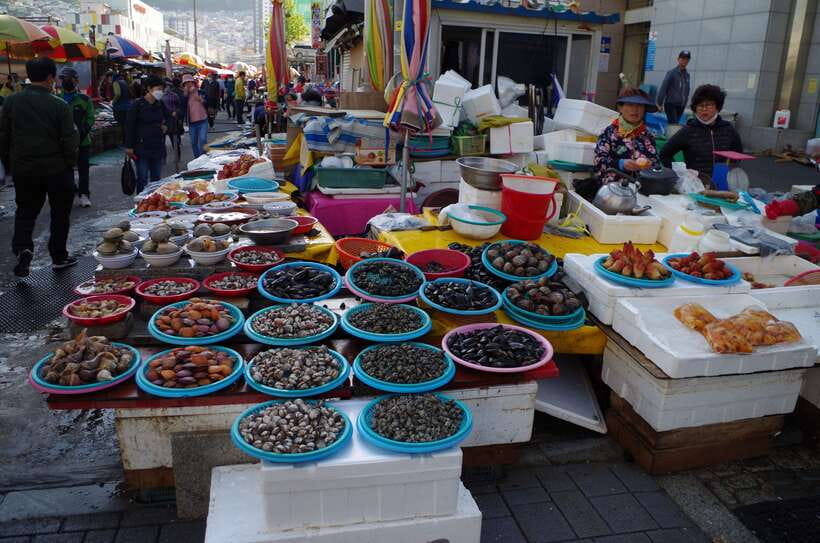
The included highlight is Jagalchi Fish Market, Busan’s largest seafood market. This isn’t just a photo stop. It’s the kind of place where you can understand why people talk with their mouths full—smell, sound, and the speed of the market are part of the experience. If you’re choosing where to eat during the trip, this area is often where your best odds are for a truly local meal.
Then it’s to Haeundae Beach and Dongbaek Park for views and a coastal walk. Dongbaek Park is a strong pairing with Haeundae because it gives you a change of scenery without making you switch regions again. Expect more outdoor time here than on a typical city sightseeing day.
Finally, you reach Gyeongju and check in at Gyeongju Commodore Hotel or similar.
Day 4: Seokguram + Bulguksa UNESCO, then Joseon-era heritage at AndongHahoe
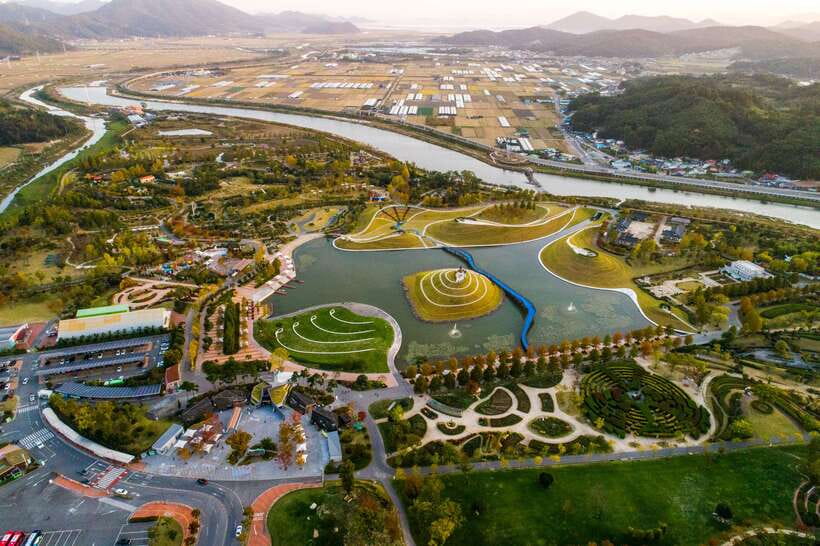
This is the UNESCO day that many people remember most clearly.
First stop: Seokguram Grotto. Then you move to Bulguksa Temple. Both are UNESCO-listed, and the pairing works because they complement each other—one gives you an extraordinary architectural setting, and the other shows religious and cultural function at temple scale.
Even if you’re not a “temple person,” these stops can land well because the guide support matters. You’re likely to come away understanding what you’re looking at and why it’s preserved.
After Gyeongju, you head to AndongHahoe Folk Village, also UNESCO-listed, known for preserved Joseon Dynasty homes. This is where the tour becomes more human-sized. You’re not just reading about old Korea—you’re walking through an old living layout.
One interesting detail: the village is described as being visited by Queen Elizabeth II, and that kind of historical note is a clue that this place has long held global attention beyond Korea. It’s usually one of the stops where the pace slows naturally because you can explore at your own rhythm.
Then the day ends in Pyeongchang for hotel check-in at Ramada Hotel PyeongChang or similar.
Day 5: Mt. Seorak National Park UNESCO biosphere, plus optional cable car
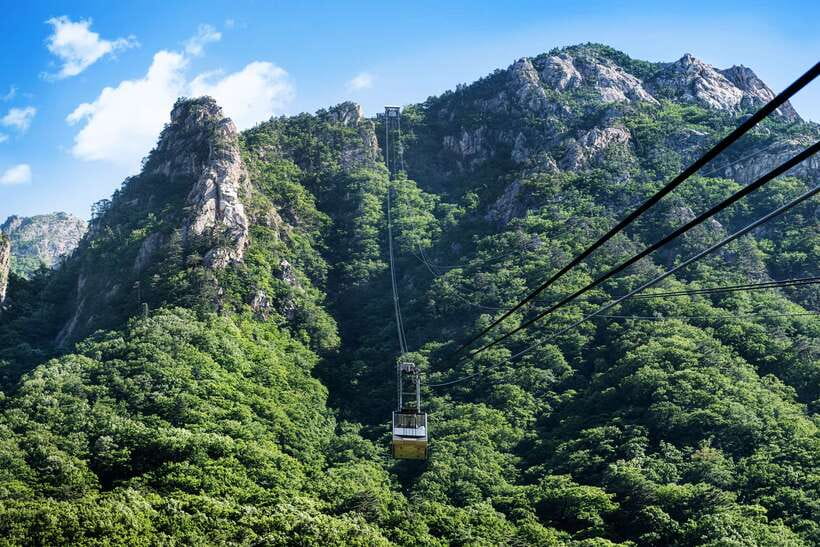
Your final day aims at nature at Mt. Seorak National Park, a UNESCO Biosphere Preservation District. If you like mountains with drama, this is the right ending. The tour describes the water and peak views in a way that suggests you’ll spend real time appreciating the setting, not just passing by signs.
There’s one practical reality, though. The tour notes that visiting Seoraksan could be restricted and may be skipped in October. If you do go, there are also bus entry restrictions, and you may need to walk 3.6 km from the parking lot to the entrance. That’s a lot of ground when you’re already tired from previous days.
If the conditions allow, the optional add-on is a cable car to Gwongeumseong Fortress. It’s described as a way to get an even more spectacular view, and it also mentions a connection to Shinheungsa Temple. Since this part is optional, you can decide based on energy and weather.
The tour concludes with a transfer back to Seoul, with arrival at 17:00.
Hotels, group pacing, and the “is it worth it” math
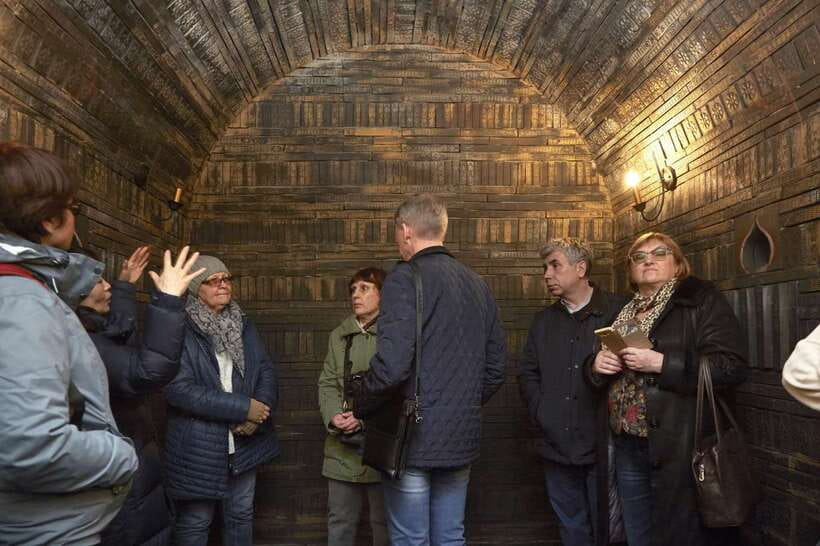
The tour includes 4 nights of hotel accommodation in twin or triple sharing, plus hotel breakfast each morning. The hotels are named as options or “or similar” for each stop, including Jeonju Ramada Hotel, Ramada Plaza by Wyndham Yeosu, Gyeongju Commodore Hotel, and Ramada Hotel PyeongChang.
Value-wise, what you’re paying for at $999 per person is not just beds. You’re paying for:
- an English-speaking guide
- air-conditioned transportation across multiple regions
- entry tickets for selected attractions
- breakfasts that keep mornings moving
What’s not included is equally important: lunch and dinner are on your own. That’s normal for tours, but it affects your real daily budget. If you plan to eat mostly convenience or budget meals, you’ll keep costs down. If you want seafood feasts every day, your spending will climb quickly—especially once you hit market areas like Jagalchi.
One more value note: a recent comment flagged that hotel rooms can land in a lower category (for example, an inconvenient route/parking-facing placement) even when the hotel name matches. It didn’t ruin the trip for everyone, but it’s worth considering. If you’re the type who notices room location and quietness, ask how room category is handled before you commit.
Logistics that can trip you up (and how to avoid it)
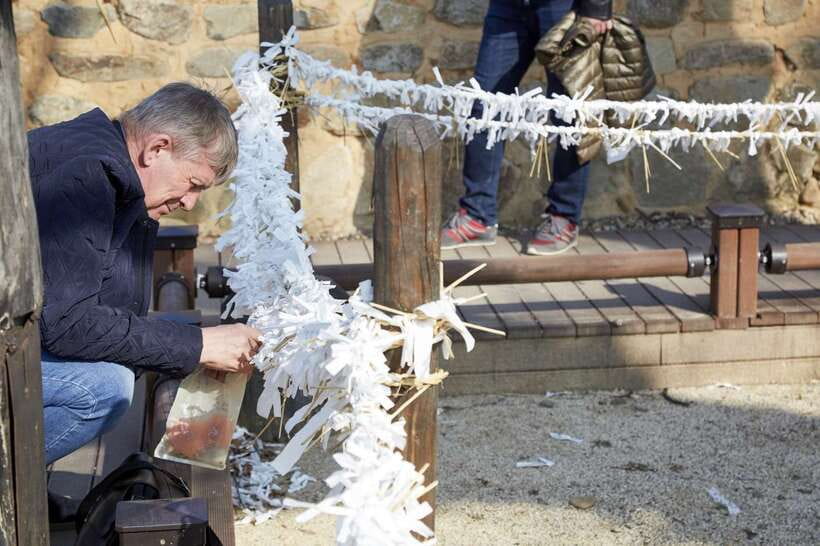
A few details matter more than they sound:
1) Vehicle size can change
The tour warns that the vehicle size may be adjusted based on group number. Translation: you might be in a smaller van or larger bus. In smaller vehicles, you’ll feel every brake and turn more. Plan to bring patience.
2) Exchange currency before you depart
You’re advised to prepare enough KRW because it can be hard to exchange currency during the trip. This is especially relevant for markets, gardens, and meals you buy on your own.
3) Comfortable shoes
You’ll do enough walking across fortresses, temple areas, and village streets that shoes stop being a “nice-to-have.”
4) Expect crowd pressure in busy periods
One review noted they still managed to see most key places despite constraints like major events and crowds. That’s comforting, but it also hints that time at each stop may tighten. If there’s one place you care about most, build a mental Plan B: you might have to skip lingering to keep the day on track.
Who this tour suits best
This is a good fit if you:
- want a structured route through UNESCO sites plus cultural villages
- prefer having a guide so you understand what you’re seeing
- like mixing history with food and outdoor time
- don’t mind a schedule that moves daily between regions
It may feel less ideal if you:
- want a slow travel pace with long free hours every day
- are traveling with very limited walking ability (fortress and park days can involve substantial walking)
- plan to go in October and Mt. Seorak matters most to you, since the park portion could be restricted
Should you book it?
If you want a 5-day answer to the question What are the must-sees in central and southern Korea, plus a mountain finale, this tour is a strong pick. The price makes sense when you compare what’s included—guide, hotel breakfasts, air-conditioned transport, and entry tickets for key sights—especially because you’re covering multiple regions.
I’d book it if your priorities are UNESCO sites, Joseon living heritage, and a clear mix of food and scenery. I’d pause if you’re highly sensitive to hotel room placement or if you’re traveling in October and Mt. Seorak is your single biggest reason for choosing this exact trip.
FAQ
Where is the meeting point in Seoul?
You meet at the Donghwa Duty Free Shop Building at Gwanghwamun Intersection. Your guide holds a K-shuttle sign board, and you’ll use Metro Gwanghwamun Station Exit 6.
Is hotel pickup and drop-off included from Seoul?
No. Hotel pickup and drop-off from Seoul are not included.
What’s included in the price?
The tour includes 4 nights of hotel accommodation (twin or triple sharing), hotel breakfast, an English-speaking guide, entry tickets for selected attractions, and air-conditioned transportation.
What is not included?
Lunch and dinner are not included, and travel insurance is not included.
What languages do the guides speak?
The guide provides English and Korean.
What should I bring?
Bring comfortable shoes. The tour also advises you to prepare enough KRW before departure.
Is the Mt. Seorak visit guaranteed?
No. The tour notes that visiting Seoraksan could be restricted and may be skipped in October due to bus restrictions.
Is the cable car included on the last day?
The cable car to Gwongeumseong Fortress is optional. The tour also mentions it in connection with a possible link to Shinheungsa Temple.
More 5-Day Experiences in Seoul
- 5-Day Korea Golden route by K-shuttle Tour from Seoul Including Busan, Yeosu★ 4.5 · 37 reviews
- 5D4N Korea Cultural Heritage immersion Private Tour★ 5.0 · 3 reviews
More Tours in Seoul
- Best DMZ Tour Korea from Seoul (Red Suspension Bridge Optional)★ 5.0 · 41,422 reviews
- DMZ Tour: 3rd Tunnel, Option(Suspension Bridge, Boat) from Seoul★ 5.0 · 21,373 reviews
- DMZ tour south Korea from Seoul (NK experience hall, defector)★ 5.0 · 20,599 reviews
- Seoul: DMZ Tour with Optional Suspension Bridge★ 4.8 · 5,277 reviews
- Seoul: DMZ The 3rd Tunnel and Suspension Bridge Tour★ 5.0 · 4,656 reviews
More Tour Reviews in Seoul
- Best DMZ Tour Korea from Seoul (Red Suspension Bridge Optional)★ 5.0 · 41,422 reviews
- DMZ Tour: 3rd Tunnel, Option(Suspension Bridge, Boat) from Seoul★ 5.0 · 21,373 reviews
- DMZ tour south Korea from Seoul (NK experience hall, defector)★ 5.0 · 20,599 reviews
- Seoul: DMZ Tour with Optional Suspension Bridge★ 4.8 · 5,277 reviews
- Seoul: DMZ The 3rd Tunnel and Suspension Bridge Tour★ 5.0 · 4,656 reviews
Just added to Exploring Seoul
Tours, compared.
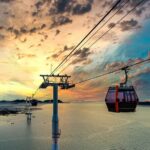
 ★ 5.0DMZ Tour: 3rd Tunnel, Option(Suspension Bridge, Boat) from SeoulFrom $3521,373 reviews
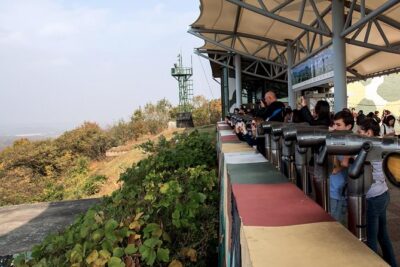
 ★ 5.0DMZ tour south Korea from Seoul (NK experience hall, defector)From $2620,599 reviews
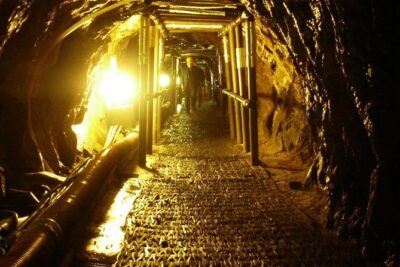
 ★ 4.8DMZ Tour with Optional Suspension BridgeFrom $455,277 reviews
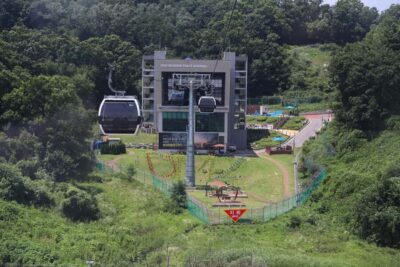
 ★ 5.0DMZ The 3rd Tunnel and Suspension Bridge TourFrom $654,656 reviews
 ★ 5.0Signature DMZ Tour: Exclusive Defector Talk & Suspension BridgeFrom $274,459 reviews
 ★ 5.0Thrilling Korean DMZ 3rd Tunnel Tour from Seoul + Red Bridge RushFrom $353,097 reviews
 ★ 4.9DMZ Tour & Suspension Bridge (Option English/Spanish)From $352,628 reviews
 ★ 5.0DMZ Past and Present: Korean Demilitarized Zone Tour from SeoulFrom $372,481 reviews