
Reviewed · DMZ DAY TOURS
DMZ Past and Present: Korean Demilitarized Zone Tour from Seoul
The DMZ is history you can feel in your legs. This guided tour from Seoul brings you to the Korean border line, then mixes past conflict sites with controlled access you simply can’t arrange on your own. You also get binocular views toward North Korea from Dora Observatory, which is the closest most visitors will ever get.
I especially like the clear, structured stops: Imjingak Park, the Freedom Bridge, the Third Tunnel, and Dora Observatory all fall into a logical story arc. I also like the practical setup—an air-conditioned coach, admissions included, and an expert guide who keeps the day moving at a pace that works for most people.
One consideration: this is not a sit-and-watch day. You’ll do a steep, narrow tunnel walk (about 400 meters / 1300 feet with an 11-degree gradient), so you’ll want comfortable shoes and you should be ready for a bit of discomfort—and for some taller folks, low ceilings inside the tunnel can be an issue.
In This Review
- Key takeaways before you go
- From Seoul to the DMZ: what a 6.5-hour day feels like
- Imjingak Pyeonghoa-Nuri Park and Freedom Bridge: where the war has a story
- The Third Tunnel walk: history gets physical
- DMZ Museum: what you should look for when time is short
- Dora Observatory: binocular views from the South
- Pace, group size, and how the guide shapes the day
- Price and value: why $37 can work (and when it might not)
- What to pack and wear for the border-day comfort reality
- Who should book this DMZ Past and Present tour
- Quick verdict: should you book this DMZ tour from Seoul?
- FAQ
- How long is the DMZ Past and Present tour from Seoul?
- What does the tour include in the price?
- Is a passport required?
- How much walking is involved?
- Is lunch included?
- What’s the group size limit?
Key takeaways before you go
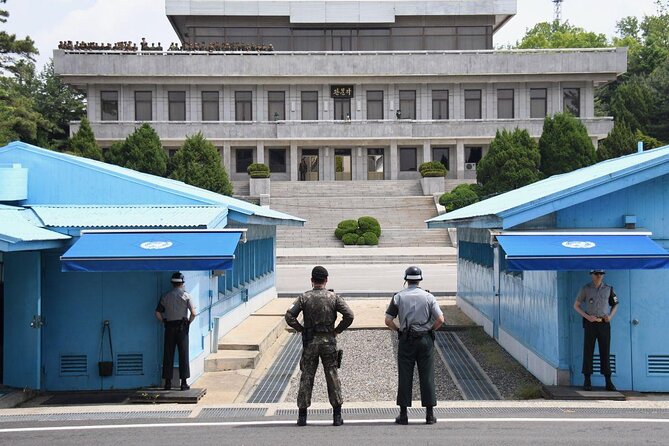
- Binocular access at Dora Observatory for a real view direction toward North Korea
- Freedom Bridge context tied to nearly 13,000 POW crossings and the idea of return
- Third Tunnel walk is the physical highlight, with a steep incline and tight space
- Imjingak Park artifacts bring the Korean War’s material history into focus
- Small-group feel with a maximum of 40 travelers on the coach
- Bring your passport on the day of travel for entry requirements
Other ways to reach the DMZ and the border from Seoul
- DMZ Tour: 3rd Tunnel, Option(Suspension Bridge, Boat) from Seoul★ 5.0 · 21,373 reviews
- DMZ tour south Korea from Seoul (NK experience hall, defector)★ 5.0 · 20,599 reviews
- Seoul: DMZ Tour with Optional Suspension Bridge★ 4.8 · 5,277 reviews
- Seoul: DMZ The 3rd Tunnel and Suspension Bridge Tour★ 5.0 · 4,656 reviews
From Seoul to the DMZ: what a 6.5-hour day feels like
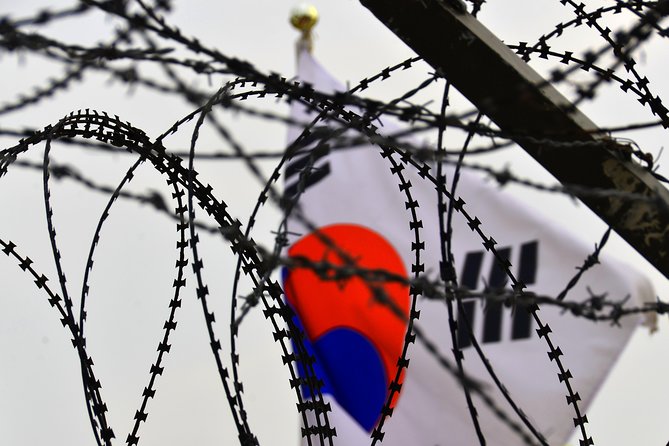
This is built as a full half-day outing—about 6 hours 30 minutes—starting with a pickup in downtown Seoul and returning to central Seoul. The big value here is that transportation is handled. You won’t be wrestling schedules, transfers, or confusing instructions while trying to understand a place that’s controlled for a reason.
The coach ride matters more than it sounds. The DMZ area is far from most Seoul hotels, and the day has multiple timed stops. This kind of group format helps you see more than you would if you tried to piece it together yourself—especially since you can’t freely access many of these zones.
You’ll also want to plan around paperwork and timing. You need a current valid passport on the day of travel. A mobile ticket is mentioned, so expect to show it on your phone rather than printing everything out.
Imjingak Pyeonghoa-Nuri Park and Freedom Bridge: where the war has a story
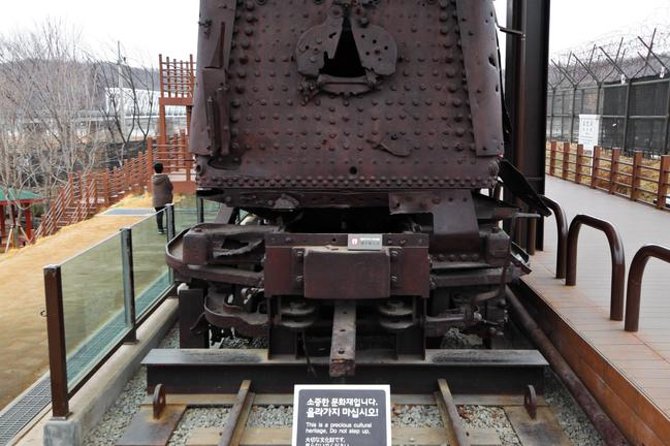
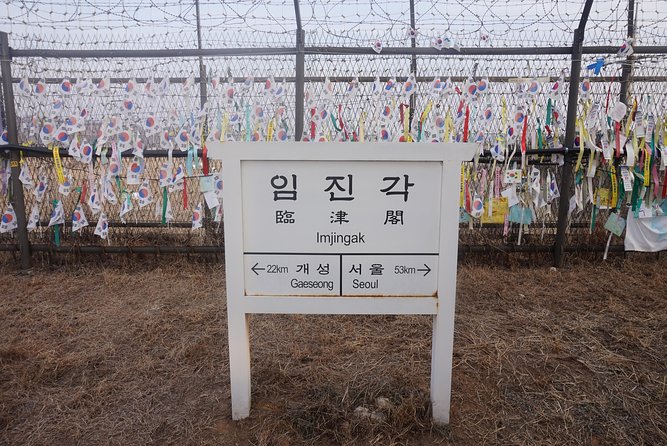
The first stop is Imjingak Pyeonghoa-Nuri Park (sometimes shown simply as Imjingak). This is not just a generic viewpoint. It’s a park on the banks of the Imjin River where you’ll see artillery and other war artifacts tied to the Korean conflict.
I like this start because it grounds the day. The DMZ isn’t abstract. Standing near pieces of the war—then hearing what they were used for—makes everything that follows feel less like sightseeing and more like reading history with your feet.
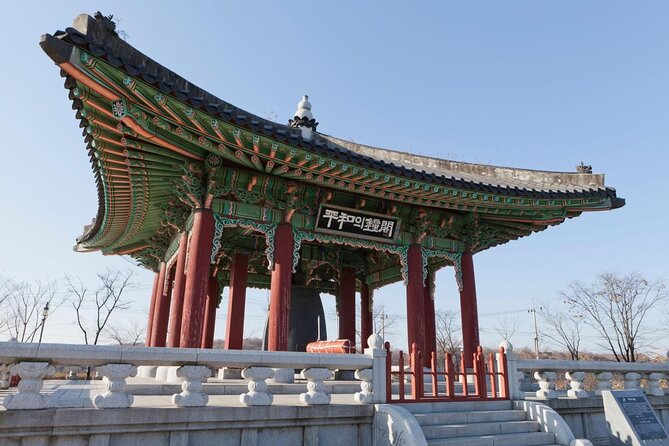
Next comes the Freedom Bridge, one of the most meaningful and emotional areas on the route. You walk there and learn about how nearly 13,000 POWs crossed it as part of their path to freedom in South Korea. Even if you think you know the headline version of the conflict, the focus on individual movement—crossing, separation, return—adds a human layer that a map never gives you.
Practical note: this is also a good place for photos, but don’t rush. The best moments come when your guide connects what you’re seeing with what happened there.
The Third Tunnel walk: history gets physical
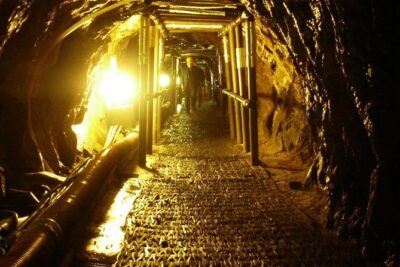
The highlight for many people is the 3rd Infiltration Tunnel. This is where you move from looking at history to walking through it. The tunnel is beneath the border area, and you’ll get an explanation of why these tunnels were dug and what roles they played.
What matters for your planning is the effort level. The tour asks you to be physically fit to walk about 400 meters (1300 feet) on an 11-degree gradient. That doesn’t sound crazy—until you’re doing it in a steep, narrow passage where space is limited and every step feels deliberate.
I also recommend bringing a flexible mindset about comfort. One tall visitor noted that the tunnel ceiling came close enough that they hit it more than once, and a hard hat helped prevent injury. You should expect the space to be tight, so wear a hat-less hairstyle you can manage under any provided gear, keep loose straps secured, and don’t wear anything awkwardly bulky.
This is a section where your guide can make or break the experience. When guides like Katie (energetic and focused) or AJ (fun and quick with context) set expectations early, the tunnel feels like a controlled challenge instead of a surprise ordeal.
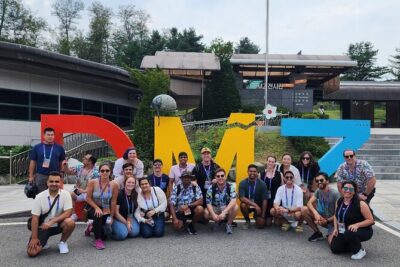
DMZ Museum: what you should look for when time is short
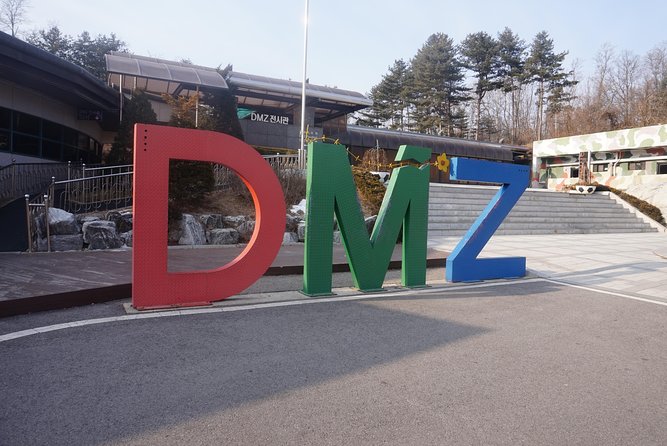
After the tunnel, you’ll stop at the DMZ Museum for photos and war artifacts. This part is short, but it’s useful because it gives you a clearer mental map before Dora Observatory.
I like the museum timing. It helps you interpret what you see later through binoculars. Without that context, the Dora Observatory segment can feel like a sightseeing moment. With it, you start noticing patterns—where villages were, what separation means on a daily basis, and why this border line has such a heavy emotional and political weight.
You won’t have unlimited time here. So your best move is simple: listen first, then look. If your guide points out key details in the photos, track those visually during your museum time.
Dora Observatory: binocular views from the South
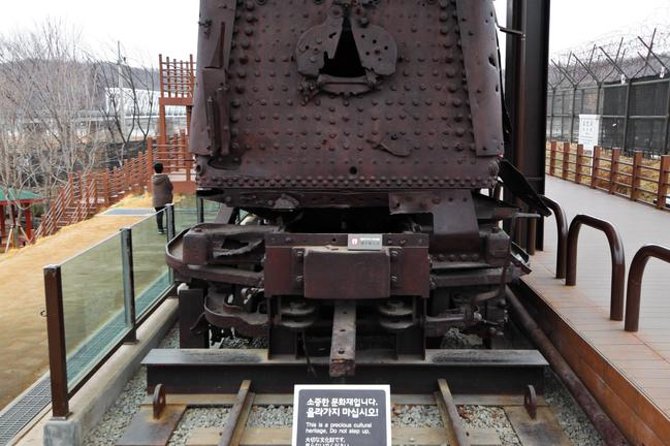
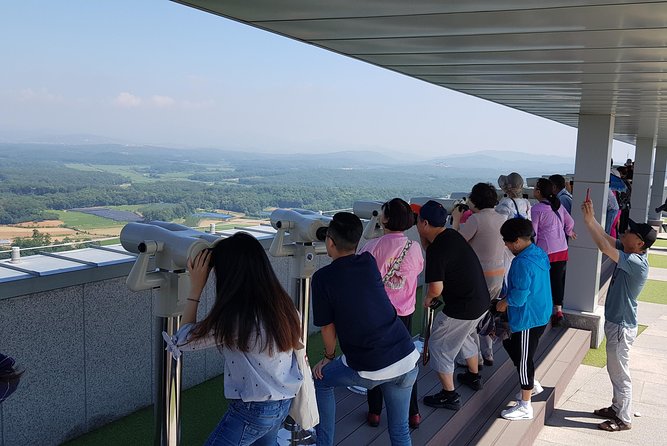
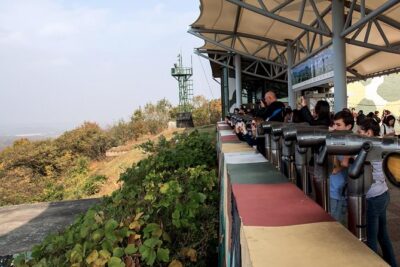
Then comes the moment most people come for: Dora Observatory. You’ll use binoculars to scope out North Korea from the South and hear your guide explain what life is like across the river, including information connected to the village of Kijongdong.
A quick reality check: you’re not walking into North Korea. You are looking from a controlled viewpoint, with limitations on what you can see. But that’s exactly why the binocular time is special—it turns distance into something you can actually study.
I’ve found it helpful to frame Dora Observatory as a lesson in perspective. Your guide’s commentary helps you understand what you’re looking at, not just where you’re looking. Guides such as Grace and Erica Kim are repeatedly praised for explaining what to watch for and keeping the story understandable, even when the topic is politically heavy.
Tip: bring your patience. The observatory segment is short (about 15 minutes), so keep your binocular handling smooth—focusing takes a second, and you’ll get one main chance to do it.
Pace, group size, and how the guide shapes the day
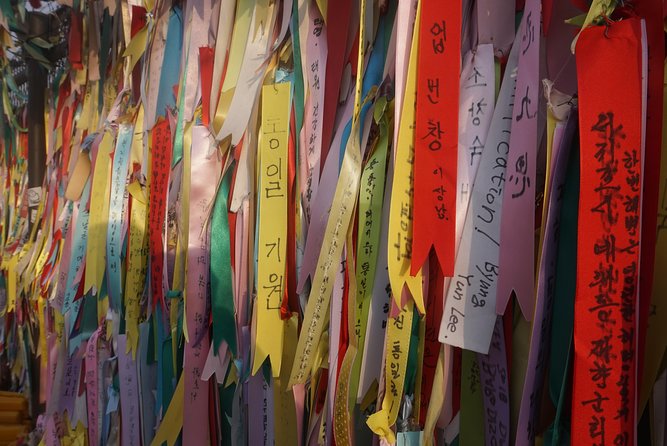
This tour runs with a maximum of 40 travelers, which keeps things from feeling chaotic. The coach ride is air-conditioned, and admissions are included, which removes a common headache in tours that operate around strict border-area schedules.
Your guide is the real engine of the day. The names that show up again and again include Felicity, AJ, Katie, Grace, Sadie, Chloe, Yeoni, Erica Kim, and L. Shin. The pattern in their praise is consistent: they’re upbeat, organize the day well, and turn complicated history into something you can follow without needing a background in Korean War studies.
If you care about having your questions answered, this is also one of those tours where a good guide will make it easy to ask. Even when you’re not speaking non-stop, you’ll likely get quick answers as you move between stops.
Language note: Japanese or Chinese-speaking guides are available only if there are at least 4 people in that language group. If you’re traveling solo and want a specific language, check availability after booking.
Price and value: why $37 can work (and when it might not)
At $37 per person, the big value isn’t luxury—it’s logistics and access. You get an expert guide, air-conditioned coach transportation, and admission fees included. You’re also getting access to areas you can’t visit independently, which is the hard part of the DMZ.
The part that can reduce value for some people is also obvious once you think about it: this is not a long food-and-rest day. Lunch isn’t included, and you’ll spend most of the day moving between controlled checkpoints. If you hate walking, or if you want long, slow exploration, you may wish this were paced differently.
One more value factor: the group cap of 40 and the timed structure. That means you’re trading some freedom for efficiency. For many visitors, that’s exactly what they want on a first DMZ trip.
Also note: free cancellation is offered up to 24 hours in advance, so you can protect yourself if plans change.
What to pack and wear for the border-day comfort reality
Clothes and shoes matter more than usual here. The tour calls for comfortable clothes and shoes because you’ll navigate a steep and narrow tunnel. Dress for movement, not for looks.
Here’s what I’d prioritize:
- Comfortable walking shoes with grip (tunnel floors can be unforgiving)
- Layers (coaches are sometimes cool, and tunnels are often different in temperature)
- A height-aware mindset if you’re tall (low ceilings are part of the tunnel experience)
- Keep bags manageable since you’ll be walking through tight spaces
If you wear anything with dangling parts—scarves, long loose straps—consider simplifying it. You’ll be happier and safer when you’re not fiddling with your gear while trying to focus on the guide and the surroundings.
Also, bring your passport and double-check that it’s valid for your travel dates.
Who should book this DMZ Past and Present tour
This tour fits best if you want:
- A structured introduction to the Korean conflict, past and present
- A guided explanation at key stops (Imjingak, Freedom Bridge, tunnel, observatory)
- A real physical experience at the Third Tunnel, not just photos
It may not be ideal if:
- You’re uncomfortable with steep, narrow walking
- You don’t meet the physical requirement (about 400 meters walking with an 11-degree gradient)
- You need a fully flexible schedule with lots of unscripted time
If you’re traveling with mobility limitations, I’d treat the tunnel requirement as a key decision point, not a minor detail. This isn’t designed as a gentle stroll.
If you love history but also want a firsthand sense of what separation looks like, you’ll probably feel satisfied. The day connects artifacts, human stories from the Freedom Bridge, and the fixed viewpoint at Dora Observatory into one coherent experience.
Quick verdict: should you book this DMZ tour from Seoul?
Yes—if you’re ready for a structured, meaningful day and you can handle the tunnel walk. The price is strong for what you’re getting: expert guiding, air-conditioned transport, admissions included, and access to DMZ areas you can’t simply self-tour.
Skip it or reconsider if walking in tight, steep conditions would be a problem for you. Also think twice if you want long breaks and a relaxed pace; this is a focused itinerary with limited time at each stop.
If you book, pick a day when you’re physically comfortable and mentally ready. The DMZ is not a casual stop—it’s a place designed to make you pay attention.
FAQ
How long is the DMZ Past and Present tour from Seoul?
The tour lasts about 6 hours 30 minutes.
What does the tour include in the price?
The tour includes an expert guide, transport by air-conditioned coach, and the admission fees.
Is a passport required?
Yes. You need a current valid passport on the day of travel. A copy of your passport is not required.
How much walking is involved?
Expect a moderate amount of walking through a steep and narrow tunnel. The tour requires physical fitness for about 400 meters (about 1300 feet) at an 11-degree gradient.
Is lunch included?
No, lunch is not included.
What’s the group size limit?
The tour has a maximum of 40 travelers.
More Tours in Seoul
- Best DMZ Tour Korea from Seoul (Red Suspension Bridge Optional)★ 5.0 · 41,422 reviews
- DMZ Tour: 3rd Tunnel, Option(Suspension Bridge, Boat) from Seoul★ 5.0 · 21,373 reviews
- DMZ tour south Korea from Seoul (NK experience hall, defector)★ 5.0 · 20,599 reviews
- Seoul: DMZ Tour with Optional Suspension Bridge★ 4.8 · 5,277 reviews
- Seoul: DMZ The 3rd Tunnel and Suspension Bridge Tour★ 5.0 · 4,656 reviews
More Tour Reviews in Seoul
- Best DMZ Tour Korea from Seoul (Red Suspension Bridge Optional)★ 5.0 · 41,422 reviews
- DMZ Tour: 3rd Tunnel, Option(Suspension Bridge, Boat) from Seoul★ 5.0 · 21,373 reviews
- DMZ tour south Korea from Seoul (NK experience hall, defector)★ 5.0 · 20,599 reviews
- Seoul: DMZ Tour with Optional Suspension Bridge★ 4.8 · 5,277 reviews
- Seoul: DMZ The 3rd Tunnel and Suspension Bridge Tour★ 5.0 · 4,656 reviews
The DMZ & the Border, More Routes
- Best DMZ Tour Korea from Seoul (Red Suspension Bridge Optional)★ 5.0 · 41,422 reviews
- DMZ Tour: 3rd Tunnel, Option(Suspension Bridge, Boat) from Seoul★ 5.0 · 21,373 reviews
- DMZ tour south Korea from Seoul (NK experience hall, defector)★ 5.0 · 20,599 reviews
- Seoul: DMZ Tour with Optional Suspension Bridge★ 4.8 · 5,277 reviews
- Seoul: DMZ The 3rd Tunnel and Suspension Bridge Tour★ 5.0 · 4,656 reviews
Just added to Exploring Seoul


DMZ Day Tours, compared.
 ★ 5.0DMZ Tour: 3rd Tunnel, Option(Suspension Bridge, Boat) from SeoulFrom $3521,373 reviews
 ★ 5.0DMZ tour south Korea from Seoul (NK experience hall, defector)From $2620,599 reviews
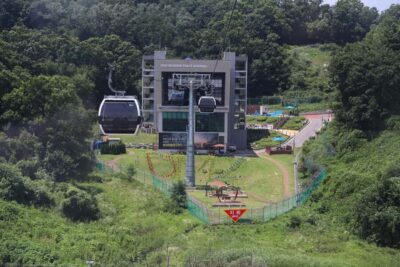 ★ 4.8DMZ Tour with Optional Suspension BridgeFrom $455,277 reviews
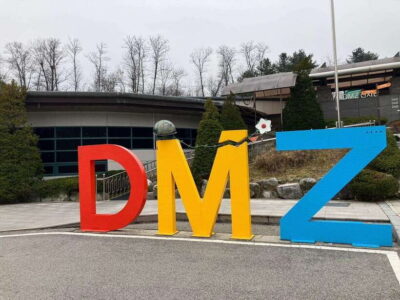 ★ 5.0DMZ The 3rd Tunnel and Suspension Bridge TourFrom $654,656 reviews
 ★ 5.0Signature DMZ Tour: Exclusive Defector Talk & Suspension BridgeFrom $274,459 reviews
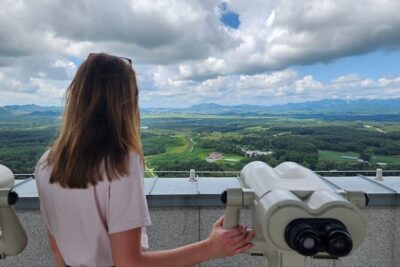 ★ 5.0Thrilling Korean DMZ 3rd Tunnel Tour from Seoul + Red Bridge RushFrom $353,097 reviews
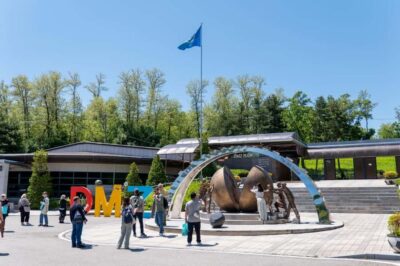 ★ 4.9DMZ Tour & Suspension Bridge (Option English/Spanish)From $352,628 reviews
 ★ 5.0Ultimate Korea DMZ Tour from Seoul (Gondola & Suspension Bridge)From $352,396 reviews
Browse the lists this tour appears in