
Reviewed · TOURS
5-Day Korea Golden route by K-shuttle Tour from Seoul Including Busan, Yeosu
A Korea route that’s built for speed. You get a guided sweep through royal sites, UNESCO stone temples, seafood and beaches, then finish in the mountains with Olympic-era scenery.
I like two things most. First, the tour is anchored by UNESCO highlights—Seokguram and Bulguksa—with just enough time to understand what you’re looking at. Second, the experience runs on a real guide system; names like Justin Choi, Mina, Brandon, Cooper, and Andy show up in reports, and the common thread is strong explanations and day-to-day support.
One consideration: this is a packed 5-day, lots-of-driving route. You’ll cover a lot of ground and do a moderate amount of walking, so you may feel time is tight in each place, especially if you prefer slow, long stays.
In This Review
- Key reasons this route works
- Why this Korea Golden Route makes sense for first timers
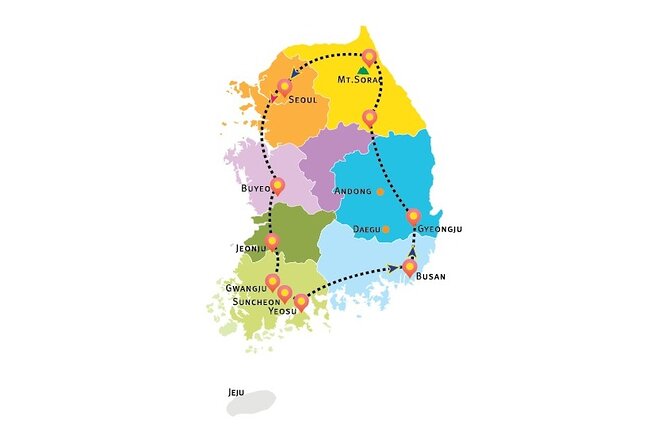
- Day 1: From Gwanghwamun meeting point to Baekje tombs and Jeonju hanok vibes
- Day 2: May 18 democracy memorial, Suncheon nature garden, and Yi Sun-sin’s legacy
- Day 3 in Busan: Fortress walls, Jagalchi seafood energy, and Haeundae/APEC area viewpoints
- Day 4: UNESCO stone treasures at Seokguram and Bulguksa
- Andong Hahoe Folk Village: river curves, pine trees, and a storybook layout
- Day 5: Alpensia Olympic venue, then Seoraksan National Park (temple views included)
- Price and pacing: what $999 really buys you
- Hotels, comfort breaks, and why cleanliness shows up in the reviews
- What to pack and how to stay comfortable on a fast route
- Should you book the 5-Day Korea Golden Route?
- FAQ
- How long is the tour and how many nights are included?
- What’s included in the price?
- Are lunch and dinner included?
- Do I get hotel pickup and drop-off in Seoul?
- Where do I meet the group on Day 1?
- Where does the tour end?
- What luggage can I bring?
Key reasons this route works
- UNESCO pair in one stretch: Seokguram + Bulguksa, with context for the stonework and pagoda history
- Korea’s “history stops” plus sea time: tombs and fortresses, then Jagalchi and Haeundae area
- Hanok culture with real setting: Jeonju Hanok Village’s roof lines, plus Andong Hahoe by the Nakdong River
- Well-run touring logistics: transport between stops and a guide who handles explanations and timing
- Breaks built into the rhythm: regular sightseeing blocks rather than endless back-to-back transit
- Hotel breakfasts included: four breakfasts included, which matters on an itinerary this full
A handful of other Seoul experiences to line up next
- 5-Day Korea Golden route by K-shuttle Tour from Seoul Including Busan, Yeosu★ 4.5 · 37 reviews
- 5D4N Korea Cultural Heritage immersion Private Tour★ 5.0 · 3 reviews
Why this Korea Golden Route makes sense for first timers
This route is a practical choice if you want to see more than Seoul without doing the mental math of trains, tickets, transfers, and language. You’re moving between different “faces” of Korea: ancient kingdoms inland, modern-day coast culture, and mountain temple scenery at the end.
The best part is how the itinerary mixes categories instead of running one theme all week. You’ll get royal-era relic sites, a democracy memorial tied to May 1980, seafood market energy in Busan, UNESCO temple architecture, and then the greener reset of Seoraksan National Park.
Price-wise, $999 per person is not a bargain in the way a budget hostel trip is. But it does include transportation to every stop, a professional English-speaking guide, four nights of accommodation with breakfast, and the basic pacing structure that keeps you from losing half a day to transit planning. You mainly add your own lunch and dinner.
Day 1: From Gwanghwamun meeting point to Baekje tombs and Jeonju hanok vibes
The day starts early. You meet at the parking lot next to Dongwha Duty Free at Gwanghwamun Intersection, near exit 6 of Gwanghwamun subway station, at 8:00 am. This matters because the group usually needs time to get out of central Seoul and start visiting before the crowds and heat build.
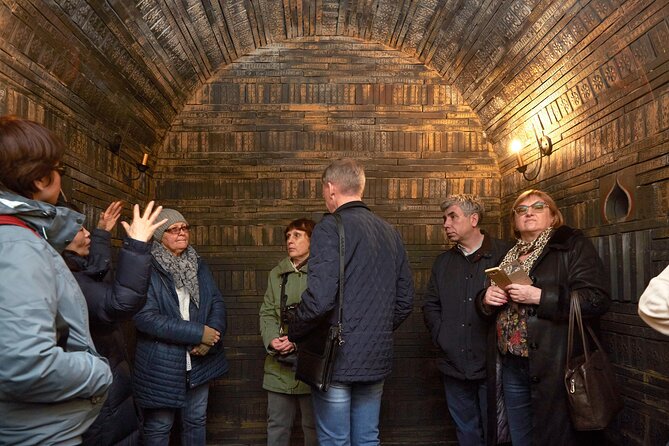
Your first major history stop is the Songsan-ri Tombs and Royal Tomb of King Muryeong. This is a Baekje period site linked to King Muryeong (r. 462–523), and it’s one of the clean ways to grasp how Korea’s ancient states built power through stone and ceremony. Even if tombs aren’t your thing, the guide explanation helps you see the place as more than just rocks in a field.
Next comes Gongsanseong Fortress in Gongju, a mountain fortress originally established during the Baekje era. The reward here is the view direction—walking a little on the trail gives you a better sense of why a castle position matters. You’re not just “seeing a wall”; you’re seeing a strategic location.
Then you roll into Jeonju Hanok Village. Jeonju’s hanoks are visually distinct, and the raised roof edges are part of why the village reads as traditional even as the surrounding city modernized. If you like photos, this is one of your best easy wins—architecture that looks great without needing a perfect shot setup.
Practical note: Jeonju time is limited, so treat it like a cultural orientation stop. If you want long shopping or extra performances, plan to return later on your own time.
Day 2: May 18 democracy memorial, Suncheon nature garden, and Yi Sun-sin’s legacy
Day 2 begins with a heavy but important stop: May 18th National Cemetery. It’s connected to the May 1980 democracy movement and the graves of victims. This is the kind of site where the guide makes a difference, because you’re not just touring a graveyard—you’re learning the context for why the location is remembered as a symbol of freedom and democracy.
After that, the route shifts toward softer scenery at Suncheon Bay Garden. The idea of the garden is conservation: turning a natural habitat area (over about 1.12 square kilometers) into a protected space. You’ll see a wide mix of trees and flowers, which makes it a good reset after the emotional weight of the cemetery.
Then you visit the Statue of Admiral Yi Sun-sin. This stop includes a story link to the Japanese invasion period (1592–1598), when Yi Sun-shin used the area as headquarters. Even if you already know Admiral Yi’s reputation, a statue stop like this works best with guide commentary, because it connects the name you’ve heard to specific geography.
This day’s strength is balance: one solemn cultural anchor, one nature-focused breathing room, and one historical figure tied to a specific place.
Day 3 in Busan: Fortress walls, Jagalchi seafood energy, and Haeundae/APEC area viewpoints
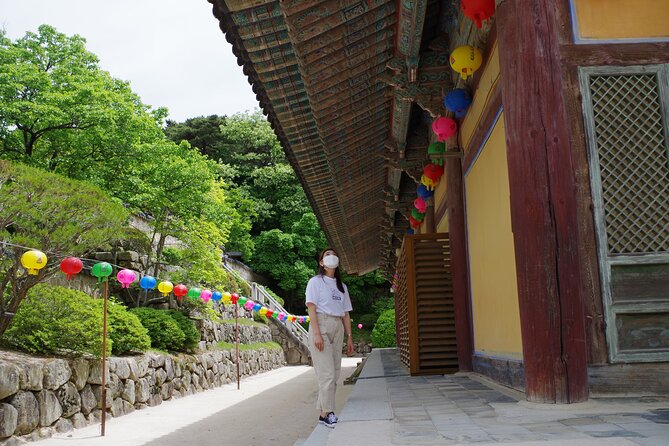
Busan day starts with Jinjuseong (a fortress tied historically to the 1592 invasion). It’s another example of Korea’s geography-as-defense thinking: walls on a strategic position, built to control movement and protect routes.
Then you hit Jagalchi Market, the big seafood market that sells both live and dried fish. If you want a taste of everyday coastal culture, this is where you get it. It’s not a “museum vibe”; it’s active and sensory, so expect plenty to look at while also keeping an eye on your time block.
After that, you go to Haeundae Beach and the Nurimaru APEC area. Haeundae is a classic coastal postcard, and the Nurimaru APEC building gives the view a more modern edge. The combination works because you’re not just stuck with sand and sea—you also see how international events and architecture show up along Korea’s coast.
Potential drawback here: market time can feel intense if you don’t like crowds. My advice is simple—go in with a plan. If you want photos, take them early and keep moving. If you want to eat, save that decision until you’re inside with your guide’s food suggestions.
Day 4: UNESCO stone treasures at Seokguram and Bulguksa
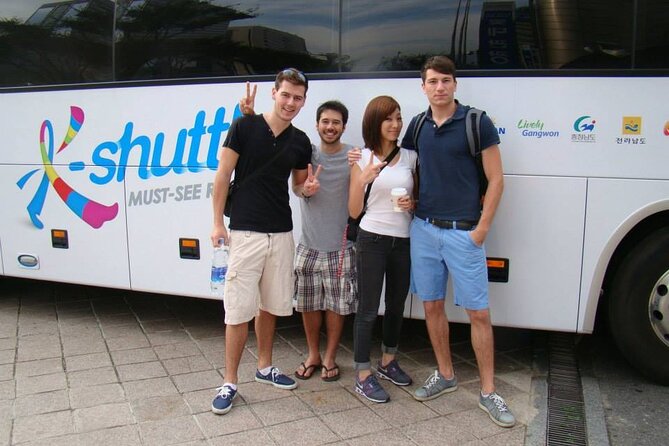
Day 4 is the UNESCO day, and it’s where the route earns serious credibility. You start at Seokguram, a granite stone temple structure built with Bulguksa Temple as a partner site. Seokguram was designated a UNESCO World Cultural Heritage site in 1995, and the entire point is the stone construction—the grotto-like atmosphere and carved forms that feel built for contemplation.
Then you move to Bulguksa Temple, the representative Gyeongju site also UNESCO-listed (1995). Bulguksa is known for both the overall beauty of the temple and the artistry of the stone relics. This is the day where a guide’s explanations pay off because the structures can look similar at first glance. With context, you start noticing patterns and craftsmanship choices.
If you care about architecture or religious art, this will be a highlight. If you’re more about scenery than structure, still go. Even then, you’ll likely appreciate the setting and the craftsmanship because it’s not random ornament. It’s purposeful, and that comes through best in person.
One practical note: some UNESCO-related experiences have optional extra entry elements (like specific grotto entry). The tour indicates certain optional fees may apply, so budget a little extra if you want to add those.
Andong Hahoe Folk Village: river curves, pine trees, and a storybook layout
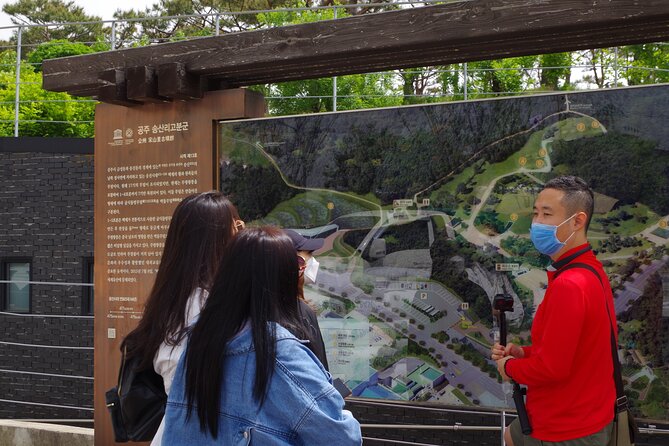
After UNESCO, the route shifts to cultural setting at Andong Hahoe Folk Village. This place feels different from Seoul and Busan because the design makes the landscape part of the experience.
What to look for: the Nakdong River curling around the village, the Buyongdae Cliff, sandy shoreline areas, and lush ancient pine trees. Even if you just walk the main route, you’ll get the sense that this village isn’t meant to feel like a modern street grid. It’s a historical layout tied to water, views, and older land use.
The value here is that you’re not just hearing about Korea’s past—you’re seeing how people used geography to shape life. If you like historic villages, this is one of the best spots on the whole week.
Day 5: Alpensia Olympic venue, then Seoraksan National Park (temple views included)
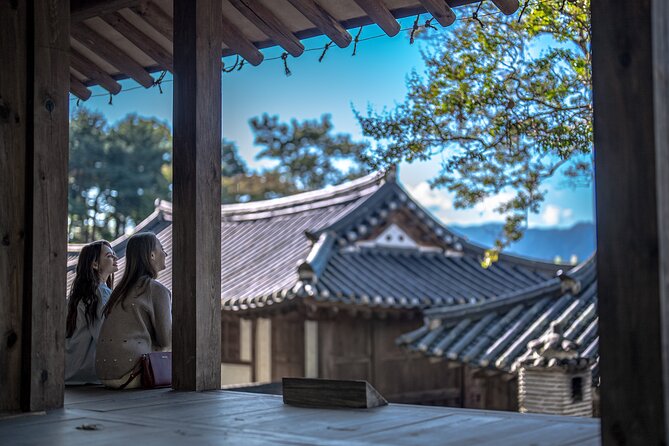
Day 5 starts with Alpensia Ski Jump Lounge, tied to the 2018 Winter Olympics ski jumping stadium venue (the tour notes it as the lounge rather than the tower). Even if winter sports aren’t your thing, Olympic-era venues can be a surprisingly good way to connect modern Korea with where tourists go in different seasons.
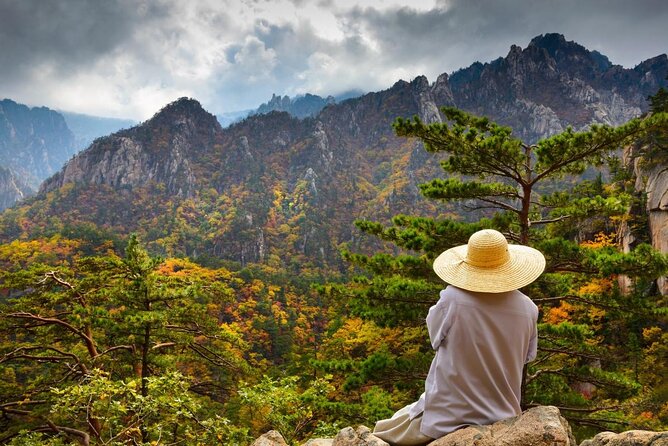
Then you continue to Seoraksan National Park and the Sinheungsa temple area. Seoraksan is famous for dramatic mountains and cloud breaks, and the itinerary specifically references the Seorak Mountains and the temple stop. This is a nice end to a route that mixes heavy history and busy markets—by the last day, you’re back in nature.
There can also be optional add-ons in this region, including cable car or temple entry elements depending on what you choose. If you want the quickest path to the big views, prioritize what your guide recommends for that day’s conditions.
Timing tip: wear layers and plan for weather changes. The tour specifically recommends warm clothes in winter months, which is a good clue that mountain conditions can shift quickly.
Price and pacing: what $999 really buys you
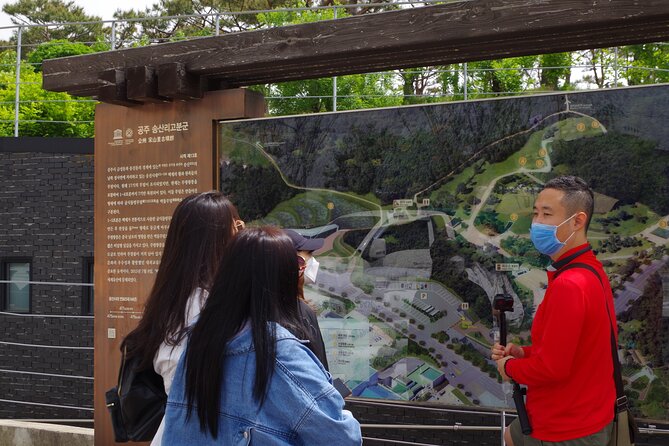
At $999 per person, the headline value isn’t just the sightseeing. It’s the “no-sorting” factor: transport between cities, a guide to explain what you’re seeing, and four nights with breakfast included. If you’d otherwise be paying for separate taxis, train planning time, and the cost of multiple paid guides, this starts to look more reasonable.
The trade-off is pacing. This is a full week compressed into five days, with moderate walking and a lot of seat time between stops. Several people highlight that the itinerary can feel fast. That doesn’t mean it’s bad—just be honest about your style. If you love long museum hours and slow lunches, you might feel rushed.
Also remember: lunch, dinner, snacks, and most other drinks are not included unless specified. So the tour cost covers the backbone, not every meal choice. Budget for food, and don’t assume every stop is a place where you’ll want to eat immediately.
Hotels, comfort breaks, and why cleanliness shows up in the reviews
The tour includes four nights of accommodation with breakfast. In reports, breakfasts were generally convenient, but hotel quality has been inconsistent. Some people report solid stays, while others describe rooms that felt aged or had comfort problems like A/C not working, limited hot water, or cleaning issues.
A few examples from reports:
- One stay was described as the good one, while another was compared to a hotel from the 1970s.
- There were complaints about A/C and room comfort in certain hotels.
- One report mentioned hair found in the bath area and asked for a room change.
- Breakfast quality varied, with one person mentioning the lack of a buffet compared to other hotels.
So what should you do with this? If hotel comfort matters a lot, pack your patience and consider requesting a room if you can at check-in. Also note the tour allows single or double rooms, and the accommodation setup depends on group size rules at checkout.
On the positive side, multiple reports mention free WiFi at hotels, and the bus was described as clean with working A/C in many cases. Water being provided during the day also shows up in reports, which helps when you’re moving.
What to pack and how to stay comfortable on a fast route
This tour works best if you travel prepared for long days. Here’s what I’d bring and why:
- Good walking shoes: you’ll have a moderate amount of walking across historical sites and temple areas.
- Warm layers if you travel in winter: the tour explicitly recommends warm clothes during colder months.
- A carry-on only approach: luggage is limited to one carry-on bag (about 24″ x 16″ x 11″).
- Flexibility for optional fees: certain additional entry items and rides may cost extra depending on what’s chosen on the day.
Also, keep expectations realistic about group travel. Even with a great guide, buses and stop schedules can move faster than you want. If you want the best photos, do them early in each time block, then let the guide’s stories do the rest.
A small but useful mindset: treat each stop like a chapter, not a full book. You’ll still come away with a clear picture of Korea’s history and geography because the guide ties the chapters together.
Should you book the 5-Day Korea Golden Route?
Book it if:
- You want to get your bearings fast across Korea without managing transport or language heavy lifting.
- You care about a mix of history, UNESCO sites, and nature in a single trip.
- You’re happy with a guided format where you trade free time for more places seen.
Skip or rethink it if:
- You need lots of time in each place to wander slowly.
- Hotel comfort is your top priority and you’re sensitive to room cleanliness or A/C issues (reports show some variability).
- You dislike market crowds or you want long, unstructured meals.
If you’re choosing this as your “first Korea” week, it’s an effective way to see real variety—tombs and fortresses, democracy memory, seafood and beach culture, then stone temples and mountain views—without turning your vacation into a logistics project.
FAQ
How long is the tour and how many nights are included?
The tour runs for about 5 days and includes four nights of accommodation.
What’s included in the price?
The price includes transportation to all itinerary stops, a professional English-speaking guide, four nights of accommodation, and breakfast each morning (4 breakfasts).
Are lunch and dinner included?
No. Lunch, dinner, snacks, and other drinks are not included unless specifically stated.
Do I get hotel pickup and drop-off in Seoul?
No. The tour provides meeting at the specified Seoul meeting point, and it does not include hotel pickup and drop-off in Seoul.
Where do I meet the group on Day 1?
You meet at Donghwa Duty Free Shop Building at Gwanghwamun Intersection (near exit 6 of Gwanghwamun subway station), around 8:00 am. The day’s meeting point is at the parking lot next to Dongwha duty free.
Where does the tour end?
The tour ends around 18:00 pm in front of Dongwha Duty Free shop.
What luggage can I bring?
You’re limited to one carry-on bag measuring approximately 24″ x 16″ x 11″.
More 5-Day Experiences in Seoul
- From Seoul: 5-Day Tour of Korea with UNESCO Sites★ 4.8 · 22 reviews
- 5D4N Korea Cultural Heritage immersion Private Tour★ 5.0 · 3 reviews
More Tours in Seoul
- Best DMZ Tour Korea from Seoul (Red Suspension Bridge Optional)★ 5.0 · 41,422 reviews
- DMZ Tour: 3rd Tunnel, Option(Suspension Bridge, Boat) from Seoul★ 5.0 · 21,373 reviews
- DMZ tour south Korea from Seoul (NK experience hall, defector)★ 5.0 · 20,599 reviews
- Seoul: DMZ Tour with Optional Suspension Bridge★ 4.8 · 5,277 reviews
- Seoul: DMZ The 3rd Tunnel and Suspension Bridge Tour★ 5.0 · 4,656 reviews
More Tour Reviews in Seoul
- Best DMZ Tour Korea from Seoul (Red Suspension Bridge Optional)★ 5.0 · 41,422 reviews
- DMZ Tour: 3rd Tunnel, Option(Suspension Bridge, Boat) from Seoul★ 5.0 · 21,373 reviews
- DMZ tour south Korea from Seoul (NK experience hall, defector)★ 5.0 · 20,599 reviews
- Seoul: DMZ Tour with Optional Suspension Bridge★ 4.8 · 5,277 reviews
- Seoul: DMZ The 3rd Tunnel and Suspension Bridge Tour★ 5.0 · 4,656 reviews
Just added to Exploring Seoul
Tours, compared.
 ★ 5.0DMZ Tour: 3rd Tunnel, Option(Suspension Bridge, Boat) from SeoulFrom $3521,373 reviews
 ★ 5.0DMZ tour south Korea from Seoul (NK experience hall, defector)From $2620,599 reviews
 ★ 4.8DMZ Tour with Optional Suspension BridgeFrom $455,277 reviews
 ★ 5.0DMZ The 3rd Tunnel and Suspension Bridge TourFrom $654,656 reviews
 ★ 5.0Signature DMZ Tour: Exclusive Defector Talk & Suspension BridgeFrom $274,459 reviews
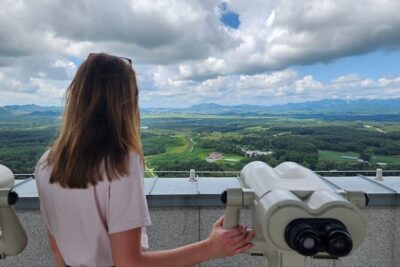 ★ 5.0Thrilling Korean DMZ 3rd Tunnel Tour from Seoul + Red Bridge RushFrom $353,097 reviews
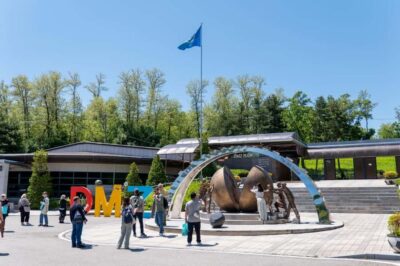 ★ 4.9DMZ Tour & Suspension Bridge (Option English/Spanish)From $352,628 reviews
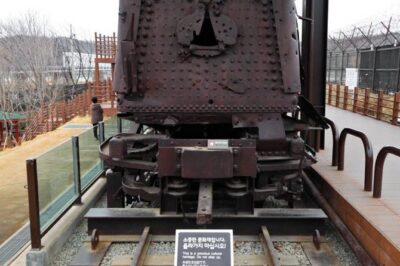 ★ 5.0DMZ Past and Present: Korean Demilitarized Zone Tour from SeoulFrom $372,481 reviews