
Dasik looks like art, tastes like comfort. This traditional Korean tea dessert workshop at K-Vibe Studio in Seoul is built for short, satisfying hands-on learning, with history and meaning tied directly to what you shape. You’ll work with natural ingredients and beautiful patterns that carry significance.
I love how the class connects craft to context, so you’re not just following steps—you’re learning what makes dasik special since the Joseon Dynasty. I also like the calm Korean tea tasting component, which gives the hands-on portion a more thoughtful rhythm before you box up your results.
One thing to consider: dasik is made with natural grains and nuts (including soybeans and almond), so if you have allergies or strict dietary limits, plan accordingly. Also, it’s not a full-day cooking experience; it’s a focused 90-minute workshop.
Key points at a glance
- Dasik with meaningful patterns: each piece is designed to look beautiful and carry special meaning
- Tea tasting in a serene traditional setting: a slower pace before you get your hands working
- Traditional and modern flavors together: omija and injeolmi alongside chocolate and pistachio
- All instructions are in English: with AI translation support for other languages
- Take-home gift packaging: a premium box for your handmade sweets
In This Review
- First Glance at K-Vibe Studio’s Dasik Workshop
- 90 Minutes, Hands-On Craft, and a Calm Tea Start
- What Is Dasik, and Why Patterns Matter?
- Your Ingredients: Omija, Injeolmi, and Modern Spins
- Tea Culture in Practice: Why the Tasting Changes the Class
- The Hands-On Portion: Making Dasik You’ll Actually Want to Keep
- Price and Value: Is $58 Fair for What You Get?
- Who This Workshop Fits Best (and Who Might Skip It)
- Quick Tips to Get the Most Out of Your Dasik Session
- Should You Book This Dasik and Korean Tea Workshop?
- FAQ
- Where does the workshop meet?
- How long is the Seoul Dasik workshop?
- How much does it cost?
- What language is the workshop taught in?
- Is the class wheelchair accessible?
- Is it suitable for young children?
- What does the experience include?
- What kinds of ingredients and flavors are used?
First Glance at K-Vibe Studio’s Dasik Workshop
This is the kind of Seoul experience that works even when you don’t want another line, another meal, or another museum label. In 90 minutes, you’ll make dasik, a Korean tea dessert known for both looks and flavor. The setup is hands-on, but it’s not chaotic—think careful guidance and a calm space where you can focus on shaping tiny pieces into something that looks intentional.
What makes it compelling is the combination: craft + tea + cultural meaning. The dessert isn’t presented as a random snack; it’s tied to how Koreans have enjoyed tea-time sweets since the Joseon Dynasty. And because dasik pieces are patterned, the “finished product” has an instant wow factor—something you’ll actually want to share.
The setting is at 1 Floor, K-Vibe Studio, so it’s easy to find once you’re in the right area. It’s also wheelchair accessible, which matters for a lot of small, studio-style activities.
Still deciding? These are the Seoul tours travellers book first.
- Best DMZ Tour Korea from Seoul (Red Suspension Bridge Optional)★ 5.0 · 41,422 reviews
- DMZ Tour: 3rd Tunnel, Option(Suspension Bridge, Boat) from Seoul★ 5.0 · 21,373 reviews
- DMZ tour south Korea from Seoul (NK experience hall, defector)★ 5.0 · 20,599 reviews
- Seoul: DMZ Tour with Optional Suspension Bridge★ 4.8 · 5,277 reviews
90 Minutes, Hands-On Craft, and a Calm Tea Start
Most workshops rush you from explanation to action. This one tends to do the opposite: you get settled, you taste, and then you build.
That matters because dasik isn’t just about mixing. You’re shaping. You’re paying attention to texture, pattern, and presentation. A tea start gives you a mental reset. It turns the class into something you can slow down with, instead of racing through.
In practical terms, expect a guided session in English with an instructor who explains what you’re making and how the pieces relate to tradition. If you’re not a native English speaker, you still have AI-powered translation support available for other languages, which lowers the stress if you want to follow everything closely.
And based on past experiences with this workshop format, the vibe tends to be friendly and welcoming. People often note the instruction is clear and the atmosphere is convivial—exactly what you want when you’re learning a delicate craft with your hands.
What Is Dasik, and Why Patterns Matter?
Dasik is described as a traditional Korean tea dessert made from natural grains and nuts, enjoyed since the Joseon Dynasty. The key detail isn’t just the ingredients—it’s what each finished piece looks like.
Dasik pieces feature beautiful patterns with special meanings. That means your work has a story baked into it. You’re not only learning how to create a shape; you’re learning why the shape counts.
Here’s why this is valuable for you: when an experience explains the meaning behind the craft, you remember it. You also take better care during the process, because the goal becomes more than looking cute. The dessert becomes a small cultural artifact you made yourself.
Also, dasik is often described as a dessert for the eyes. That’s not marketing fluff. The patterns make it look like miniature art. Even if your first attempts aren’t perfect, you’ll leave with something visually impressive enough to share—and meaningful enough to keep.
Your Ingredients: Omija, Injeolmi, and Modern Spins
This class uses a mix of traditional and modern flavors, so you get the best of both worlds: heritage plus something you’d actually recognize if you like contemporary desserts.
On the traditional side, you’ll make dasik using ingredients like omija and injeolmi. Omija is tied to Korean taste culture, and injeolmi connects to the sweetness and comfort people associate with Korean rice-based desserts. The workshop also uses dasik basics made from natural grains and nuts, with examples including soybean and almond.
On the modern side, the class includes options like chocolate and pistachio. That pairing is smart for a first-time dasik maker. You get the structure of a tea dessert, then you can experiment with flavors that are easier to enjoy if you’re used to Western-style sweet notes.
For you, the takeaway is that you’re not stuck choosing between authentic and approachable. You’ll likely find something that fits your palate, while still learning the core technique and cultural logic of dasik.
A handful of other Seoul experiences to line up next
Tea Culture in Practice: Why the Tasting Changes the Class
Tea isn’t a background extra here—it’s part of the point.
Korean tea culture pairs well with small sweets because it keeps the pacing calm and intentional. When you taste tea alongside what you’re making, you start noticing balance: how sweetness lands, how aroma changes your perception, and how natural ingredients feel less heavy than many Western desserts.
The tea tasting is also a nice contrast to the hands-on shaping. You’ll go from attention and hands to sipping and reflection, which makes the whole 90 minutes feel more like a short ritual than a rushed activity.
And if you’re someone who likes learning through the senses, this workshop is built for that. You’re not just memorizing facts about the Joseon-era background. You’re tasting, then shaping, then tasting again in your own way.
The Hands-On Portion: Making Dasik You’ll Actually Want to Keep
This is a true workshop, not a demonstration. You’ll do the making yourself, guided through the process of crafting dasik with the available ingredient flavors.
The practical payoff: you’ll leave with handmade dasik pieces. And you won’t need to figure out packaging, storing, or presentation. You get a premium box to take your sweets home, which turns this into a ready-to-gift item if you want it to be.
Think about that for a second. A lot of Seoul activities create photos, but not always something you can bring home. Here, you get both: the dessert itself and the cultural story that explains why it looks the way it does.
The take-home box is a big part of the value. It protects the pieces and gives the experience a finishing touch. If you’re traveling with friends or planning small gifts, it makes your life easier.
Price and Value: Is $58 Fair for What You Get?
At $58 per person for a 90-minute workshop, you’re paying for more than a recipe lesson. You’re paying for an English-led cultural craft session that includes:
- hands-on dasik-making
- a Korean tea culture experience
- a premium box for your handmade sweets
The value logic is simple: ingredients + instruction + tea + packaging. Many cooking classes don’t provide premium take-home packaging. Many tastings don’t include hands-on shaping. This one blends them into a short session, which is ideal if you have limited time in Seoul but still want something “you did” rather than “you watched.”
Is it the cheapest activity in the city? No. But it’s not priced like a big production either. For what you get—craft time, cultural meaning, tea, and a gift-ready box—it feels like a fair deal.
Who This Workshop Fits Best (and Who Might Skip It)
This workshop is a strong match if you:
- want a smaller, studio-style activity with a calm pace
- enjoy learning by doing, not just listening
- like desserts that are both patterned and meaningful
- want an easy wet-weather option that still feels special
- care about taking something home that looks good in a box
It’s also a good fit for solo travelers who like meeting friendly people. Past experiences with this exact format often highlight the chance to share time with like-minded folks from different countries.
Here’s who might skip it:
- children under 6 (not suitable)
- anyone with allergy concerns related to nuts and grains (soybean and almond are specifically mentioned as dasik components)
If you’re traveling with food restrictions, you’ll want to confirm how ingredients are handled before you go. The workshop data clearly points to nut/grain contents, which is enough to justify careful planning.
Quick Tips to Get the Most Out of Your Dasik Session
Since this is a short workshop, your best move is to show up ready to focus. You don’t need special tools; you just need the mindset.
A few practical habits that help:
- Go in with curiosity about the meaning of patterns. You’ll enjoy the process more when it has context.
- Plan to use the results. The premium box is meant for take-home, so don’t treat it like a throwaway souvenir.
- If it’s cold or rainy, wear layers. Studio weather can be unpredictable around commute times, and it’s the kind of activity where you’ll be happy to feel comfortable while you sip tea.
Also, keep an eye on how much you drink and eat during the tea portion. It’s not a heavy meal experience, but tea + dessert can add up quickly when you’re also tasting during the class.
Should You Book This Dasik and Korean Tea Workshop?
If you want a Seoul activity that’s compact, creative, and genuinely “Korea,” I think this is a smart booking.
Book it if:
- you want hands-on learning in 90 minutes
- you like the idea of making a patterned dessert tied to tradition since the Joseon Dynasty
- you want a tea experience in a calm setting, not just a stop for coffee
- you want something giftable in a premium box
Skip it if:
- you don’t eat desserts or don’t want to work with sweets at all
- you have allergy constraints tied to nuts or grains
- you’re looking for a long, full cooking day with extensive technique training (this is short by design)
For most people, the decision is easy: this workshop checks the boxes of craft, culture, tea, and take-home value without requiring a huge time commitment.
FAQ
Where does the workshop meet?
The meeting point is 1 Floor, K-Vibe Studio.
How long is the Seoul Dasik workshop?
It lasts 90 minutes.
How much does it cost?
The price is $58 per person.
What language is the workshop taught in?
The workshop is conducted in English, with AI-powered translation support available for other languages.
Is the class wheelchair accessible?
Yes, the program is listed as wheelchair accessible.
Is it suitable for young children?
It is not suitable for children under 6 years old.
What does the experience include?
You’ll do a hands-on session to make dasik, take part in a Korean tea culture experience, and receive a premium box for your handmade sweets.
What kinds of ingredients and flavors are used?
Dasik is made from natural grains and nuts, and this class includes traditional ingredients like omija and injeolmi, plus modern flavors like chocolate and pistachio.
More Workshops in Seoul
- Local Home Korean Cooking Class & Market Adventure in Seoul★ 5.0 · 1,024 reviews
- Seoul: Korean Cooking Class at a Local Home and Market Tour★ 5.0 · 348 reviews
- Yongpyong Ski Resort from Seoul with Optional Lesson and Packages★ 5.0 · 217 reviews
- Seoul: Kpop Dance Class Including Video Shooting & Editing★ 4.8 · 185 reviews
- Seoul: Taste of Korea, Authentic Home Style Cooking Class★ 4.9 · 166 reviews
More Tour Reviews in Seoul
- Best DMZ Tour Korea from Seoul (Red Suspension Bridge Optional)★ 5.0 · 41,422 reviews
- DMZ Tour: 3rd Tunnel, Option(Suspension Bridge, Boat) from Seoul★ 5.0 · 21,373 reviews
- DMZ tour south Korea from Seoul (NK experience hall, defector)★ 5.0 · 20,599 reviews
- Seoul: DMZ Tour with Optional Suspension Bridge★ 4.8 · 5,277 reviews
- Seoul: DMZ The 3rd Tunnel and Suspension Bridge Tour★ 5.0 · 4,656 reviews
Just added to Exploring Seoul




Workshops, compared.
 ★ 5.0Local Home Korean Cooking Class & Market Adventure in SeoulFrom $911,024 reviews
 ★ 5.0Korean Cooking Class at a Local Home and Market TourFrom $98348 reviews
 ★ 5.0Yongpyong Ski Resort from Seoul with Optional Lesson and PackagesFrom $99217 reviews
 ★ 4.8Kpop Dance Class Including Video Shooting & EditingFrom $53185 reviews
 ★ 4.9Taste of Korea, Authentic Home Style Cooking ClassFrom $89166 reviews
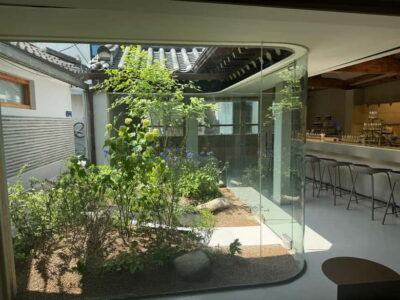 ★ 4.9Perfume-Making Workshop in a HanokFrom $49110 reviews
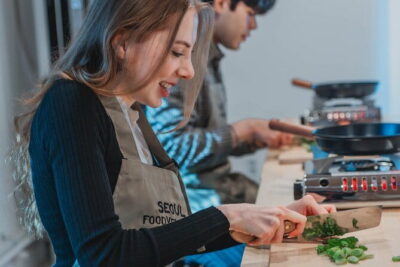 ★ 5.0Korean Cooking Class with Grocery Shopping at Seoul Local MarketFrom $91107 reviews
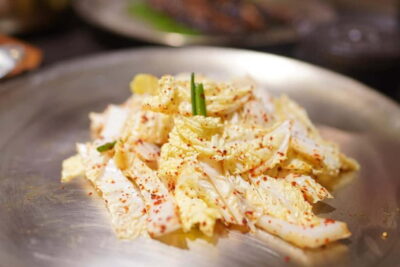 ★ 5.0Royal Seoul Cooking Class in a 100-Year-Old HanokFrom $9696 reviews
Browse the lists this tour appears in