
Reviewed · GANGNAM TOURS
Seoul: Gangnam Tour on Youth and Society in South Korea
Gangnam can look like a fashion ad. This tour turns the glare into context, walking you through how youth culture, beauty expectations, and education pressure fit together in South Korea. You’ll start at Gangnam Station and end near the Han River, with your perspective shifted by what you see on the street.
I really like the way the guide uses real street-level clues—signs, clinics, luxury brands, and daily-life patterns—to explain bigger social issues. Another big plus is the storytelling style; guides such as Jessica and June keep the walk engaging with humor while still landing the heavy points.
One consideration: the themes go dark. You’ll talk openly about suicide risk, low birth rates, and the strain behind beauty and school pressure, and the walk includes some steps—so it’s not suitable for people over 70 or with mobility impairments.
In This Review
- Key takeaways before you start walking
- Why Gangnam is the perfect classroom for youth pressure
- From Gangnam Station to the ad world: what you see changes meaning
- Korean history in a short walk: the roots under today’s norms
- Plastic surgery boom and the business of looking perfect
- Education as a pressure cooker: parents, kids, and career survival
- The social cost: unhappiness, low birth rates, and suicide risk
- Finishing near the Han River: a changed outlook, not just new facts
- Price and value: what $33 really buys you
- Who this Gangnam youth and society walk suits best
- Should you book this Gangnam youth and society tour?
- FAQ
- Where do I meet the guide?
- How long is the tour?
- What’s included in the price?
- What should I bring?
- Can I record audio during the tour?
- Is this tour suitable for older adults or people with mobility impairments?
Key takeaways before you start walking
- Gangnam as a mirror: you’ll connect luxury shopping streets to social expectations for young people
- Beauty is a system: plastic surgery trends and appearance rules are explained as cultural pressure, not just fashion
- Education isn’t casual: school success is framed as a life-planning engine for families
- History gives the why: you’ll see how past forces helped shape today’s norms in everyday life
- A human ending: the walk finishes at the Han River so you can process it with breathing room
- Practical comfort: you get seasonal extras like a portable handsfree fan in summer or hot packs in winter
South of the river: more of Gangnam
- Seoul: Gangnam Tour on Youth and Society in South Korea★ 4.9 · 466 reviews
- Gangnam Walking Tour on Youth and Society in Seoul Korea★ 5.0 · 401 reviews
- Beyond Seoul: Starfield Library, Hwaseong Fortress & Cave Quest★ 5.0 · 177 reviews
- Suwon Hwaseong+Gwangmyeong Cave+Starfield Library from Seoul★ 5.0 · 104 reviews
Why Gangnam is the perfect classroom for youth pressure
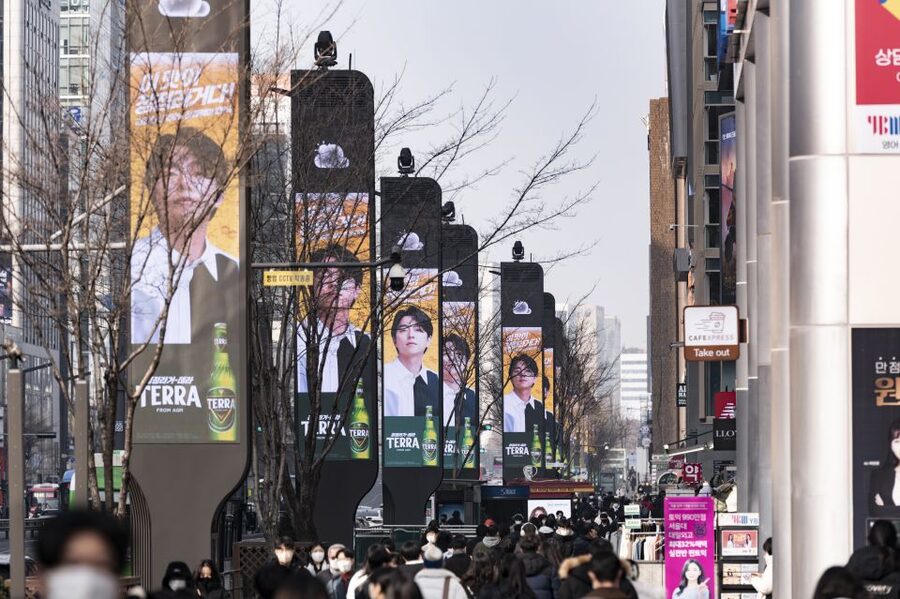
Gangnam is one of the clearest places in Seoul to understand contradictions. Yes, you’ll see wealth—high-rises, luxury advertising, and the kind of consumer intensity South Korea is famous for. But the deeper story is how people learn to measure themselves inside that environment.
This tour is built around the idea that youth culture doesn’t float in space. It’s shaped by economic achievement, social rules, and pop-culture visibility, and it gets amplified by what families expect from kids. You’ll walk through the area and connect the dots between what looks glamorous and what feels demanding underneath.
I also like that the focus is not just on trends. You’re invited to look at how society functions—especially how expectations land on parents, children, and young adults trying to build careers and relationships while staying within strict norms.
From Gangnam Station to the ad world: what you see changes meaning
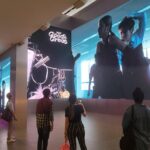
You meet your guide at Gangnam Station, Exit 11. From there you start walking through major streets that feel like they were designed for constant attention—high-rises close in, and advertisements stacked everywhere you look.
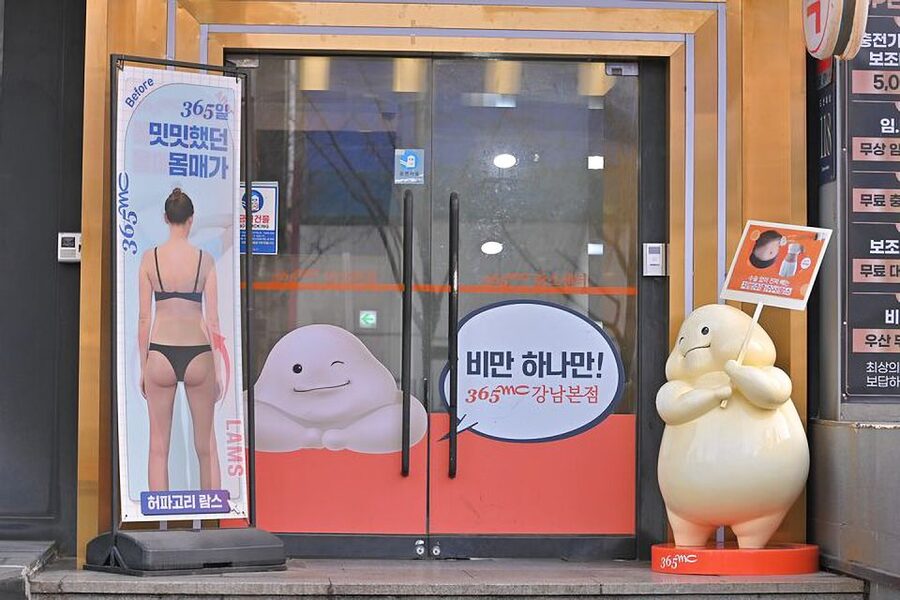
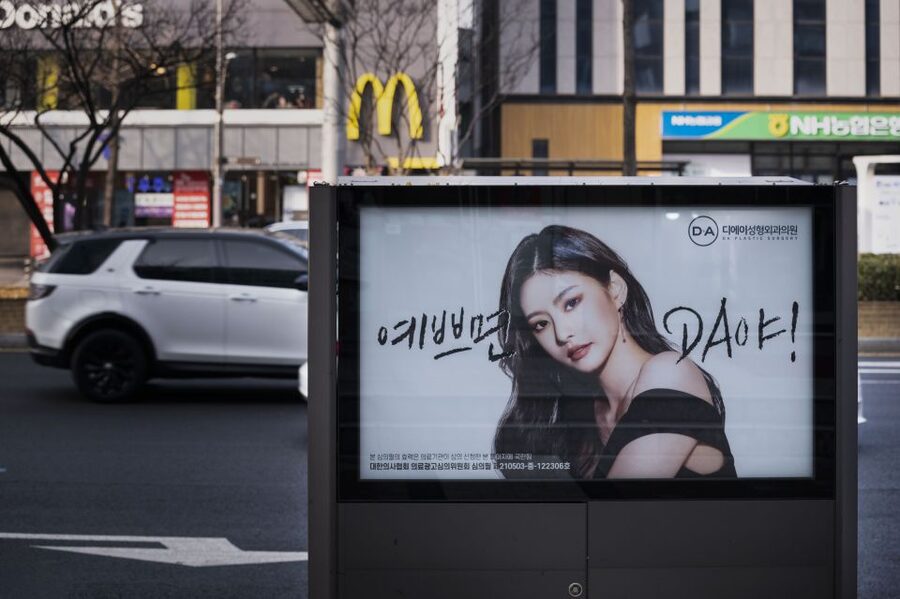
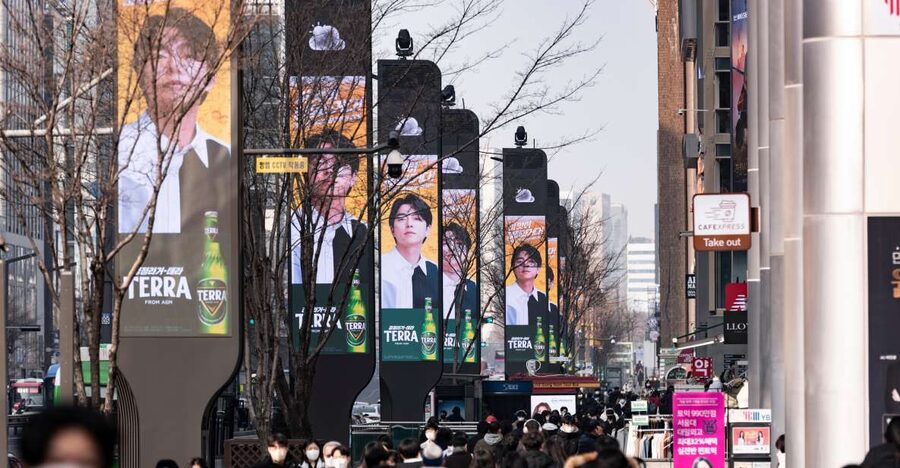
This is where the tour does something smart: it treats the street as a textbook. You’ll spot endless beauty product ads, luxury branding, and even plastic surgery clinic promotions. The point isn’t to judge what you see; it’s to understand why those messages are so visible and why they matter to ordinary people living nearby.
As you move, your guide turns common images into cultural signals. For example, you’re not only learning about beauty culture—you’re learning how the obsession with appearance is reinforced daily, through marketing, social comparison, and the idea that looking a certain way helps you succeed.
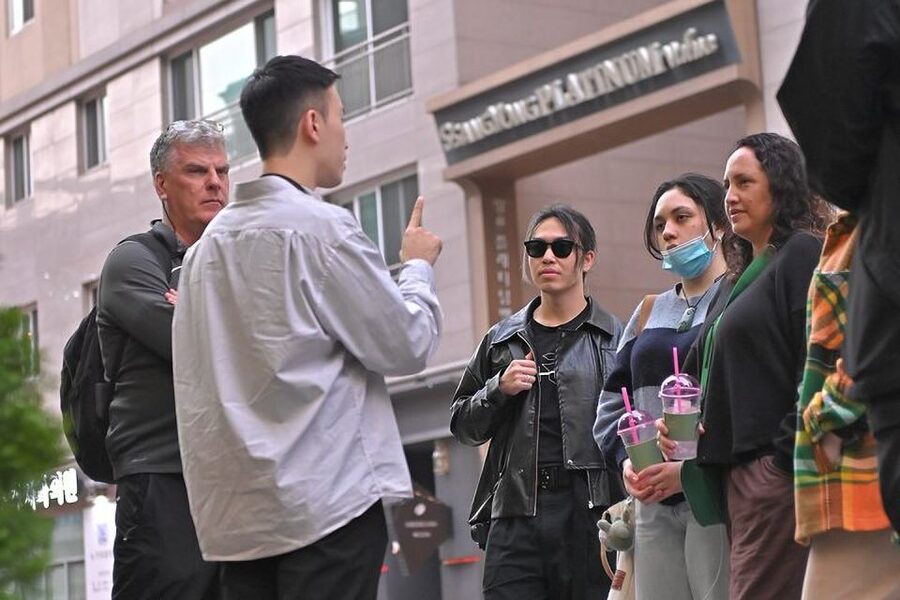
You’ll also get a real guide format that supports understanding on the move. Many groups note the use of a portable microphone, and some mention wireless on-ear audio for clearer listening—helpful when you’re walking near traffic and crowds.
Korean history in a short walk: the roots under today’s norms
Gangnam is the present tense, but the tour doesn’t leave history behind. You’ll get a look at Korea’s past to understand how culture and social expectations were shaped over time, then connect that to what you see now.
That matters because modern pressure can feel sudden if you only watch today’s headlines. The tour frames pressure as something with roots—ideas about duty, reputation, success, and social belonging that continue to influence how people move through school, work, dating, and family life.
If you’ve been watching Korean pop culture or you’ve traveled through Seoul expecting only nightlife and design-forward shopping, this historical framing adds weight. It helps explain why youth stress isn’t just individual anxiety; it’s tied to a broader social “how things are supposed to work.”

Plastic surgery boom and the business of looking perfect
One of the tour’s core themes is the plastic surgery boom and the way beauty standards can become a life plan. You’ll learn how beauty is marketed and how that marketing feeds expectations, especially for younger generations.
On the street, the advertising is obvious. What the guide adds is the cultural logic: how appearance becomes tied to opportunities, confidence, social acceptance, and even how people assume others are judging them. Instead of treating clinics as isolated businesses, you’ll see them as part of a system that turns aesthetics into something practical—and stressful.
It’s also a topic that can feel personal even when you’re just an observer. The tour doesn’t ask you to agree with everything it discusses; it asks you to notice the pressure mechanism. That shift—seeing the machinery behind the marketing—is what makes the experience stick.
And because the guide keeps things human with humor and storytelling, the tone doesn’t turn into pure gloom. You’ll leave understanding why beauty obsession persists in a wealthy country, even when the emotional cost is real.
Education as a pressure cooker: parents, kids, and career survival
Education pressure is another major thread. You’ll walk away with a clearer sense of how intense emphasis on schooling affects parents and children, not just academically but emotionally and socially.
Here’s what I think you’ll appreciate: this tour connects education to real outcomes and real tradeoffs. It frames education as a major pathway for jobs, status, and future security—so it becomes a heavy responsibility for families. In that system, grades and achievement aren’t just school matters; they’re interpreted as long-term survival tools.
The walk also helps you see education pressure as social choreography. Kids learn what to prioritize. Parents learn what they must prove. Young adults learn that success is expected, and that expectations can come with constant comparison.
This is one reason the tour feels different from typical Seoul sightseeing. You’re not just looking at neighborhoods; you’re learning how people think, plan, and worry—and why those feelings show up in everyday choices.
The social cost: unhappiness, low birth rates, and suicide risk
The tour doesn’t shy away from the darker side of South Korea’s modern reality. You’ll hear why the country has high suicide rates, why the birth rate stays low, and why overall unhappiness can coexist with economic achievement.
This is not the kind of theme you handle with a light mindset. Expect the guide to connect these issues to the daily pressures discussed earlier: education stress, beauty expectations, job competition, and social rules about how life should look.
It also helps to hear the contrast in the framing. The tour asks you to consider why people might still push through rather than simply reject the system. That’s where the walk becomes more than a lecture—it becomes a practical lens for understanding a society you’re watching from the outside.
One reason this topic lands well is the tone. Guides like Jessica are repeatedly praised for making hard truths readable with humor and clear examples. That balance keeps the conversation from feeling preachy, while still being honest about the cost.
Finishing near the Han River: a changed outlook, not just new facts
After the intense street-level themes, you end near the Han River. That stop matters more than it sounds. It gives you a physical reset after a walk through dense signage and constant pressure imagery.
You also get a different kind of perspective: not a continuation of advertising and clinics, but a wider view that helps your brain process what you just learned. It’s easier to reflect when you’re not surrounded by loud messages telling you what you should be.
The guide’s closing takeaway is built around why people stay—why the country can be difficult, yet still draw people in. In other words, you don’t just leave with problems; you leave with a clearer picture of the tradeoffs and motivations inside Korean society.
If you like tours that change how you interpret what you see the rest of your trip, this ending helps a lot. You’ll start noticing social cues in other neighborhoods, not just Gangnam.
Price and value: what $33 really buys you
At about $33 per person for roughly 150 minutes, this is priced like a serious walking experience, not a quick photo stop. The value comes from the combination: a local historian guide, a themed route, and a heavy set of topics explained through what you can actually see outside.
What makes it feel worth the money is the structure. You’re not paying for a list of generic facts. You’re paying for interpretation—how the streets, ads, and social patterns connect to bigger realities like education stress and beauty standards.
Two practical notes affect real cost:
- Transportation fee (2000 KRW) is not included.
- The optional Korean food session is also not included.
So if you’re planning a tight budget, keep the 2000 KRW in mind. Still, for a 2.5-hour guided walk focused on youth and society, it’s strong value—especially if you want more than the surface-level Seoul experience.
Who this Gangnam youth and society walk suits best
This tour is ideal if you:
- want context for what you’ve seen in Korean media and on the streets, especially beauty and school pressure
- like walking tours that explain the human side of a city, not just landmarks
- enjoy asking questions in real time (the guide’s format seems designed for that)
It may feel like too much if you:
- want purely upbeat sightseeing
- struggle with heavy topics like suicide risk and social unhappiness
- need a low-step, low-walk experience (it’s not suitable for people over 70 or with mobility impairments)
Bring cash, and skip any plans for audio recording—audio recording isn’t allowed.
If you’re visiting in summer, you’ll have seasonal comfort support via a portable handsfree fan. In winter, you’ll get hot packs. Small detail, but it helps when you’re moving for the full stretch.
Also, since Gangnam is easy to pair with the rest of Seoul, this tour makes a smart early stop. You’ll see the rest of the city with new questions in mind.
Should you book this Gangnam youth and society tour?
Book it if you want your Seoul trip to make sense beyond aesthetics. You’ll see the luxury and you’ll learn why it coexists with intense pressure around education and beauty, plus you’ll get a more balanced sense of how society works. The guides—often Jessica or June—are repeatedly praised for humor, storytelling, and clear cultural explanation, which matters when the subject matter is heavy.
Skip it if you’re only looking for light entertainment or if mobility limits are an issue. And if you prefer your culture tours to avoid sensitive topics, this one will feel direct.
If your goal is to understand the real mechanics behind what you see in Gangnam, this is one of the strongest ways to do it in a short, focused walk.
FAQ
Where do I meet the guide?
Meet your guide at Gangnam Station, Exit 11.
How long is the tour?
The duration is 150 minutes.
What’s included in the price?
Included are a local historian guide, the Gangnam walking tour, and seasonal comfort items: a portable handsfree fan in summer or hot packs in winter.
What should I bring?
Bring cash.
Can I record audio during the tour?
No. Audio recording is not allowed.
Is this tour suitable for older adults or people with mobility impairments?
No. It is not suitable for people over 70 and not suitable for people with mobility impairments.
More Tours in Seoul
- Best DMZ Tour Korea from Seoul (Red Suspension Bridge Optional)★ 5.0 · 41,422 reviews
- DMZ Tour: 3rd Tunnel, Option(Suspension Bridge, Boat) from Seoul★ 5.0 · 21,373 reviews
- DMZ tour south Korea from Seoul (NK experience hall, defector)★ 5.0 · 20,599 reviews
- Seoul: DMZ Tour with Optional Suspension Bridge★ 4.8 · 5,277 reviews
- Seoul: DMZ The 3rd Tunnel and Suspension Bridge Tour★ 5.0 · 4,656 reviews
More Tour Reviews in Seoul
- Best DMZ Tour Korea from Seoul (Red Suspension Bridge Optional)★ 5.0 · 41,422 reviews
- DMZ Tour: 3rd Tunnel, Option(Suspension Bridge, Boat) from Seoul★ 5.0 · 21,373 reviews
- DMZ tour south Korea from Seoul (NK experience hall, defector)★ 5.0 · 20,599 reviews
- Seoul: DMZ Tour with Optional Suspension Bridge★ 4.8 · 5,277 reviews
- Seoul: DMZ The 3rd Tunnel and Suspension Bridge Tour★ 5.0 · 4,656 reviews
More South of the River
- Gangnam Walking Tour on Youth and Society in Seoul Korea★ 5.0 · 401 reviews
- Beyond Seoul: Starfield Library, Hwaseong Fortress & Cave Quest★ 5.0 · 177 reviews
- Suwon Hwaseong+Gwangmyeong Cave+Starfield Library from Seoul★ 5.0 · 104 reviews
- Seoul: Suwon Hwaseong, Folk Village, & Starfield Library★ 4.8 · 55 reviews
- Korean Home Style Cooking Class in Gangnam Seoul★ 5.0 · 40 reviews
Just added to Exploring Seoul



Gangnam Tours, compared.
 ★ 5.0Gangnam Walking Tour on Youth and Society in Seoul KoreaFrom $31401 reviews
 ★ 5.0Beyond Seoul: Starfield Library, Hwaseong Fortress & Cave QuestFrom $69177 reviews
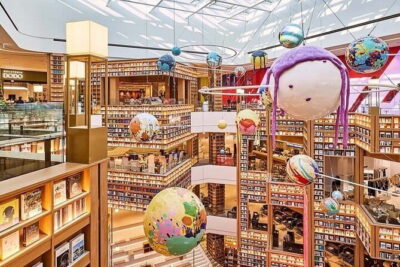 ★ 5.0Suwon Hwaseong+Gwangmyeong Cave+Starfield Library from SeoulFrom $54104 reviews
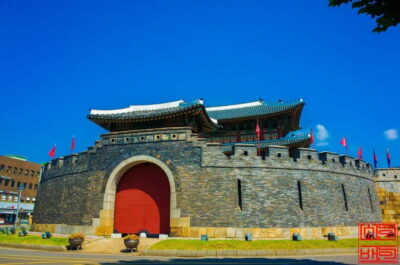 ★ 4.8Suwon Hwaseong, Folk Village, & Starfield LibraryFrom $5655 reviews
 ★ 5.0Korean Home Style Cooking Class in Gangnam SeoulFrom $8540 reviews
 ★ 4.7Suwon Hwaseong Fortress+Starfield Library+WaujeongsaFrom $4927 reviews
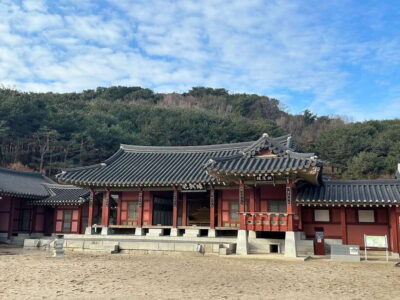 ★ 4.9From Seoul: Starfield Library, Hwaseong, Gwangmyeong CaveFrom $6023 reviews
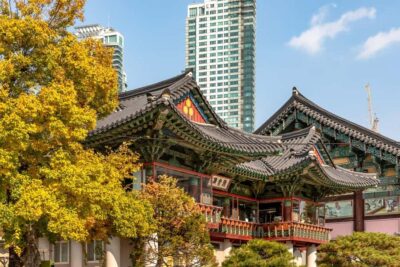 ★ 4.7Temple & Starfield COEX Mall Gourmet Tour in GangnamFrom $6622 reviews
Browse the lists this tour appears in