
Reviewed · DMZ DAY TOURS
Ultimate Korea DMZ Tour from Seoul (Gondola & Suspension Bridge)
A cable car over a divided river? That is the point. This tight 7.5-hour DMZ tour packs major Korean War sites into one day, with a DMZ gondola ride and close-up stops like the Third Tunnel. I especially like how the schedule turns big, heavy history into specific places you can stand inside. One thing to plan for: there are uphill walks and stairs, plus some cramped walking in the tunnel areas.
The real win here is the guiding. If you get a guide in the style of Nancy, Kelly, Diane, Gogo, Hana, or Emily, you’ll move through the day with clear timing and practical rules—especially around when you can and can’t take photos near sensitive borders. I also like the built-in variety: memorials, war relics, border checkpoints, and telescope views at Dora. The only drawback I’d flag is that the day can feel fast-paced, so you need to keep energy up from start to finish.
In This Review
- Quick Hits You Should Know Before You Go
- Two Flags, One Day: What Makes This DMZ Tour Work
- Getting From Seoul: Meeting Points and Why Timing Matters
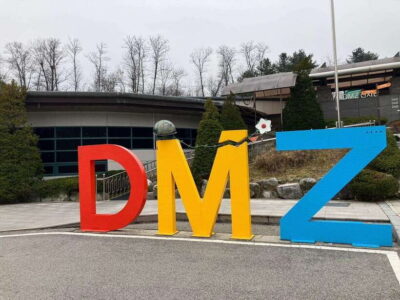
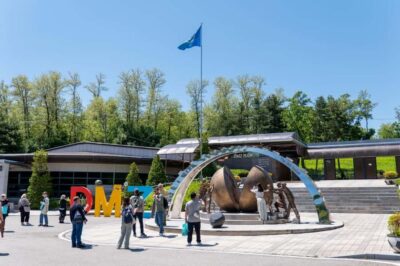
- DMZ Area and the Tourist Information Start: Set Your Head Straight First
- Imjingak Pyeonghwa-Nuri Park: Peace Symbols With Real Weight
- Bridge of Freedom: The Prison Transfer You Can Actually Point At
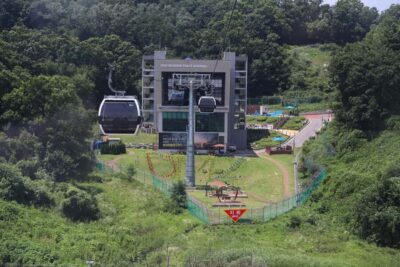
- Paju Imjingak Peace Gondola: The View From the Cable Car
- Memorial Stops: Mangbaedan and the Peace Bell Moment
- Walk Past the Iron Horse and the Peace Bell Trail of Relics
- Unification Bridge Checkpoint: ID Verification Is Real
- Imjin River Bus Views: Wildlife Time Between Serious Stops
- The Third Tunnel: Where Walking Gets Hard Fast
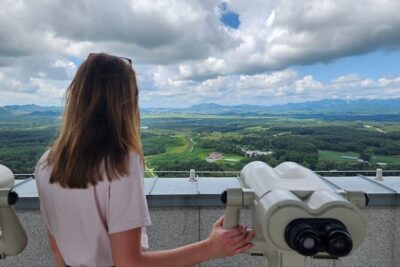
- Dora Observatory: Telescope Views and the Closest Reality Check
- Tongilchon-gil Unification Village: Quiet Break After the Tension
- Suspension Bridges: Gamaksan Chulleong and Majang Lake Options
- Fitness and Photo Reality Check: The Two Things You Must Plan For
- Price and Value: Why $35 Can Still Make Sense
- Should You Book This DMZ Tour From Seoul?
- FAQ
- How much does the Ultimate Korea DMZ Tour cost, and how long is it?
- Where do I meet the tour in Seoul?
- Is the ticket mobile?
- What’s included in the price?
- Is lunch included?
- Do I need a passport or ID for the military checkpoint?
- Is the gondola ride and suspension bridge part optional?
- Is free cancellation available?
Quick Hits You Should Know Before You Go
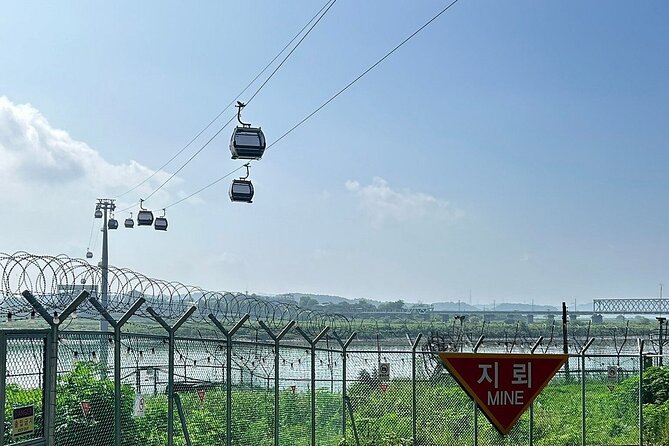
- Peace Gondola option: a cross-river cable car view of the DMZ area, completed in 2020.
- Bridge of Freedom: a 1953 wooden span tied to the transfer of 12,773 prisoners.
- Pyeonghwauijong Peace Bell: a 21-ton bronze symbol cast in 2002.
- Military checkpoint stop: you’ll do ID verification and need a passport, military ID, or South Korea-issued ARC.
- Third Tunnel: hands-on tunnel walking with a tough return climb.
- Optional suspension bridges: choices like Gamaksan Chulleong Bridge (150 m) and Majang Lake (220 m).
Other ways to reach the DMZ and the border from Seoul
- DMZ Tour: 3rd Tunnel, Option(Suspension Bridge, Boat) from Seoul★ 5.0 · 21,373 reviews
- DMZ tour south Korea from Seoul (NK experience hall, defector)★ 5.0 · 20,599 reviews
- Seoul: DMZ Tour with Optional Suspension Bridge★ 4.8 · 5,277 reviews
- Seoul: DMZ The 3rd Tunnel and Suspension Bridge Tour★ 5.0 · 4,656 reviews
Two Flags, One Day: What Makes This DMZ Tour Work
This tour works because it does not stay in one mood. Yes, you’re in one of the tense spots on Earth—an armistice-era border zone—but the day keeps changing scenery and tone. You start with the DMZ area and then shift to remembrance, transport relics, and border-adjacent observation points.
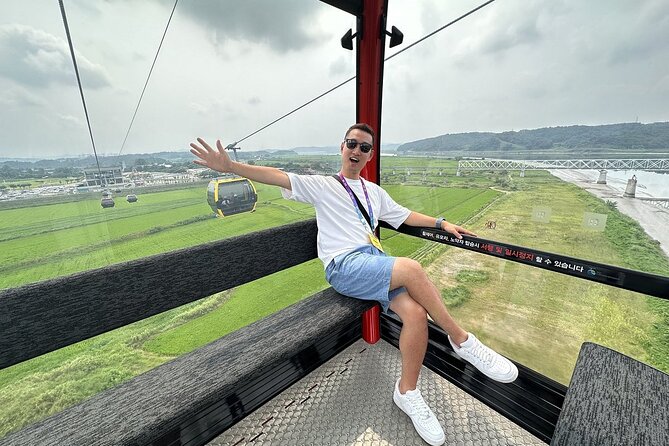
I like the way the trip uses physical place to teach cause and effect. You see barbed wire and the DMZ’s 4 km-wide strip split since 1953, then you move to places that explain what people lived through. The Peace Gondola ride also gives you an unusual angle. Instead of only standing on a platform, you’re carried across the Imjin River for a birds-eye look at the DMZ zone.
One more thing: guides on this route tend to be focused on keeping the whole bus safe and on schedule. Names like Nancy, Crystal, and Ray show up in feedback for the same reason—clear storytelling plus practical notes about photo timing and movement.
Getting From Seoul: Meeting Points and Why Timing Matters
You’ve got three downtown meeting options: Myeongdong Station (Exit 9), Seoul City Hall Station (Exit 6), or Hongdae Station (Exit 3). The tour includes round-trip transportation, and you’ll get a mobile ticket.
Plan to be ready early. Multiple guides are known for leaving on time or even earlier than posted when demand is high, because DMZ days are run by strict access windows. If you’re prone to a slow start, build in a buffer before you head to the subway exit your group uses.
Also, lunch is not included. That means you should treat the day like a road trip: snack strategy matters. If you end up in a restaurant stop, expect “fine” rather than a culinary highlight, because the real focus is the border sites.
DMZ Area and the Tourist Information Start: Set Your Head Straight First
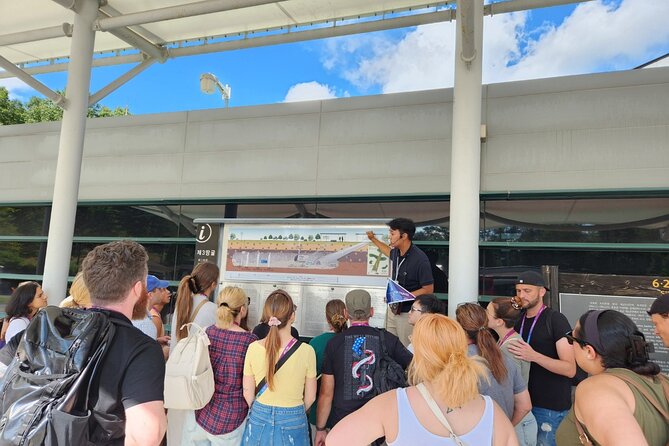
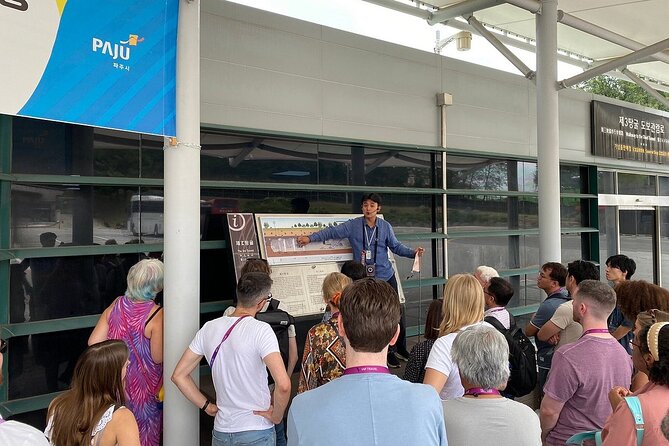
The day begins with a DMZ stop (about 30 minutes), and that early timing helps. You get a chance to orient yourself on what you’re seeing before the schedule starts moving fast.
This is one of those places where your first few minutes matter. The DMZ is described as a 4 km-wide strip separating North and South since 1953, and standing there makes the idea feel real: the air is quiet, the ground is gritty, and the area looks built for control. You’ll also hear the tense “Cold War” kind of story—how the armistice held and how daily life became shaped by separation.
Practical note: this is not a museum where you can wander slowly. Your guide will keep you moving, and photo rules can be tighter the closer you get to sensitive areas.
Imjingak Pyeonghwa-Nuri Park: Peace Symbols With Real Weight
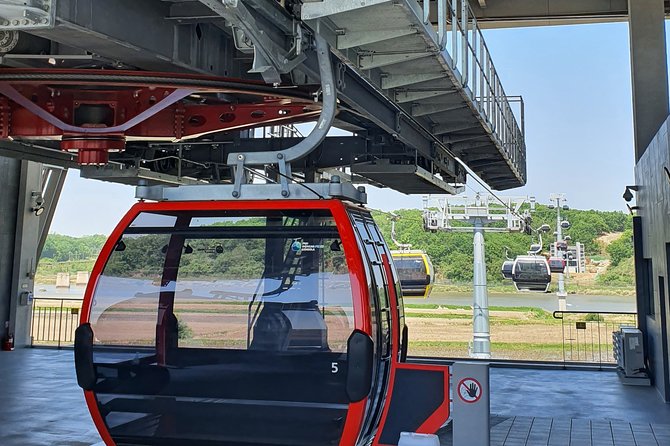
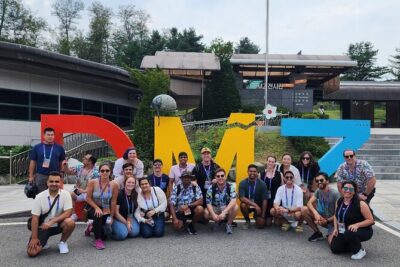
After the DMZ orientation, your group heads to Imjingak Pyeonghwa-Nuri Park for about 30 minutes. This area is focused on reunification hope, but it’s not just slogans. Expect displays tied to Korean reunification, plus border-era relics and memorial-style installations.
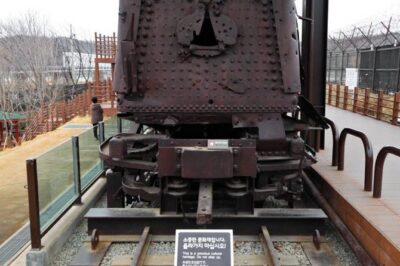
This stop is one of the best “emotional anchors” in the day. You can see the Dokgae Bridge area nearby and the Seoul Battleship Park component, and you’ll also encounter the park’s well-known Iron Horse-style relic—often described as a rusted train symbolizing a stopped journey. You may also spot elements like pinwheels that visually mark the idea of hope.
Drawback to note: the tone of the day is heavy, and then the itinerary keeps going. If you need time to sit and absorb, use your guide’s timing—pause when the group stops, not when you’re trying to catch up.
Bridge of Freedom: The Prison Transfer You Can Actually Point At
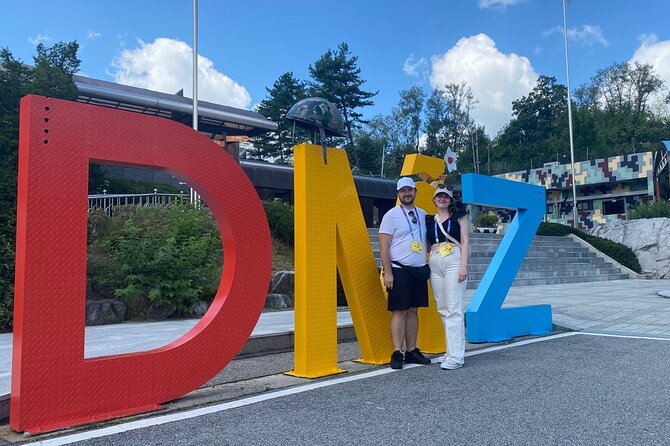
Next comes Bridge of Freedom (about 30 minutes). It’s described as a temporary wooden span built in 1953 after the armistice, replacing a destroyed railroad bridge over the Imjin River.
The reason this stop hits hard is the numbers tied to the site. It carried 12,773 prisoners to South Korea. Even if you don’t get every detail in one pass, you’ll understand the point: this wasn’t just a symbolic bridge—it was logistics in the middle of trauma.
Photo note: you should expect restrictions around North Korea views depending on the exact location and rules in effect that day. If your guide flags a spot as restricted, don’t argue. A quick phone put-away keeps the whole group moving.
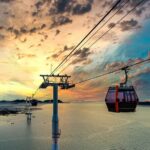
Paju Imjingak Peace Gondola: The View From the Cable Car
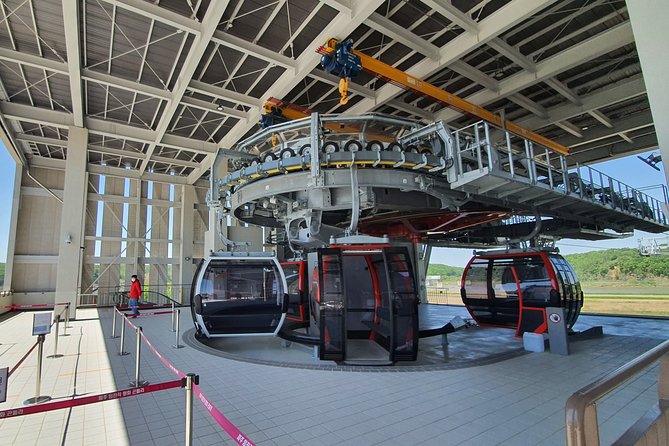
The Paju Imjingak Peace Gondola is listed as optional in the itinerary (about 1 hour including the activity). If you do it, it’s completed in 2020 and designed to give you an elevated view of the DMZ while crossing the Imjin River.
Here’s why this matters for your money: a gondola ride is not just a scenic add-on. It changes your perspective. From ground level, DMZ border areas can feel like “looking at a fence.” From the air, you can see how water, distance, and restricted zones shape what’s visible.
If you’re deciding on the spot, think about your walking tolerance. The gondola is a ride, not a long trek, but your day already includes tunnel walking and some uphill sections. Doing the gondola can be a good balance when the itinerary turns physical later.
Memorial Stops: Mangbaedan and the Peace Bell Moment
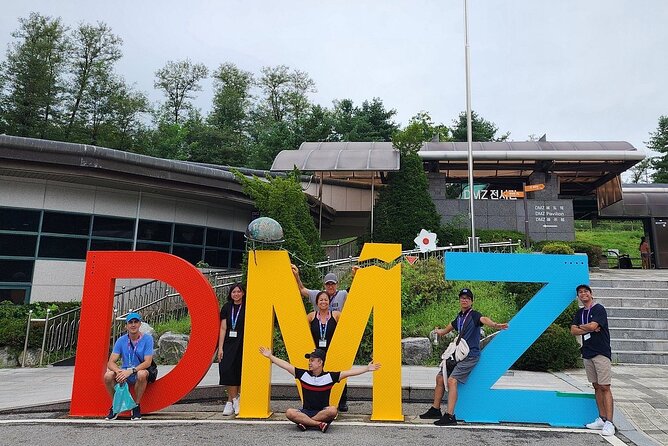
Two short memorial-style stops—Mangbaedan Memorial Altar (about 10 minutes) and Pyeonghwauijong Peace Bell (about 10 minutes)—give the day a different rhythm.
At Mangbaedan, the focus is honoring loved ones in North Korea, especially during holidays. The setting is described with ribbons and prayers, and incense is mentioned in the atmosphere. This is one of those stops where the details make the symbolism feel grounded.
Then you get the Peace Bell at Pyeonghwauijong, a 21-ton bronze bell cast in 2002. It’s tied to reunification and designed as a physical focal point. The bell’s deep sound is described as something you can feel through you.
Practical tip: these stops are short. If you want a photo, do it quickly and then shift your attention back to listening and reading signage.
Walk Past the Iron Horse and the Peace Bell Trail of Relics
You’ll also stop at the steam locomotive at Jangdan Station of the Gyeongui Line (about 10 minutes). This is part of the Iron Horse story again, using a preserved engine as a reminder of movement that stopped due to war.
After you’ve seen the tunnel and the border-observation sites, this feels almost gentle. It’s a break from strict lines and checkpoints, and it helps you remember this isn’t only about weapons—it’s about how trains, crossings, and daily routines got disrupted.
Unification Bridge Checkpoint: ID Verification Is Real
The itinerary includes a stop at the Unification Bridge military checkpoint (about 10 minutes). This is where the tour becomes more procedural.
Soldiers will inspect your bus, and you’ll get ID verification checks. Bring a passport, military ID card, or a South Korea-issued ARC. If you arrive with the wrong document, it can slow the whole process.
Also expect rules about behavior and movement. This isn’t a casual sightseeing stop. Follow your guide’s instructions the moment you receive them.
Imjin River Bus Views: Wildlife Time Between Serious Stops
There are segments where your bus glides over the Imjin River area and you’ll watch for birds and wildlife. That wildlife time matters because it gives you a breather between heavy locations.
In a day like this, a few calm minutes reset your brain. You’re also more likely to get decent photos here since it’s not always constrained by checkpoint restrictions.
The Third Tunnel: Where Walking Gets Hard Fast
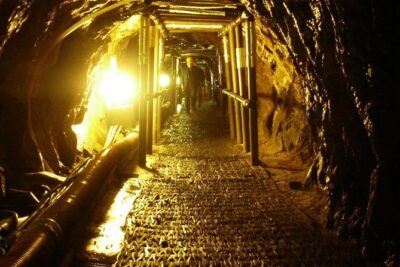
The Third Tunnel is one of the main highlights (about 30 minutes). It’s also described as the Third Infiltration Tunnel, located 12 km from Munsan and 52 km from Seoul.
The tunnel is the kind of stop that teaches you with your body, not just your eyes. Reviews tied to this stop often mention that the walking inside can be tight and that the return climb can be tough. If you have knee issues, expect the uphill walk back after you’ve been down inside.
One “watch your expectations” point: the time inside can feel short relative to the effort. You might spend most of your time walking up and down and then only get a limited window view, depending on how the site is operating that day. If tunnel walking is your priority, plan to treat it as the exercise portion of the day.
Dora Observatory: Telescope Views and the Closest Reality Check
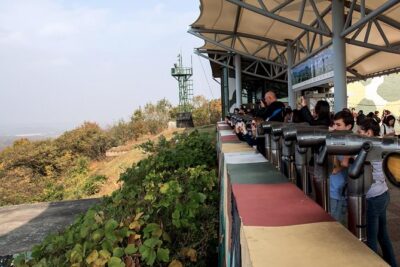
Next is Dora Observatory (about 30 minutes). It’s described as South Korea’s closest view of North Korea, positioned on Dorasan and operating as a rebuilt site in 2018, with an observatory established in 1986.
If you want a clear “this is what seeing across the border feels like” moment, this is it. You’re at an observation point built for distance viewing, not just photography backdrops.
Photo and visibility rules can vary. If the day is foggy, you may see less. Your guide can help you understand how to look and when to focus your gaze. Also, your route can include reminders about when photos are allowed, since borders are sensitive.
Tongilchon-gil Unification Village: Quiet Break After the Tension
You’ll have a stop at Tongilchon-gil (about 20 minutes), described as a peaceful village just beyond the DMZ’s Civilian Control Line. It’s tied to agriculture and includes mention of Jangdan soybean.
This stop works as a decompress zone. Instead of tunnels and checkpoints, you get a small slice of civilian life close to the border restrictions. It’s also one of the places where you might find small North Korea-themed items sold at the observatory stop area earlier in the day (the itinerary notes buying North Korean products at Mount Odu Unification Observatory).
Keep your pace here steady. The group moves quickly on DMZ days, so don’t treat it as free time to completely disconnect.
Suspension Bridges: Gamaksan Chulleong and Majang Lake Options
Your title includes “suspension bridge,” and the itinerary lists options such as:
- Gamaksan Chulleong Bridge (about 1 hour): described as 150 meters long and 1.5 meters wide, built in 2018 near the DMZ to honor Korean War heroes. It’s stated to hold up to 900 adults.
- Majang Lake (about 1 hour): described as a 220-meter suspension bridge over a reservoir turned into an urban oasis from a farm site. You’ll cross over dazzling water and feel the bridge bounce.
These are not just “fun photo moments.” They’re a good contrast to the border heaviness. The crossings also give you a chance to feel the wind and view the area without strict checkpoint rules that sometimes limit North Korea photos.
If you’re afraid of heights, decide early. The bridge width is listed as narrow for Gamaksan, so it’s a factor.
Fitness and Photo Reality Check: The Two Things You Must Plan For
This itinerary is doable for most people, but it’s not a sit-and-go tour. Expect walking in limited space inside the tunnel. Expect uphill sections. One key review point was that the longer uphill walks were not highlighted enough for mobility concerns, and there weren’t disability options noted beyond the standard route.
Also plan for photos. One review notes that you can’t take pictures of North Korea in certain areas due to government policy. That’s not something you can outsmart. If your guide says stop shooting, stop shooting.
My best advice: pack comfortable shoes with good grip, wear layers for wind, and keep your phone ready but obedient. You’ll get enough moments that are allowed—especially at the gondola, bridges, and observatory viewpoints.
Price and Value: Why $35 Can Still Make Sense
At $35 per person, this tour is a lot of structured access for one day. You’re paying for round-trip transportation, an air-conditioned vehicle, a guided program, and all fees and taxes. The itinerary includes multiple paid sights like the tunnel, Dora Observatory, and other memorial sites.
Where the value doesn’t fully cover everything is meals. Lunch is not included, so you’ll need to budget for food. Also, optional activities like the gondola and suspension bridges may affect your final spend depending on what you choose on the day.
If you want a budget-friendly DMZ day that hits many major sites in one shot, this fits. If you’re the type who wants slow museum time and long pauses at each stop, you may find the pace a bit intense.
Should You Book This DMZ Tour From Seoul?
Book it if you want a first-timer-friendly DMZ day with clear guidance, a chance to ride the Peace Gondola option, and major stops like the Third Tunnel and Dora Observatory in one schedule. It’s also a good pick for families who can handle moderate walking and can follow strict on-site rules.
Skip it or choose another format if you have limited mobility. The day includes uphill walking, tunnel walking in tight space, and a schedule that keeps moving. Also, if you’re hoping for unrestricted North Korea photography, set that expectation low right now—photo rules can restrict what you can capture.
FAQ
How much does the Ultimate Korea DMZ Tour cost, and how long is it?
It costs $35.00 per person and runs about 7 hours 30 minutes.
Where do I meet the tour in Seoul?
You can meet at Myeongdong Subway Station (Exit 9), Seoul City Hall Subway Station (Exit 6), or Hongdae Subway Station (Exit 3).
Is the ticket mobile?
Yes. The tour uses a mobile ticket.
What’s included in the price?
The tour includes round-trip transportation by air-conditioned vehicle, all fees and taxes, and a tour guide.
Is lunch included?
No. Lunch is listed as not included.
Do I need a passport or ID for the military checkpoint?
Yes. At the Unification Bridge military checkpoint, you’ll go through ID verification checks. Bring a passport, military ID card, or a South Korea-issued ARC.
Is the gondola ride and suspension bridge part optional?
The Paju Imjingak Peace Gondola is listed as optional, and suspension bridge stops like Gamaksan Chulleong Bridge and Majang Lake are also listed as optional.
Is free cancellation available?
Yes. Free cancellation is available up to 24 hours in advance for a full refund.
More Tours in Seoul
- Best DMZ Tour Korea from Seoul (Red Suspension Bridge Optional)★ 5.0 · 41,422 reviews
- DMZ Tour: 3rd Tunnel, Option(Suspension Bridge, Boat) from Seoul★ 5.0 · 21,373 reviews
- DMZ tour south Korea from Seoul (NK experience hall, defector)★ 5.0 · 20,599 reviews
- Seoul: DMZ Tour with Optional Suspension Bridge★ 4.8 · 5,277 reviews
- Seoul: DMZ The 3rd Tunnel and Suspension Bridge Tour★ 5.0 · 4,656 reviews
More Tour Reviews in Seoul
- Best DMZ Tour Korea from Seoul (Red Suspension Bridge Optional)★ 5.0 · 41,422 reviews
- DMZ Tour: 3rd Tunnel, Option(Suspension Bridge, Boat) from Seoul★ 5.0 · 21,373 reviews
- DMZ tour south Korea from Seoul (NK experience hall, defector)★ 5.0 · 20,599 reviews
- Seoul: DMZ Tour with Optional Suspension Bridge★ 4.8 · 5,277 reviews
- Seoul: DMZ The 3rd Tunnel and Suspension Bridge Tour★ 5.0 · 4,656 reviews
The DMZ & the Border, More Routes
- Best DMZ Tour Korea from Seoul (Red Suspension Bridge Optional)★ 5.0 · 41,422 reviews
- DMZ Tour: 3rd Tunnel, Option(Suspension Bridge, Boat) from Seoul★ 5.0 · 21,373 reviews
- DMZ tour south Korea from Seoul (NK experience hall, defector)★ 5.0 · 20,599 reviews
- Seoul: DMZ Tour with Optional Suspension Bridge★ 4.8 · 5,277 reviews
- Seoul: DMZ The 3rd Tunnel and Suspension Bridge Tour★ 5.0 · 4,656 reviews
Just added to Exploring Seoul

DMZ Day Tours, compared.
 ★ 5.0DMZ Tour: 3rd Tunnel, Option(Suspension Bridge, Boat) from SeoulFrom $3521,373 reviews
 ★ 5.0DMZ tour south Korea from Seoul (NK experience hall, defector)From $2620,599 reviews
 ★ 4.8DMZ Tour with Optional Suspension BridgeFrom $455,277 reviews
 ★ 5.0DMZ The 3rd Tunnel and Suspension Bridge TourFrom $654,656 reviews
 ★ 5.0Signature DMZ Tour: Exclusive Defector Talk & Suspension BridgeFrom $274,459 reviews
 ★ 5.0Thrilling Korean DMZ 3rd Tunnel Tour from Seoul + Red Bridge RushFrom $353,097 reviews
 ★ 4.9DMZ Tour & Suspension Bridge (Option English/Spanish)From $352,628 reviews
 ★ 5.0DMZ Past and Present: Korean Demilitarized Zone Tour from SeoulFrom $372,481 reviews
Browse the lists this tour appears in