
Reviewed · KOREAN FOOD & MARKET TOURS
Seoul: Authentic Korean Cooking Class and Market Tour
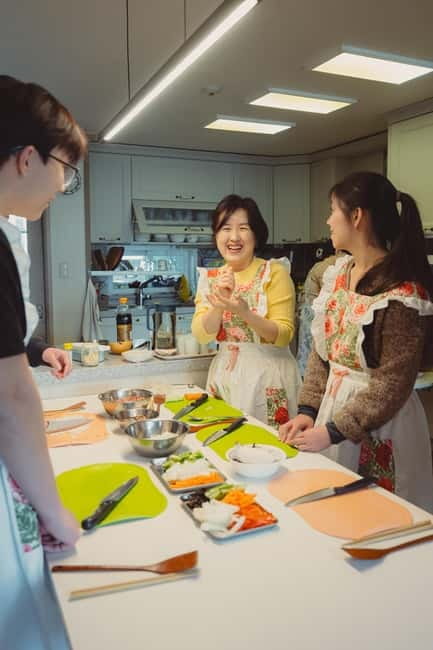
Cooking in Seoul beats another museum day. This market-to-home class is a real-feel day of Korean food, from shopping for ingredients to cooking in a traditional house. I love two things most: the hands-on cooking where you choose what you make, and the warm, lived-in setting where you eat lunch and then finish with dessert and tea. One possible drawback: you start with a market walk, so comfortable shoes help, especially if you’re not used to uneven stalls and crowds.
The details matter here. You meet inside Sillim Station (line 2, station number 230) at 10:30am, right in the station near Cafe Mignon, so you’re not hunting around Seoul streets right at the start. It’s also a small group capped at 4, which means more hands-on attention and fewer awkward moments waiting your turn.
At $69 per person for about 3.5 hours, it’s not a cheap “just watch” class. But you’re paying for the full package: market guidance, cooking time in a family-style home, homemade lunch, a Korean dessert you make yourself, and a tea-time wind-down in a room full of hand-embroidered work.
In This Review
- Key things that make this Seoul class worth your time
- Finding the group at Sillim Station (and why it’s easier than it sounds)
- The market tour: seasonal ingredients and real shopping skills
- Cooking in a Korean home with hand-embroidered rooms
- What you’ll actually cook (and how to choose dishes)
- Homemade lunch: the payoff of cooking, not watching
- Korean dessert making and tea-time in an embroidery-filled room
- Price and time: is $69 really fair for what you get?
- Who this Seoul class suits best (and who should think twice)
- Should you book this cooking class?
- FAQ
- Where is the meeting point?
- What subway line and station number is Sillim?
- How long does the experience last?
- How much does it cost?
- Is the class group size small?
- What language is used by the host?
- What kinds of dishes can I cook?
- Is lunch included?
- Is there dessert and tea-time?
- Is the experience wheelchair accessible and can I cancel?
Key things that make this Seoul class worth your time
- Meet at Sillim Station and start inside the station with clear landmarks like Cafe Mignon and the Sobaan cooking sign
- Shop a traditional market together and learn what to buy, not just what to eat
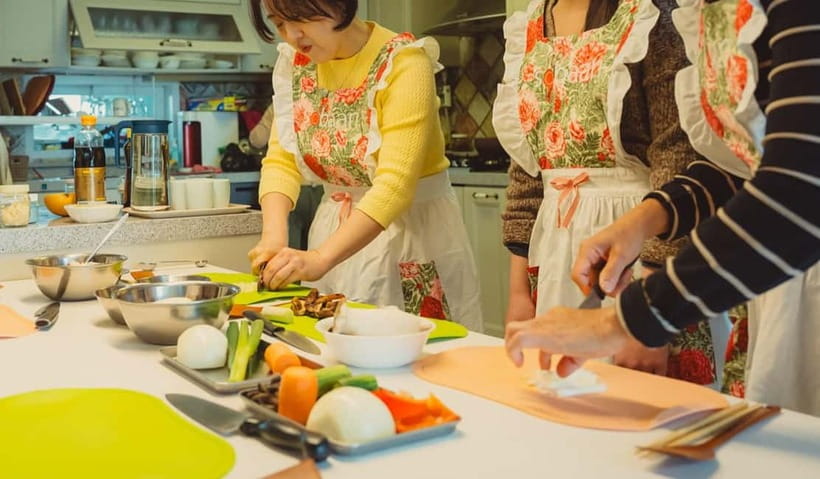
- Cook the dishes you actually want (examples include bulgogi, bibimbap, and kimchi pancakes)
- Eat a homemade lunch in the host home instead of a cafeteria-style stop
- Make a traditional Korean dessert and wrap up with tea-time in an embroidery-filled room
- Small group size up to 4 for a more personal pace and more cooking time
Still hungry? More Seoul market and street-food crawls
- Seoul: Gyeongbok Palace, Bukchon Village, and Gwangjang Tour★ 4.9 · 2,321 reviews
- Seoul Street Food Market Tour★ 5.0 · 1,226 reviews
- Seoul: Gyeongbok Palace, Bukchon Village, and Gwangjang Tour★ 5.0 · 1,044 reviews
- Local Home Korean Cooking Class & Market Adventure in Seoul★ 5.0 · 1,024 reviews
Finding the group at Sillim Station (and why it’s easier than it sounds)
I like tours that start clean and simple, and this one does. You meet at 10:30am inside Sillim Station (line 2, station number 230). After you enter through the ticket turnstiles, don’t head for an exit yet. Look for Cafe Mignon inside the station first, then meet right in front of it.
If you see someone holding the Sobaan cooking sign, that’s the host. This kind of “spot the sign, then you’re good” setup saves time and stress, which matters when you’re hungry and travel-tired.
The small-group size (limited to 4) changes the feel from the start. You’re not squeezed into a herd, and it’s easier to ask questions while you’re moving through the station and heading out.
The market tour: seasonal ingredients and real shopping skills
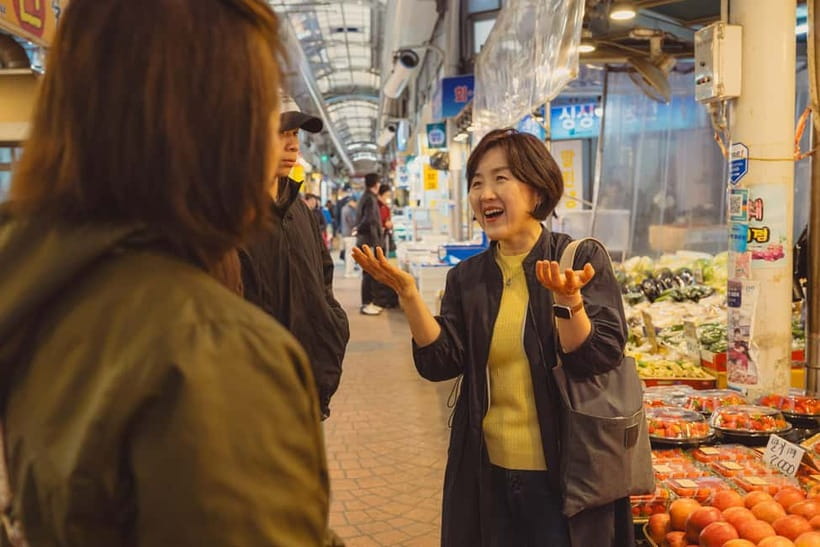
This experience begins with a guided walk through a local traditional market. You’ll get to browse seasonal ingredients and learn cultural stories tied to what Koreans cook and eat. That’s the difference between food tourism and food literacy.
I especially like the shopping part. You don’t just look at jars and produce. You learn what to pick up and how to choose authentic seasonings. The host helps you navigate the stalls like a local would—what to look for, what combinations make sense, and why certain items show up more in specific seasons.
In practice, you’ll walk the market together with the group, stopping at a handful of spots rather than sprinting past everything. You’ll also shop from local vendors as you go, so by the time you’re done, you understand what’s going into the meal you’ll cook later.
One practical note: markets are not silent museums. Expect smells, lots of sounds, and the need to keep moving with the group. If you’re the type who hates being in close quarters, you might find the market portion a little intense—but it’s also the part that makes the rest of the day meaningful.
Cooking in a Korean home with hand-embroidered rooms
Next you head to the cooking space: a Korean house filled with traditional hand-embroidered works. This is where the day shifts from public to personal. The setting matters, because you’re not cooking in a studio kitchen designed for classes. You’re cooking in a home environment, with the host showing you around first.
You’ll cook Korean dishes you choose. Popular examples include bulgogi, bibimbap, and kimchi pancakes—but the day is flexible based on what you’re interested in. That’s a big deal. If you love one type of dish more than the others, you can steer your menu instead of being locked into whatever the class owner decided months ago.
The pace feels unhurried in the best way. You’re not just assembling food; you’re learning what you’re doing and why. You also get more than one meal component, so the kitchen time doesn’t feel like a short demo with extra steps.
And yes, you’ll likely meet the host’s mother as part of the home welcome and atmosphere. It adds warmth and context, and it also makes the cooking feel more like learning inside a family routine than performing for a group.
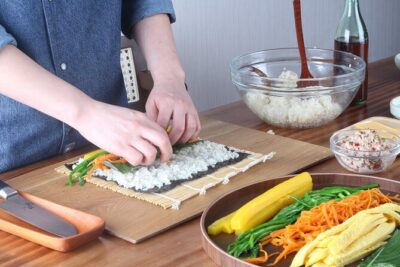
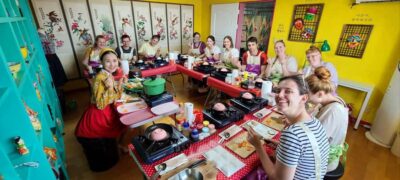
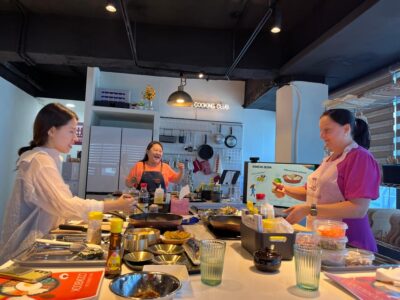
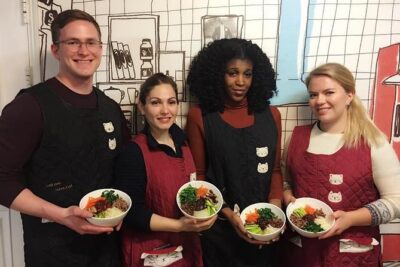
Roll up your sleeves in another Korean kitchen
What you’ll actually cook (and how to choose dishes)
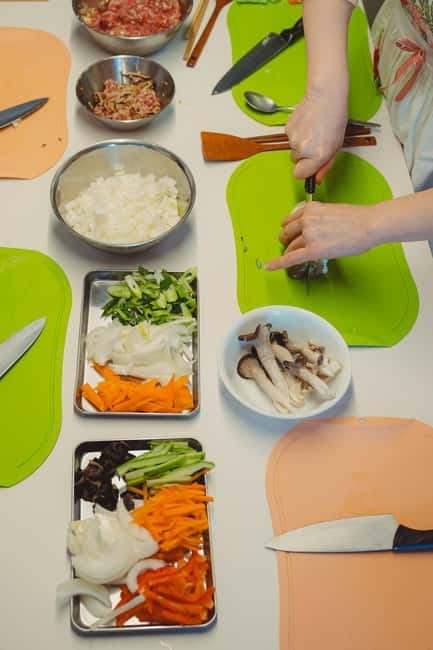
You’ll have input into what you make, and that helps you get more value from the class. If you’re new to Korean food, I’d suggest picking at least one dish that’s familiar enough to learn quickly and one dish that shows off Korean flavors more clearly.
Here are dish categories that make great sense for this kind of workshop:
- If you want something comforting and shareable, look toward a rice-based option like bibimbap.
- If you want classic savory-sweet Korean barbecue vibes, bulgogi is a natural choice.
- If you want a crunchy, fun-to-cook dish that highlights fermented flavors, kimchi pancakes work well.
The best part is that you’re not limited to only those examples. You can choose something else you’re curious about, as long as it fits what the host can guide that day. My advice: tell the host your comfort level with cooking (fast and simple vs. more hands-on), and you’ll end up with a menu that feels realistic.
Also, don’t assume the day will be all “one-bowl meals.” Korean cooking often has layered steps, and you’ll likely do enough active cooking that you’ll feel satisfied by the time you sit down to eat.
Homemade lunch: the payoff of cooking, not watching
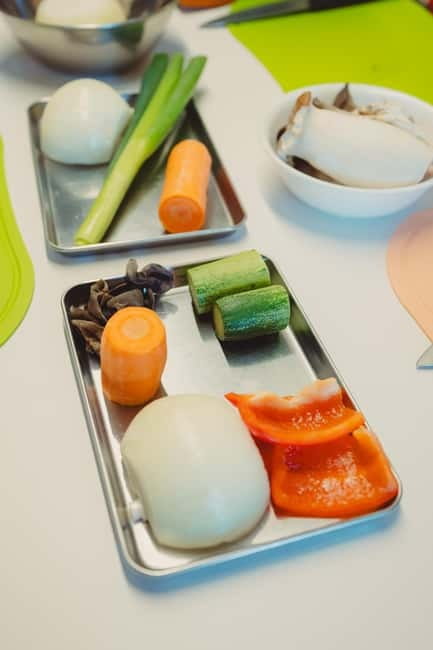
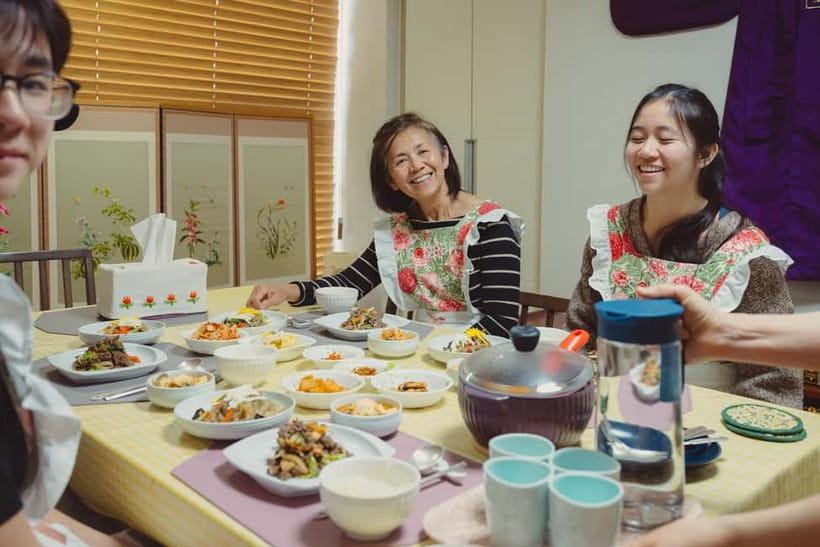
After cooking, you’ll enjoy a homemade Korean lunch in the house. This is one of those parts that sounds routine in a description, but in real life it’s the payoff.
By the time you eat, you’ve already shopped for ingredients and worked through the steps. That means every bite comes with context. You’ll taste the results of what you selected at the market, and you’ll understand which flavors come from which ingredient.
Lunch in a home setting also tends to be more relaxed than restaurant meals. You can ask questions while you eat, and nobody is rushing you out after a photo. For me, that’s where the class becomes a real experience rather than a checklist activity.
If you’re worried about portion size, the day includes lunch plus dessert later, so the meal is meant to be satisfying but not overwhelming. Plan to arrive hungry, not full from a huge breakfast.
Korean dessert making and tea-time in an embroidery-filled room
Then comes dessert—and it’s not an add-on you’ll forget. You’ll make a traditional Korean dessert together, which turns the class into a full arc: savory cooking first, then something sweet to finish.
After the dessert, you enjoy tea-time in the embroidery-filled room. This part is honestly a gift to your day. Cooking can be active, and taking the time to sit, sip tea, and eat the dessert you made keeps the experience from turning into a nonstop schedule.
The embroidery-filled space is more than decoration. It gives you a moment to slow down, notice details, and feel like you’re in someone’s world rather than a temporary classroom.
If you like food and also like calm breaks during travel, this ending is a strong reason to book.
Price and time: is $69 really fair for what you get?
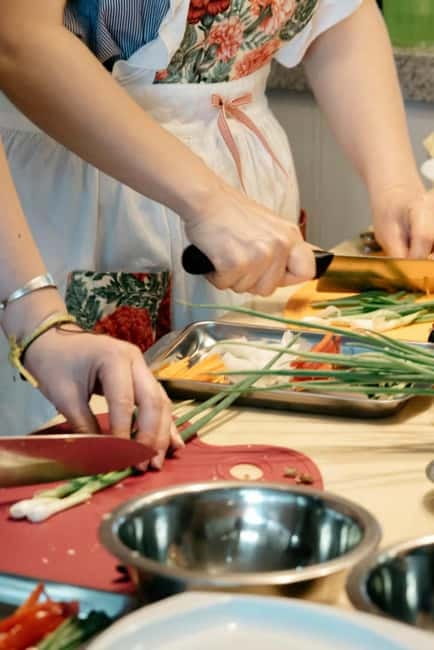
$69 per person for a 210-minute experience is a fair value when you look at the full set of inclusions. You’re not paying only for cooking lessons. You’re paying for:
- a guided local traditional market tour with ingredient guidance
- shopping for seasonal items and authentic seasonings
- cooking instruction in a Korean house
- homemade lunch
- making a traditional Korean dessert
- tea-time afterward in the embroidery room
- a small group setup limited to 4
When you compare that to many half-day classes that only cover one dish or happen entirely indoors, this one feels more complete. You also get the market skill-building, which is what makes the class useful again later—back at your hotel or at home, you’ll know what to look for and how to build flavor.
Timing-wise, it’s long enough to be satisfying, but short enough to fit into a normal day of Seoul sightseeing. It runs 210 minutes starting at 10:30am, so you’ll still have your afternoon to explore once you finish.
Who this Seoul class suits best (and who should think twice)
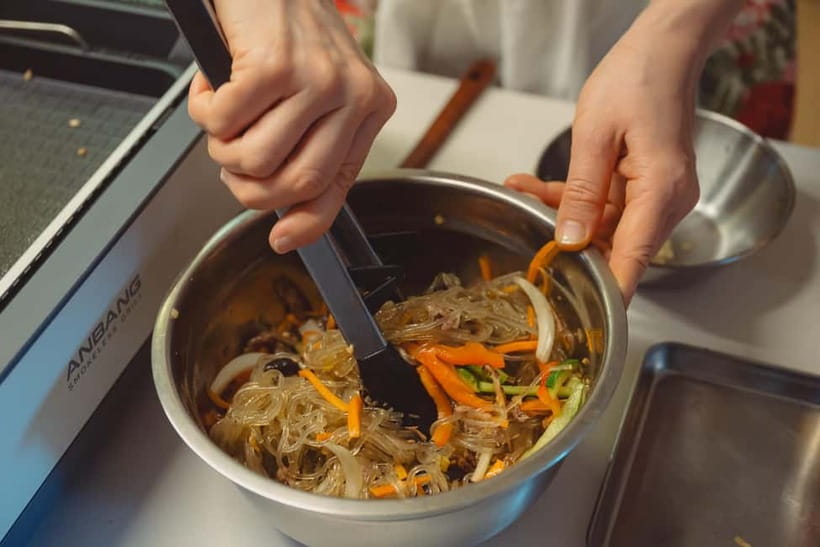
This is a great fit if you want Korean food in a way that feels real: buying ingredients in a local market, cooking in a family home, and eating what you make. It’s especially good for couples and small groups who want more interaction and fewer people blocking the work area.
It also helps that the host speaks English, so you’re not forced into guesswork. And since it’s designed as a small group, you’ll have more chances to ask questions while you’re shopping and cooking.
The one group I’d gently steer away from are people who hate market walking or don’t like being on their feet before sitting down. The market portion sets the tone for the whole day, and if you’d rather jump straight to cooking, you might find the start less appealing.
Should you book this cooking class?
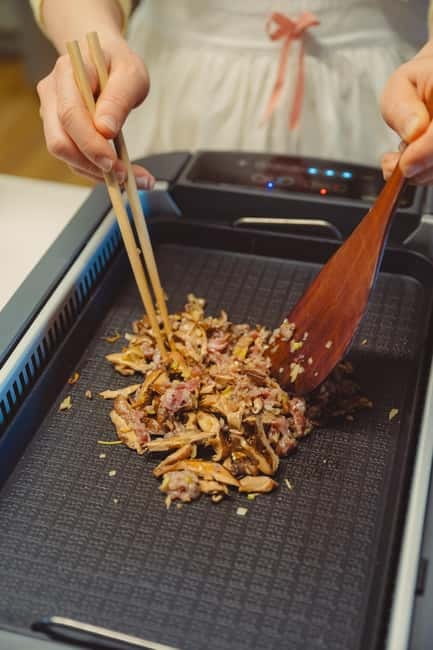
If you want a Seoul food experience that’s more than a meal, I think this is a smart booking. The blend of market shopping, home cooking, and an actual dessert-and-tea finish gives you a full cultural day, not just a single activity.
I’d book it if:
- you like learning how to choose ingredients, not only following recipes
- you want to cook dishes you pick
- you value a small group and a relaxed pace
I’d think twice if:
- you need fully accessible, step-free comfort from minute one (the experience is listed as wheelchair accessible, but markets can still be physically tricky)
- you want zero walking and a more purely indoor schedule
If that sounds like you, lock it in and plan for a delicious day that ends with sugar and tea in a room where everything is made by hand.
FAQ
Where is the meeting point?
You meet inside Sillim Station at 10:30am. Go in through the ticket turnstiles, look for Cafe Mignon inside the station, and meet right in front of it.
What subway line and station number is Sillim?
The meeting point is at Sillim Station, station number 230 on Subway Line 2.
How long does the experience last?
The duration is 210 minutes.
How much does it cost?
It costs $69 per person.
Is the class group size small?
Yes. The group is limited to 4 participants.
What language is used by the host?
The host greeter uses English.
What kinds of dishes can I cook?
You cook Korean dishes you choose, such as bulgogi, bibimbap, kimchi pancakes, or another option you are curious about.
Is lunch included?
Yes. You’ll enjoy a homemade Korean lunch.
Is there dessert and tea-time?
Yes. You’ll make a traditional Korean dessert and have tea-time in the embroidery-filled room.
Is the experience wheelchair accessible and can I cancel?
It is listed as wheelchair accessible. Cancellation is free up to 24 hours in advance for a full refund.
More Tour Reviews in Seoul
- Best DMZ Tour Korea from Seoul (Red Suspension Bridge Optional)★ 5.0 · 41,422 reviews
- DMZ Tour: 3rd Tunnel, Option(Suspension Bridge, Boat) from Seoul★ 5.0 · 21,373 reviews
- DMZ tour south Korea from Seoul (NK experience hall, defector)★ 5.0 · 20,599 reviews
- Seoul: DMZ Tour with Optional Suspension Bridge★ 4.8 · 5,277 reviews
- Seoul: DMZ The 3rd Tunnel and Suspension Bridge Tour★ 5.0 · 4,656 reviews
Back in the Korean Kitchen
- Local Home Korean Cooking Class & Market Adventure in Seoul★ 5.0 · 1,024 reviews
- Master Korean traditional cooking with a Kimchi chef★ 5.0 · 385 reviews
- Seoul: Korean Cooking Class at a Local Home and Market Tour★ 5.0 · 348 reviews
- Seoul: Korean Cooking at Seoul Cooking Club!★ 5.0 · 311 reviews
- Cook 3 Authentic Korean Dishes with Local Market Tour★ 5.0 · 231 reviews
Eat Your Way Further Through Seoul
- Seoul: Gyeongbok Palace, Bukchon Village, and Gwangjang Tour★ 4.9 · 2,321 reviews
- Seoul Street Food Market Tour★ 5.0 · 1,226 reviews
- Seoul: Gyeongbok Palace, Bukchon Village, and Gwangjang Tour★ 5.0 · 1,044 reviews
- Local Home Korean Cooking Class & Market Adventure in Seoul★ 5.0 · 1,024 reviews
- Seoul: Night Market Food Tour with Local Guide★ 4.9 · 943 reviews
Just added to Exploring Seoul



Korean Food & Market Tours, compared.
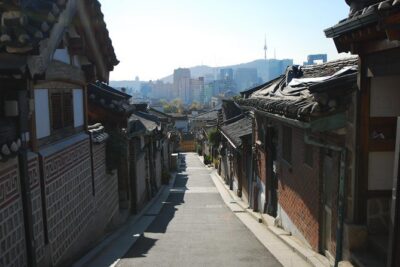 ★ 4.9Gyeongbok Palace, Bukchon Village, and Gwangjang TourFrom $322,321 reviews
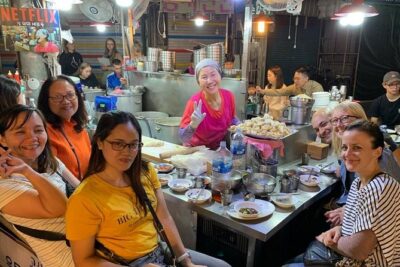 ★ 5.0Seoul Street Food Market TourFrom $731,226 reviews
★ 5.0Gyeongbok Palace, Bukchon Village, and Gwangjang TourFrom $321,044 reviews
★ 5.0Seoul Street Food Market TourFrom $731,226 reviews
★ 5.0Gyeongbok Palace, Bukchon Village, and Gwangjang TourFrom $321,044 reviews
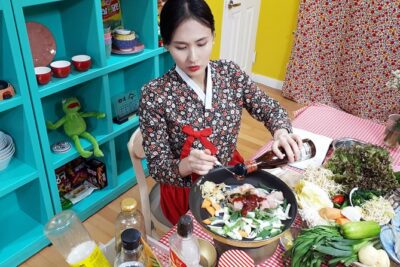 ★ 5.0Local Home Korean Cooking Class & Market Adventure in SeoulFrom $911,024 reviews
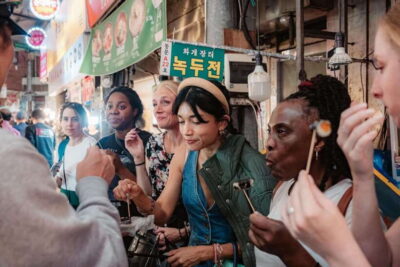 ★ 4.9Night Market Food Tour with Local GuideFrom $73943 reviews
 ★ 4.9Palace, Temple and Market Guided Foodie Tour at NightFrom $60750 reviews
 ★ 5.0Downtown Seoul Guided Food & Market Tour with 8+ Local TastingsFrom $98580 reviews
 ★ 5.0Drinking and Eating through the Alleys of SeoulFrom $85364 reviews
Browse the lists this tour appears in