
Reviewed · BUKCHON HANOK VILLAGE TOURS
Private Jeonju Hanok Village – Culinary tour
Jeonju feels like another world. This private day trip takes you out of Seoul early, then strings together Hanok architecture, market life, and classic Jeonju food at a relaxed pace. I like that it’s truly private (your group only) and that the guide can tailor the stops to your questions, not just run a script.
Two standouts for me: the Hanok Village details (especially ondol heated floors and the roof edge shape), and the focus on food culture through Nambu Market and Jeonju staples like bibimbap. One consideration: it’s a long day with a lot of driving, so you’ll want to plan for the early start and bring the mindset for a full 8–10 hours.
In This Review
- Key highlights worth planning for
- A private Jeonju day feels like a real reset from Seoul
- 7:00 am pickup and the long-drive reality (so you can enjoy it)
- Jeonju Hanok Village: raised roof edges and ondol heated floors
- Nambu Market: the everyday saying and the food rhythm
- Gyeonggijeon Shrine: Yi dynasty memorial portraits you can actually understand
- Jeondong Catholic Church: a quick stop that adds variety
- The food plan: bibimbap, hanjeongsik, and what you should budget
- Price and value: what $300 per person buys you in real terms
- What to watch for during the 8–10 hour itinerary
- Who should book this Jeonju culinary private tour
- Should you book this Private Jeonju Hanok Village culinary tour?
- FAQ
- How long is the Private Jeonju Hanok Village culinary tour?
- What stops are included during the day?
- Is hotel pickup and drop-off included?
- Is lunch or bibimbap included in the tour price?
- Can I request a vegetarian option?
- What is the cancellation policy?
Key highlights worth planning for
- Ondol-underfloor heating: you’ll learn how Hanok homes stay warm
- Two Nambu Market stops: browse first, then zero in on bean sprout soup
- Royal portrait museum at Gyeonggijeon Shrine: Yi dynasty memorial displays
- Short cultural break at Jeondong Catholic Church: quick but memorable
- Private van + hotel pickup/drop-off: you lose less time to logistics
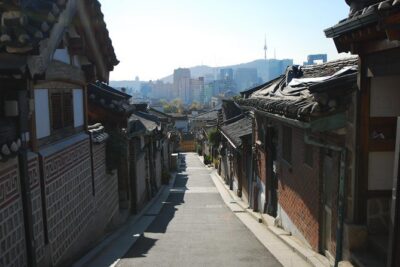
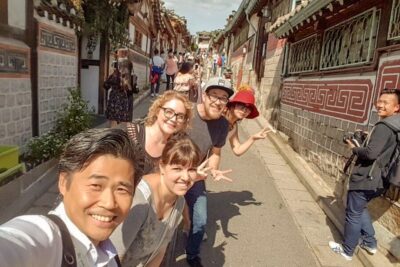
More hanok lanes and rooftops around Bukchon
- Seoul: Gyeongbok Palace, Bukchon Village, and Gwangjang Tour★ 4.9 · 2,321 reviews
- Seoul City Sightseeing Tour Including Gyeongbokgung Palace, N Seoul Tower, and Namsangol Hanok Village★ 5.0 · 1,423 reviews
- Seoul: Gyeongbok Palace, Bukchon Village, and Gwangjang Tour★ 5.0 · 1,044 reviews
- Seoul: Gyeongbok Palace and Bukchon Hanok Walking Tour★ 4.8 · 157 reviews
A private Jeonju day feels like a real reset from Seoul
Seoul can wear you out fast—noise, crowds, constant movement. This tour helps you trade that energy for a slower, more human rhythm. You start with a pickup and leave the city with a plan, so you’re not spending your morning figuring out buses, transfers, or where to eat.
The private format matters more than you might think. You’re not stuck watching your timing fall apart when someone needs a restroom or wants an extra minute to look closely at a building. With an English-speaking guide and your own vehicle, the day stays on track while still feeling personal.
And yes, the tour is built around food and culture, but it also gives you breathing room. Jeonju’s Hanok Village isn’t just a photo stop here; you get time to walk, look at details, and understand the logic behind what you’re seeing.
7:00 am pickup and the long-drive reality (so you can enjoy it)
Start time is 7:00 am, and the day stretches roughly 8 to 10 hours. That sounds fine on paper—until you remember Jeonju is not around the corner from Seoul. One common pattern on this route is a multi-hour drive each way, and traffic can slow things down during busy parts of the day.
Here’s how to make it work for you:
- Wear comfortable shoes. You’ll be on your feet at least through the Hanok village and market areas.
- Expect the day to feel full. Even with short site stops, total time adds up fast once you include travel.
- Bring your own snacks if you’re the type who gets hungry between meal moments. Snacks aren’t listed as included.
The good news: a strong guide can make the time pass smoothly by explaining what you’re about to see and how the culture connects—Seoul to Jeonju, markets to meals, and architecture to daily life.
Jeonju Hanok Village: raised roof edges and ondol heated floors
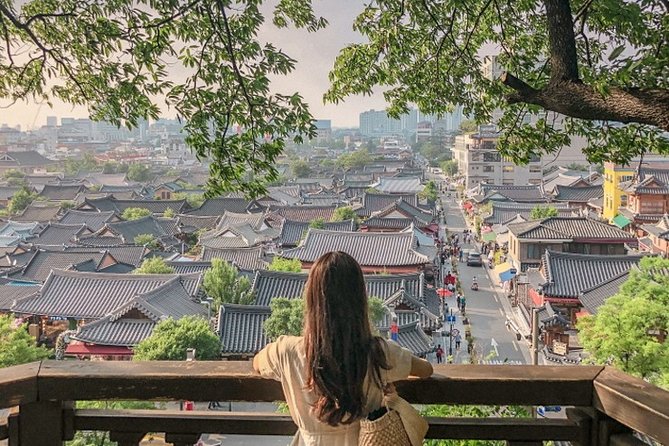
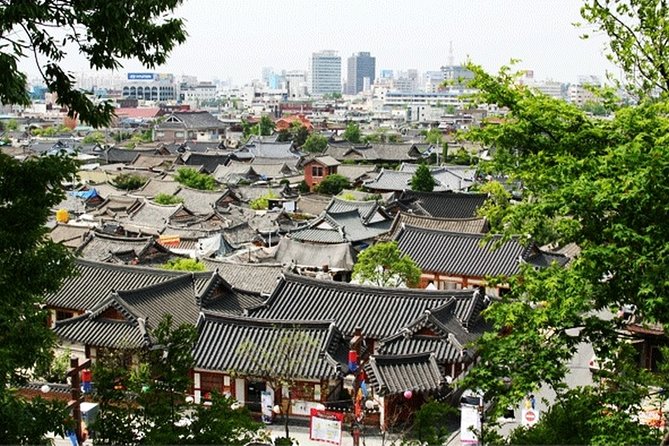
Jeonju Hanok Village is the main architectural reason to come. You get about 2 hours here, and admission is listed as free for this stop. The tour focus isn’t just scenic wandering. You’ll learn what makes these houses different from modern homes.
The two features I’d put at the top:
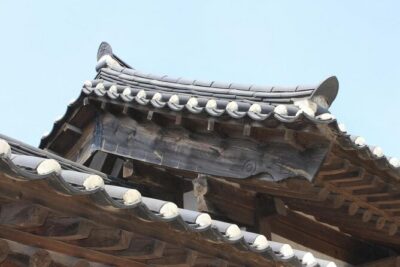
- The roof edges are slightly raised toward the sky. It’s a small visual detail, but once you notice it, you’ll start seeing it everywhere in the village.
- Hanok homes use ondol, a sub-floor heating system. Instead of radiators or vents, heat moves through spaces under the floor, changing how the home feels and how people live inside it.
Those points help you look past the surface. It’s easy to think of a Hanok as just a traditional style for tourists. With the ondol explanation, it becomes practical—this was a real way to keep homes warm, not just a decorative idea.
Possible drawback: 2 hours goes quickly in a place that’s visually detailed. If you love photos, you may want to pick a few “must look” angles (roofline, doorway details, and floor/warming concepts) so you don’t feel rushed or scattered.
More guide-to-yourself private days in Seoul
Nambu Market: the everyday saying and the food rhythm
Nambu Market is where Jeonju’s market life comes in. You visit it first for about 1 hour, with admission listed as free. There’s also a second, shorter stop later, about 30 minutes, again free—this time with extra attention on food, especially bean sprout soup.
Two things I like about how the tour handles Nambu:
- It treats the market like a place people actually shop and trade in—not just a street food stage.
- It connects local sayings and daily needs. There’s a saying tied to visiting Nambu Market that reflects how culturally important it is.
What you can expect to see and do:
- Browse stalls that sell everyday goods, not only snacks. The market sells items used in daily life like household goods, plus cloth and other practical items.
- Work up an appetite slowly. The first visit feels like orienting yourself to the place, while the later visit becomes more targeted.
The second Nambu stop is shorter but focused, and bean sprout soup is called out as famous here. If you’re the type who wants to taste one iconic dish and move on, this timing is ideal. If you want a wide sample of everything, you may find yourself wishing for more time—especially because snacks and some meals aren’t listed as included.
Gyeonggijeon Shrine: Yi dynasty memorial portraits you can actually understand
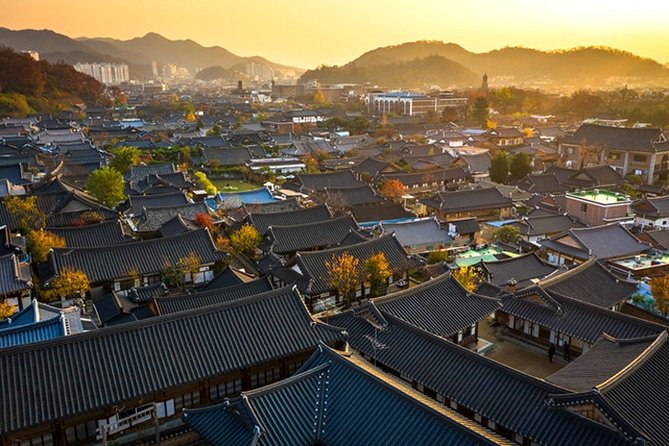
Next up is Gyeonggijeon Shrine, with about 1 hour on the schedule and admission listed as included. This is the stop that surprised me the most, because it’s not just a pretty shrine area. It includes history exhibits and a museum-style presentation with royal portraits.
The key theme is memorialization:
- You’ll see displays tied to the Yi family, including portraits and ancestor-related items connected with the Joseon Dynasty.
- The tour framing centers on royal portraits and memorial tablets, which makes the place feel less abstract than a generic monument.
If you’re someone who likes to understand the “why” behind traditions, this stop can click fast. You aren’t just walking by; you’re learning what the images represent and how memorial culture works in a Korean context.
Small practical note: this is a museum-style time commitment. If you’re visiting in hot weather, you might appreciate that this stop can still be comfortable compared to long stretches outside—though the tour includes other outdoor-heavy areas too.
Jeondong Catholic Church: a quick stop that adds variety
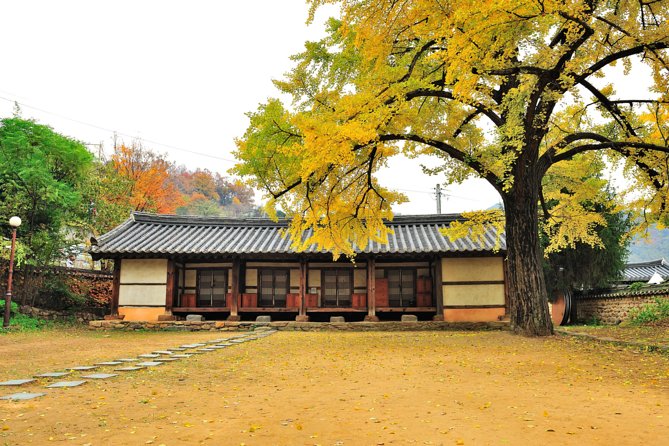
Jeondong Catholic Church is a short visit—about 10 minutes—and admission is listed as free. You’ll see it as one of the traditional Catholic churches in the area.
Because it’s brief, it’s best treated as contrast. The day already swings from architecture to markets to shrine exhibits. This stop adds a different layer of faith and history without turning into a second full museum day.
Possible drawback: if you’re hoping for a longer guided explanation or time to sit and absorb, you won’t get that here. But as a palate cleanser, it works.
The food plan: bibimbap, hanjeongsik, and what you should budget
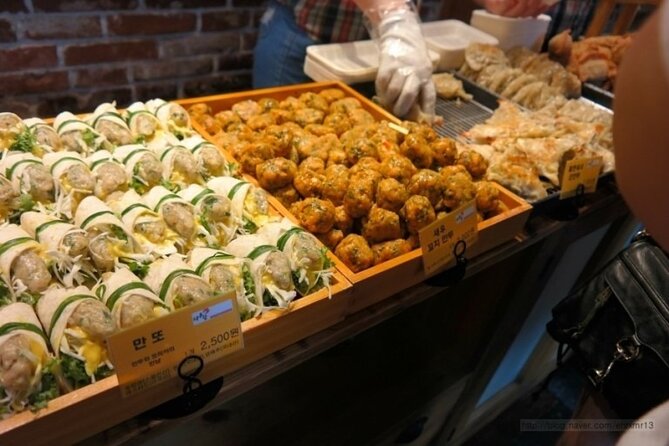
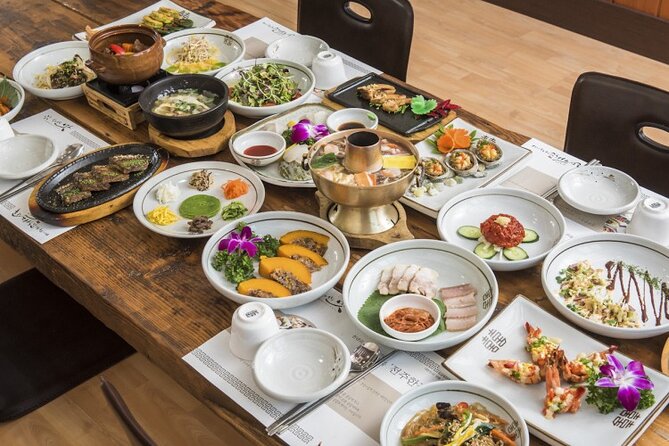
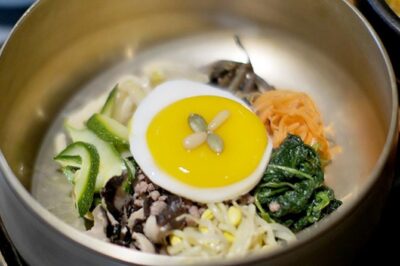
This tour is marketed as a culinary day, and the itinerary supports that. You’ll walk through market culture and you’ll hit places strongly connected to Jeonju food identity. Bibimbap is specifically referenced, and hanjeongsik (a set-style meal) is also mentioned as part of what you might eat.
Here’s the important part: snacks and the bigger meals are listed as not included. That means your $300 price covers the private transport, entrance fees for the stops, guide time, and vehicle cost—but not the lunches you’ll likely want to order.
In practice, what you likely do:
- You’ll have opportunities to buy snacks during market time.
- You’ll probably sit down for lunch and order something substantial like a rice-wine table, bibimbap, or a hanjeongsik-style meal.
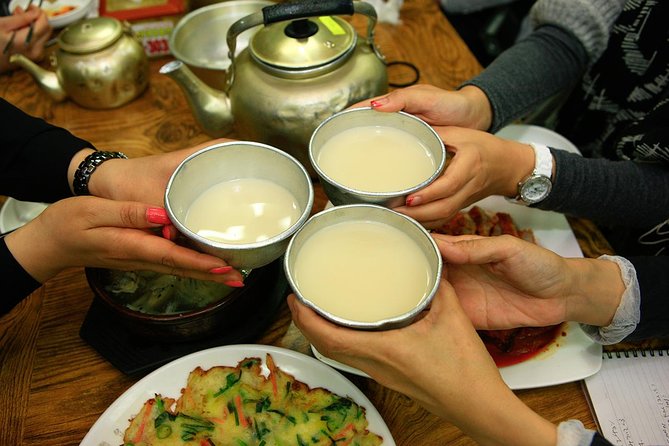
The experience can turn into a full-on food day. One guide named Andy was associated with a multi-course lunch described as a 15-course rice-wine meal, followed by local bibimbap. Another experience credited a guide named Jones with taking the group to a restaurant off the beaten path that was described as amazing. That’s the kind of value a good guide can bring: you’re less likely to land in a random tourist menu.
How to prepare:
- If you’re vegetarian, ask for the vegetarian option when you book.
- Plan on spending extra for lunch and any snacks you want. The tour will set you up, but it isn’t designed to cover every bite.
Price and value: what $300 per person buys you in real terms
At $300 per person, this is not a budget day trip. Still, it can make sense if you value time and want a smooth, guided experience rather than self-planning.
What’s included in the price:
- Private transportation
- Entrance fees
- An English-speaking guide
- Hotel pickup and drop-off
- Cost for the vehicle
So you’re paying for more than “a ride.” You’re paying for coordination, language support, and access to entry-covered sites without ticket hunting. You also avoid the hassle of assembling a day across multiple transit steps.
Where the price can be worth it most:
- If you’re traveling as a small group and want flexibility
- If you hate wasting time figuring out what to see and where to eat
- If you want the guide to connect architecture, markets, and shrine exhibits into one coherent story
Where to be honest with yourself:
- If you don’t care about guided context and you’re fine with building your own Jeonju schedule, you might spend less elsewhere. But you’ll likely give up the convenience of pickup, private transport, and an English-speaking guide.
Also, the tour is often booked about 81 days in advance on average. That doesn’t mean you can’t find a date later, but it’s a clue that planning ahead helps.
What to watch for during the 8–10 hour itinerary
This route moves, but it doesn’t feel frantic. Still, the timing means you’ll want to approach each stop efficiently.
A quick look at the stop rhythm:
- Hanok Village: about 2 hours
- Nambu Market: about 1 hour
- Gyeonggijeon Shrine: about 1 hour
- Nambu Market again: about 30 minutes
- Jeondong Catholic Church: about 10 minutes
The rest of your time is travel. That matters because traffic can affect arrival timing and how hungry you feel between food moments.
Practical mindset tips:
- If you’re the type who gets restless late in the day, keep expectations realistic. You’re leaving early and finishing late.
- If you’re food-focused, be ready to order lunch and potentially snacks yourself since they aren’t included.
- If you care about photos, plan to spend extra minutes at the Hanok roofline and in areas where the ondol concept is explained—those are the details the guide will likely highlight.
Who should book this Jeonju culinary private tour
I think this is a great fit for:
- Food lovers who want Jeonju’s culinary identity through markets and restaurant stops
- Travelers who enjoy cultural context, not just sightseeing
- English-speaking visitors who want the day handled end to end
- Couples or small groups who prefer private pacing over group bus days
- Vegetarians who want to flag dietary needs ahead of time
It may not be ideal if:
- You want a super light day with minimal driving
- You’re trying to keep spending tightly controlled beyond the tour price
- You don’t care about architecture or shrine museum-type content
Should you book this Private Jeonju Hanok Village culinary tour?
If you want a guided, low-stress day out of Seoul that centers Jeonju’s architecture and food culture, I’d say this is an easy “yes.” The value is in the private transport, pickup/drop-off, and the way the day ties together Hanok design, market life, and royal memorial culture.
Book it especially if you’re excited about Hanok details like ondol heating, and if you’re curious to eat in Jeonju-style rhythm rather than grabbing whatever is closest. Just remember the big extra cost is likely lunch and snacks, since those aren’t included in the base price.
If you can handle an early start and a long day of driving, you’ll come away feeling like you actually understood a slice of Korea most visitors miss.
FAQ
How long is the Private Jeonju Hanok Village culinary tour?
It runs about 8 to 10 hours, with a start time of 7:00 am.
What stops are included during the day?
You’ll visit Jeonju Hanok Village, Nambu Market, Gyeonggijeon Shrine, Nambu Market again, and Jeondong Catholic Church.
Is hotel pickup and drop-off included?
Yes. Complimentary hotel pickup and drop-off are included.
Is lunch or bibimbap included in the tour price?
Snacks are not included, and lunch plus a rice wine table, bibimbap, and hanjeongsik are listed as not included. You’ll likely pay for meals during the day.
Can I request a vegetarian option?
Yes. A vegetarian option is available—advise at the time of booking.
What is the cancellation policy?
Free cancellation is available up to 24 hours in advance for a full refund. If you cancel less than 24 hours before the experience’s start time, the amount paid won’t be refunded.
More Tours in Seoul
- Best DMZ Tour Korea from Seoul (Red Suspension Bridge Optional)★ 5.0 · 41,422 reviews
- DMZ Tour: 3rd Tunnel, Option(Suspension Bridge, Boat) from Seoul★ 5.0 · 21,373 reviews
- DMZ tour south Korea from Seoul (NK experience hall, defector)★ 5.0 · 20,599 reviews
- Seoul: DMZ Tour with Optional Suspension Bridge★ 4.8 · 5,277 reviews
- Seoul: DMZ The 3rd Tunnel and Suspension Bridge Tour★ 5.0 · 4,656 reviews
More Tour Reviews in Seoul
- Best DMZ Tour Korea from Seoul (Red Suspension Bridge Optional)★ 5.0 · 41,422 reviews
- DMZ Tour: 3rd Tunnel, Option(Suspension Bridge, Boat) from Seoul★ 5.0 · 21,373 reviews
- DMZ tour south Korea from Seoul (NK experience hall, defector)★ 5.0 · 20,599 reviews
- Seoul: DMZ Tour with Optional Suspension Bridge★ 4.8 · 5,277 reviews
- Seoul: DMZ The 3rd Tunnel and Suspension Bridge Tour★ 5.0 · 4,656 reviews
More Hanok Village Wandering
- Seoul: Gyeongbok Palace, Bukchon Village, and Gwangjang Tour★ 4.9 · 2,321 reviews
- Seoul City Sightseeing Tour Including Gyeongbokgung Palace, N Seoul Tower, and Namsangol Hanok Village★ 5.0 · 1,423 reviews
- Seoul: Gyeongbok Palace, Bukchon Village, and Gwangjang Tour★ 5.0 · 1,044 reviews
- Seoul: Gyeongbok Palace and Bukchon Hanok Walking Tour★ 4.8 · 157 reviews
- Best Walking Tour to Gyeongbok Palace Bukchon Hanok Village★ 5.0 · 138 reviews
Just added to Exploring Seoul
Bukchon Hanok Village Tours, compared.
 ★ 4.9Gyeongbok Palace, Bukchon Village, and Gwangjang TourFrom $322,321 reviews
 ★ 5.0Seoul City Sightseeing Tour Including Gyeongbokgung Palace, N Seoul Tower, and Namsangol Hanok VillageFrom $801,423 reviews
★ 5.0Gyeongbok Palace, Bukchon Village, and Gwangjang TourFrom $321,044 reviews
★ 5.0Seoul City Sightseeing Tour Including Gyeongbokgung Palace, N Seoul Tower, and Namsangol Hanok VillageFrom $801,423 reviews
★ 5.0Gyeongbok Palace, Bukchon Village, and Gwangjang TourFrom $321,044 reviews
 ★ 4.8Gyeongbok Palace and Bukchon Hanok Walking TourFrom $88157 reviews
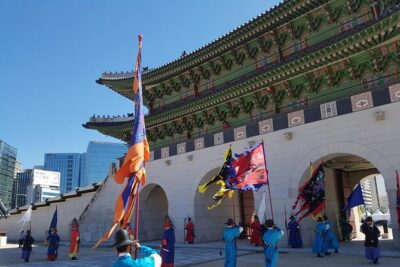 ★ 5.0Best Walking Tour to Gyeongbok Palace Bukchon Hanok VillageFrom $88138 reviews
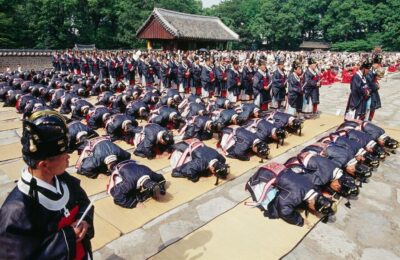 ★ 4.8UNESCO Sites tour: Palace, Shrine & Bukchon VillageFrom $3626 reviews
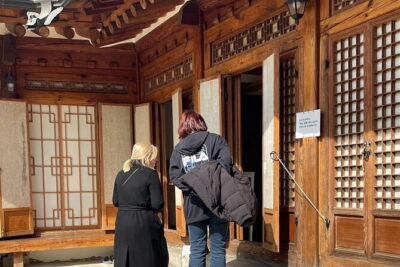 ★ 5.0Tour Seoul’s oldest district with a storyteller from BukchonFrom $3924 reviews
 ★ 4.5Seoul Morning Tour: Seoul Tower, Namsan Hanok Village, The War Memorial of KoreaFrom $6522 reviews
Browse the lists this tour appears in