
Reviewed · GYEONGBOKGUNG & PALACE TOURS
Seoul: UNESCO Sites tour: Palace, Shrine & Bukchon Village
UNESCO sites in one long day. That’s the draw here: you mix royal Seoul with a traditional neighborhood and then carry the story into Suwon. I like the way the tour guide explains the architecture and rituals in plain English, not vague facts. I also like the built-in rhythm: palace, shrine, hanok streets, then back out to more world-class heritage in Suwon.
One thing to plan around is the day-of-week switches. On Mondays, Changdeokgung is replaced by Gyeongbokgung, and on Tuesdays, the Jongmyo visit is replaced by Insadong Culture Street. If you have your heart set on one exact site, double-check the calendar.
The meeting point is easy to find in central Myeongdong (outside subway exit #10), and you’re back there near the end of the day. With entrance fees, a professional guide, and van transfer included in the price, it’s a strong value if you want a guided cultural day without doing the logistics yourself.
In This Review
- Key points worth knowing before you go
- How this UNESCO day moves from Myeongdong to Suwon
- Bukchon Hanok Village: hanok streets, cafés, and quick photo wins
- Jongmyo Royal Shrine: ancestral rites, spirits, and the Tuesday swap to Insadong
- Tuesday alternative: Insadong Culture Street
- Changdeokgung Palace Gardens (or Gyeongbokgung on Mondays): royal life you can read
- Monday alternative: Gyeongbokgung Palace
- Cheongha Korea Ginseng: an easy-to-understand culture stop
- Lunch timing: budget for food outside the tour price
- Suwon Hwaseong Fortress: UNESCO engineering beyond Seoul
- Hwaseong Haenggung Palace: a temporary royal residence
- Who this tour is best for (and who should skip it)
- Price and value: what $36 covers in practice
- Practical tips for a smoother day from Myeongdong
- Should you book this UNESCO Sites tour?
- FAQ
- What UNESCO sites does this tour include?
- Where do I meet, and what time does the tour start?
- Where does the tour end?
- What happens if I’m traveling on a Monday or Tuesday?
- Is lunch included in the tour price?
- What’s included in the $36 price?
- Is pickup included from my hotel?
- Is the tour available in bad weather?
Key points worth knowing before you go
- Bukchon Hanok Village first, so you start with real streets and photo-ready hanok architecture
- Jongmyo Royal Shrine (or Insadong on Tuesdays) adds a sense of ritual and tradition, not just buildings
- Changdeokgung Palace (or Gyeongbokgung on Mondays) brings you back to royal life through gardens and palace design
- Suwon Hwaseong Fortress adds UNESCO military engineering from the late 1700s, well beyond Seoul
- Lunch is timed but not included, so budget for food once the day is underway
- Guides like Stella, Park (Chloe), Leo, Heidi, and Orota get called out for clear English and helpful pacing
Keep walking the palaces of old Seoul
- Seoul: Gyeongbok Palace, Bukchon Village, and Gwangjang Tour★ 4.9 · 2,321 reviews
- Best Seoul City Tour (Gyeongbokgung Palace,Insadong,Namsan Tower)★ 5.0 · 1,647 reviews
- Small-Group Royal Palace and Seoul City Tour (hotel pick-up)★ 5.0 · 1,474 reviews
- Seoul City Sightseeing Tour Including Gyeongbokgung Palace, N Seoul Tower, and Namsangol Hanok Village★ 5.0 · 1,423 reviews
How this UNESCO day moves from Myeongdong to Suwon
This is a full-day tour built like a chain. You start at 8:30 am at the subway area in Myeongdong (outside exit #10), then you head out by van and come back to the same general area later. The pacing works best if you’re happy to walk a bit, look longer than you think you will, and let the guide connect the dots between sites.
The day is also designed to be readable, even if you don’t know Korean history yet. The guide’s job is to put names, dates, and cultural ideas into context as you move from place to place. That’s why people consistently mention friendly, engaging explanations and an ability to make the architecture and royal customs feel understandable.
Plan for weather because it runs rain or shine. Wear comfortable shoes and expect some time outdoors, especially around the hanok streets and palace grounds.
Bukchon Hanok Village: hanok streets, cafés, and quick photo wins
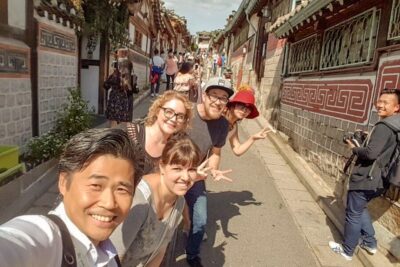
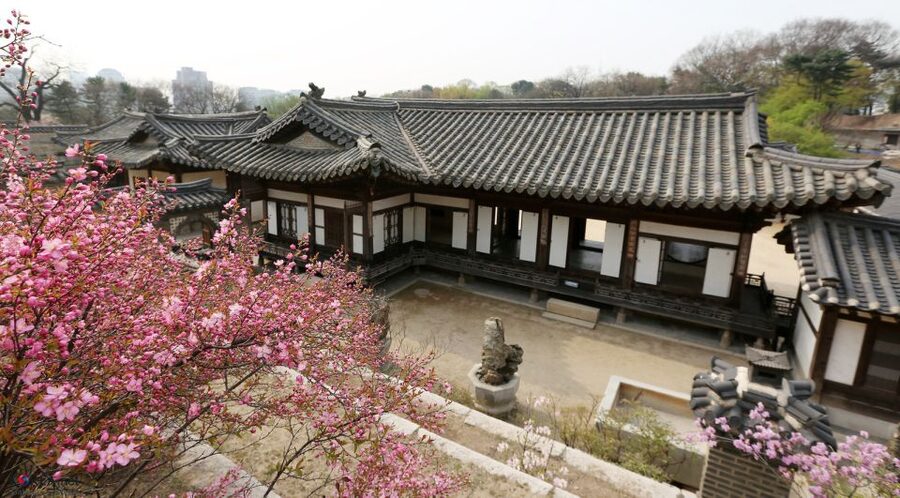
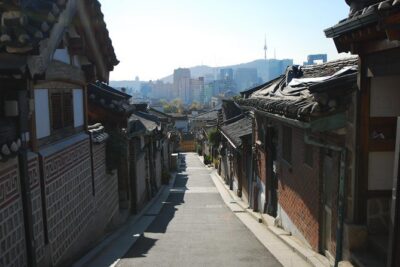
You begin in Bukchon Hanok Village, where traditional houses called hanok line up along old-style lanes. This is one of the best ways to kick off the day because it’s not only a “site.” It’s a lived-in neighborhood with many of those hanok buildings now used as cafés and cultural spaces.
What I like about starting here is the way it sets your visual expectations. Once you’ve seen how the roofs, courtyards, and narrow street layouts work in Bukchon, the rest of the day feels less like separate attractions and more like one cultural theme. Your guide can point out the design logic, so it’s easier to understand what you’re looking at instead of just taking photos and moving on.
Practical note: this is also where your camera behavior gets tested. If you care about architecture shots, go slow early. The lighting and angles can be easier to manage in the morning, and the streets tend to reward patience.
Jongmyo Royal Shrine: ancestral rites, spirits, and the Tuesday swap to Insadong
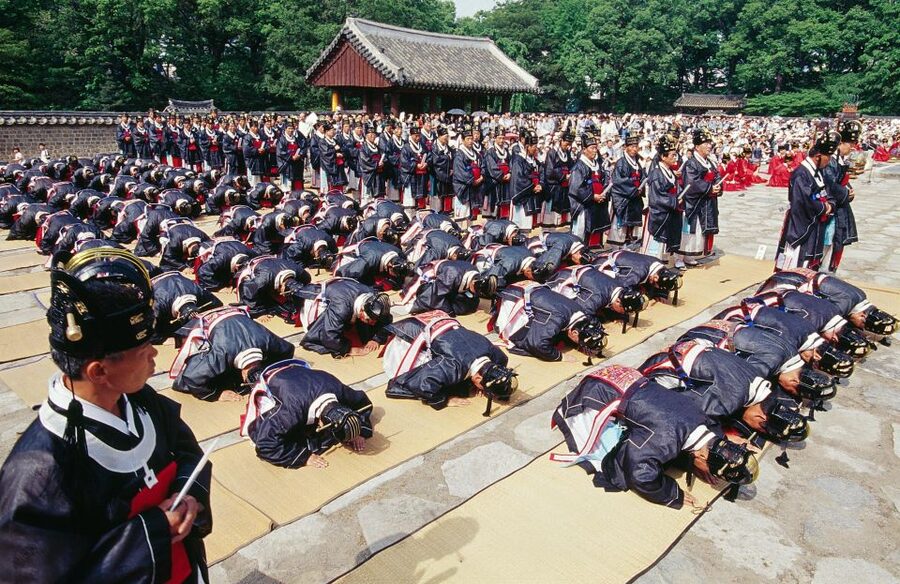
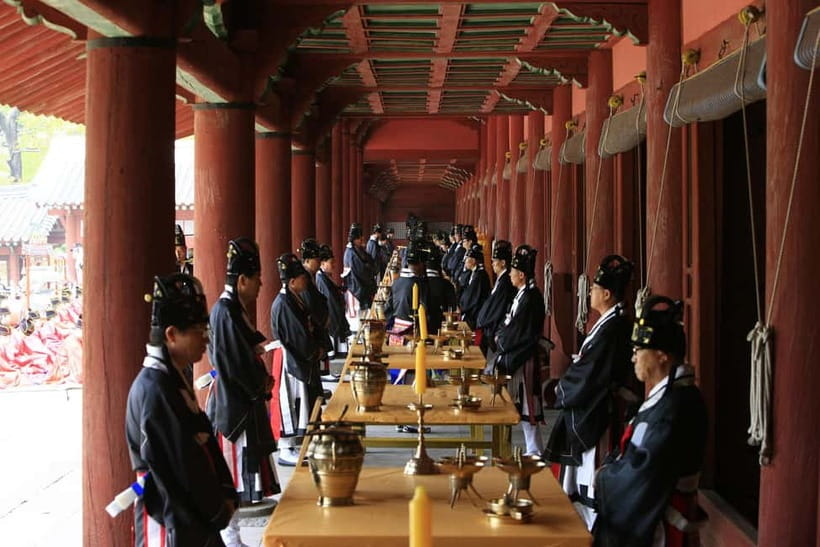
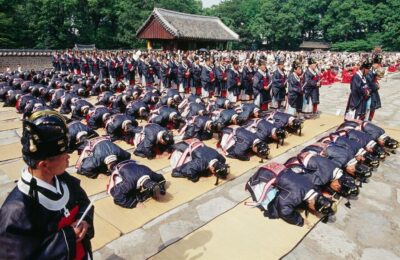
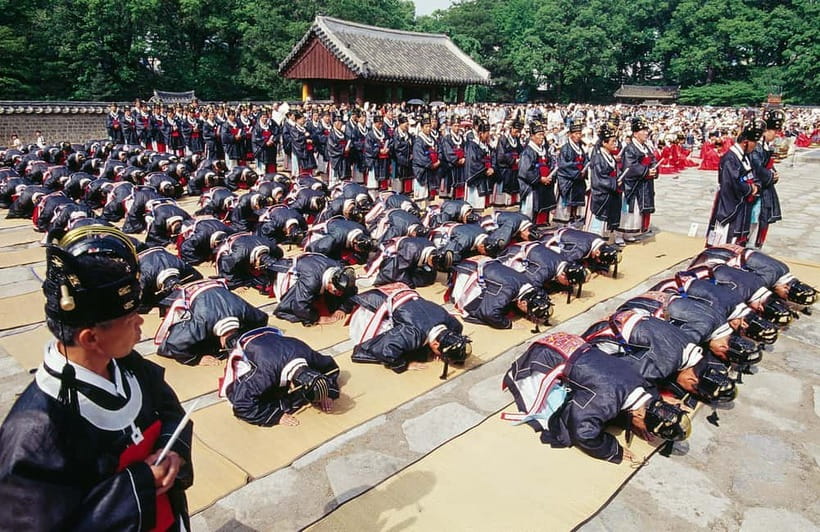
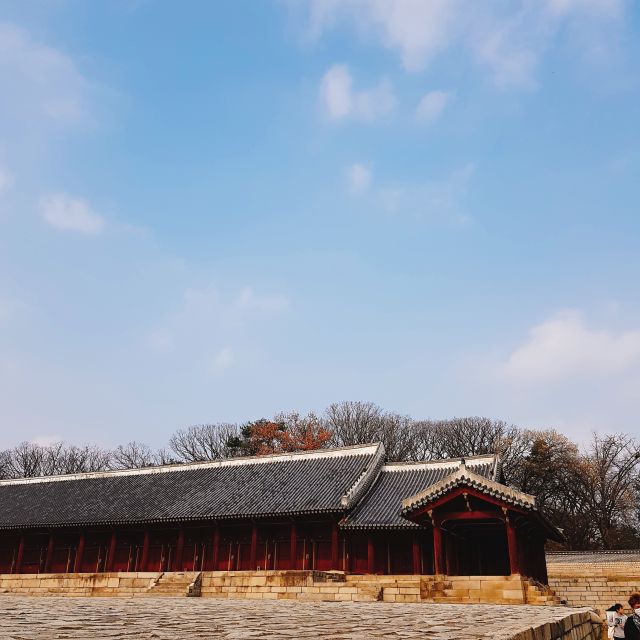
After Bukchon, you head to Jongmyo Royal Shrine, a UNESCO World Heritage Site tied to royal ancestral rites. The shrine was built nearly 600 years ago for commemorating past kings, and historically the reigning monarchs came here to pay respect to their predecessors.
This stop has a different emotional feel than palaces and streets. You’re not just seeing style and design; you’re learning about tradition—what this place meant, and why it was treated as sacred. The tour also mentions that Jongmyo sometimes hosts traditional memorial ceremonies and court music performances, which adds a sense that history isn’t frozen behind ropes.
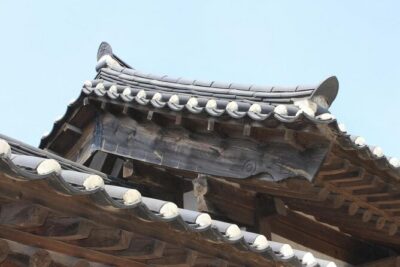
More hanok lanes and rooftops around Bukchon
Tuesday alternative: Insadong Culture Street
On Tuesdays, Jongmyo is closed for visits, so the tour swaps in Insadong Culture Street instead. You’ll find antique shops, galleries, and traditional tea-house style spots, all in an older-town atmosphere. It’s a good substitution if you want to keep the cultural theme going while trading ritual sites for the feel of day-to-day heritage shopping and strolling.
If you’re a stickler for one “must-see,” double-check whether your day is Monday, Tuesday, or neither. The tour is flexible, but your personal top priority should drive your planning.
Changdeokgung Palace Gardens (or Gyeongbokgung on Mondays): royal life you can read
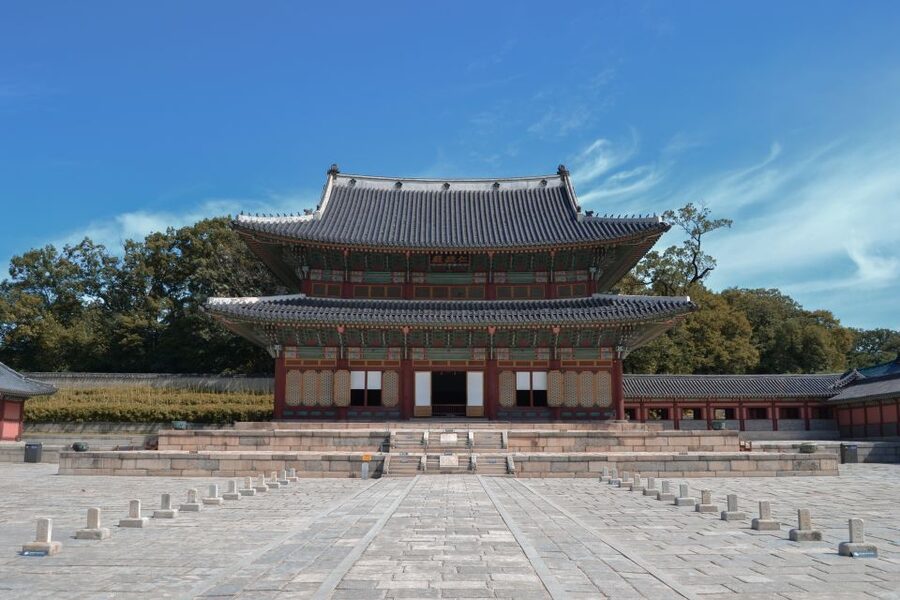
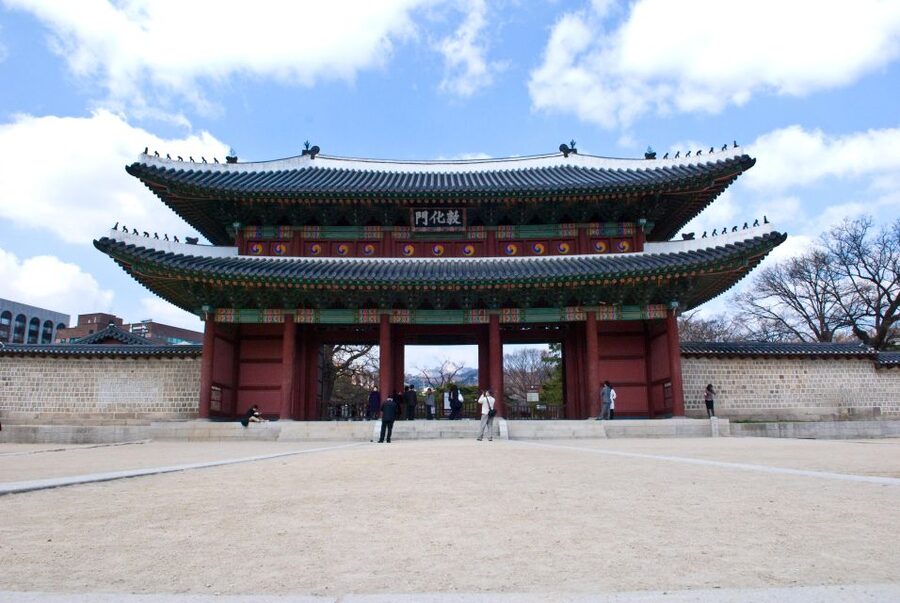
Next up is Changdeokgung Palace, another UNESCO World Heritage Site. The big takeaway is the sense of elegance tied to function—this was a royal residence, and the palace design and grounds reflect traditional Korean aesthetics.
You’re told to look not only at buildings but also at the carefully shaped landscape. Even if you’re not a formal architecture buff, the gardens help explain why palaces were designed the way they were. They weren’t just for looks; they supported how people lived, moved, and performed daily court life.
Monday alternative: Gyeongbokgung Palace
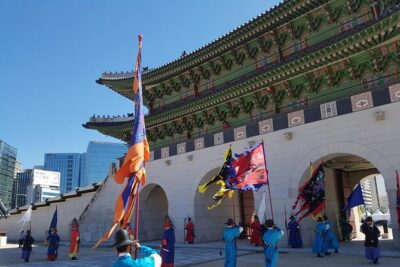
On Mondays, Changdeokgung is replaced by Gyeongbokgung Palace. If you’re the kind of traveler who likes to compare palaces side-by-side, a Monday date gives you a different royal context while keeping the day’s palace-and-shrine structure intact.
Cheongha Korea Ginseng: an easy-to-understand culture stop
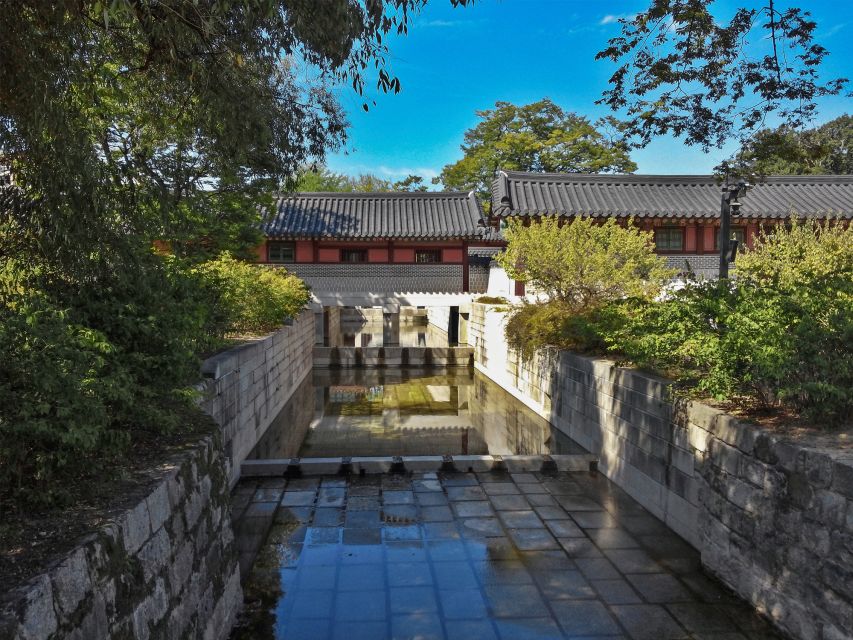
Midday includes a stop at Cheongha Korea Ginseng. This isn’t just a random shop stop. The tour frames ginseng within East Asian medicinal history, including references to how ginseng appears in older medical writing, and how Korean ginseng became especially valued.
You’ll hear that Korean ginseng is considered an adaptogen—described here as something thought to help the body resist stress and support overall health. I treat this kind of stop as a cultural lesson first: it’s a way to understand what products mean locally, and why certain ingredients carry prestige.
One practical way to handle it: decide ahead of time whether you want to browse or just learn. If you’re not interested in buying, you can still get value from the context and move on.
Lunch timing: budget for food outside the tour price
The tour includes a lunch break, but the meal cost is not included in the tour price. That’s normal for Seoul day tours, but it still matters for planning.
If you want a smooth day, set aside extra money for lunch and consider whether you’ll eat close to where you’re dropped during the break. Also, since it’s rain or shine, having a basic plan for hydration and snacks can keep you comfortable, especially if your group is walking between stops.
Suwon Hwaseong Fortress: UNESCO engineering beyond Seoul
In the afternoon, the tour heads to Suwon in Gyeonggi-do Province for Suwon Hwaseong Fortress, a UNESCO site known for its advanced military engineering from the late 18th century. This is a great switch-up because you move from court life to defensive architecture and large-scale construction logic.
What makes this stop click is how it expands your understanding of what “royal” meant in that era. A palace isn’t only a seat of power; it’s connected to security, travel, and administration. Hwaseong shows that through the way the fortress was built and preserved.
Hwaseong Haenggung Palace: a temporary royal residence
You also visit Hwaseong Haenggung Palace, described as a temporary residence for kings during travel outside the capital. Even though it’s not framed as the grand main palace experience, it adds a useful angle: royal presence wasn’t limited to one city or one building. It traveled, and the infrastructure supported that movement.
Who this tour is best for (and who should skip it)
This tour is a strong match for history fans who want a guided day with actual context. It’s also a good first-day choice in Seoul because it gives you quick orientation: royal palaces, shrine traditions, hanok street life, and then a second UNESCO hit that broadens the picture beyond the city core.
You’ll also be happier on this tour if you like clear structure. The day is set up so you’re not constantly figuring out routes or entry points.
It’s not suitable for wheelchair users, and the walking involved at multiple sites can be tiring. Also, the tour has a firm rule: no alcohol or drugs. If you plan a relaxed day with drinks or partying, you’ll feel constrained.
Price and value: what $36 covers in practice
At $36 per person, the value is mainly about what’s included. The tour covers entrance fees, a professional guide, and van transfer with a driver. That matters because palace and shrine admissions add up quickly, and guided access saves time and confusion.
The only meaningful extra cost is meals, since lunch isn’t included. If you budget for lunch and a drink or snack, the price still tends to work well because you’re packing in multiple UNESCO stops without doing separate bookings.
To judge value fairly, compare this to the cost of:
- admissions at each UNESCO site,
- hiring a guide for part of the day,
- and transportation between Seoul and Suwon.
For many people, this price point hits the sweet spot: you get a lot of heritage coverage and narration without paying premium private-tour rates.
Practical tips for a smoother day from Myeongdong
Start with the meeting logistics. You meet outside exit #10 of Myeong-dong subway station at 8:30 am. Your exact meeting point and time should be confirmed by email from the local partner, so check spam if it doesn’t show up right away.
Bring patience for a full day. You’re covering several locations and two cities. If you’re the type who hates time pressure, this can feel like a lot, even with enough time at each place.
Also, pack for weather. The tour runs rain or shine, so plan accordingly. And since there’s no hotel pickup, you’ll want to be able to reach the Myeongdong subway meeting point on your own.
Should you book this UNESCO Sites tour?
Book it if you want a guided, structured day that links together royal Seoul and UNESCO heritage beyond the city. The biggest reason to go is the combination: hanok street atmosphere in Bukchon, the spiritual and ceremonial weight of Jongmyo, and the palace-garden design logic of Changdeokgung, followed by the engineering story of Suwon Hwaseong.
Skip it or choose something else if you need fully flexible independent time, or if your schedule depends on one exact site without any swaps. If your heart is set on Jongmyo or Changdeokgung, pay attention to Tuesday and Monday changes before you commit.
If you like learning from friendly English guides—people have highlighted guides such as Stella, Park (Chloe), Leo, Heidi, and Orota for their clear explanations and helpful energy—this is the kind of day that can turn first-time curiosity into real understanding.
FAQ
What UNESCO sites does this tour include?
Changdeokgung Palace and Jongmyo Shrine are the UNESCO core stops. In the afternoon, you’ll also visit Suwon Hwaseong Fortress, which is UNESCO-listed.
Where do I meet, and what time does the tour start?
Meet outside exit #10 of Myeong-dong subway station at 08:30 am.
Where does the tour end?
The tour ends back at the meeting point area in Myeongdong near the subway station.
What happens if I’m traveling on a Monday or Tuesday?
On Mondays, the Changdeokgung Palace visit is replaced with a guided tour of Gyeongbokgung Palace. On Tuesdays, the Jongmyo Shrine visit is replaced with a guided tour of Insadong Culture Street.
Is lunch included in the tour price?
A lunch break is provided, but meals are not included in the tour price.
What’s included in the $36 price?
The tour includes entrance fees, a professional guide, and van transfer with a driver.
Is pickup included from my hotel?
Pickup is not included, and the tour starts from the specified meeting point.
Is the tour available in bad weather?
Yes. The tour takes place rain or shine.
More Tour Reviews in Seoul
- Best DMZ Tour Korea from Seoul (Red Suspension Bridge Optional)★ 5.0 · 41,422 reviews
- DMZ Tour: 3rd Tunnel, Option(Suspension Bridge, Boat) from Seoul★ 5.0 · 21,373 reviews
- DMZ tour south Korea from Seoul (NK experience hall, defector)★ 5.0 · 20,599 reviews
- Seoul: DMZ Tour with Optional Suspension Bridge★ 4.8 · 5,277 reviews
- Seoul: DMZ The 3rd Tunnel and Suspension Bridge Tour★ 5.0 · 4,656 reviews
More Hanok Village Wandering
- Seoul: Gyeongbok Palace, Bukchon Village, and Gwangjang Tour★ 4.9 · 2,321 reviews
- Seoul City Sightseeing Tour Including Gyeongbokgung Palace, N Seoul Tower, and Namsangol Hanok Village★ 5.0 · 1,423 reviews
- Seoul: Gyeongbok Palace, Bukchon Village, and Gwangjang Tour★ 5.0 · 1,044 reviews
- Seoul: Gyeongbok Palace and Bukchon Hanok Walking Tour★ 4.8 · 157 reviews
- Best Walking Tour to Gyeongbok Palace Bukchon Hanok Village★ 5.0 · 138 reviews
Still More Palaces to Walk
- Seoul: Gyeongbok Palace, Bukchon Village, and Gwangjang Tour★ 4.9 · 2,321 reviews
- Best Seoul City Tour (Gyeongbokgung Palace,Insadong,Namsan Tower)★ 5.0 · 1,647 reviews
- Small-Group Royal Palace and Seoul City Tour (hotel pick-up)★ 5.0 · 1,474 reviews
- Seoul City Sightseeing Tour Including Gyeongbokgung Palace, N Seoul Tower, and Namsangol Hanok Village★ 5.0 · 1,423 reviews
- Seoul: Gyeongbok Palace, Bukchon Village, and Gwangjang Tour★ 5.0 · 1,044 reviews
Just added to Exploring Seoul
Gyeongbokgung & Palace Tours, compared.
 ★ 4.9Gyeongbok Palace, Bukchon Village, and Gwangjang TourFrom $322,321 reviews
 ★ 5.0Best Seoul City Tour (Gyeongbokgung Palace,Insadong,Namsan Tower)From $581,647 reviews
 ★ 5.0Small-Group Royal Palace and Seoul City Tour (hotel pick-up)From $561,474 reviews
 ★ 5.0Seoul City Sightseeing Tour Including Gyeongbokgung Palace, N Seoul Tower, and Namsangol Hanok VillageFrom $801,423 reviews
★ 5.0Gyeongbok Palace, Bukchon Village, and Gwangjang TourFrom $321,044 reviews
★ 5.0Seoul City Sightseeing Tour Including Gyeongbokgung Palace, N Seoul Tower, and Namsangol Hanok VillageFrom $801,423 reviews
★ 5.0Gyeongbok Palace, Bukchon Village, and Gwangjang TourFrom $321,044 reviews
 ★ 4.9Seoul Half-Day City Highlight, Palace Tour with HanbokFrom $49764 reviews
 ★ 4.9Palace, Temple and Market Guided Foodie Tour at NightFrom $60750 reviews
 ★ 4.7Seoul Highlights: Gyeongbok Palace, Insadong & N Seoul TowerFrom $26726 reviews
Browse the lists this tour appears in