
Reviewed · GYEONGBOKGUNG & PALACE TOURS
Kimchi class with Chef Hakyung near Gyeongbokgung place
Kimchi class in Seoul, in a small room. This private class with Chef Hakyung mixes hands-on kimchi making with a pro chef’s explanation style, plus you start with tea or soda and a small meal. The main trade-off is simple: it’s about 2 hours, so it’s not a full-day food crawl.
I like that the studio location makes it easy to pair cooking with classic sights near Gyeongbokgung Palace, and the setup is photo-friendly. The other big plus is how personal it feels—max four people means you get real attention while you learn, not a quick demo and a silent chopping session.
In This Review
- Key highlights worth knowing before you go
- A private kimchi class near Gyeongbokgung that fits your schedule
- Chef Hakyung: why her teaching style matters in a hands-on class
- Gyeongbokgung Palace area stops: a quick taste of Seoul’s landmarks
- Stop 1: Gyeongbokgung Palace
- Stop 2: Cheongwadae Sarangchae
- Stop 3: The Blue House
- The class flow: welcome drink, demo, then your hands-on kimchi
- Ingredients, history, and styles: what you actually learn (not just how)
- Photos and studio time: where the experience feels special
- Price and value: is $80 per person worth it?
- Who should book this kimchi class (and who might not)
- Practical tips to make your class day go smoothly
- FAQ
- How much does the Kimchi class cost?
- How long is the experience?
- Is this class private?
- What do I do during the class?
- Are drinks and food included?
- Can I eat what I make in the studio or take it to go?
- Where do we meet and where does it end?
- Is there a mobile ticket, and when do I get confirmation?
- Should you book Chef Hakyung’s kimchi class?
Key highlights worth knowing before you go
- Chef Hakyung’s pedigree: professional Korean chef background, including Michelin Guide one-star experience and work for the Korean consulate in the USA
- A true small-group class: private group size capped at four
- Demo first, then hands-on: you watch the method, then make your own kimchi
- Included welcome drinks and meal: tea or soda from high-quality ingredients, plus a small meal during class
- Photo-friendly studio time: space designed for photos, then you eat what you made (or take it to go)
- Near Gyeongbokgung: convenient for pairing with the palace-area landmarks
Keep walking the palaces of old Seoul
- Seoul: Gyeongbok Palace, Bukchon Village, and Gwangjang Tour★ 4.9 · 2,321 reviews
- Best Seoul City Tour (Gyeongbokgung Palace,Insadong,Namsan Tower)★ 5.0 · 1,647 reviews
- Small-Group Royal Palace and Seoul City Tour (hotel pick-up)★ 5.0 · 1,474 reviews
- Seoul City Sightseeing Tour Including Gyeongbokgung Palace, N Seoul Tower, and Namsangol Hanok Village★ 5.0 · 1,423 reviews
A private kimchi class near Gyeongbokgung that fits your schedule
This is the kind of Seoul experience that doesn’t need a spreadsheet. You get cooking instruction with a real teacher, and you also spend time in the palace-area neighborhood around Gyeongbokgung. Because the class is private and runs about 2 hours, it works well on a day you’re already planning photos, markets, and palace sights.
Chef Hakyung teaches kimchi from scratch—so you’re not just learning how to scoop and stir. You get a guided process, then you do the work. You’ll also get a small meal while the class is happening, which helps if you’re hungry after sightseeing.
One practical consideration: you’re paying $80 per person for a very focused, high-touch experience. If you’re hoping for a long, multi-stop food tour with lots of variety, this is more “one craft, taught well” than “everything you can eat.”
Chef Hakyung: why her teaching style matters in a hands-on class
Chef Hakyung isn’t just a friendly host. The class is led by a professional chef with 7 years of Korean cuisine experience, including work in a Michelin Guide one-star restaurant and chef work connected to the Korean consulate in the USA.
That background shows up in how you’ll likely experience the cooking: clear steps, explanations you can actually use, and attention to technique. The class format also supports this. You start with a demonstration, so you can see how the ingredients and texture should look, not just hear it described.
The cooking lesson also includes more than one version of kimchi. You’ll get context on the history of making kimchi and the different ways and styles of making it. That matters because kimchi isn’t one recipe—it’s a range of regional and personal preferences. When you understand the logic, you can recreate the flavor at home without guessing.
And it’s a small room. With a max group of four, you’re less likely to feel like a spectator. You get room to ask questions while you’re cooking.
Gyeongbokgung Palace area stops: a quick taste of Seoul’s landmarks
The experience is built around three nearby stops that give you the palace-and-government feel of central Seoul. You meet at 66-1 Jahamun-ro, Jongno District, and the activity ends back at the meeting point, so you’re not stranded halfway across town.
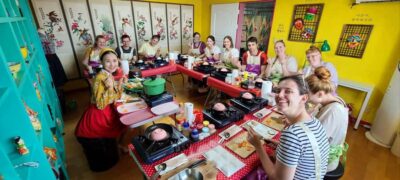
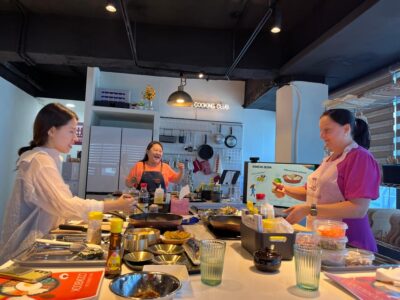
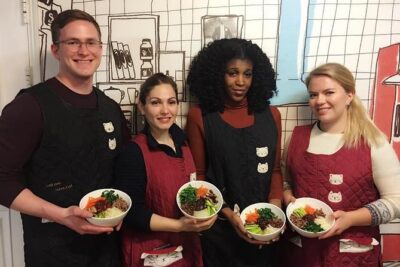
Roll up your sleeves in another Korean kitchen
Stop 1: Gyeongbokgung Palace
Gyeongbokgung is one of the big “postcard” landmarks in Seoul, and the location makes it easy to connect your class day with classic sightseeing. Even if you don’t plan to spend hours inside buildings, this stop helps you get your bearings fast and puts you in the right neighborhood mood before you go cook.
If you’re sensitive to crowds or want calm photo time, consider going at a slower pace and using your camera with intention. This area can be busy during popular hours.
Stop 2: Cheongwadae Sarangchae
Cheongwadae Sarangchae is tied to the Blue House area, and it adds a different texture than palace halls and markets. This stop gives you a sense of the formal, ceremonial side of Seoul—good if you’re balancing modern food with traditional settings.
A consideration: since your time is shared with the cooking class (about two hours total), your landmark time may be more “look and photograph” than “deep exploration.” Plan your expectations around photos and orientation.
Stop 3: The Blue House
The Blue House stop rounds out the storyline: palace → government-area visitor space → the broader Blue House area. It’s a nice pairing with kimchi because it ties food you’ll cook to the larger idea of Korean culture—where tradition and daily life overlap in real neighborhoods.
The downside is the same theme as above: time. If you want long waits or slow walks, this may feel like a tight schedule. But if you want a smart pairing, it’s a good one.
After these stops, you head to Studio Hakyung for the class.
The class flow: welcome drink, demo, then your hands-on kimchi
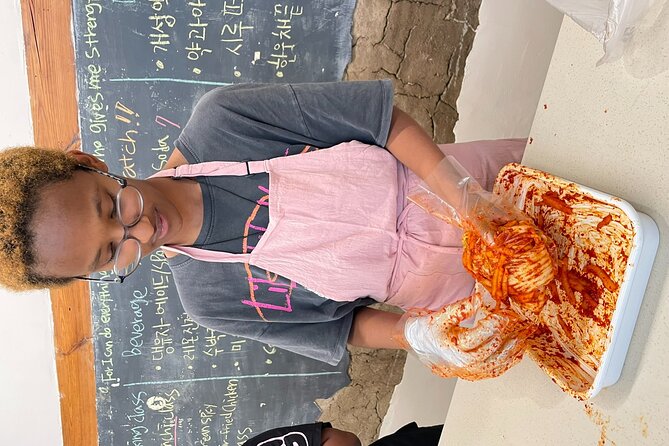
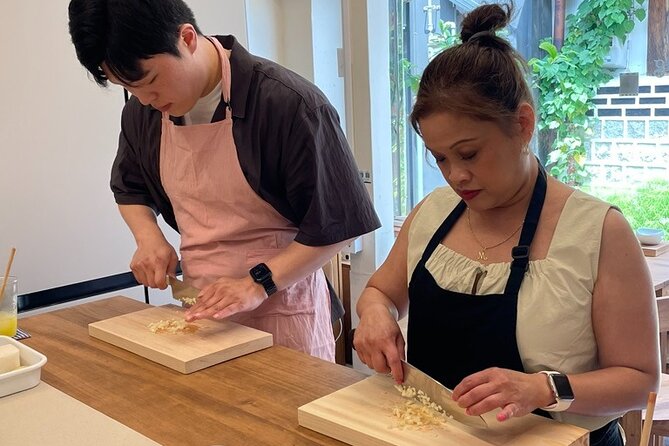
The heart of the experience is simple: you watch kimchi being made, then you make it yourself. The class starts with a demonstration led by Chef Hakyung. During the demonstration, you’ll have tea or soda made by the chef, and it’s prepared using high-quality ingredients from multiple Korean farms.
That welcome drink does more than taste good. It sets the rhythm. You’re not dropped into a kitchen chaos moment—you’re settling in, seeing ingredients handled the right way, and learning what to look for before you touch anything.
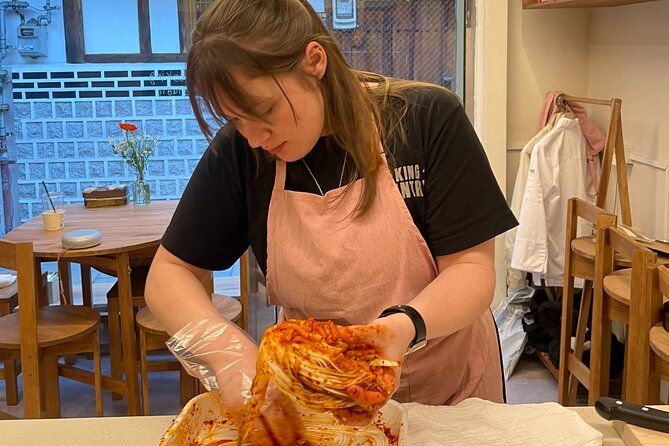
Then you move into the hands-on portion. The class is designed so you learn how to cook traditional Korean food from scratch by the end, not just follow along for a single step. Since kimchi is texture- and seasoning-sensitive, watching first gives your hands a reference point.
You’ll also get a small meal prepared while the class is happening. Some classes include extras that go beyond plain snacking—like a chef-prepared tteokbokki variation and other light items—so you’re tasting what the kitchen is cooking while learning.
The practical takeaway: eat before you go if you can’t handle hunger during sightseeing. But if you’re on a normal meal schedule, the included small meal helps keep energy up.
Ingredients, history, and styles: what you actually learn (not just how)
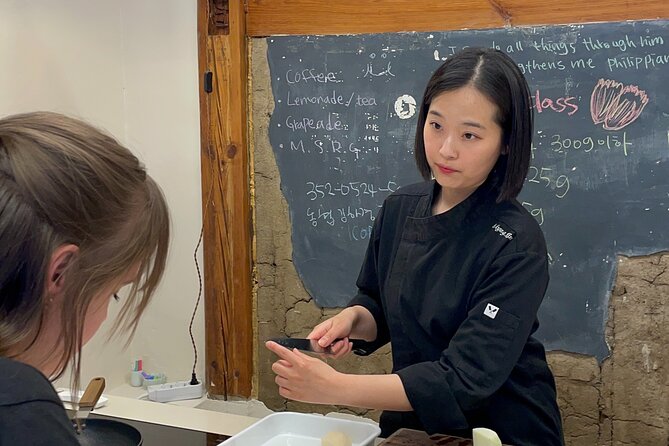
This isn’t only about finishing a jar of kimchi. Chef Hakyung explains the history of making kimchi and the different ways and styles it can take. That matters because kimchi can taste very different depending on method, spice level, and preparation style.
You also learn with authentic inputs. The class highlights high-quality ingredients sourced from Korean farms. That affects flavor right away, but it also teaches you what “good” ingredients look like in the bowl—something you can’t fully learn from a recipe alone.
Here’s the smart part for your future cooking: you’re shown the process, then you repeat it. You build muscle memory for techniques like mixing and seasoning distribution—skills that carry over to other Korean dishes later.
Photos and studio time: where the experience feels special
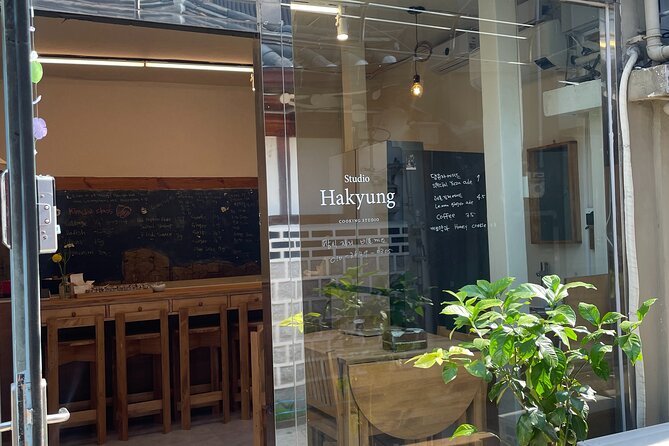
Studio Hakyung is a small boutique space that’s described as perfect for photos during and after class. That means you’re not rushing between crowded spots and loud food courts. Instead, you get a calmer environment where your hands-on work looks good on camera.
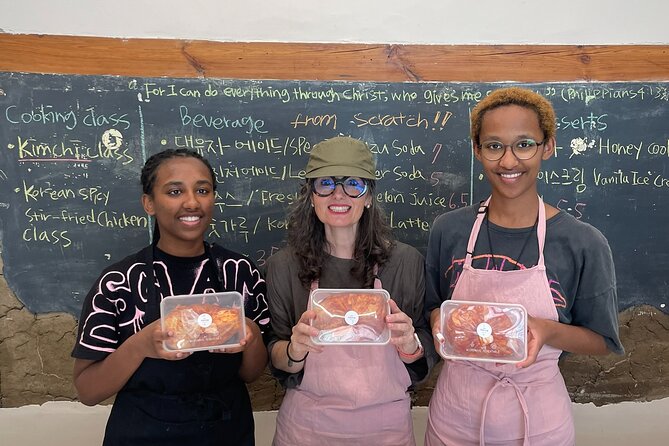
You can also eat your food in the studio, or take it to go. That choice is useful for real travel days. If you’re doing palace photos after, you can keep the kimchi portion with you. If you want a relaxed reset, you can eat there and let the day slow down.
Price and value: is $80 per person worth it?
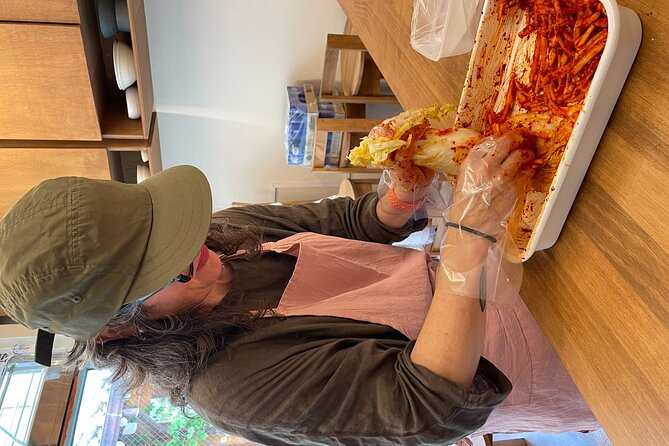
At $80 per person for about 2 hours, you’re paying for three things that are hard to replicate on your own:
- Private instruction (max four people)
- Chef-led demonstration + hands-on making of your own kimchi
- Included tea or soda and a small meal, so you’re not just paying for a recipe card
This price can feel high if you compare it to group cooking demos. But if you value attention while you cook—especially when learning something as technique-driven as kimchi—this is the kind of cost that makes sense. You’re not waiting your turn in a long line. You’re learning while you work.
Also, because the studio is near Gyeongbokgung Palace and a traditional market area, you save time on logistics. Your day stays efficient, and you get a Korean-cooking experience without losing half your afternoon to transit.
Who should book this kimchi class (and who might not)
You’ll probably love this if you:
- want a hands-on Korean cooking class with a real teacher
- prefer small group attention over big group tours
- like pairing cooking with palace-area sightseeing
- want to understand kimchi beyond a single version
You might want to skip it if you’re looking for:
- a long multi-hour food tour with lots of different dishes
- a self-guided cooking workshop (this is instruction-led)
- a totally unstructured itinerary (the route has set stops and a set duration)
Practical tips to make your class day go smoothly
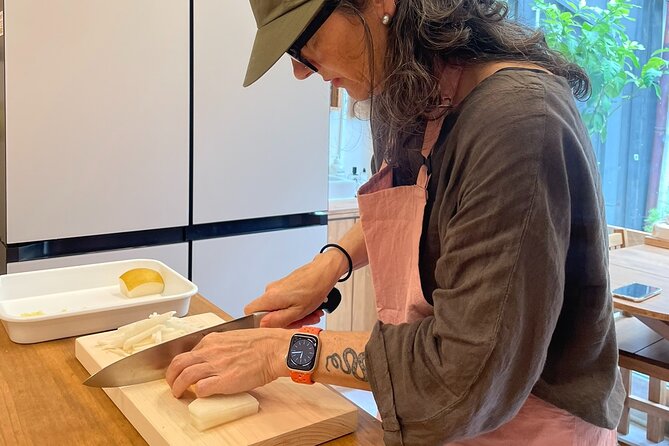
Here’s how to get the best results on a day like this:
- Ask questions early during the demo. If you wait until your hands are already in the bowl, you’ll lose momentum.
- Come with an open mind about kimchi styles. Chef Hakyung covers different approaches, so try not to lock into one expectation.
- Bring comfortable shoes. The landmark stops are near central Seoul, but you’ll still be moving between points.
- If you’re particular about spice, let the chef know. Kimchi heat can vary by style and recipe decisions.
- Don’t plan a rushed meal right after. You’ll likely enjoy eating what you make—either in the studio or to go.
FAQ
How much does the Kimchi class cost?
It costs $80.00 per person.
How long is the experience?
It runs for about 2 hours.
Is this class private?
Yes. It’s a private tour/activity, with a maximum of four people for your group.
What do I do during the class?
You’ll watch a kimchi making demonstration and then make your own kimchi during the hands-on portion.
Are drinks and food included?
Yes. During the demonstration you’ll have tea or soda prepared by the chef, and the chef prepares a small meal while you’re taking the class.
Can I eat what I make in the studio or take it to go?
Yes. You can eat in the studio or take your food to go.
Where do we meet and where does it end?
You meet at 66-1 Jahamun-ro, Jongno District, Seoul, and the experience ends back at the meeting point.
Is there a mobile ticket, and when do I get confirmation?
You’ll receive confirmation at the time of booking, and you’ll use a mobile ticket.
Should you book Chef Hakyung’s kimchi class?
If you want a small, chef-led experience where you learn technique, not just watch food happen, I’d book it. The combination of Chef Hakyung’s professional background, the hands-on kimchi making, and the easy connection to the Gyeongbokgung area makes this a smart use of a couple hours in Seoul. If you’re the type who likes asking questions while cooking, this is exactly your lane.
More Tour Reviews in Seoul
- Best DMZ Tour Korea from Seoul (Red Suspension Bridge Optional)★ 5.0 · 41,422 reviews
- DMZ Tour: 3rd Tunnel, Option(Suspension Bridge, Boat) from Seoul★ 5.0 · 21,373 reviews
- DMZ tour south Korea from Seoul (NK experience hall, defector)★ 5.0 · 20,599 reviews
- Seoul: DMZ Tour with Optional Suspension Bridge★ 4.8 · 5,277 reviews
- Seoul: DMZ The 3rd Tunnel and Suspension Bridge Tour★ 5.0 · 4,656 reviews
Back in the Korean Kitchen
- Local Home Korean Cooking Class & Market Adventure in Seoul★ 5.0 · 1,024 reviews
- Master Korean traditional cooking with a Kimchi chef★ 5.0 · 385 reviews
- Seoul: Korean Cooking Class at a Local Home and Market Tour★ 5.0 · 348 reviews
- Seoul: Korean Cooking at Seoul Cooking Club!★ 5.0 · 311 reviews
- Cook 3 Authentic Korean Dishes with Local Market Tour★ 5.0 · 231 reviews
Still More Palaces to Walk
- Seoul: Gyeongbok Palace, Bukchon Village, and Gwangjang Tour★ 4.9 · 2,321 reviews
- Best Seoul City Tour (Gyeongbokgung Palace,Insadong,Namsan Tower)★ 5.0 · 1,647 reviews
- Small-Group Royal Palace and Seoul City Tour (hotel pick-up)★ 5.0 · 1,474 reviews
- Seoul City Sightseeing Tour Including Gyeongbokgung Palace, N Seoul Tower, and Namsangol Hanok Village★ 5.0 · 1,423 reviews
- Seoul: Gyeongbok Palace, Bukchon Village, and Gwangjang Tour★ 5.0 · 1,044 reviews
Just added to Exploring Seoul

Gyeongbokgung & Palace Tours, compared.
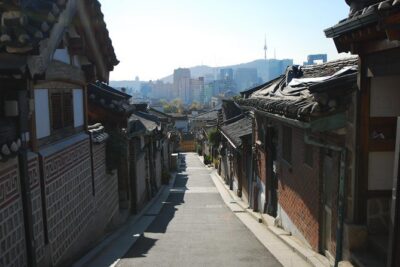 ★ 4.9Gyeongbok Palace, Bukchon Village, and Gwangjang TourFrom $322,321 reviews
 ★ 5.0Best Seoul City Tour (Gyeongbokgung Palace,Insadong,Namsan Tower)From $581,647 reviews
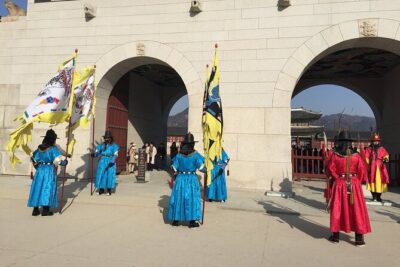 ★ 5.0Small-Group Royal Palace and Seoul City Tour (hotel pick-up)From $561,474 reviews
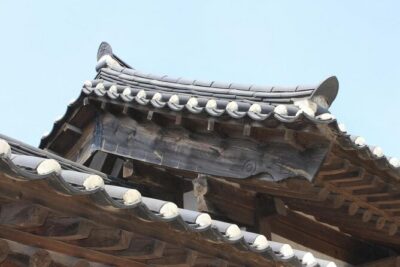 ★ 5.0Seoul City Sightseeing Tour Including Gyeongbokgung Palace, N Seoul Tower, and Namsangol Hanok VillageFrom $801,423 reviews
★ 5.0Gyeongbok Palace, Bukchon Village, and Gwangjang TourFrom $321,044 reviews
★ 5.0Seoul City Sightseeing Tour Including Gyeongbokgung Palace, N Seoul Tower, and Namsangol Hanok VillageFrom $801,423 reviews
★ 5.0Gyeongbok Palace, Bukchon Village, and Gwangjang TourFrom $321,044 reviews
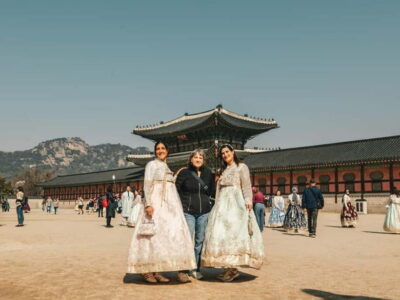 ★ 4.9Seoul Half-Day City Highlight, Palace Tour with HanbokFrom $49764 reviews
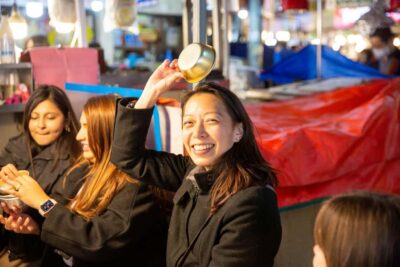 ★ 4.9Palace, Temple and Market Guided Foodie Tour at NightFrom $60750 reviews
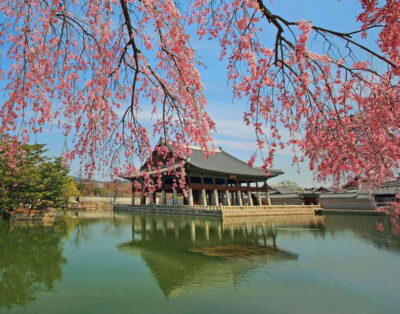 ★ 4.7Seoul Highlights: Gyeongbok Palace, Insadong & N Seoul TowerFrom $26726 reviews
Browse the lists this tour appears in