
Reviewed · HISTORICAL TOURS
Buam dong Walking Tour Art, History and Parasite in Seoul
A Quiet walk with big stories. This Buam-dong walking tour mixes Seoul history with art and mountain views, with Jon keeping the mood light while explaining Cold War context and the area’s literary links. I also love the Cheongun Literature Library, Seoul’s first Hanok library, and the finish at Mugyewon, a traditional house tied to Grand Prince Anpyeong. One possible drawback: you’ll be moving through a hillside neighborhood, so wear shoes you trust.
After a short bus ride up to Buam-dong, you’ll lace together viewpoints, walls, gates, and courtyard-style stops in about 2 hours 30 minutes. This is a small group (max 15), you get a mobile ticket, and the tour ends back at the meeting point near 시민약국 in Jongno District.
In This Review
- Key things to notice before you go
- Why Buam-dong works better than the main routes
- Meeting at 시민약국, then a short ride up to the neighborhood
- Buam-dong’s art and history: Choi Gyu-sik and the hill perspectives
- Stop for calm: the Cheongun Literature Library (Seoul’s first hanok library)
- Seoul City Wall and Changuimun Gate: defense-era context that clicks
- A Parasite filming location on the route
- Finishing at Mugyewon: Grand Prince Anpyeong’s old-world house
- Price and value: is $38.50 fair for 2.5 hours?
- Who this tour suits best
- What I’d do to get more out of the walk
- Should you book Buam-dong Walking Tour Art, History and Parasite?
- FAQ
- How long is the Buam-dong walking tour?
- What does the tour cost?
- Where does the tour start?
- What time does the tour begin?
- Is the group small?
- Is it mainly walking, or do you use transportation?
- Are there any admission fees during the stops?
- What kinds of sights are included?
- What fitness level do I need?
- Can I cancel if my plans change?
Key things to notice before you go
- Buam-dong’s hillside pace: short bus transfer, then a walk shaped by viewpoints and historic corners
- Cheongun Literature Library in a hanok setting: a calm, old-style reading room vibe in the middle of the city
- Seoul City Wall + Changuimun Gate focus: real defense-era context, not just a photo stop
- Cold War and poetry connections: you’ll hear how culture and geopolitics overlap in this neighborhood
- A Parasite filming location: you’ll see one spot tied to the movie while learning what’s around it
- Mugyewon as the traditional “send-off”: you finish in a hanok cultural space linked to royal history
More of Seoul taken at walking pace
- Seoul moonlight walking tour with local historian★ 5.0 · 940 reviews
- Seoul: Nighttime Hidden Gems Walking Tour★ 5.0 · 775 reviews
- Seoul: Evening Dark History, Folklore & Ghost Story Walking Tour★ 5.0 · 593 reviews
- Seoul: Dark Side of the City and Ghost Stories Walking Tour★ 4.8 · 484 reviews
Why Buam-dong works better than the main routes
Most Seoul walks shove you along famous lanes. This one starts by steering you into Buam-dong, a quieter hillside area where the streets feel more local and less staged. That change in setting is the whole point: you get to see how history and everyday life share the same slopes.
I like that the tour doesn’t just say places are “old.” It explains why they matter, including the neighborhood’s links to Cold War-era themes and its cultural background. You’ll also get mountain sightlines as you move, with views toward Bugaksan, Inwangsan, and Bukhansan that make the city’s geography feel real.
The pace is also worth calling out. It’s not described as a marathon, but it is a hillside walk, so you’ll want moderate physical fitness and good shoes. If you’re sensitive to stairs or uneven sidewalks, plan ahead and take your time between stops.
Meeting at 시민약국, then a short ride up to the neighborhood
You start at 시민약국 106-3, Jeokseon-dong, Jongno District at 2:00 pm. The exact start location matters because the tour is set up as a guided route rather than a free-for-all meetup point. The good news is it’s near public transportation, so you should have an easy time getting there.
Then you take a 10-minute bus ride to Buam-dong. That’s a smart compromise: it saves you from spending the whole tour on long uphill transfer time. It also gives the guide room to set context before you start walking, so you’re not just chasing landmarks—you’re understanding them.
The group size maxes at 15, which helps because you’ll likely get a bit more attention and a clearer sense of where to look next. For photo moments and short walking segments, that smaller scale matters.
Buam-dong’s art and history: Choi Gyu-sik and the hill perspectives
Buam-dong is the type of place where art and history don’t feel like separate topics. Early on, you’ll head into the neighborhood and get stories that connect public memory to the hillside setting.
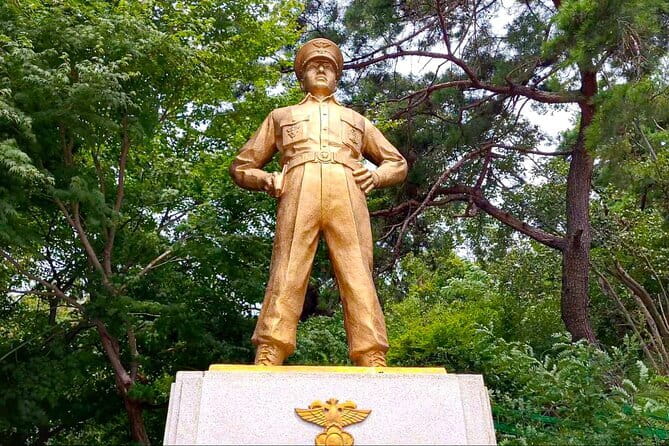
One landmark mentioned is the Choi Gyu-sik Memorial Statue, a point that helps ground the neighborhood’s cultural identity. Another key connection is to the Hill of Poet Yoon Dong-ju, which gives you a human, literary thread to follow as you walk. You’re not only looking at “things”; you’re learning why this area keeps showing up in stories people tell about Korea.
As you move through the streets, keep an eye out for the mountain views the route is designed around. The perspective shift—city close-up, then sky and peaks—makes the walking part feel like a sequence of small breaks, not nonstop trudging.
A handful of other Seoul experiences to line up next
Stop for calm: the Cheongun Literature Library (Seoul’s first hanok library)
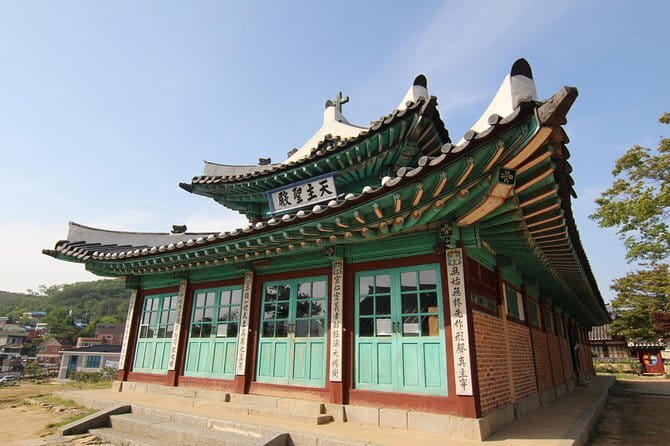
One of the most practical reasons to pick this tour is the inclusion of a hanok library stop. You’ll visit the Cheongun Literature Library, described as Seoul’s first hanok library, in a quieter setting surrounded by traditional architecture.
This is the kind of pause that balances out all the outdoor walking. In a hanok space, the scale and materials change how you experience time. Even if you’re not browsing books, the setting gives you a chance to slow your brain down after street-level history.
Timing matters here too. You spend about 20 minutes at this stop, which is long enough to soak in the atmosphere without it turning into a sit-and-wait moment. If you like photography, this is also often where you get calmer shots with less crowds than you’d see at Seoul’s biggest headline sights.
Potential drawback: this is a calm stop, so if you’re the kind of traveler who wants constant movement and big sights every minute, you might feel the pace softens. The tradeoff is worth it if you want a quieter, more reflective Seoul moment.
Seoul City Wall and Changuimun Gate: defense-era context that clicks
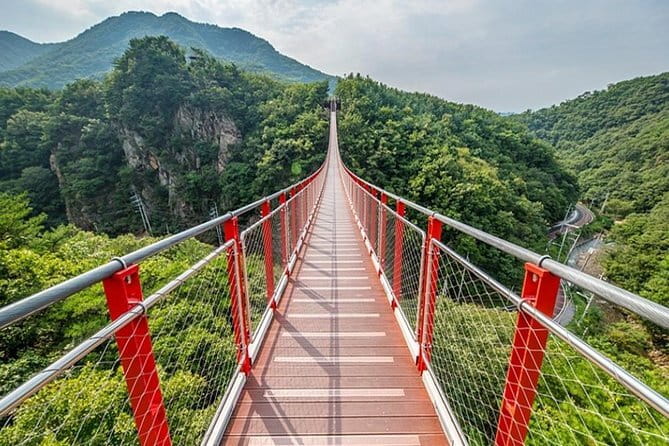
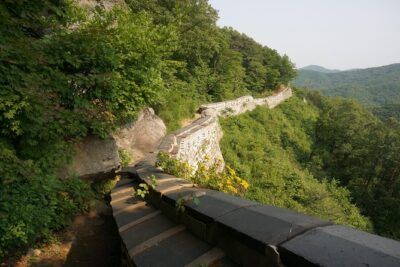
Next you focus on the Seoul City Wall and the Changuimun Gate (Jahamun Gate). The tour frames these as defense and heritage landmarks, and that framing helps. City walls can feel like old stone until someone explains the logic—what they protected and how the wall shaped movement through the city.
You’ll spend about 15 minutes exploring the gate area. That’s enough time to get oriented, look at key angles, and understand the bigger picture the guide is giving you. It’s not a museum-style deep stop, but it is a strong checkpoint.
What I like about this segment is that it connects to the walking itself. You’re not just seeing a wall on a random basis—you’re passing through a route where the hillside and the city’s layout make sense together. The guide’s explanation tends to make the wall feel less like scenery and more like infrastructure.
A Parasite filming location on the route

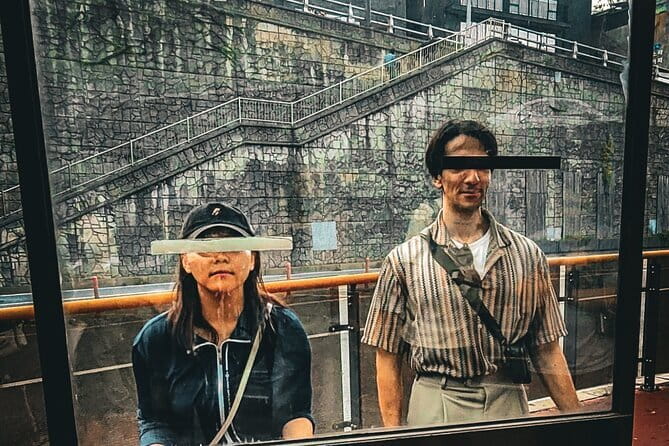
A big draw for many people is the chance to see a Parasite filming location as part of the walk. The best way to treat this kind of stop is as a prompt: you’ll watch for details in the surrounding neighborhood that movie scenes often rely on—architecture, street angles, and that sense of “real place” rather than studio sets.
The tour doesn’t turn this into a trivia sprint. Instead, it uses the filming location as a lens while you learn what’s around it and why the area’s history matters. If you’re into film locations, you’ll likely enjoy the added cultural context.
If you only care about the exact movie scene, you may want to manage expectations: this is still a history-and-walking tour. The filming stop is a highlight, not the entire focus.
Finishing at Mugyewon: Grand Prince Anpyeong’s old-world house
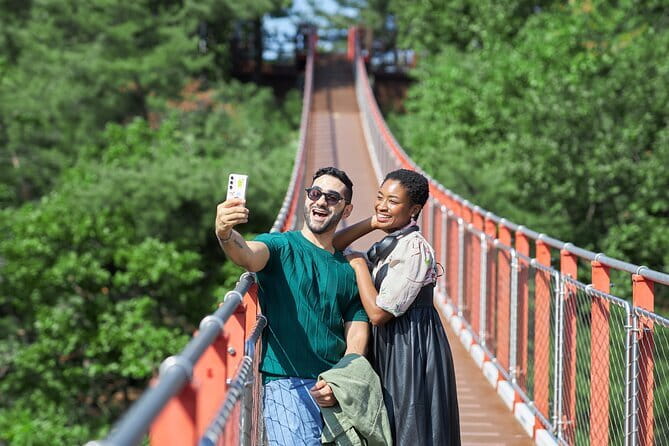
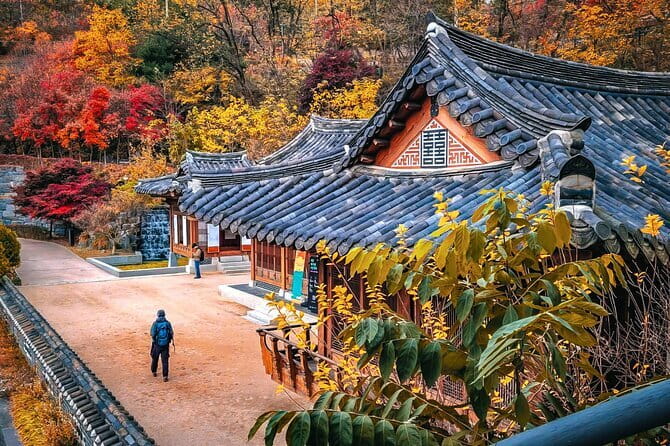
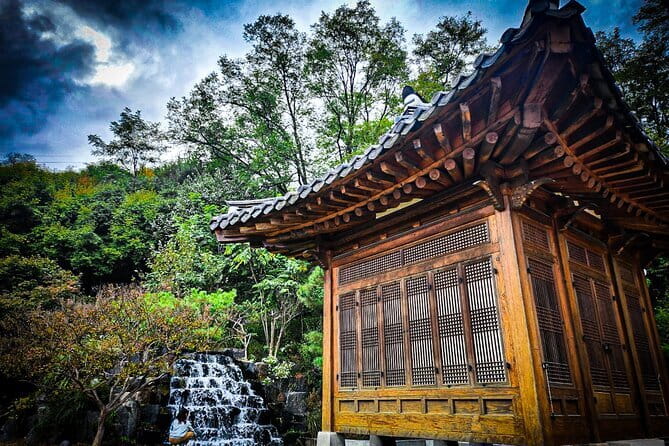
Your tour ends at Mugyewon, a traditional Korean house that once served as the villa of Grand Prince Anpyeong. You’ll have about 20 minutes here, which is a good length for stepping back into a hanok cultural space without rushing.
This stop also works as a satisfying bookend. You start in a hillside neighborhood and move through walls and gates; you finish in a preserved domestic setting that connects power and architecture. The cultural space angle matters because it’s not only about admiring a structure. It’s about what these spaces meant, who lived in them, and how tradition survives next to modern Seoul.
You’ll finish back at the meeting point (near where you started), so you’re not stuck figuring out what to do after the last stop.
Price and value: is $38.50 fair for 2.5 hours?
At $38.50 per person for about 2 hours 30 minutes, this tour is priced like a focused neighborhood experience rather than a long full-day sightseeing program. The value comes from three things you don’t always get together: a small group size (max 15), multiple major cultural elements (hanok library, city wall/gate, hanok cultural space), and guided storytelling that ties it together.
It’s also notable that admission tickets are listed as free for the stops shown, which can help keep the trip from turning into a pay-as-you-go day. You’re paying mainly for the guided route, the time with the guide, and the structured experience.
One small planning tip: it’s often booked about 19 days in advance on average, so you’ll do yourself a favor by reserving early if your dates are fixed. Small-group tours can disappear when schedules line up.
Who this tour suits best
This is a good match if you:
- want Seoul history connected to real places, not only famous monuments
- like art and literature threads, especially the poet/literary connections
- enjoy movie-related stops, as long as they come with context
- prefer a smaller-group walking pace with a guided route
It may be less ideal if you:
- need mostly flat walking routes
- want a full-day program with long time at each sight
- dislike brief indoor/outdoor balance (there is a quiet library stop and mostly outdoor walking)
Given the stated moderate physical fitness recommendation, I’d treat this as a manageable uphill-and-downhill experience. Bring supportive shoes and don’t cut your breaks short.
What I’d do to get more out of the walk
A walking tour feels better when you come with questions. I’d go in ready to pay attention to how the guide explains connections: Cold War context to local history, poetry to specific neighborhood angles, and walls to the city’s defense logic.
For photos, plan on capturing:
- mountain view moments when the streets open up
- hanok details at the Cheongun Literature Library
- wall and gate angles at Changuimun Gate
- architectural textures at Mugyewon
And bring a simple snack plan. The tour runs into the afternoon with multiple stops, but the pacing means you can get busy. A small water bottle helps, especially if it’s warm when you go.
Should you book Buam-dong Walking Tour Art, History and Parasite?
Yes, if you want a compact, guided Seoul walk that mixes hanok calm, city wall heritage, and a film-location moment without turning into a checklist. The best reason to book is how the route connects culture and setting: you’re walking in a hillside neighborhood where the stories make spatial sense.
I’d especially recommend it if you like learning through place—statues, gates, libraries, and traditional houses—while still getting viewpoints over Bugaksan, Inwangsan, and Bukhansan.
If you hate hills, need long museum time, or only want movie trivia, you might feel the fit is off. For everyone else, this is the kind of afternoon experience that leaves you with more than photos: it gives you a clearer mental map of Seoul’s layers.
FAQ
How long is the Buam-dong walking tour?
It’s about 2 hours 30 minutes.
What does the tour cost?
The price is $38.50 per person.
Where does the tour start?
The meeting point is 시민약국, 106-3 Jeokseon-dong, Jongno District, Seoul.
What time does the tour begin?
The start time listed is 2:00 pm.
Is the group small?
Yes. The tour has a maximum of 15 travelers.
Is it mainly walking, or do you use transportation?
You’ll take a 10-minute bus ride to Buam-dong at the start, then walk between sights.
Are there any admission fees during the stops?
The stops listed show admission ticket free.
What kinds of sights are included?
You’ll see Buam-dong area highlights like the Cheongun Literature Library, the Seoul City Wall and Changuimun Gate, and end at Mugyewon. The tour also includes a Parasite filming location.
What fitness level do I need?
The tour suggests moderate physical fitness.
Can I cancel if my plans change?
Yes. Free cancellation is available up to 24 hours in advance for a full refund.
More Seoul Walking Tours
- Seoul moonlight walking tour with local historian★ 5.0 · 940 reviews
- Seoul: Nighttime Hidden Gems Walking Tour★ 5.0 · 775 reviews
- Seoul: Evening Dark History, Folklore & Ghost Story Walking Tour★ 5.0 · 593 reviews
- Seoul: Dark Side of the City and Ghost Stories Walking Tour★ 4.8 · 484 reviews
- Gangnam Walking Tour on Youth and Society in Seoul Korea★ 5.0 · 401 reviews
More Tours in Seoul
- Best DMZ Tour Korea from Seoul (Red Suspension Bridge Optional)★ 5.0 · 41,422 reviews
- DMZ Tour: 3rd Tunnel, Option(Suspension Bridge, Boat) from Seoul★ 5.0 · 21,373 reviews
- DMZ tour south Korea from Seoul (NK experience hall, defector)★ 5.0 · 20,599 reviews
- Seoul: DMZ Tour with Optional Suspension Bridge★ 4.8 · 5,277 reviews
- Seoul: DMZ The 3rd Tunnel and Suspension Bridge Tour★ 5.0 · 4,656 reviews
More Tour Reviews in Seoul
- Best DMZ Tour Korea from Seoul (Red Suspension Bridge Optional)★ 5.0 · 41,422 reviews
- DMZ Tour: 3rd Tunnel, Option(Suspension Bridge, Boat) from Seoul★ 5.0 · 21,373 reviews
- DMZ tour south Korea from Seoul (NK experience hall, defector)★ 5.0 · 20,599 reviews
- Seoul: DMZ Tour with Optional Suspension Bridge★ 4.8 · 5,277 reviews
- Seoul: DMZ The 3rd Tunnel and Suspension Bridge Tour★ 5.0 · 4,656 reviews
Just added to Exploring Seoul



Historical Tours, compared.
 ★ 5.0Evening Dark History, Folklore & Ghost Story Walking TourFrom $42593 reviews
 ★ 5.0Hanbok Photoshoot and History Tour at Gyeongbokgung PalaceFrom $60276 reviews
 ★ 4.9From Seoul: Dae Jang Geum Park Historic K-Drama Set TourFrom $55143 reviews
 ★ 5.0City Highlights and Historical Experience No ShoppingFrom $4974 reviews
 ★ 5.0Street photoshoot and Seoul Hidden gem History Walking TourFrom $4568 reviews
 ★ 4.5Discover Seoul: Local Life and HistoryFrom $9653 reviews
 ★ 5.0Korean History & Heritage TourFrom $47551 reviews
 ★ 5.0Namhansanseong UNESCO Historical Sites and Korean Folk Village-Private TourFrom $19829 reviews
Browse the lists this tour appears in