
Reviewed · HISTORICAL TOURS
Discover Seoul: Local Life and History
Seoul can feel like two cities at once. This 3.5-hour guided walk threads royal history and everyday neighborhood life into one easy route you can repeat on your own later.
I like that you get a clear introduction to Korea’s Joseon-era world while still seeing the modern face of Jongno. I also really appreciate the way guides like Moises and Gemma were praised for solid English and for pointing you toward practical, tasty stops—like the Korean beer chicken and a great tea house experience.
One thing to plan around: the tour is weather-dependent and is built around walking. If it’s raining or you’re short on stamina, you may want to swap it for a slower option or bring rain protection and comfy shoes.
In This Review
- Key highlights worth your time
- A focused way to understand Seoul’s old core
- Price and what you really get for $96.75
- Meeting point, route logic, and how to pace yourself
- Seoul City Hall and Gwanghwamun: power, symbolism, and everyday streets
- Gyeongbokgung Palace: the Joseon centerpiece you can actually picture
- Insadong’s hanok lanes: tea, crafts, and where to eat smart
- Bukchon Hanok Village at the top of the hill
- Guides, group size, and why the human part matters
- Practical tips before you go
- Should you book this Seoul tour?
- FAQ
- What is the duration of the Discover Seoul: Local Life and History tour?
- How much does the tour cost?
- Is this tour ticket delivery mobile?
- Where does the tour start and end?
- Are there any admission costs at the stops?
- What should I know about weather?
- Is there a group size limit?
- Can I bring a service animal?
- Can I cancel for a full refund?
- What’s the accessibility like for getting there?
Key highlights worth your time
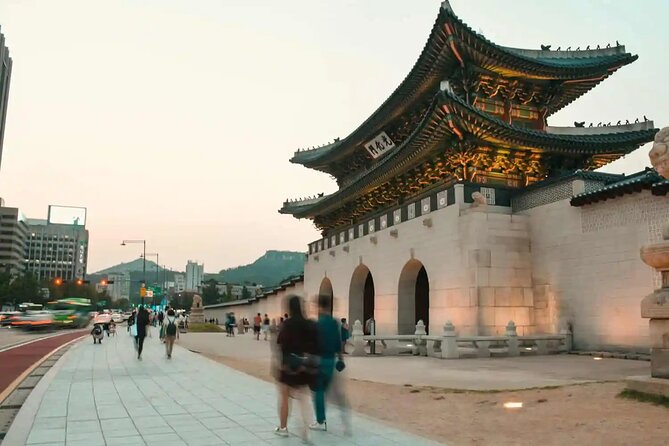
- Gyeongbokgung Palace with a short, memorable intro and the guard-change moment you can’t really get wrong
- Gwanghwamun Square plus statues tied to King Sejong and Admiral Yi Sun-sin, so you’re not just looking at stone
- Insadong’s hanok lanes for tea houses, craft shops, and snack-style food stops
- Bukchon Hanok Village perched between palaces, with traditional alleys that help the city’s past feel real
- Small group size (max 20) that makes questions and photos feel less rushed
- Free-entry stops listed throughout the route, so your $96.75 is mostly paying for interpretation and local direction
A handful of other Seoul experiences to line up next
- Seoul: Evening Dark History, Folklore & Ghost Story Walking Tour★ 5.0 · 593 reviews
- Hanbok Photoshoot and History Tour at Gyeongbokgung Palace★ 5.0 · 276 reviews
- From Seoul: Dae Jang Geum Park Historic K-Drama Set Tour★ 4.9 · 143 reviews
- Seoul: City Highlights and Historical Experience No Shopping★ 5.0 · 74 reviews
A focused way to understand Seoul’s old core
This tour is for people who want the basics fast, without turning Seoul into a checklist. You’ll move through some of the most important spots in the center—Gwanghwamun, Jongno, palace grounds, and classic hanok neighborhoods—while someone explains what you’re seeing and why it mattered.
What makes it work is the rhythm. You start with civic Seoul (City Hall), pivot into the symbolic center (Gwanghwamun), then hit the palace, then flow into Insadong’s craft-and-tea streets, and end in Bukchon’s quieter traditional lanes. It’s the kind of route that gives you mental landmarks.
And it’s especially good early in your trip. After a walk like this, the city starts to make sense when you go back out on your own—subway exits, street names, and the relationships between palaces and neighborhoods.
Price and what you really get for $96.75
At $96.75 per person for about 3 hours 30 minutes, you’re paying for guided context, a curated walking line, and someone to steer you through the dense center. The value angle here is that many stops are listed as free entry as part of the experience, so your money isn’t only going toward admission fees.
You also get a small-group feel. With a maximum of 20 people, it’s easier to keep together and easier to ask follow-up questions (like why a statue is placed where it is, or what a palace feature signals).
One more practical detail that matters: you get a mobile ticket and confirmation at booking. That cuts down on the hassle factor when you’re already dealing with new transit, new street signs, and Korea’s slightly different daily rhythm.
If you’re the type who enjoys learning while walking, this is good value. If you hate guided time and would rather roam freely with headphones, you might feel the structure more than you benefit from it.
Meeting point, route logic, and how to pace yourself
You’ll start at Seoul Plaza (110 Sejong-daero, Jung District) and finish at Cafe Onion Anguk (5 Gyedong-gil, Jongno District). In practice, this is smart because you’re ending right where Bukchon’s hanok lanes are easy to continue exploring.
The tour is designed as a single flow, not a bus-and-drop situation. That’s great for seeing details at street level—especially in Insadong and Bukchon. But it also means your feet do the work, and weather matters.
Two timing notes to keep in mind:
- Seoul City Hall is listed with a note that it may be closed on some Tuesdays. If you’re traveling on a Tuesday, it’s wise to be flexible.
- The experience requires good weather. If it’s canceled for weather, you’ll be offered a different date or a full refund.
Pacing tip: treat the whole thing like a guided orientation walk. Don’t try to “win” it. Take small breaks, hydrate, and save your big souvenir or meal mission for after the tour.
Seoul City Hall and Gwanghwamun: power, symbolism, and everyday streets
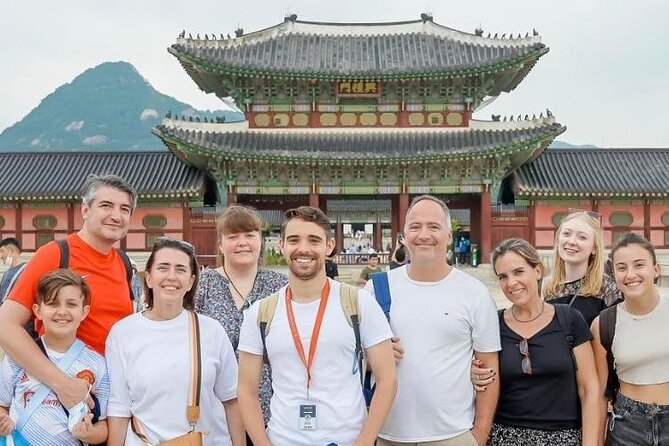
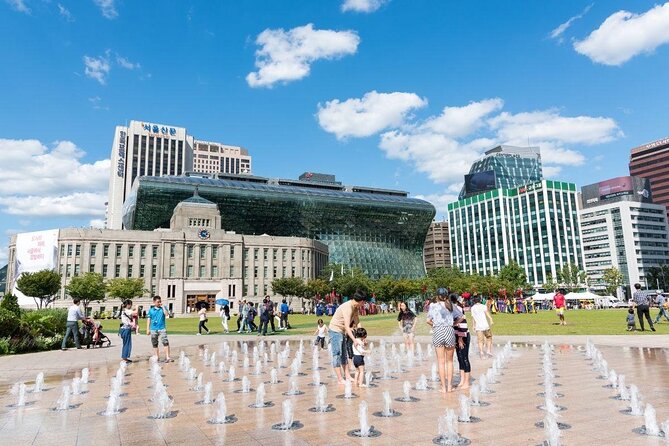
The first stops are about giving you bearings. Starting at Seoul City Hall is a smart warm-up because it frames Seoul as more than a set of palaces and photo spots. You get an entry point into how the city developed and how it presents itself in the present.
Then you move into Gwanghwamun Square, walking along Gwanghwamun avenue. This is the main avenue area, where the city’s history is expressed through monuments, architecture, and the sheer scale of the space. Even if you’ve seen photos before, the feeling changes when you’re standing in the center of it.
Right near the Gwanghwamun Gate area, you’ll also spend a short moment with the stories behind the statues of Admiral Yi Sun-sin and King Sejong the Great. The benefit of stopping here isn’t the statue itself—it’s that the guide ties the names to what they represent in Joseon-era identity. That context helps you read the rest of the route instead of just passing by.
If you like history but also like not getting buried in facts, this portion hits the sweet spot: quick, direct, and anchored to what you can see.
Gyeongbokgung Palace: the Joseon centerpiece you can actually picture
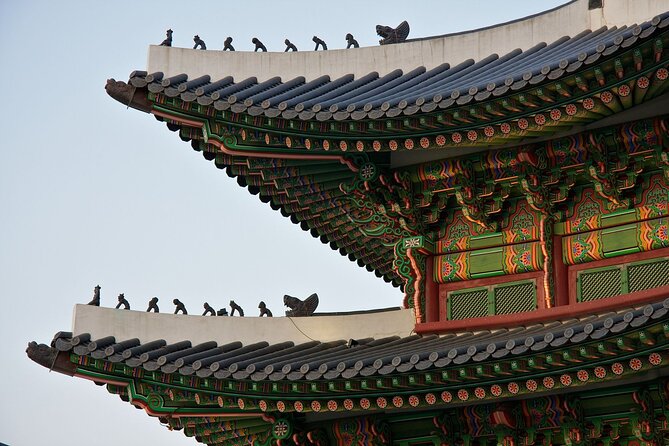
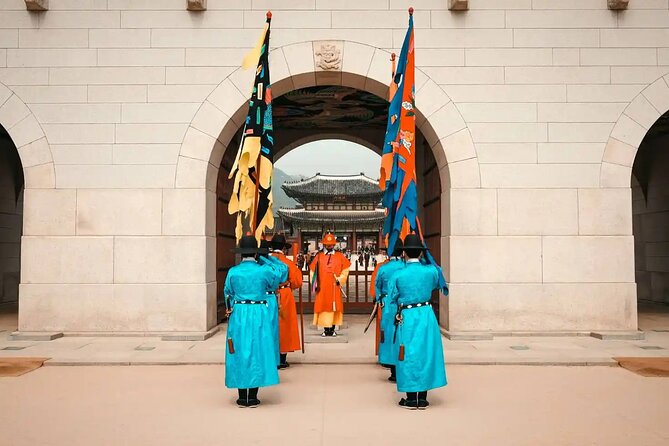
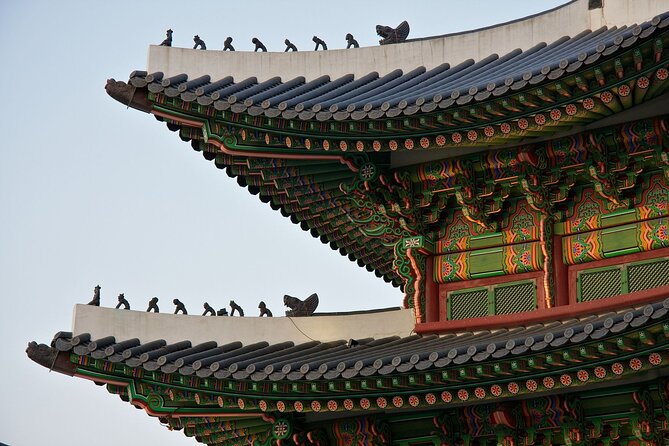
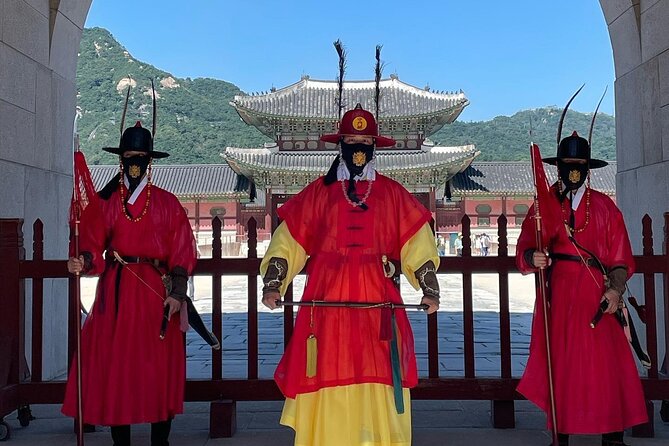
Gyeongbokgung Palace is the big “this is Seoul” stop on the route. You’ll get an introduction to the main palace and a chance to see the change of the guards.
Even with only about 30 minutes here, the format works because the guide’s job is interpretation, not speed-running. You’ll understand what parts of the palace are meant to communicate—order, authority, and court life—so the visit doesn’t feel like wandering through empty-looking grounds.
Practical consideration: palace areas can be busy, and that can affect how much time you get for photos. Come ready to stand, wait a moment, and move when the group moves. If your trip style is very slow and contemplative, you may want to do extra palace time after the tour on your own.
Insadong’s hanok lanes: tea, crafts, and where to eat smart
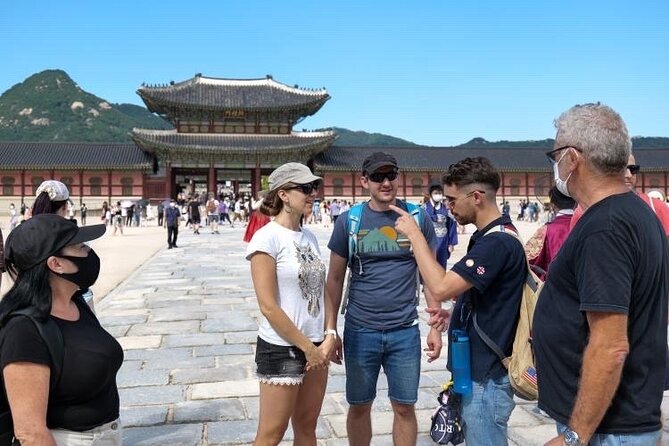
After the palace, you shift to Insadong, one of Seoul’s older neighborhoods. The draw here is that it mixes traditional architecture (hanoks and old-street patterns) with places to stop, snack, and browse.
You’ll pass traditional tea houses, galleries, bars, and craft shops along those narrow, winding lanes. The “maze” aspect matters because it’s part of Insadong’s charm—you’re not just walking a straight line to a single destination. It feels like a neighborhood, not a set.
The other reason I like this stop is the food guidance angle. One of the strongest recurring points from the experience is that the guide helps you know where to eat and drink, including a mention of Korean beer chicken. That’s the kind of tip that saves you time later when hunger hits and your phone battery is low.
Suggestion for your personal rhythm: use Insadong as your “snack and browse” window. If you want a sit-down meal, plan it for after the tour, when you can choose based on the mood you’re in—spicy, sweet, light, or full-on comfort food.
Bukchon Hanok Village at the top of the hill
You end in Bukchon Hanok Village, tucked in a traditional area positioned on higher ground between Gyeongbokgung Palace and the surrounding palace-side neighborhoods. The route description emphasizes that it’s preserved to reflect about 600 years of traditional village life.
What you should expect here is the streetscape: classic alleys, traditional hanok houses, and a calmer feel than the palace and main avenue areas. The walk-through time is listed at about 30 minutes, which is just enough to soak in the layout and take a few good photos without turning it into a long slog.
The value of ending here (instead of somewhere else) is that you leave with momentum. After the guided part ends, you can keep wandering in the direction that catches your eye—quiet side alleys, small craft storefronts, or just the best views over the neighborhood.
If you’re planning to continue sightseeing afterward, save some energy. Bukchon works best when you’re willing to slow down and look at details in doorways, rooflines, and the way the lanes curve.
Guides, group size, and why the human part matters
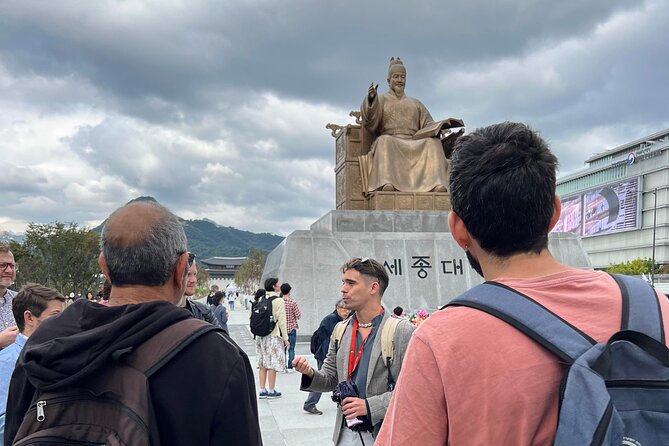
This tour runs with a maximum of 20 travelers, which is not a small detail. In busy central Seoul, group size decides whether you get space to ask questions or whether you’re stuck moving like a single unit.
The guide quality shows up strongly in the feedback themes. People praised guides such as Moises for giving enough history to make the city feel understandable, and they also liked that the English was strong. Others highlighted Gemma for making the history of Korea come alive while connecting the story to what you see right now.
That blend—history plus modern context—is the difference between a tour that feels like a lecture and one that feels like a walk with answers.
Practical tips before you go
A few things I’d personally take seriously for this exact route:
- Bring good walking shoes. You’re on your feet across multiple central districts, and the tour is built as a steady walk.
- Plan for weather. The experience explicitly requires good weather, and you’ll get a different date or a refund if it’s canceled due to poor conditions.
- Think of it as orientation. 3.5 hours gives you a strong mental map. For deeper palace time or longer restaurant hangs, you’ll still want extra unstructured time later.
- If plans change, communicate quickly. One unhappy situation in the feedback notes a missed chance to join after a personal situation resolved. It’s a reminder that timing matters, so message the guide as soon as you know.
Should you book this Seoul tour?
Book it if you want a guided introduction to Seoul’s center that hits the big names—Gyeongbokgung, Gwanghwamun, Insadong, and Bukchon—without turning your day into a stressful sprint. It’s also a great early-trip choice when you want practical food direction and clear historical context in one package.
Skip it if you’re not into walking, you’re visiting in conditions that are likely to be rough, or you prefer learning on your own with a phone app and zero group structure. If you only want one neighborhood deeply, you might get more out of a longer dedicated visit.
FAQ
What is the duration of the Discover Seoul: Local Life and History tour?
The tour lasts about 3 hours 30 minutes.
How much does the tour cost?
The price is $96.75 per person.
Is this tour ticket delivery mobile?
Yes, it uses a mobile ticket.
Where does the tour start and end?
It starts at Seoul Plaza (110 Sejong-daero, Jung District, Seoul) and ends at Cafe Onion Anguk (5 Gyedong-gil, Jongno District, Seoul).
Are there any admission costs at the stops?
The route lists free admission tickets for the stops included.
What should I know about weather?
The experience requires good weather. If it’s canceled due to poor weather, you’ll be offered a different date or a full refund.
Is there a group size limit?
Yes. The tour has a maximum of 20 travelers.
Can I bring a service animal?
Yes, service animals are allowed.
Can I cancel for a full refund?
Yes. You can cancel up to 24 hours in advance for a full refund.
What’s the accessibility like for getting there?
It’s described as near public transportation, and most travelers can participate.
More Historical Tours in Seoul
- Seoul: Evening Dark History, Folklore & Ghost Story Walking Tour★ 5.0 · 593 reviews
- Hanbok Photoshoot and History Tour at Gyeongbokgung Palace★ 5.0 · 276 reviews
- From Seoul: Dae Jang Geum Park Historic K-Drama Set Tour★ 4.9 · 143 reviews
- Seoul: City Highlights and Historical Experience No Shopping★ 5.0 · 74 reviews
- Street photoshoot and Seoul Hidden gem History Walking Tour★ 5.0 · 68 reviews
More Tour Reviews in Seoul
- Best DMZ Tour Korea from Seoul (Red Suspension Bridge Optional)★ 5.0 · 41,422 reviews
- DMZ Tour: 3rd Tunnel, Option(Suspension Bridge, Boat) from Seoul★ 5.0 · 21,373 reviews
- DMZ tour south Korea from Seoul (NK experience hall, defector)★ 5.0 · 20,599 reviews
- Seoul: DMZ Tour with Optional Suspension Bridge★ 4.8 · 5,277 reviews
- Seoul: DMZ The 3rd Tunnel and Suspension Bridge Tour★ 5.0 · 4,656 reviews
Just added to Exploring Seoul


Historical Tours, compared.
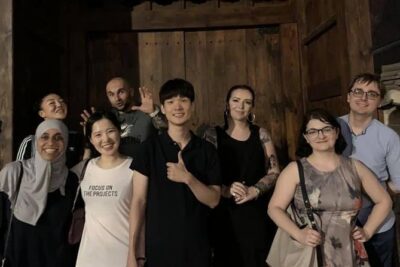 ★ 5.0Evening Dark History, Folklore & Ghost Story Walking TourFrom $42593 reviews
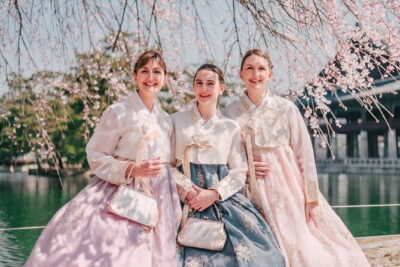 ★ 5.0Hanbok Photoshoot and History Tour at Gyeongbokgung PalaceFrom $60276 reviews
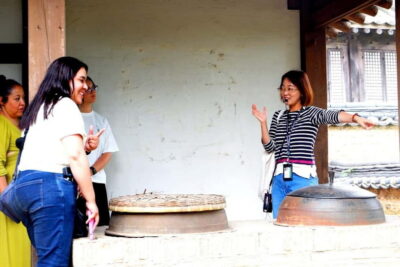 ★ 4.9From Seoul: Dae Jang Geum Park Historic K-Drama Set TourFrom $55143 reviews
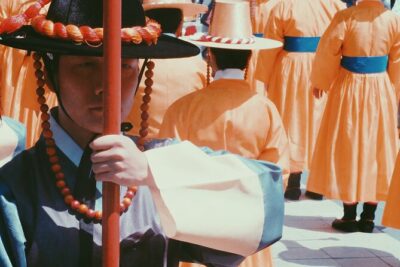 ★ 5.0City Highlights and Historical Experience No ShoppingFrom $4974 reviews
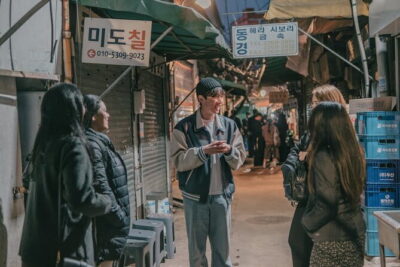 ★ 5.0Street photoshoot and Seoul Hidden gem History Walking TourFrom $4568 reviews
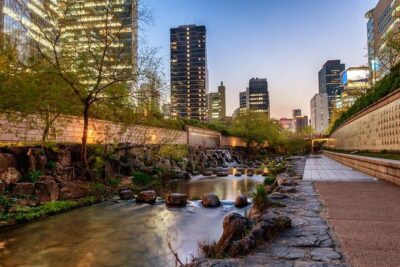 ★ 5.0Korean History & Heritage TourFrom $47551 reviews
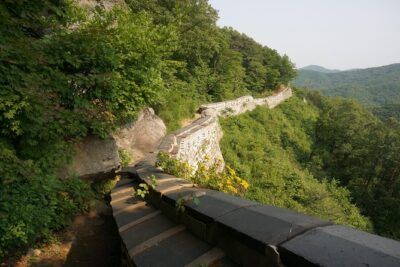 ★ 5.0Namhansanseong UNESCO Historical Sites and Korean Folk Village-Private TourFrom $19829 reviews
 ★ 5.0Full-day UNESCO Heritage Tour with Suwon Hwaseong from SeoulFrom $7628 reviews
Browse the lists this tour appears in