
Reviewed · SEOUL CITY WALL & FORTRESS HIKES
Spiritual Adventure: Into Inwangsan and Korean Shamanism
A mountain walk that feels like a living belief system. This small-group tour around Inwangsan shows how Korean shamanism still shapes daily hopes and fears, not just folklore. I love the way you get both the setting and the meaning: forested paths, quiet shrine stops, and then an on-the-ground explanation of gut rituals and spirit mediation. One thing to keep in mind: it’s a moderate uphill walk with a “cultural respect” vibe, so it’s not for people who want a purely sightseeing, zero-spirit experience.
I’m also a big fan of the human touch. Ethan Kim leads with story-driven clarity, and people highlighted how he’s kind, patient, and good at translating so you can actually follow what’s happening during the session. You’ll have time for questions, and you can even write your own wish or prayer charm to take home or leave at the shrine—simple, personal, and easy to remember.
The possible drawback is the optional “live” part may feel intense if you’re not comfortable with divination or spiritual consultations. The good news is you’re not shoved into anything; the format is designed to be respectful and explanatory, so you can decide what you want to include.
In This Review
- Key highlights worth centering your plan
- Inwangsan: why this mountain matters beyond the view
- Meeting Ethan Kim and setting the tone at the start
- The Inwangsan hike: where the stories become concrete
- Shrine stops and ritual sites: what you’re actually looking at
- Guksadang shrine: story session, resistance spirit, and why it sticks
- The optional live shaman session: what to expect and how to prepare
- Your wish or prayer charm: a small act with real meaning
- Photo opportunities and timing: when it looks best
- Price and value: is $27 really worth it?
- Who this tour fits best (and who should skip it)
- Tips to make the experience smoother
- Should you book: my straight answer
- FAQ
- How long is the experience?
- How much does it cost?
- Where do I meet the guide?
- Is meeting a shaman included?
- What should I bring?
- Is the tour suitable for everyone with mobility or hearing needs?
Key highlights worth centering your plan
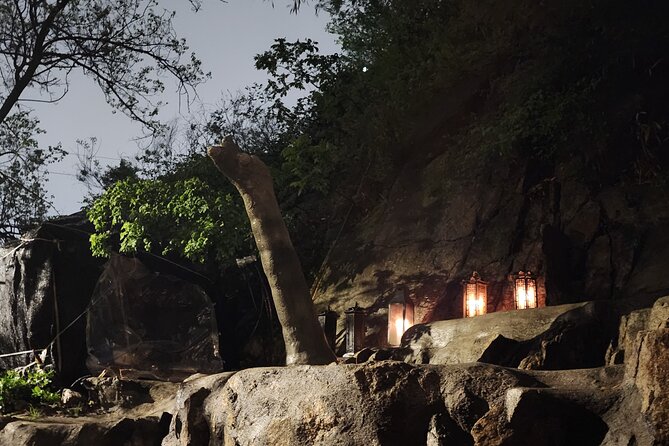
- Inwangsan’s shaman-linked sites with stops that explain offerings and animistic thinking
- Guksadang shrine and a story session about resistance and the shrine’s turbulent history
- A real Korean shaman audience with an optional live divination or consultation and interpretation
- Wish/prayer charm writing you can take home or leave at the shrine
- Photo-friendly mood—night views, forest paths, and shrine moments in one walk
Trace more of the old city wall on foot
- Seoul: Nighttime Tour of Palace, Market, Naksan Park & More★ 4.9 · 143 reviews
- Seoul Night Tour (Gwangjang Market, Royal Palace and Naksan Park)★ 5.0 · 92 reviews
- Seoul Night “Private Tour”(Korean BBQ, N-Tower, Seoul Fortress, Local Market)★ 4.5 · 86 reviews
- Spiritual Adventure: Into Inwangsan and Korean Shamanism★ 5.0 · 39 reviews
Inwangsan: why this mountain matters beyond the view
In Seoul, it’s easy to treat mountains as scenery. This tour nudges you to see Inwangsan as something else: a sacred landscape where nature, spirits, and human life overlap. You start at the base and work your way up through a peaceful, forested route that’s built for slow attention, not speed.
The tour’s main idea is practical: you learn how Korean shamanism evolved, survived, and still shows up in real decisions—health worries, family questions, career uncertainty, and “what should I do next?” And because the guide connects the beliefs to specific places you visit, it doesn’t feel like generic spirituality talk.
One thing I like for planning purposes: the pace is designed to be doable. Expect about an hour to an hour and a half of walking on the core section (with the full experience running around 2.5 hours). Comfortable shoes matter more than anything else.
Meeting Ethan Kim and setting the tone at the start
You’ll meet near Dongnimmun Station (Exit 3), though the exact meeting point can vary depending on which option you choose. One listed option is near 썬더치킨 독립문점, and another is Muakjae Station, so check your confirmation closely and arrive a bit early so you’re not stressed.
Ethan Kim’s approach matters here. People who booked through English-language tours especially valued how he communicates clearly, including translation support during the session. That’s a big deal for this experience, because shamanism includes concepts and ritual objects that don’t always map neatly onto Western religious vocabulary.
Before you move uphill, you get a safety briefing and the mental framing: this isn’t a haunted house. It’s a cultural and spiritual walk where you’re expected to observe respectfully, listen closely, and ask questions when appropriate.
The Inwangsan hike: where the stories become concrete
Your first major segment is the climb through Inwangsan’s shaman-linked areas. Along the route you’ll have photo stops, guided explanations, and scenic viewpoints if the conditions are right. The vibe shifts as you go—start with city-edge energy, then gradually move into that quieter, more enclosed forest feeling.
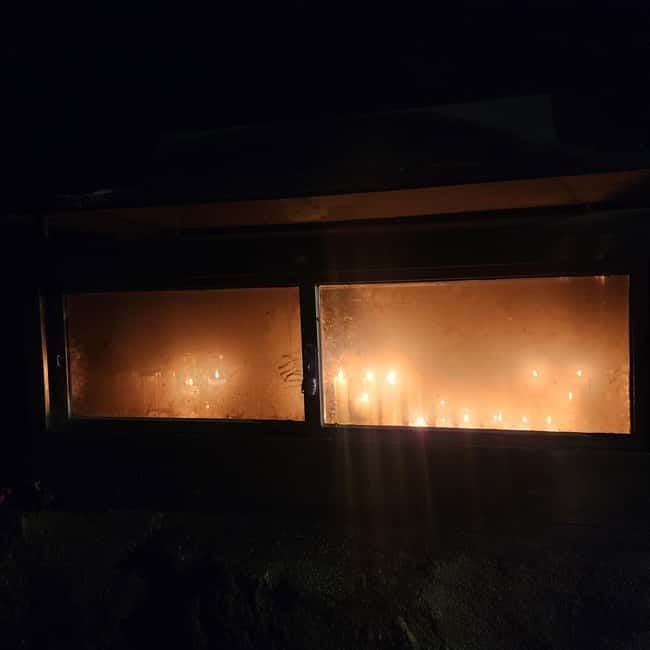
The tour focuses on symbolic everyday details. You’ll learn what kinds of offerings can appear at shrines and ritual spots—things like candles, rice, alcohol, and written prayers—and why those offerings are about communication with spirits, not “random gifts.” You’ll also hear legends tied to mountains and spirits, which helps you understand why Korea’s traditional spiritual worldview is deeply connected to the physical world around people.
Practical note: you may do the walk in the evening depending on scheduling, and night hiking can feel fun if you’re steady on your feet. Still, it’s uphill, so plan for slower steps. If you’re coming straight from sightseeing all day, you’ll appreciate that the tour is structured to keep moving but not gasping.
Shrine stops and ritual sites: what you’re actually looking at
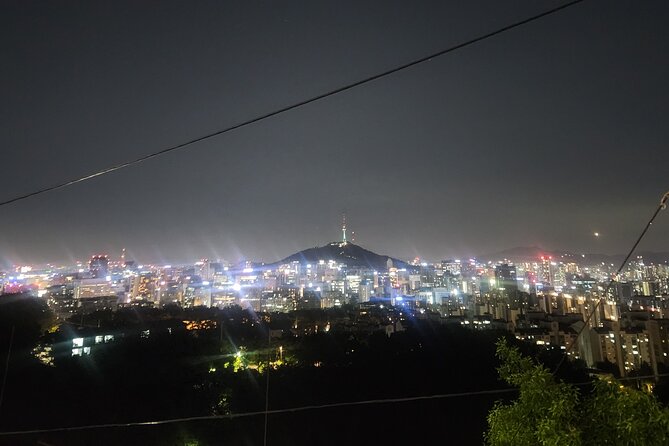
The best part of this tour, for many people, is the “stop-by-stop meaning.” You don’t just pass shrines—you pause at hidden ritual sites tucked into the hillside, and your guide explains what’s going on and why it matters.
You’ll get grounded in the animistic worldview behind Korean shamanism. That means you’ll hear how people historically saw nature and fate as connected: spirits are part of the environment, and humans aren’t separate from the forces that influence everyday life.
Also, you’ll learn about key terms and roles so the final session makes sense:
- mudang: the shamans who act as mediators
- gut rituals: shamanic ceremonies meant to interact with the spiritual world
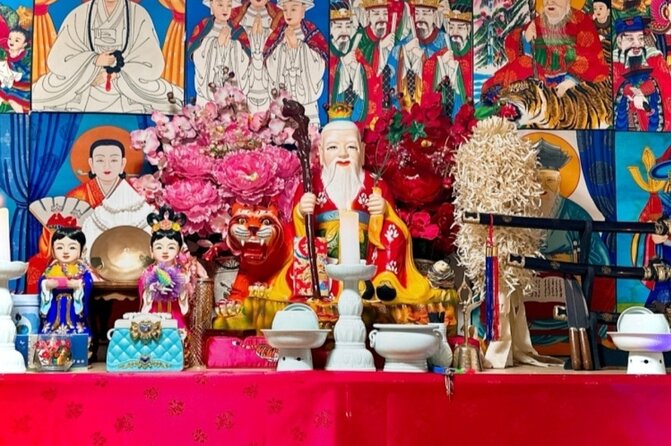
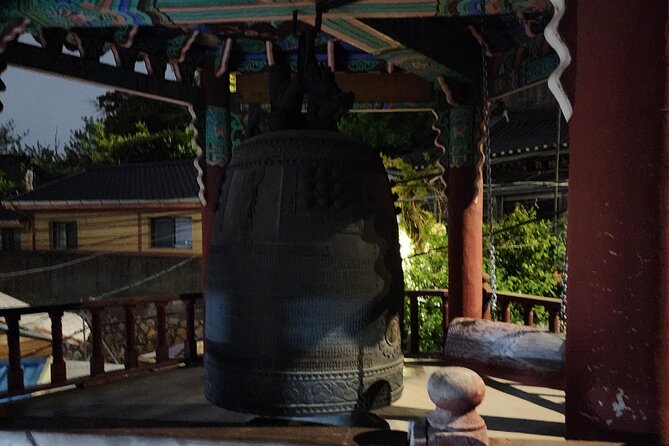
And the guide explains common ritual objects you might see used in real ceremonies—such as swords, bells, and fans. Even if you’re skeptical, it helps to understand what these items are for and how they fit into the flow of a ritual.
Guksadang shrine: story session, resistance spirit, and why it sticks
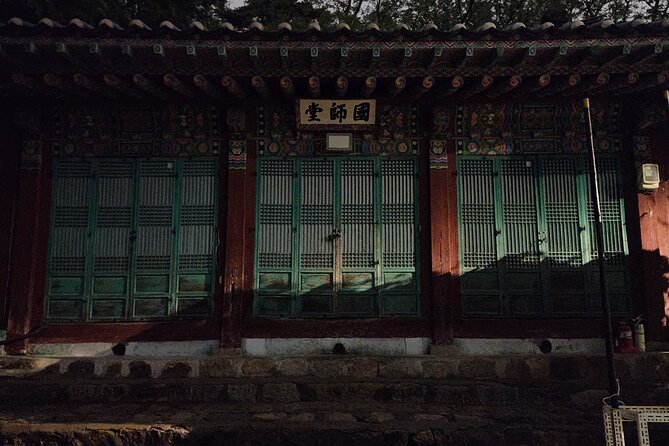
Your destination includes Guksadang, described as Seoul’s most iconic shamanic shrine. This is where the tour slows down again and becomes more historical.
You’ll pause here for a storytelling session that covers the shrine’s turbulent history and the resistance spirit often associated with Korean shamanism. That context is useful because it explains why shamanic traditions didn’t simply disappear when newer systems of belief arrived. They survived by changing, adapting, and continuing to serve real needs in people’s lives.
This is also where the tour’s tone is at its most respectful. Expect a calm atmosphere and a focus on understanding rather than mockery or thrill-seeking.
The optional live shaman session: what to expect and how to prepare
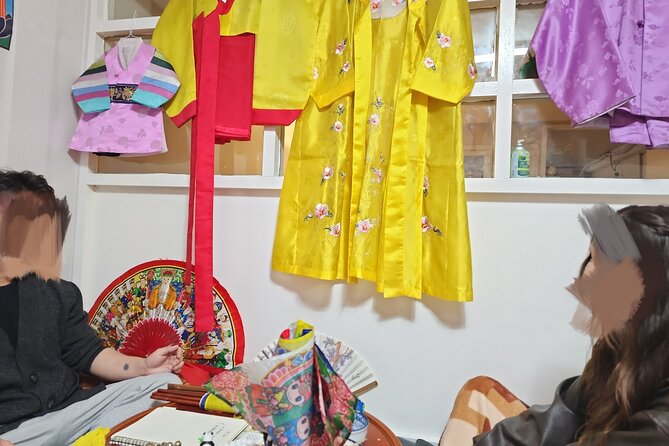
The climax is an audience with a real Korean shaman, which is optional depending on the package you choose. If you include it, you’ll likely witness a short live divination session or spiritual consultation, with interpretation provided.
The consultation focus can include things like:
- health
- career
- family
- fate and next steps
What makes this part worth your attention is not the “prediction” angle. It’s the cultural lens. Divination here isn’t presented as entertainment. It’s a structured way for people to seek guidance, express concerns, and make sense of uncertainty.
How should you prepare? Bring an open mind and come with the ability to listen. You’ll also want to respect the moment—this isn’t the time to treat it like a photo op or an experiment.
Some bookings highlighted that the shaman’s reading can feel thoughtful and thorough, and that the style may differ from what you’ve seen in Europe. In other words: don’t assume it will look like a Tarot reading or a generic “fortune cookie” approach.
Your wish or prayer charm: a small act with real meaning
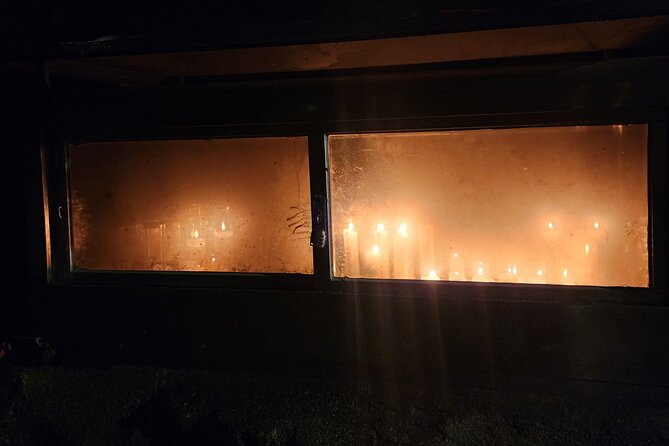
Near the end, you’ll write your own wish or prayer charm. The tour frames this as personal—something you can take home or leave at the shrine.
This is one of those “small” moments that can become surprisingly memorable. It turns what you learned from stories and history into a concrete action, which is useful if you like experiences that leave you with something more than photos.
If you tend to be reflective while traveling, this part lands well. If you’re more skeptical, it can still feel meaningful as a cultural exercise—like writing a note for the future, but guided by the local spiritual context.
Photo opportunities and timing: when it looks best
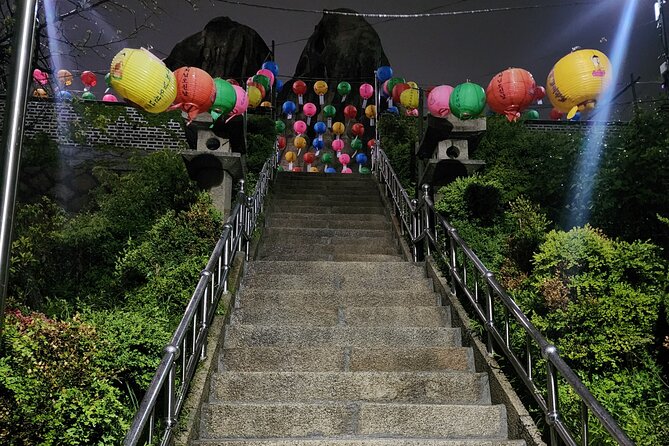
You’ll have multiple photo chances: scenic viewpoints on the way, shrine moments, and the atmosphere-heavy mood at the top area. The route can include sunset-type scenery depending on your timing, and some people noted that night hiking felt lively.
To get the most out of photos without slowing the group down, keep two expectations:
- You’ll be walking and pausing—not standing in one place for long.
- Shrines and ritual sites are active spaces, so take your photos thoughtfully and follow the guide’s cues.
Price and value: is $27 really worth it?
At about $27 per person, this tour is priced like an experience, not a museum ticket. What you’re paying for is the combination of:
- structured hiking with guided cultural interpretation
- shrine visits that explain specific practices and meanings
- an optional live shaman session (the most value-dense part)
- a small-group feel plus Q&A time
The value also comes from language support. Since the tour is in English, you’re not left piecing things together from your own guesswork when ritual objects, terms, and historical context appear. That can matter a lot in experiences where the “meaning” is the whole point.
If you’re only interested in views and short walks, this may feel like overkill. But if you want a guided bridge into Korean spirituality and culture, the cost looks reasonable for what you get.
Who this tour fits best (and who should skip it)
This is a good match if you want more than standard sightseeing and you like understanding beliefs through real places. It suits:
- culture-focused travelers
- history and folklore fans
- spiritual seekers who can be respectful in a living tradition
- people who enjoy walking tours with story-driven guidance
It may not suit you if:
- you need full wheelchair access or have mobility limitations
- you have hearing issues (the tour isn’t listed as suitable for hearing-impaired people)
- you want a casual, no-intensity experience (the shaman session may feel serious)
Tips to make the experience smoother
- Wear comfortable shoes with good grip. It’s a slight uphill climb.
- Bring a light jacket or umbrella depending on weather.
- Skip the idea that this is a party tour. Keep the tone respectful.
- If you include the shaman consultation, come with a clear question or theme in mind so you don’t freeze on the spot.
Also, note that certain things aren’t allowed during the activity—like smoking and making fire. The goal is calm and appropriate behavior around shrine spaces.
Should you book: my straight answer
Book this tour if you’re curious about Korean shamanism in a way that feels grounded: a real mountain setting, shrine history, clear explanations, and the option to witness a live divination session with interpretation. At $27, it’s a strong value when you consider the combination of hiking, cultural context, and the wish charm moment.
Skip it if you want only mainstream landmarks, if you strongly dislike religious/spiritual consultations, or if your mobility needs aren’t compatible with a moderate uphill walk.
If you’re somewhere in the middle—curious but cautious—this is exactly the kind of experience where respectful questions and a calm attitude make all the difference.
FAQ
How long is the experience?
It runs about 30 to 150 minutes, with the walk-and-story format commonly around 2.5 hours.
How much does it cost?
The price is $27 per person.
Where do I meet the guide?
The meeting point may vary by option, and one listed option is near Dongnimmun Station (Exit 3). Other listed options include 썬더치킨 독립문점 and Muakjae Station.
Is meeting a shaman included?
Meeting a real shaman is listed as optional, and a live ritual or fortune reading is also optional.
What should I bring?
Bring comfortable shoes. You may also want a light jacket or umbrella depending on the weather.
Is the tour suitable for everyone with mobility or hearing needs?
It is not suitable for people with mobility impairments or wheelchair users, and it is also listed as not suitable for hearing-impaired people.
If you tell me your travel month and whether you plan to include the shaman reading, I can help you decide the best way to time it and what to bring so you enjoy it fully.
More Tour Reviews in Seoul
- Best DMZ Tour Korea from Seoul (Red Suspension Bridge Optional)★ 5.0 · 41,422 reviews
- DMZ Tour: 3rd Tunnel, Option(Suspension Bridge, Boat) from Seoul★ 5.0 · 21,373 reviews
- DMZ tour south Korea from Seoul (NK experience hall, defector)★ 5.0 · 20,599 reviews
- Seoul: DMZ Tour with Optional Suspension Bridge★ 4.8 · 5,277 reviews
- Seoul: DMZ The 3rd Tunnel and Suspension Bridge Tour★ 5.0 · 4,656 reviews
More of the Old City Wall
- Seoul: Guided City Wall Sunset Hike with Korean Dinner★ 4.9 · 227 reviews
- Seoul: Nighttime Tour of Palace, Market, Naksan Park & More★ 4.9 · 143 reviews
- Seoul Night Tour (Gwangjang Market, Royal Palace and Naksan Park)★ 5.0 · 92 reviews
- Seoul Night “Private Tour”(Korean BBQ, N-Tower, Seoul Fortress, Local Market)★ 4.5 · 86 reviews
- Spiritual Adventure : Into Inwangsan and Korean Shamanism★ 5.0 · 25 reviews
Just added to Exploring Seoul


Seoul City Wall & Fortress Hikes, compared.
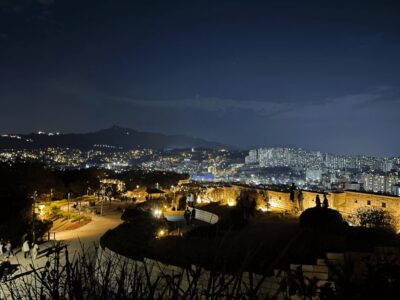 ★ 4.9Guided City Wall Sunset Hike with Korean DinnerFrom $65227 reviews
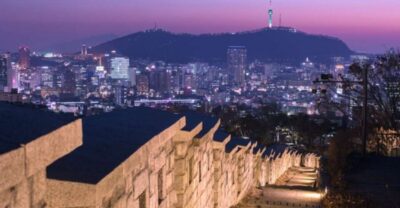 ★ 4.9Nighttime Tour of Palace, Market, Naksan Park & MoreFrom $43143 reviews
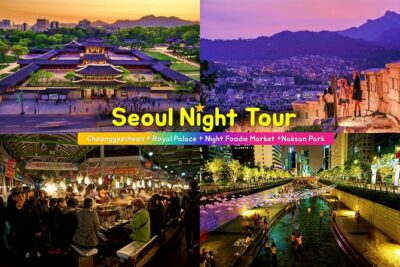 ★ 5.0Seoul Night Tour (Gwangjang Market, Royal Palace and Naksan Park)From $4592 reviews
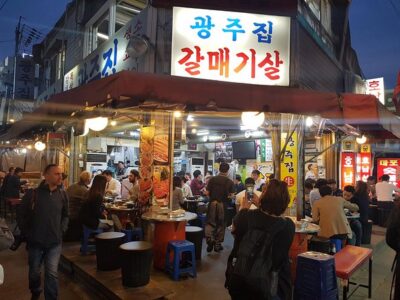 ★ 4.5Seoul Night “Private Tour”(Korean BBQ, N-Tower, Seoul Fortress, Local Market)From $14886 reviews
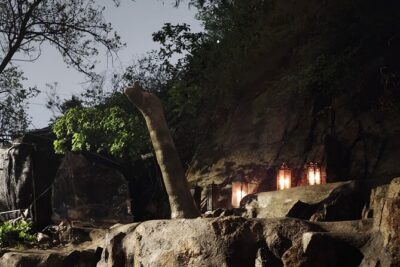 ★ 5.0Spiritual Adventure : Into Inwangsan and Korean ShamanismFrom $2825 reviews
 ★ 4.5Sunset Walking Tour in Naksan Park with DinnerFrom $6023 reviews
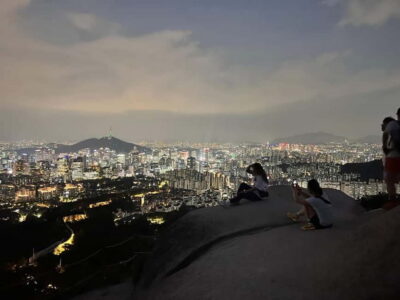 ★ 5.0Inwangsan Sunset Hike with GuideFrom $3817 reviews
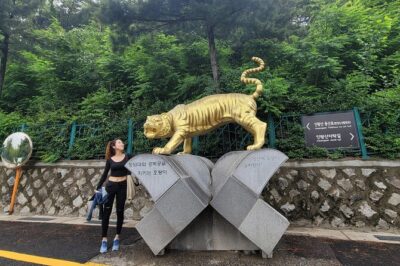 ★ 5.0Inwangsan hike & historical sitesFrom $6910 reviews
Browse the lists this tour appears in