
Reviewed · SEOUL CITY WALL & FORTRESS HIKES
Inwangsan hike & historical sites
Seoul looks different from Inwangsan after dark. I like that this is a small group (maximum 15) with a certified guide leading the way, and I also love the mix of historic sites plus postcard-worthy nightscapes. One trade-off to think about: the experience depends on timing and good weather, and after the hike you’ll pay for the bus back to the city on your own.
What makes this outing work so well is the balance. You get an easy, scenic mountain walk that still feels like an achievement, and the guide adds context so the sites don’t blur together. If you’re craving Seoul views without day-time crowd chaos, this is a smart way to do it.
In This Review
- Key takeaways before you go
- Why Inwangsan night views beat a standard Seoul sightseeing day
- Sajik Park: the cultural warm-up before you climb
- Inwangsan Mountain: an easy hike that still feels like a win
- The Seoul City Wall (Hanyangdoseong) walk: history you can follow step by step
- Nightscapes with N Seoul Tower and Lotte Tower
- Snacks and small comfort touches that make the hike feel local
- Price and value: what you’re really paying $69.28 for
- Logistics you can plan around: meeting point, timing, and getting back
- Who this hike suits best (and who should skip it)
- Should you book this Inwangsan hike with Sajik Park and the Seoul City Wall?
- FAQ
- How long is the Inwangsan hike?
- Where does the tour start and end?
- What is the group size?
- Is the tour guided?
- What stops and sights are included?
- Are snacks included during the hike?
- Is the bus back included?
- What ticket type do I get?
- Is the hike difficult?
- What if the weather is bad or I need to cancel?
Key takeaways before you go
- Small group size (max 15) keeps the pace comfortable and helps the guide manage the trail
- Sajik Park first sets the cultural context before you start hiking on Inwangsan
- Easy climb to the peak takes less than one hour, with plenty of calm photo stops
- Seoul City Wall walk (Hanyangdoseong) gives you history you can literally step along
- Night views toward major towers can be stunning when the light hits just right
- Traditional snacks during the trek add a local, casual break along the way
Trace more of the old city wall on foot
- Seoul: Nighttime Tour of Palace, Market, Naksan Park & More★ 4.9 · 143 reviews
- Seoul Night Tour (Gwangjang Market, Royal Palace and Naksan Park)★ 5.0 · 92 reviews
- Seoul Night “Private Tour”(Korean BBQ, N-Tower, Seoul Fortress, Local Market)★ 4.5 · 86 reviews
- Spiritual Adventure: Into Inwangsan and Korean Shamanism★ 5.0 · 39 reviews
Why Inwangsan night views beat a standard Seoul sightseeing day
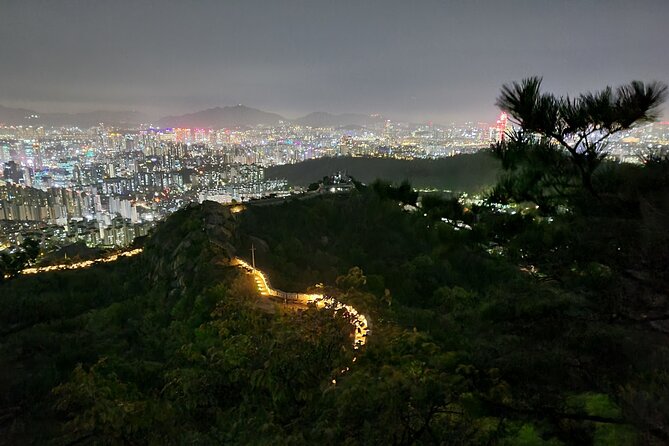
In Seoul, the city views you see online can look flat if you never stand high enough to feel the scale. Inwangsan helps because it’s close to the center, yet it still feels like you’re slipping away into a quieter pocket of nature.
You’re also not doing this in the most crowded hours. The plan is designed around night views of illuminated landmarks—so instead of fighting tour groups at major overlooks, you’re moving along a mountain route with calmer energy. The payoff is the look back over the city, including major towers lit up in the distance.
The hike itself is approachable. The trail is described as easy and enjoyable, and you reach the peak in under an hour. That means you’re not just walking for walking’s sake—you’re walking toward a view and a sequence of meaningful stops.
Sajik Park: the cultural warm-up before you climb
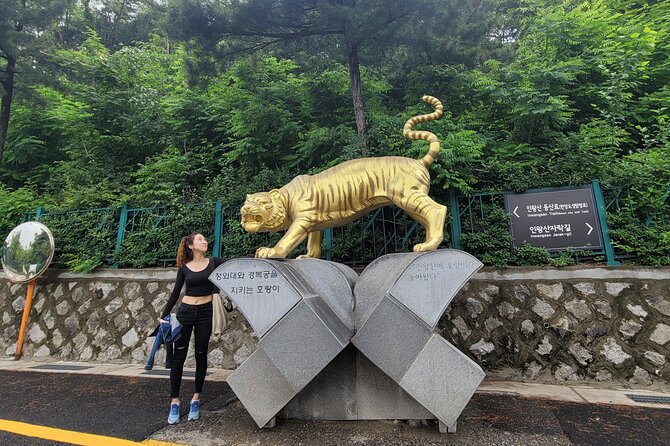
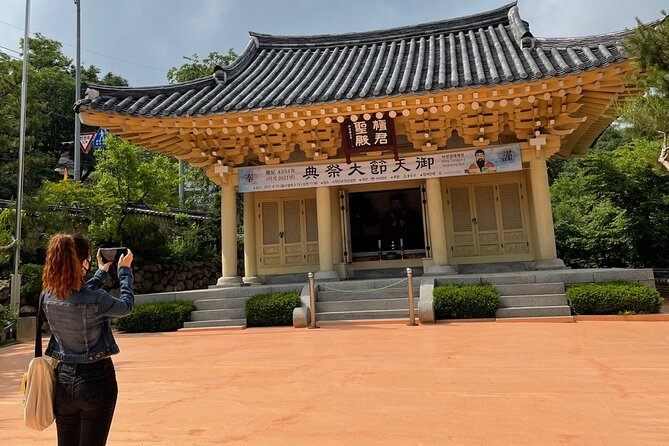
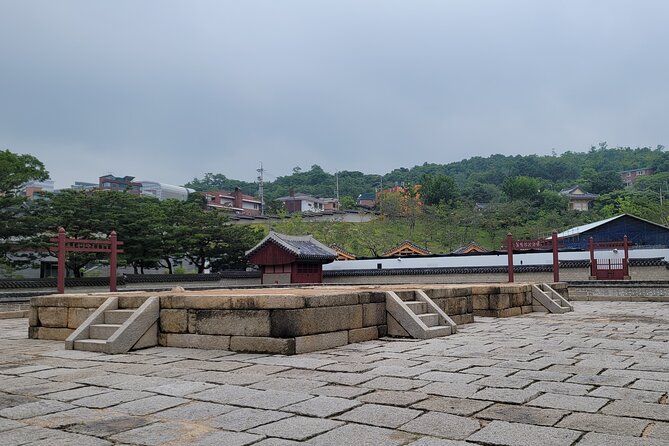
The first stop is Sajik Park, where you’ll spend time at Sajikdan and the Tangun shrine. This part matters because it turns your morning into more than a scramble up a mountain. You start by learning why this location was important long before the city skyline looked the way it does today.
Sajikdan is tied to Joseon-era beliefs and ceremonies. The tour explains that King Taejo—the founder of the Joseon Dynasty—constructed Jongmyo and Sajikdan east and west of Gyeongbokgung Palace. These rites honored the gods of Earth and crops, which is a reminder that ancient Seoul wasn’t only about palaces and politics—it was also about agriculture, seasons, and survival.
Then there’s the Tangun shrine, dedicated to Tangun, the legendary founder of Korea. Even if you’re not a history buff, this gives you a grounding story. It makes the later city-wall walk feel connected to a worldview, not just a random string of stone and viewpoints.
Practical note: Sajik Park is a good way to stretch your legs and get oriented before you start the incline. It’s also a calmer moment before the route gets more outdoorsy.
Inwangsan Mountain: an easy hike that still feels like a win
Once you’re on Inwangsan, the vibe shifts from ceremonial sites to forested trails and steady movement. The trail is described as easy and enjoyable, and most people can participate. You’re walking long enough to feel the climb, but not so much that it becomes a fitness test.
A big plus is how quickly you can reach the peak—less than one hour. That’s ideal if you want a true viewpoint moment without feeling like you’re committing an entire day to a trek. It also makes the hike feel efficient: you get effort early, then more time for the best views and slower reflection.
One detail I really like from guide-led experiences on this mountain: the trail includes a stop at a small library area among the trees. It’s the kind of place you wouldn’t notice if you were just rushing to the top, and it adds a quiet break in the middle of the walk. If your travel style includes little sensory pauses—cool shade, birdsong, a spot to breathe—that stop is worth showing up for.
If the timing lands you in dusk or low light, you should expect extra support from the guide. There’s even mention of flashlight time in some hikes, which tells you the guide plans for safe footing when daylight fades.
A handful of other Seoul experiences to line up next

The Seoul City Wall (Hanyangdoseong) walk: history you can follow step by step
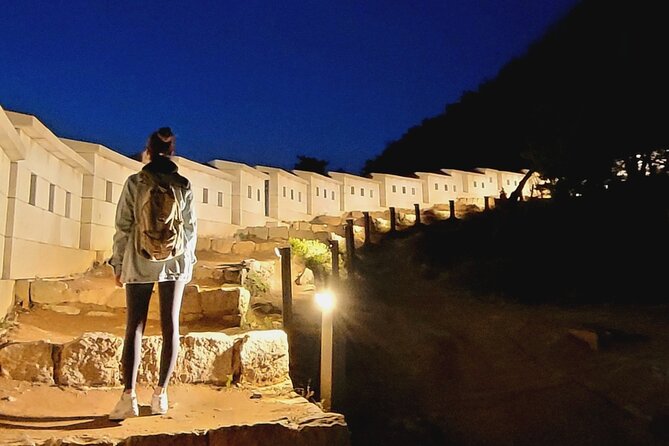
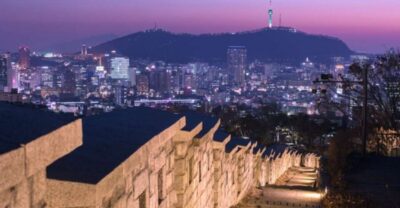
The route doesn’t only focus on summit views. You also walk along Hanyangdoseong Fortress, which is part of the Seoul City Wall. This section is a standout because it’s tangible history: you’re not reading about defense systems—you’re walking along the same kind of strategic line Joseon planners built to protect the city.
The tour explanation frames it clearly: Hanyangdoseong Fortress was built during the Joseon Dynasty to protect Seoul from foreign enemies. That context changes how you view the stones. Instead of treating the wall like scenery, you start thinking about sightlines, borders, and how people once moved through and defended this terrain.
What I’d call the real value here is perspective. From the wall path, you get a mix of city views and mountain grounding at the same time. It’s not just looking out; it’s also traveling through layers of Seoul’s defensive geography.
As a practical matter, the city-wall segment is one of the reasons this hike feels more than an easy stroll. It gives variety, and it keeps your attention engaged because the guide can connect what you see on the ground to why it was built.
Nightscapes with N Seoul Tower and Lotte Tower
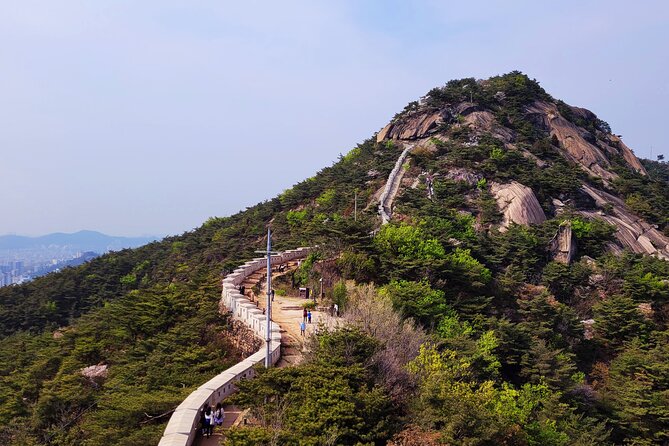
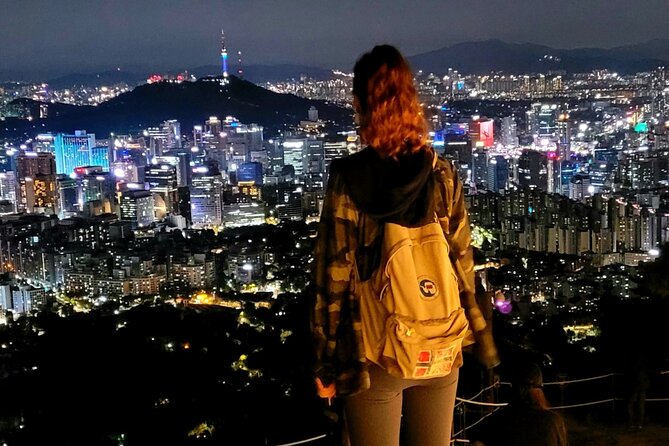
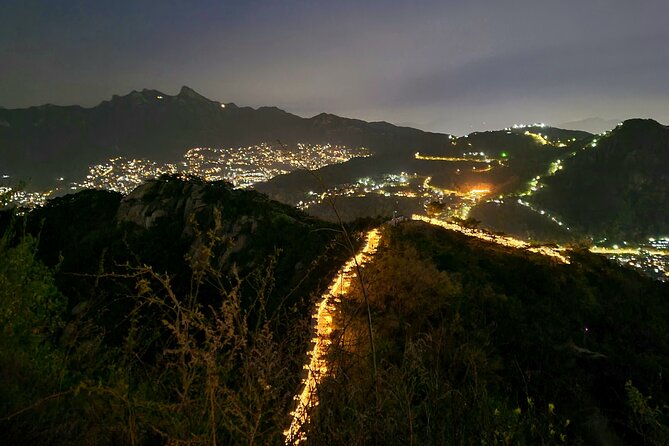
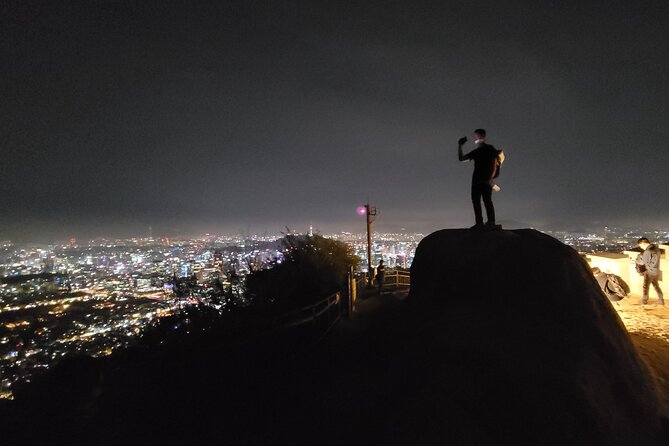
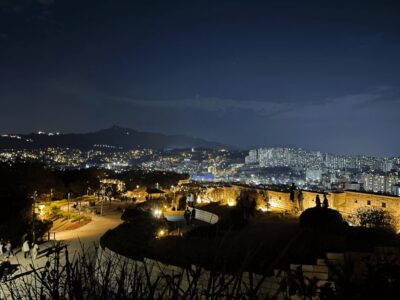
The highlight promise is night views, and that’s where Inwangsan pays off. Illuminated landmarks—including N Seoul Tower and Lotte Tower—show up across the skyline. On a clear evening, the light against the city can feel like a scene you’d see in a film.
Even without perfect visibility, you still get something useful: a broad sense of scale. The plan includes time for peaceful moments watching Seoul from up high, and that’s the kind of travel memory that stays even after the photos fade.
One caution: night views depend on conditions. Fog, rain, or heavy clouds can soften the skyline. That’s why the experience requires good weather, and why your schedule may be adjusted.
If your goal is to see Seoul from above but still keep the trip realistic (not a marathon), plan for a jacket. Mountain air cools quickly after sunset, and you’ll appreciate it when you stop for photos and wait for the view to settle.
Snacks and small comfort touches that make the hike feel local
This tour includes traditional Korean treats during the trek. That matters because it turns the hike into a cultural experience, not just transportation from one viewpoint to another.
From previous groups, snacks have included things like ddeokbokki and Korean bread. Even if your snack is different on your date, the idea is consistent: you’re eating in a way that feels Seoul-local while you’re moving through the mountain route.
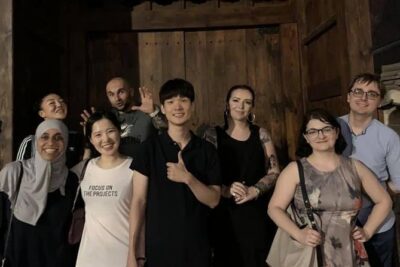
You’ll also have guide-led pacing, which is underrated on hikes. When someone like Lee (Honey Trail, known as @honeytrailkorea) is leading, you’re less likely to get lost, and you’re more likely to stop at the right spots for the right views. Multiple comments also highlight encouragement during the ascent, especially for people who weren’t sure they’d enjoy hiking at first.
There are hints that after the hike, you may have opportunities for food as well. Just don’t assume it’s automatically included in your ticket unless your guide tells you for your date. Treat it as bonus time rather than part of the core package.
Price and value: what you’re really paying $69.28 for
At $69.28 per person for about 3 hours, you’re not just paying for movement. You’re paying for three things that add up fast in Seoul:
1) Interpretation and navigation
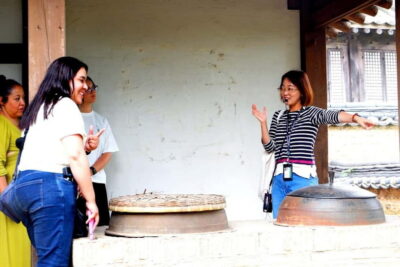
The guide leads you through multiple meaningful stops and explains what they mean, from the Sajik sites to the city wall.
2) Small-group pacing
A maximum group size of 15 makes a difference when you’re hiking. It’s easier to hear instructions, and you’re not stuck waiting for a crowd to shuffle forward.
3) On-route snacks
Food during the hike keeps energy up, and it turns the experience into something more than a workout.
The one cost wrinkle is the bus back after the hike. The plan says the bus fee is not included in the tour, so factor that into your budget. Otherwise, the price feels like it covers the “guided, meaningful, and comfortable” part of the experience rather than only the view.
Also: the ticket is listed as mobile, which usually simplifies day-of check-in compared with paper-only processes.
Logistics you can plan around: meeting point, timing, and getting back
This experience starts at Gyeongbokgung Station and ends back at the meeting point. It’s near public transportation, which is handy if you’re already using the subway for other Seoul plans.
The listed start time is 9:00 am, but the experience description also emphasizes night views and even flashlight time in some cases. That tells you the exact feel of your hike depends on the day, season, and how light changes as you move through the route.
So here’s the practical takeaway: wear layers and expect outdoor time longer than you might guess. If you’re heading straight from a hotel, leave time to use the restroom before you start moving.
Finally, remember the bus fee isn’t included for the ride back to the city. The tour ends at the meeting point, but if you’re taking the post-hike bus step, bring some cashless payment you can use.
Who this hike suits best (and who should skip it)
I think this is a great fit if you want Seoul with both brain and legs. You’ll get historic stops at Sajik Park, then a scenic hike on Inwangsan, then the Seoul City Wall segment along Hanyangdoseong. That combo works well for people who enjoy learning while still doing something active.
It also suits first-time hikers because the trail is described as easy and enjoyable, and the peak is reached in under an hour. Families can fit in too—the experience notes that it works for most travelers and even mentions a 10-year-old enjoying the hike.
You might want to consider another plan if:
- you strongly dislike walking in low-light conditions (some hikes go into dusk)
- you’re not comfortable paying extra for the bus back
- you want only a fully indoor museum-style history day (this is outdoors-first)
Should you book this Inwangsan hike with Sajik Park and the Seoul City Wall?
If your Seoul “must-do” list includes city views plus real context, I’d book this. The best reason is the balance: you’re not only hiking for a photo, and you’re not only sightseeing for facts. You get both, and the route stitches them together from Sajik Park to the wall path to Inwangsan’s peak.
Also, the small-group format (max 15) is exactly what you want when you’re moving through uneven terrain and want the guide to give attention instead of herding a crowd.
Just go in with two expectations: good weather matters, and the bus back includes an extra fee. If you’re good with that, you’ll get a memorable way to see Seoul—quiet mountain time, meaningful historic stops, and skyline views that feel made for night.
FAQ
How long is the Inwangsan hike?
The tour runs about 3 hours (approx.).
Where does the tour start and end?
It starts at Gyeongbokgung Station in Seoul and ends back at the same meeting point.
What is the group size?
The experience is limited to a maximum of 15 travelers.
Is the tour guided?
Yes. It includes a certified tour guide leading the group.
What stops and sights are included?
You visit Sajik Park first, then hike on Inwangsan Mountain, and you also walk along the Seoul City Wall (Hanyangdoseong Fortress).
Are snacks included during the hike?
Yes. You get traditional Korean treats/snacks during the trek.
Is the bus back included?
After the hike, you’ll take a bus to the city, but the bus fee is not included in the tour.
What ticket type do I get?
You get a mobile ticket.
Is the hike difficult?
The trail is described as easy and enjoyable, and most travelers can participate. The peak is reached in less than one hour.
What if the weather is bad or I need to cancel?
The experience requires good weather. If it’s canceled due to poor weather, you’ll be offered a different date or a full refund. You can cancel up to 24 hours in advance for a full refund.
More Historical Tours in Seoul
- Seoul: Evening Dark History, Folklore & Ghost Story Walking Tour★ 5.0 · 593 reviews
- Hanbok Photoshoot and History Tour at Gyeongbokgung Palace★ 5.0 · 276 reviews
- From Seoul: Dae Jang Geum Park Historic K-Drama Set Tour★ 4.9 · 143 reviews
- Seoul: City Highlights and Historical Experience No Shopping★ 5.0 · 74 reviews
- Street photoshoot and Seoul Hidden gem History Walking Tour★ 5.0 · 68 reviews
More Tour Reviews in Seoul
- Best DMZ Tour Korea from Seoul (Red Suspension Bridge Optional)★ 5.0 · 41,422 reviews
- DMZ Tour: 3rd Tunnel, Option(Suspension Bridge, Boat) from Seoul★ 5.0 · 21,373 reviews
- DMZ tour south Korea from Seoul (NK experience hall, defector)★ 5.0 · 20,599 reviews
- Seoul: DMZ Tour with Optional Suspension Bridge★ 4.8 · 5,277 reviews
- Seoul: DMZ The 3rd Tunnel and Suspension Bridge Tour★ 5.0 · 4,656 reviews
More of the Old City Wall
- Seoul: Guided City Wall Sunset Hike with Korean Dinner★ 4.9 · 227 reviews
- Seoul: Nighttime Tour of Palace, Market, Naksan Park & More★ 4.9 · 143 reviews
- Seoul Night Tour (Gwangjang Market, Royal Palace and Naksan Park)★ 5.0 · 92 reviews
- Seoul Night “Private Tour”(Korean BBQ, N-Tower, Seoul Fortress, Local Market)★ 4.5 · 86 reviews
- Spiritual Adventure: Into Inwangsan and Korean Shamanism★ 5.0 · 39 reviews
Just added to Exploring Seoul

Seoul City Wall & Fortress Hikes, compared.
 ★ 4.9Guided City Wall Sunset Hike with Korean DinnerFrom $65227 reviews
 ★ 4.9Nighttime Tour of Palace, Market, Naksan Park & MoreFrom $43143 reviews
 ★ 5.0Seoul Night Tour (Gwangjang Market, Royal Palace and Naksan Park)From $4592 reviews
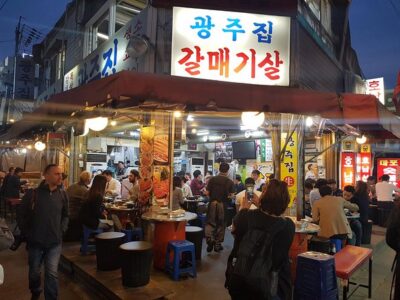 ★ 4.5Seoul Night “Private Tour”(Korean BBQ, N-Tower, Seoul Fortress, Local Market)From $14886 reviews
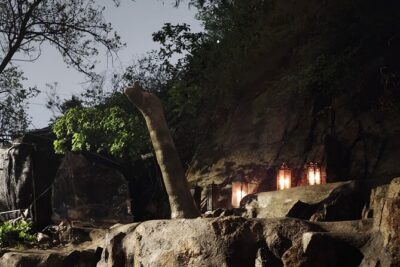 ★ 5.0Spiritual Adventure: Into Inwangsan and Korean ShamanismFrom $2739 reviews
★ 5.0Spiritual Adventure : Into Inwangsan and Korean ShamanismFrom $2825 reviews
★ 5.0Spiritual Adventure: Into Inwangsan and Korean ShamanismFrom $2739 reviews
★ 5.0Spiritual Adventure : Into Inwangsan and Korean ShamanismFrom $2825 reviews
 ★ 4.5Sunset Walking Tour in Naksan Park with DinnerFrom $6023 reviews
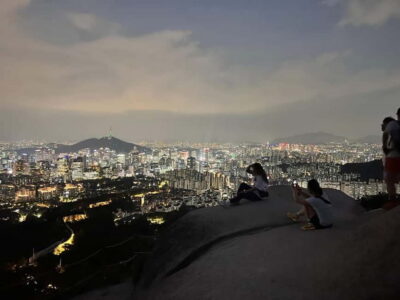 ★ 5.0Inwangsan Sunset Hike with GuideFrom $3817 reviews
Browse the lists this tour appears in