
Reviewed · SEOUL NIGHT TOURS & WALKS
Seoul’s Hidden Dark History Guided Tour of Seodaemun Prison
Prison history can’t be screen-based. This Seoul tour sends you into Seodaemun Prison and shows how Korea’s independence struggle was lived, not just learned. You’ll walk real paths used for detention and punishment, then hear the stories behind the stone.
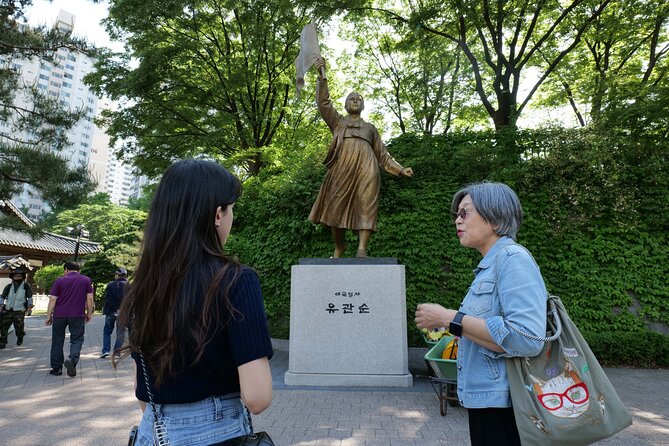
I especially liked two things. First, the stop at Dongnimmun Gate gives you a fast sense of what Korean independence meant in the 1890s, before you hit the prison. Second, the guide ties the site to human stories like Yu Gwan-sun, a 17-year-old student connected to the March 1st Movement.
One consideration: this is a 2-hour walking tour focused on painful events. If you get uncomfortable with dark themes, plan for that mood from the start, and wear shoes that can handle steady walking on uneven ground.
In This Review
- Key things to know before you go
- Starting at Dongnimmun Gate: a quick independence preface
- Seodaemun Prison History Hall: cells, interrogation rooms, and the execution yard
- Yu Gwan-sun and the March 1st Movement: why one story matters
- The guide and small-group format: 10+ years of Korean history in plain language
- Timing and pacing: how a 2-hour prison walk actually works
- Price and value: $31.54 for the main site and expert context
- What you’ll carry home after the tour
- Who should book (and who should think twice)
- Should you book this Seoul dark history tour?
- FAQ
- How long is the Seodaemun Prison guided tour?
- What time does the tour start?
- Where do I meet the guide?
- Where does the tour end?
- Is admission included for Seodaemun Prison History Hall?
- What do we see during the prison visit?
- Who is Yu Gwan-sun in this tour?
- How big is the group?
- What if I need to cancel?
Key things to know before you go
- Small group size (max 10) keeps the walk focused and makes it easier to ask questions.
- Two stops, about 2 hours total means a tight schedule: short context, then the prison.
- Original spaces inside the prison include solitary cells and underground interrogation rooms.
- Execution yard time is built in so the story doesn’t stop at suffering, it covers what happened next.
- Yu Gwan-sun is a central thread to help you connect dates and facts to a person.
- Seodaemun entry is included, so you’re not juggling separate tickets for the main site.
Seoul keeps going long after dark
- Seoul: Night Market Food Tour with Local Guide★ 4.9 · 943 reviews
- Seoul moonlight walking tour with local historian★ 5.0 · 940 reviews
- Seoul: Nighttime Hidden Gems Walking Tour★ 5.0 · 775 reviews
- Seoul: Evening Dark History, Folklore & Ghost Story Walking Tour★ 5.0 · 593 reviews
Starting at Dongnimmun Gate: a quick independence preface
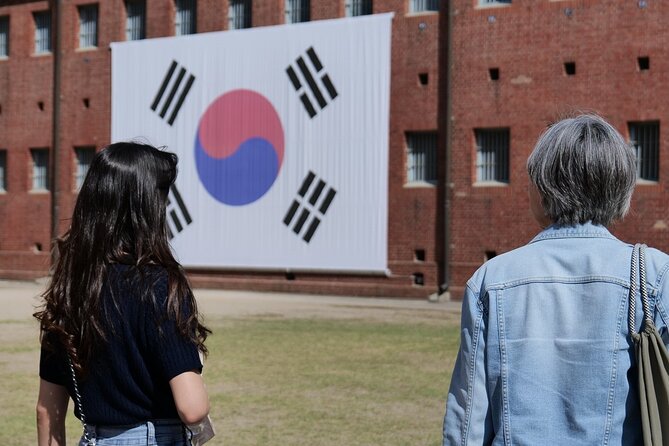
You start at Dongnimmun Gate (the tour lists the Korean-built independence gate from 1890). The visit is short, around 20 minutes, and admission is free. Even in that brief window, it helps you set the right mental frame for what comes next.
Think of this stop as your historical “setup.” Dongnimmun is about the idea of independence in Korean memory. Then you move forward in time to a prison designed to crush that same independence movement.
If you love context, this first stop is a gift. It prevents the prison visit from feeling like a disconnected list of horrors. You get a starting point you can hold onto while you’re walking through confinement spaces.
Seodaemun Prison History Hall: cells, interrogation rooms, and the execution yard
The heart of the tour is Seodaemun Prison History Hall, with about 1 hour 40 minutes on site. Admission is included here, and the pacing is designed so you can actually see and absorb what you’re looking at, not just speed past it.
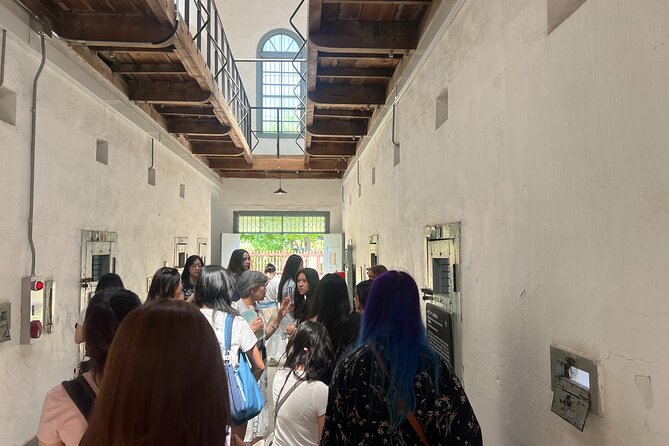
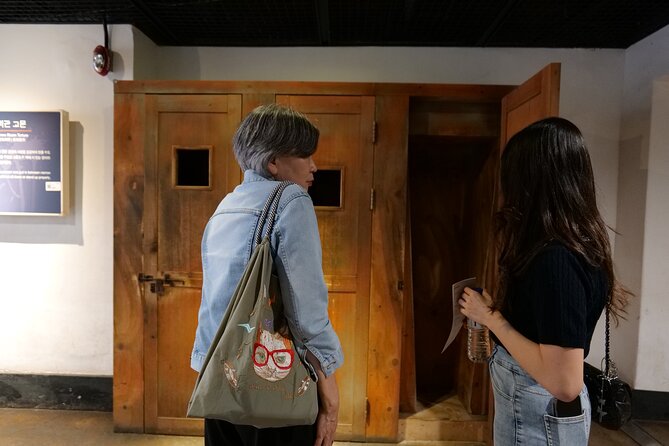
You’ll walk through original prison areas tied to Korea’s independence struggle. Expect to go into solitary cells and see spaces used for interrogation, including underground interrogation rooms. That underground element matters, because it explains how control often worked beyond public view.
You’ll also walk through the execution grounds, which the tour describes as an execution yard. This is where the story becomes brutally concrete. The goal isn’t shock for shock’s sake; it’s to show the full chain of repression and the risks independence activists faced.
What I found most valuable is that the tour doesn’t treat the prison as an abstract monument. It treats it as a working system: arrest, isolation, questioning, and punishment. When you see those linked stages, the history stops being a chapter and starts being a process.
Yu Gwan-sun and the March 1st Movement: why one story matters
One of the strongest parts of this tour is the way it centers on Yu Gwan-sun. You’ll hear her story as a 17-year-old student who became a national symbol after her courage during the March 1st Movement.
This is smart for practical reasons. Big independence movements can feel too large to picture. By anchoring the narrative in a single person, the guide helps you connect what you see in the prison to a real life.
You don’t just learn a name. You get an interpretation of what courage looked like under pressure. And you understand why the resistance stories are repeated in Korean memory: they carry meaning beyond the moment they happened.
If you prefer history that feels human, this part is a highlight. It’s the kind of story that makes the physical site feel more personal and more urgent.
A handful of other Seoul experiences to line up next


The guide and small-group format: 10+ years of Korean history in plain language
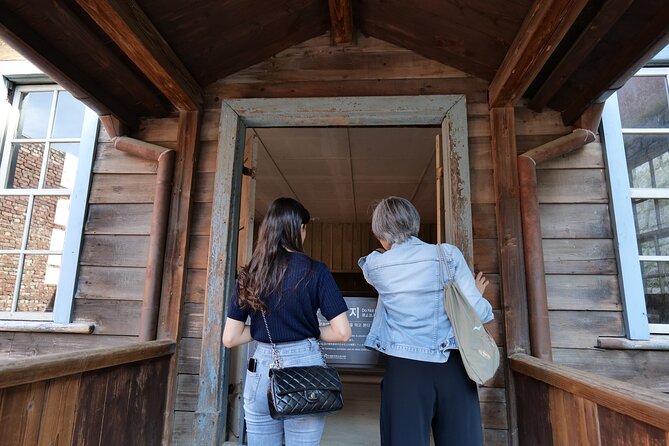
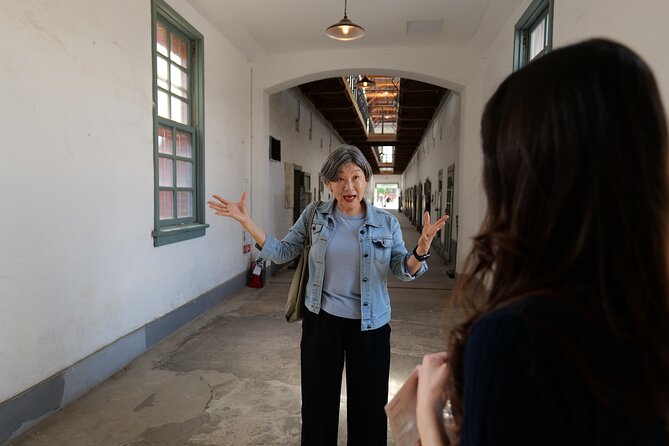
This is a guided walking tour with a maximum of 10 travelers. That small size can be a big deal on a topic like this. It keeps the group from turning into a line, and it makes room for questions when something doesn’t click right away.
The tour also emphasizes that the guide has over 10 years of experience in Korean history. While I can’t judge the teaching style without being in every group, the format here is clearly built around interpretation, not just reading plaques.
From the overall tone of the experience, the guide’s explanations land in a practical way: you walk away with a clearer understanding of how the prison was used, and how that use connects to the independence movement. That’s exactly what I look for in a site like this. Otherwise, you’re just taking photos in a sad building.
If you like tours where the guide explains what you’re seeing while you’re still standing in front of it, this fits.
Timing and pacing: how a 2-hour prison walk actually works
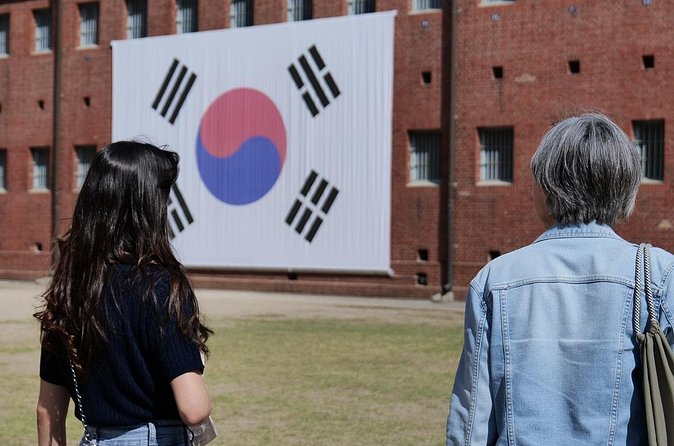
The tour runs about 2 hours total and starts at 2:00 pm. With two stops—Dongnimmun Gate for about 20 minutes, then Seodaemun Prison History Hall for about 1 hour 40 minutes—you’ll be moving through the day’s events at a steady pace.
The information provided also notes a moderate physical fitness level. That’s not surprising here. Prison sites and memorial grounds tend to involve walking and standing in places that aren’t designed for long pauses.
My practical advice: treat this like an outdoor walking tour with indoor moments, not a sit-and-watch museum day. Wear comfortable shoes, keep water with you if it’s warm, and plan your schedule so you’re not trying to sprint into a late-night plan right after.
Also, expect the emotional weight to build as you go. Dongnimmun gives you context first; the prison grounds then do the heavy lifting. If you’re sensitive to dark themes, I’d mentally prepare for that shift before you arrive.
Price and value: $31.54 for the main site and expert context
The price is $31.54 per person, and the tour is often booked about 31 days in advance. The value depends on what you’re actually getting, not just the sticker.
Here, the biggest value factor is that Seodaemun Prison History Hall entry is included. That means you’re paying for guided time in the main site without additional ticket friction. You’re also paying for a guide with long experience in Korean history, which matters most when the topic is complex and emotionally loaded.
The other value piece is the structure. Two stops means you don’t only get the prison experience; you also get a short independence context at Dongnimmun. For many visitors, that makes the prison visit easier to understand and more meaningful.
Is it expensive or cheap compared with other Seoul walking tours? It’s not a budget “just a walk” experience. But if you care about history beyond palaces, markets, and river views, it can be a strong use of your time.
What you’ll carry home after the tour
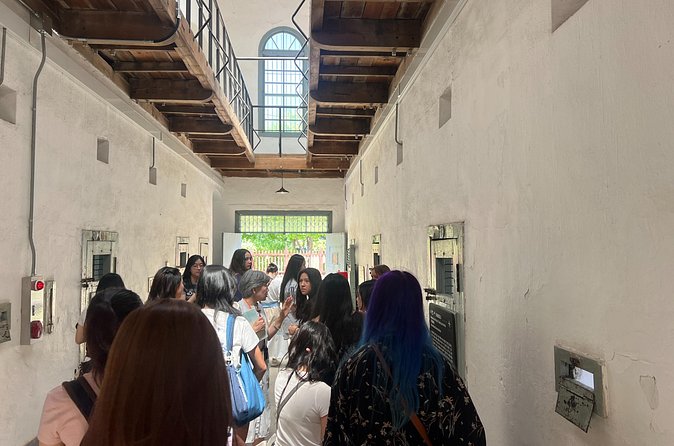
By the end, the tour is designed to leave you with more than facts. You should understand Korea’s independence movement as something that required sacrifice at personal risk.
Because you’ll see spaces tied to detention—solitary cells, interrogation rooms, and the execution yard—the history becomes physical. And because the story includes Yu Gwan-sun, the history becomes personal.
This is also one of those tours where your questions tend to multiply as you walk. You might find yourself thinking about how punishment is used to stop political action. Or why certain stories become symbols that outlive the people who lived them.
If you like a “why it mattered” feeling, this is the kind of tour that can give it to you.
Who should book (and who should think twice)
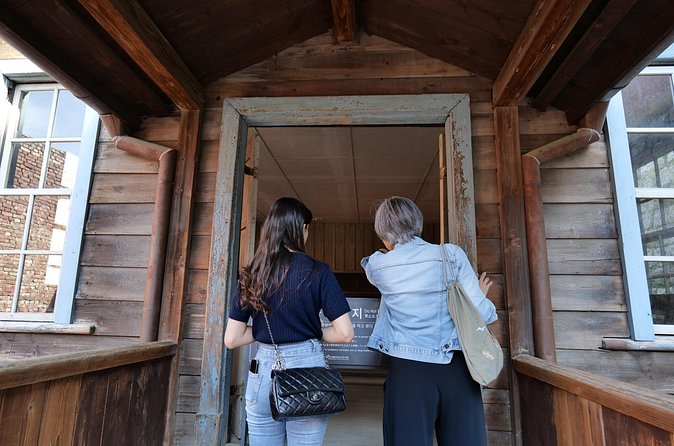
This tour is a great fit if you want Seoul beyond the usual highlights. It’s for travelers who feel curious about the country’s struggle for freedom and want to understand how modern Korea was shaped by resistance and resilience.
It’s also a good choice if you like guided explanations that help you connect what you’re seeing to the larger movement. The Yu Gwan-sun thread is there for a reason, and it helps many visitors process what the prison represents.
You might think twice if dark history is hard for you emotionally. The tour deals with detention and executions, and it’s meant to tell those parts honestly. It’s not a casual walk through a pretty memorial.
Should you book this Seoul dark history tour?
If your ideal Seoul day includes a thoughtful guided walk and you want to understand independence history where it happened, I think you should book it. Dongnimmun Gate gives context, then Seodaemun Prison gives the reality. The small group size and a guide with 10+ years of Korean history experience add up to a serious, well-explained experience.
Just go in with the right expectations. This isn’t sightseeing where you can shrug off the mood. It’s a purposeful walk through painful history that many people find both sobering and clarifying.
FAQ
How long is the Seodaemun Prison guided tour?
The tour lasts about 2 hours.
What time does the tour start?
The start time is 2:00 pm.
Where do I meet the guide?
The meeting point is 102-6 Hyeonjeo-dong, Seodaemun-gu, Seoul.
Where does the tour end?
The tour ends at Seodaemun Prison History Hall, 251 Tongil-ro, Seodaemun-gu, Seoul.
Is admission included for Seodaemun Prison History Hall?
Yes. Admission ticket for Seodaemun Prison History Hall is included in the tour.
What do we see during the prison visit?
You’ll see original prison cells and underground interrogation rooms, and you’ll also walk through the execution grounds.
Who is Yu Gwan-sun in this tour?
The tour includes the story of Yu Gwan-sun, described as a 17-year-old student and a national symbol connected to the March 1st Movement.
How big is the group?
The maximum group size is 10 travelers.
What if I need to cancel?
Free cancellation is available. You can cancel up to 24 hours in advance for a full refund, and cancellations made less than 24 hours before the start time are not refunded. Cut-off times use local time.
More Tours in Seoul
- Best DMZ Tour Korea from Seoul (Red Suspension Bridge Optional)★ 5.0 · 41,422 reviews
- DMZ Tour: 3rd Tunnel, Option(Suspension Bridge, Boat) from Seoul★ 5.0 · 21,373 reviews
- DMZ tour south Korea from Seoul (NK experience hall, defector)★ 5.0 · 20,599 reviews
- Seoul: DMZ Tour with Optional Suspension Bridge★ 4.8 · 5,277 reviews
- Seoul: DMZ The 3rd Tunnel and Suspension Bridge Tour★ 5.0 · 4,656 reviews
More Tour Reviews in Seoul
- Best DMZ Tour Korea from Seoul (Red Suspension Bridge Optional)★ 5.0 · 41,422 reviews
- DMZ Tour: 3rd Tunnel, Option(Suspension Bridge, Boat) from Seoul★ 5.0 · 21,373 reviews
- DMZ tour south Korea from Seoul (NK experience hall, defector)★ 5.0 · 20,599 reviews
- Seoul: DMZ Tour with Optional Suspension Bridge★ 4.8 · 5,277 reviews
- Seoul: DMZ The 3rd Tunnel and Suspension Bridge Tour★ 5.0 · 4,656 reviews
Seoul After Dark, Continued
- Seoul: Night Market Food Tour with Local Guide★ 4.9 · 943 reviews
- Seoul moonlight walking tour with local historian★ 5.0 · 940 reviews
- Seoul: Nighttime Hidden Gems Walking Tour★ 5.0 · 775 reviews
- Seoul: Evening Dark History, Folklore & Ghost Story Walking Tour★ 5.0 · 593 reviews
- Seoul: Dark Side of the City and Ghost Stories Walking Tour★ 4.8 · 484 reviews
Just added to Exploring Seoul





Seoul Night Tours & Walks, compared.
 ★ 4.9Night Market Food Tour with Local GuideFrom $73943 reviews
 ★ 5.0Seoul moonlight walking tour with local historianFrom $31940 reviews
 ★ 5.0Nighttime Hidden Gems Walking TourFrom $33775 reviews
 ★ 5.0Evening Dark History, Folklore & Ghost Story Walking TourFrom $42593 reviews
 ★ 4.8Dark Side of the City and Ghost Stories Walking TourFrom $42484 reviews
 ★ 4.8Han River Night Picnic & Games with CruiseFrom $87461 reviews
 ★ 5.0Seoul Night Palace & Market Food Tour with VehicleFrom $79275 reviews
 ★ 5.0Special City Night TourFrom $150162 reviews
Browse the lists this tour appears in