
Reviewed · HISTORICAL TOURS
Seoul: Ganghwa Island UNESCO World Heritage Private Tour
Megaliths and sea air, just off Seoul. On this Ganghwa Island private day trip, you swap city speed for UNESCO dolmens, fortress views over the water, and culture stops like Joyang Bangjik textile.
I like that the day is guided at the major history touchpoints—like the Ganghwa Peace Observatory and the UNESCO dolmen site—so you’re not just staring at stone and guessing. I also like the way the route mixes big-power sites (palaces and fortresses) with softer stops (temples and a beach), plus the chance to add places such as Joyang Bangjik and Jeondeung-sa Temple.
One consideration: lunch isn’t included, and meal options may be limited depending on where the schedule lands. If you have dietary restrictions, plan on paying extra or bringing your own backup.
In This Review
- Key highlights to look for
- Ganghwa Island from Seoul: a day that feels like two trips
- A private guide you can actually talk to
- Peace Observatory: strategy, memory, and big views
- UNESCO dolmens at Ganghwado: standing near ancient stone
- Lunch on your schedule: convenient, but plan for extra cost
- Palaces and power sites: Goryeo-gung and Yongheung-gung
- Gwangseongbo Fortress: the best kind of walking reward
- Temples like Jeondeung-sa: calm after stone and walls
- Joyang Bangjik and textile culture: Korea’s craft side
- Dongmak Beach: the day’s reset button
- Price and value: is $180 per person worth it?
- Who this tour fits best (and who might want another plan)
- Quick decision: should you book this Ganghwa Island private tour?
- FAQ
- FAQ
- How long is the Ganghwa Island private tour from Seoul?
- What language is the live tour guide?
- What’s included in the tour price?
- Is lunch included?
- Does the tour include a UNESCO World Heritage Site?
- What stops can the tour include?
- Is this a private group tour?
- Are kids allowed, and is there a child fare?
- Where do pickups happen?
Key highlights to look for
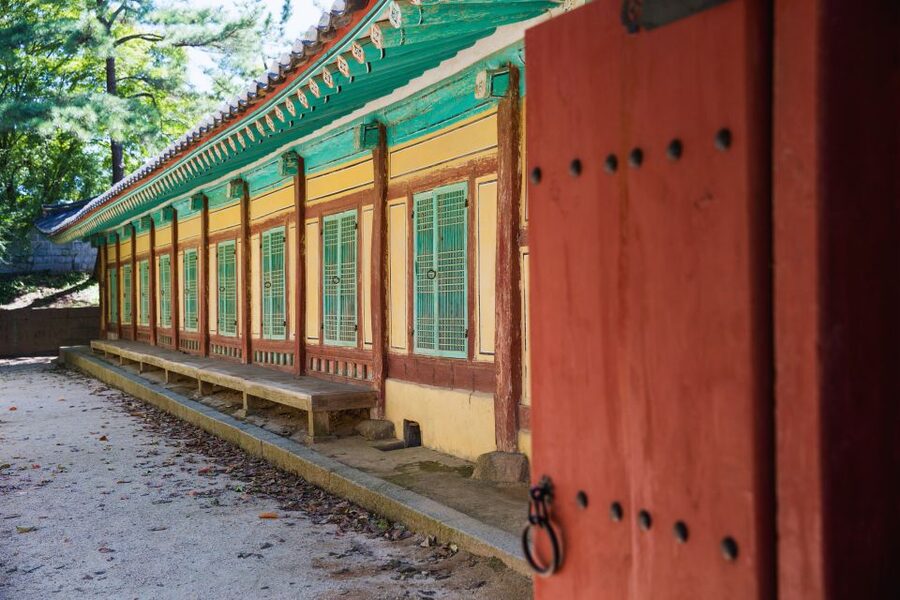
- Peace Observatory guided storytelling that connects the island to Korea’s strategic past
- UNESCO dolmen visit at Ganghwado’s megalithic site
- Fortress and palace stops with walking time and water views
- Joyang Bangjik textile experience for a hands-on cultural detour
- Dongmak Beach for a breather after temple-and-stone sightseeing
- Private guide flexibility to choose your pace and stop mix from the recommended list
More guide-to-yourself private days in Seoul
- Private DMZ Tour (No Shopping): 3rd Tunnel & Suspension Bridge★ 5.0 · 607 reviews
- Seoul City Private Full-Day Tour Including Lunch★ 5.0 · 469 reviews
- Private DMZ the 3rd Tunnel Tour from Seoul (optional Red Bridge)★ 5.0 · 429 reviews
- Seoul Highlights & Hidden Gems Tours by Locals: Private + Custom★ 5.0 · 359 reviews
Ganghwa Island from Seoul: a day that feels like two trips
If your Seoul itinerary is heavy on palaces and modern neighborhoods, Ganghwa Island gives you a different rhythm. You’ll head out of the city and into a landscape where history is layered on purpose-built sites: observatories tied to the peninsula’s tensions, ancient stone monuments, and old fortifications that make the coastline feel like a living map.
What I like about this setup is that it isn’t only “one kind of sightseeing.” You get the big markers—UNESCO dolmens, fortress viewpoints, temples—then you also get time to slow down. That balance matters on a 10-hour day. It turns the trip into something you can actually enjoy, not just check off.
And because it’s private, you’re not stuck with a rigid herd pace. You can keep moving when you want, or pause longer at the places that click for you.
A private guide you can actually talk to
This is a private group tour with a professional driver and an English live tour guide. That matters more than it sounds. On Ganghwa, many sites look similar at first glance—stone, walls, courtyards, temple grounds—but a good guide helps you read what you’re seeing: why it was placed where it was, who used it, and how it fits into Korea’s long timeline.
You’ll also have freedom to set your pace and choose from the recommended attraction list. The day can include Peace Observatory, the dolmen site, Goryeo-gung and Yongheung-gung Palace sites, Ganghwa Anglican Church, Ganghwa Hwamunseok Culture Center, Joyang Bangjik textile, Gwangseongbo Fortress, Jeondeung-sa Temple, and Dongmak Beach.
One real-world note from guide feedback: Peter is repeatedly described as highly engaged and very helpful with picture spots and restaurant recommendations. Charlie also gets credit for enthusiasm and knowledge. That’s the kind of guide you want when you’ve only got one day on the island.
Peace Observatory: strategy, memory, and big views
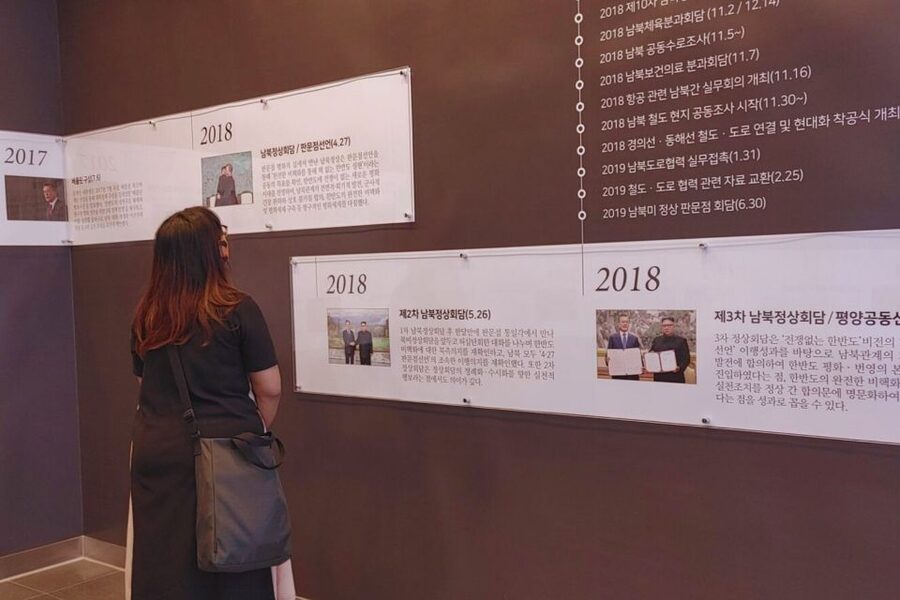
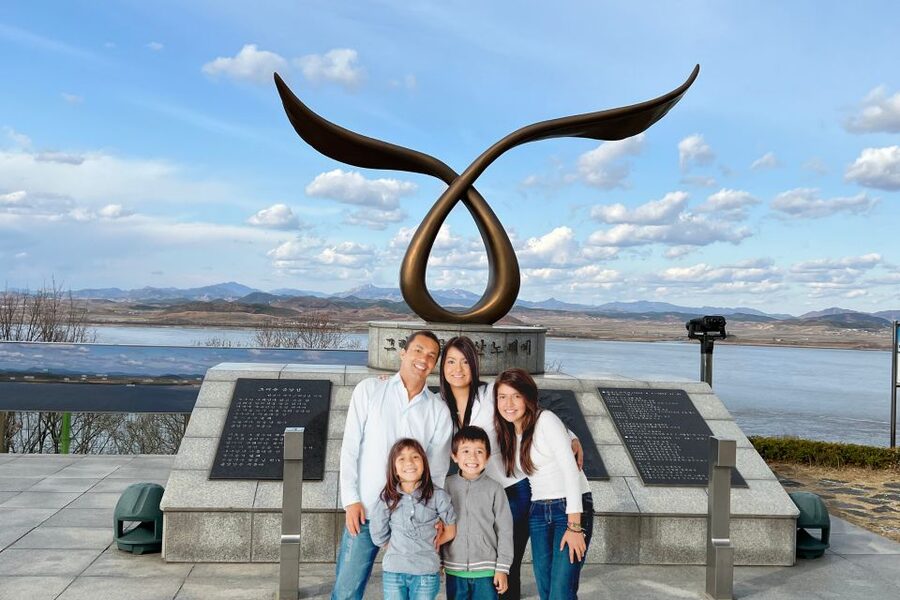
Your day starts with the Ganghwa Peace Observatory, with a guided visit (about 45 minutes). This stop is where the “why is Ganghwa here?” question becomes clearer. The island’s location has long made it strategically important, and the observatory is built for understanding that role.
Expect guided storytelling and sightseeing. The view angle matters here, because the whole point is to see beyond the island itself—to understand the peninsula’s geography and why lookout points became essential.
Also, you may hear themes connected to how Koreans honor ancestors from North areas they can’t visit. That gives the stop more emotional weight than a typical viewpoint, and it helps you connect the architecture and the landscape to real people’s lives.
A handful of other Seoul experiences to line up next
UNESCO dolmens at Ganghwado: standing near ancient stone
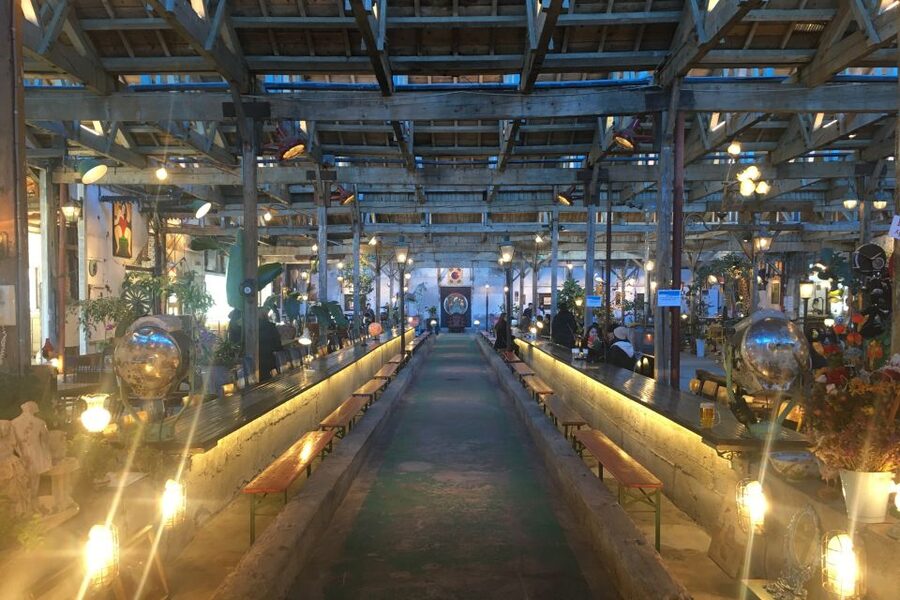
Next is the Ganghwado dolmen site, a UNESCO World Heritage stop. You’ll spend about 30 minutes there, including time for visiting the monument area.
Dolmens can be easy to treat like “cool rocks” if you’re rushing. A guided visit helps you notice details—how these stones are positioned and what makes the site important. It also gives you context so the site isn’t isolated. In a day filled with fortresses, temples, and palaces, the dolmens remind you that this island has had human meaning for thousands of years.
I like that the dolmen stop isn’t stretched too long. It gives you enough time to look properly without turning the day into one long monument lecture.
Lunch on your schedule: convenient, but plan for extra cost
There’s a scheduled local restaurant lunch window (about 1 hour), but lunch itself isn’t included in the tour price. The guide will recommend a restaurant, and the exact options can depend on where you are in the day and what’s available.
This is one of the few places where your planning matters. If you have dietary restrictions, don’t assume you’ll be able to get exactly what you need on the spot. Bringing a simple backup snack or planning ahead for how you’ll handle food can save you stress.
If you’re flexible, lunch can be a nice break after the early sightseeing. It’s also a good moment to ask your guide what to prioritize next—because the rest of the day includes both high-interest history stops and calmer breaks like the beach.
Palaces and power sites: Goryeo-gung and Yongheung-gung
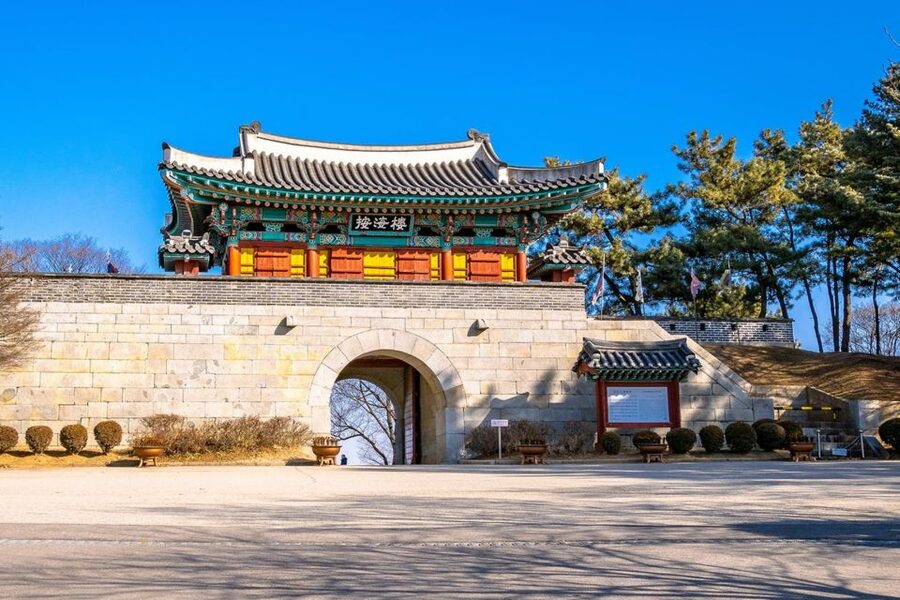
Ganghwa’s “old Korea” isn’t only monuments—it’s also the sites tied to governance and royal presence. Depending on your chosen route, you may visit palace sites such as Goryeo-gung Palace Site and Yongheung-gung Palace.
These stops are valuable because they show a different side of Ganghwa than the observatory and dolmens. The observatory is about looking outward. Palace sites are about administration and control—how power was organized on the island.
You’ll also get walking time. That’s good, because it keeps the pace active without turning into nonstop driving. Just remember that you’re in outdoor history areas. If it’s hot or rainy, wear shoes that handle uneven ground and keep water handy.
Gwangseongbo Fortress: the best kind of walking reward
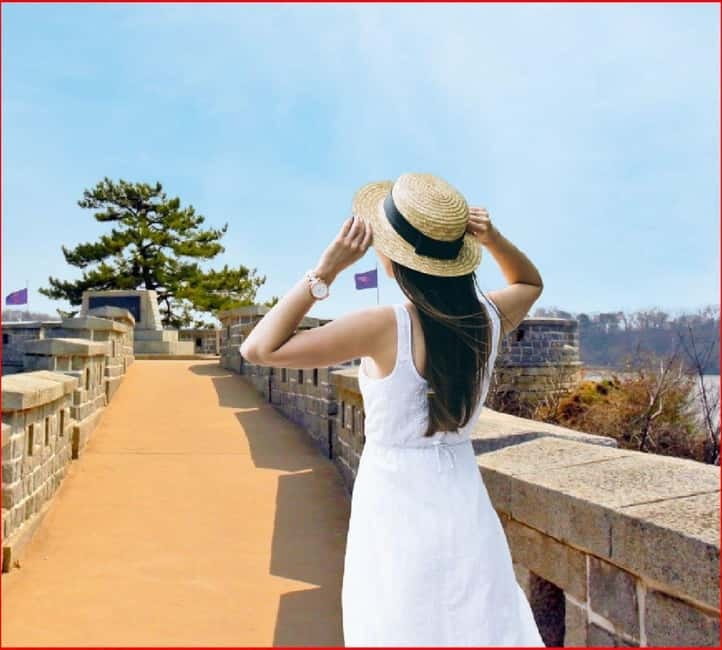
When you reach Gwangseongbo Fortress, you’re rewarded with one of the island’s most satisfying sightseeing moments: walking around a fortification with a sense of the coast and water ahead of you.
Fortress visits work best when you’re willing to slow down for the view. The walls and elevated points aren’t just for photos—they’re for understanding how defense worked in real terrain. The payoff is that you get both structure and scenery in the same stop.
A guide who knows photo angles helps here. One feedback example specifically mentioned getting great picture spots and water-overlooking views during fortress time—exactly the kind of thing you’ll want a private guide for.
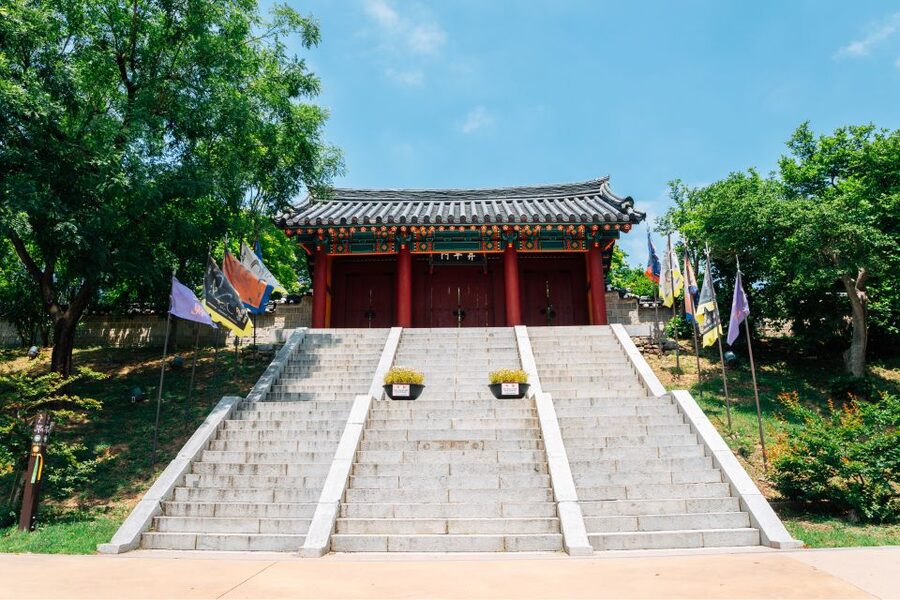
Temples like Jeondeung-sa: calm after stone and walls
A stop that can really rebalance your day is Jeondeung-sa Temple. It’s on the recommended list, and if your route includes it, you’ll get guided sightseeing and walking time.
Temples add a softer pace to a history-focused itinerary. You’re trading fortress views for courtyards, paths, and the kind of stillness that makes it easier to process everything you’ve seen so far. One guide-led experience was timed so a temple ceremony could be seen during the day, adding a sense of living culture rather than just static sightseeing.
Even without a ceremony moment, Jeondeung-sa is a good anchor stop. It gives your legs a different kind of walking and gives your brain a break from “look, read, photograph” mode.
Joyang Bangjik and textile culture: Korea’s craft side
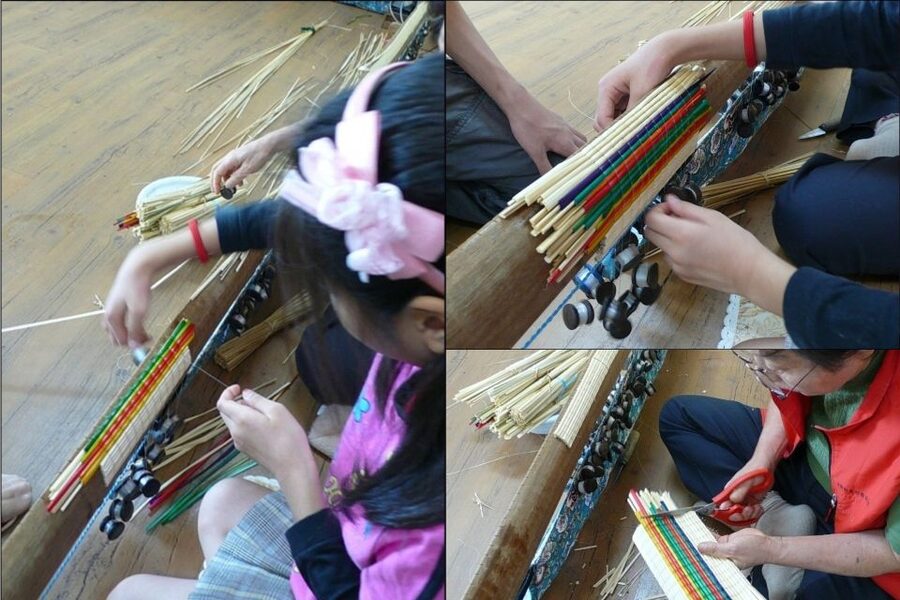
If you only did temples and fortresses, you’d still get a strong history day. But adding Joyang Bangjik (textile) (and possibly related culture-center stops like Ganghwa Hwamunseok Culture Center) turns the day into more of a cultural cross-section.
Textile stops help you understand heritage through hands and materials. You’re not just looking at old buildings; you’re seeing how a tradition fits into daily life and local identity. It’s also a great choice if your group likes something interactive or visually specific.
From feedback, one traveler even tied this to finding a Fashion Cafe stop through a flexible guide experience. That’s a reminder that the private format can make the day feel personal, not generic.
Dongmak Beach: the day’s reset button
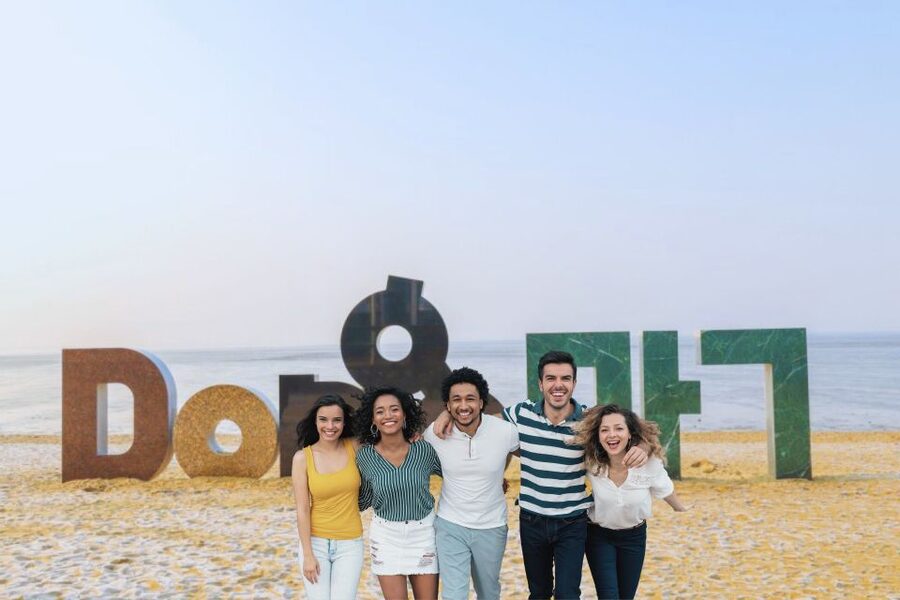
By the time you reach Dongmak Beach, you should feel like you’ve earned a breath of fresh air. This is a straightforward visit and a chance to slow down after the island’s history stops.
Beaches are also practical on a long day. They give you a flat space to stand and walk, and they’re a different scenery type than stone sites and temple courtyards. If the weather cooperates, it’s a good moment to enjoy the coast without rushing.
It’s also a smart time to check in with your guide: is there time for one more stop you’re excited about, or would you rather keep it relaxed? The flexibility is one of the main reasons people choose a private tour like this.
Price and value: is $180 per person worth it?
At $180 per person for about 10 hours, the value comes down to what’s included and how many people are in your party.
On the plus side, you get:
- Round-trip air-conditioned transportation
- A professional driver and tour guide
- Toll fees
- Hotel pickup and drop-off in Seoul
That combination is exactly what you want for an island day. Getting to Ganghwa by your own means can be time-consuming, and once you’re there, the best parts are the guided connections—what you’re seeing and why it matters.
On the “watch out” side:
- Lunch isn’t included.
- Meals and drinks are extra, and options may be limited.
- You’ll be paying for any personal expenses.
So yes, it can be worth it if you want a guided history-and-culture day that’s easier than self-planning. It’s especially worth it if you care about having an English guide actively explain the sites, and if you like the idea of choosing stops rather than getting a fixed “bus tour” route.
Who this tour fits best (and who might want another plan)
This tour is a strong fit if you:
- Want to see more than what Seoul alone can offer
- Like a guided mix of UNESCO-level sites, fortresses, and temples
- Prefer a private pace and the ability to choose from a recommended stop list
- Appreciate an English-speaking guide who can point out what to notice (and where to take photos)
It’s also a practical choice if:
- You need a wheelchair-accessible option
- You’re traveling as a private group
- You’re planning a one-day break from the city
Your main mismatch risk is if you hate uncertainty around food. Lunch isn’t included, and you’re relying on the guide’s restaurant recommendation. If you want full control of every meal, you’ll need to plan for that.
Quick decision: should you book this Ganghwa Island private tour?
If you want one day outside Seoul that feels thoughtfully put together—UNESCO dolmens in the morning, power sites and temples through the day, and a beach reset by the end—then booking makes sense. The private format is doing real work here: it helps you move efficiently, understand what you’re seeing, and stay comfortable on a 10-hour schedule with air-conditioned transport.
Skip or reconsider if:
- You’re strict about food and can’t handle lunch being extra and possibly limited
- You’re traveling on a weekend when traffic can slow things down (your day could run tighter)
- You only want the absolute most famous sites and nothing else
FAQ
FAQ
How long is the Ganghwa Island private tour from Seoul?
It runs for 10 hours, from pickup in Seoul to return back to Seoul.
What language is the live tour guide?
The live tour guide speaks English.
What’s included in the tour price?
You get round-trip air-conditioned transportation, a professional driver/tour guide, toll fees, and hotel pickup and drop-off.
Is lunch included?
No. Lunch isn’t included in the tour price, and you’ll pay for it at the restaurant the guide recommends. Meal options may be limited.
Does the tour include a UNESCO World Heritage Site?
Yes. You visit the Ganghwado Dolmen Site, which is a UNESCO World Heritage Site.
What stops can the tour include?
The tour can include places like Ganghwa Peace Observatory, Gangwha Hwamunseok Culture Center, Goryeo-gung Palace Site, Ganghwa Anglican Church, Yongheung-gung Palace, Joyang Bangjik, Gwangseongbo Fortress, Jeondeung-sa Temple, and Dongmak Beach—based on your chosen mix from the recommended list.
Is this a private group tour?
Yes. It’s a private group tour.
Are kids allowed, and is there a child fare?
Children under 2 years old (less than 24 months) are free without occupying a seat. You should inform the provider when booking.
Where do pickups happen?
Pickups and drop-offs are only within Seoul city, and you must use the same location for pickup and drop-off. You should also wait in the hotel lobby about 10 minutes before your scheduled pickup time.
More Private Days in Seoul
- Private DMZ Tour (No Shopping): 3rd Tunnel & Suspension Bridge★ 5.0 · 607 reviews
- Seoul City Private Full-Day Tour Including Lunch★ 5.0 · 469 reviews
- Private DMZ the 3rd Tunnel Tour from Seoul (optional Red Bridge)★ 5.0 · 429 reviews
- Seoul Highlights & Hidden Gems Tours by Locals: Private + Custom★ 5.0 · 359 reviews
- Premium Private DMZ Tour & (Suspension Bridge or N-Tower) include lunch★ 5.0 · 348 reviews
More Tours in Seoul
- Best DMZ Tour Korea from Seoul (Red Suspension Bridge Optional)★ 5.0 · 41,422 reviews
- DMZ Tour: 3rd Tunnel, Option(Suspension Bridge, Boat) from Seoul★ 5.0 · 21,373 reviews
- DMZ tour south Korea from Seoul (NK experience hall, defector)★ 5.0 · 20,599 reviews
- Seoul: DMZ Tour with Optional Suspension Bridge★ 4.8 · 5,277 reviews
- Seoul: DMZ The 3rd Tunnel and Suspension Bridge Tour★ 5.0 · 4,656 reviews
More Tour Reviews in Seoul
- Best DMZ Tour Korea from Seoul (Red Suspension Bridge Optional)★ 5.0 · 41,422 reviews
- DMZ Tour: 3rd Tunnel, Option(Suspension Bridge, Boat) from Seoul★ 5.0 · 21,373 reviews
- DMZ tour south Korea from Seoul (NK experience hall, defector)★ 5.0 · 20,599 reviews
- Seoul: DMZ Tour with Optional Suspension Bridge★ 4.8 · 5,277 reviews
- Seoul: DMZ The 3rd Tunnel and Suspension Bridge Tour★ 5.0 · 4,656 reviews
Just added to Exploring Seoul

Historical Tours, compared.
 ★ 5.0Evening Dark History, Folklore & Ghost Story Walking TourFrom $42593 reviews
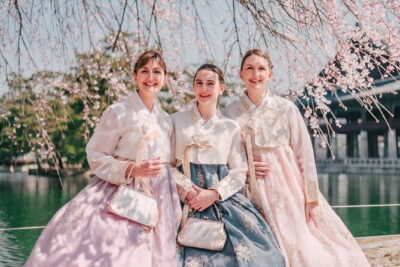 ★ 5.0Hanbok Photoshoot and History Tour at Gyeongbokgung PalaceFrom $60276 reviews
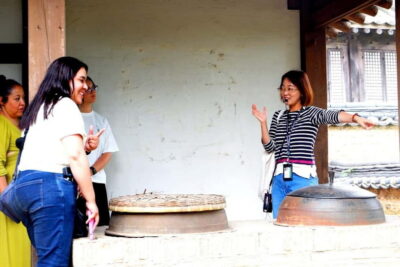 ★ 4.9From Seoul: Dae Jang Geum Park Historic K-Drama Set TourFrom $55143 reviews
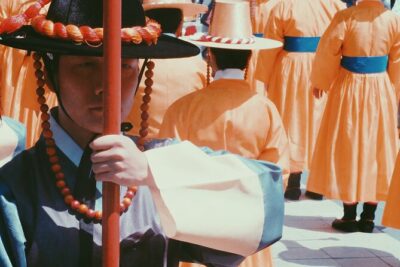 ★ 5.0City Highlights and Historical Experience No ShoppingFrom $4974 reviews
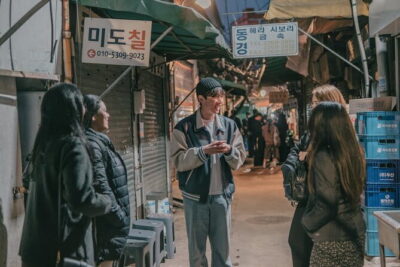 ★ 5.0Street photoshoot and Seoul Hidden gem History Walking TourFrom $4568 reviews
 ★ 4.5Discover Seoul: Local Life and HistoryFrom $9653 reviews
 ★ 5.0Korean History & Heritage TourFrom $47551 reviews
 ★ 5.0Namhansanseong UNESCO Historical Sites and Korean Folk Village-Private TourFrom $19829 reviews
Browse the lists this tour appears in