
Reviewed · DMZ DAY TOURS
Seoul: DMZ Tour with Japanese-Speaking Guide
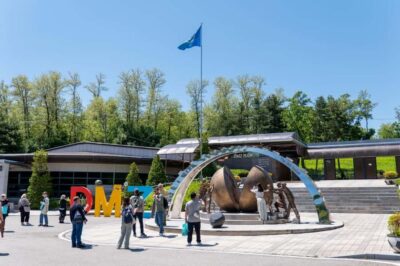
DMZ day trips are rare because they are real. This one takes you to the Demilitarized Zone sights that explain how the Korean War froze in place, then shows what you can actually see from the Dora side. You’ll also stop near the DMZ at Unification Village, where souvenirs and snack stalls lean hard into peace and reconciliation.
What I like most is the way you get layered viewpoints: Imjingak Park + Freedom Bridge for the human story, then the 3rd Infiltration Tunnel on foot for the physical reality of what’s under the border. You’ll also get a practical chance at a North Korea sightline from Dora Observatory, especially when weather cooperates.
One drawback to plan for: this is a military-run area with frequent schedule changes, and the tunnel climb is steep. If you have heart issues or mobility limits, or if you hate feeling rushed through tough terrain, this may feel like more effort than you expect.
In This Review
- Key highlights I’d plan my day around
- Why this DMZ tour feels different from a normal day trip
- Getting from Seoul to the border: transfers that actually matter
- Imjingak Park: a calm place with heavy context
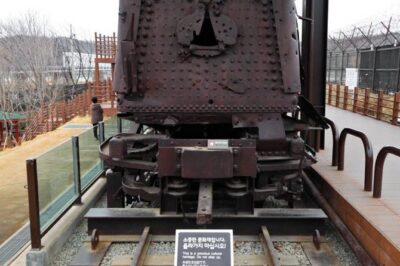
- Freedom Bridge: where repatriation history becomes visible
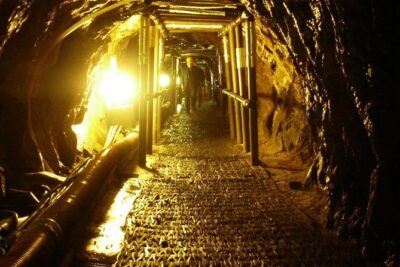
- The 3rd Infiltration Tunnel on foot: the part that changes your body
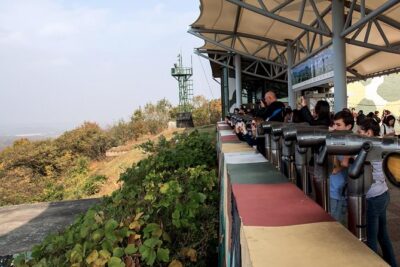
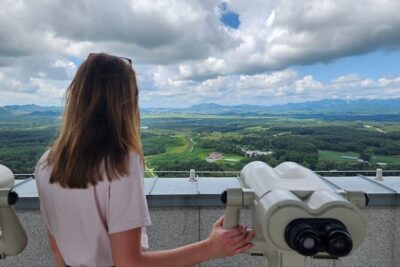
- Dora Observatory: your best chance at a North Korea sightline
- Unification Village: souvenirs, snacks, and peace messaging up close
- The Japanese-speaking guide experience: what good looks like
- Timing, pacing, and why 7–8 hours can feel full
- Practical rules and smart packing for the DMZ day
- Value for $50: where the money goes
- If plans change: how to stay calm when the DMZ schedule shifts
- Should you book this DMZ tour?
- FAQ
- Do I need a passport for the DMZ tour?
- How long is the tour?
- What language is the guide?
- Is JSA (Joint Security Area / Panmunjom) included?
- What DMZ-related stops are included?
- Can I see North Korea from Dora Observatory?
- What food and drinks are included?
- What should I wear?
- Is the tour suitable for wheelchair users or people with heart problems?
- What happens if the itinerary changes due to military or government rules?
Key highlights I’d plan my day around
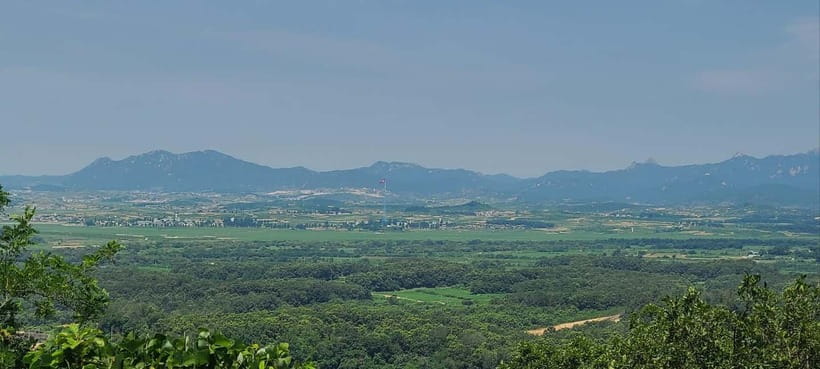
- Dora Observatory view potential: in good weather, you can see toward North Korea even without using the telescope
- On-foot tunnel time: the 3rd infiltration tunnel is steep and takes real walking effort
- Freedom Bridge context: you learn how POW repatriations tied into the bridge’s history
- Imjingak stop included: a focused visit that helps you understand the DMZ through Korean history and culture
- Unification Village shopping: peace-themed items, often including goods connected to North Korea
- Japanese-speaking, licensed guide: guided history throughout the day with clear explanations
Other ways to reach the DMZ and the border from Seoul
- DMZ Tour: 3rd Tunnel, Option(Suspension Bridge, Boat) from Seoul★ 5.0 · 21,373 reviews
- DMZ tour south Korea from Seoul (NK experience hall, defector)★ 5.0 · 20,599 reviews
- Seoul: DMZ Tour with Optional Suspension Bridge★ 4.8 · 5,277 reviews
- Seoul: DMZ The 3rd Tunnel and Suspension Bridge Tour★ 5.0 · 4,656 reviews
Why this DMZ tour feels different from a normal day trip
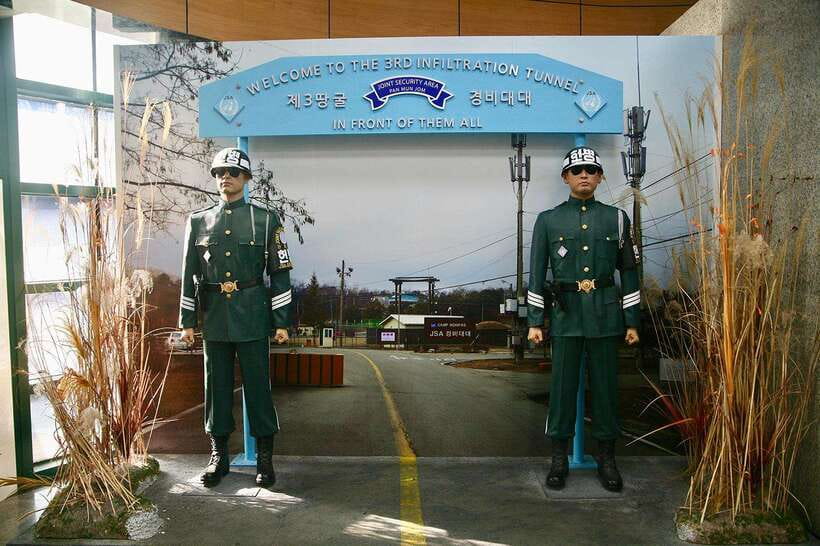
DMZ tours can be “see stuff, take photos” if the guide doesn’t connect the dots. This one is built to connect the dots for you. You start by learning the meaning of the border, then you walk through key locations that each show a different angle of the same conflict.
You should know the tone is serious. The tour doesn’t treat the DMZ like a theme park. It’s more like a moving classroom—air-conditioned bus rides, then you step into tightly controlled spaces where your attention matters.
And it’s also unusual tourism. A 2.4-mile (4 km) stretch of land has divided Korea since 1953, and your day is designed to help you understand why that line still shapes everyday life, politics, and even the souvenir stalls back near the DMZ.
Getting from Seoul to the border: transfers that actually matter
Your day typically runs about 7–8 hours, and the timing is built around travel time plus multiple guided stops. You’ll use a shared air-conditioned bus or minivan, with about an hour of coach time included.
There are a few start options in central Seoul (including Myeongdong Station Exit 10 and two other nearby addresses). Meeting points can shift depending on the booking, so I’d treat the provided pickup details as your single source of truth.
One practical detail: you may need a DMZ shuttle bus transfer depending on government policy and group size. That’s not something you control, but it helps explain why timing can feel tighter on the day.
Imjingak Park: a calm place with heavy context
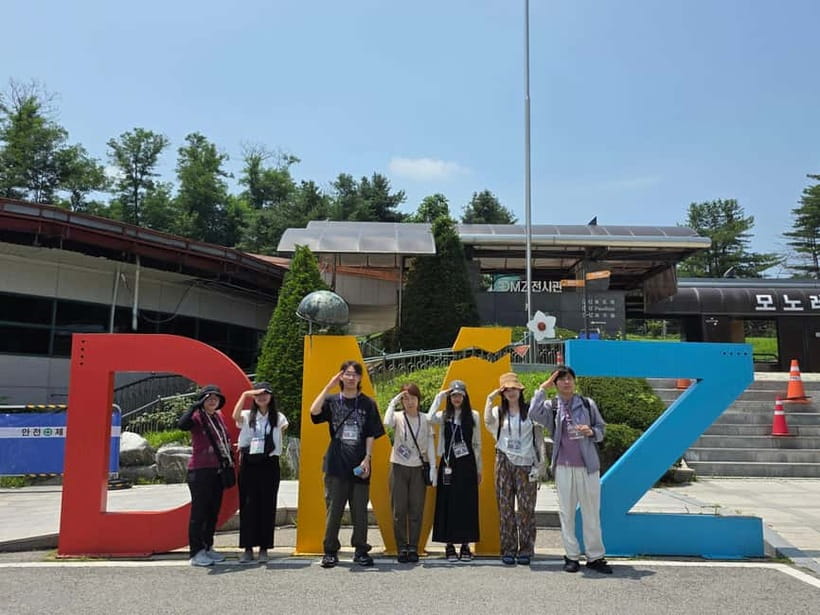
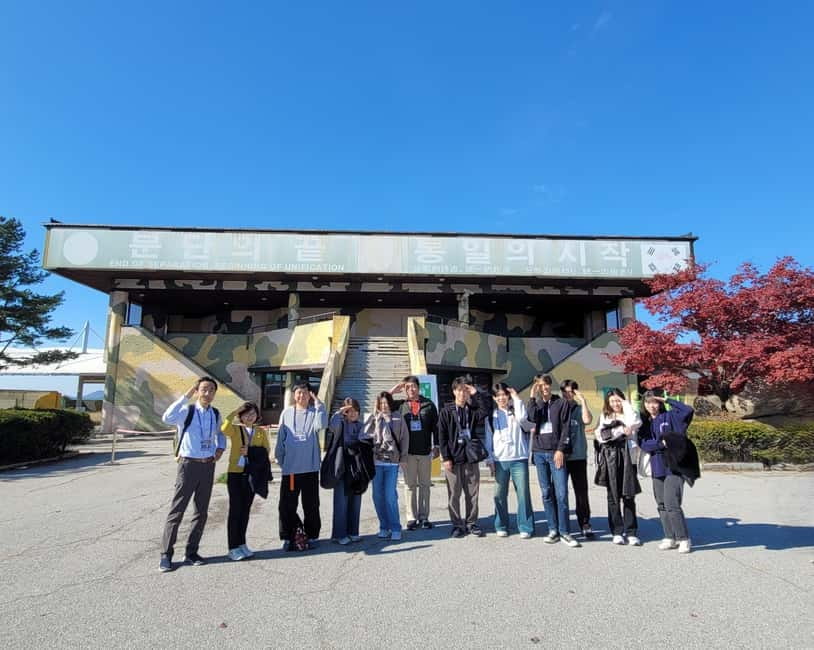
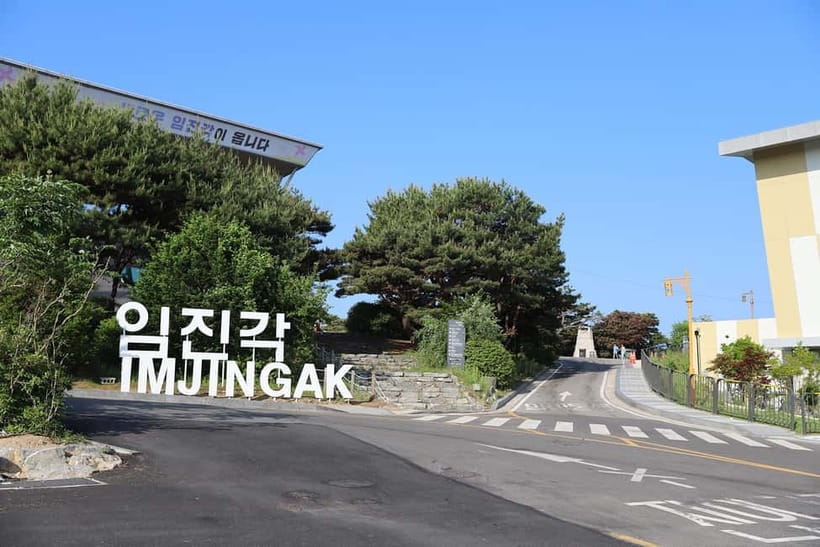
Imjingak is where the day begins to feel meaningful. It’s not just a stop for photos—it’s a guided introduction to Korean history and culture through the lens of division.
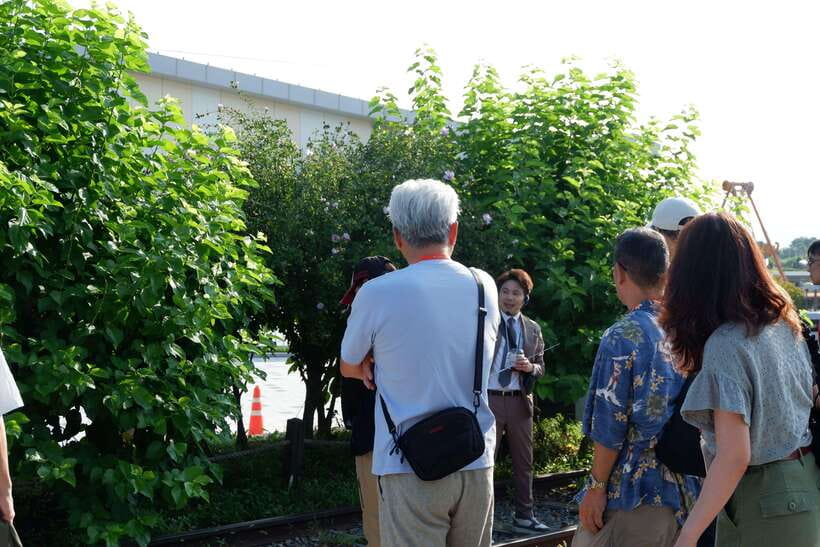
This is one of those moments where the guide’s explanations can make or break your experience. With a licensed DMZ guide speaking Japanese, you’re being walked through what the site represents and why it matters to the Korean story of separation.
If you’re the kind of traveler who likes to understand before you stare at ruins or memorials, you’ll appreciate that Imjingak comes early. It gives you vocabulary for everything that follows.
A handful of other Seoul experiences to line up next


Freedom Bridge: where repatriation history becomes visible
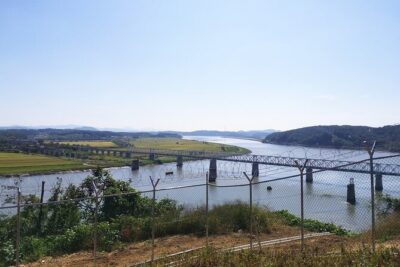
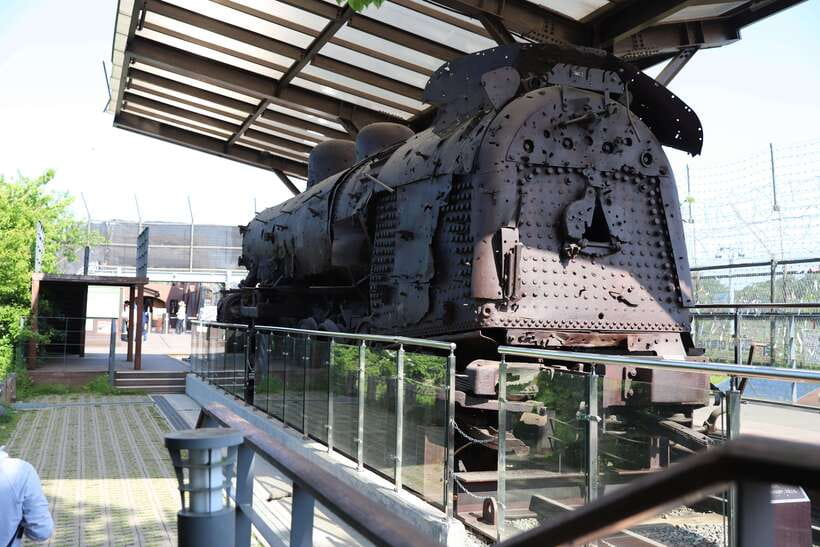
Next comes the Bridge of Freedom, a place loaded with meaning. The tour includes a guided visit of about 30 minutes, and the key idea is tied to repatriations—POWs who were returned from the North.
This is one of the stops where you’ll want to slow down mentally. Even if you’ve seen images online, standing near the bridge helps you grasp that these were not abstract political events. They involved people, movement, and decisions that were supposed to resolve conflict but ended up freezing the situation.
The guide usually handles the tricky background for you in plain terms, which helps you avoid that awkward feeling of seeing a site without knowing what it connects to.
The 3rd Infiltration Tunnel on foot: the part that changes your body
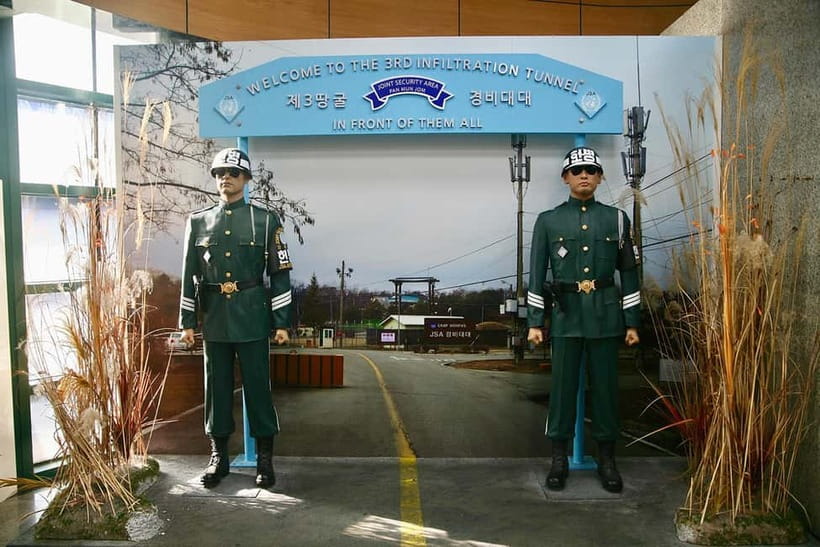
Then you get to the experience that most people remember most physically: the 3rd Infiltration Tunnel.
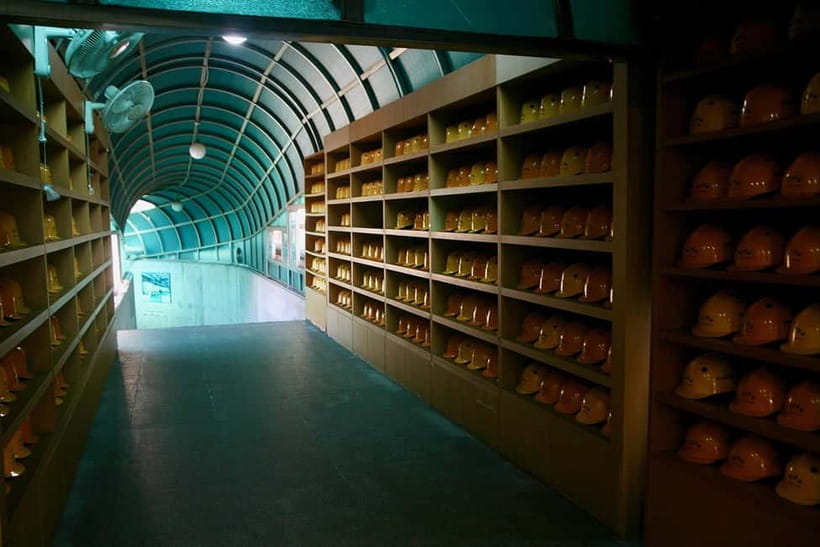
Plan on a steeper section than you might expect. The walk is described as taking about 30–40 minutes for a round trip on foot, and it can be challenging for children and the elderly. If you’re traveling with anyone who moves slowly uphill, build in patience and consider that you might need extra time at the entrance.
A good surprise in hot months: the tunnel is cooler than the outside. One traveler specifically called out that it felt cooler even in August heat.
This stop is valuable because it’s not only history—it’s engineering. You’ll feel the tightness and the slope, which turns the story into something your legs understand. If you want your DMZ day to feel real, this is the anchor moment.
Dora Observatory: your best chance at a North Korea sightline
After the tunnel, you head up to Mountain Dora for the Dora Observatory visit. The guided time is about an hour, which gives you time to take in the view and absorb what the guide tells you.
Here’s the big variable: weather. In good conditions, you can see as far as North Korea without using the observatory’s telescope. When the air is clear, you’ll understand why this viewpoint is part of the DMZ’s most iconic imagery.
When weather isn’t ideal, you still won’t waste your time. The value shifts from what you can see to what you can learn: where the DMZ line sits in relation to surrounding areas, and how the border’s geometry shapes what people experience.
If you’re planning photos, I’d treat Dora Observatory as your “work the light” stop. Even if you can’t use the telescope, the guided orientation helps you pick what to look for.
Unification Village: souvenirs, snacks, and peace messaging up close
After the observatory, you’ll stop at Unification Village near the DMZ. The visit is around 30 minutes, usually enough time to browse and grab a few items without feeling like you’re stuck in a shopping mall.
This is where the DMZ theme becomes consumer-facing. You’ll find souvenirs and snacks that reflect peace and reconciliation, and the tour information notes that goods from North Korea are often available too.
What to do here: buy with intention. Decide what kind of memory you want—food, a small object with a message, or something symbolic. If you pick too fast, you’ll end up with clutter that doesn’t mean much later.
Also, keep your expectations grounded. Unification Village is still a curated commercial zone. It’s meaningful, but it’s not a museum. Use it to bring home a piece of the day’s theme, not as proof of access to every part of the North.
The Japanese-speaking guide experience: what good looks like
The tour runs in Japanese with a licensed DMZ guide, and the quality of the explanation matters a lot on a day like this. The guides you might encounter have been praised for clear, interesting storytelling—names mentioned include Hong Yuseon, Park, and Yun.
You’ll notice the difference in how you feel at the end. When the guide explains background while you’re moving between sites, you stop thinking of the day as a set of checkpoints. It becomes one coherent narrative about division, security, and attempts at reconciliation.
One small comfort: even though it’s a Japanese-language tour, some guides have shown flexibility for Korean speakers by checking in with Korean during free moments. If you’re not fully comfortable in Japanese, don’t panic—simple, context-driven explanations can still carry you through.
Timing, pacing, and why 7–8 hours can feel full
This is not a half-day. Your schedule is packed but not chaotic, because the main structure is guided: each stop gets its own time window.
A typical flow looks like this: transfer from your Seoul meeting point, then Imjingak for about an hour, Freedom Bridge for about 30 minutes, the 3rd tunnel visit for a longer guided segment with a walk component, Dora Observatory for about an hour, then Unification Village for around 30 minutes. After that you return by bus for about an hour and finish with a drop-off at Myeongdong or City Hall station depending on your preference.
The “fullness” comes from the tunnel and the observatory. You’re not just standing around—you’re moving, climbing, and focusing your senses. That’s why comfortable footwear is so important.
Practical rules and smart packing for the DMZ day
You’ll need a passport. That’s the one must-bring item called out clearly for this kind of security area.
There are also firm behavior rules:
- No intoxication
- No smoking in the vehicle
- No alcohol or drugs
- Unaccompanied minors aren’t allowed
Also, the tour has suitability limits you should take seriously. It’s not suitable for people with heart problems and wheelchair users. If you’re even slightly unsure, treat the steep tunnel section and the security nature of the day as reasons to ask more questions before you commit.
Footwear is a big deal. The tour strongly recommends you don’t wear flip-flops, slippers, or shoes with heels. I’d follow that literally. Choose shoes with grip and support because you’ll be walking outside and then moving through the tunnel.
Value for $50: where the money goes
At about $50 per person for a 7–8 hour day, the value mainly comes from three things you’d struggle to assemble alone:
- Entrance fees to the included sites
- Roundtrip shared transfer with air-conditioned transportation
- A licensed professional DMZ guide who keeps the day understandable and ordered
You’re also saving decision fatigue. DMZ logistics are complex enough that having a guide and a set route reduces the mental overhead. You still need flexibility because the itinerary can change, but you don’t need to plan every step from scratch.
Food and drinks aren’t included. That’s normal for a day with security stops, but it means you should plan to snack or budget for meals near your return.
If plans change: how to stay calm when the DMZ schedule shifts
The DMZ is operated by the military, and your trip may be canceled without prior notice. The information also notes that itinerary changes can happen due to military and government regulation factors, and refunds won’t be offered in those cases.
If that happens, you may visit alternative sites such as Art Space BEAT 131, Odusan Unification Observatory, or War Memorial of Korea, plus possible options back toward City Hall or Myeongdong.
This is where having the guide helps. Some departures have included problem-solving when disruptions hit, with the guide helping you still visit sights around the area. The key for you is mindset: go in expecting the day could shift slightly, and focus on making the best of whatever the day allows.
Should you book this DMZ tour?
I’d book it if you want a structured DMZ day that explains what you’re seeing and gets you to the big three viewing experiences: the tunnel, the observatory, and the bridge. The guide-led format is the real value, especially if Japanese is your comfort zone.
I wouldn’t book if you’re sensitive to steep walking or you have heart issues, because the 3rd tunnel is physically demanding. Also, if you need full control over timing and certainty, keep in mind that military and weather factors can change the route, and refunds may not apply when changes happen on the day.
If you’re flexible, wear solid shoes, and you show up with a passport and patience, this tour is one of the most meaningful “one day” ways to understand why the DMZ still matters.
FAQ
Do I need a passport for the DMZ tour?
Yes. A passport is required.
How long is the tour?
It runs about 7–8 hours.
What language is the guide?
The live guide provides Japanese-language narration.
Is JSA (Joint Security Area / Panmunjom) included?
No. The visit to JSA is not included.
What DMZ-related stops are included?
You’ll visit Imjingak Park, the Bridge of Freedom, the 3rd Infiltration Tunnel (on foot), and Dora Observatory, plus Unification Village near the DMZ.
Can I see North Korea from Dora Observatory?
In good weather, you may be able to see as far as North Korea without using the telescope.
What food and drinks are included?
Food and drinks are not included.
What should I wear?
Bring and wear sturdy shoes. The tour strongly recommends avoiding flip-flops, slippers, and shoes with heels.
Is the tour suitable for wheelchair users or people with heart problems?
No. It is not suitable for wheelchair users and people with heart problems.
What happens if the itinerary changes due to military or government rules?
The itinerary is subject to weather, military, and government regulation factors. If changes occur, you may visit alternate sites, and a refund will not be offered in those cases.
More Tours in Seoul
- Best DMZ Tour Korea from Seoul (Red Suspension Bridge Optional)★ 5.0 · 41,422 reviews
- DMZ Tour: 3rd Tunnel, Option(Suspension Bridge, Boat) from Seoul★ 5.0 · 21,373 reviews
- DMZ tour south Korea from Seoul (NK experience hall, defector)★ 5.0 · 20,599 reviews
- Seoul: DMZ Tour with Optional Suspension Bridge★ 4.8 · 5,277 reviews
- Seoul: DMZ The 3rd Tunnel and Suspension Bridge Tour★ 5.0 · 4,656 reviews
More Tour Reviews in Seoul
- Best DMZ Tour Korea from Seoul (Red Suspension Bridge Optional)★ 5.0 · 41,422 reviews
- DMZ Tour: 3rd Tunnel, Option(Suspension Bridge, Boat) from Seoul★ 5.0 · 21,373 reviews
- DMZ tour south Korea from Seoul (NK experience hall, defector)★ 5.0 · 20,599 reviews
- Seoul: DMZ Tour with Optional Suspension Bridge★ 4.8 · 5,277 reviews
- Seoul: DMZ The 3rd Tunnel and Suspension Bridge Tour★ 5.0 · 4,656 reviews
The DMZ & the Border, More Routes
- Best DMZ Tour Korea from Seoul (Red Suspension Bridge Optional)★ 5.0 · 41,422 reviews
- DMZ Tour: 3rd Tunnel, Option(Suspension Bridge, Boat) from Seoul★ 5.0 · 21,373 reviews
- DMZ tour south Korea from Seoul (NK experience hall, defector)★ 5.0 · 20,599 reviews
- Seoul: DMZ Tour with Optional Suspension Bridge★ 4.8 · 5,277 reviews
- Seoul: DMZ The 3rd Tunnel and Suspension Bridge Tour★ 5.0 · 4,656 reviews
Just added to Exploring Seoul

DMZ Day Tours, compared.
 ★ 5.0DMZ Tour: 3rd Tunnel, Option(Suspension Bridge, Boat) from SeoulFrom $3521,373 reviews
 ★ 5.0DMZ tour south Korea from Seoul (NK experience hall, defector)From $2620,599 reviews
 ★ 4.8DMZ Tour with Optional Suspension BridgeFrom $455,277 reviews
 ★ 5.0DMZ The 3rd Tunnel and Suspension Bridge TourFrom $654,656 reviews
 ★ 5.0Signature DMZ Tour: Exclusive Defector Talk & Suspension BridgeFrom $274,459 reviews
 ★ 5.0Thrilling Korean DMZ 3rd Tunnel Tour from Seoul + Red Bridge RushFrom $353,097 reviews
 ★ 4.9DMZ Tour & Suspension Bridge (Option English/Spanish)From $352,628 reviews
 ★ 5.0DMZ Past and Present: Korean Demilitarized Zone Tour from SeoulFrom $372,481 reviews
Browse the lists this tour appears in