
Reviewed · DMZ DAY TOURS
Private Tour: DMZ Aegibong & Korean Culinary Workshop Experience
North Korea feels real at Aegibong.
This private Seoul day pairs Aegibong Peace Eco Park with a hands-on Korean food workshop, so you’re not just watching history—you’re tasting and making it. I especially like the private vehicle pickup that keeps the day moving without the usual city-to-country commute chaos. I also love that the gochujang experience ends with your own 200g jar to take home. One thing to consider: Aegibong is a military restricted area, so cancellations can happen if access changes for unpredictable reasons.
Guides can make or break a political day like this. In this tour, the energy seems consistent, with guides such as Xander, Chuck, and Jun bringing clear context and good humor while you look out toward North Korea. If you want a DMZ-style experience with fewer crowds and more explanation, this format fits that goal.
In This Review
- Key takeaways before you go
- Price, timing, and what 6.5 hours really buys you
- Aegibong Peace Eco Park: the closest-feeling border views from Seoul
- Beyond the view: Korean War sites and the meaning of Aegibong
- Gyeonggi-do rural stop: gochujang-making you can actually take home
- Bibimbap lunch: the included meal that keeps this tour grounded
- Hand-drip coffee: a slower finish if you want it
- Private guide experience: how to get more out of Aegibong
- Who should choose this tour (and who might not)
- Should you book this Aegibong + Korean culinary day?
- FAQ
- FAQ
- How long is the tour?
- Is pickup and drop-off included?
- What do I do at Aegibong Peace Eco Park?
- What’s included in the Korean culinary workshop?
- Is lunch included, and is it bibimbap?
- What about dietary restrictions?
- Is the hand-drip coffee mandatory?
- Can the tour be canceled, and why?
- Is this tour only for my group?
Key takeaways before you go
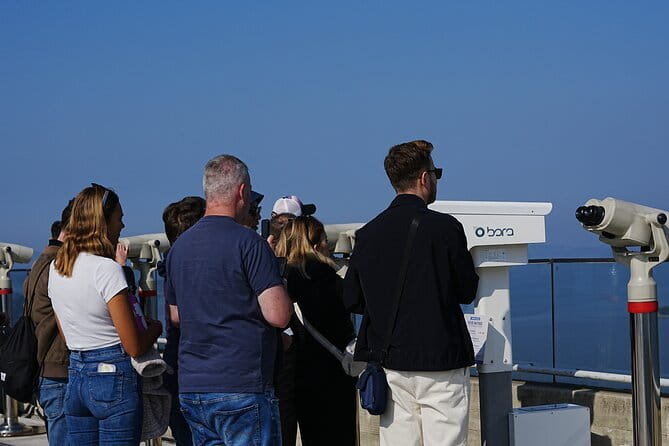
- Aegibong Peace Eco Park gives some of the clearest viewing conditions for seeing toward North Korea, with viewer support.
- You make gochujang with your own hands and take home a 200g jar as a real souvenir.
- The lunch is bibimbap, built around fresh, locally sourced ingredients (and it’s included).
- Hand-drip coffee is optional, so you can keep the day light if you prefer.
- Private, air-conditioned transport plus pickup/drop-off means less waiting and fewer logistics headaches.
- Good weather matters, and access to Aegibong can be affected by military-area rules.
Other ways to reach the DMZ and the border from Seoul
- DMZ Tour: 3rd Tunnel, Option(Suspension Bridge, Boat) from Seoul★ 5.0 · 21,373 reviews
- DMZ tour south Korea from Seoul (NK experience hall, defector)★ 5.0 · 20,599 reviews
- Seoul: DMZ Tour with Optional Suspension Bridge★ 4.8 · 5,277 reviews
- Seoul: DMZ The 3rd Tunnel and Suspension Bridge Tour★ 5.0 · 4,656 reviews
Price, timing, and what 6.5 hours really buys you
At $219 per person for a 6.5-hour private tour, the price isn’t aimed at the budget crowd. It’s priced like a day with private logistics: hotel pickup and drop-off, an air-conditioned vehicle, entrance fees, and a structured itinerary that mixes sites and food without long empty gaps.
One practical detail: the tour lists the remaining 2.5 hours for travel time, which helps you understand how much of your day is active versus on the road. In other words, you’re paying for convenience as much as sightseeing.
This is also booked fairly far ahead (about 41 days on average), which suggests it’s a popular way to do a high-demand area without building your own schedule from scratch. If you want a smooth day with less friction, the format makes sense for the money.
Aegibong Peace Eco Park: the closest-feeling border views from Seoul
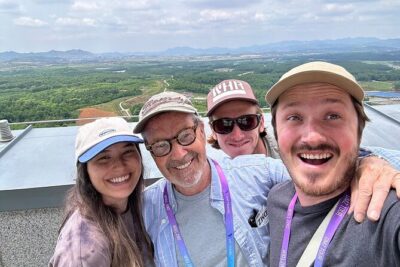
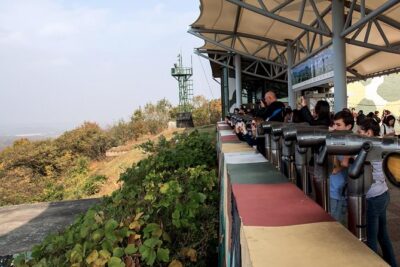
The big star here is Aegibong Peace Eco Park at Aegibong Peak, about an hour from central Seoul. You’re going to a place tied to the Korean War, but the experience is shaped around what you can see from the vantage point.
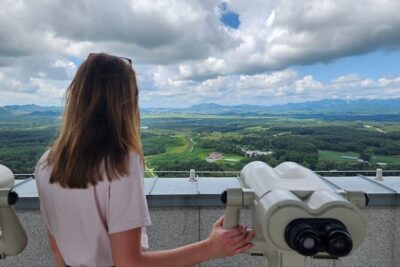
Aegibong is described as the closest border point to North Korea in this area, and the viewing is set up to help you take in the distance—there’s viewer support so you can look toward North Korean villagers and soldiers. That matters, because a lot of DMZ-type days can feel like you spend more time craning than understanding.
The park also gives you both sides in one glance: panoramic views of North and South Korea. That visual contrast is the emotional hook of this tour, and the guide’s job is to keep it from becoming just a photo stop.
Beyond the view: Korean War sites and the meaning of Aegibong
From the moment you arrive, Aegibong isn’t treated like a generic viewpoint. It’s tied to specific historical context: the mountain was the site of a fierce battle during the Korean War, when the peninsula’s division hardened into two separate nations.
Then there’s the story that gives the place a human angle. Aegibong is linked to a tragic romance from the year 1636: a Pyeongyang governor and his mistress, separated during the Sino-Korean War era. The name is explained as a wordplay—Ae (love), gi (mistress), and bong (peak)—so you understand why the mountain’s identity isn’t only military.
You’ll also hear the modern cultural connection: President Park Chung Hee compared their separation to the pain caused by a divided Korea. That helps you read the scenery as more than a political line on a map.
Practical note: Aegibong is a military restricted area, and the tour explicitly warns that cancellation can happen due to unpredictable access rules. The way to handle that is simple—keep your day flexible in spirit, and plan for the possibility that the day’s flow can change.
More guide-to-yourself private days in Seoul

Gyeonggi-do rural stop: gochujang-making you can actually take home
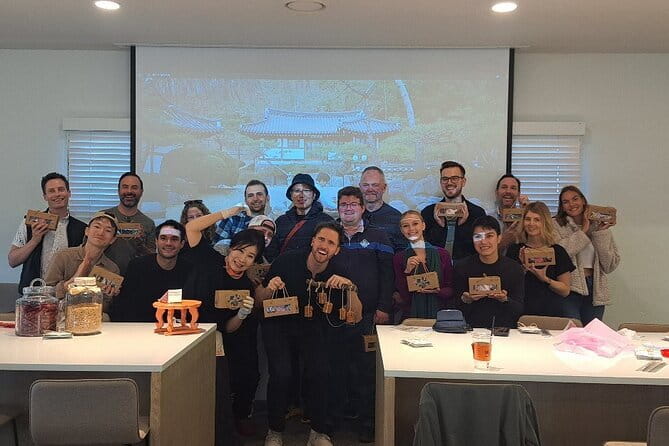
After the border-area viewing, the tour shifts gears into rural rhythm. Stop two is in Gyeonggi-do, at a farm-focused cultural site linked with a rice-farming heritage theme. The tone changes fast—in a good way.
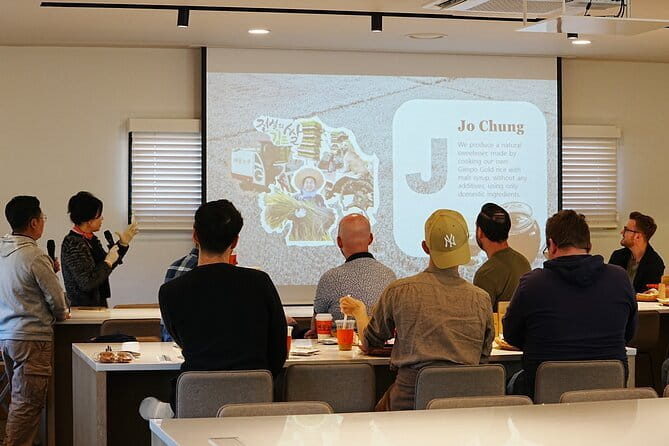
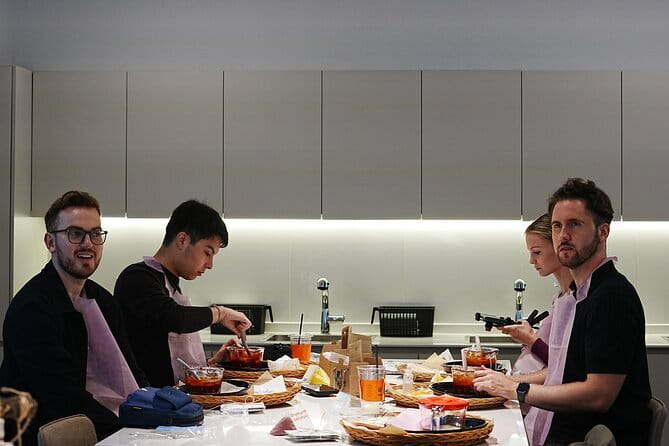
This is where the day becomes tactile. You join a hands-on gochujang-making workshop, tied to a family-operated facility across three generations. Instead of tasting red chili paste and calling it a day, you learn the process and craft your own batch.
The payoff is clear: you’ll make your own 200g jar of gochujang, which becomes a souvenir you can share with family or bring back to your kitchen. Food souvenirs like this tend to last longer in your memory than magnets because you can recreate the flavor later.
The workshop is paired with cultural materials and farm-related exhibits, and there may be hands-on activities depending on what’s running that day. Even if you’re not a “hands-in-the-dough” person, this part helps balance the heavier topic earlier in the day.
Bibimbap lunch: the included meal that keeps this tour grounded
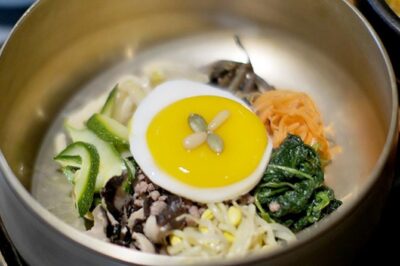
Lunch is authentic traditional bibimbap, included in the tour price. The description emphasizes organic, locally sourced ingredients, which is a big deal because bibimbap is only as good as the components.
Here’s the practical value: after a political and historical stop, you want something that feels real and immediate—not a rushed chain meal. Bibimbap is built for that. It’s a mix-and-match bowl (rice plus toppings), and you can taste the freshness rather than just fill up.
The tour also flags a key detail for planning: since bibimbap lunch is included, you should notify the company in advance if you have dietary restrictions. That’s not a small note—this is one of the few places where your preferences matter for the whole experience.
If you’re sensitive to certain ingredients, don’t wing it the day-of. Ask ahead so your lunch matches what you can comfortably eat.
Hand-drip coffee: a slower finish if you want it
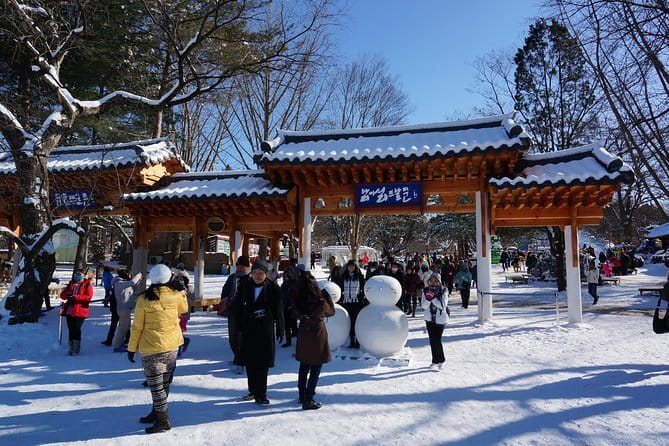
To end the culinary half, the tour offers an optional hand-drip coffee experience. The idea is straightforward: you grind and brew premium beans by hand, then you sip something aromatic while the day finally calms down.
This is a good fit because the tour mixes intense sights with active cooking. Coffee gives you a quiet landing moment, and the optional nature matters—if you’d rather keep moving or prefer tea, you can.
Even if you’re not a coffee nerd, the hand-drip format is a nice change from the standard airport-style caffeine stop. It turns the final hour into a small ritual, not just a transfer back to the city.
Private guide experience: how to get more out of Aegibong
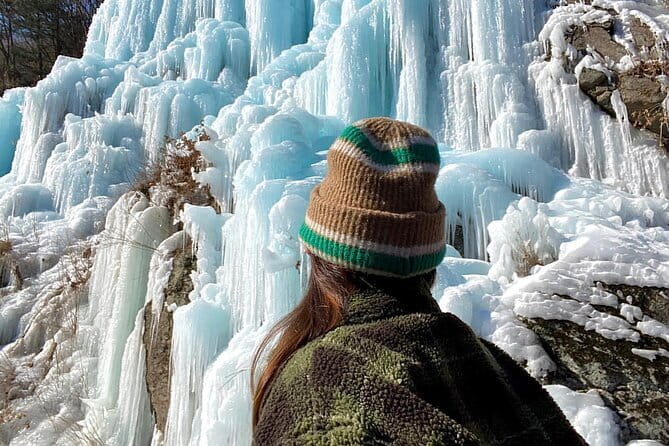
Aegibong isn’t an easy place to interpret on your own. You’re looking at distance, political tension, and layers of story. That’s why the guide matters.
From the experience notes tied to guides like Xander, Chuck, and Jun, the consistent theme is explanation with clarity and humor. You’ll get context on why you’re seeing what you’re seeing, and how the stories connect to present-day divisions.
Here’s how to make the time work for you:
- Ask your guide what you should look for when you first arrive at the viewpoint.
- If you’re into history, ask how the 1636 romance and the Korean War events relate to today’s national narrative.
- If you’re more into culture, ask about how names like Aegibong carry meaning.
A private tour is ideal here because you can tailor your questions instead of sharing a single explanation with a crowd.
Who should choose this tour (and who might not)
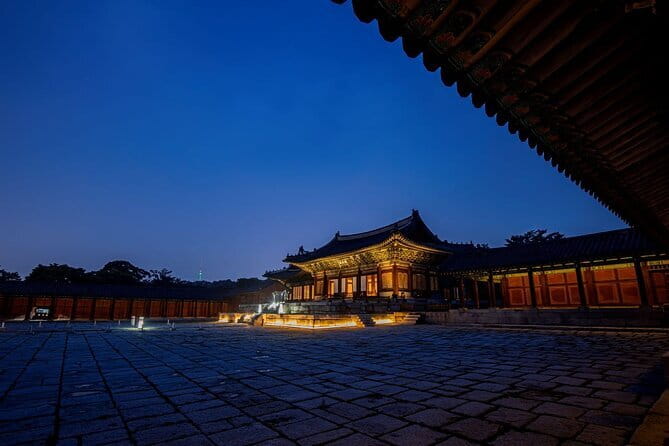
This tour fits best if you want a single-day structure that balances big-picture history with hands-on food.
You’ll likely enjoy it if:
- You’re curious about how the peninsula is explained through places like Aegibong.
- You like food experiences that produce a take-home item, not just a tasting.
- You want private transport so your day doesn’t get eaten by waiting around.
It may not fit as well if:
- You hate uncertainty. Aegibong is a military restricted area, and cancellation can happen.
- You prefer very light physical activity. The tour requests a moderate physical fitness level, so comfortable walking and standing helps.
Also, the tour mentions service animals are allowed and that it’s near public transportation. If you have specific needs, it’s worth confirming details with the provider before you commit.
Should you book this Aegibong + Korean culinary day?
I think this is a strong booking when you want the best version of two different experiences: a more meaningful, explained border-area visit plus a real Korean cooking day.
The value pitch is practical: private pickup/drop-off, entrance fees, a planned lunch, optional hand-drip coffee, and a gochujang jar you actually get to use later. That turns the price into more than sightseeing cost.
Just be honest with yourself about the one real risk: Aegibong access can change due to military-area rules, and the tour also depends on good weather. If you can handle that possibility, you’re set up for a memorable mix of views, stories, and food you’ll keep thinking about.
FAQ
FAQ
How long is the tour?
It runs about 6 hours 30 minutes. The remaining 2.5 hours are allotted for travel time.
Is pickup and drop-off included?
Yes. The tour includes pickup and drop-off and uses an air-conditioned vehicle.
What do I do at Aegibong Peace Eco Park?
You’ll visit Aegibong Peace Eco Park for about 2 hours, with access to a viewpoint designed for seeing toward North Korea (with viewer support) plus historical and cultural context from your guide.
What’s included in the Korean culinary workshop?
You’ll take part in a gochujang-making workshop where you craft your own 200g jar.
Is lunch included, and is it bibimbap?
Yes. Authentic traditional bibimbap lunch is included.
What about dietary restrictions?
The tour notes that bibimbap lunch is included, so you should notify the company in advance if you have dietary restrictions.
Is the hand-drip coffee mandatory?
No. Hand-drip coffee is optional.
Can the tour be canceled, and why?
There are cancellations noted for unpredictable reasons because Aegibong is a military restricted area, and the tour also requires good weather. If it’s canceled due to poor weather, you’ll be offered a different date or a full refund.
Is this tour only for my group?
Yes. It’s listed as a private tour/activity, meaning only your group participates.
More Tours in Seoul
- Best DMZ Tour Korea from Seoul (Red Suspension Bridge Optional)★ 5.0 · 41,422 reviews
- DMZ Tour: 3rd Tunnel, Option(Suspension Bridge, Boat) from Seoul★ 5.0 · 21,373 reviews
- DMZ tour south Korea from Seoul (NK experience hall, defector)★ 5.0 · 20,599 reviews
- Seoul: DMZ Tour with Optional Suspension Bridge★ 4.8 · 5,277 reviews
- Seoul: DMZ The 3rd Tunnel and Suspension Bridge Tour★ 5.0 · 4,656 reviews
More Tour Reviews in Seoul
- Best DMZ Tour Korea from Seoul (Red Suspension Bridge Optional)★ 5.0 · 41,422 reviews
- DMZ Tour: 3rd Tunnel, Option(Suspension Bridge, Boat) from Seoul★ 5.0 · 21,373 reviews
- DMZ tour south Korea from Seoul (NK experience hall, defector)★ 5.0 · 20,599 reviews
- Seoul: DMZ Tour with Optional Suspension Bridge★ 4.8 · 5,277 reviews
- Seoul: DMZ The 3rd Tunnel and Suspension Bridge Tour★ 5.0 · 4,656 reviews
The DMZ & the Border, More Routes
- Best DMZ Tour Korea from Seoul (Red Suspension Bridge Optional)★ 5.0 · 41,422 reviews
- DMZ Tour: 3rd Tunnel, Option(Suspension Bridge, Boat) from Seoul★ 5.0 · 21,373 reviews
- DMZ tour south Korea from Seoul (NK experience hall, defector)★ 5.0 · 20,599 reviews
- Seoul: DMZ Tour with Optional Suspension Bridge★ 4.8 · 5,277 reviews
- Seoul: DMZ The 3rd Tunnel and Suspension Bridge Tour★ 5.0 · 4,656 reviews
Just added to Exploring Seoul
DMZ Day Tours, compared.
 ★ 5.0DMZ Tour: 3rd Tunnel, Option(Suspension Bridge, Boat) from SeoulFrom $3521,373 reviews
 ★ 5.0DMZ tour south Korea from Seoul (NK experience hall, defector)From $2620,599 reviews
 ★ 4.8DMZ Tour with Optional Suspension BridgeFrom $455,277 reviews
 ★ 5.0DMZ The 3rd Tunnel and Suspension Bridge TourFrom $654,656 reviews
 ★ 5.0Signature DMZ Tour: Exclusive Defector Talk & Suspension BridgeFrom $274,459 reviews
 ★ 5.0Thrilling Korean DMZ 3rd Tunnel Tour from Seoul + Red Bridge RushFrom $353,097 reviews
 ★ 4.9DMZ Tour & Suspension Bridge (Option English/Spanish)From $352,628 reviews
 ★ 5.0DMZ Past and Present: Korean Demilitarized Zone Tour from SeoulFrom $372,481 reviews
Browse the lists this tour appears in