
Reviewed · DMZ DAY TOURS
Private DMZ Tour with North Korean Defector + N Korean Lunch
A DMZ visit hits harder with a real witness. This private tour pairs border viewpoints with Jun, a North Korean defector who explains what life before the escape actually meant, not just what the sights look like. You’ll also eat North Korean cuisine at a restaurant run by defectors, so the day connects history to everyday food.
I especially like the small size and direct storytelling. With a maximum of 4 travelers, you’re not stuck watching someone else’s shoulder for the whole day. The pickup makes it easy too, since you’re collected from your hotel and don’t have to figure out border-area logistics first thing.
One consideration: the lunch stop has no vegetarian option, so plan accordingly if you avoid meat or want strictly plant-based meals.
In This Review
- Key things that make this DMZ tour worth your time
- Why this private DMZ day feels different with Jun
- Hotel pickup, small group size, and your 10:30 start
- Goyang lunch: North Korean food at a defector-run restaurant
- Odusan Unification Tower: 2 km views, binoculars, and propaganda buildings
- Imjingak Pyeonghoa-Nuri Park and the Bridge of Freedom
- Hapjeong Station drop-off: how you’ll get back to Seoul
- Price and value: what $150 buys you in a 7–8 hour private format
- Who should book this DMZ tour—and who might skip it
- Should you book this DMZ tour?
- FAQ
- How long is the DMZ tour from Seoul?
- What time does the tour start?
- Is hotel pickup included?
- Is lunch included, and what kind of meal is it?
- Where do I get dropped off at the end of the tour?
- How big is the group?
- Is there any rule about filming or streaming?
Key things that make this DMZ tour worth your time
- Defector-led context that turns border sites into lived experience, guided by Jun
- Hotel pickup and a small cap of 4 people, so the pace stays human
- North Korean food lunch in Goyang, served at a defector-run restaurant
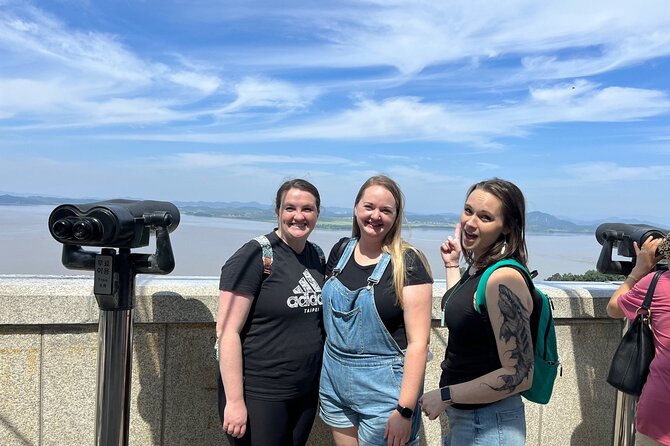
- Odusan Unification Tower views with binoculars, aimed at real North Korean village areas
- Imjingak Pyeonghoa-Nuri Park stops tied to refugees and the Korean War
- No filming/streaming of personal information, helping keep the experience respectful and focused
Other ways to reach the DMZ and the border from Seoul
- DMZ Tour: 3rd Tunnel, Option(Suspension Bridge, Boat) from Seoul★ 5.0 · 21,373 reviews
- DMZ tour south Korea from Seoul (NK experience hall, defector)★ 5.0 · 20,599 reviews
- Seoul: DMZ Tour with Optional Suspension Bridge★ 4.8 · 5,277 reviews
- Seoul: DMZ The 3rd Tunnel and Suspension Bridge Tour★ 5.0 · 4,656 reviews
Why this private DMZ day feels different with Jun
DMZ tours in Seoul often feel like a checklist: bus, photo stops, quick explanations, then back to the city. This one is built around a person, Jun, who escaped North Korea and now shares the story behind the border.
That changes what you notice. At the viewpoints, you’re not only looking at buildings and lines on a map. Jun’s explanations guide your attention to what mattered back then—how rules shaped daily life, why escape was so dangerous, and why the DMZ exists the way it does today.
It’s also why this tour tends to land as emotional, even for people who think they already know the facts. You still learn the history, but it comes with the weight of choices that couldn’t be undone.
Hotel pickup, small group size, and your 10:30 start
The schedule is designed to feel low-stress. You start at 10:30am, with hotel pickup included, and you’re out for about 7–8 hours depending on timing.
The group size is small, with a maximum of 4 travelers. If you’re booking as a duo (2 or fewer participants), the operator says up to 2 additional guests may join—so it’s still “private” in the sense of not being a big bus day, but don’t assume it will be just your party the whole time.
A couple practical notes matter for planning. You get a mobile ticket, so have your phone ready for check-in. And since the experience requires good weather, you should expect the day to be weather-dependent—if conditions are poor, you’ll be offered a different date or a full refund.
Goyang lunch: North Korean food at a defector-run restaurant
Lunch is one of the strongest parts of the day because it’s not a generic meal stop. In Goyang, you eat North Korean cuisine at a restaurant operated by a North Korean defector.
This matters for two reasons. First, food is personal. Second, it gives you a concrete sense of what culture carries forward after leaving—especially when the day’s main theme is separation and survival.
Timing is also practical: the lunch stop is listed at about 2 hours. That’s long enough to actually eat without feeling rushed, and it gives you time to ask questions in an atmosphere that’s not just “stand-and-look” sightseeing.
One clear drawback to plan around: there’s no vegetarian option. If you’re flexible, you can usually find something that works, but if you avoid meat entirely, you’ll need to think ahead based on your own dietary limits.
More guide-to-yourself private days in Seoul

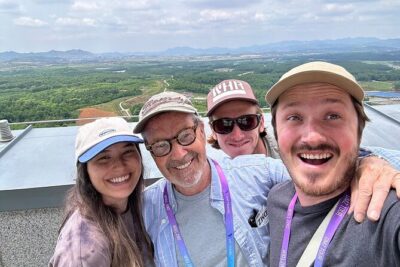

Odusan Unification Tower: 2 km views, binoculars, and propaganda buildings
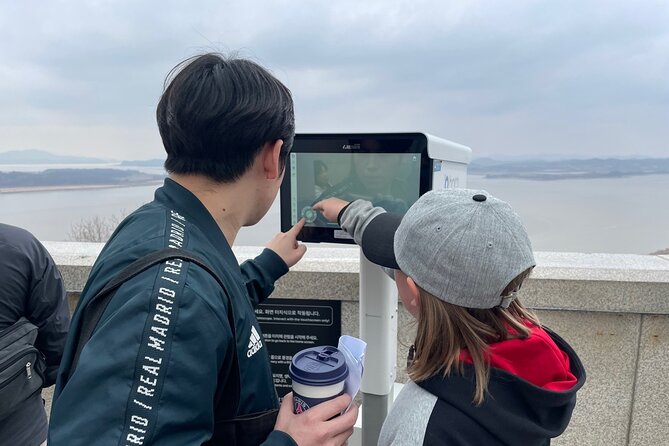
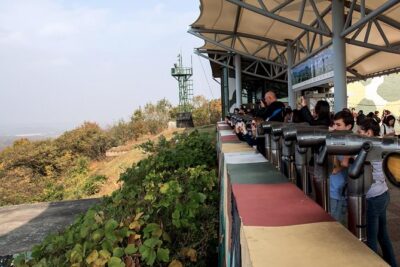
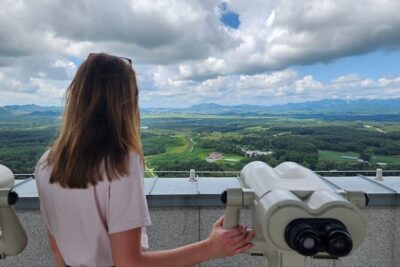
After lunch, you head to Odusan Unification Tower. This is where the border becomes a visual argument: you’re positioned close enough to see North Korean villages roughly 2 km away, using binoculars.
From a visitor’s perspective, this stop is powerful because it’s not just a distant “line in the distance.” You get glimpses of how the area is set up—along with propaganda buildings erected by the North Korean government. The point isn’t to “collect views.” It’s to understand how messaging and control are built into the landscape.
The tour blocks about 2 hours for this stop, and admission is included. That time is important because binocular viewing takes patience, and the guide needs room to explain what you’re seeing (and what you can’t).
A practical consideration: don’t treat this like a photo-only moment. The rules include no filming or streaming personal information, so keep your focus on what Jun is saying, not on trying to record everything.
Imjingak Pyeonghoa-Nuri Park and the Bridge of Freedom
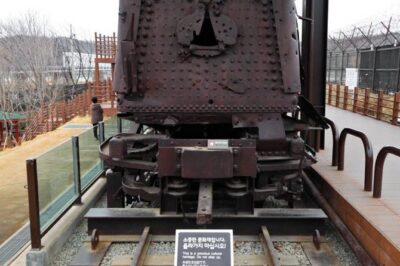
Next comes Imjingak Pyeonghoa-Nuri Park. This park was created for refugees who fled North Korea during the Korean War, so the emotional tone is different from the tower viewpoint.
You’ll also see the Bridge of Freedom, which was temporarily constructed by the U.S. Army Corps of Engineers in 1953 to help release people. Even if you’ve read about the war before, standing there is a reminder that history wasn’t a set of dates—it was families being moved, separated, and delayed by forces far larger than them.
This stop is listed at about 1 hour, and admission is included. That can feel short if you’re the type who wants to linger slowly, but it’s enough for the main sites and the guide’s interpretation.
If you get overwhelmed, that’s normal. This area is designed to be reflective, and a defector’s perspective often makes the meaning sharper. Give yourself a minute before you move on—then take it in.
Hapjeong Station drop-off: how you’ll get back to Seoul
The tour ends with a drop-off at Hapjeong Station. That’s convenient because it puts you back on a subway route that connects to major parts of Seoul like Itaewon and Yongsan.
You’re only given 15 minutes at the end area, so it’s smart to have your next step ready. In practical terms, that usually means using your metro app before you leave the park area, and deciding where you’ll grab dinner afterward.
The vibe here is “wrap and go.” You won’t be stranded in the middle of nowhere; you’ll be in Seoul again, just not at your exact hotel.
Price and value: what $150 buys you in a 7–8 hour private format
At $150 per person, this isn’t the cheapest way to do the DMZ. But it’s also not a random sightseeing price tag.
Here’s what you’re paying for, based on what’s included: hotel pickup, admission fees, and lunch. The tour also keeps the group small (up to 4 travelers), and it’s structured around a guide who offers first-hand defector context rather than only general border commentary.
The value equation is simple: if you’re the kind of traveler who wants meaning over mass-market convenience, the cost makes sense. You’re not just visiting sites; you’re spending a full day with someone who can explain the “why” behind what you see.
If you want a low-cost photo day with minimal talking, you’ll likely feel this price more than you need to. But if you want a DMZ experience that changes how you understand the border, this is the kind of tour that earns the money.
Who should book this DMZ tour—and who might skip it
This tour fits best if you:
- want a DMZ visit with personal, firsthand storytelling
- like small groups and hate big-bus logistics
- care about understanding unification and border realities beyond headlines
- don’t mind listening for long stretches (this day is guided, not just toured)
You might reconsider if:
- you need a vegetarian-friendly meal (there’s no vegetarian option)
- you strongly prefer filming everything (the tour says no filming/streaming of personal information)
- you’re looking for a quick, light outing rather than a reflective day
Should you book this DMZ tour?
My take: if you’re choosing between a standard DMZ day and one guided by Jun, pick this. The small group size, hotel pickup, and built-in lunch are the practical perks, but the real value is how the border sites become understandable through lived experience.
If your dietary needs are strict, plan around the lunch first. If your schedule and weather cooperate, this is the kind of day that tends to stick with you long after you’re back in Seoul.
FAQ
How long is the DMZ tour from Seoul?
The tour runs about 7 to 8 hours (approx.).
What time does the tour start?
The start time is 10:30 am.
Is hotel pickup included?
Yes. Hotel pick-up is included, and the tour begins with pickup from your hotel.
Is lunch included, and what kind of meal is it?
Lunch is included and features North Korean food. There is no vegetarian option.
Where do I get dropped off at the end of the tour?
You end at Hapjeong Station. It’s described as giving quick access to central Seoul areas like Itaewon and Yongsan.
How big is the group?
The tour has a maximum of 4 travelers. If there are 2 or fewer participants, up to 2 additional guests may join.
Is there any rule about filming or streaming?
Yes. The experience notes that filming or streaming of personal information is not allowed.
More Tours in Seoul
- Best DMZ Tour Korea from Seoul (Red Suspension Bridge Optional)★ 5.0 · 41,422 reviews
- DMZ Tour: 3rd Tunnel, Option(Suspension Bridge, Boat) from Seoul★ 5.0 · 21,373 reviews
- DMZ tour south Korea from Seoul (NK experience hall, defector)★ 5.0 · 20,599 reviews
- Seoul: DMZ Tour with Optional Suspension Bridge★ 4.8 · 5,277 reviews
- Seoul: DMZ The 3rd Tunnel and Suspension Bridge Tour★ 5.0 · 4,656 reviews
More Tour Reviews in Seoul
- Best DMZ Tour Korea from Seoul (Red Suspension Bridge Optional)★ 5.0 · 41,422 reviews
- DMZ Tour: 3rd Tunnel, Option(Suspension Bridge, Boat) from Seoul★ 5.0 · 21,373 reviews
- DMZ tour south Korea from Seoul (NK experience hall, defector)★ 5.0 · 20,599 reviews
- Seoul: DMZ Tour with Optional Suspension Bridge★ 4.8 · 5,277 reviews
- Seoul: DMZ The 3rd Tunnel and Suspension Bridge Tour★ 5.0 · 4,656 reviews
The DMZ & the Border, More Routes
- Best DMZ Tour Korea from Seoul (Red Suspension Bridge Optional)★ 5.0 · 41,422 reviews
- DMZ Tour: 3rd Tunnel, Option(Suspension Bridge, Boat) from Seoul★ 5.0 · 21,373 reviews
- DMZ tour south Korea from Seoul (NK experience hall, defector)★ 5.0 · 20,599 reviews
- Seoul: DMZ Tour with Optional Suspension Bridge★ 4.8 · 5,277 reviews
- Seoul: DMZ The 3rd Tunnel and Suspension Bridge Tour★ 5.0 · 4,656 reviews
Just added to Exploring Seoul

DMZ Day Tours, compared.
 ★ 5.0DMZ Tour: 3rd Tunnel, Option(Suspension Bridge, Boat) from SeoulFrom $3521,373 reviews
 ★ 5.0DMZ tour south Korea from Seoul (NK experience hall, defector)From $2620,599 reviews
 ★ 4.8DMZ Tour with Optional Suspension BridgeFrom $455,277 reviews
 ★ 5.0DMZ The 3rd Tunnel and Suspension Bridge TourFrom $654,656 reviews
 ★ 5.0Signature DMZ Tour: Exclusive Defector Talk & Suspension BridgeFrom $274,459 reviews
 ★ 5.0Thrilling Korean DMZ 3rd Tunnel Tour from Seoul + Red Bridge RushFrom $353,097 reviews
 ★ 4.9DMZ Tour & Suspension Bridge (Option English/Spanish)From $352,628 reviews
 ★ 5.0DMZ Past and Present: Korean Demilitarized Zone Tour from SeoulFrom $372,481 reviews
Browse the lists this tour appears in