
Reviewed · DMZ DAY TOURS
Private DMZ Tour From Seoul
One day, two Koreas, zero room for guesswork. I love the private guide who gives the why behind each checkpoint and viewpoint, and I love the door-to-door transfers that keep the logistics stress-free. The main thing to plan around is visibility and access changes, since weather or DMZ operations can limit what you can see at Dora Observatory.
This is a guided, tightly timed day that moves in a clear sequence: start at Imjingak’s peace area, head into the DMZ corridor, and finish back near Seoul. You’ll get a “question as we go” style of tour, and that matters here because the border is emotional, technical, and full of context you won’t get from a quick bus loop.
In This Review
- Key Things I’d Pay Attention To
- Price and Value for a 6–7 Hour DMZ Day
- Door-to-Door Seoul Pickup: The Quiet Start That Matters
- Imjingak Pyeonghoa-Nuri Park: Freedom Bridge Hits First
- Entering the DMZ Corridor: Dorasan Stops and Quick Views
- The Third Tunnel of Aggression: Where Cold War History Feels Physical
- Dorasan Station and Unification Village: The Border as a Daily Idea
- Your Guide Makes or Breaks the Day
- When Plans Change: Fog, Crowds, and Operational Surprises
- Practical Tips Before You Go
- Who This DMZ Tour Is Best For
- Should You Book This Private DMZ Tour?
- FAQ
- How long is the DMZ tour?
- Is this a private tour?
- Do you offer pickup and drop-off from my hotel?
- What stops are included during the tour?
- Is lunch included?
- Are admission fees included?
- What documents do I need?
- Is the tour physically demanding?
- What if the DMZ is closed or something goes wrong on the day?
- What is the cancellation rule?
Key Things I’d Pay Attention To
- Hotel pickup to the DMZ area, not just a meeting point: you get car service from your Seoul hotel and back.
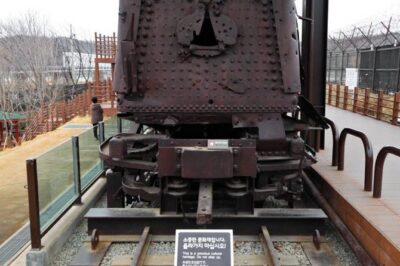
- Freedom Bridge at Imjingak Peace Park: POW return history plus the iconic locomotive damage you can still see.
- Dorasan Observatory timing (and fog risk): the stop is short, so your view depends on the day.
- Third Tunnel walk is the physical moment: it’s a real descent and something you’ll feel in your legs.
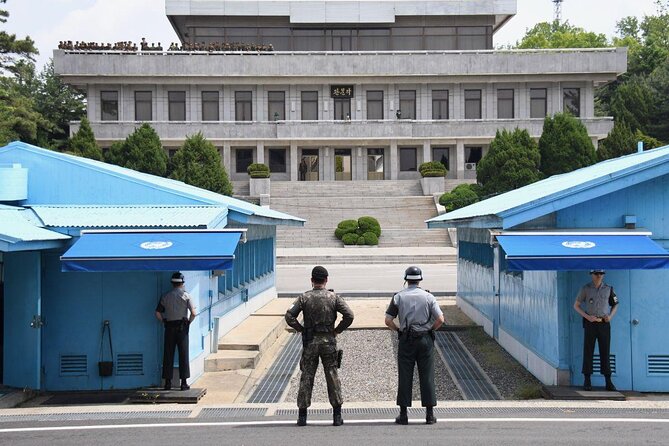
- Inside the DMZ you switch to certified buses: your “private” part is mainly the guide and the drive to the area.
- Guides like Moonhak Song and JK: the reviews consistently praise clear English and strong storytelling.
Other ways to reach the DMZ and the border from Seoul
- DMZ Tour: 3rd Tunnel, Option(Suspension Bridge, Boat) from Seoul★ 5.0 · 21,373 reviews
- DMZ tour south Korea from Seoul (NK experience hall, defector)★ 5.0 · 20,599 reviews
- Seoul: DMZ Tour with Optional Suspension Bridge★ 4.8 · 5,277 reviews
- Seoul: DMZ The 3rd Tunnel and Suspension Bridge Tour★ 5.0 · 4,656 reviews
Price and Value for a 6–7 Hour DMZ Day
At $220 per person, this private DMZ tour sits in the “worth it if you want comfort and context” category. You’re not paying just for transportation. You’re paying for a full, guided narrative through places that are hard to understand without a teacher in the car.
A big part of the value is what’s included: a guide, admission fees, and complimentary round-trip transfer service from your hotel area (so you’re not figuring out trains, transfer vans, and meeting points). Lunch is not included, so you’ll want to plan for a simple meal either back at Imjingak or on the way home.
If you’re the kind of traveler who likes asking direct questions, the private format helps. Even when sites have timed entries, a good guide can keep the day moving while still answering what you really care about—war history, daily life near the border, and why the DMZ is set up the way it is.
Door-to-Door Seoul Pickup: The Quiet Start That Matters
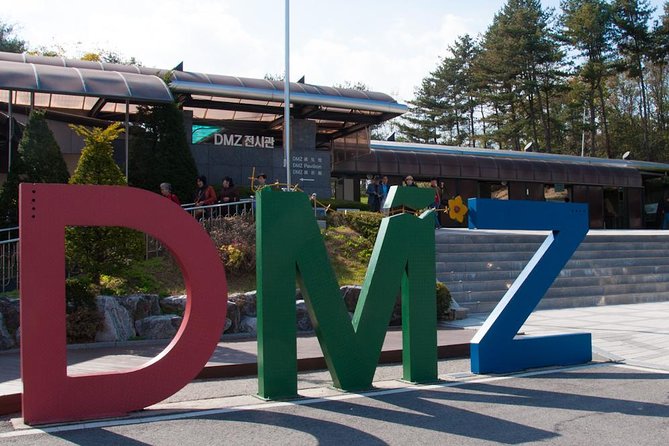
The day starts with pickup and ends with drop-off back to your hotel. That sounds small until you remember the DMZ is far enough outside Seoul that a bad start can ruin your energy. With hotel pickup, you start fresh, and you don’t burn time trying to find the right bus or stand in the wrong place.
The vehicle is also part of the experience. Reviews mention a comfortable car and careful, calm driving, including for families. If you’re traveling with kids or you’re prone to car sickness, this kind of smooth ride is more than a “nice to have.” It makes the day feel controlled.
A realistic note: once you reach the DMZ area, your access method changes. Inside the DMZ zone, entry is done using certified buses. So the day isn’t fully private in the strictest sense once you cross into the controlled area—but your guide, your timing, and your on-the-ground explanations stay private to your group.
Imjingak Pyeonghoa-Nuri Park: Freedom Bridge Hits First
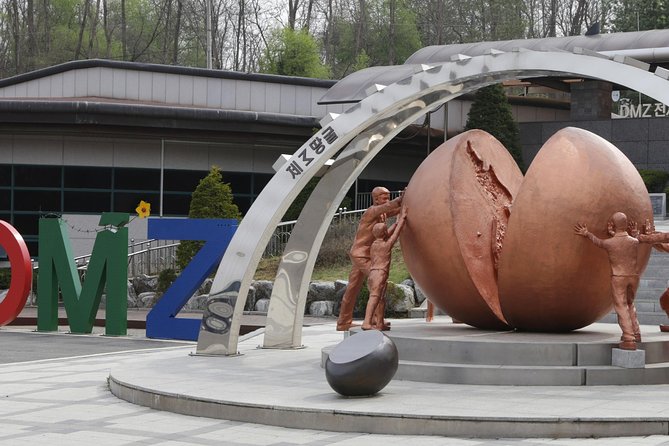
Your first stop is Imjingak Pyeonghoa-Nuri Park, a peace area set up for remembrance and reflection. The tour begins with the emotional anchors of the Korean War era—especially the Freedom Bridge, where thousands of POWs returned from North Korea after the war.
What I like about starting here is that it gives you something to hold onto before you look at fortifications and tunnels. You’re not just seeing military geography. You’re seeing the human cost that shaped the border you’ll visit later.
At Imjingak, there’s also a famous locomotive display connected to the war. The details matter because they make the history feel concrete instead of abstract. You can stand there and connect the story your guide tells with a physical object that looks like it was built to last.
This stop is long enough to feel unhurried: about 1 hour 30 minutes, with an admission ticket included. In practical terms, that means you can take photos without rushing and still get the full story from your guide.
More guide-to-yourself private days in Seoul


Entering the DMZ Corridor: Dorasan Stops and Quick Views
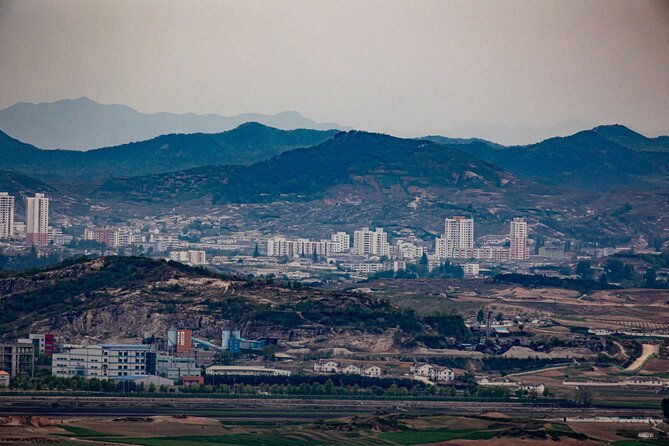
Next comes the DMZ segment of the day. Expect controlled timing and security-style movement. Your guide leads the flow, and the schedule is designed so you see multiple sites without losing the thread.
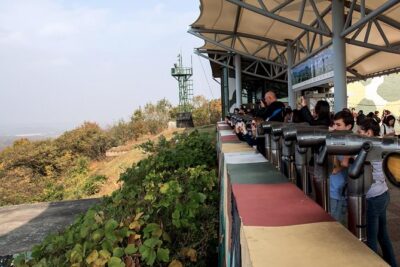
One key moment is the stop at Dorasan Observatory for around 40 minutes. This is your chance to look toward North Korea from the southern side of the DMZ. The big factor here isn’t your camera—it’s the weather. If it’s clear, you can take in more of the distant view. If it’s foggy, the view can be muted.
This is where your guide’s narrative helps most. Even when visibility is limited, they can still explain what you’re looking at: the guard post layout, the idea of the northern frontage, and how this area functions.
I also like that the timing is short. You’re not stuck in one place forever. You get a defined window for observation, and then you move on to the more hands-on parts of the DMZ experience.
The Third Tunnel of Aggression: Where Cold War History Feels Physical
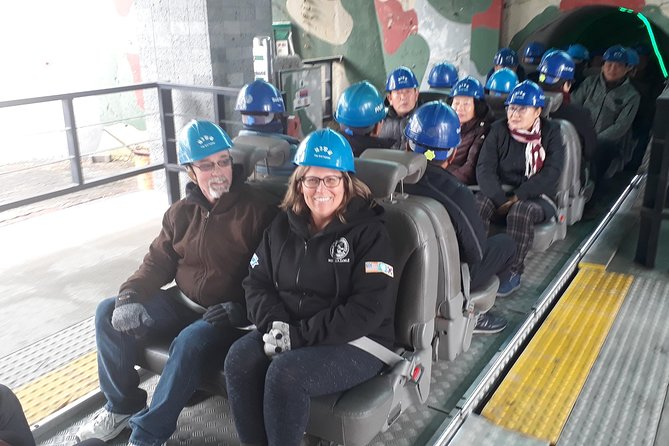
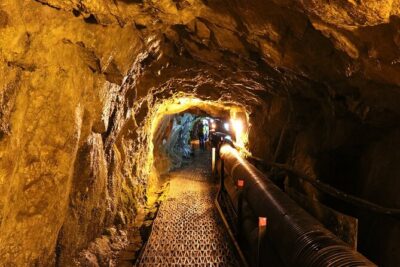
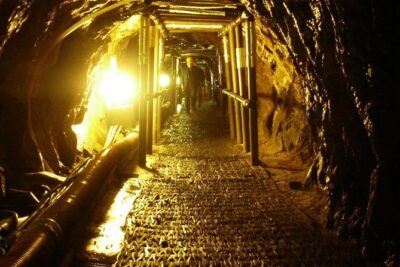
If you want one stop that turns history into something your body understands, it’s the Third Tunnel site. The tour includes about 60 minutes here, including time to walk down and experience the infiltration tunnel dug under the border during the cold war.
This is also the place where fitness matters. The tour notes a moderate physical fitness level as suitable, and the tunnel walk is described in reviews as strenuous. Don’t assume it will feel like a flat museum hallway. Plan for steps and a real physical descent.
What makes this stop powerful is that you’re not only hearing stories. You’re moving through a space designed for covert passage. Even if you’re not a history nerd, it changes how you think about the border. The tunnel compresses the distance between you and the conflict-era engineering decisions that shaped the DMZ.
One more practical tip: it’s worth packing for comfort and staying aware of your energy. If you overpush early in the day, you’ll feel it here. But if you pace yourself, it becomes the memorable centerpiece.
Dorasan Station and Unification Village: The Border as a Daily Idea
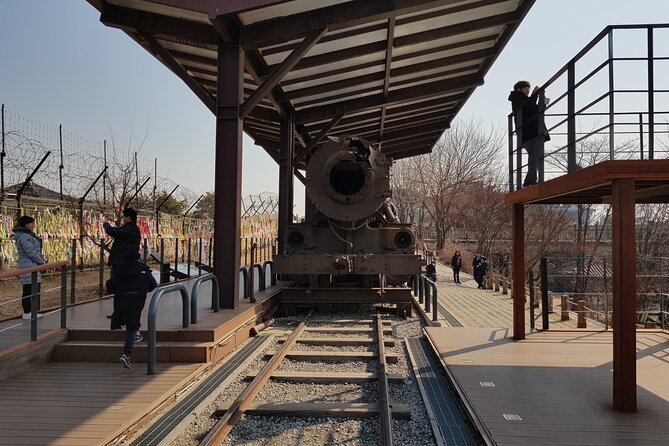
After the tunnel experience, the tour continues with stops like Dorasan Station and Unification Village. These aren’t just photo stops. They help you understand the border as a living concept rather than a line on a map.
Dorasan Station connects the story of separation to the idea of future possibilities. Even if you’re just there briefly, it’s a strong visual contrast to the tunnel and the observatory. It’s where the DMZ feels like infrastructure—rails, platforms, and the border’s operational reality.
Unification Village adds another layer: the way people interact with the border setting and the symbolism of return, contact, and policy decisions. You’ll see it through your guide’s commentary, and the value is in learning what these spaces represent in the Korean peninsula story.
Time at these stops is generally controlled to keep the day on track. That’s a reason to bring your best questions, because you won’t have unlimited hours to wander. Still, the flow is paced so you don’t feel herded without context.
Your Guide Makes or Breaks the Day
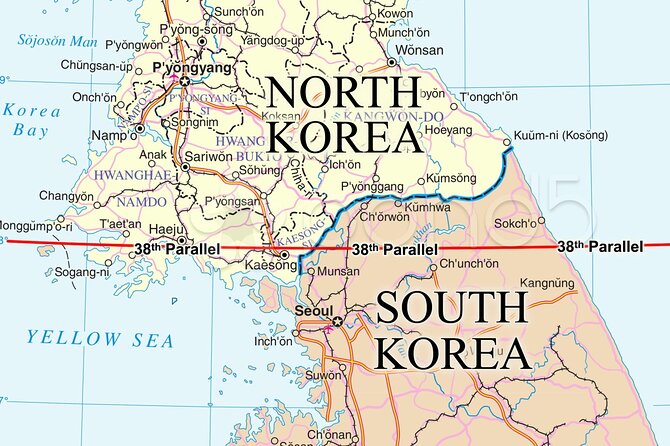
Here’s the biggest truth about DMZ tours: most people can point at the sights. Fewer can explain why they matter in a way that clicks.
This tour is built for that. You’re not only watching. You’re learning with a live person who can answer your follow-ups as you go. Reviews repeatedly call out guides like Moonhak Song and JK for being friendly, fluent, and strong at explaining the Korean peninsula’s history and present-day realities.
I also like the humor and human tone that comes through in the guide style described by customers. That matters because the subject is heavy. A guide who can keep the mood readable helps you stay engaged instead of shutting down halfway through.
One more practical note from reviews: sometimes the guide adds extra value by adapting to your interests or taking you to something else nearby. That isn’t guaranteed as a permanent feature, but the flexibility mindset shows up in how they operate.
When Plans Change: Fog, Crowds, and Operational Surprises
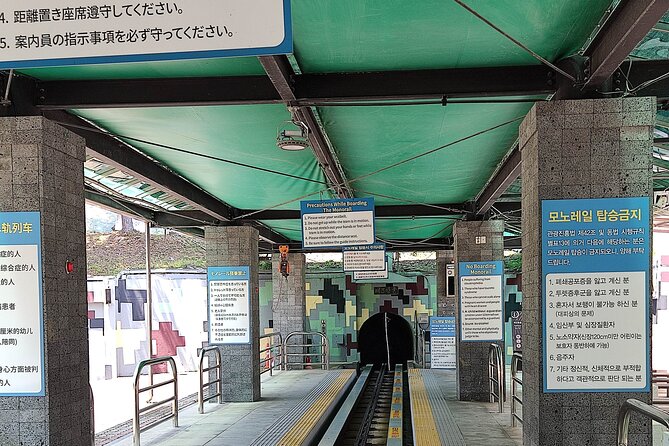
DMZ days are not like museum days. They can shift.
Fog is the most common “visibility” issue. At Dora Observatory, it can reduce how much you can actually see. If you get fog, don’t treat it like a failure. Treat it like a reminder that the border you’re studying is shaped by real-world conditions too.
Crowds can also add waiting time. One review mentions a long wait—up to around two hours—to enter the DMZ area when it’s busy. If you hate uncertainty, this might feel uncomfortable. But if you can stay patient, it’s another reason you want a strong guide. Waiting with context is far better than waiting in silence.
Then there are rare operational disruptions. Reviews mention a DMZ closure on the scheduled date and also a power outage at the tunnel entrance facility. In those situations, the tour provider arranged alternative options or handled the situation with communication and adaptation. That’s not something you can control, but it’s important that the tour plan has a backup mindset.
Practical Tips Before You Go
A few things will make this day smoother:
- Bring a passport. A current valid passport is required on the day of travel.
- Send your DMZ details when asked. The tour needs each traveler’s nationality, gender, given name, surname, and date of birth for DMZ ticket reservation.
- Dress for cold and stair time. Even in warmer months, tunnel areas and long indoor segments can feel cooler. Wear comfortable shoes you trust.
- Don’t plan on lunch being included. Build in time to eat after you return to the peace park area or on the way back.
- Be ready for a timed day. This isn’t a casual stroll through parks. It’s a structured route with short windows, so keep your pace steady.
- Bring patience for DMZ entry. If there’s a line, you’ll likely still see the key sites, but it may feel longer than the listed time.
Also: this is described as private, meaning only your group participates. You won’t join random strangers for the guide portion. Just remember that inside the DMZ zone, certified buses are used.
Who This DMZ Tour Is Best For
I’d recommend this tour if you fit one of these:
- You want maximum meaning per hour, not just sightseeing.
- You care about the “why” behind the DMZ and want a guide to explain it as you go.
- You’re traveling as a couple or family and want a calmer schedule than big-group bus tours.
- You’re okay with moderate effort and can handle a tunnel walk.
You might want to think twice if you’re highly sensitive to delays, or if the physical parts (the tunnel descent) would be difficult for you. In that case, the DMZ can still be worth seeing, but you may prefer a version that doesn’t require the tunnel segment.
Should You Book This Private DMZ Tour?
Yes, if you want the DMZ day to feel organized, guided, and efficient. The private guide angle is the real differentiator, especially when weather limits visibility. The door-to-door transfers make the day feel far less exhausting than doing it independently.
Book it when you value context. A $220 private rate isn’t cheap, but with admission fees and a guide included, it’s easier to justify. You’re also buying convenience: pickup, drop-off, and a route that hits the major border landmarks without you piecing together a complex day.
Skip it—or at least be cautious—if fog, crowds, or operational changes would ruin your mood. The DMZ is subject to conditions beyond anyone’s control. If you can accept that and stay flexible, you’ll likely get far more from the day than you expected.
FAQ
How long is the DMZ tour?
It runs about 6 to 7 hours.
Is this a private tour?
Yes. Only your group participates.
Do you offer pickup and drop-off from my hotel?
Yes. Complimentary round-trip transfer service is included.
What stops are included during the tour?
The day includes Imjingak Peace Park (including the Freedom Bridge area), a Dorasan Observator y stop, the Third Tunnel of Aggression, and visits connected to Dorasan Station and Unification Village.
Is lunch included?
No. Lunch is not included.
Are admission fees included?
Yes. Admission fee entry is included as part of the tour.
What documents do I need?
A current valid passport is required on the day of travel. The tour also needs each traveler’s nationality, gender, given name, surname, and date of birth for DMZ ticket reservation.
Is the tour physically demanding?
The tour is recommended for travelers with moderate physical fitness. The tunnel portion includes a walk down, so it can be strenuous.
What if the DMZ is closed or something goes wrong on the day?
The tour can be adjusted due to circumstances beyond anyone’s control, and alternative options can be arranged. You may also experience issues like weather affecting visibility or operational interruptions.
What is the cancellation rule?
Free cancellation is available up to 24 hours in advance for a full refund.
More Tours in Seoul
- Best DMZ Tour Korea from Seoul (Red Suspension Bridge Optional)★ 5.0 · 41,422 reviews
- DMZ Tour: 3rd Tunnel, Option(Suspension Bridge, Boat) from Seoul★ 5.0 · 21,373 reviews
- DMZ tour south Korea from Seoul (NK experience hall, defector)★ 5.0 · 20,599 reviews
- Seoul: DMZ Tour with Optional Suspension Bridge★ 4.8 · 5,277 reviews
- Seoul: DMZ The 3rd Tunnel and Suspension Bridge Tour★ 5.0 · 4,656 reviews
More Tour Reviews in Seoul
- Best DMZ Tour Korea from Seoul (Red Suspension Bridge Optional)★ 5.0 · 41,422 reviews
- DMZ Tour: 3rd Tunnel, Option(Suspension Bridge, Boat) from Seoul★ 5.0 · 21,373 reviews
- DMZ tour south Korea from Seoul (NK experience hall, defector)★ 5.0 · 20,599 reviews
- Seoul: DMZ Tour with Optional Suspension Bridge★ 4.8 · 5,277 reviews
- Seoul: DMZ The 3rd Tunnel and Suspension Bridge Tour★ 5.0 · 4,656 reviews
The DMZ & the Border, More Routes
- Best DMZ Tour Korea from Seoul (Red Suspension Bridge Optional)★ 5.0 · 41,422 reviews
- DMZ Tour: 3rd Tunnel, Option(Suspension Bridge, Boat) from Seoul★ 5.0 · 21,373 reviews
- DMZ tour south Korea from Seoul (NK experience hall, defector)★ 5.0 · 20,599 reviews
- Seoul: DMZ Tour with Optional Suspension Bridge★ 4.8 · 5,277 reviews
- Seoul: DMZ The 3rd Tunnel and Suspension Bridge Tour★ 5.0 · 4,656 reviews
Just added to Exploring Seoul


DMZ Day Tours, compared.
 ★ 5.0DMZ Tour: 3rd Tunnel, Option(Suspension Bridge, Boat) from SeoulFrom $3521,373 reviews
 ★ 5.0DMZ tour south Korea from Seoul (NK experience hall, defector)From $2620,599 reviews
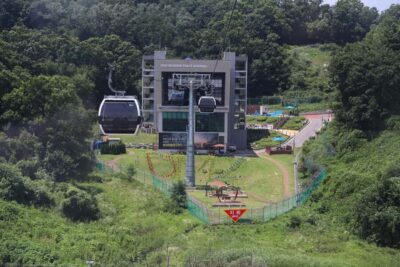 ★ 4.8DMZ Tour with Optional Suspension BridgeFrom $455,277 reviews
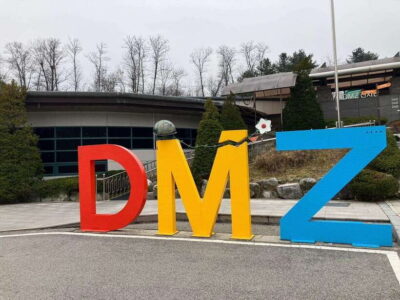 ★ 5.0DMZ The 3rd Tunnel and Suspension Bridge TourFrom $654,656 reviews
 ★ 5.0Signature DMZ Tour: Exclusive Defector Talk & Suspension BridgeFrom $274,459 reviews
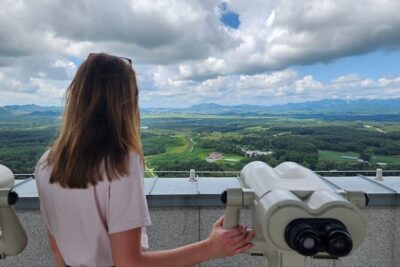 ★ 5.0Thrilling Korean DMZ 3rd Tunnel Tour from Seoul + Red Bridge RushFrom $353,097 reviews
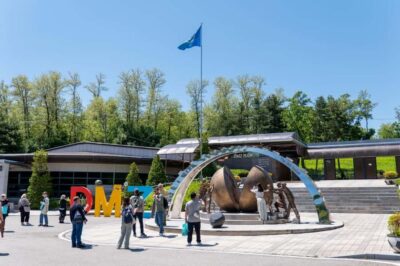 ★ 4.9DMZ Tour & Suspension Bridge (Option English/Spanish)From $352,628 reviews
 ★ 5.0DMZ Past and Present: Korean Demilitarized Zone Tour from SeoulFrom $372,481 reviews
Browse the lists this tour appears in