
Reviewed · DMZ DAY TOURS
Private DMZ Spy Commando Invasion Route & 2nd tunnel tour
This is the DMZ, not a postcard. On a private drive from Seoul, you trace the DMZ spy commando route, then walk into the 2nd Tunnel with a guide who turns facts into a clear story.
I like the way this tour mixes military stops with human details, and the lunch is North Korean-style barbecued duck, not a generic set meal. Just plan for JSA access isn’t guaranteed, so if you’re chasing the JSA headline, set your expectations around this spy-route focus.
Key points I’d plan for
- Spy commando route, not just scenery: you visit the places tied to the 1968 infiltration attempt.
- Imjingak Peace Park + artillery: you’ll see war artifacts and an M109 Howitzer at the park.
- The 2nd Tunnel visit: it’s described as the largest infiltration tunnel, with time to take photos inside.
- Civilian observation point view: you use a telephoto lens to look at a model North Korean village.
- Lunch that matches the theme: barbecued duck is included, with vegetarian options arranged if you request.
In This Review
- DMZ in a private vehicle: what $220 buys you
- Odusan Unification Tower: your first border lesson
- Imjingak Peace Park and the M109 Howitzer: memory you can point at
- Gorangpo-ri: army-base time and the invasion point
- Inside the 2nd Tunnel: the biggest infiltration tunnel
- Civilian observation point: model village viewing with telephoto lenses
- Lunch of barbecued duck: included, themed, and adjustable
- Bullet marks on rocks and trees: where the route feels personal
- War Memorial of Korea at Yongsan-dong: tanks and planes to close the loop
- The one drawback to plan around: access and expectation mismatch
- Should you book this private DMZ spy route tour
- FAQ
- How long is the private DMZ spy commando invasion route tour?
- What’s included in the price?
- Do I need a passport for this tour?
- Is this a private tour or a group tour?
- What are the main stops on the itinerary?
- Is lunch included, and what do you eat?
- Can you take photos inside the 2nd Tunnel?
- How much walking is involved?
- What if the tour gets canceled due to weather or military operations?
- What date flexibility do I have for a full refund?
DMZ in a private vehicle: what $220 buys you
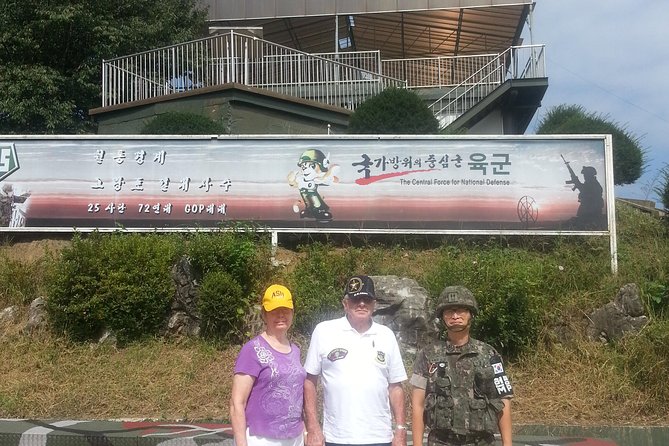
At $220 per person for a 9 to 11 hour day, you’re paying for more than “tickets.” You’re paying for a private vehicle from Seoul, a local English-speaking guide, and a route that’s organized around the 1968 spy commando story. For many people, that’s the real value: you’re not trying to figure out timing, distances, and the meaning of what you’re seeing while in a tightly controlled environment.
You’ll also get a mobile ticket and hotel pickup and drop-off. The tour is private in the sense that your group stays together, and there’s a minimum of 2 people per booking. There are group discounts mentioned too, so it can work well if your travel crew is already 2+.
One more practical note: the tour expects moderate walking and a current passport is required on the day you travel. In cold months, that walking adds up. Comfortable shoes matter more than you think for this kind of itinerary.
Other ways to reach the DMZ and the border from Seoul
- DMZ Tour: 3rd Tunnel, Option(Suspension Bridge, Boat) from Seoul★ 5.0 · 21,373 reviews
- DMZ tour south Korea from Seoul (NK experience hall, defector)★ 5.0 · 20,599 reviews
- Seoul: DMZ Tour with Optional Suspension Bridge★ 4.8 · 5,277 reviews
- Seoul: DMZ The 3rd Tunnel and Suspension Bridge Tour★ 5.0 · 4,656 reviews
Odusan Unification Tower: your first border lesson
The day starts at Odusan Unification Tower, about an hour on-site. This is one of the best openings for the whole trip because it gives you geography right away. You can see a North Korean farming village and farmers from here, and your guide explains the border line between North and South Korea in plain terms.
Even if you know the Korean War basics, I find towers like this useful because they remove the “abstract” feeling. You’re looking at a real, lived-in view, and then your guide connects that view to what happened along the DMZ.
What to watch for: the tower stop is time-limited at about an hour. If you hate rushing, pick a pace with your guide early. You can always ask for a little extra time for photos and for the geography explanation before moving on.
Imjingak Peace Park and the M109 Howitzer: memory you can point at
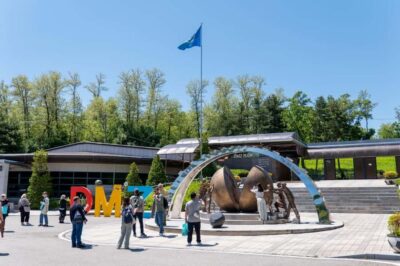
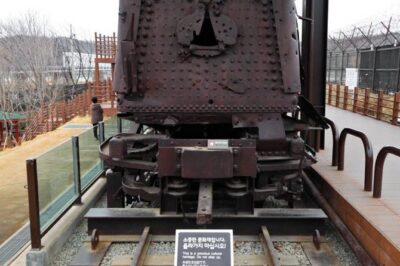
Imjingak Peace Park is part of the DMZ experience in this route, and it’s not just a quick photo stop. You’ll see war artifacts and an artillery base with an authentic M109 Howitzer.
This is where the day starts to feel grounded. Military museums are one thing, but seeing actual equipment and artifacts near the border zone gives you a different emotional angle. It’s also a good checkpoint before you head into the more restricted-feeling parts of the day, because it sets context for why the DMZ still matters.
If you care about military history details, this stop is a strong start. Guides in the past have been praised for explaining how the Korean War and the later spy operations connect, and Imjingak is where that explanation often becomes tangible.
Gorangpo-ri: army-base time and the invasion point
Next comes Gorangpo-ri for about two hours. This stop is designed to connect the modern border to the 1968 infiltration attempt.
You visit a South Korean army base inside the DMZ, then you go to the North Korean spy commando invasion point. That combination is important. It’s not just “here’s a historical marker.” You’re pairing the physical place with the operational reality around it.
A heads-up: army-base visits can feel structured—expect rules, limited freedom, and time managed by your guide and on-site staff. That can feel odd if you expected “museum vibes.” If you’re the kind of traveler who likes to see how things work on the ground, that structure is part of the point.
More guide-to-yourself private days in Seoul

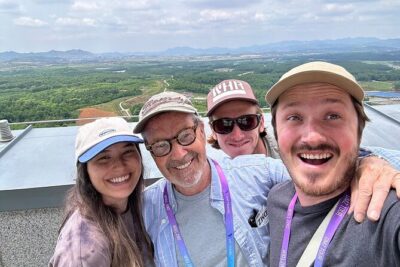

Inside the 2nd Tunnel: the biggest infiltration tunnel
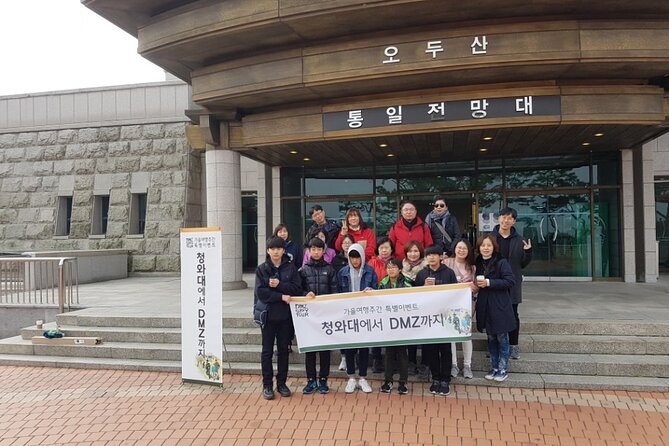
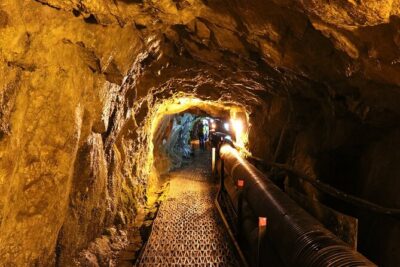
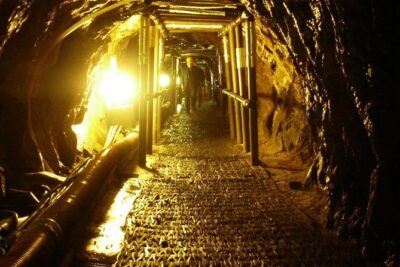
The highlight stop for most people is The 2nd Tunnel, scheduled for about three hours. The tour frames it as the largest infiltrated tunnel by North Korea, and you’re allowed to take pictures inside.
This is where the DMZ stops being just a line on a map and becomes engineering. Tunnels like this are terrifying in a practical way: the entire idea is stealth and movement under a heavily guarded border.
It’s also a rare chance to experience the space directly rather than hearing about it. If you’re even a little curious about military planning—how infiltration would be organized, what would be possible, and what would fail—this is the stop that brings that curiosity to the front.
What to keep in mind: tunnels can be physically demanding and a bit uncomfortable. You’ll want practical clothing and a steady pace. If you’re someone who gets claustrophobic easily, tell your guide early so they can help you plan your movement.
Civilian observation point: model village viewing with telephoto lenses
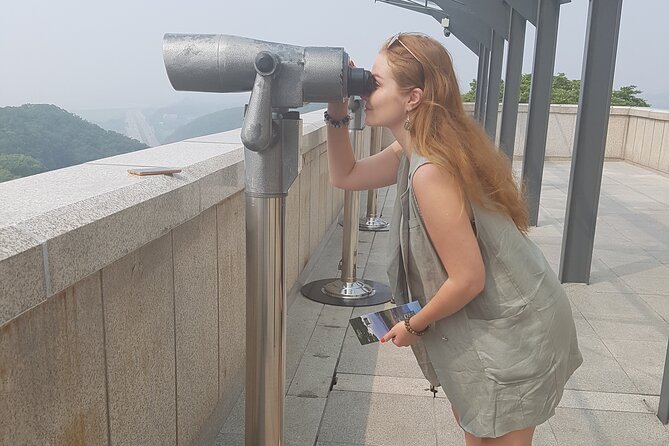
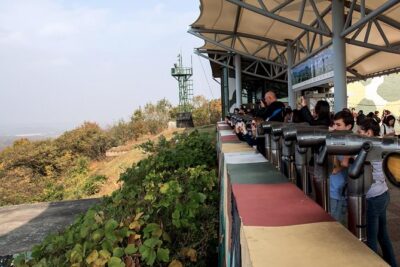
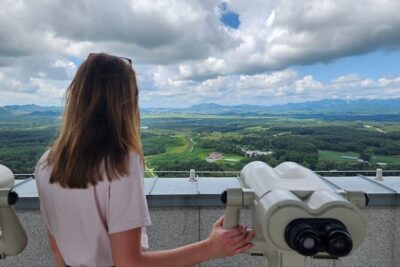
After lunch, you walk to a nearby civilian observation point and peek through a telephoto lens to observe a model North Korean village.
This is one of those stops that’s small in time but big in effect. You’re not seeing a real town across the border; you’re seeing a prepared viewpoint designed to show something. Your guide’s job here is to explain what you’re looking at and what it means, especially in terms of how both sides present life beyond the fence.
I like this part because it forces you to slow down and look. The border story becomes less about tactics and more about everyday life, even if that everyday life is staged.
Lunch of barbecued duck: included, themed, and adjustable
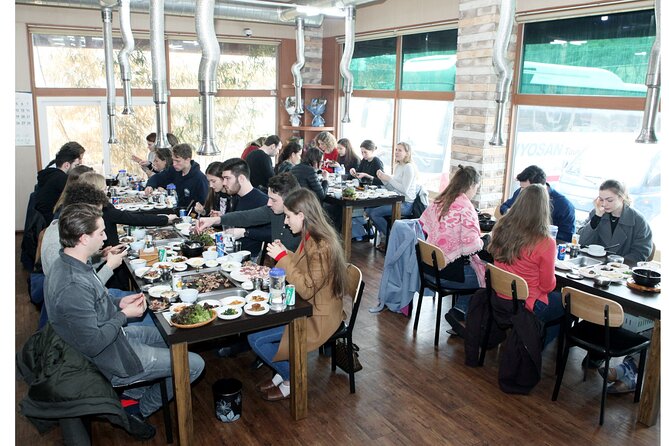
Lunch is included, and it’s barbecued duck in a North Korean style. Vegetarian meals are arranged upon request, so you don’t need to skip the theme if you don’t eat duck.
This is a nice change from the usual tour lunch trap. When a tour includes a food item tied to the day’s topic, it helps the whole route feel like one narrative instead of separate stops glued together.
One practical tip: since the day runs 9 to 11 hours, eat like you’re planning for steps after lunch. You’ll still be walking and moving through observation points and memorial areas.
Bullet marks on rocks and trees: where the route feels personal
On the way back to Seoul, the tour includes a stop to search for traces of bullet marks etched in surrounding rocks and trees. This connects the spy commando story to visible evidence of fighting between United States Forces Korea and North Korean spy commandos.
I like that this isn’t just a lecture. You’re looking for small, physical proof that the history wasn’t only paper and headlines. It also helps explain why people describe this route as more than just another DMZ outing: you’re seeing signs of conflict in the environment itself.
Don’t expect dramatic movie-style visuals. Think more like careful looking and guided interpretation.
War Memorial of Korea at Yongsan-dong: tanks and planes to close the loop
The day ends with the War Memorial of Korea in Seoul at Yongsan-dong. This building was once the headquarters for Korea’s Infantry and has been transformed into a military museum.
Expect exhibits including tanks, artillery, and fighter planes. This stop works well as a wrap-up because it gives you a broader “where this fits” view. By the time you reach it, the DMZ story has already been broken down into specific stops tied to infiltration and conflict. The museum zooms out again so your mental picture becomes bigger than one incident.
If you’re short on museum time, you can still enjoy the day here by focusing on the major vehicles and aircraft and spending most of your energy on what your guide points out.
The one drawback to plan around: access and expectation mismatch
The main consideration with this kind of DMZ routing is access. Some days, military situations can limit what’s possible, and that can change the experience compared with what people hope to see.
Also, this tour’s identity is the spy commando infiltration route and the 2nd Tunnel. If your personal must-see list includes a specific DMZ headline area, set your expectations before you pay. A private guide helps with context and pacing, but it can’t override site access rules on the ground.
On the positive side, many guides have been praised for pacing that feels unhurried. Some have stood out for being flexible and for pairing history with real-world explanations. Past guests also highlighted lunch quality, which is a real win on a long day.
Should you book this private DMZ spy route tour
Book it if you want a guided, story-driven DMZ day that focuses on the 1968 spy commando route, includes a 2nd Tunnel visit, and doesn’t rely on bus-group crowding.
Skip or rethink if your trip is built around a single DMZ headline site you must see, because access can shift and this route is clearly aimed at the spy-infiltration story rather than one specific named complex.
If you’re visiting Seoul for the first time, this also pairs well with your other city time. You’re still back in Seoul for the War Memorial, so you end the day with a museum that helps connect the dots.
FAQ
How long is the private DMZ spy commando invasion route tour?
The tour runs about 9 to 11 hours.
What’s included in the price?
The tour price is $220.00 per person and includes hotel pickup and drop-off, a local English-speaking guide, and lunch.
Do I need a passport for this tour?
Yes. A current valid passport is required on the day of travel.
Is this a private tour or a group tour?
It’s a private tour/activity, meaning only your group participates. The minimum booking is 2 people.
What are the main stops on the itinerary?
You’ll visit Odusan Unification Tower, Gorangpo-ri, and The 2nd Tunnel, with additional DMZ-related stops such as Imjingak Peace Park and the War Memorial of Korea back in Seoul.
Is lunch included, and what do you eat?
Lunch is included. It’s barbecued duck in a North Korean style. Vegetarian meals are arranged upon request.
Can you take photos inside the 2nd Tunnel?
Yes. The tour information says tourists are able to take pictures inside the tunnel.
How much walking is involved?
There’s a moderate amount of walking, and comfortable clothes and shoes are recommended.
What if the tour gets canceled due to weather or military operations?
The tour notes that it requires good weather. If it’s canceled due to poor weather, you’ll be offered a different date or a full refund.
What date flexibility do I have for a full refund?
You can cancel up to 24 hours in advance of the experience for a full refund.
More Tours in Seoul
- Best DMZ Tour Korea from Seoul (Red Suspension Bridge Optional)★ 5.0 · 41,422 reviews
- DMZ Tour: 3rd Tunnel, Option(Suspension Bridge, Boat) from Seoul★ 5.0 · 21,373 reviews
- DMZ tour south Korea from Seoul (NK experience hall, defector)★ 5.0 · 20,599 reviews
- Seoul: DMZ Tour with Optional Suspension Bridge★ 4.8 · 5,277 reviews
- Seoul: DMZ The 3rd Tunnel and Suspension Bridge Tour★ 5.0 · 4,656 reviews
More Tour Reviews in Seoul
- Best DMZ Tour Korea from Seoul (Red Suspension Bridge Optional)★ 5.0 · 41,422 reviews
- DMZ Tour: 3rd Tunnel, Option(Suspension Bridge, Boat) from Seoul★ 5.0 · 21,373 reviews
- DMZ tour south Korea from Seoul (NK experience hall, defector)★ 5.0 · 20,599 reviews
- Seoul: DMZ Tour with Optional Suspension Bridge★ 4.8 · 5,277 reviews
- Seoul: DMZ The 3rd Tunnel and Suspension Bridge Tour★ 5.0 · 4,656 reviews
The DMZ & the Border, More Routes
- Best DMZ Tour Korea from Seoul (Red Suspension Bridge Optional)★ 5.0 · 41,422 reviews
- DMZ Tour: 3rd Tunnel, Option(Suspension Bridge, Boat) from Seoul★ 5.0 · 21,373 reviews
- DMZ tour south Korea from Seoul (NK experience hall, defector)★ 5.0 · 20,599 reviews
- Seoul: DMZ Tour with Optional Suspension Bridge★ 4.8 · 5,277 reviews
- Seoul: DMZ The 3rd Tunnel and Suspension Bridge Tour★ 5.0 · 4,656 reviews
Just added to Exploring Seoul

DMZ Day Tours, compared.
 ★ 5.0DMZ Tour: 3rd Tunnel, Option(Suspension Bridge, Boat) from SeoulFrom $3521,373 reviews
 ★ 5.0DMZ tour south Korea from Seoul (NK experience hall, defector)From $2620,599 reviews
 ★ 4.8DMZ Tour with Optional Suspension BridgeFrom $455,277 reviews
 ★ 5.0DMZ The 3rd Tunnel and Suspension Bridge TourFrom $654,656 reviews
 ★ 5.0Signature DMZ Tour: Exclusive Defector Talk & Suspension BridgeFrom $274,459 reviews
 ★ 5.0Thrilling Korean DMZ 3rd Tunnel Tour from Seoul + Red Bridge RushFrom $353,097 reviews
 ★ 4.9DMZ Tour & Suspension Bridge (Option English/Spanish)From $352,628 reviews
 ★ 5.0DMZ Past and Present: Korean Demilitarized Zone Tour from SeoulFrom $372,481 reviews
Browse the lists this tour appears in