
Reviewed · DMZ DAY TOURS
One Day DMZ and Seoul Private Tour
The DMZ isn’t a movie set. This is a guided day that brings you face-to-face with the Korean Peninsula’s real tension points, from the third infiltration tunnel and Unification Bridge to Dora Observatory views. I like that you get hotel pickup and drop-off, so you start calm, not hunting taxis, and I also like that the route hits the signature DMZ landmarks that people travel for in the first place.
The main thing to understand is the fine print: even on a private booking, you may have to transfer to a shared government shuttle once you reach the DMZ security process. In other words, it can feel less private than the name suggests, even though your group still tours together. If you want to know how this affects your mobility needs, ask ahead and plan for some waiting.
In This Review
- Quick reasons this DMZ + Seoul route is worth your time
- Private group, shared shuttle: how the DMZ day really plays out
- The heart of the day: Imjingak and the DMZ landmarks that matter
- Third infiltration tunnel and Unification Bridge: why these stops land
- Dora Observatory: the propaganda village view and what to notice
- Back in Seoul: a guided city sweep plus Gyeongbokgung Palace time
- N Seoul Tower finish: optional observatory and cable car choices
- The guide makes the day: Theo, Brian, Jonathan, Billy, Jay, Kim
- Price and value: what $203.85 covers (and what it doesn’t)
- Timing, comfort, and small details that prevent headaches
- Who should book this DMZ + Seoul private tour?
- Should you book this DMZ and Seoul private tour?
- FAQ
- How long is the DMZ and Seoul private tour?
- What does the tour cost?
- Is hotel pickup and drop-off included?
- Is this tour really private?
- What DMZ sights are included?
- Is admission included for the DMZ?
- Is Gyeongbokgung Palace admission included?
- Is lunch included?
- Are N Seoul Tower observatory and cable car tickets included?
- What is the cancellation policy?
Quick reasons this DMZ + Seoul route is worth your time
- English-speaking guide + private vehicle: your driver/guide is with you for the day, not just a handoff at pickup.
- Signature DMZ stops: the third infiltration tunnel and Unification Bridge are part of the experience.
- Dora Observatory viewpoint: you’ll get a clear look toward the propaganda village area.
- Mix of DMZ and Seoul: you don’t just stare at the border all day; you also see major Seoul sights.
- N Seoul Tower at the end: a classic wrap-up stop, with optional add-ons if you want the views up top.
Other ways to reach the DMZ and the border from Seoul
- DMZ Tour: 3rd Tunnel, Option(Suspension Bridge, Boat) from Seoul★ 5.0 · 21,373 reviews
- DMZ tour south Korea from Seoul (NK experience hall, defector)★ 5.0 · 20,599 reviews
- Seoul: DMZ Tour with Optional Suspension Bridge★ 4.8 · 5,277 reviews
- Seoul: DMZ The 3rd Tunnel and Suspension Bridge Tour★ 5.0 · 4,656 reviews
Private group, shared shuttle: how the DMZ day really plays out
This tour is set up as a private experience for your group, with a maximum of 8 people per booking. You’ll have pickup and drop-off from your Seoul hotel, and you travel by private vehicle with an English-speaking driver/guide during the day.
But the DMZ is a special case. For security reasons, DMZ visitors must transfer to a shared, government-approved shuttle once you enter the controlled area. That doesn’t change that your guide can still explain, point out key sights, and keep your day organized. Still, it’s the one “gotcha” I’d flag if you’re expecting nonstop private comfort from door to door.
If you’re traveling with someone who needs extra support, this is the part to confirm before you book. The shared shuttle transfer is the one detail that has caused issues for at least some guests, even when everything else felt well-run.
The heart of the day: Imjingak and the DMZ landmarks that matter
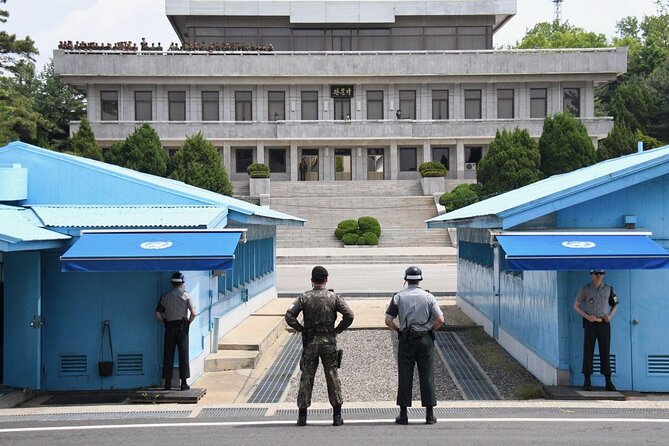
The DMZ portion is the main event, and it’s designed around places tied to the Korean War’s legacy and today’s standoff. You’ll stop at the DMZ area and see major sites with your guide, including the third infiltration tunnel and Unification Bridge.
A key advantage of going with a guide is how fast you can connect what you see to what it means. The guide can translate the geography into context, and that’s especially helpful at the border-related sites where everything feels symbolic and tense at the same time. I found this matters because the DMZ is not just a sight. It’s a living lesson in how history still shapes everyday life across the peninsula.
Your DMZ time includes admission for the DMZ stop, and you’ll get your own guided look rather than a vague bus-window experience. The pace can feel time-boxed depending on the schedule that day, but the stops are the reason you’re here.
Third infiltration tunnel and Unification Bridge: why these stops land
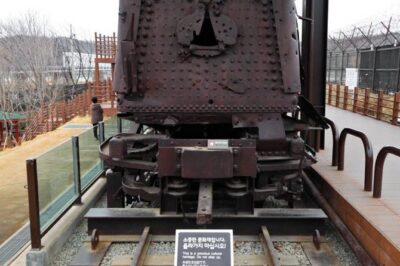
Two of the most talked-about landmarks on this route are the third infiltration tunnel and the Unification Bridge. These are not random stops. They’re tied to the way the DMZ has functioned as a barrier and a negotiation point.
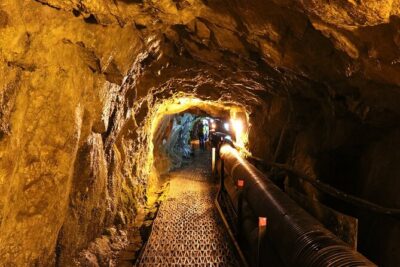
At the third infiltration tunnel, the point is scale and intent. You’re seeing a structure built for a mission—something designed to bypass the barrier. It turns the abstract idea of infiltration and tension into something physical, and it helps you understand why the DMZ is treated with such strict attention.
Unification Bridge carries a different kind of weight. It’s associated with prisoner exchanges in 1953, which gives you a sense that the DMZ hasn’t only been about conflict. It’s also been part of moments when both sides tried to move forward. That contrast is exactly why this stop is worth including rather than skipping to the next viewpoint.
More guide-to-yourself private days in Seoul


Dora Observatory: the propaganda village view and what to notice
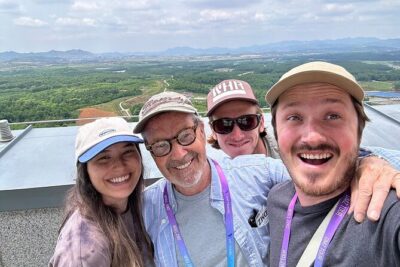
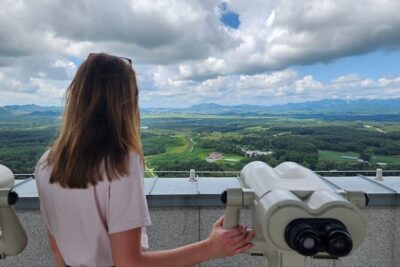
After the main DMZ sights, the route includes Dora Observatory. From there, you’ll look out toward the propaganda village area, which is part of how North Korea presents itself to the world.
What I like about this stop is that it makes you look at the same place through two lenses at once: the real geography of the border, and the way messaging and perception play a role in keeping tensions alive. Your guide’s explanations can help you interpret the scene without turning it into rumor or guesswork.
This is one of those moments where photos don’t tell the whole story. The value is in understanding what you’re looking at and why it’s been set up the way it has. Expect the experience to feel more thoughtful than dramatic.
Back in Seoul: a guided city sweep plus Gyeongbokgung Palace time
Once you’re back in Seoul, the day shifts gears from border history to classic city sights. The schedule includes about two hours of touring popular Seoul spots with explanations, so you get orientation and context rather than just hopping from one landmark to the next.
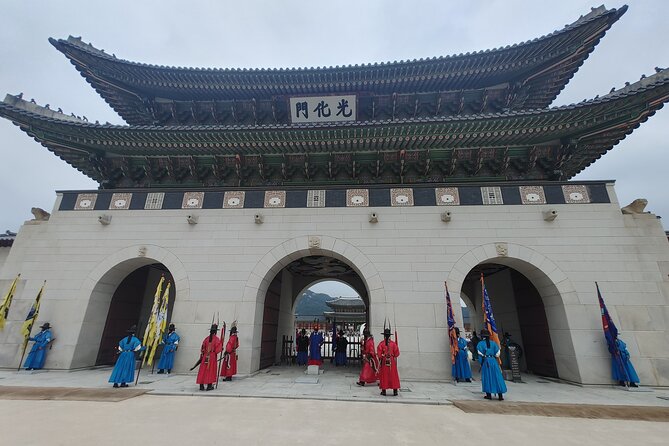
Then there’s a stop at Gyeongbokgung Palace. It’s widely regarded as the greatest palace in the Joseon Dynasty, and you’ll get around an hour there. The palace admission is not included, so you’ll want to plan for that extra cost.
If you’re thinking about value, the palace stop helps you avoid the “all DMZ, no Seoul” feeling. It’s also a chance to see how far Seoul has come, which makes the contrast with the DMZ hit harder in a good way.
N Seoul Tower finish: optional observatory and cable car choices
The tour concludes with a visit to N Seoul Tower. This is a common Seoul finale for a reason: it’s an easy, iconic place to close out a full day, especially after early travel and a packed schedule.
One practical point: the observatory and cable car are optional, and those tickets aren’t included. So you’ll decide on the spot whether you want the extra cost for the higher views. If you just want the tower experience without the add-ons, you can still use the time to get photos and a sense of where you are in the city.
The guide makes the day: Theo, Brian, Jonathan, Billy, Jay, Kim
This tour can be truly excellent when the guide is strong, and the reviews you’re likely to read mention that again and again. Names that come up include Theo, Brian, Jonathan, Billy, Jay, and Kim.
What stood out in the guide feedback is not just facts, but the tone: friendly, engaging, and not rushing. Some guides were described as making contact the day before to confirm timing and arriving early for the pickup. Others were praised for speaking fluent English and giving you enough time at each site to absorb what’s in front of you.
In practice, a good guide changes your pacing. Instead of feeling like you’re being dragged from one point to another, you get a sense of why each stop is on the route and what to look for while you’re there.
Price and value: what $203.85 covers (and what it doesn’t)
At $203.85 per person, you’re paying for a full-day structure that includes hotel pickup and drop-off, private vehicle transportation, and an English-speaking driver/guide. You also get admission included for the DMZ stop, which matters because this isn’t a cheap add-on-free day.
The trade-offs are the extra items you’ll probably pay during the day. Gyeongbokgung Palace admission is not included, and food and drinks aren’t included either. N Seoul Tower observatory and cable car options are also not included, though they’re optional.
So is it good value? For me, it depends on how you feel about convenience. If you’d otherwise spend time coordinating transit, paying separately for multiple guided elements, and losing the benefit of a guide’s explanations, the packaged approach makes sense. If you’re trying to do everything independently and you already have a tight plan for tickets and transport, the value may feel less obvious.
One more scheduling detail: the average booking window is about 39 days in advance. That suggests you’ll get better odds of matching your dates by reserving sooner, especially if you’re traveling during busy periods.
Timing, comfort, and small details that prevent headaches
This is a 7-hour (approx.) to 8-hour style day, and that time moves. You’re doing multiple high-attention stops, so your best friend is being ready to go when the day starts.
Here’s what I suggest you plan for based on what’s included and what’s not:
- Money for palace admission and tower add-ons since those aren’t included.
- Lunch planning since food and drinks aren’t included.
- Comfort items for a long day: comfortable walking shoes, a light layer, and a way to keep your phone charged if you want photos.
Also remember that the DMZ has a strict security process. Even with a private group booking, that shared shuttle transfer for DMZ access can add waiting. Treat the schedule as “guided, but security-first,” not “smooth and quick.”
Who should book this DMZ + Seoul private tour?
This one fits best if you want structure and explanations, not just transit. It’s ideal for history-minded travelers who appreciate a guide who can connect sites like the third infiltration tunnel and Unification Bridge to the bigger story.
It’s also a strong choice if you value convenience: hotel pickup, drop-off, and a clear day plan. With a max of 8 people, it stays small enough that you’re not swallowed by a huge group.
A note for accessibility or special mobility needs: because DMZ access requires a shuttle transfer, you should ask specific questions before booking. The tour may still work well, but you’ll want clarity on how the transfer works in your case.
Should you book this DMZ and Seoul private tour?
I’d book this if you want one guided day that covers the DMZ’s most meaningful landmarks and still gives you a real Seoul day afterward. The combination of DMZ sites, Dora Observatory, and a Seoul mix that includes Gyeongbokgung Palace makes the day feel complete rather than one-note.
I’d think twice if you’re expecting fully private transport with no shared shuttle segment at the DMZ. It’s a real constraint of how the DMZ experience operates, and it can affect comfort and expectations.
If you’re flexible and you want the guidance, this tour looks like a solid use of time in Seoul.
FAQ
How long is the DMZ and Seoul private tour?
It runs about 7 hours (approx.), though the overall experience description is often described as around 8 hours.
What does the tour cost?
The price is $203.85 per person.
Is hotel pickup and drop-off included?
Yes. The tour includes pickup and drop-off from your Seoul hotel.
Is this tour really private?
It’s described as private, meaning only your group participates. However, DMZ access requires a transfer to a shared government-approved shuttle bus for security reasons.
What DMZ sights are included?
The tour includes key DMZ landmarks such as the third infiltration tunnel and Unification Bridge, plus views from Dora Observatory.
Is admission included for the DMZ?
Yes. The DMZ stop includes an admission ticket.
Is Gyeongbokgung Palace admission included?
No. Gyeongbokgung Palace admission is not included.
Is lunch included?
No. Food and drinks are not included.
Are N Seoul Tower observatory and cable car tickets included?
No. Observatory and cable car options at N Seoul Tower are optional and not included.
What is the cancellation policy?
You can cancel for a full refund up to 24 hours before the experience start time. If you cancel less than 24 hours in advance, the amount paid is not refunded.
More Tours in Seoul
- Best DMZ Tour Korea from Seoul (Red Suspension Bridge Optional)★ 5.0 · 41,422 reviews
- DMZ Tour: 3rd Tunnel, Option(Suspension Bridge, Boat) from Seoul★ 5.0 · 21,373 reviews
- DMZ tour south Korea from Seoul (NK experience hall, defector)★ 5.0 · 20,599 reviews
- Seoul: DMZ Tour with Optional Suspension Bridge★ 4.8 · 5,277 reviews
- Seoul: DMZ The 3rd Tunnel and Suspension Bridge Tour★ 5.0 · 4,656 reviews
More Tour Reviews in Seoul
- Best DMZ Tour Korea from Seoul (Red Suspension Bridge Optional)★ 5.0 · 41,422 reviews
- DMZ Tour: 3rd Tunnel, Option(Suspension Bridge, Boat) from Seoul★ 5.0 · 21,373 reviews
- DMZ tour south Korea from Seoul (NK experience hall, defector)★ 5.0 · 20,599 reviews
- Seoul: DMZ Tour with Optional Suspension Bridge★ 4.8 · 5,277 reviews
- Seoul: DMZ The 3rd Tunnel and Suspension Bridge Tour★ 5.0 · 4,656 reviews
The DMZ & the Border, More Routes
- Best DMZ Tour Korea from Seoul (Red Suspension Bridge Optional)★ 5.0 · 41,422 reviews
- DMZ Tour: 3rd Tunnel, Option(Suspension Bridge, Boat) from Seoul★ 5.0 · 21,373 reviews
- DMZ tour south Korea from Seoul (NK experience hall, defector)★ 5.0 · 20,599 reviews
- Seoul: DMZ Tour with Optional Suspension Bridge★ 4.8 · 5,277 reviews
- Seoul: DMZ The 3rd Tunnel and Suspension Bridge Tour★ 5.0 · 4,656 reviews
Just added to Exploring Seoul


DMZ Day Tours, compared.
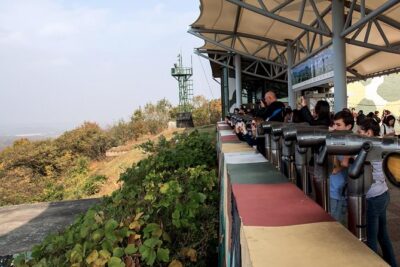 ★ 5.0DMZ Tour: 3rd Tunnel, Option(Suspension Bridge, Boat) from SeoulFrom $3521,373 reviews
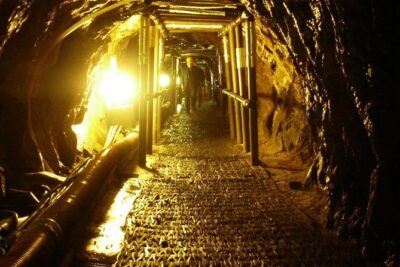 ★ 5.0DMZ tour south Korea from Seoul (NK experience hall, defector)From $2620,599 reviews
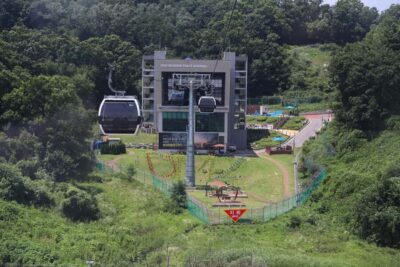 ★ 4.8DMZ Tour with Optional Suspension BridgeFrom $455,277 reviews
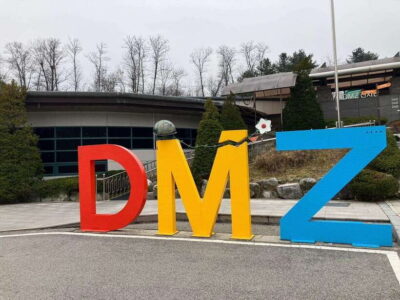 ★ 5.0DMZ The 3rd Tunnel and Suspension Bridge TourFrom $654,656 reviews
 ★ 5.0Signature DMZ Tour: Exclusive Defector Talk & Suspension BridgeFrom $274,459 reviews
 ★ 5.0Thrilling Korean DMZ 3rd Tunnel Tour from Seoul + Red Bridge RushFrom $353,097 reviews
 ★ 4.9DMZ Tour & Suspension Bridge (Option English/Spanish)From $352,628 reviews
 ★ 5.0DMZ Past and Present: Korean Demilitarized Zone Tour from SeoulFrom $372,481 reviews
Browse the lists this tour appears in