
Reviewed · DMZ DAY TOURS
Korea DMZ Private Tour with War Memorial Tour as Service
The DMZ feels personal at ground level. This private border day mixes expert guidance with real on-site markers of the Korean War, starting at Imjingak and culminating at Unification Village. Two things I really like: the chance to walk the Third Infiltration Tunnel and the way Dora Observatory is explained with practical, soldier-level context. One possible drawback is weather—fog can wipe out the Gaesung view, and the day gets less dramatic than you hoped.
I also like the “small group” reality of this setup. It’s priced per group (up to 3), with pickup offered and a mobile ticket, so you’re not chasing a big bus schedule or splitting attention with strangers. Just note that you’ll have a short transfer on shuttle-bus timing dictated by DMZ rules, and you should have moderate physical fitness for the walking involved.
In This Review
- Key highlights worth planning for
- Why a private DMZ day works better than group hopping
- From Seoul pickup to Paju shuttle timing and permits
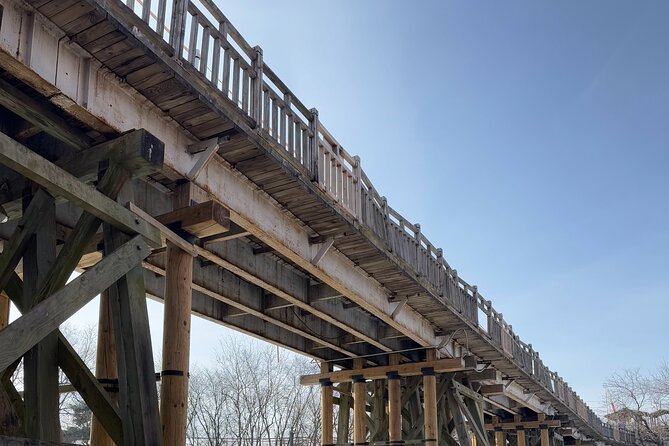
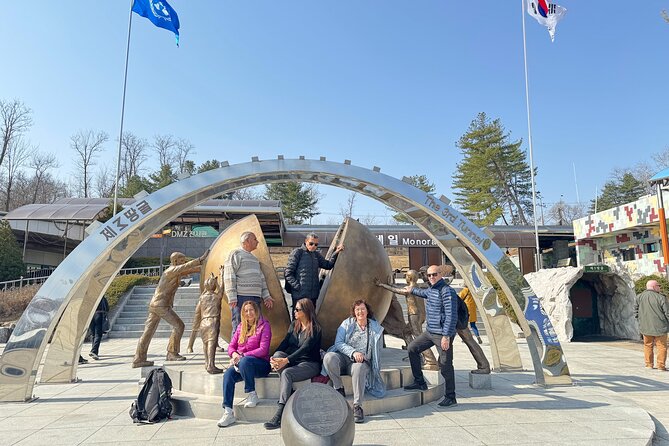
- Imjingak Pyeonghwa Nuri Park: the emotional opener with history props
- The Third Infiltration Tunnel walk: where the war story turns physical
- Dora Observatory and Gaesung: how to get a view even with limited time
- Tongilchon-gil (Unification Village): a short visit in the Civilian Control Zone
- Guides who bring the DMZ to life with real perspective
- What to pack and how to pace your 6 to 8 hour day
- Price and value: why $299 per group can be worth it
- Should you book this DMZ private tour?
- FAQ
- How many people can join this DMZ private tour?
- What’s included in the $299 price?
- Is lunch included?
- How long is the tour?
- Where does the tour start, and what happens first?
- Does the tour include visiting the tunnel and observatory?
- What if the weather is foggy at Dora Observatory?
- What’s the cancellation window for a full refund?
Key highlights worth planning for
- Private transportation and no extra pickup stops mean your day stays in your control.
- Third Infiltration Tunnel includes a tunnel walk plus an exhibition hall stop.
- Dora Observatory rooftop binocular use helps you make the most of your limited time.
- Tongilchon-gil (Unification Village) gives a rare look at life near the Civilian Control Zone.
- English-speaking guide expertise, including former military veterans and North Korea–linked generational perspectives.
Other ways to reach the DMZ and the border from Seoul
- Best DMZ Tour Korea from Seoul (Red Suspension Bridge Optional)★ 5.0 · 41,422 reviews
- DMZ Tour: 3rd Tunnel, Option(Suspension Bridge, Boat) from Seoul★ 5.0 · 21,373 reviews
- DMZ tour south Korea from Seoul (NK experience hall, defector)★ 5.0 · 20,599 reviews
- Seoul: DMZ Tour with Optional Suspension Bridge★ 4.8 · 5,277 reviews
Why a private DMZ day works better than group hopping
A DMZ trip can be rushed or oddly generic, depending on the group format. This one is designed around a calmer pace: you’re a private group, your guide is focused on your questions, and the driving time doesn’t get eaten by repeated pickup stops.
For most people, the value isn’t just “seeing the border.” It’s understanding what you’re looking at. When your guide has military experience or close ties to North Korea’s perspective, the story stops being textbook-like and starts sounding like how decisions get made under pressure.
If you’re traveling with a parent, partner, or small group of friends and you want less waiting and more time actually absorbing what you’re seeing, this format makes sense. The tour runs about 6 to 8 hours, so you’ll get a full sweep without turning the day into an all-night marathon.
From Seoul pickup to Paju shuttle timing and permits
Pickup is offered, and since this is private, you don’t have to plan around being one of many stops. Still, DMZ areas operate with strict rules, and you should expect a short transfer step at Imjingak Pyeonghwa Nuri Park where you do DMZ tour ticketing and then move by shuttle bus run by Paju city.
That shuttle transfer is normal for the area. I’d treat it like part of the DMZ experience, not a “gotcha,” and plan to arrive with enough buffer so you don’t feel rushed. A mobile ticket helps you move through ticketing smoothly, but the timing is still tied to on-site regulations.
Also, remember the tour assumes moderate physical fitness. The day isn’t a hike, but you will do some walking, including inside the tunnel. Wear shoes you trust.
Imjingak Pyeonghwa Nuri Park: the emotional opener with history props
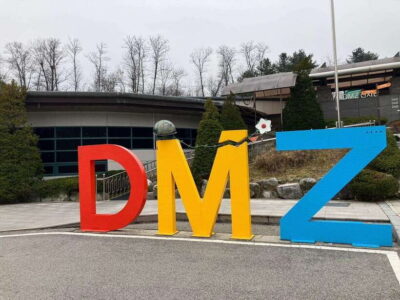
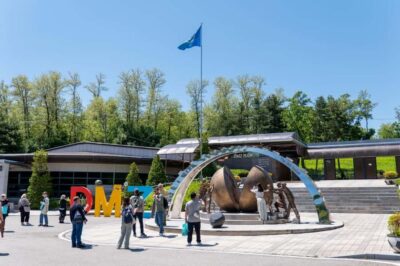
Your day starts at Imjingak Pyeonghwa Nuri Park, and the first hour is packed with meaningful, very visual elements. You’ll get through DMZ tour ticketing, then you’ll see several landmarks that help explain why this place is still talked about in living voices.
Here are the stops you’ll encounter in that first segment:
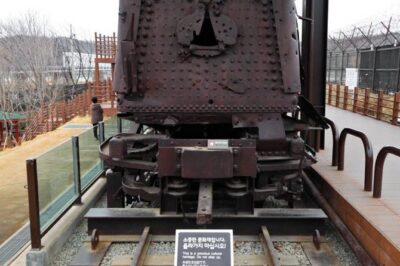
- Steam Locomotive at Jangdan Station: it’s a physical reminder of movement, separation, and the war era’s machinery of transport.
- Freedom Bridge: bridges matter in the DMZ story because they symbolize what was cut off—and what people tried to reclaim.
- 30 Years Lost (UNESCO Memory of the World): a strong human-history framing that connects the border to families and records, not just politics.
- Mangbaedan Alter: a more spiritual, commemorative stop that shifts the tone from strategy to remembrance.
What I like about starting here is that it sets expectations. You’re not going straight to tunnels and binocular views without a emotional and historical runway. If your guide talks through how each landmark fits into the broader Korean War aftermath, you’ll understand why later stops feel so heavy.
The admission ticket is included, and the timing is tight enough that you’ll feel oriented by the time you move on.
More guide-to-yourself private days in Seoul

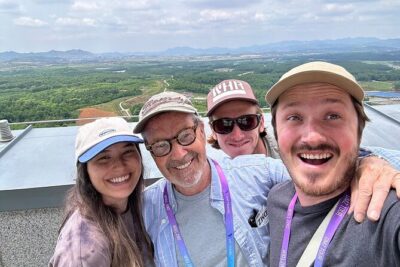

The Third Infiltration Tunnel walk: where the war story turns physical
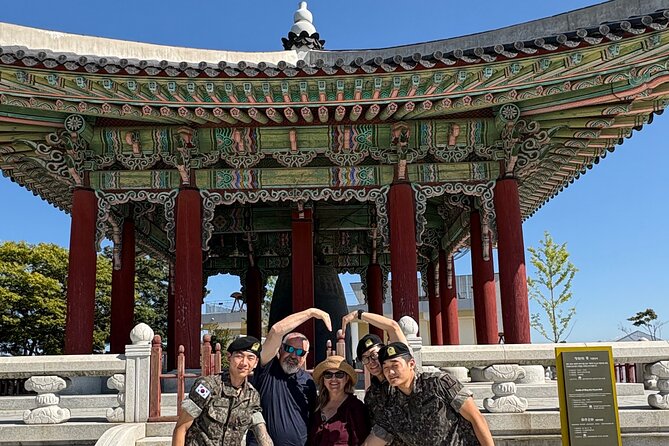
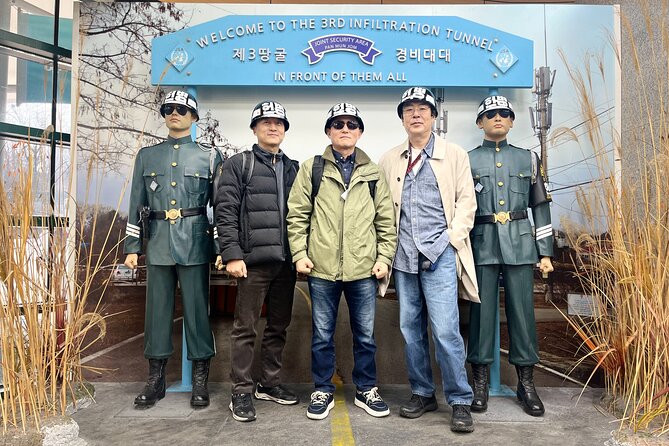
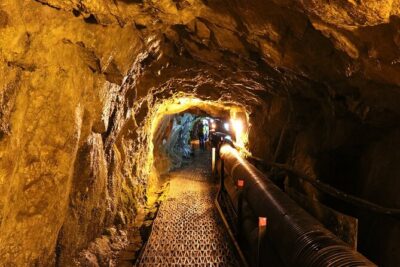
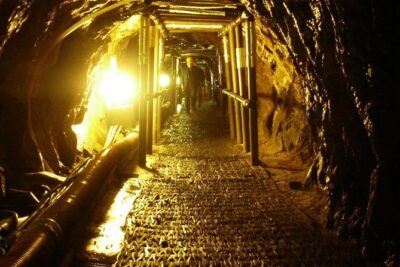
Stop two is the highlight for many people, and it’s easy to see why. The 3rd Infiltration Tunnel, discovered in 1978, is one of the most direct ways to understand the length and seriousness of infiltration attempts.
You’ll start with a short video about the Korean War framing. Then you’ll do the main event: walking inside the tunnel. It’s not a “look and leave” photo stop. It’s time inside a built space that makes the threat feel more immediate.
After the walk, there’s an exhibition hall to connect what you felt in the tunnel with the broader story. That sequence helps. You get the body-level experience first, then the explanation.
Two practical considerations:
- Expect it to be more confined and more about walking than sightseeing. Go slow, and keep your footing steady.
- If you don’t like enclosed spaces, the tunnel may still be worthwhile because the tour’s context is strong—but mentally prepare for the feel of it.
This is the stop that turns abstract “DMZ history” into something you remember with your senses. For me, that’s the whole point of choosing a tour that includes the tunnel walk.
Dora Observatory and Gaesung: how to get a view even with limited time
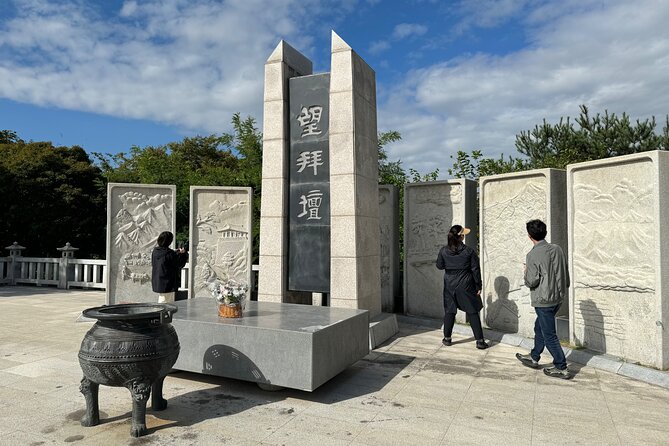
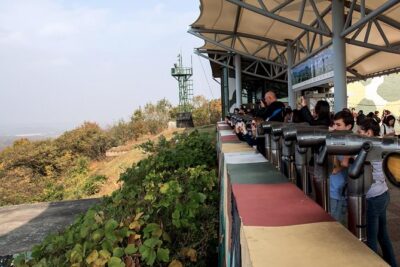
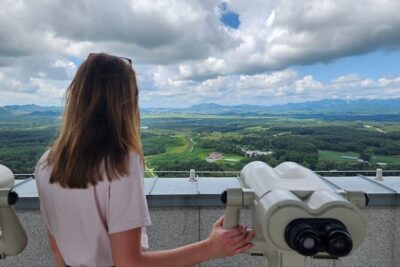
Dora Observatory is where you move from “what happened” to “what you can still see.” The goal is to view Gaesung City across the border. You’ll have about 45 minutes, and admission is included.
There’s also a rooftop setup with binocular use. That matters because your eyes alone may not do the job, especially if haze or distance makes details soft. Your guide can help you focus on what you’re looking at rather than letting it become a vague “we saw something” moment.
One reality check: visibility is weather-dependent. A foggy day can erase the view. If your schedule allows, I’d try to book a day with clearer forecasts. If the view is limited, don’t panic—an expert guide can still make the geography and the military logic land, even when the skyline is muted.
If you’ve ever watched a map and felt nothing, this stop is the fix. You start to connect the “lines on paper” with the way people actually watch and plan.
Tongilchon-gil (Unification Village): a short visit in the Civilian Control Zone
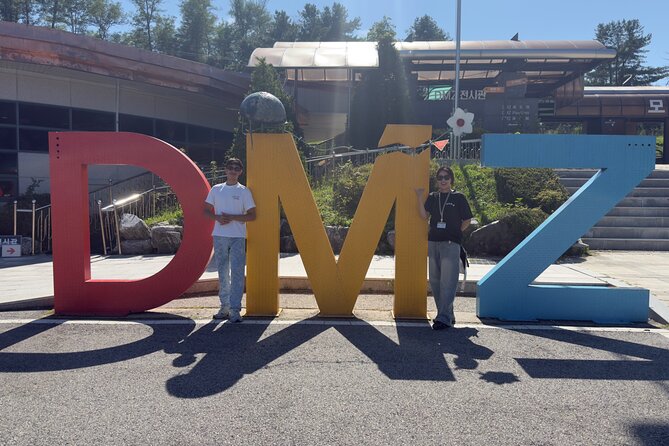
Your final stop is Tongilchon-gil, also called Unification Village. It’s located within the Civilian Control Zone, which is part of what makes it so rare.
The visit is brief—about 15 minutes—and you’ll also find a DMZ-made souvenir shop. That short duration is deliberate. The experience here is less about shopping time and more about the fact that this place sits near the border with special boundaries around daily life.
What I appreciate is that this stop changes the tone slightly. After tunnels and observatories, it grounds the day back in human scale: daily living, constraints, and what “near the border” actually means on the ground.
Guides who bring the DMZ to life with real perspective
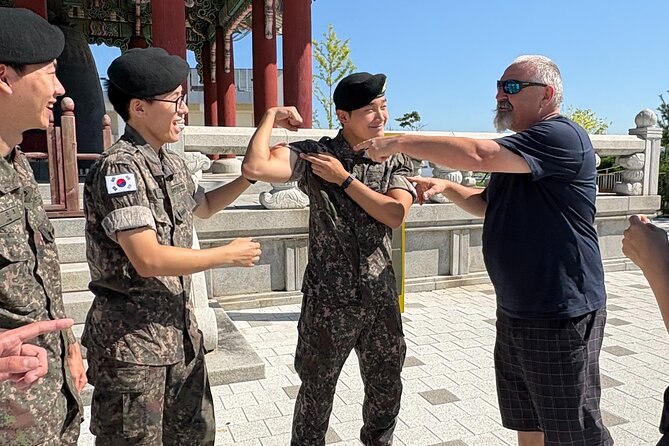
A DMZ tour can become a long lecture, or it can become a lived-in story. This one leans toward the second kind.
The guide pool is described as DMZ experts and may include former military veterans and even 2nd generation North Korean perspectives. In practice, that kind of background tends to produce the best parts of the day: the guide knows what questions matter, and they can explain why certain locations are significant beyond slogans.
In past experiences associated with this tour, you might encounter guides like John, Dylan, Julie, Brian, or Chuck. These names are tied to stories such as helping with advance ticket/permit steps, staying punctual, and using a military-style way of explaining what you’re seeing. Some guides are also described as responsive to sudden weather shifts—like lending gear when rain hits—so you’re not stuck improvising.
If you enjoy history that comes with personal stakes, this is a strong match. You’re not just hearing facts; you’re getting a sense of how people carry the war and division forward.
What to pack and how to pace your 6 to 8 hour day
Lunch isn’t included, so you’ll want a plan. With the schedule moving from one controlled area to another, I suggest bringing light snacks or planning on a nearby meal once the tour ends. If you’re the type who gets cranky when you’re hungry, treat this as non-optional.
For clothing, think practical: comfortable shoes for walking and tunnel time. If you’re traveling in shoulder seasons, carry a light layer—weather near the border can shift your mood fast, and you’ll stand around for viewpoints.
Also, because this is about controlled sites and time windows, show up ready. The tour description mentions you’re near public transportation, but the day runs on the tour’s flow once it starts, especially with the shuttle transfer and the fixed time inside each stop.
Price and value: why $299 per group can be worth it
The price is $299 per group (up to 3). That’s not “cheap,” but DMZ access isn’t a casual city attraction. You’re paying for private transportation, an English-speaking guide, and included admission fees across multiple controlled areas.
Here’s where the value usually lands:
- You’re not splitting your guide time with strangers.
- Admission tickets are included for the main three stops (Imjingak, the tunnel, and Dora Observatory).
- You’re getting a structured day with a guide who can explain the meaning of what you see, not just point it out.
If you’re a solo traveler, the per-person cost is higher than a large group tour. If you’re traveling as two or three people, the math improves quickly because you’re dividing the private-guide and transport cost across the group.
If you’re the kind of traveler who cares about context—especially military and political context—this tends to feel like a fair trade. If you just want photos and quick stops, you might question the price.
Should you book this DMZ private tour?
Book it if you want a DMZ day with real expert interpretation and you care about understanding the border, not just ticking boxes. The Third Infiltration Tunnel walk and the Dora Observatory binocular viewing are the core reasons to choose this tour, and the private setup keeps the day from feeling like a conveyor belt.
Consider another option if you’re very sensitive to enclosed spaces, or if you’re going on a day when forecasts suggest low visibility and you’ll be disappointed without a strong Gaesung view. (Even with a great guide, the weather can limit what you can see.)
FAQ
How many people can join this DMZ private tour?
The tour price is per group, and it’s listed for up to 3 travelers.
What’s included in the $299 price?
The price includes private transportation, an English-speaking guide, and admission fees for the tour stops.
Is lunch included?
No, lunch is not included.
How long is the tour?
The duration is listed as about 6 to 8 hours.
Where does the tour start, and what happens first?
It starts at Imjingak Pyeonghwa Nuri Park, where you do DMZ tour ticketing and then transfer to a shuttle bus run by Paju city according to DMZ regulations.
Does the tour include visiting the tunnel and observatory?
Yes. The itinerary includes the Third Infiltration Tunnel and Dora Observatory.
What if the weather is foggy at Dora Observatory?
The tour includes time at the observatory to view Gaesung, and rooftop binoculars are available, but visibility can be limited on foggy days. In that case, you may still get the explanatory value from your guide even if the view is reduced.
What’s the cancellation window for a full refund?
You can cancel up to 24 hours in advance of the experience start time for a full refund. If you cancel less than 24 hours before, the amount paid is not refunded.
If you tell me your travel dates and who you’re going with (solo, couple, family), I can help you decide whether the tunnel-and-observatory focus fits your style and schedule.
More Tours in Seoul
- Best DMZ Tour Korea from Seoul (Red Suspension Bridge Optional)★ 5.0 · 41,422 reviews
- DMZ Tour: 3rd Tunnel, Option(Suspension Bridge, Boat) from Seoul★ 5.0 · 21,373 reviews
- DMZ tour south Korea from Seoul (NK experience hall, defector)★ 5.0 · 20,599 reviews
- Seoul: DMZ Tour with Optional Suspension Bridge★ 4.8 · 5,277 reviews
- Seoul: DMZ The 3rd Tunnel and Suspension Bridge Tour★ 5.0 · 4,656 reviews
More Tour Reviews in Seoul
- Best DMZ Tour Korea from Seoul (Red Suspension Bridge Optional)★ 5.0 · 41,422 reviews
- DMZ Tour: 3rd Tunnel, Option(Suspension Bridge, Boat) from Seoul★ 5.0 · 21,373 reviews
- DMZ tour south Korea from Seoul (NK experience hall, defector)★ 5.0 · 20,599 reviews
- Seoul: DMZ Tour with Optional Suspension Bridge★ 4.8 · 5,277 reviews
- Seoul: DMZ The 3rd Tunnel and Suspension Bridge Tour★ 5.0 · 4,656 reviews
The DMZ & the Border, More Routes
- Best DMZ Tour Korea from Seoul (Red Suspension Bridge Optional)★ 5.0 · 41,422 reviews
- DMZ Tour: 3rd Tunnel, Option(Suspension Bridge, Boat) from Seoul★ 5.0 · 21,373 reviews
- DMZ tour south Korea from Seoul (NK experience hall, defector)★ 5.0 · 20,599 reviews
- Seoul: DMZ Tour with Optional Suspension Bridge★ 4.8 · 5,277 reviews
- Seoul: DMZ The 3rd Tunnel and Suspension Bridge Tour★ 5.0 · 4,656 reviews
Just added to Exploring Seoul

DMZ Day Tours, compared.
 ★ 5.0DMZ Tour: 3rd Tunnel, Option(Suspension Bridge, Boat) from SeoulFrom $3521,373 reviews
 ★ 5.0DMZ tour south Korea from Seoul (NK experience hall, defector)From $2620,599 reviews
 ★ 4.8DMZ Tour with Optional Suspension BridgeFrom $455,277 reviews
 ★ 5.0DMZ The 3rd Tunnel and Suspension Bridge TourFrom $654,656 reviews
 ★ 5.0Signature DMZ Tour: Exclusive Defector Talk & Suspension BridgeFrom $274,459 reviews
 ★ 5.0Thrilling Korean DMZ 3rd Tunnel Tour from Seoul + Red Bridge RushFrom $353,097 reviews
 ★ 4.9DMZ Tour & Suspension Bridge (Option English/Spanish)From $352,628 reviews
 ★ 5.0DMZ Past and Present: Korean Demilitarized Zone Tour from SeoulFrom $372,481 reviews
Browse the lists this tour appears in