
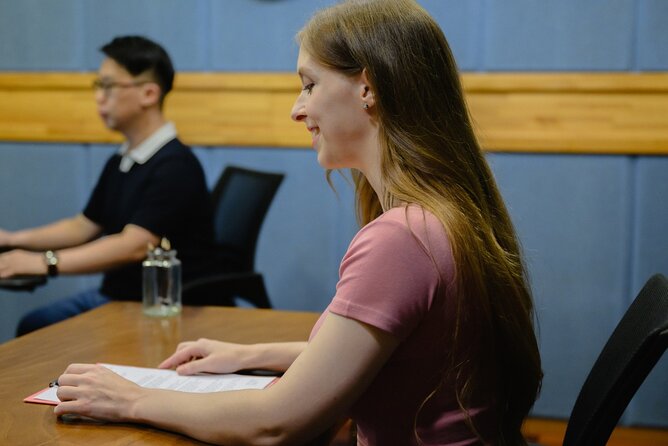
Reviewed · K-POP & HALLYU TOURS
K-Pop Making Class with a Producer!
A K-Pop studio session in two hours sounds like a trick. It isn’t. You’ll work inside KING STUDIO in Gangnam, and you’ll actually do the work—recording, editing, and mixing—so you get a real feel for how K-Pop production functions day to day. Two things I really like: you get English professional interpretation, and you’re not stuck watching from the sidelines; you perform roles as a singer, producer, and sound engineer in one class. One thing to keep in mind: the session is short, so it’s geared toward a guided workflow with a pre-selected song setup rather than open-ended studio exploration.
Expect a friendly, professional team and clear materials. In the feedback I saw, the staff and translator guided people step by step, with lyrics provided in both Hangul and romanized text, which helps a lot if your Korean is basic. You’ll also want to be on time, because you’re expected to enter at the appointed time in the studio.
In This Review
- Key takeaways before you book
- Two Hours Inside KING STUDIO: what you’re signing up for
- Price and value: is $109 actually reasonable?
- Where to go in Seoul: finding the basement studio near Seolleung
- The 2-hour flow: recording, editing, and mixing in one session
- How you experience the three roles (without needing to be a musician)
- Song setup: pre-selected tracks, Korean lyrics, and romanized help
- English interpretation and the human side of studio work
- COEX Center connection: why this neighborhood makes sense
- Who this is best for (and who might feel underfed)
- A few considerations before you go
- Should you book this KING STUDIO producer class?
- FAQ
- How long is the K-Pop Making Class with a Producer?
- What’s included in the class?
- Where do I meet for the class?
- How do I get to the studio from Seolleung Station?
- Is this activity private?
- What’s the cancellation policy?
Key takeaways before you book
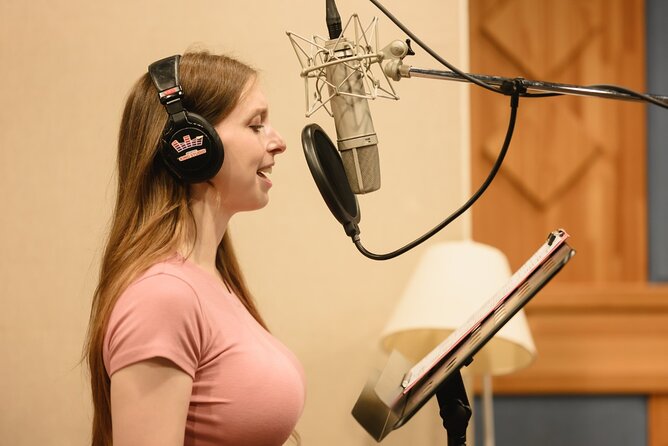
- You do real studio tasks: recording, editing, and mixing your own track during the session
- Three production roles in one: singer, producer, and sound engineer (with guidance)
- Lyrics support: Korean plus romanized lyrics so you can actually follow along
- English help on hand: professional interpretation makes the technical side easier
- Private group format: only your group participates, not a big shared crowd
For the ARMY: more K-pop and K-drama trails
- Full Day Tour In The Soop BTS Ver in PyeongChang Filming Location★ 5.0 · 1,709 reviews
- From Seoul: Nami Island, K-drama Garden & Rail Bike Day Tour★ 4.6 · 724 reviews
- Seoul: MBC Insider Live K-Drama Rehearsal & VIP Studio Tour★ 4.9 · 208 reviews
- Seoul: Kpop Dance Class Including Video Shooting & Editing★ 4.8 · 185 reviews
Two Hours Inside KING STUDIO: what you’re signing up for
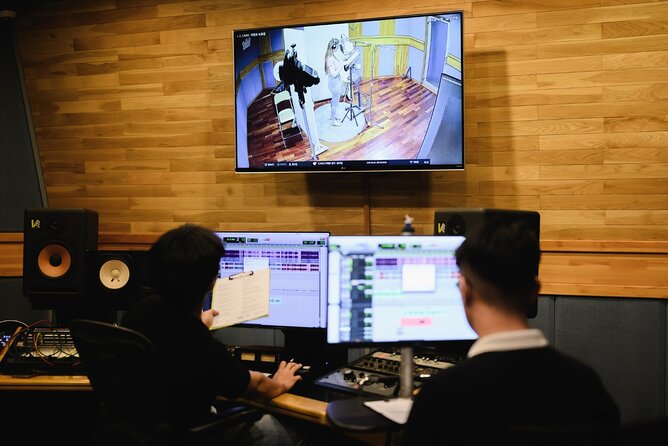
This is a hands-on K-Pop production class built around a simple idea: don’t just learn the theory—do the steps. The goal is to help you understand how major artists’ sound is shaped, not by magic, but by three jobs that work together. You’ll rotate through the mindset of a singer, the decision-making of a producer, and the practical workflow of a sound engineer.
In a place like KING STUDIO, the classroom feeling fades fast. You’re in a working recording environment, not a demo room. That matters because K-Pop production involves details—timing, tone, edits, and mixes—that you only understand once you start manipulating the audio and hearing the results in real time.
Price and value: is $109 actually reasonable?
At $109 per person for about 2 hours, this isn’t “cheap fun.” But it also isn’t priced like a mega-concert experience. What you’re paying for is:
- time in a professional recording studio
- direct participation in recording/editing/mixing
- accompaniment and lyrics provided (including Hangul and romanized text)
- English interpretation to connect the technical steps to what you’re doing
For a first-timer, the best value is that you don’t need prior music training to take part. The class is designed so most travelers can participate, and the support materials do the heavy lifting. If you’ve ever wondered what a producer actually does—more than just saying “make it louder”—this is one of the more direct ways to get answers without a months-long course.
Where to go in Seoul: finding the basement studio near Seolleung
Logistics in Seoul can be half the battle, so I like that the directions are clear. Here’s the practical route you’ll want to follow: start at Exit 1 of Seolleung Station (on Seoul Subway Line 2, just two stops from Gangnam Station). Walk toward Dunkin’ Donuts, turn right, and then head upstairs to the basement studio area in front of the 7-Eleven convenience store.
The “basement studio” detail is the one I’d mark in your notes. In Korea, floors and entrances can vary by building, and you don’t want to waste time searching once your class start time hits. Also, this activity uses a mobile ticket, so have it ready on your phone.
One more helpful point: the class requires you to enter at the appointed time. Treat this like a performance pickup, not a casual museum visit. If you show up late, your flow—and the team’s workflow—can get thrown off.
A handful of other Seoul experiences to line up next
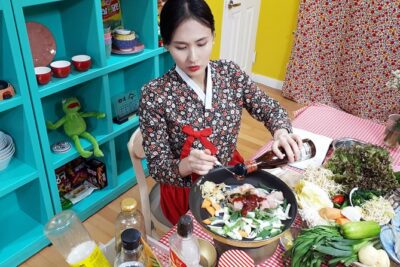


The 2-hour flow: recording, editing, and mixing in one session
Your session is structured around active production steps. The course description makes it clear that every participant is involved in the core workflow: recording, editing, and mixing their own songs.
What that usually means in practice is a guided pipeline. You’re given a pre-selected approach to the track, and the team helps you make decisions at the points where a producer or sound engineer would normally intervene:
- You record your vocal parts (in the role of the singer)
- You make choices and follow direction related to performance and track intent (in the role of the producer)
- You handle audio work like editing and adjusting the final sound (in the role of the sound engineer)
Even without deep technical knowledge, you’ll likely understand the difference between “a vocal track that exists” and “a vocal track that fits” once edits and mix decisions happen. That’s the real learning win: you start connecting what you hear to what was changed.
How you experience the three roles (without needing to be a musician)
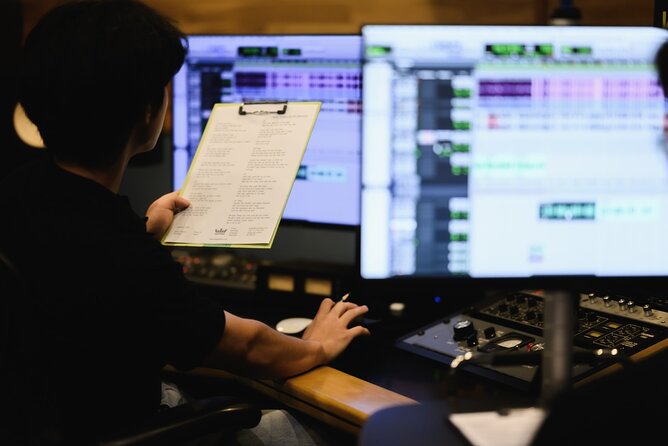
The coolest part is that the course is built around roles, not random activities. Instead of you doing one isolated task—like singing karaoke with recording—this class explains how production positions overlap in a real studio.
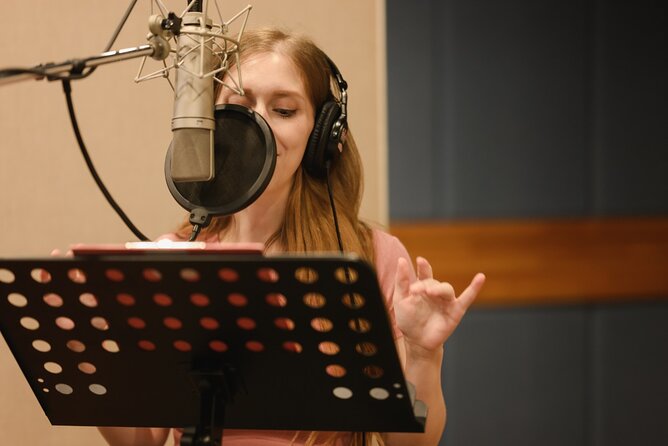
As a singer, you’re focused on performance and execution. You’re given accompaniment and lyrics so you can sing to the right backing and follow the words accurately.
As a producer, you’re learning the mindset of communication and decisions. A producer is basically a translator between artistic intent and what’s technically feasible in the studio. That communication piece is specifically part of the class goals: how you think about the track and how you work with sound engineers.
As a sound engineer, you get the hands-on aspect of recording, editing, and mixing. This is where many people find the class becomes unexpectedly fun. Suddenly you’re not just a fan of music—you’re making changes that affect the final result.
Song setup: pre-selected tracks, Korean lyrics, and romanized help
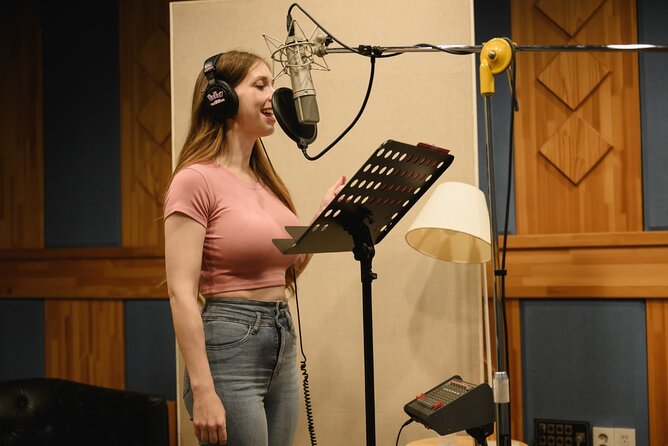
You don’t come in blind. You’ll use accompaniment and lyrics provided with the class, including Korean and romanized text. That combination is smart because it supports two kinds of readers:
- If you can read Hangul, you can follow quickly
- If you can’t, romanization gives you a way to participate without panic
In the feedback, people highlighted that the staff provides lyrics in both formats, which makes a big difference in confidence. I’d treat this as a major value point, because it means you can focus on performance rather than decoding every syllable.
Also, because the song is pre-selected in advance, you should expect a guided experience. This isn’t a “pick any song and freestyle a full album” situation. It’s more like training on the real pipeline with a track that fits the studio’s workflow.
English interpretation and the human side of studio work
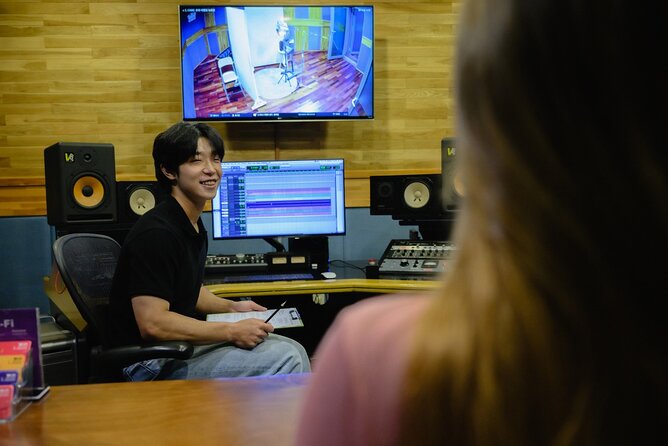
Technical work can feel intimidating. The class is built to reduce that barrier with professional interpretation in English.
In one note from the studio manager, the team described KING STUDIO launching an experience service in Korea where groups record a song together, and where you can go further into recording, vocal direction, and even producing music video-style materials in other formats. For this specific class, your takeaway is that the staff and their translator help you through the steps so you understand what’s happening while you’re doing it.
Name-wise, I saw Kingsman, the manager, mention the concept and the broader service approach. That kind of personal, welcoming tone matters in a studio. You feel like you’re being coached, not processed.
COEX Center connection: why this neighborhood makes sense
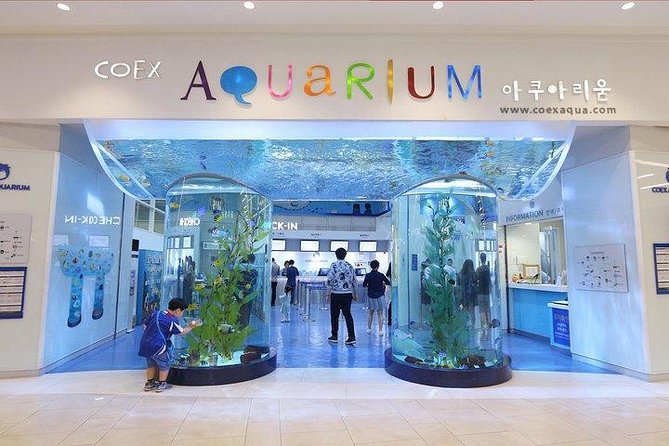
The schedule references COEX Center as a stop, and your meeting point is in the Gangnam District area. Even if you focus mainly on the studio session itself, there’s a practical benefit: you’re in one of Seoul’s easiest-to-navigate zones for first-time visitors.
Gangnam is also loaded with transit options. That helps because getting to the studio at the right time is essential. You’ll appreciate having a “known hub” nearby rather than trying to guess your way through an unfamiliar part of town.
Who this is best for (and who might feel underfed)
This class is ideal if you love K-Pop and you want something more active than a show. You’ll get the most out of it if you:
- want a behind-the-scenes taste of how songs get built
- enjoy singing and don’t mind following guided instructions
- like hands-on tasks, even if you’re not musical
It can be a great choice for birthdays too. One standout review called it the best birthday ever, mainly because the team created a warm, welcoming atmosphere while guiding people through recording and mastering edits.
A possible mismatch: if you’re the type who wants a full, unstructured, high-end producer workflow (the kind you’d get from a longer program), two hours can feel tight. The class is designed for a fast production arc, not deep specialization.
A few considerations before you go
Here’s the realistic side you should plan for:
- Time is limited: You’ll learn and do the key production tasks, but you won’t create a polished masterpiece with unlimited tweaks.
- You’ll follow a set track plan: The class uses pre-selected accompaniment and lyrics, so it’s guided.
- Punctuality matters: You must enter at the appointed time.
On the positive side, those constraints are also why the experience is doable for most travelers. The structure keeps things moving and keeps the learning focused.
Should you book this KING STUDIO producer class?
If you’re a K-Pop fan who wants a real “how it’s made” moment, I think you’ll be happy you booked. For $109 you’re not buying a performance—you’re buying studio participation with English interpretation, plus the support of Hangul and romanized lyrics so you can participate confidently.
I’d especially recommend it if you’re traveling with friends and want a private group activity that’s genuinely different from typical sightseeing. And if you’re the one in your group who always asks what producers actually do, this answers that question in a way that sticks.
Only skip it if you’re chasing a long, free-form music project or you can’t handle time-boxed instructions. Otherwise, this is a practical, fun, and surprisingly satisfying way to understand K-Pop production from the inside.
FAQ
How long is the K-Pop Making Class with a Producer?
The class is about 2 hours.
What’s included in the class?
You’ll get accompaniment and lyrics (with Korean and romanized versions) and professional interpretation in English. The class also involves recording, editing, and mixing your own song.
Where do I meet for the class?
The start point is 52 Samseong-ro 75-gil, Gangnam District, Seoul, South Korea. The activity ends back at the meeting point.
How do I get to the studio from Seolleung Station?
Go to Exit 1 of Seolleung Station, walk toward Dunkin’ Donuts, turn right, and head to the basement studio area in front of the 7-Eleven.
Is this activity private?
Yes. It’s listed as a private tour/activity, so only your group participates.
What’s the cancellation policy?
You can cancel for a full refund up to 24 hours before the experience starts. If it’s canceled due to poor weather or the minimum traveler requirement isn’t met, you’ll be offered another date or a full refund.
More Workshops in Seoul
- Local Home Korean Cooking Class & Market Adventure in Seoul★ 5.0 · 1,024 reviews
- Seoul: Korean Cooking Class at a Local Home and Market Tour★ 5.0 · 348 reviews
- Yongpyong Ski Resort from Seoul with Optional Lesson and Packages★ 5.0 · 217 reviews
- Seoul: Kpop Dance Class Including Video Shooting & Editing★ 4.8 · 185 reviews
- Seoul: Taste of Korea, Authentic Home Style Cooking Class★ 4.9 · 166 reviews
More Tour Reviews in Seoul
- Best DMZ Tour Korea from Seoul (Red Suspension Bridge Optional)★ 5.0 · 41,422 reviews
- DMZ Tour: 3rd Tunnel, Option(Suspension Bridge, Boat) from Seoul★ 5.0 · 21,373 reviews
- DMZ tour south Korea from Seoul (NK experience hall, defector)★ 5.0 · 20,599 reviews
- Seoul: DMZ Tour with Optional Suspension Bridge★ 4.8 · 5,277 reviews
- Seoul: DMZ The 3rd Tunnel and Suspension Bridge Tour★ 5.0 · 4,656 reviews
More K-Pop & Hallyu Trails
- Full Day Tour In The Soop BTS Ver in PyeongChang Filming Location★ 5.0 · 1,709 reviews
- From Seoul: Nami Island, K-drama Garden & Rail Bike Day Tour★ 4.6 · 724 reviews
- Seoul: MBC Insider Live K-Drama Rehearsal & VIP Studio Tour★ 4.9 · 208 reviews
- Seoul: Kpop Dance Class Including Video Shooting & Editing★ 4.8 · 185 reviews
- ARMY Must Visit BTS Tour in Seoul★ 5.0 · 149 reviews
Just added to Exploring Seoul




K-Pop & Hallyu Tours, compared.
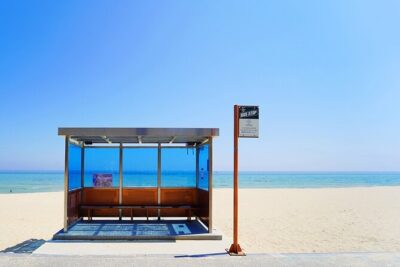 ★ 5.0Full Day Tour In The Soop BTS Ver in PyeongChang Filming LocationFrom $1381,709 reviews
 ★ 4.6From Seoul: Nami Island, K-drama Garden & Rail Bike Day TourFrom $61724 reviews
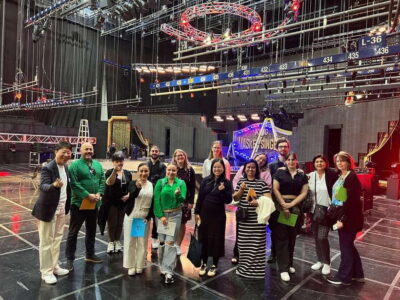 ★ 4.9MBC Insider Live K-Drama Rehearsal & VIP Studio TourFrom $101208 reviews
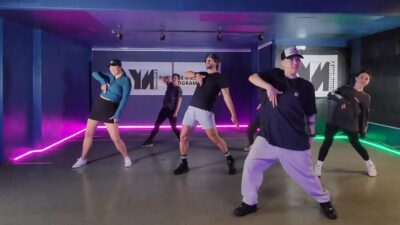 ★ 4.8Kpop Dance Class Including Video Shooting & EditingFrom $53185 reviews
 ★ 5.0ARMY Must Visit BTS Tour in SeoulFrom $48149 reviews
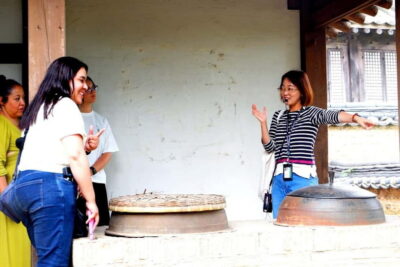 ★ 4.9From Seoul: Dae Jang Geum Park Historic K-Drama Set TourFrom $55143 reviews
 ★ 4.9ARMY Must Visit BTS TourFrom $55116 reviews
 ★ 4.9BTS K-Pop Star Footsteps Journey ARMY Fan Day TourFrom $77115 reviews
Browse the lists this tour appears in