
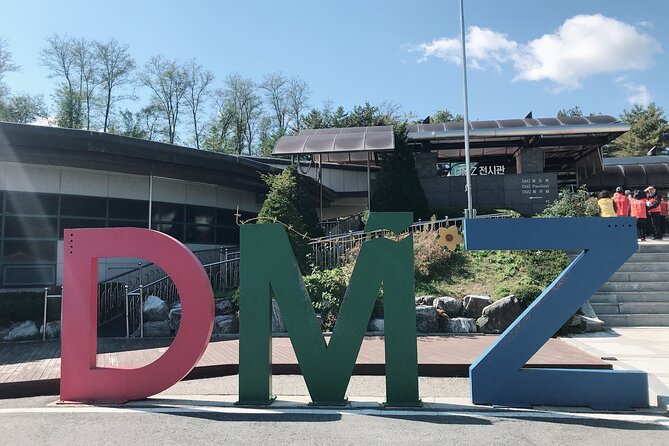
Reviewed · DMZ DAY TOURS
Half-Day South Korea DMZ Small-Group Tour from Seoul
Silence has teeth at the DMZ. This half-day small-group trip from Seoul brings you to the border area for the tunnel experience and big-picture views across North Korea, with official DMZ access and a mobile ticket. It’s only about 6.5 hours, but it packs in places that feel heavy with meaning.
I love two things most: the chance to walk the Third Tunnel and the way Dora Observatory turns geography into something you can actually see. On top of that, the English-speaking guide team is the real multiplier here, and guides like Henry Park are specifically praised for clear explanations and tight time management.
One important consideration: you must bring your original passport (no copies, no photos), and the tour depends on good weather. If conditions block access to certain viewpoints, you may see less than you hoped, even though the schedule stays focused and well-run.
In This Review
- Key Highlights You’ll Feel on Day One
- DMZ in Six Hours: What You Really Experience
- Your Original Passport Is the Main Requirement
- Meeting at Seoul City Hall: Easy Start, Tight Morning
- Imjingak Pyeonghoa-Nuri Park: Monuments and the Unification Message
- Paju Freedom Bridge: A Temporary Structure with Real Meaning
- The 3rd Tunnel Walk: Where the Border Feels Close
- Dora Observatory: A Viewpoint Built for Looking, Not Guessing
- Back in Seoul: Ginseng Museum and a Duty-Free Buffer
- Guide Quality Matters More Than You Think
- Price and Logistics: When $500 Makes Sense
- What to Bring and How to Prepare
- Who This DMZ Tour Fits Best
- Should You Book This Half-Day South Korea DMZ Tour?
- FAQ
- How long is the Half-Day South Korea DMZ tour?
- What time does the tour start and where do I meet?
- What is the group size limit?
- Is lunch included?
- Do I need an original passport to enter the DMZ?
- Are there DMZ tickets, and how are they sold?
- What’s included in the price?
- Does weather affect the tour?
Key Highlights You’ll Feel on Day One
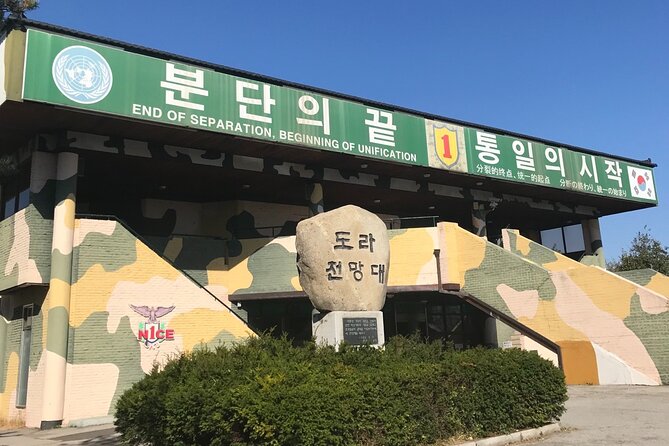
- Third Tunnel walk: short, physical, and surprisingly grounding.
- Dora Observatory views: you’re not just learning names; you’re looking across them.
- Small-group pacing: enough time for questions, not so many people that you feel rushed.
- Monuments with an unification theme: Imjingak Pyeonghoa-Nuri Park keeps the story human-sized.
- Tight use of the day: it’s built for efficiency without turning it into a blur.
- A practical Seoul add-on: a quick ginseng museum and duty-free stop to balance the intensity.
Other ways to reach the DMZ and the border from Seoul
- DMZ Tour: 3rd Tunnel, Option(Suspension Bridge, Boat) from Seoul★ 5.0 · 21,373 reviews
- DMZ tour south Korea from Seoul (NK experience hall, defector)★ 5.0 · 20,599 reviews
- Seoul: DMZ Tour with Optional Suspension Bridge★ 4.8 · 5,277 reviews
- Seoul: DMZ The 3rd Tunnel and Suspension Bridge Tour★ 5.0 · 4,656 reviews
DMZ in Six Hours: What You Really Experience
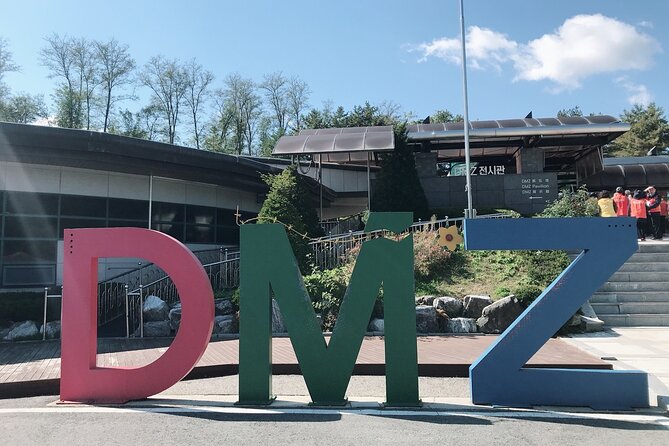
A half-day DMZ tour is an odd category. It’s not long enough for a full immersion trip, but it’s long enough for the place to hit you. You’ll leave Seoul in the morning, spend real time at key border-area sites, and come back the same day feeling like you watched history happen in real time.
The core draw is simple: you’ll visit the places that symbolize war and separation, plus you’ll see a North Korean village area from an official viewing point. And unlike many big-ticket “border” experiences, you also walk through a tunnel—so the day isn’t just visual. It becomes physical, which changes how the story lands.
This tour is also structured for people who want a small-group feel. The maximum listed group size is capped (maximum of 10 travelers), and the pricing is per group up to 4, which usually means you’re not getting shoved into a huge bus crowd. It’s still a day trip with a schedule, but it tends to feel organized rather than chaotic.
Your Original Passport Is the Main Requirement
Here’s the rule that matters most: you need your original passport to enter the DMZ. The tour information is very explicit—no copies, no photos. That means you should pack it where you can grab it fast in the morning, not buried at the bottom of a tote bag that becomes a search-and-rescue operation.
Because DMZ access relies on restricted daily capacity, tickets are limited and sold on a first-come, first-served basis. Practically speaking, that means booking early is not just “nice,” it’s smart. One month ahead is suggested, and last-minute availability can happen, but only at random—so don’t plan your entire Seoul schedule like it’s a sure thing.
Also be ready for day-of variables. The tour runs with a serious topic, and the political situation can affect what’s actually available to see. If access is adjusted, your best move is to treat the day as a guided border experience rather than a checklist of perfect stops.
Meeting at Seoul City Hall: Easy Start, Tight Morning
The meeting point is Seoul City Hall (Subway Line 1), at 110 Sejong-daero, Jung District. Start time is 8:00 am, so you’ll want to build in time for getting there before the group assembles. This is one of those tours where showing up late can ripple into your whole day.
The tour provides all transportation and runs as an organized circuit. That matters because the DMZ area sits far outside central Seoul. Without a plan, the logistics alone would be a headache—this way you get driven between stops with guide commentary while you’re on the move.
You’ll also use a mobile ticket. That’s convenient, but it’s still smart to keep a backup (like making sure your phone is charged and you can access the ticket quickly). When a day is scheduled down to the minute, small tech problems can feel bigger than they should.
A handful of other Seoul experiences to line up next
Imjingak Pyeonghoa-Nuri Park: Monuments and the Unification Message
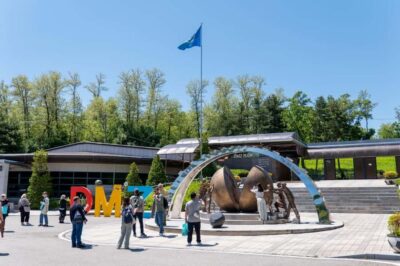
Your first stop is Imjingak Pyeonghoa-Nuri Park, about 7 km from the military Demarcation Line. This park is filled with statues and war-related monuments. It was built in 1972 with a hope that unification someday would be possible, and you feel that theme as you move through the space.
This is a good place to “set your brain.” Before you get to tunnels and observation points, you get the symbolic context: the war isn’t just a textbook topic. It’s represented with physical markers and memorials designed to keep the human cost in view.
You’ll have about 45 minutes here, and admission is included. The time is enough to walk the park and read what you can without turning it into an all-day museum sprint. If you like taking photos, this is a safer moment to do it—early in the day, when you’re still warming up to what you’re seeing.
Potential drawback: because it’s outdoors and the theme is solemn, the experience can feel slow if you’re expecting a more “spectacle” style stop. But for me, that’s part of the value. It helps the later views and tunnel walk feel more grounded.
Paju Freedom Bridge: A Temporary Structure with Real Meaning
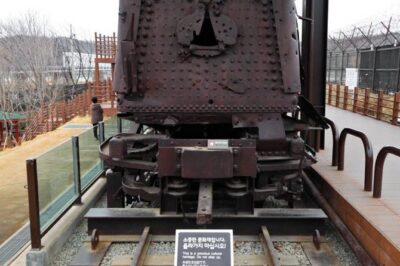
Next you head to Paju for the Freedom Bridge. The bridge was built for temporary use, so the architecture isn’t the main story. Instead, its name carries weight because South Koreans returned through it in the context of separation and movement between the two sides.
You’ll have about 20 minutes here. That’s short, but it matches the site’s role in the route: it’s a quick stop to connect the symbolic geography to real-life experiences of coming back.
If you’re the type who likes to understand why a place is named what it’s named, this is a decent moment. If you want longer time for photos, you might wish you had more minutes—but the schedule is built around the more time-intensive stops.
The 3rd Tunnel Walk: Where the Border Feels Close
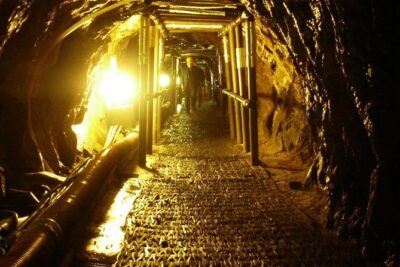
The highlight for many people is the 3rd Tunnel. It was discovered in 1978 by South Korean forces and is roughly 1,635m long, with about a 2m width and 2m height. It’s located about 52 km from Seoul.
This stop is where your brain switches from “watching” to “feeling.” A tunnel compresses your sense of space. Even though you’re not walking the entire tunnel, the scale and the shape of the place make the story harder to treat as abstract. It’s not just about the conflict; it’s about how someone could move through darkness and tight passages.
In the itinerary, the 3rd Tunnel stop shows free admission, but the bigger point is that DMZ access itself is restricted by capacity. So you’re not just arriving at a normal attraction—you’re entering a controlled area with an official authorization tied to limited access.
Time-wise, plan for about 45 minutes. That’s enough for the tunnel segment and the related viewing area without turning it into a marathon. If you’re prone to claustrophobia, consider that the tunnel is narrow by design (those 2m dimensions are real). If you’re comfortable with tight indoor spaces, you’ll probably find this emotionally memorable in the best way.
Dora Observatory: A Viewpoint Built for Looking, Not Guessing
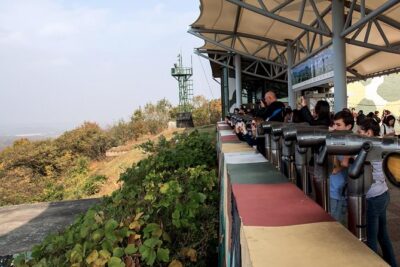
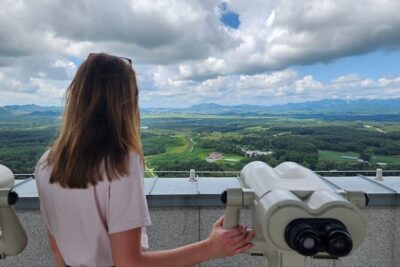
Dora Observatory is near the 3rd Tunnel and opened to the public in 1987. This is one of the most important stops because it shifts the day from memorials and tunnels to actual sightlines into the other side.
From Dora Observatory, you can overlook North Korea and areas including Gaeseong, Songaksan, and Kim Il-Sung Square (as listed in the tour description). That matters because names stop being random geography. They become places you can point your eyes toward.
You’ll spend about 45 minutes here, and admission is included. In practice, you’ll want to spend a little time at the main viewing points, then ask your guide specific questions about what you’re seeing and what the boundaries mean. A good guide can turn a viewing moment into a clear mental map.
This stop can also be the most affected by restrictions. The tour information doesn’t promise that every viewpoint will always be available, and the political situation can adjust access. If something is limited on your day, don’t panic. The whole point of the day is the overall DMZ story, not a single photo spot.
Back in Seoul: Ginseng Museum and a Duty-Free Buffer
After the border stops, the itinerary includes a Seoul segment designed to reset you. You’ll visit a ginseng museum and have a short duty-free shopping stop.
The ginseng museum is set up as an exhibition hall where you learn about different types of ginseng and its positive effects, plus its history. It’s not the kind of museum you’d pick for fun on a random afternoon, but as a midday palate cleanser after the DMZ, it works. It gives your mind a different topic, and it’s relatively low-stress compared to what came before.
You’ll also get about 30 minutes at a duty-free shop. That’s enough time to browse and buy essentials if you want them, but it’s not long enough for a full shopping spree. It’s really there as a convenience buffer so you’re not driving around Seoul on your own after a long morning.
Practical note: since lunch isn’t included, this Seoul portion can be a good moment to decide how you’ll handle food when you return to the city. If you tend to get hungry later, you might grab something small earlier before the stops start.
Guide Quality Matters More Than You Think
This is one of those tours where the content is intense, and the guide is the difference between a forgettable day and a meaningful one. The tour includes an English-speaking guide with commentary, and the reviews associated with this operator highlight guide Henry Park in particular as a strong example of what you’re hoping for.
Look for traits you can feel in the experience: clear explanations, willingness to answer questions, and solid time management. One review specifically praises time management, and another notes that the guide can make the day successful even when not everything is available due to the situation. That’s exactly what you want from a DMZ tour guide—someone who stays calm, explains what’s possible, and keeps the group moving without rushing the important moments.
If you’re traveling with kids, or you just like structure, that guide skill becomes extra valuable. The DMZ topic can feel abstract. A good commentary layer makes it concrete.
Price and Logistics: When $500 Makes Sense
The price is $500 per group (up to 4). That can sound steep until you compare what you’re actually buying. You’re paying for restricted-area access, a guided route with official stops, and transportation that would be hard and expensive to replicate independently—especially when DMZ capacity is limited.
Because DMZ tickets and access are constrained, the value isn’t just the car ride. It’s the fact that someone handles the official process and keeps the day on track. Add in the English commentary and the fact that the tour is capped (maximum of 10 travelers), and the price starts to look more like a “managed access experience” than a basic sightseeing day.
Who is this most cost-effective for? Families or small groups of up to 4 who can split the price. If you’re solo, it’s still doable, but your per-person cost is higher. If you can travel with a friend or two and make it a group, this price tends to feel more reasonable.
One more logistics reality: the tour is about 6 hours 30 minutes, and it starts early. You’re buying a tight schedule that prioritizes the official DMZ points, not a long leisurely tour of Seoul. If you want a slower day, you might prefer a different half-day option that includes more flexible city time.
What to Bring and How to Prepare
This is the practical list I’d follow:
- Your original passport, clean and ready to present.
- Comfortable walking shoes for museum-style walking and the tunnel environment.
- A weather plan. The tour requires good weather, so bring a layer you can adjust.
- A charged phone for the mobile ticket and any navigation you need after you return to Seoul.
Since lunch isn’t included, plan for food. If you’re the type who needs fuel early, eat before you go and keep a small snack option in mind. You’ll still likely want to eat after the DMZ segment because the emotional intensity and early start add up.
Also, keep expectations realistic. Access can shift. If the day doesn’t deliver every viewing angle you imagined, you’ll still leave with the core experiences: the memorial context, the tunnel walk, and the official observation area.
Who This DMZ Tour Fits Best
I think this tour is ideal if you want a structured DMZ experience without planning the complicated parts yourself. It also fits well if you’re someone who likes an English guide commentary layer rather than sorting out everything on your own from signage.
You’ll likely enjoy it most if:
- You care about the meaning behind the border and want official access.
- You prefer small-group pacing over a large bus crowd.
- You want both memorial context (Imjingak) and physical experience (Third Tunnel).
- You like being able to ask questions while you’re there, not after the fact.
If you’re looking for a relaxed, purely scenic day, the tone won’t match. This is a place designed to make you think and feel, and the schedule reflects that seriousness.
Should You Book This Half-Day South Korea DMZ Tour?
Book it if you want the best shot at a guided DMZ day that’s efficient, structured, and actually gets you into the key sites from Seoul. The combination of tunnel access, an official viewing stop at Dora Observatory, and a solid guided explanation layer is the core value.
Skip it (or consider another format) if you’re extremely weather-sensitive, don’t have your original passport ready, or hate tight spaces. Also, if you need a long lunch break and a slow pace, this schedule may feel too compressed.
If you decide to book, do it earlier rather than later. Tickets are limited, and the DMZ entry process is capacity-driven. Plan for an early start, pack your passport like it’s your most important item on the trip, and bring a flexible mindset about what’s available on the day.
FAQ
How long is the Half-Day South Korea DMZ tour?
It runs for about 6 hours 30 minutes (approx.).
What time does the tour start and where do I meet?
It starts at 8:00 am. The meeting point is Seoul City Hall, 110 Sejong-daero, Jung District, Seoul (Subway Line 1).
What is the group size limit?
The tour has a maximum of 10 travelers.
Is lunch included?
No. Lunch is not included.
Do I need an original passport to enter the DMZ?
Yes. An original passport is mandatory to enter the DMZ. Copies or photos are not accepted.
Are there DMZ tickets, and how are they sold?
DMZ entrance tickets are sold as first come, first served, and there is a limited number of tickets per day.
What’s included in the price?
All fees and taxes are included, along with an English-speaking guide with commentary and all transportation.
Does weather affect the tour?
Yes. The experience requires good weather. If it’s canceled due to poor weather, you’ll be offered a different date or a full refund.
More Tours in Seoul
- Best DMZ Tour Korea from Seoul (Red Suspension Bridge Optional)★ 5.0 · 41,422 reviews
- DMZ Tour: 3rd Tunnel, Option(Suspension Bridge, Boat) from Seoul★ 5.0 · 21,373 reviews
- DMZ tour south Korea from Seoul (NK experience hall, defector)★ 5.0 · 20,599 reviews
- Seoul: DMZ Tour with Optional Suspension Bridge★ 4.8 · 5,277 reviews
- Seoul: DMZ The 3rd Tunnel and Suspension Bridge Tour★ 5.0 · 4,656 reviews
More Tour Reviews in Seoul
- Best DMZ Tour Korea from Seoul (Red Suspension Bridge Optional)★ 5.0 · 41,422 reviews
- DMZ Tour: 3rd Tunnel, Option(Suspension Bridge, Boat) from Seoul★ 5.0 · 21,373 reviews
- DMZ tour south Korea from Seoul (NK experience hall, defector)★ 5.0 · 20,599 reviews
- Seoul: DMZ Tour with Optional Suspension Bridge★ 4.8 · 5,277 reviews
- Seoul: DMZ The 3rd Tunnel and Suspension Bridge Tour★ 5.0 · 4,656 reviews
The DMZ & the Border, More Routes
- Best DMZ Tour Korea from Seoul (Red Suspension Bridge Optional)★ 5.0 · 41,422 reviews
- DMZ Tour: 3rd Tunnel, Option(Suspension Bridge, Boat) from Seoul★ 5.0 · 21,373 reviews
- DMZ tour south Korea from Seoul (NK experience hall, defector)★ 5.0 · 20,599 reviews
- Seoul: DMZ Tour with Optional Suspension Bridge★ 4.8 · 5,277 reviews
- Seoul: DMZ The 3rd Tunnel and Suspension Bridge Tour★ 5.0 · 4,656 reviews
Just added to Exploring Seoul

DMZ Day Tours, compared.
 ★ 5.0DMZ Tour: 3rd Tunnel, Option(Suspension Bridge, Boat) from SeoulFrom $3521,373 reviews
 ★ 5.0DMZ tour south Korea from Seoul (NK experience hall, defector)From $2620,599 reviews
 ★ 4.8DMZ Tour with Optional Suspension BridgeFrom $455,277 reviews
 ★ 5.0DMZ The 3rd Tunnel and Suspension Bridge TourFrom $654,656 reviews
 ★ 5.0Signature DMZ Tour: Exclusive Defector Talk & Suspension BridgeFrom $274,459 reviews
 ★ 5.0Thrilling Korean DMZ 3rd Tunnel Tour from Seoul + Red Bridge RushFrom $353,097 reviews
 ★ 4.9DMZ Tour & Suspension Bridge (Option English/Spanish)From $352,628 reviews
 ★ 5.0DMZ Past and Present: Korean Demilitarized Zone Tour from SeoulFrom $372,481 reviews
Browse the lists this tour appears in